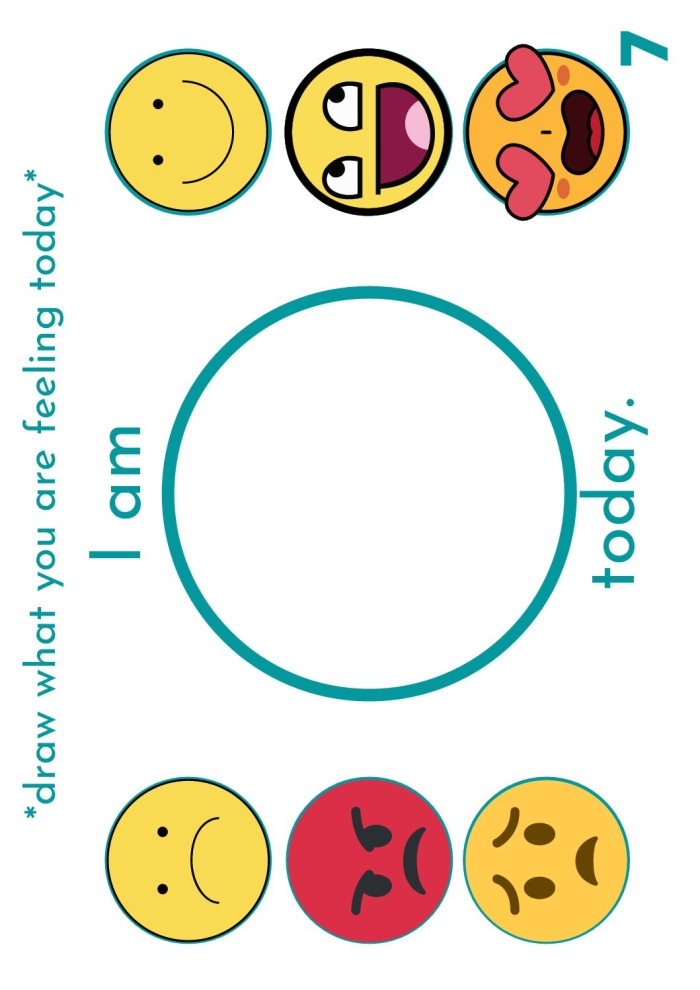
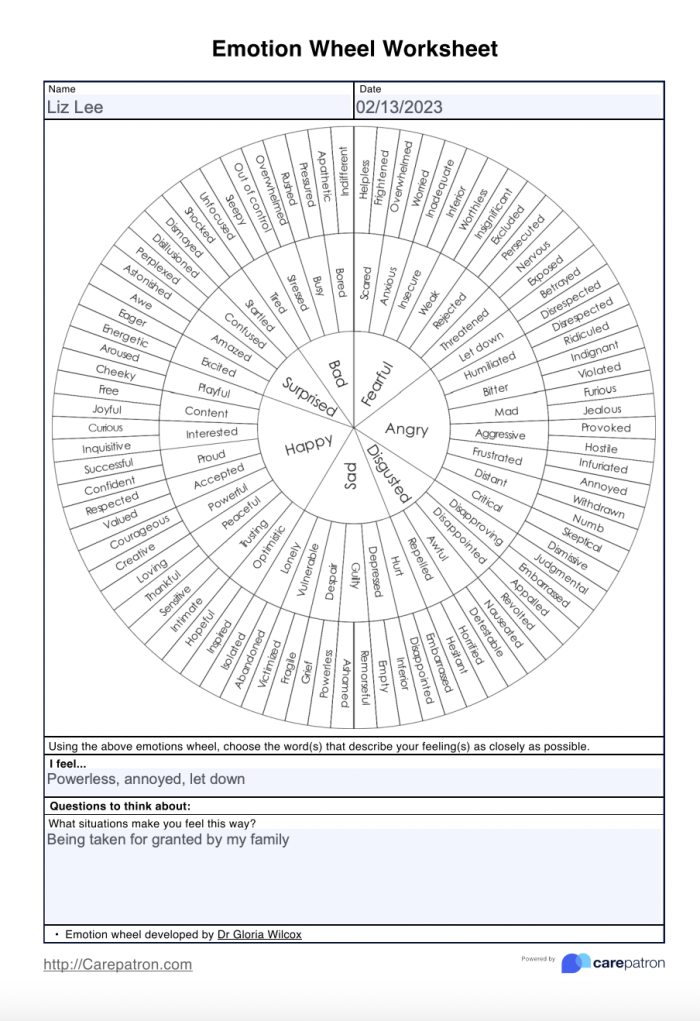
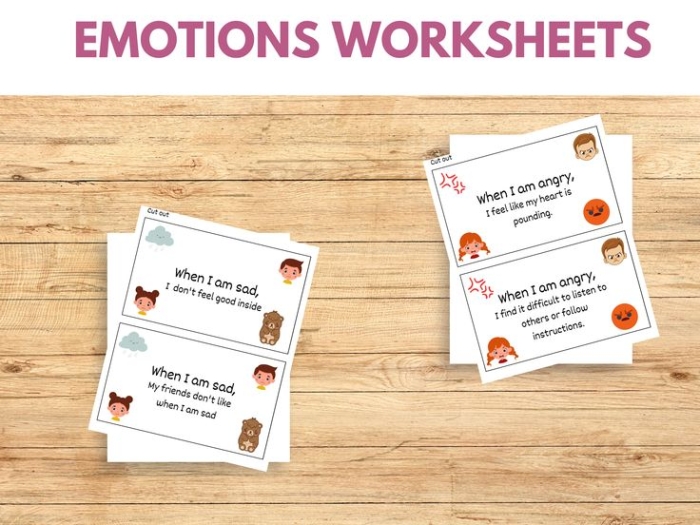
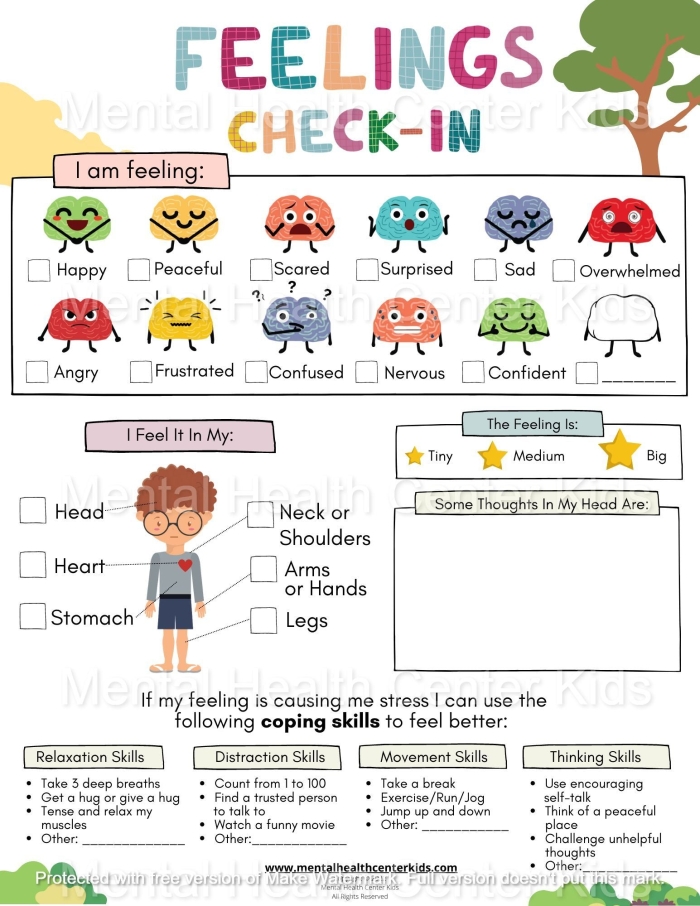
Understanding emotions is crucial for young learners, and this social emotional learning resource serves as an excellent starting point for discussions about mindfulness. By introducing children to the concept of emotions, we can help them recognize and manage their feelings more effectively. This resource not only provides a framework for identifying various emotions but also offers different feeling words that children can use to articulate their emotional states.
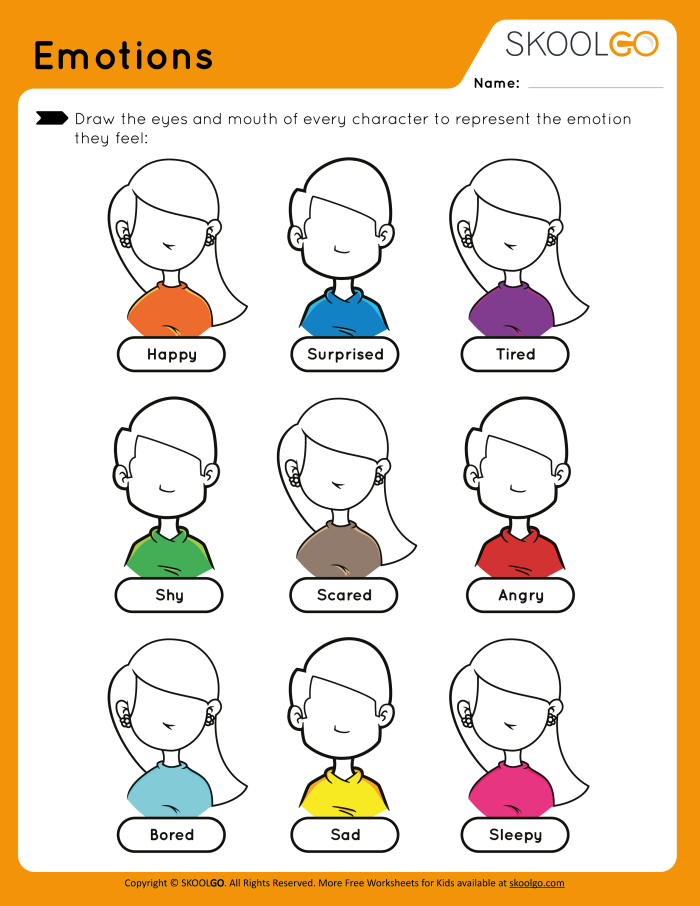
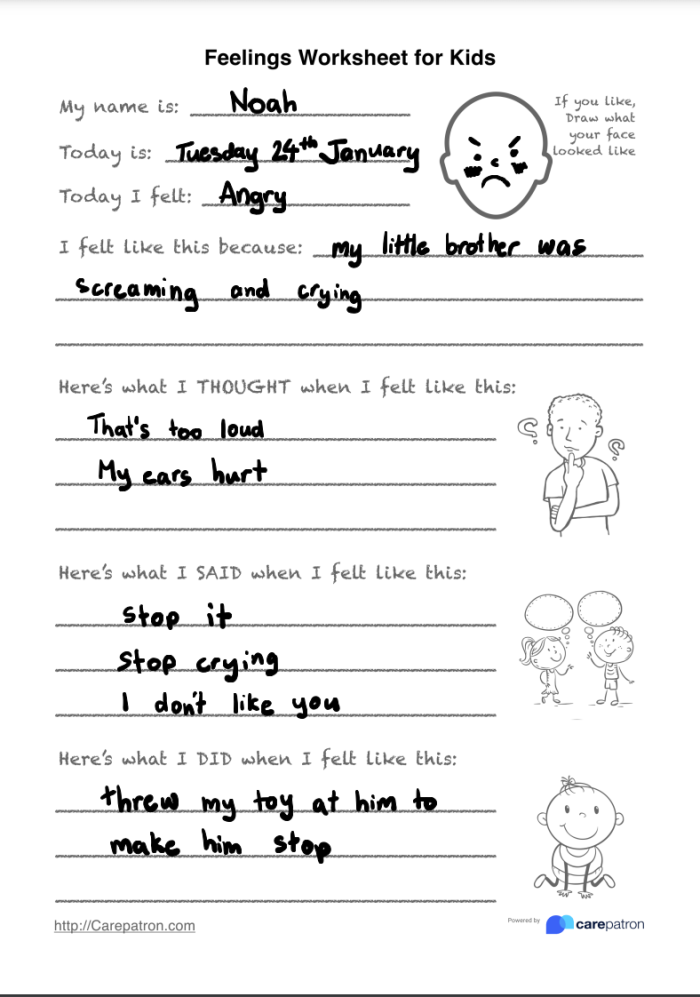
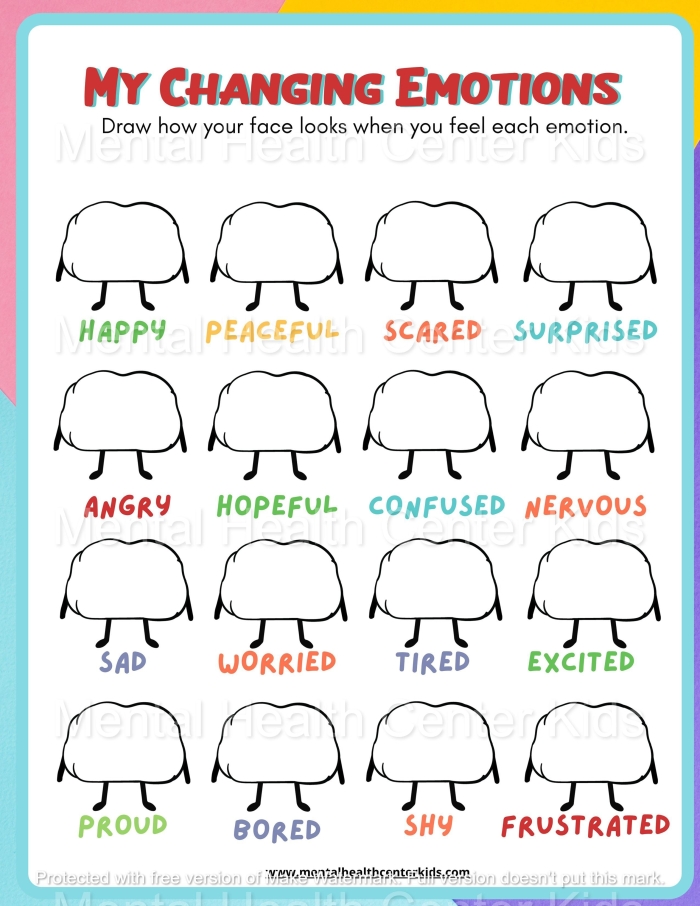
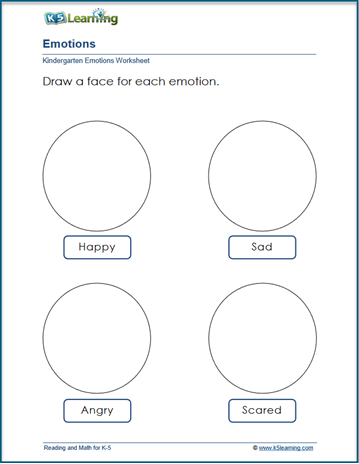
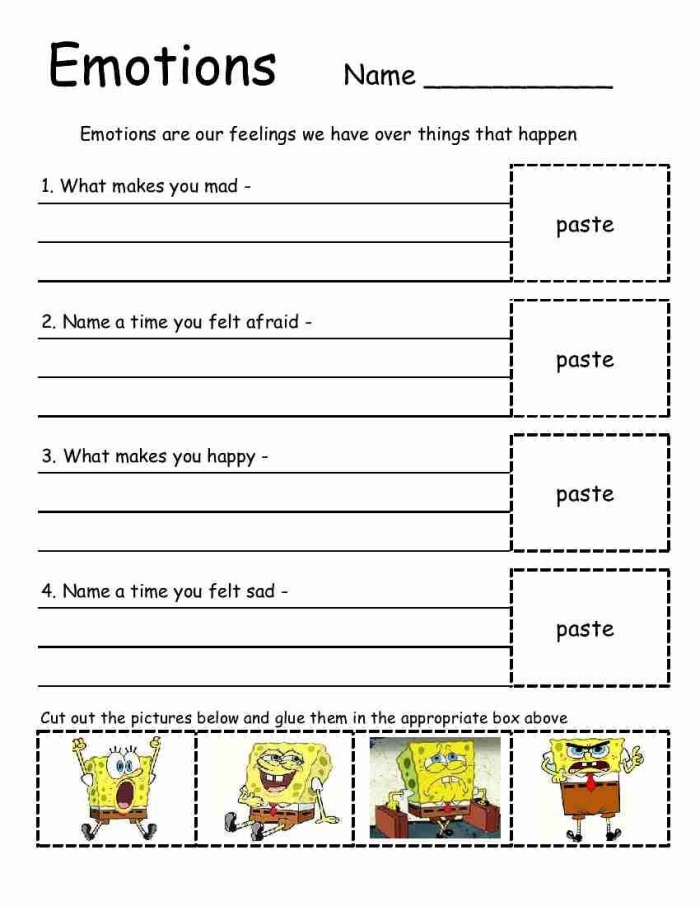
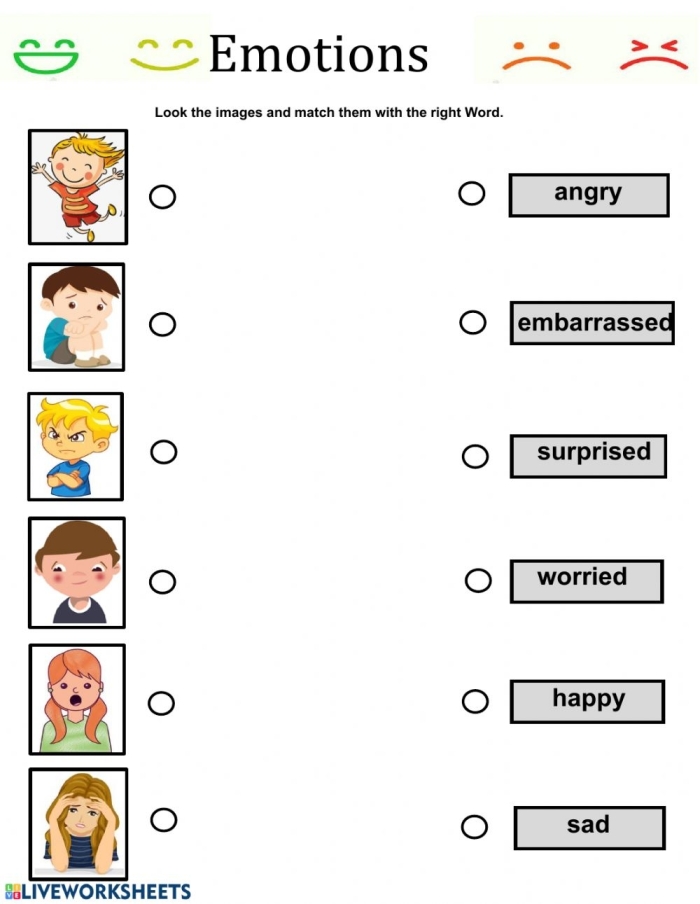
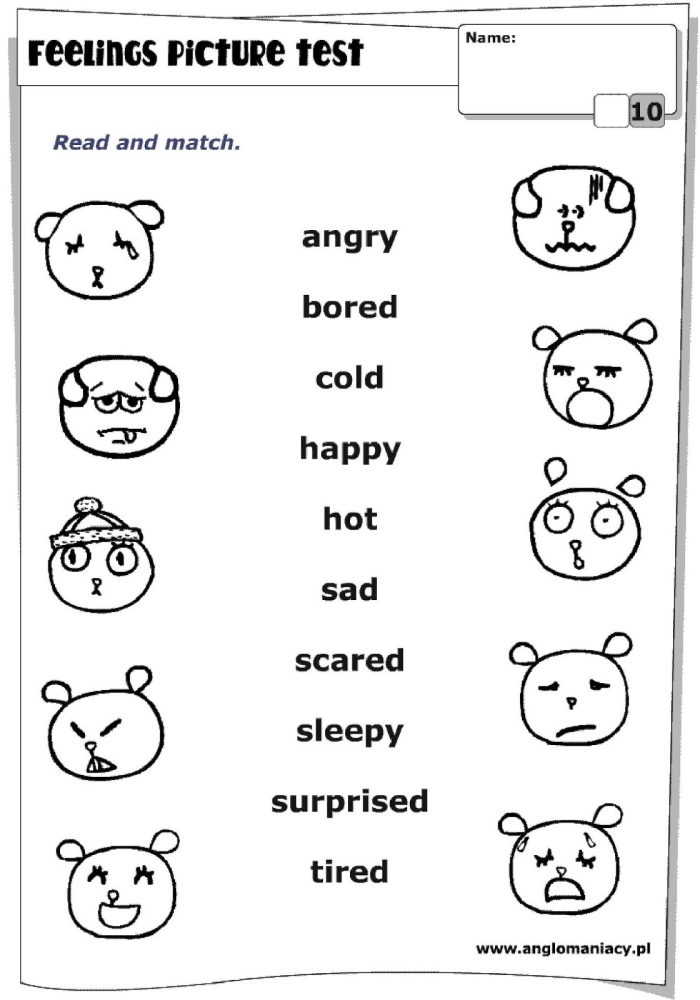
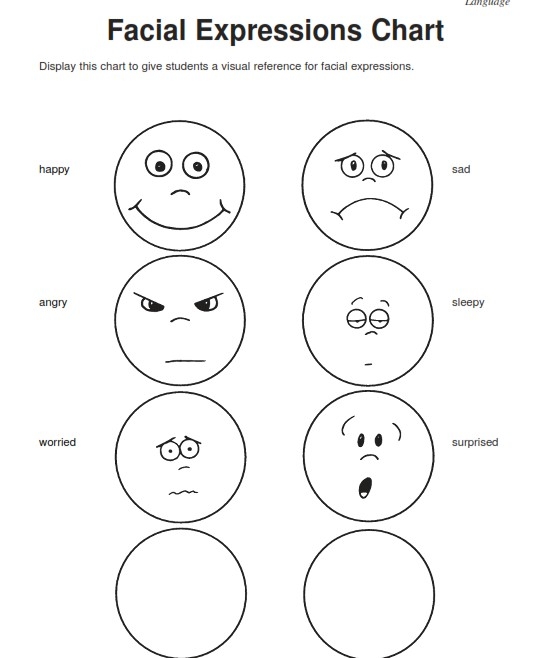
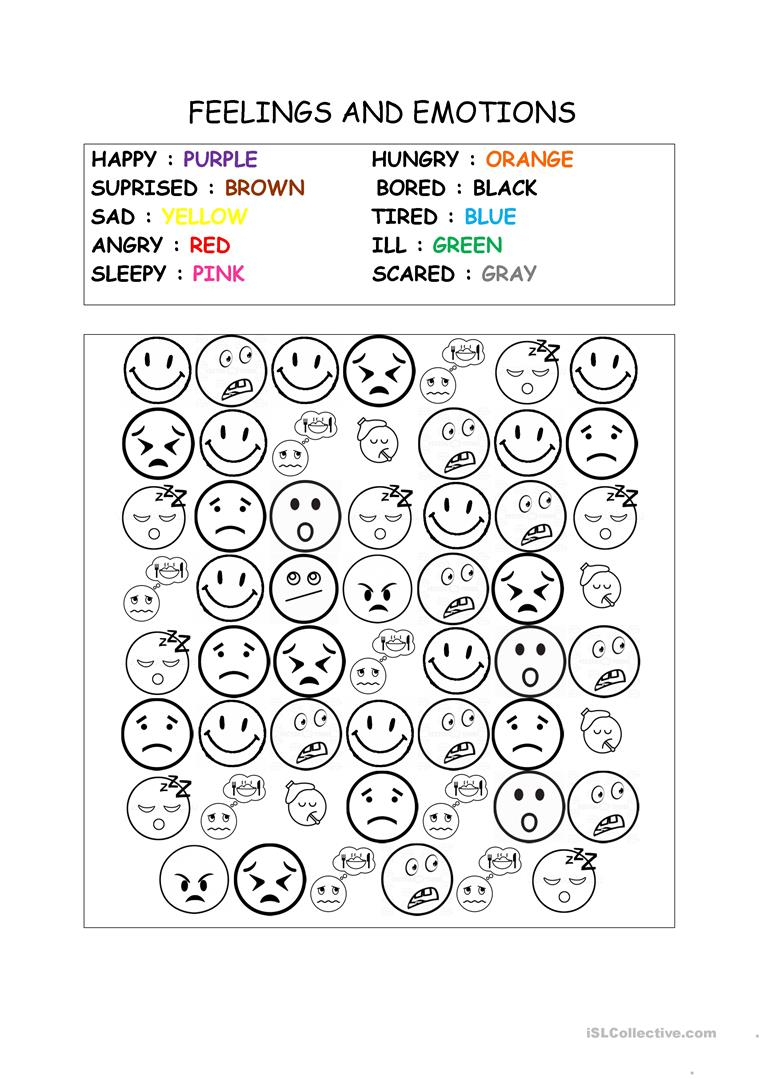
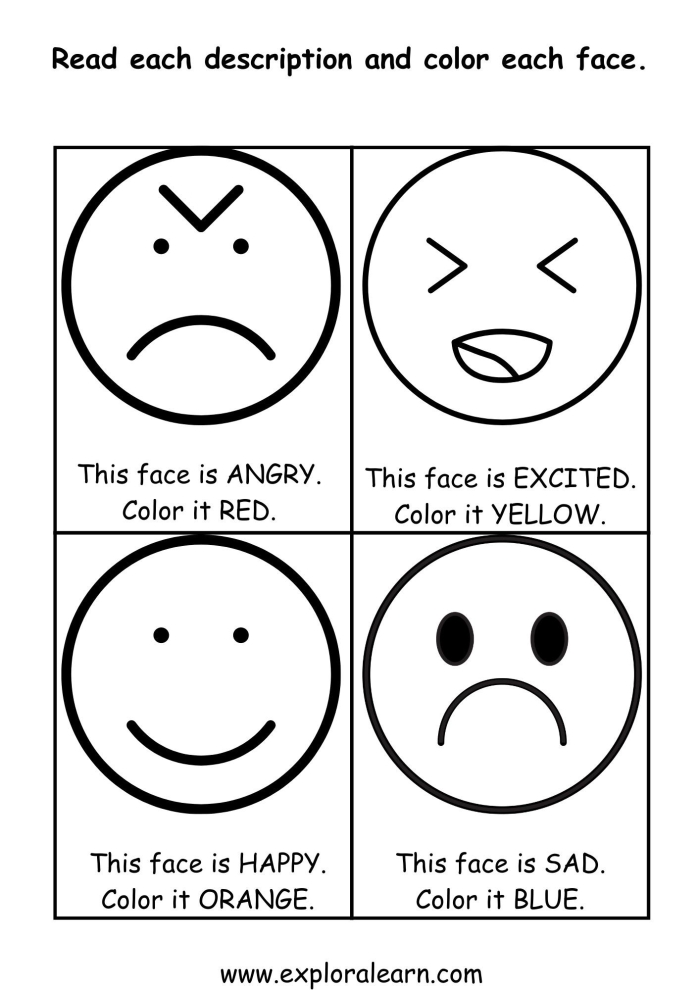
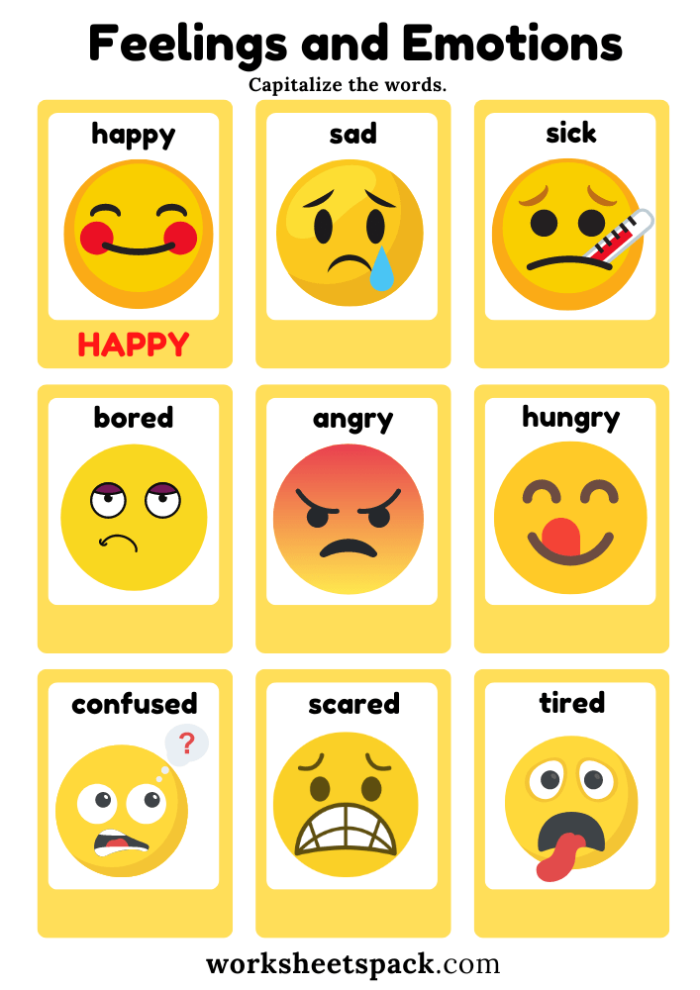
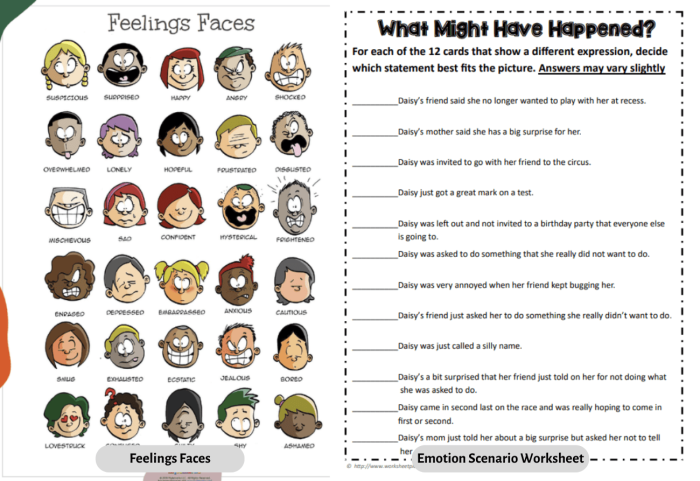
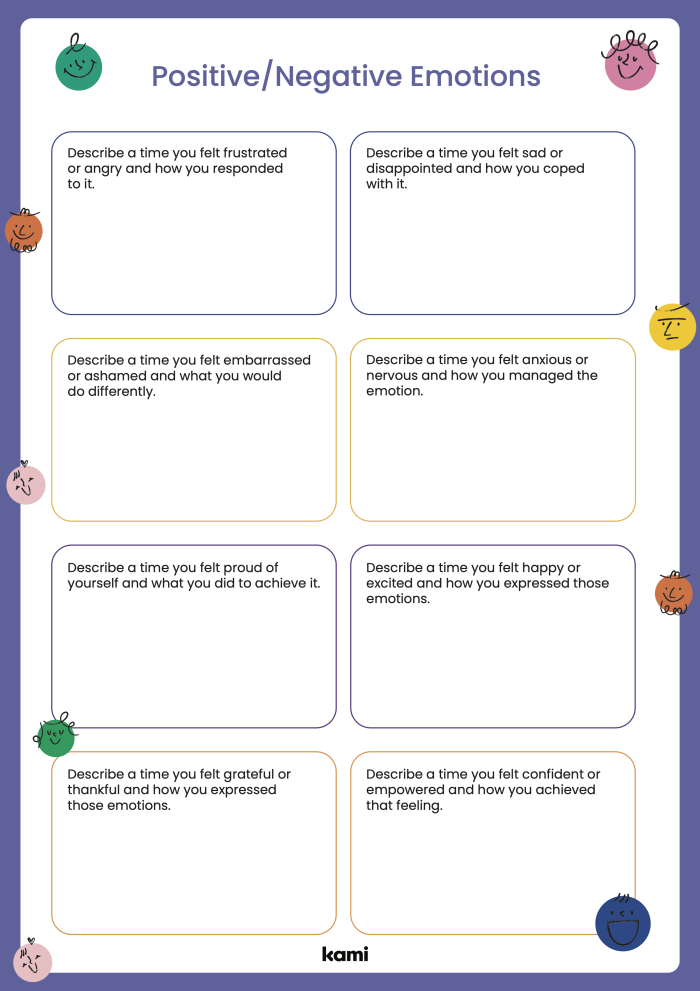
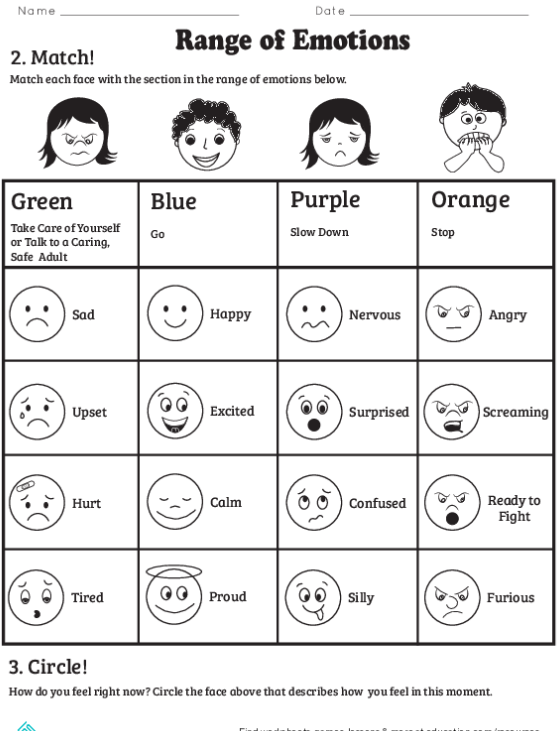
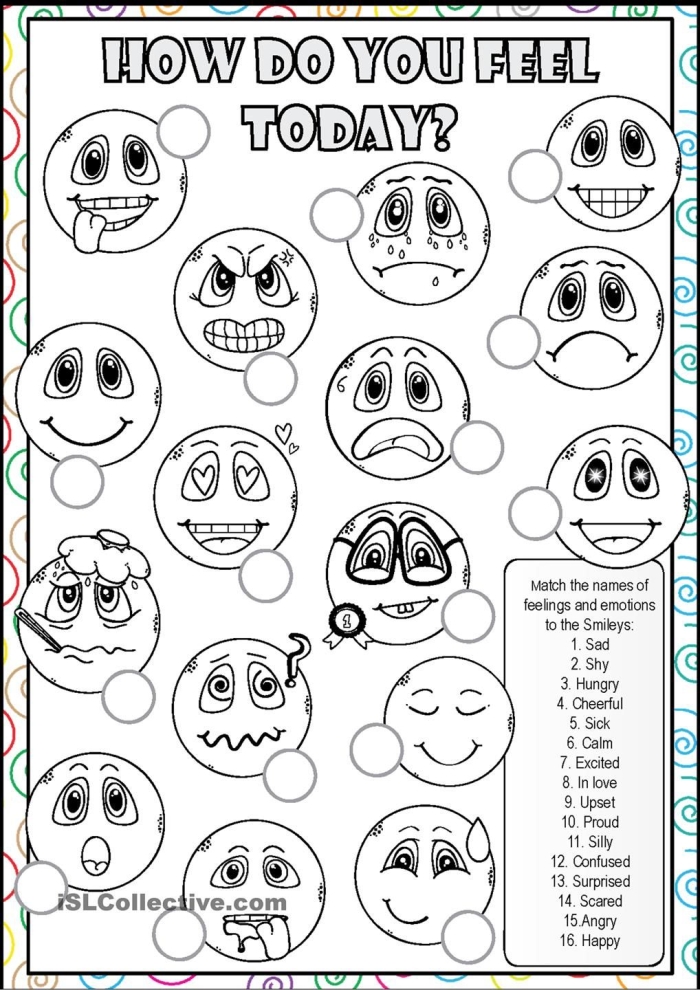
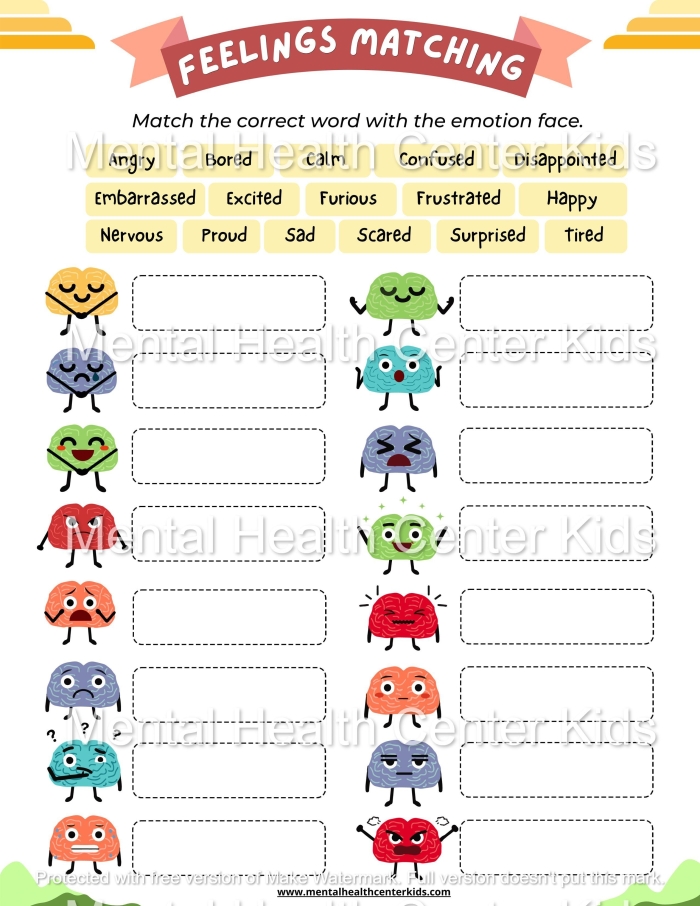
In a kindergarten setting, the ability to express feelings can significantly enhance social interactions and foster empathy among peers. For example, when children learn to identify emotions like happiness, sadness, or frustration, they can better communicate what they are experiencing. This understanding lays the groundwork for emotional intelligence, which is essential for their overall development. Using tools like printable range of emotions worksheets can facilitate this learning process by providing visual aids. These worksheets can engage young minds in a fun and educational way, allowing them to practice recognizing facial expressions or matching feelings with appropriate words.
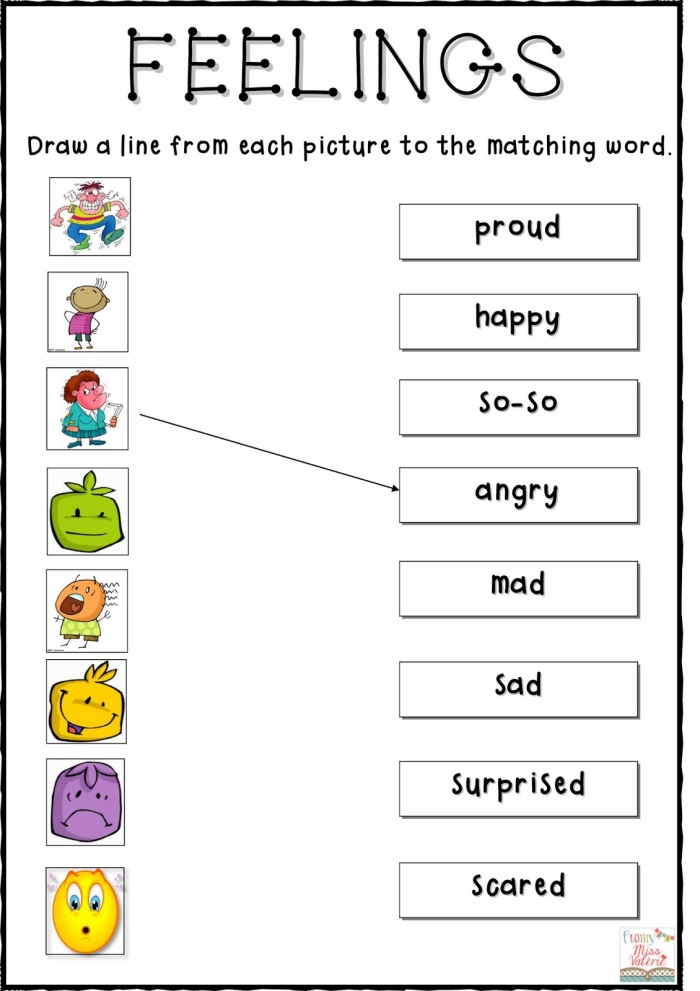
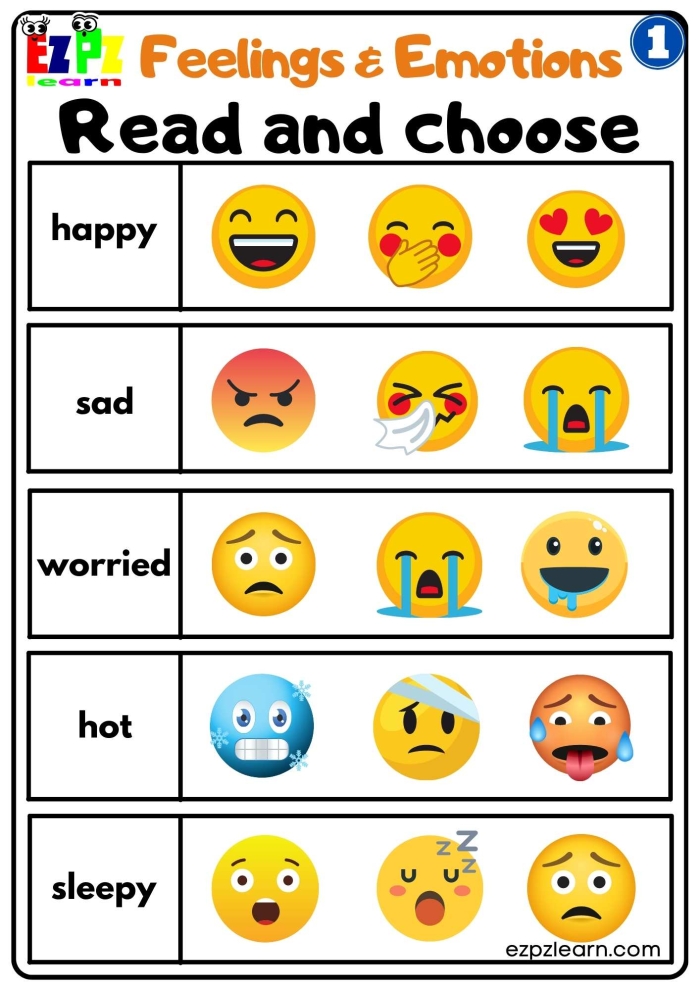
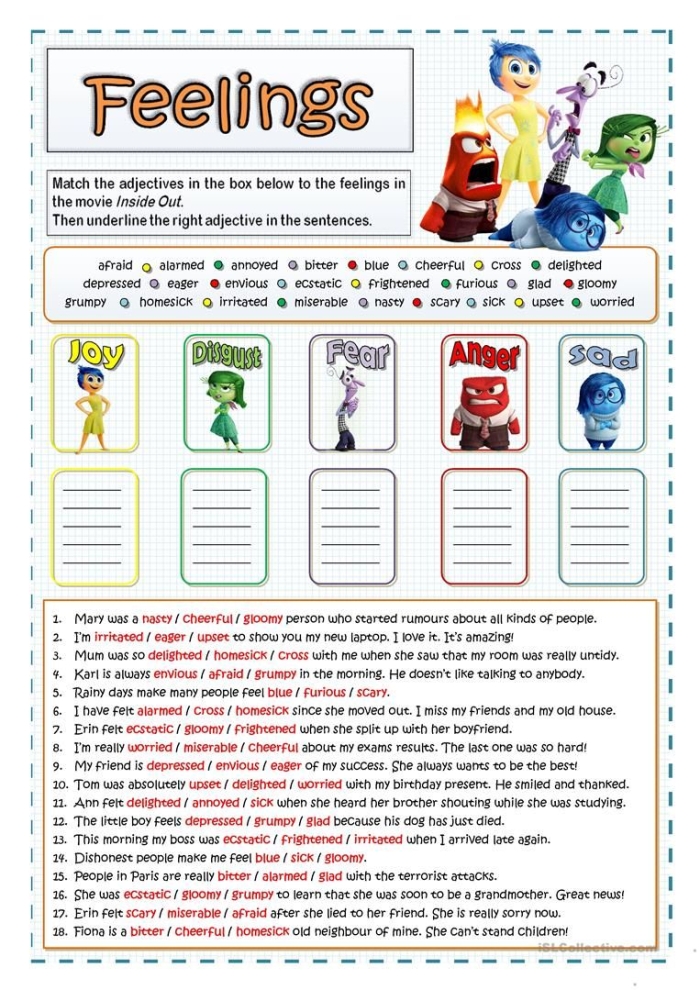
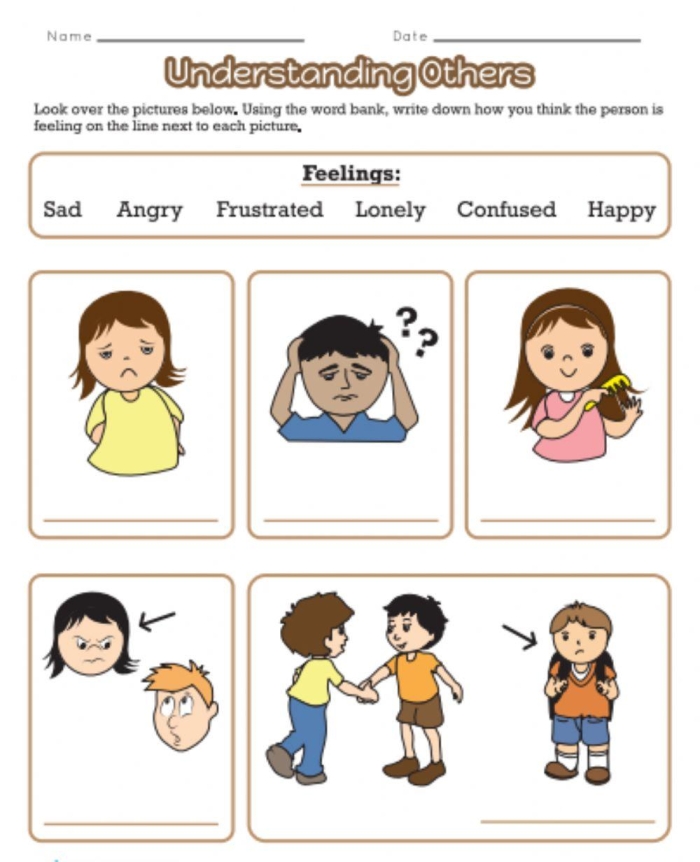
For instance, a simple activity might involve showing pictures of different facial expressions and asking children to match them with feeling words from a list. This not only reinforces vocabulary but also helps them connect words to their own experiences. Teachers can complement this activity with discussions around how certain situations might trigger different emotions. This aspect of mindfulness becomes particularly important as children learn that it’s okay to feel a range of emotions.
Incorporating these concepts into life science lessons can also be beneficial. For example, while discussing animals in their habitat, children can express feelings about how animals might feel in different situations, such as being happy when they find food or scared when they encounter a predator. Resources like Furry Bear worksheets can help bridge these discussions, making emotional awareness a part of their learning journey.
By embracing this social emotional learning resource, educators can effectively create an environment where kindergarten students feel safe to express their emotions and learn to understand themselves and others better. This approach not only nurtures emotional growth but also contributes positively to their academic and social experiences.
Start Practicing with These Worksheets