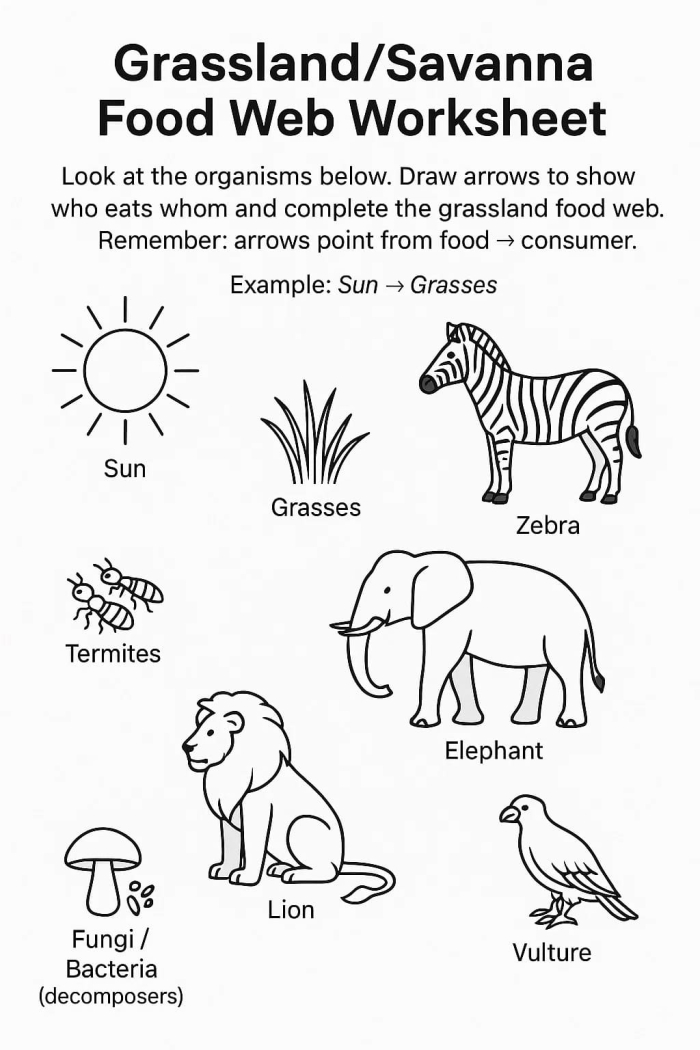
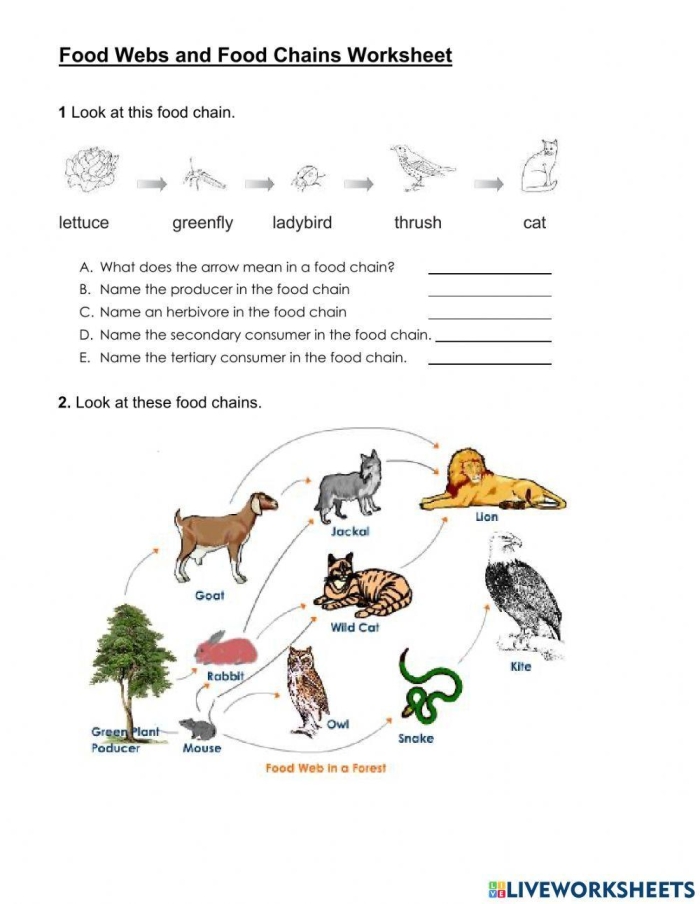
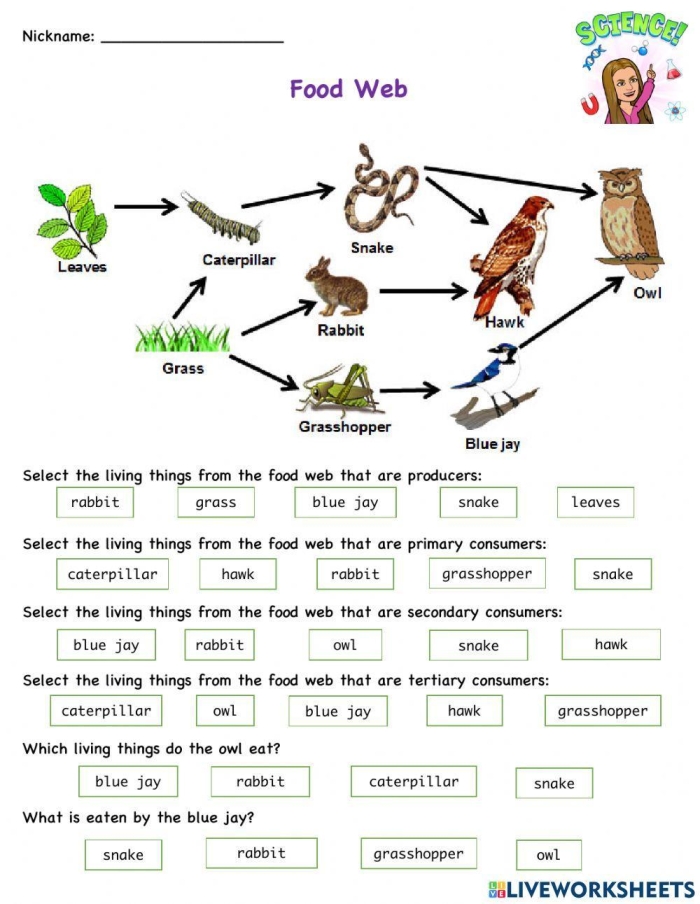
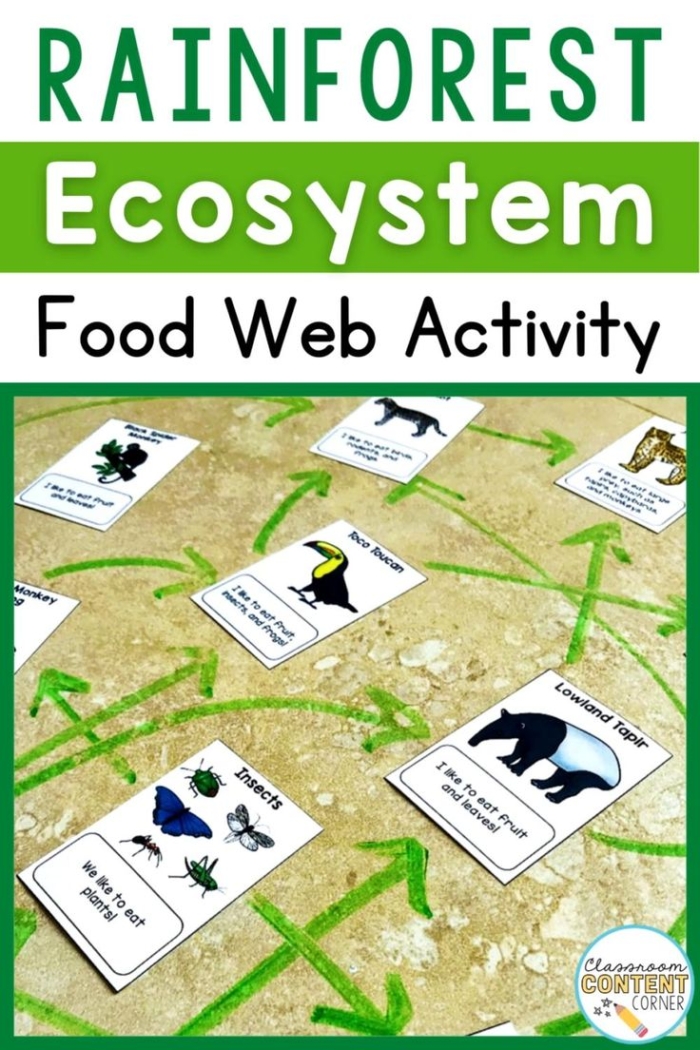
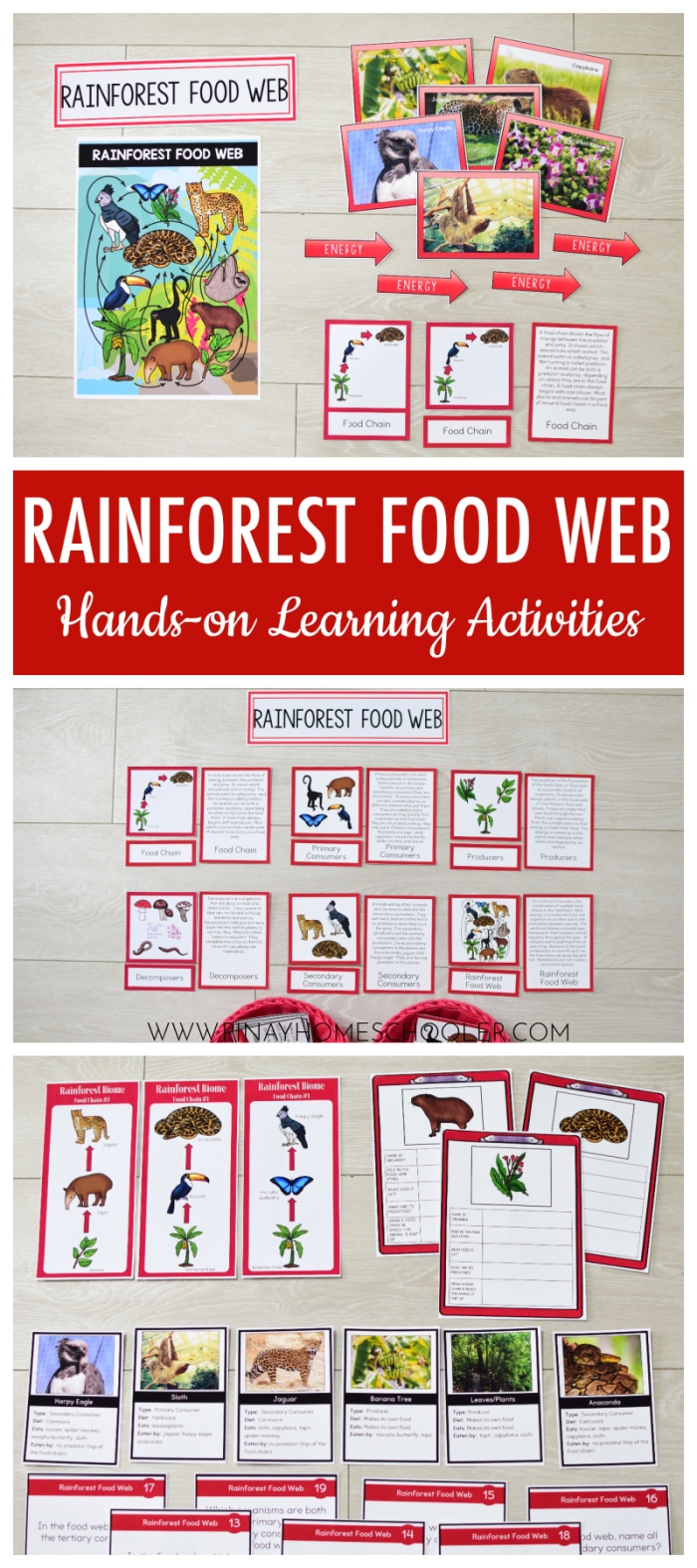
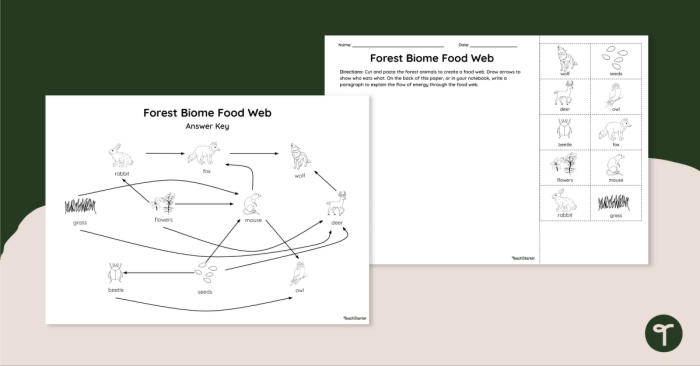
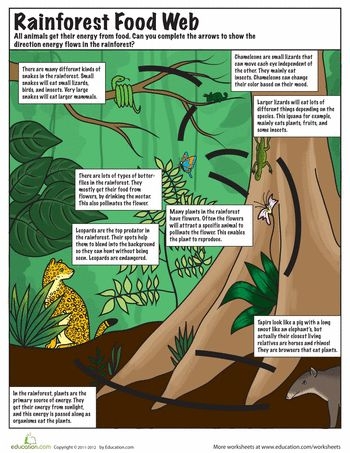
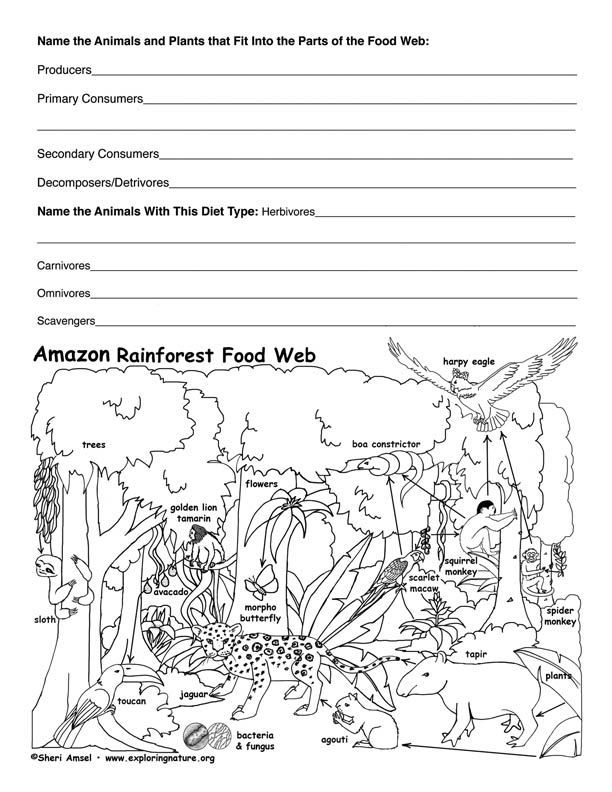
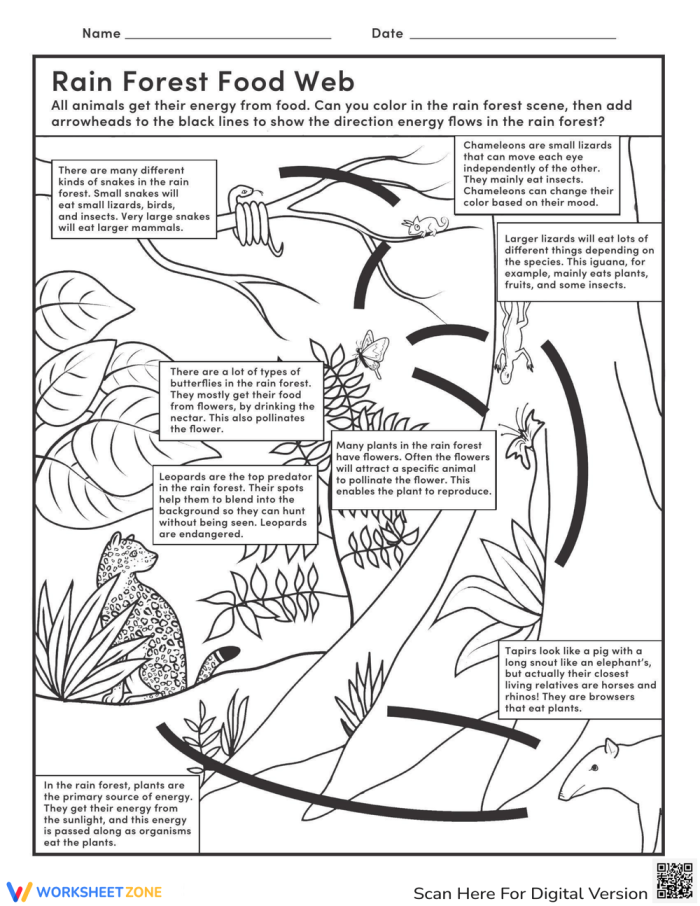
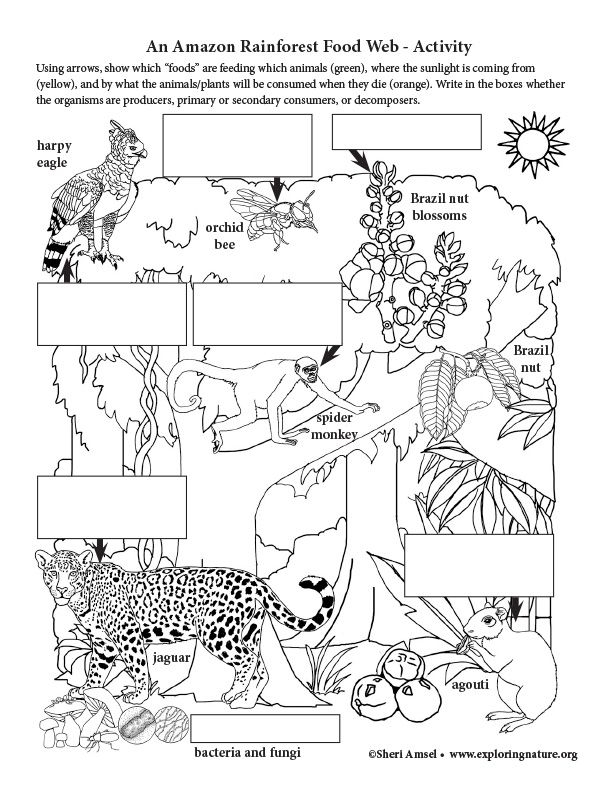
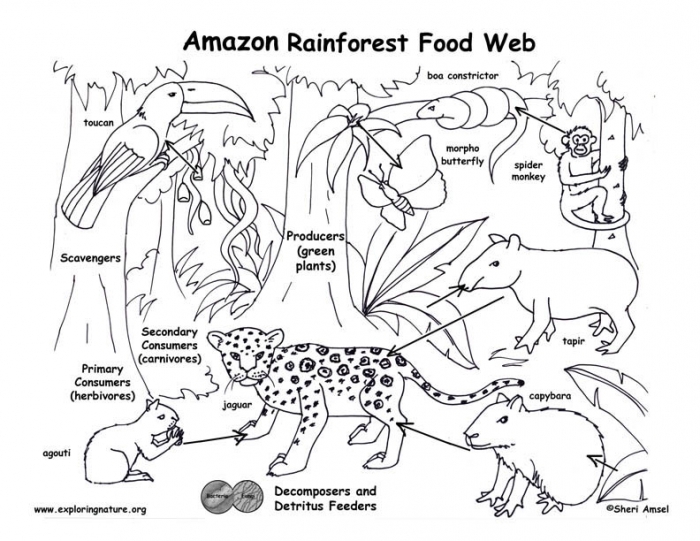
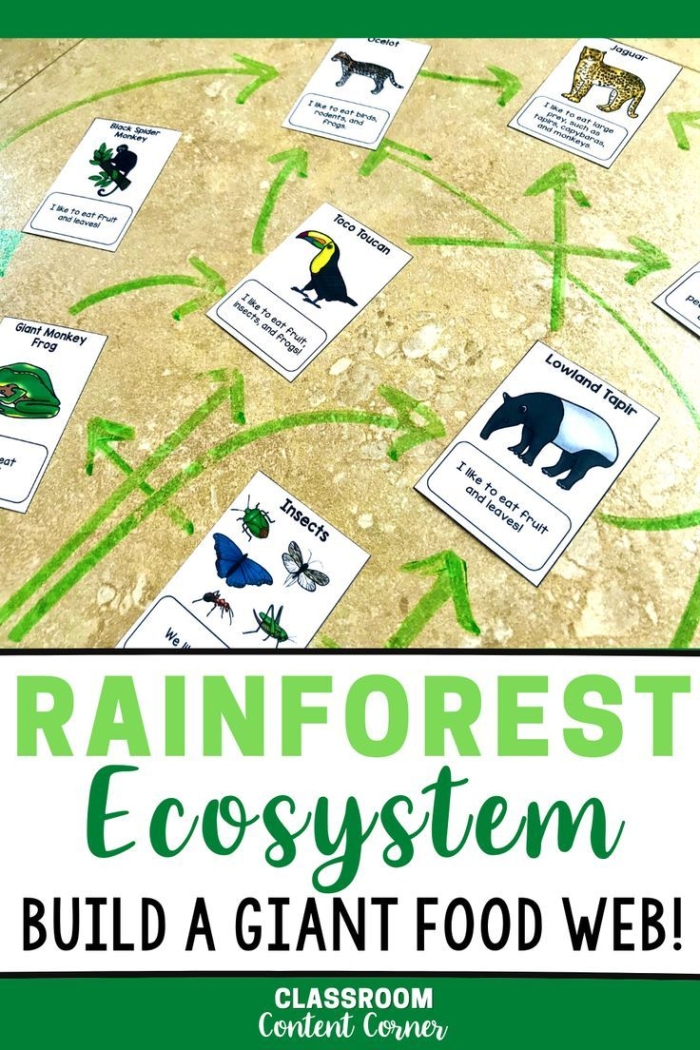
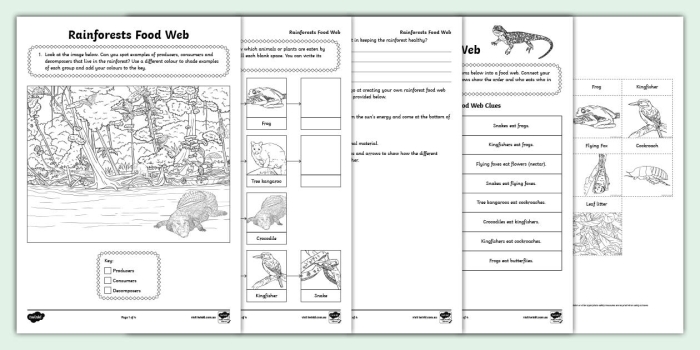
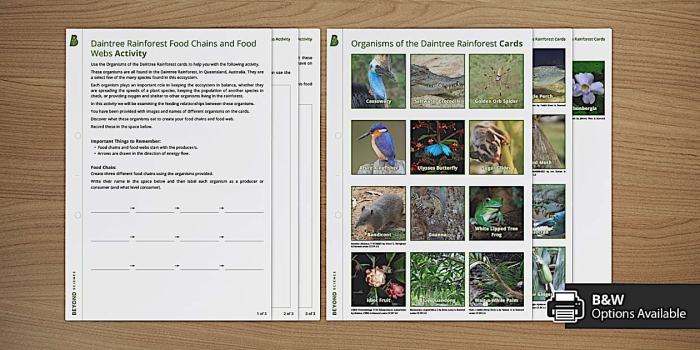
Coloring worksheets about rain forest food webs offer fourth grade students a hands-on way to understand how energy flows through one of Earth’s most complex ecosystems. When children color a scene featuring snakes, butterflies, leopards, and other forest creatures, they’re not just filling in pictures. They’re actively mapping the relationships that keep a rain forest alive.
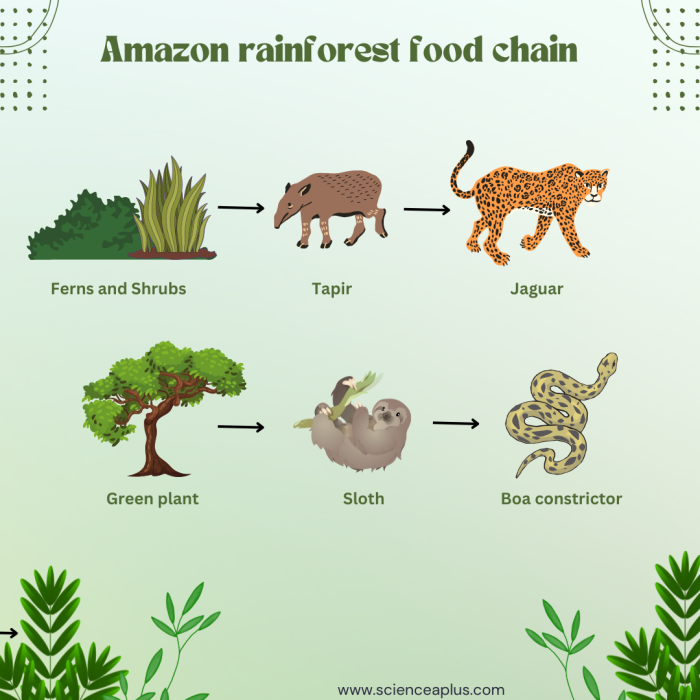
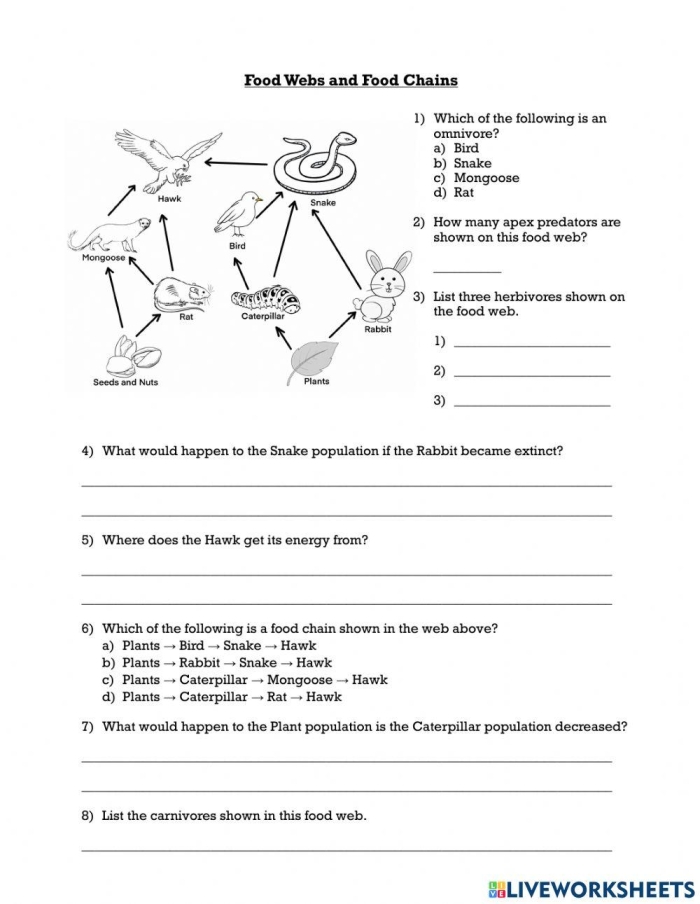
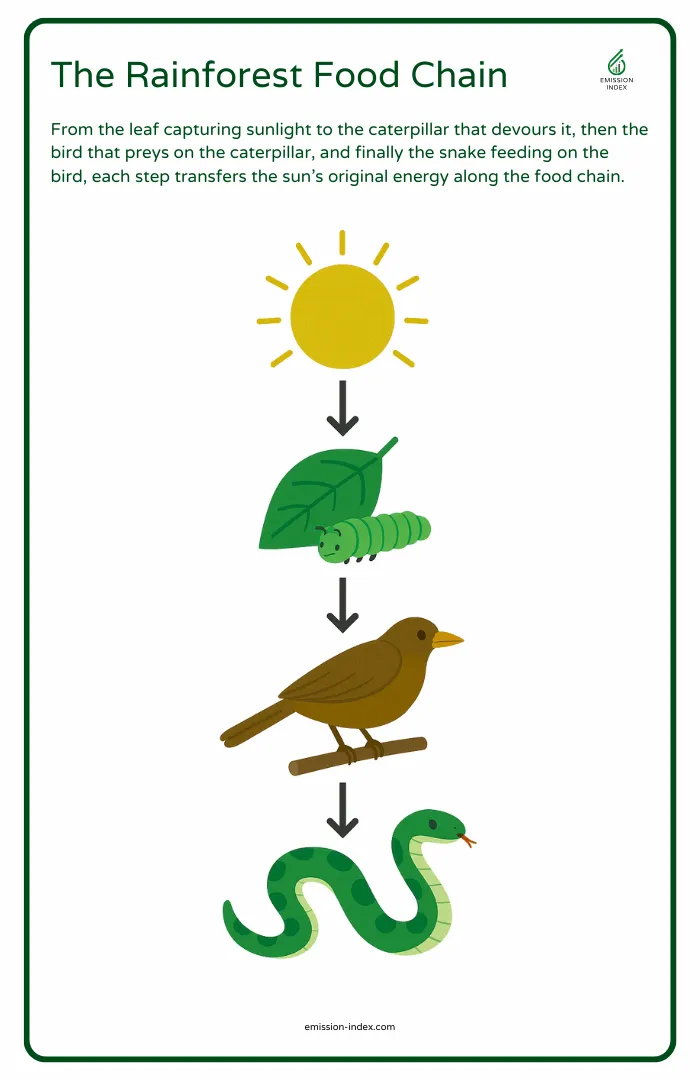
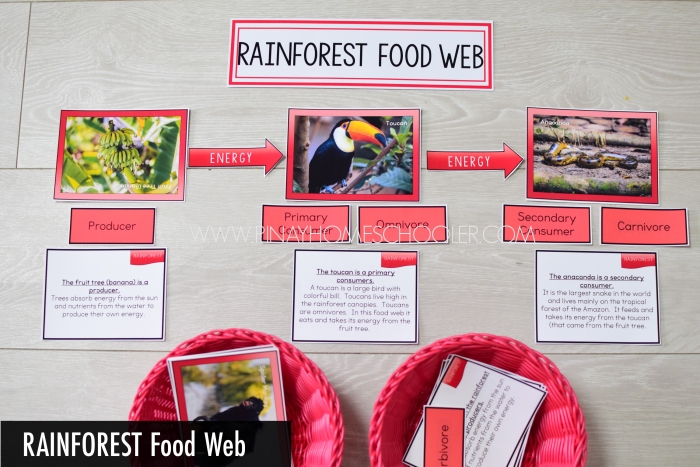
The rain forest food web works differently than food chains students might learn about in simpler environments. A single animal plays multiple roles. A butterfly, for example, eats nectar from flowers but also becomes prey for snakes and birds. A leopard hunts various animals but depends on the entire web below it for survival. By coloring these creatures and tracing arrows between them, fourth graders begin to see these connections rather than memorize them from a textbook.
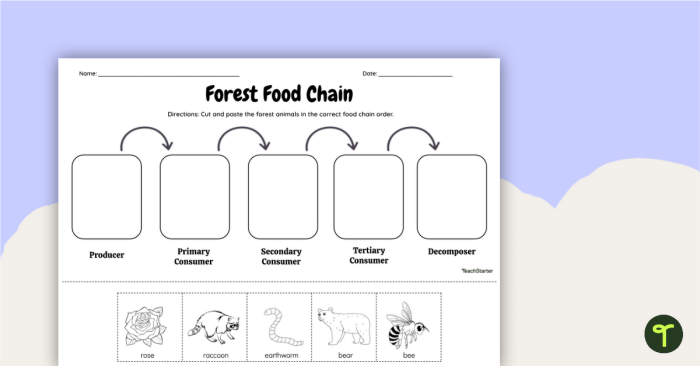
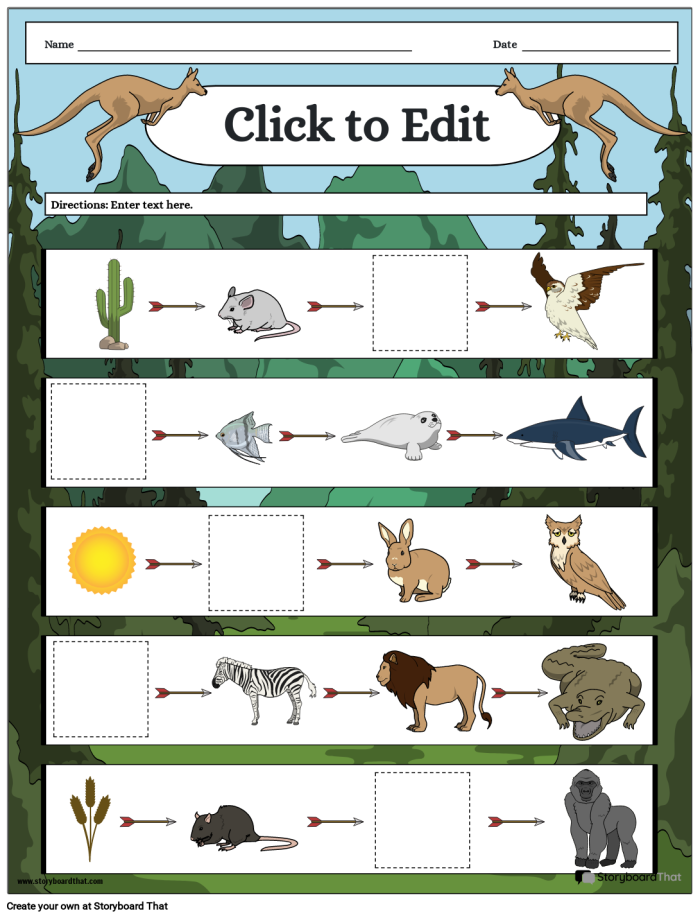
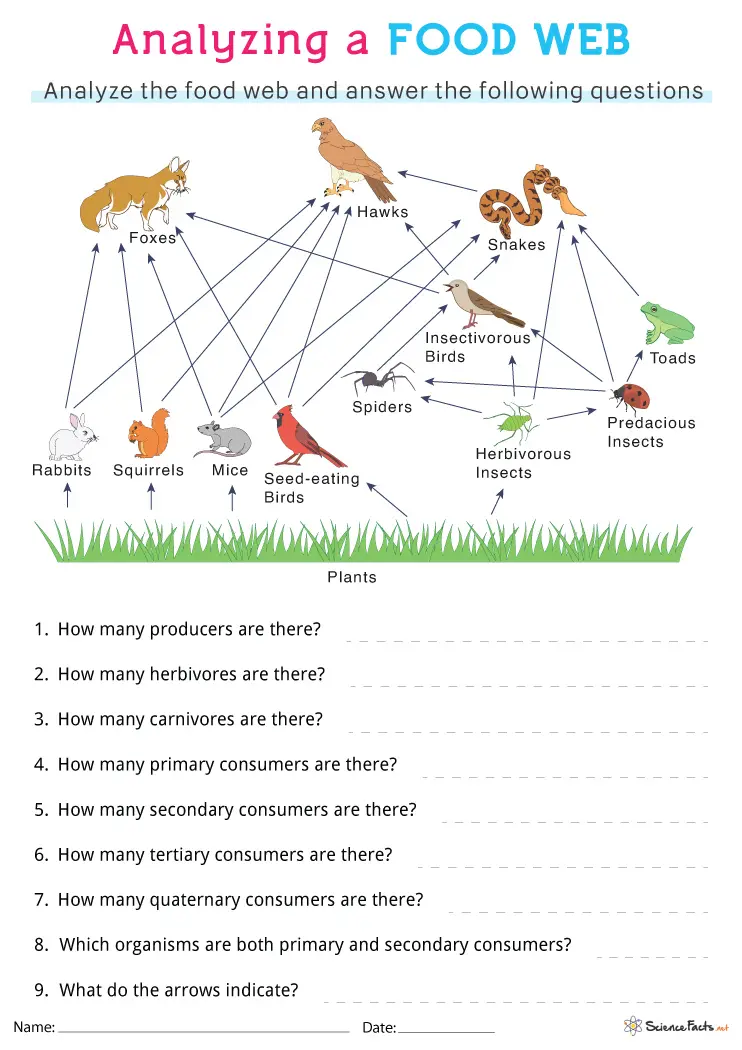
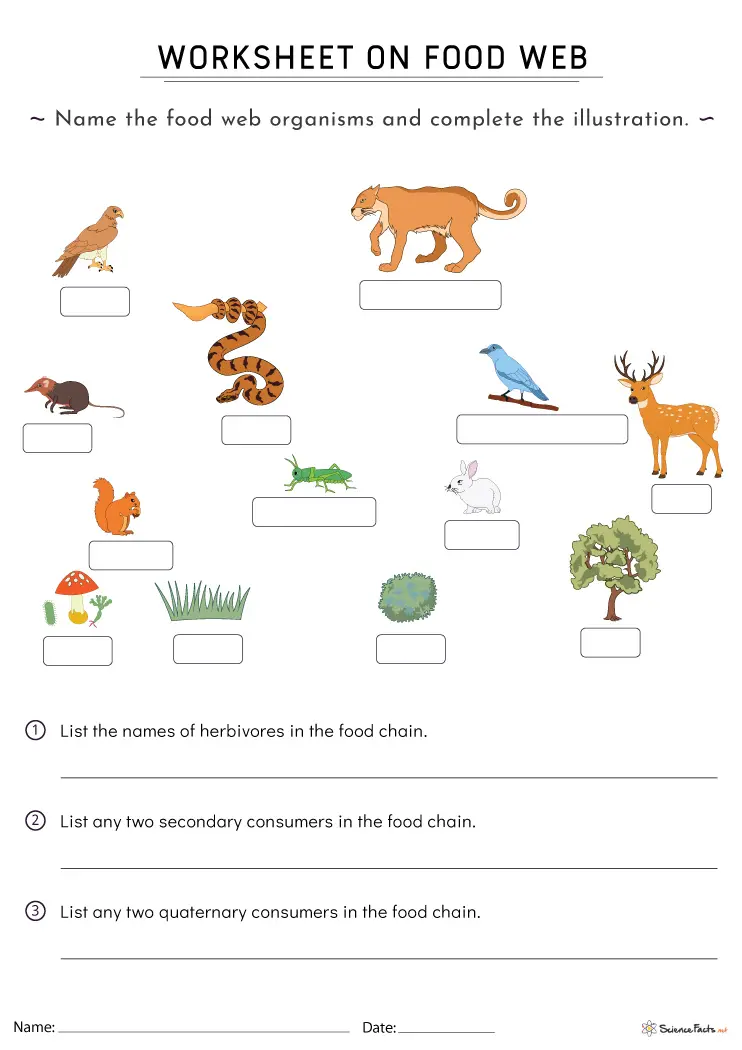
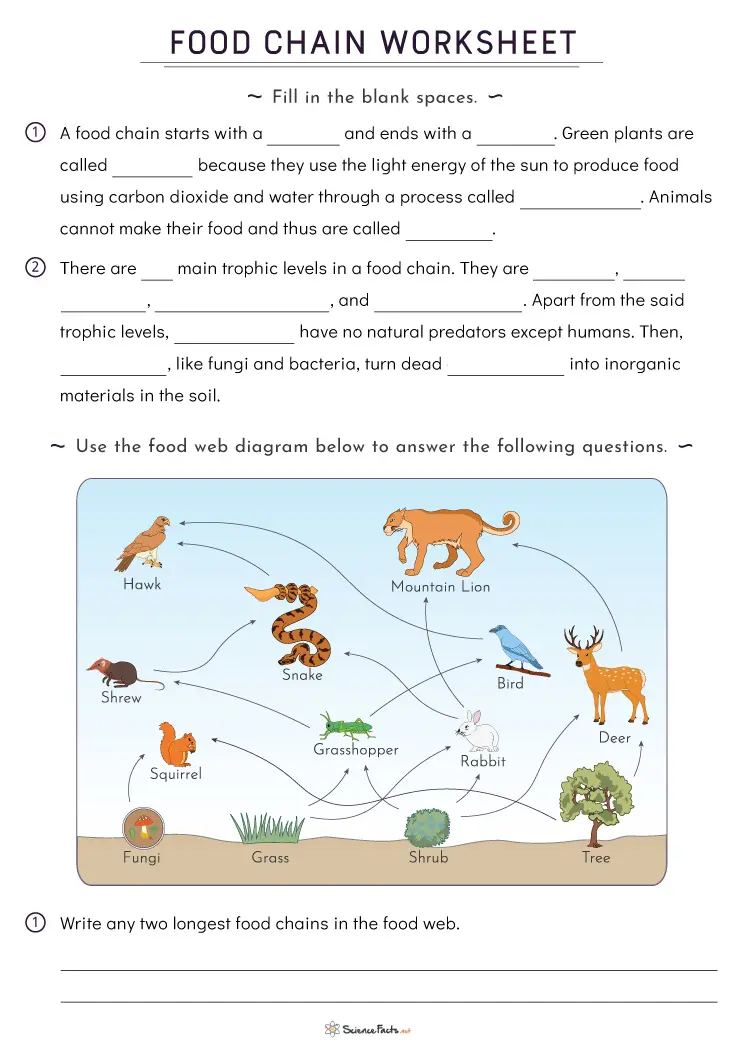
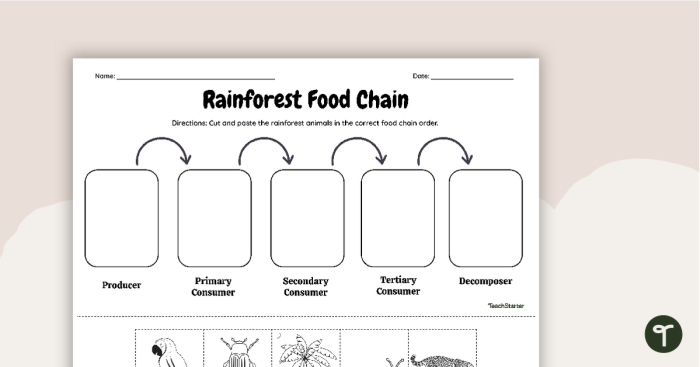
This visual approach works particularly well for division-based learning activities. Students can organize rain forest animals into groups: producers, primary consumers, secondary consumers, and apex predators. They might count how many animals depend on plants, or how many predators hunt a single prey species. These counting and grouping tasks reinforce mathematical thinking while reinforcing ecological concepts.
The coloring component itself serves a purpose beyond keeping students engaged. The act of selecting colors for different animals helps children remember which creatures belong in rain forests and which do not. A child who carefully colors a jaguar yellow with black spots will retain that image far longer than one who simply reads about jaguars in a text.
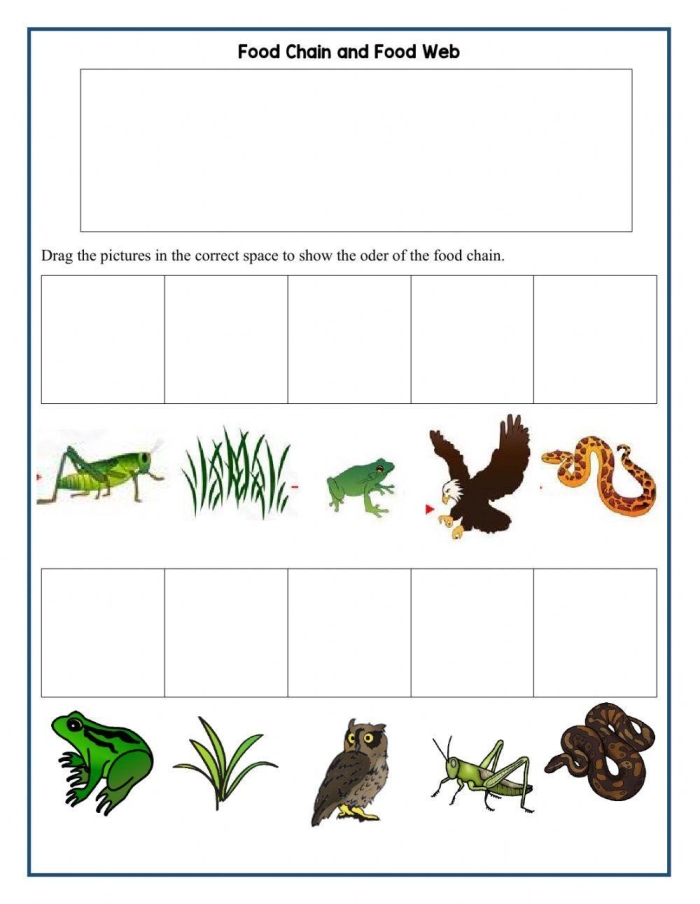
Effective rain forest food web worksheets include clear labels and simple arrows showing who eats what. Some worksheets prompt students to answer questions about the web they’ve colored, asking things like “What would happen if all the butterflies disappeared?” This bridges coloring time with critical thinking about ecosystem balance and interdependence.
Teachers often pair these coloring activities with graphing exercises where students count animal types or create data about food web relationships. Others combine them with research activities where fourth graders investigate specific rain forest animals. Some classrooms even use these worksheets alongside continent studies to help students understand where rain forests exist globally.
The beauty of this approach lies in its simplicity. Fourth graders leave the lesson understanding that rain forests aren’t just collections of pretty animals and plants. They’re interconnected systems where every creature matters, and removing one piece affects everything else.
Hands-On Worksheet Activities