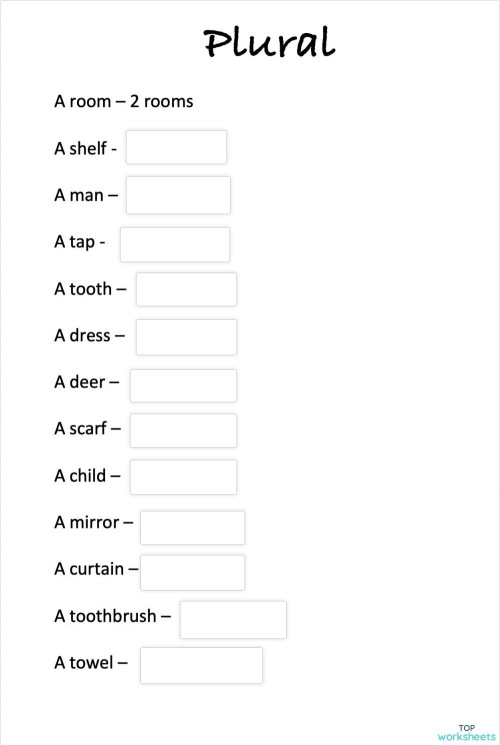
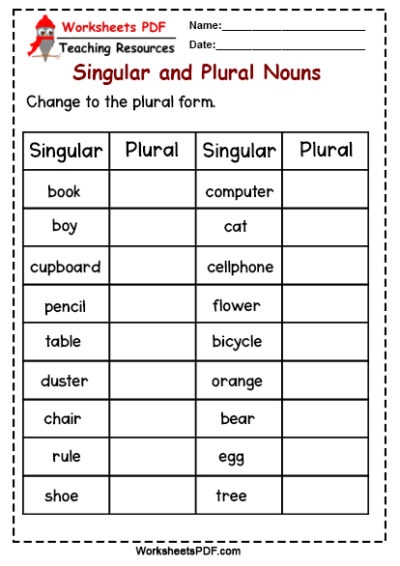
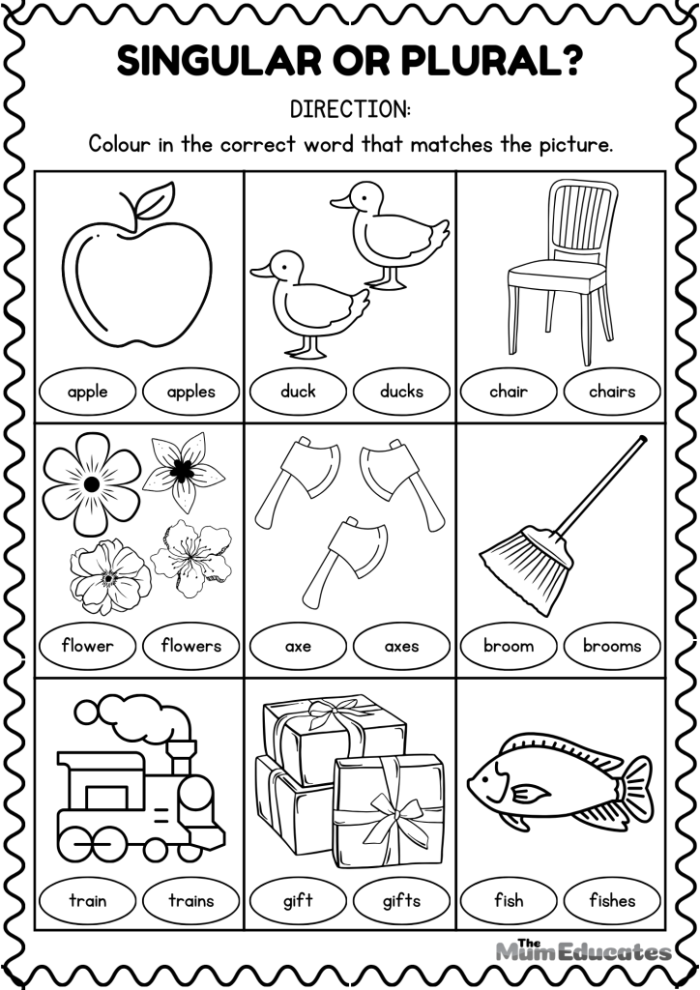
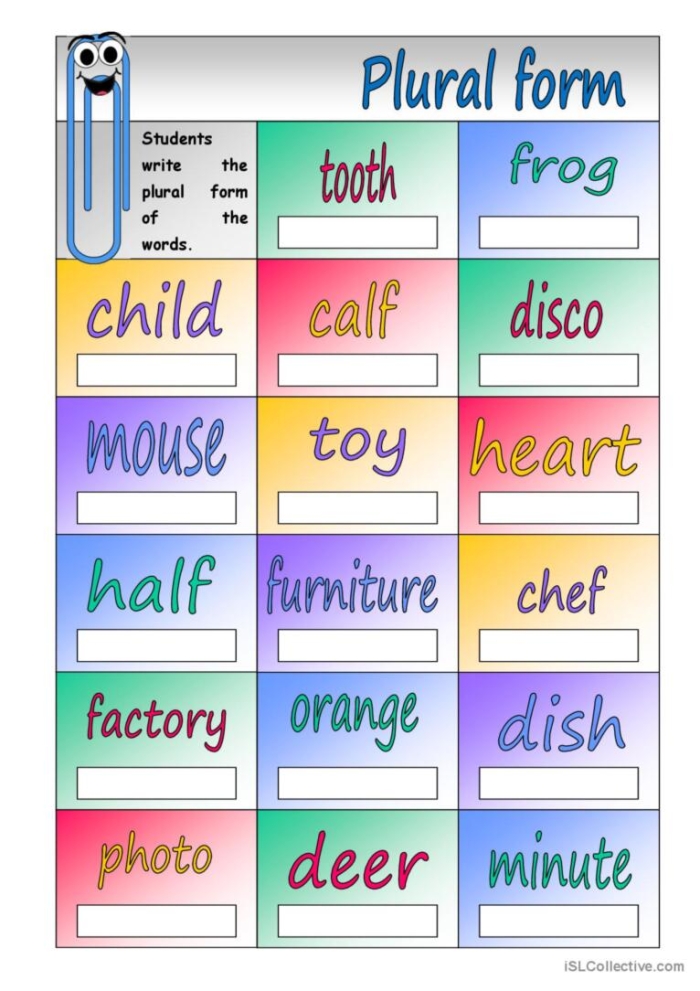
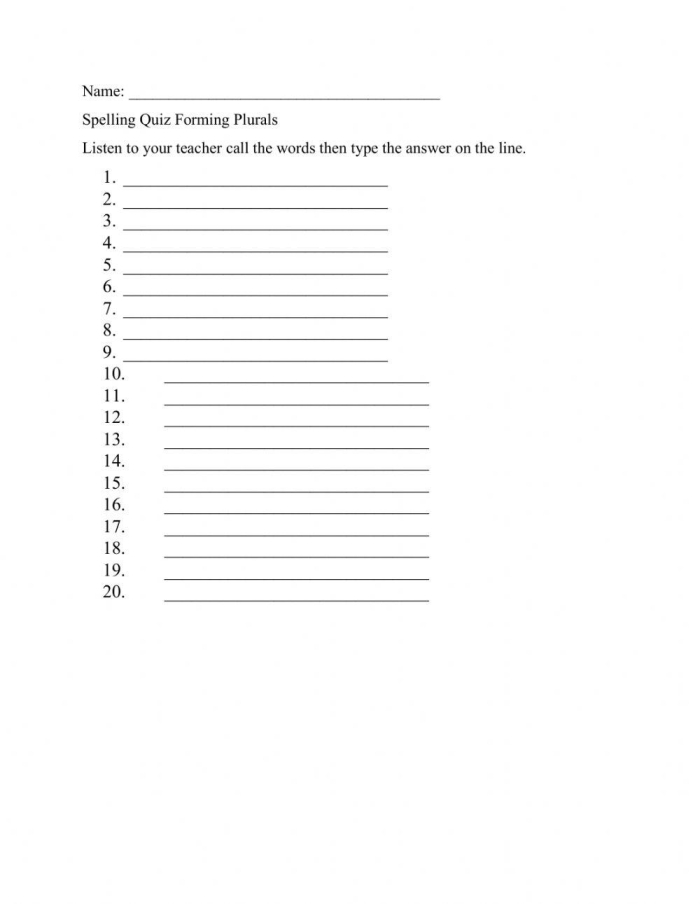
Learning to transform singular nouns into their plural forms is one of those foundational skills that third graders need to master before moving on to more complex grammar. While it might seem straightforward, the English language throws plenty of curveballs when it comes to pluralization rules, and students benefit from consistent practice to internalize these patterns.
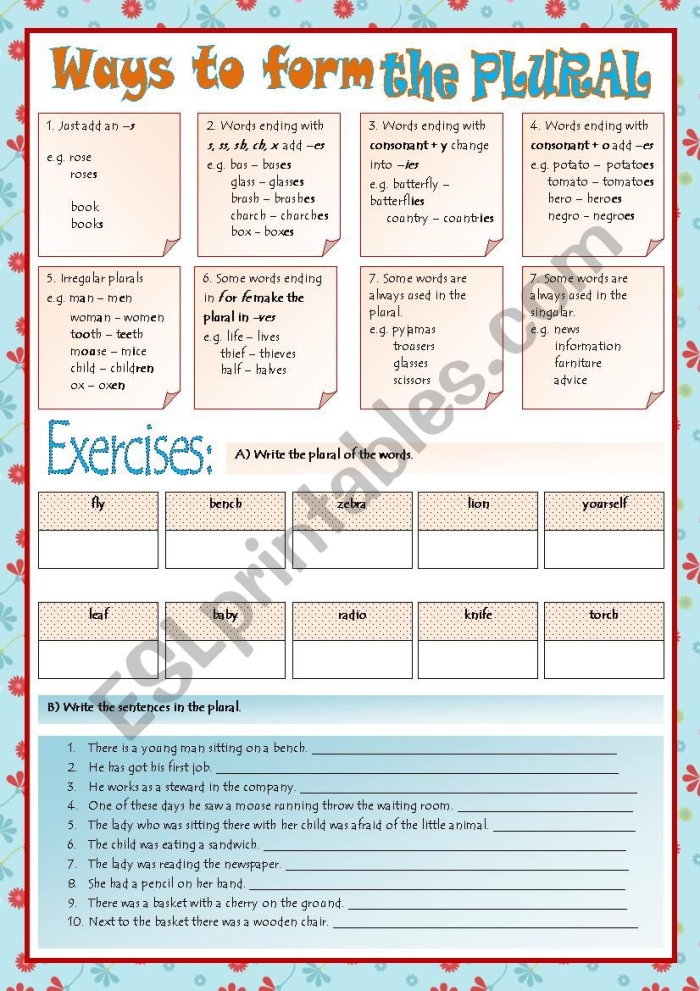
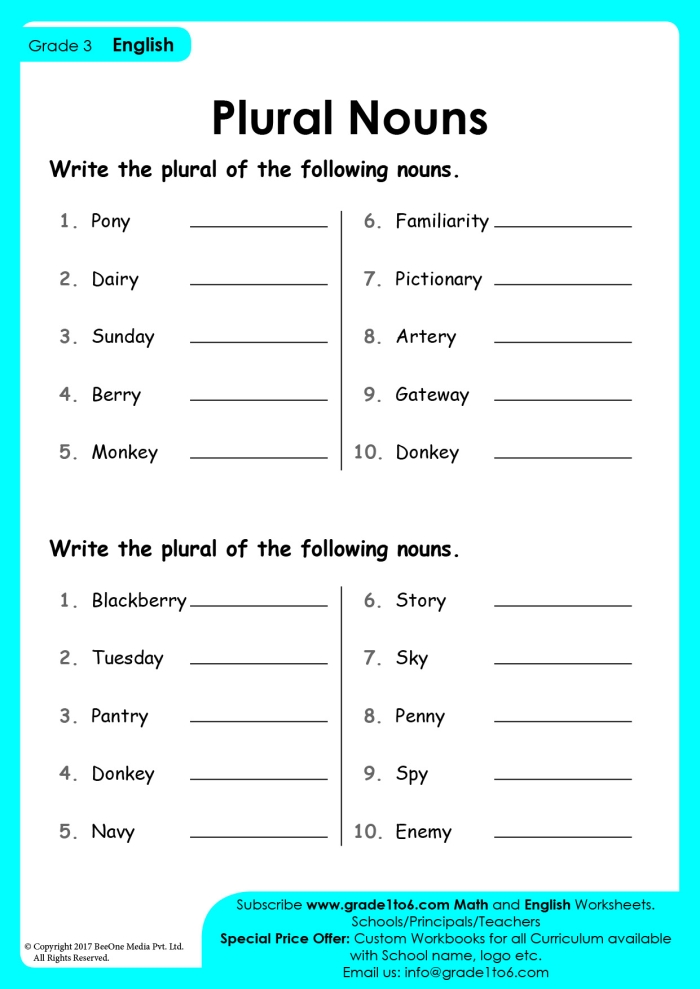
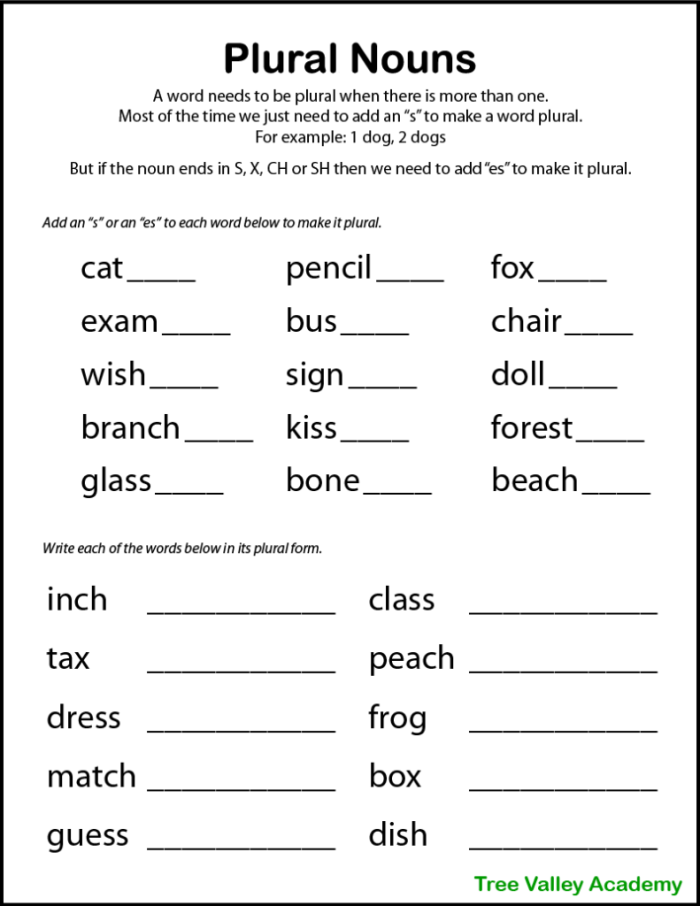
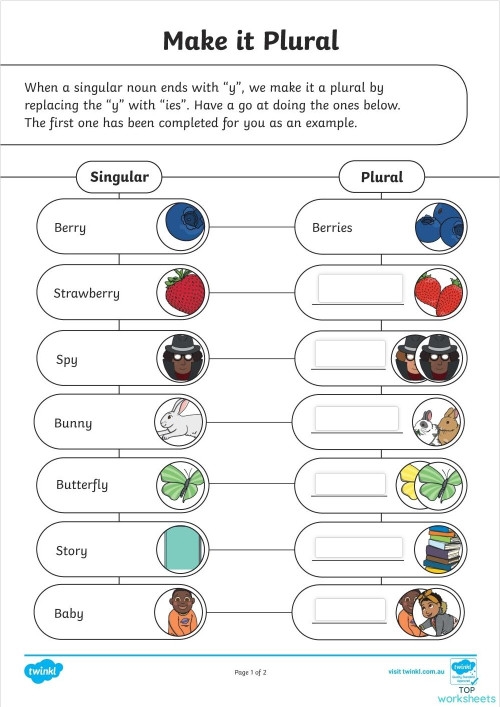
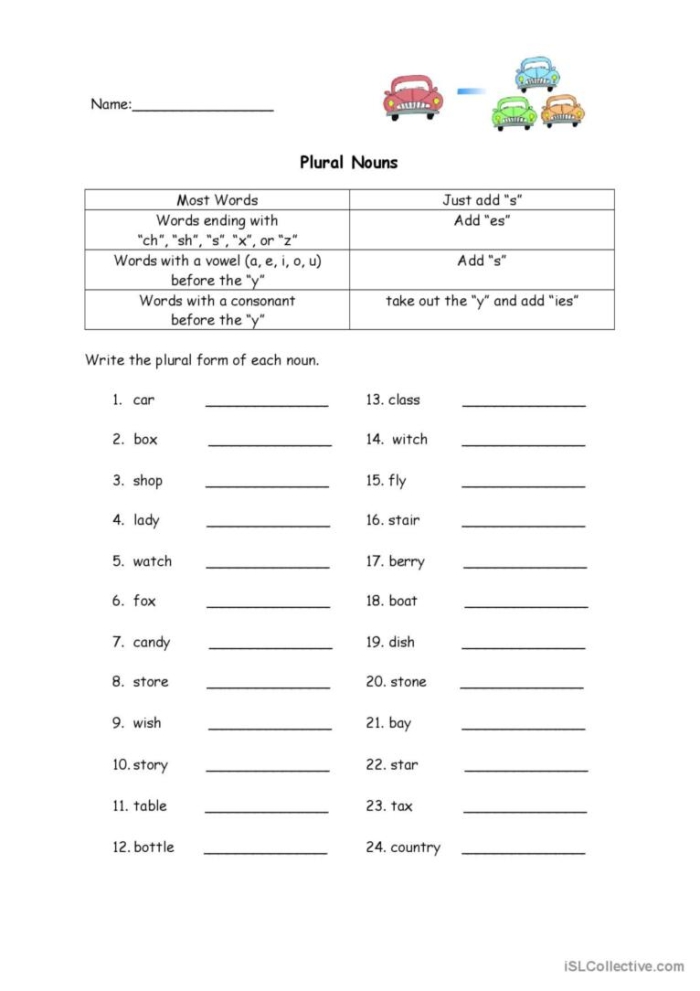
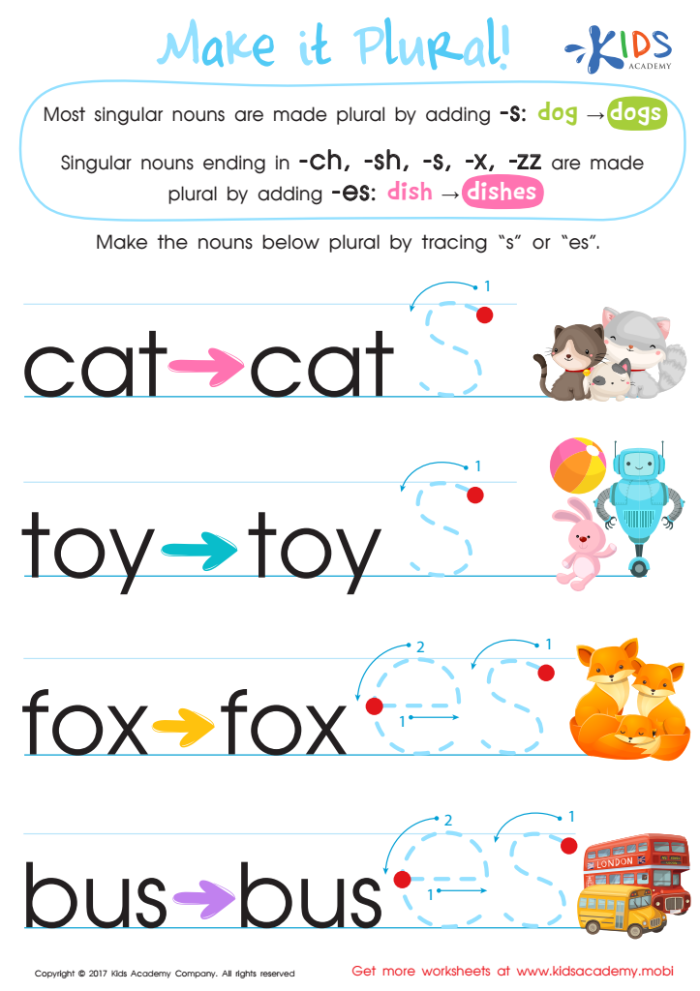
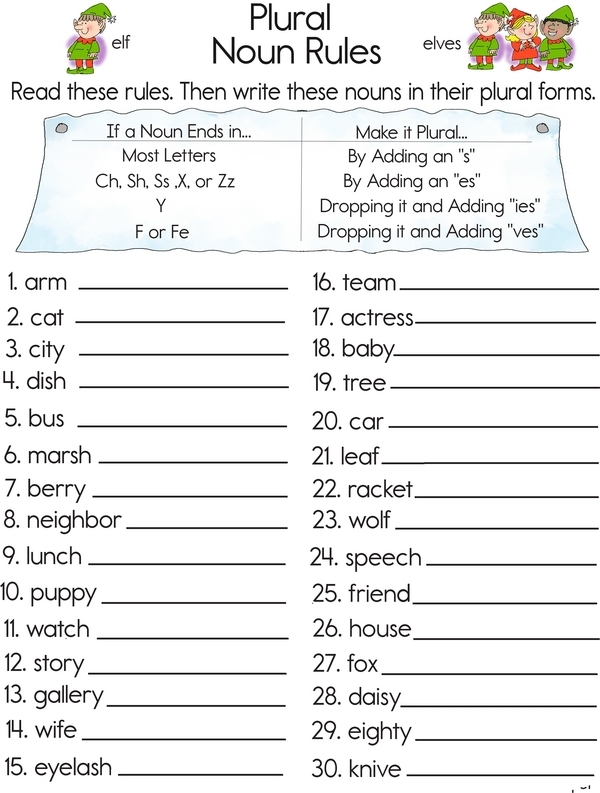
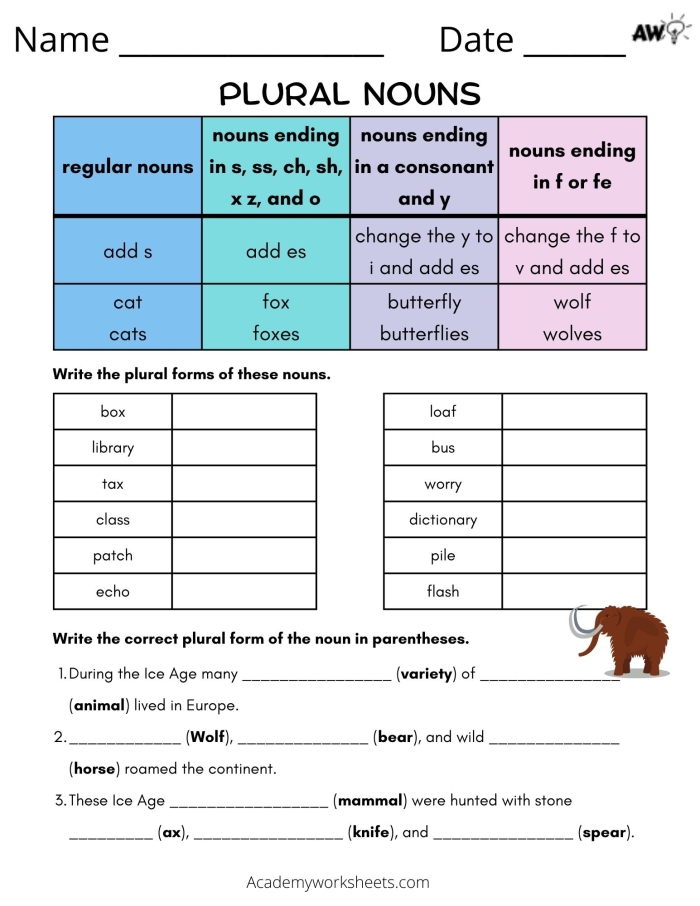
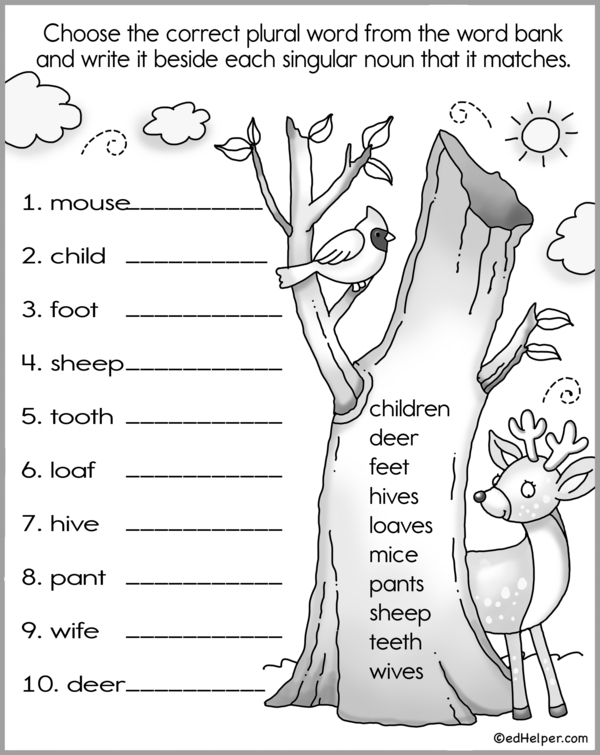
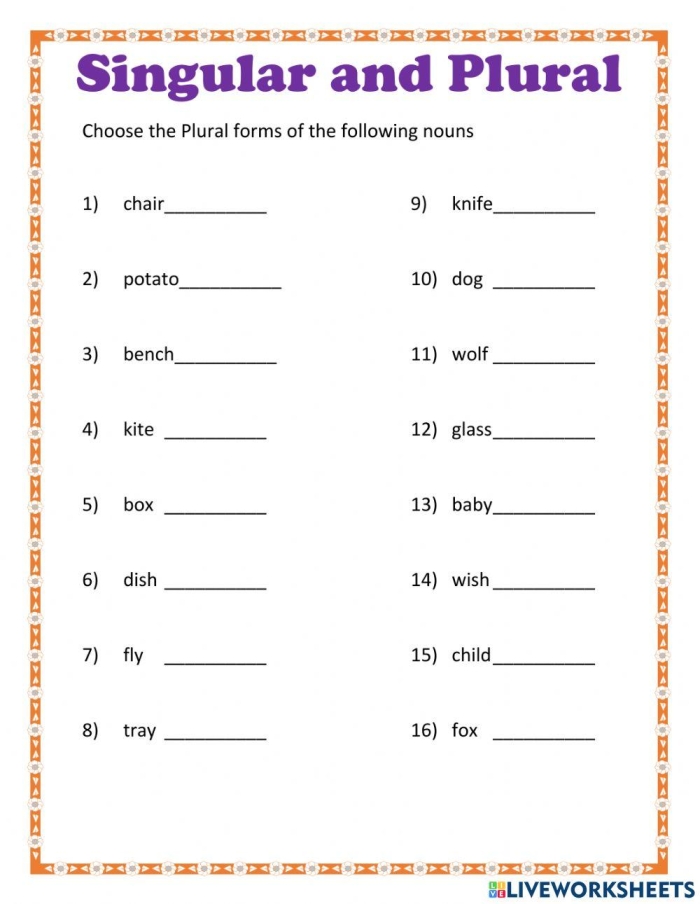
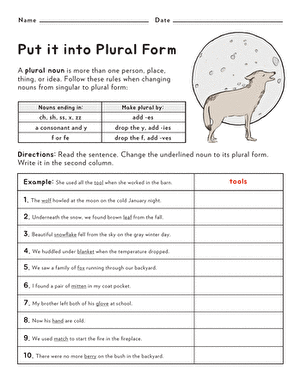
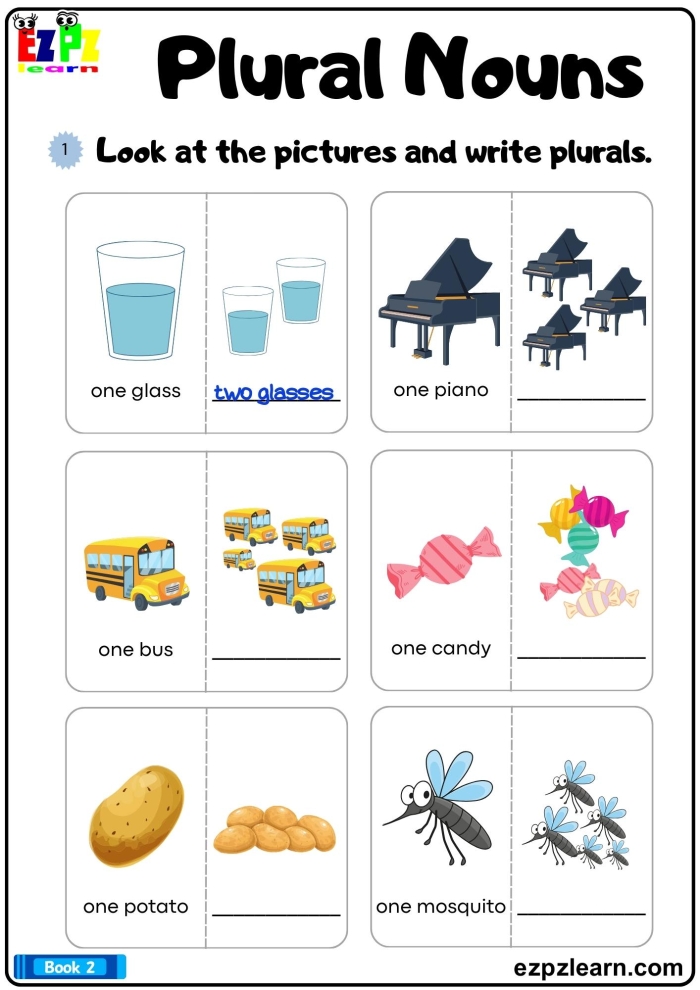
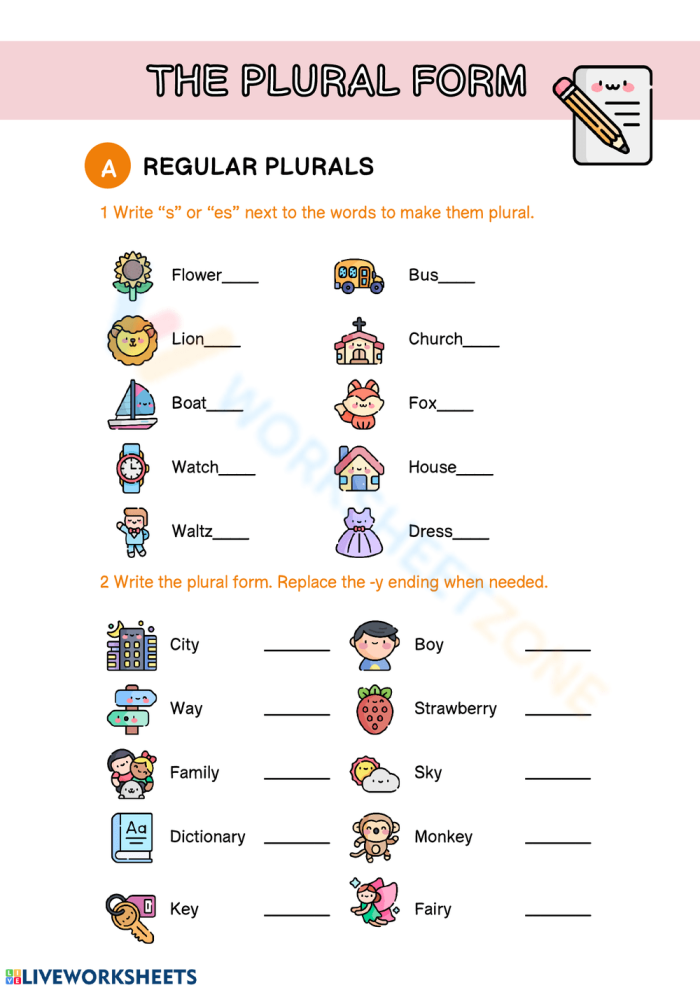
Regular nouns follow predictable rules: add an “s” to most words (cat becomes cats, book becomes books), add “es” to words ending in “s,” “x,” “z,” “ch,” or “sh” (box becomes boxes, church becomes churches), and change “y” to “ies” when a consonant comes before it (baby becomes babies). These rules form the backbone of what third graders encounter in grammar lessons, though irregular plurals like “child” becoming “children” still require memorization.
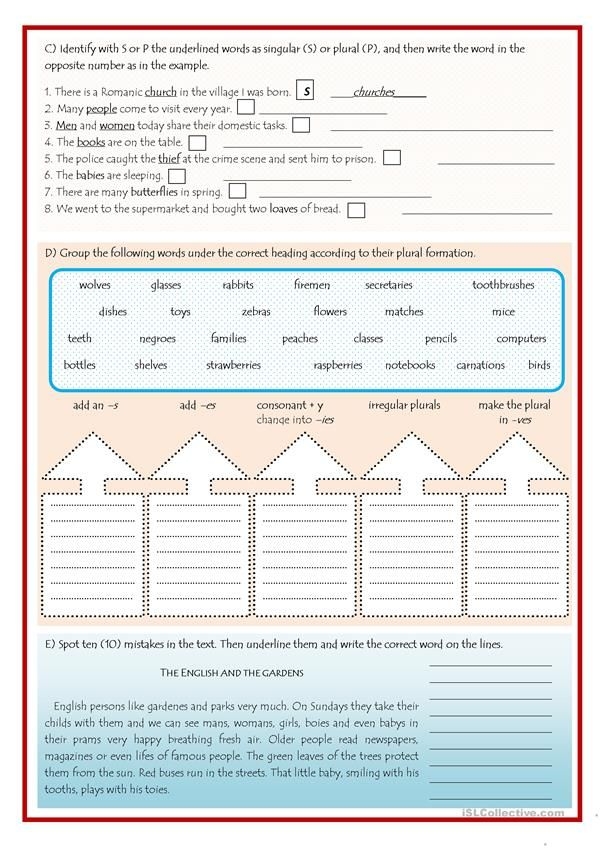
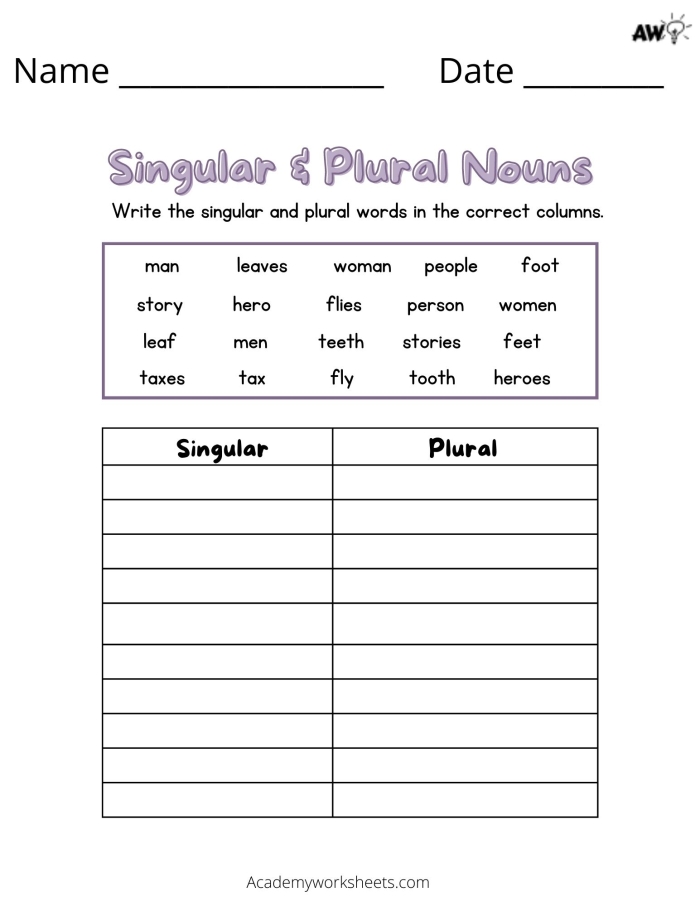
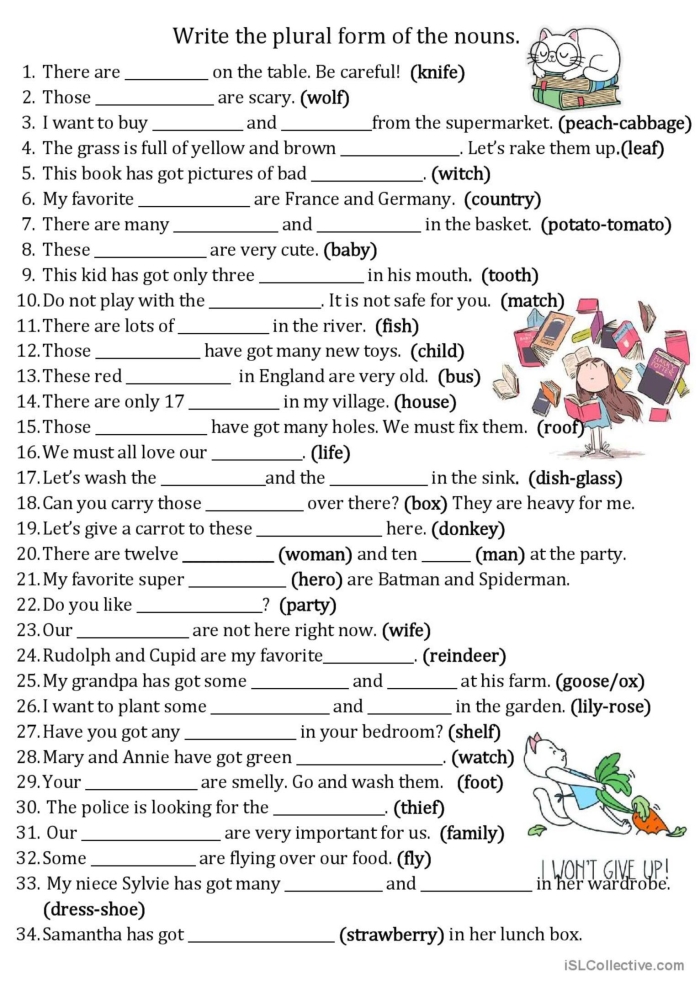
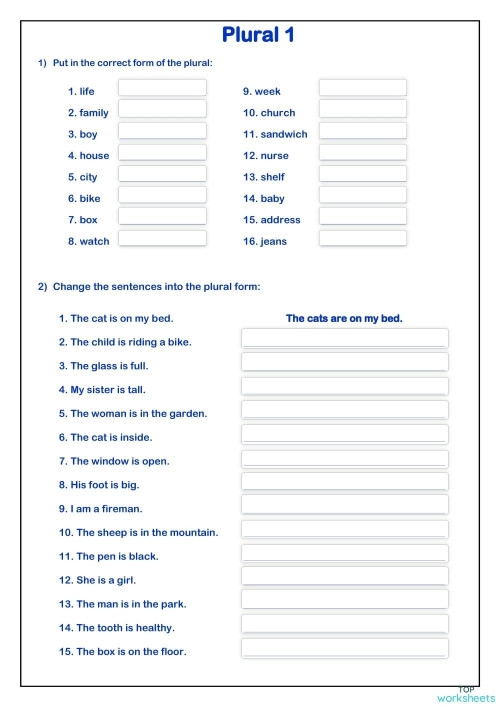
Worksheets designed for this skill help students recognize patterns through repetition. A well-constructed resource presents singular nouns in context, allowing children to write or select the correct plural form. This approach works better than isolated word lists because it mirrors how language actually functions.
The practical applications extend beyond grammar class. When third graders work on counting activities or science observations, they naturally encounter plural nouns. Understanding how to form them correctly strengthens their overall writing clarity.
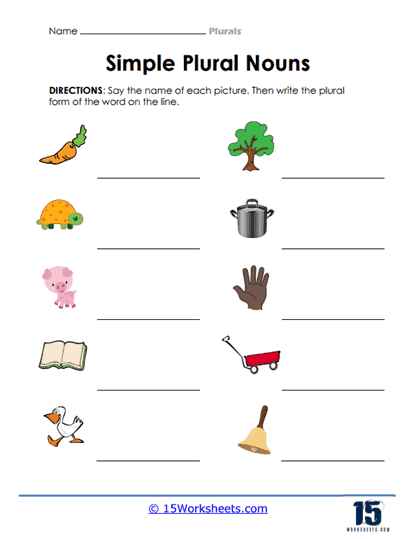
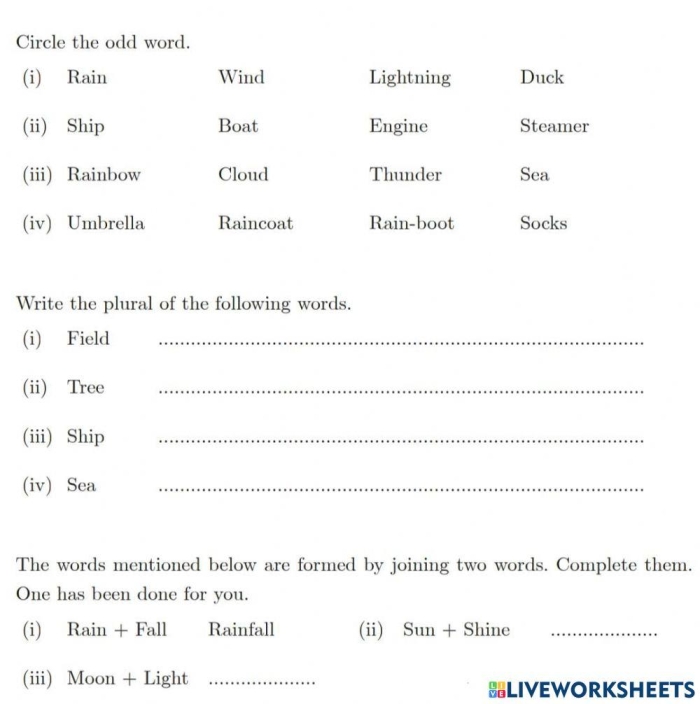
Effective practice resources include visual aids, fill-in-the-blank sentences, and matching exercises. Some worksheets incorporate thematic content, connecting pluralization practice to topics like nature writing or science concepts, which keeps the learning engaging rather than mechanical.
Regular, purposeful practice with plural forms during third grade sets students up for success in reading comprehension and written expression throughout their academic careers.
Try These Printable Worksheets