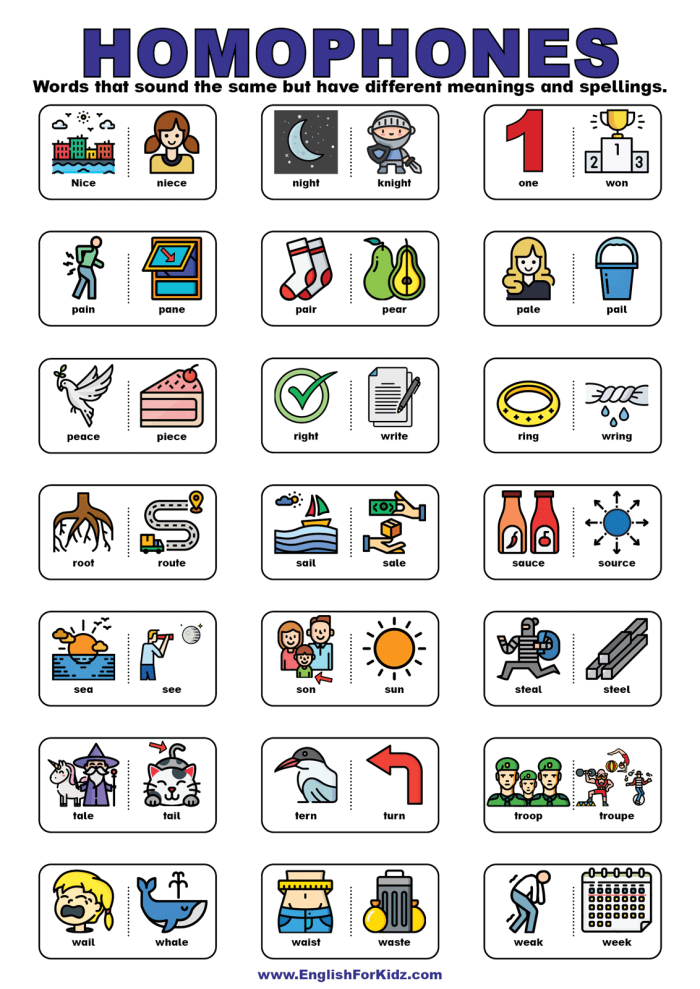
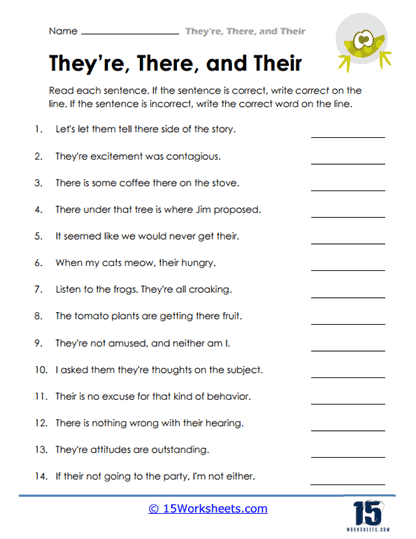
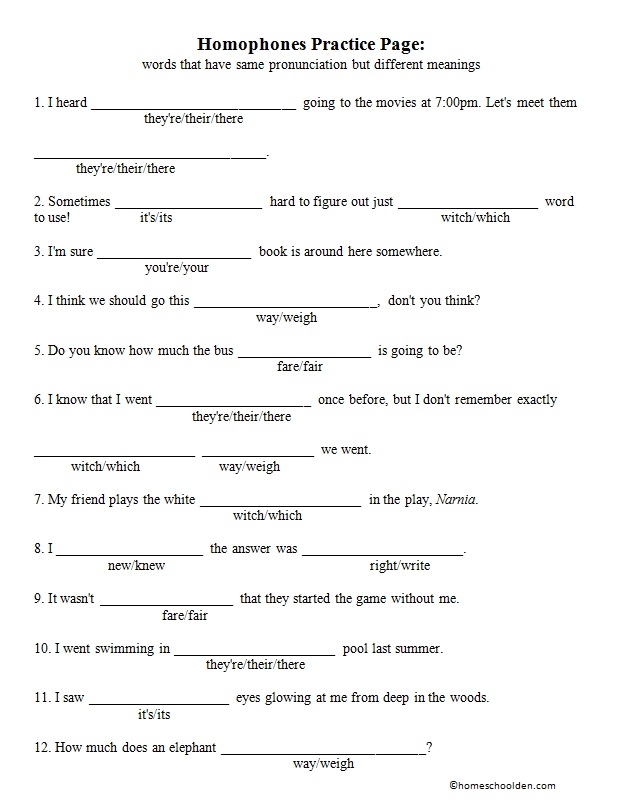
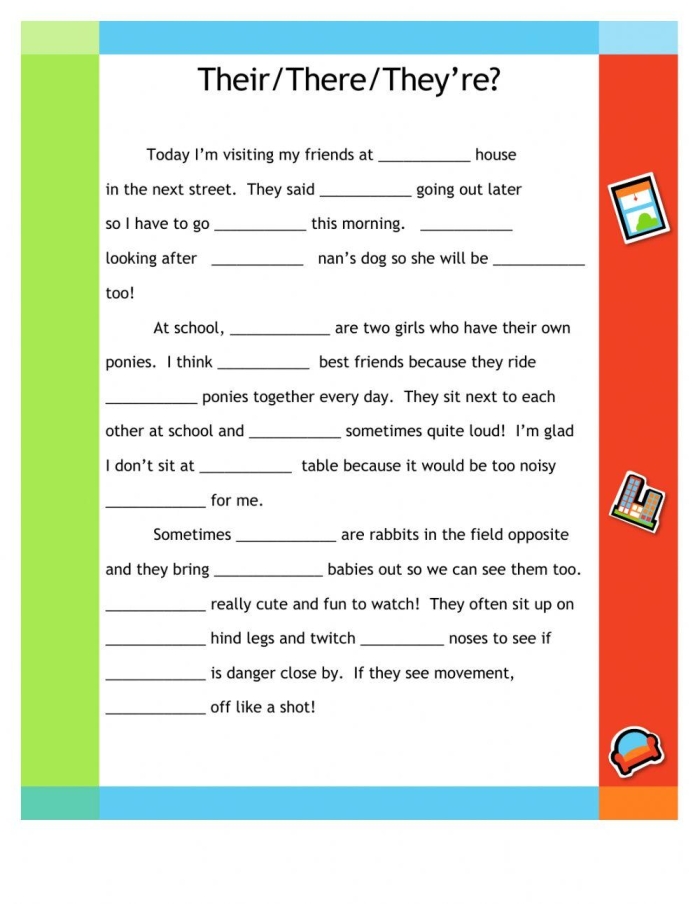
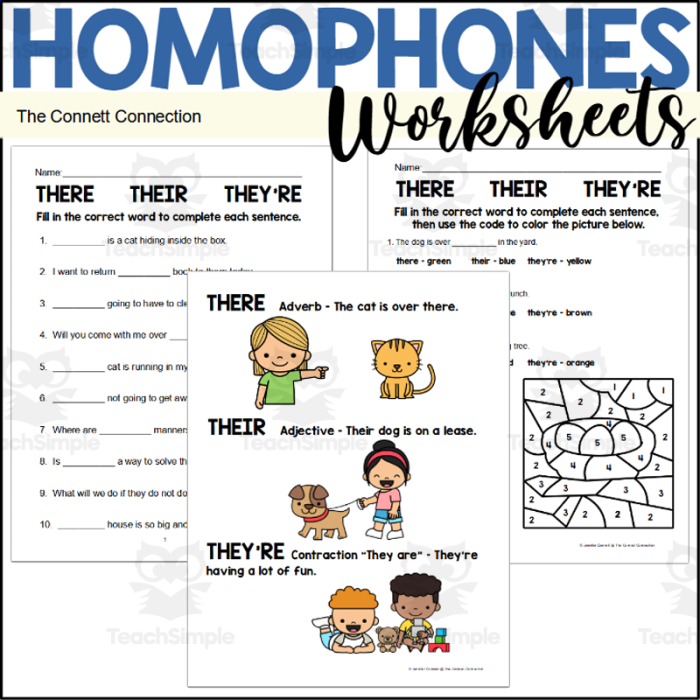
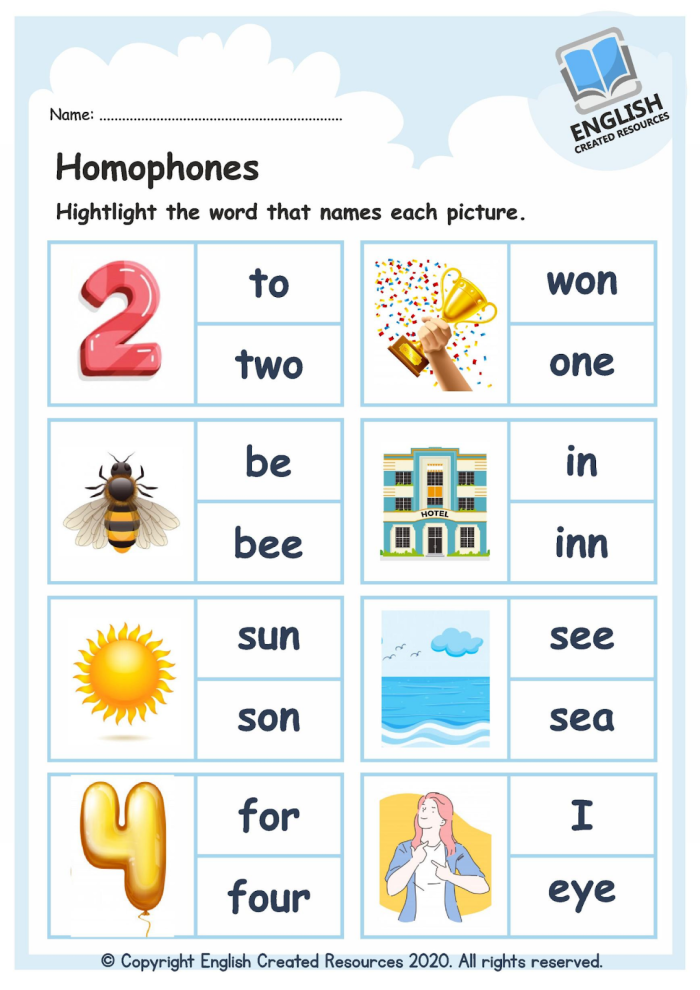
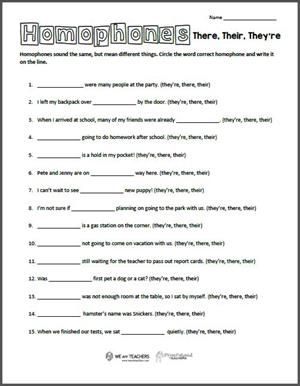
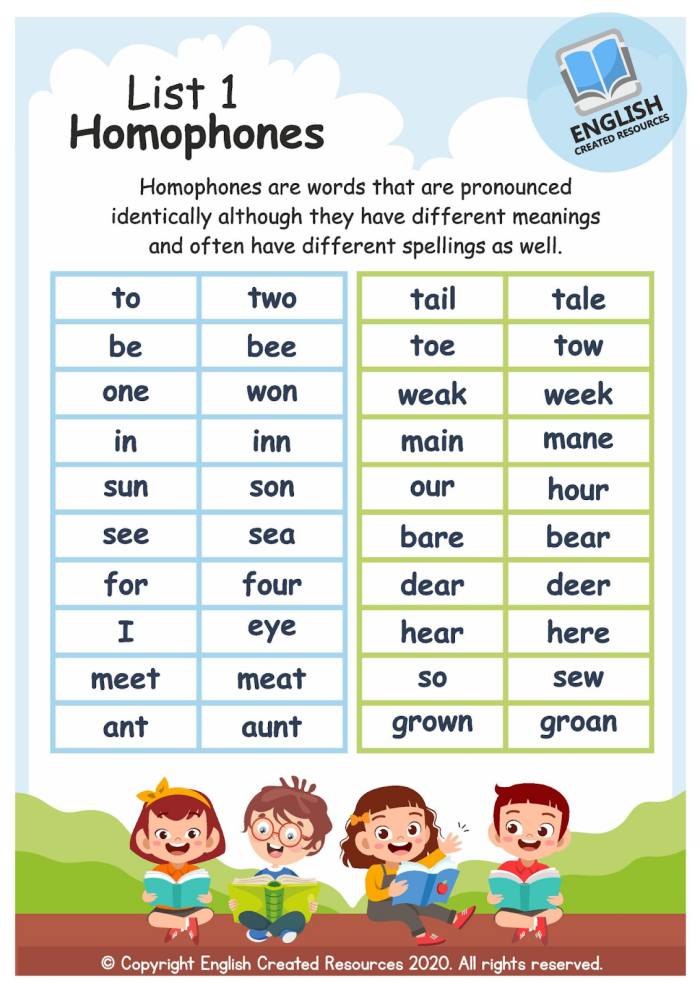
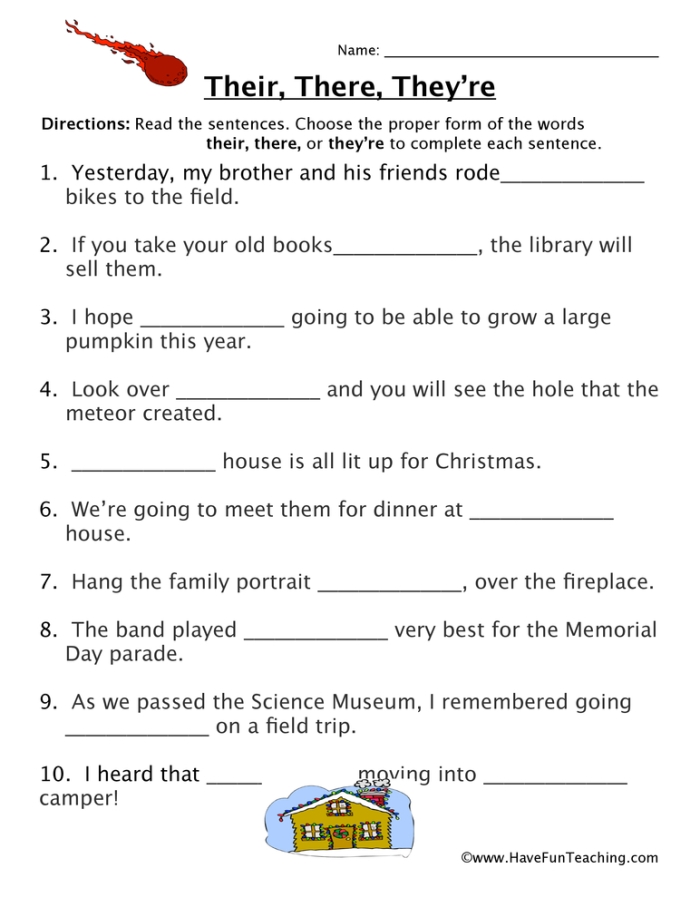
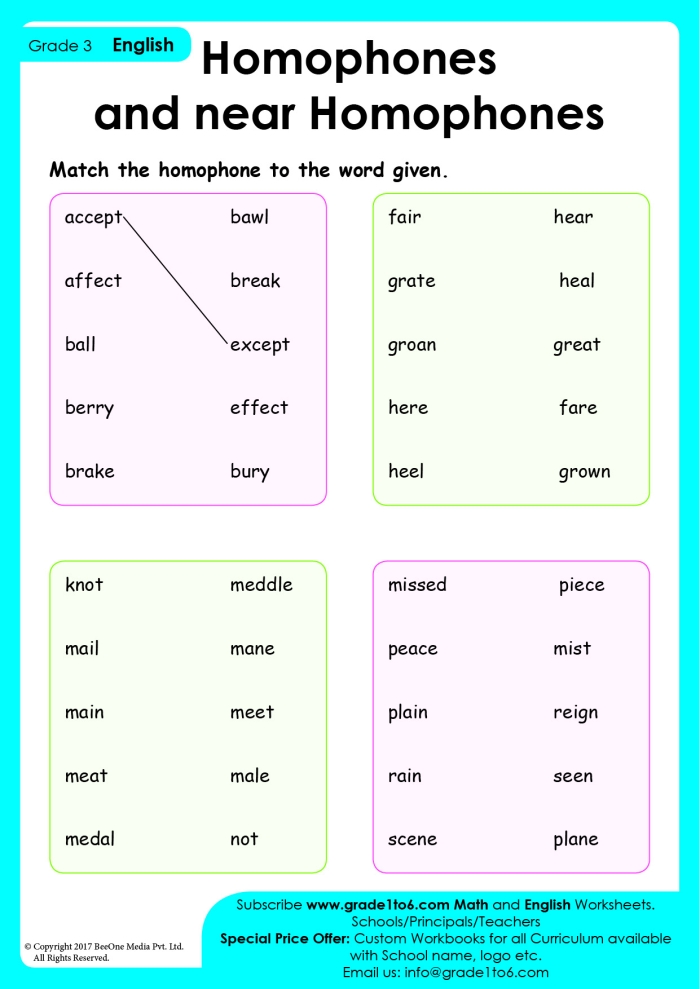
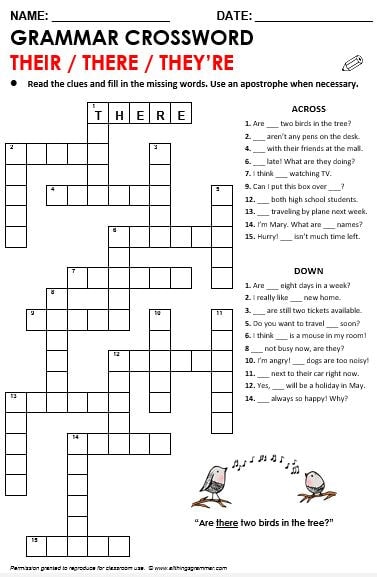
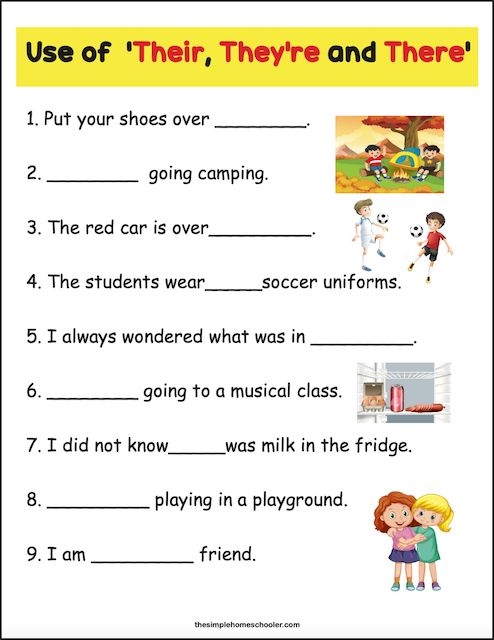
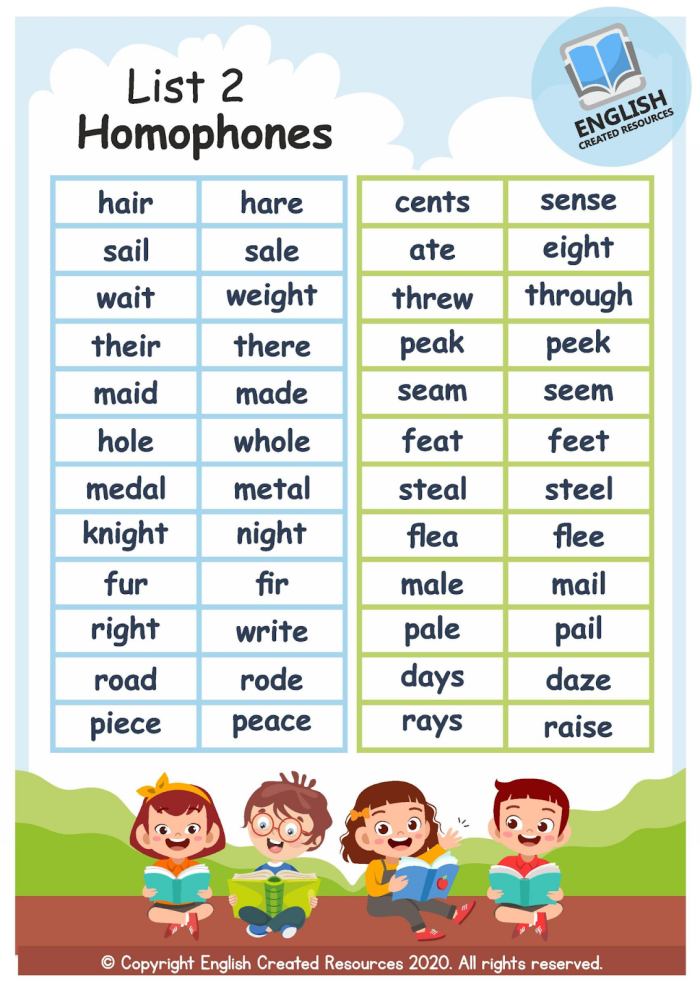
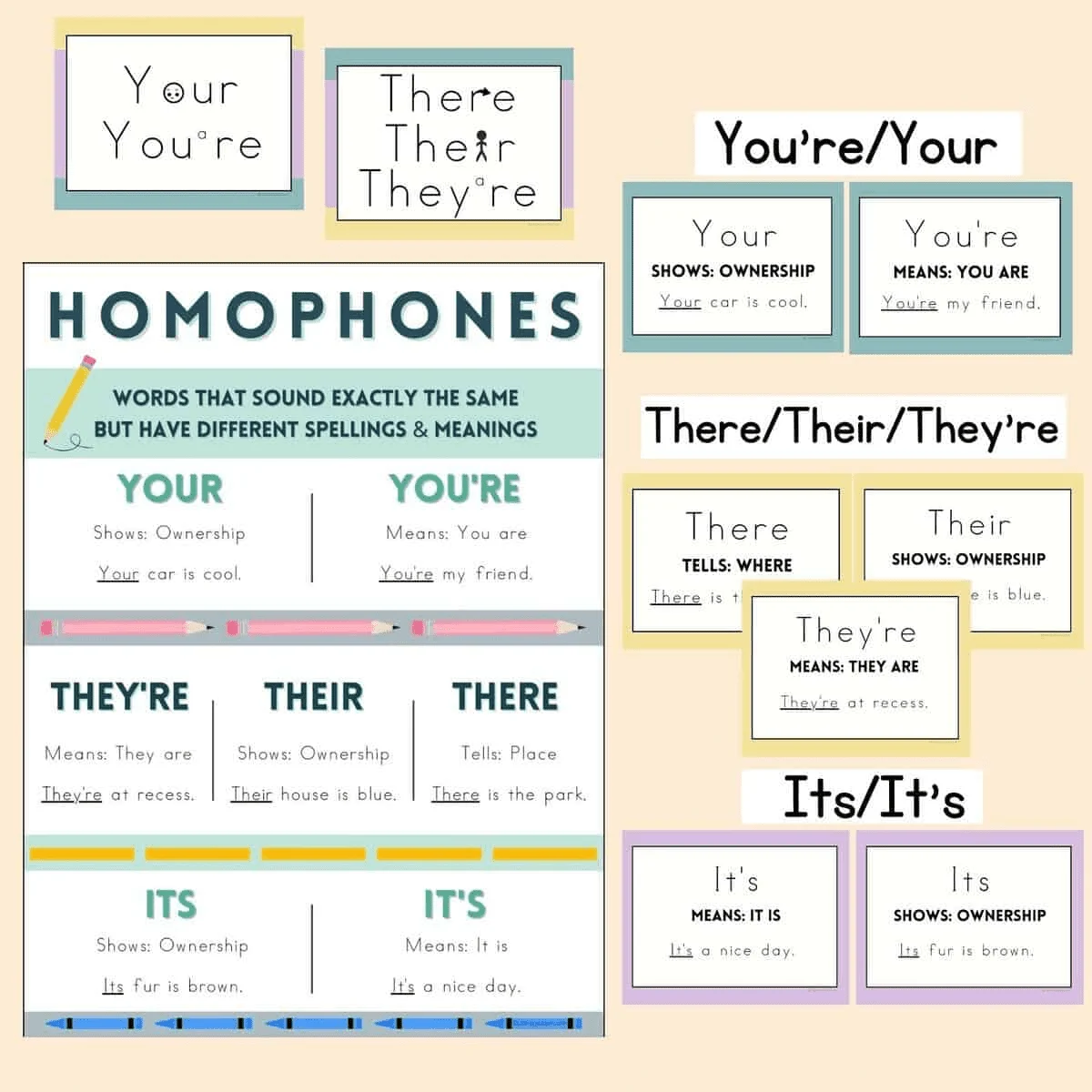
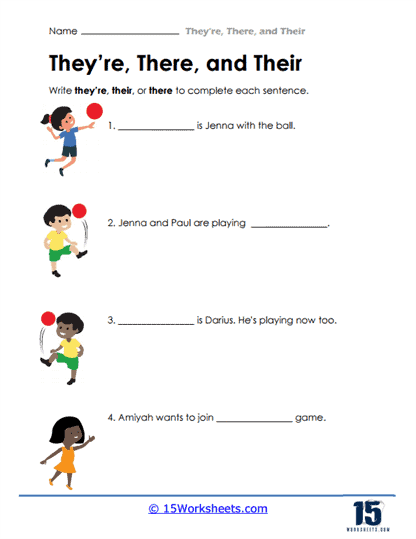
Helping second grade students master homophones can be a fun yet challenging task. One effective way to support their understanding is through targeted grammar worksheets that focus on pairs like “they’re” and “their.” These two words sound identical but have different meanings and uses, which often confuses young learners. A worksheet where children complete six sentences by selecting the correct homophone helps clarify these differences in a practical context.
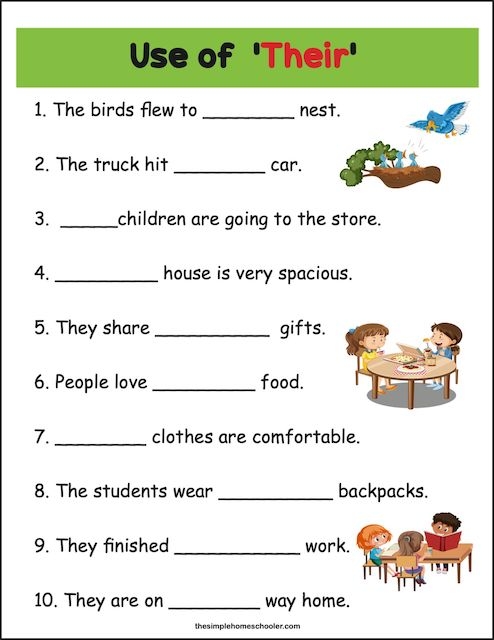
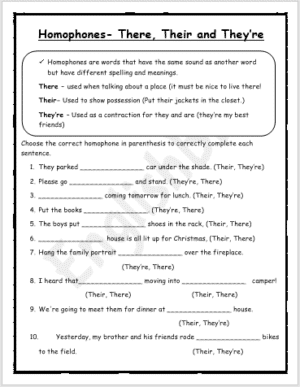
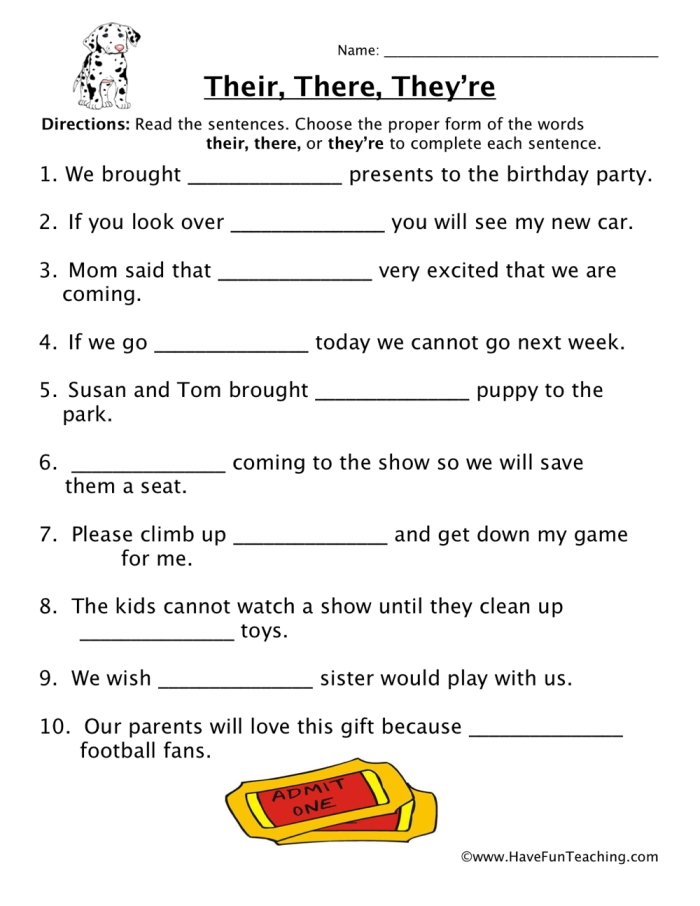
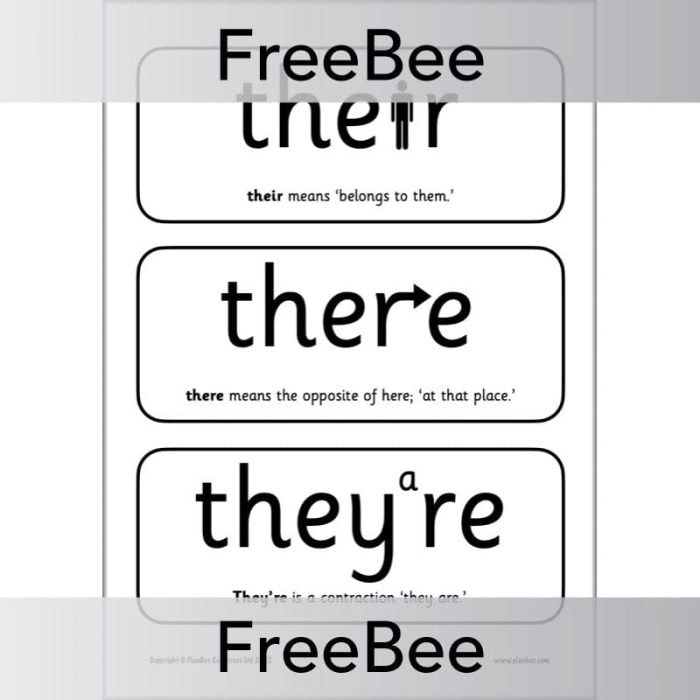
For example, a sentence might read: “___ going to the park after school,” where students must choose between “they’re” and “their.” This exercise encourages them to think about the role each word plays: “they’re” is a contraction for “they are,” while “their” shows possession. By completing six such sentences, kids get repeated, focused practice that reinforces these distinctions without overwhelming them.
Integrating this kind of grammar practice into a second grade Life Science curriculum offers an additional benefit. When the sentences relate to familiar topics like animals or plants, children connect language skills with subject knowledge. For instance, a sentence could be, “The birds built ___ nests carefully,” which ties the homophone exercise directly to life science concepts. This dual approach strengthens both literacy and content understanding.
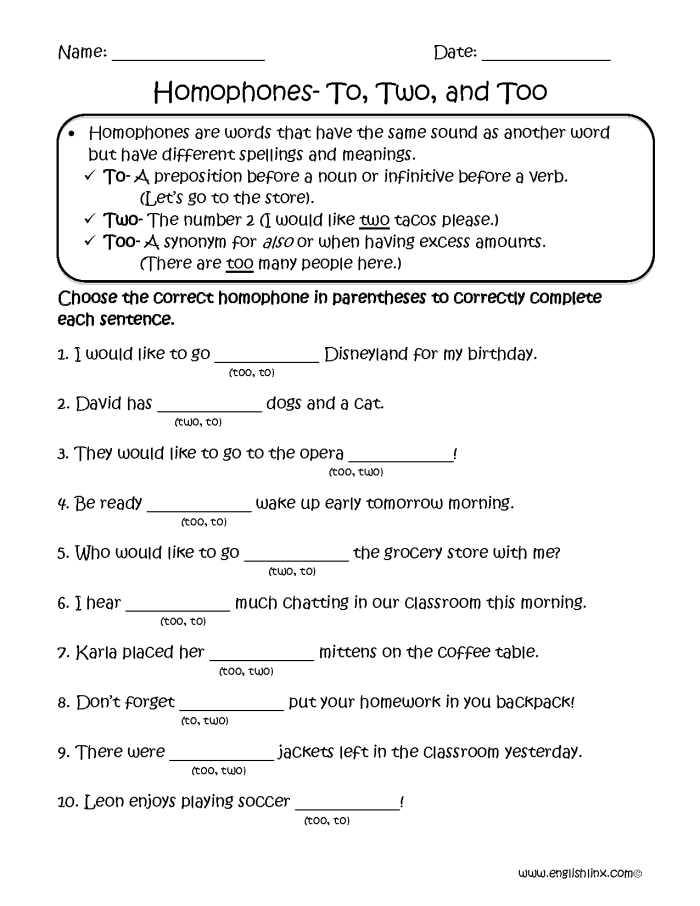
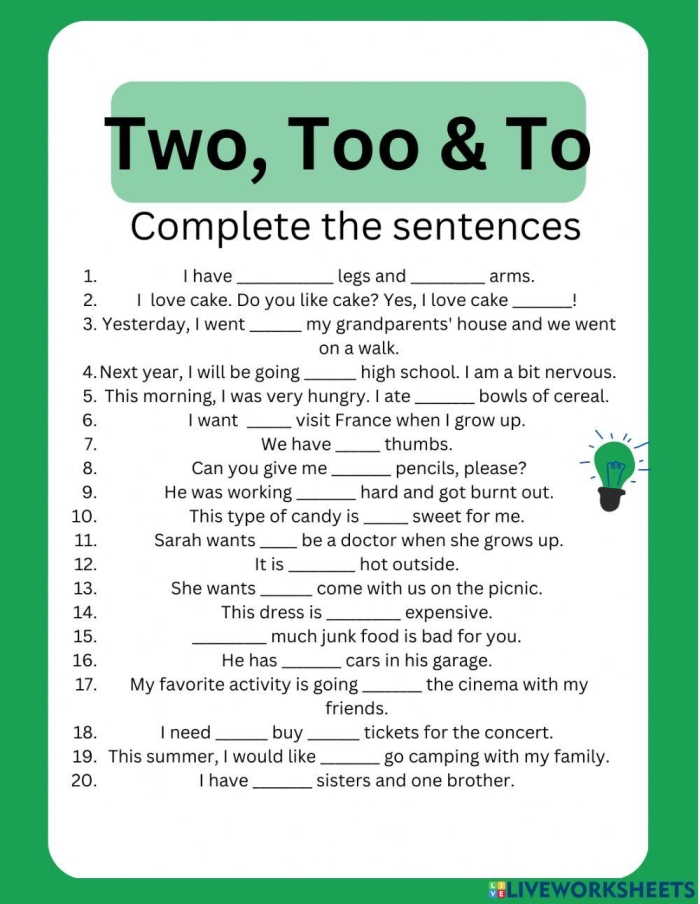
Printable homophones: they’re or their worksheets designed for this age group often include simple visuals or clues to make learning more engaging. Teachers and parents appreciate resources like these because they are easy to incorporate into daily lessons or homework. They also provide a clear way to assess whether a child is grasping the subtle differences between homophones.
For those looking to expand on this, combining grammar practice with interactive activities can be helpful. You might explore related resources, such as second grade life science worksheets, which offer additional opportunities to apply new vocabulary in meaningful contexts. This connection between language and science supports a well-rounded educational experience.
Worksheet Practice Section