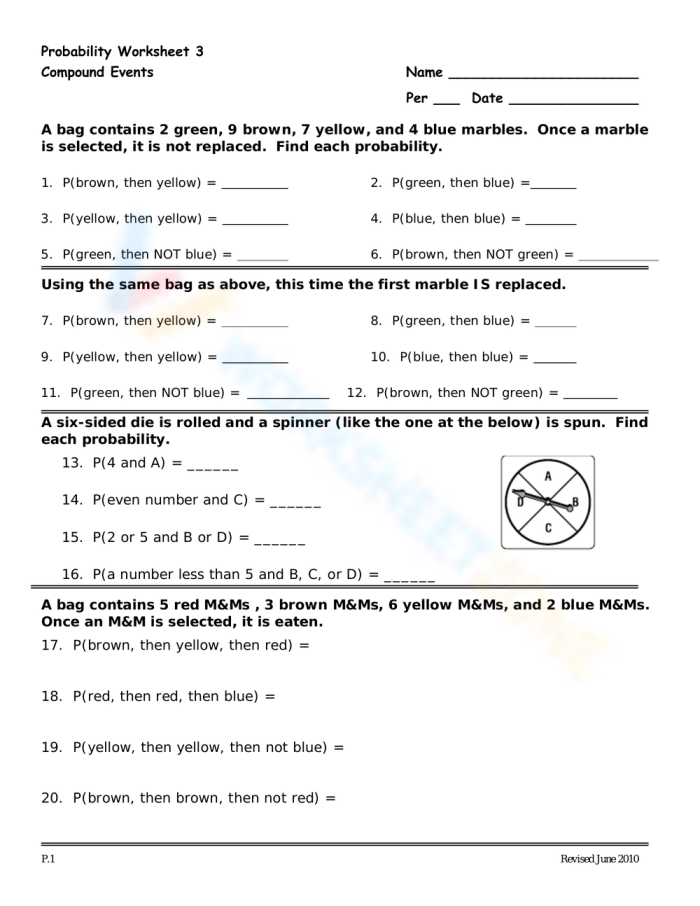
Understanding the probability of compound events can seem daunting at first, but students in seventh grade will find it an engaging challenge. In real-world scenarios, probabilities help us make informed decisions, whether in games, weather predictions, or even during sports events.
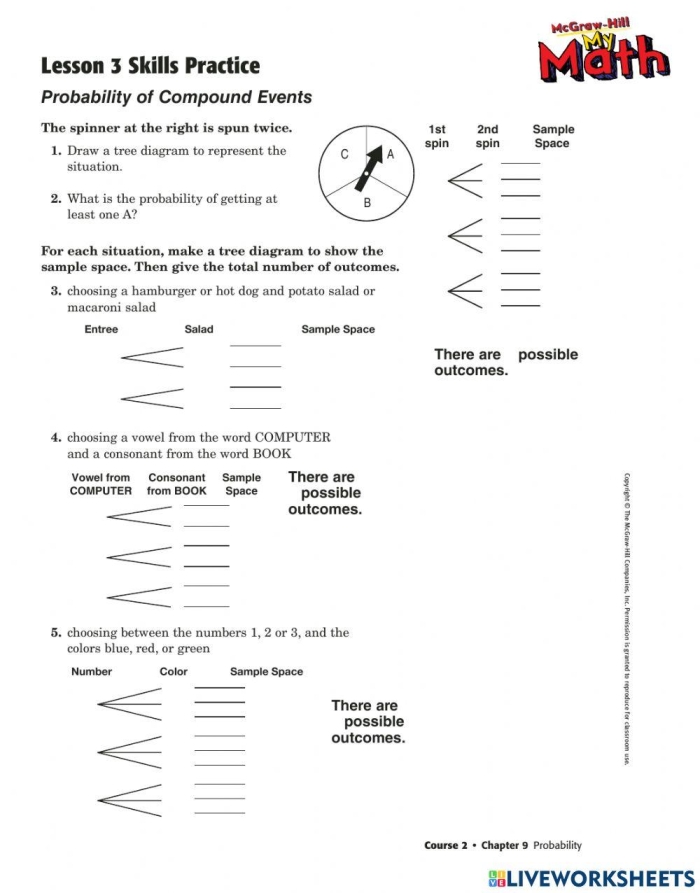
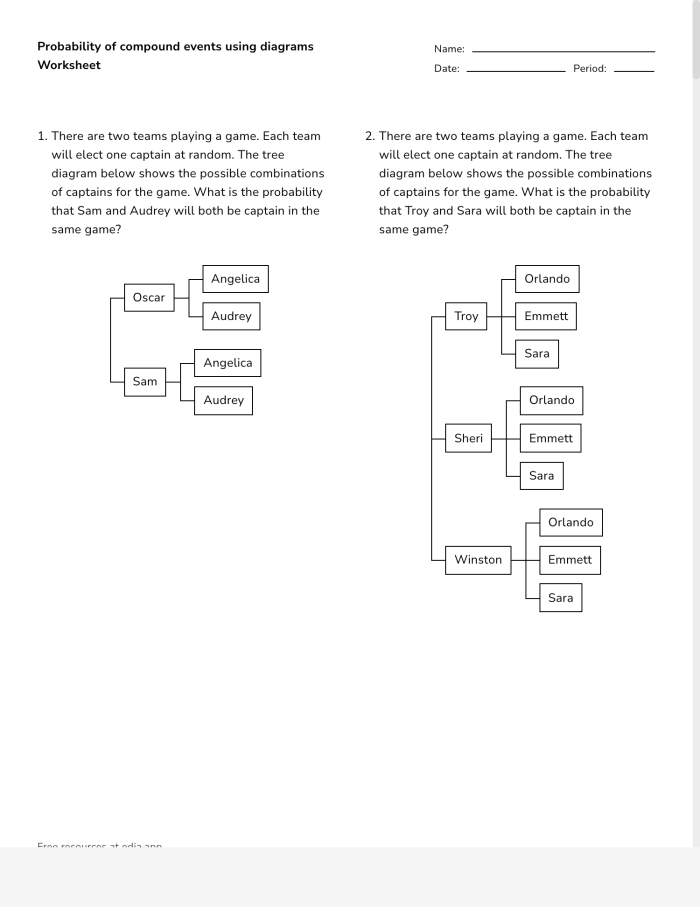
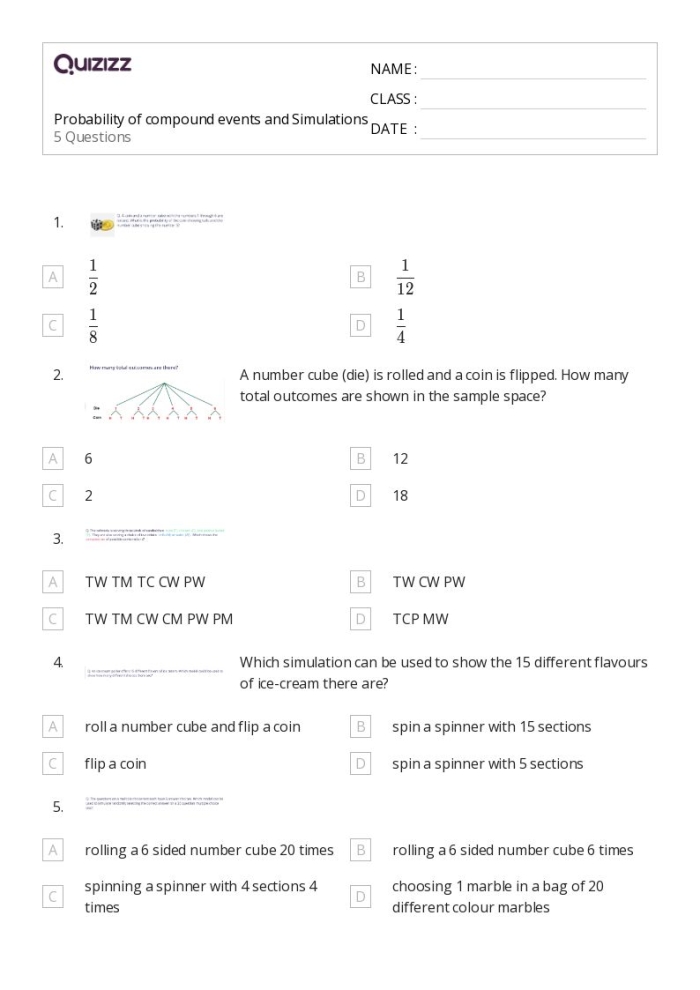
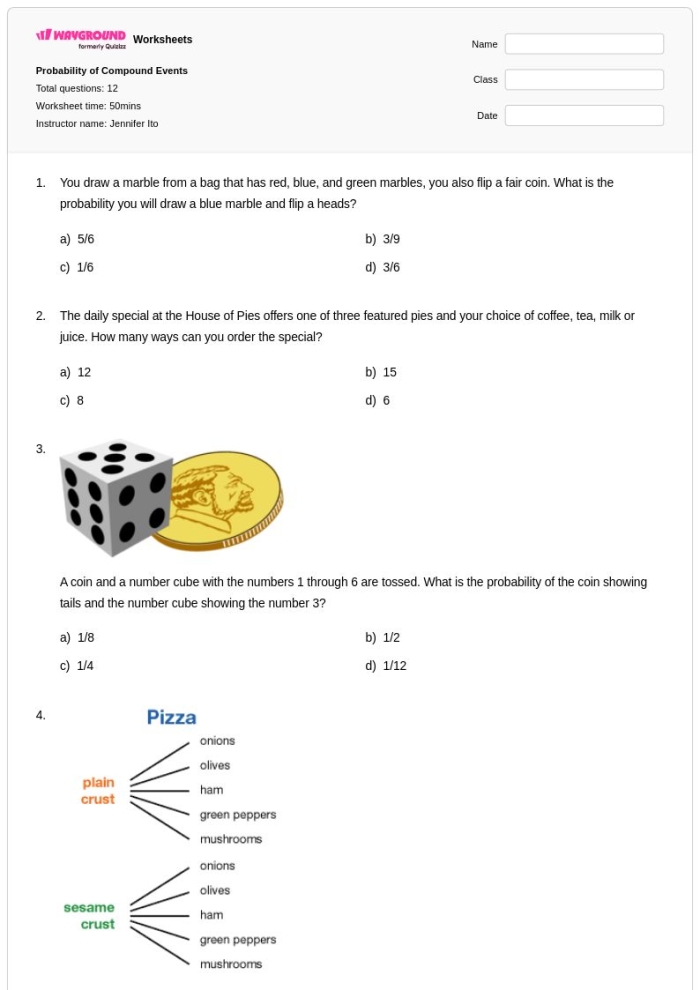
One effective way to visualize these probabilities is through tables, tree diagrams, or organized lists. For instance, consider a simple example involving a six-sided die and a coin flip. By using a tree diagram, students can map out each possible outcome, showcasing how many different combinations can occur when both events take place. This method not only clarifies the concept but also makes it easier to calculate the total number of outcomes.
Additionally, tables can be a powerful tool for organizing outcomes. By laying out the results of each event side by side, students can quickly identify relationships and calculate the probabilities of compound events. For example, if they want to know the probability of rolling an even number on a die and flipping heads on a coin, they can easily list all possible combinations in a table to find the answer.
Working with organized lists can also enhance understanding. By generating a list of all possible outcomes, students can then analyze how many of those outcomes meet specific criteria. This hands-on approach can solidify their grasp of the material, making the learning experience more interactive and enjoyable.
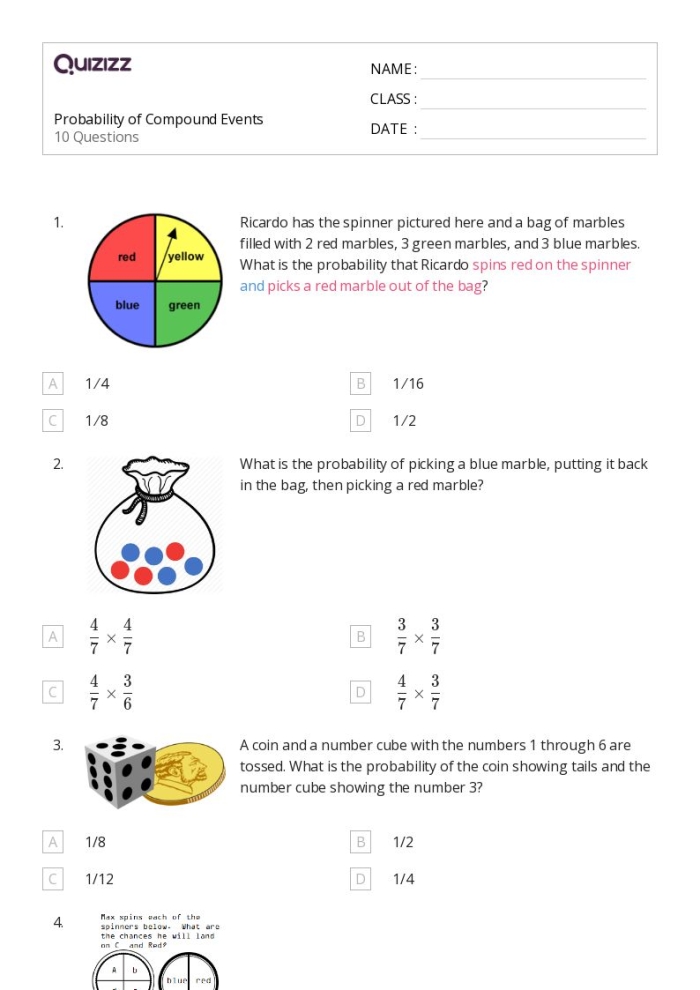
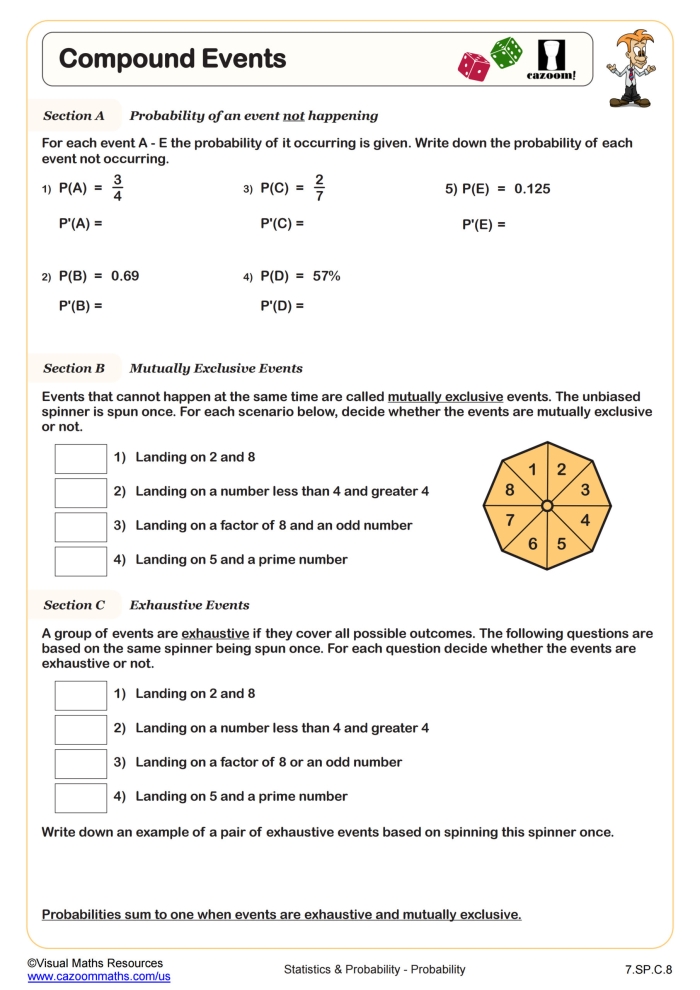
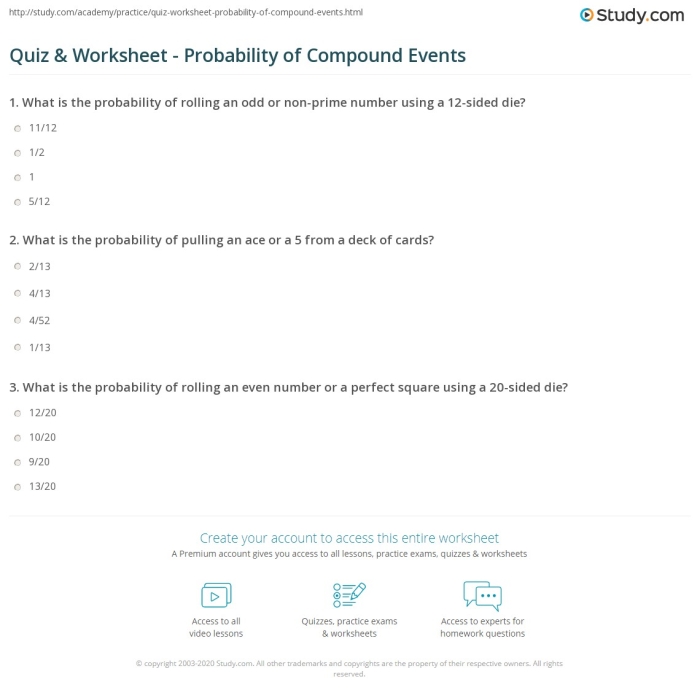
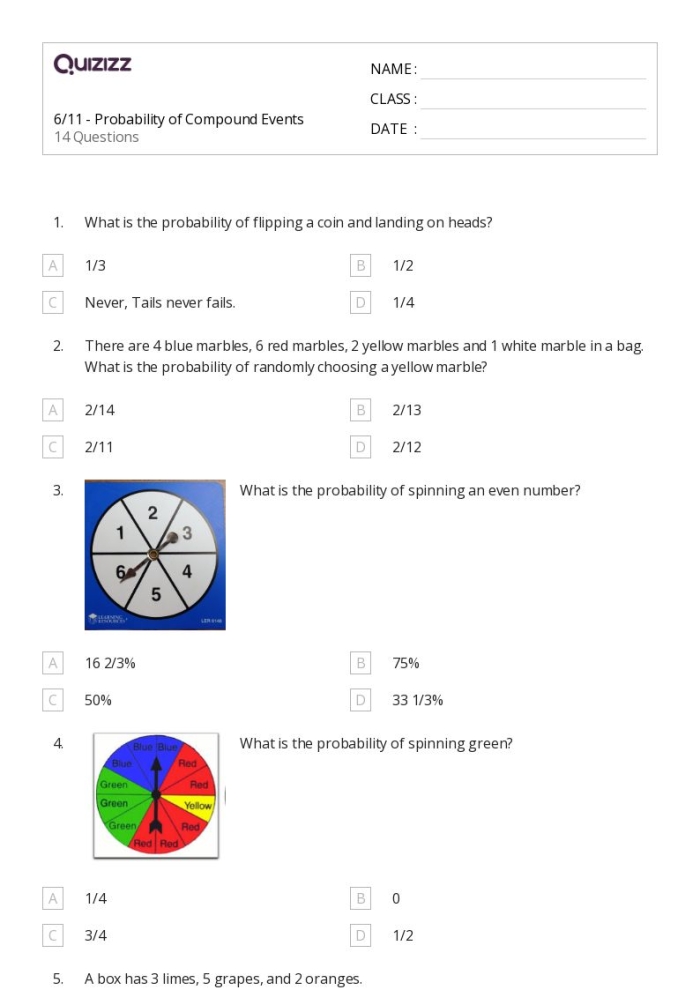
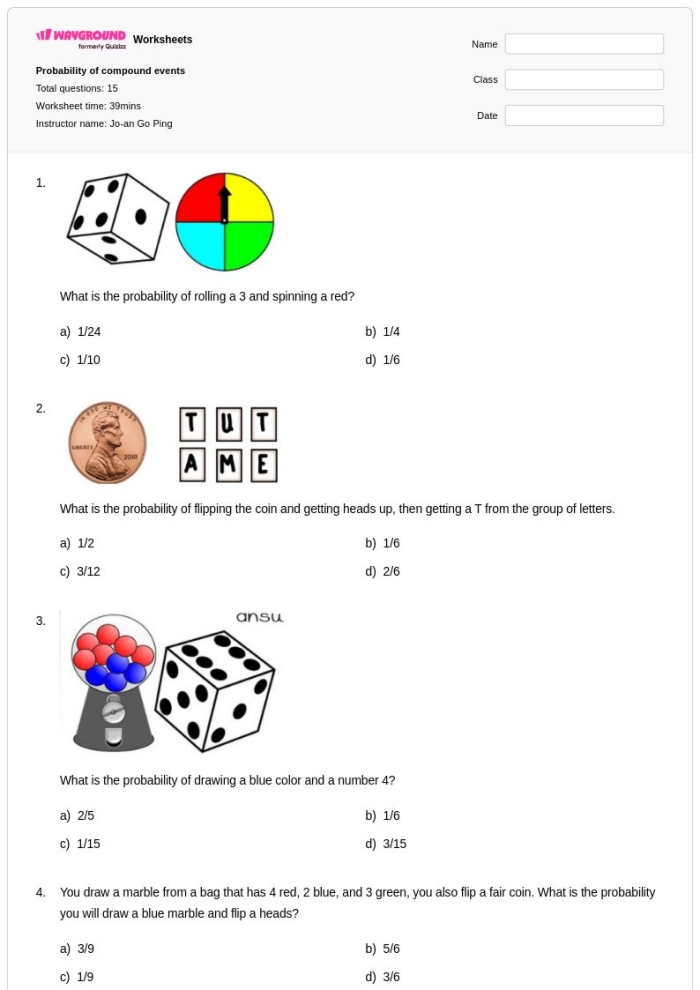
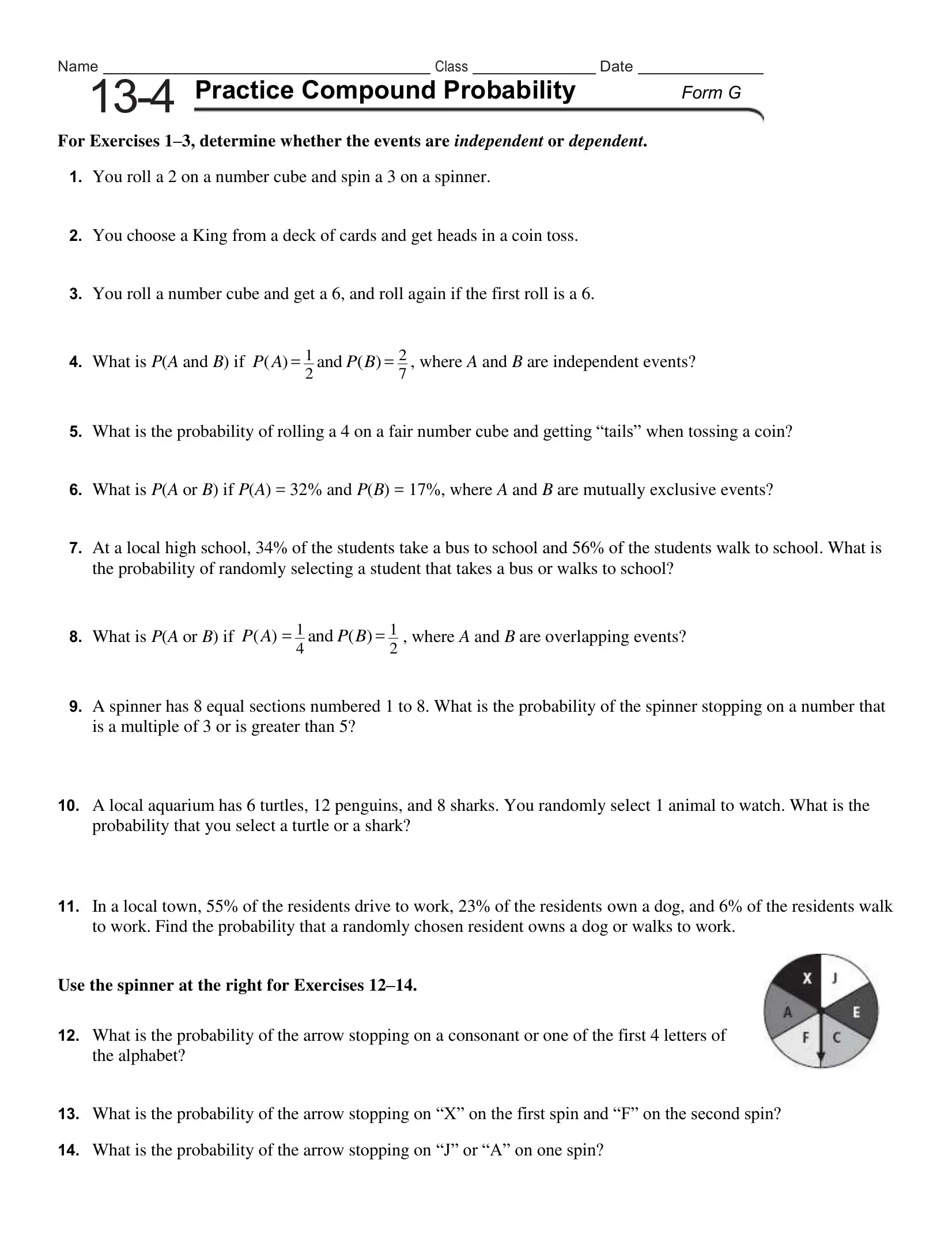
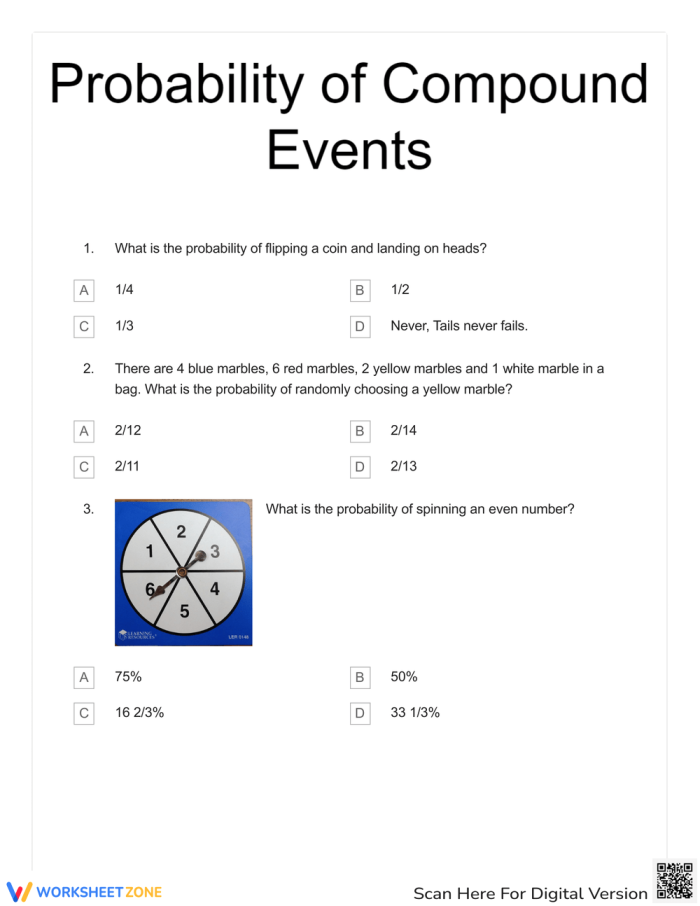
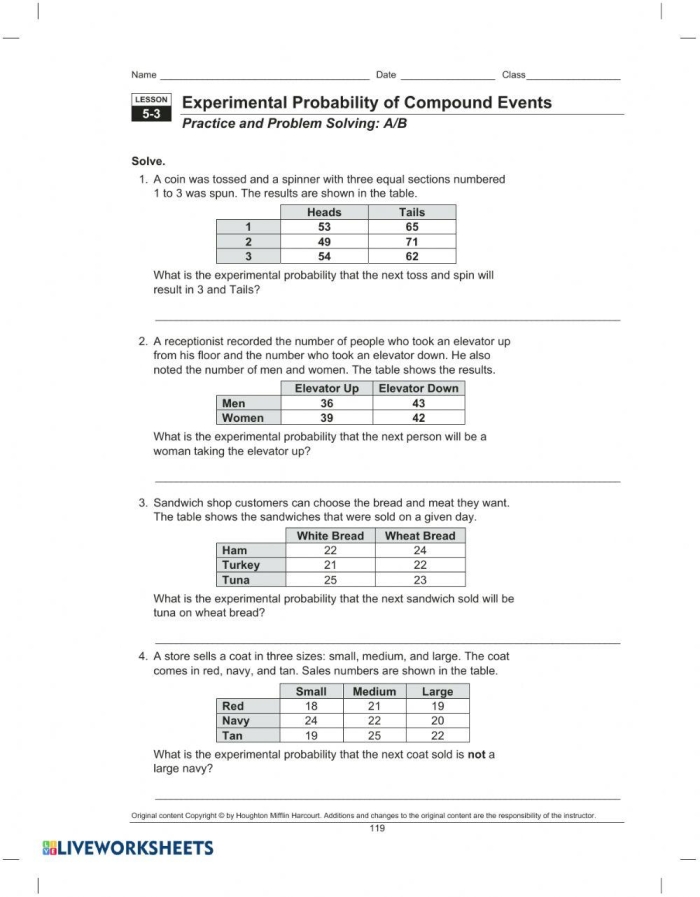
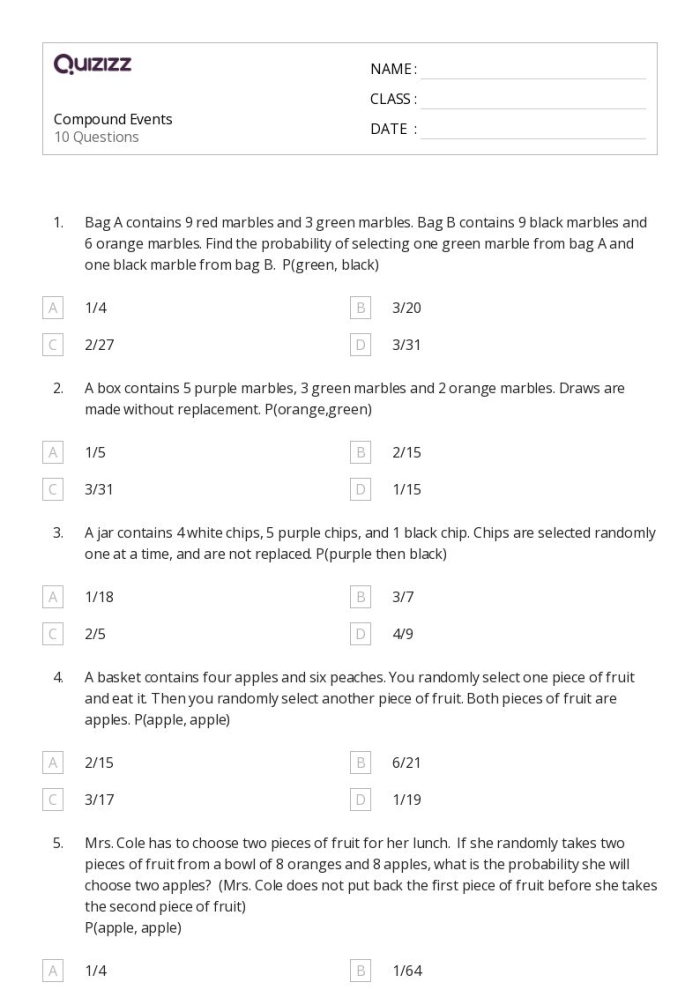
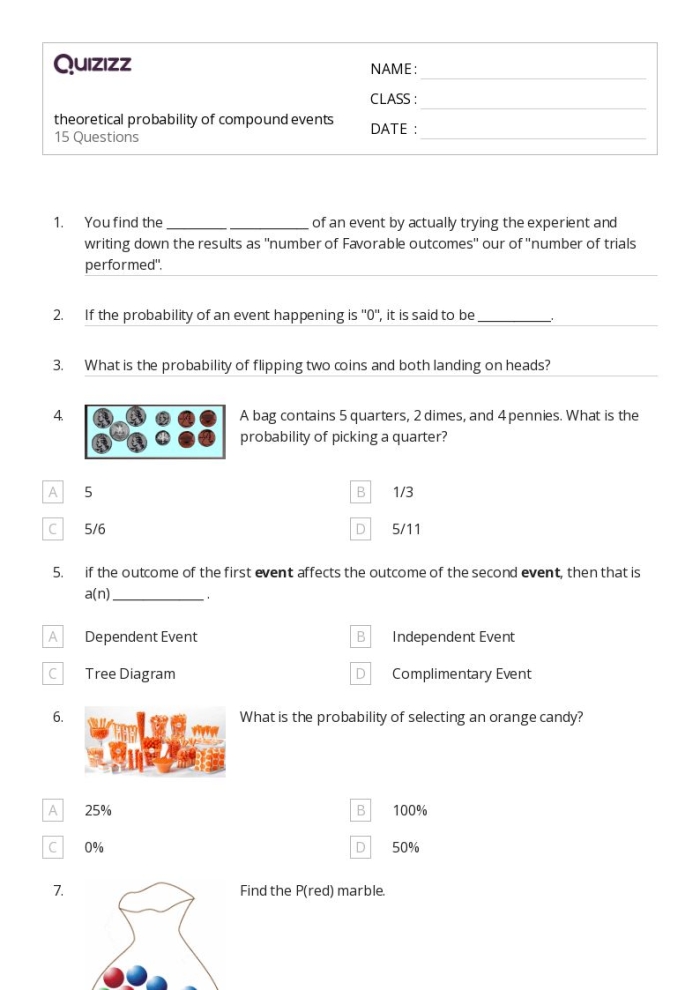
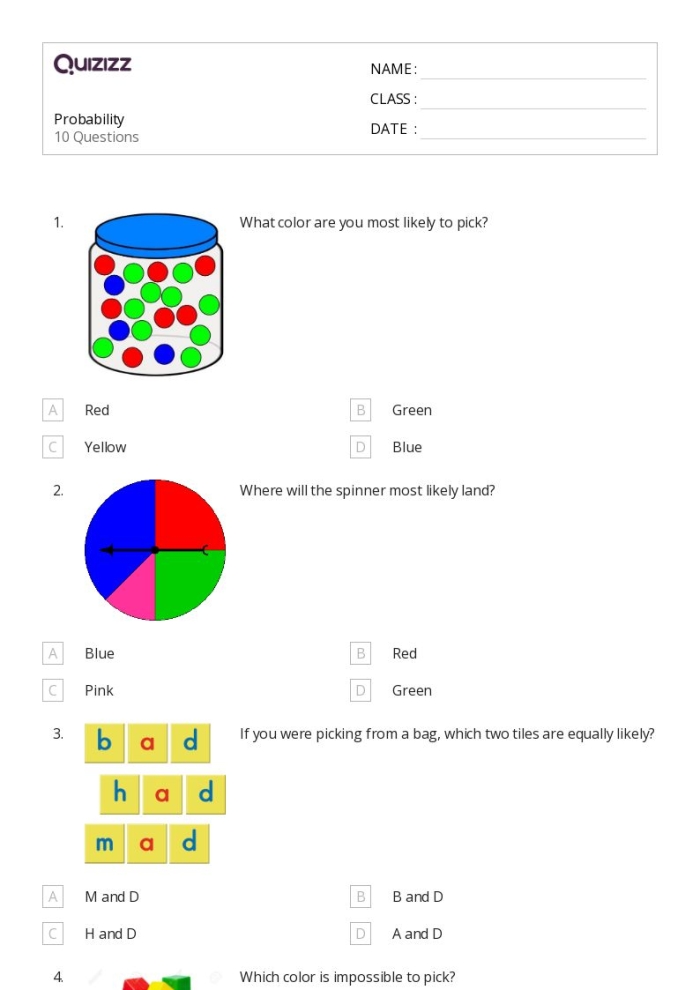
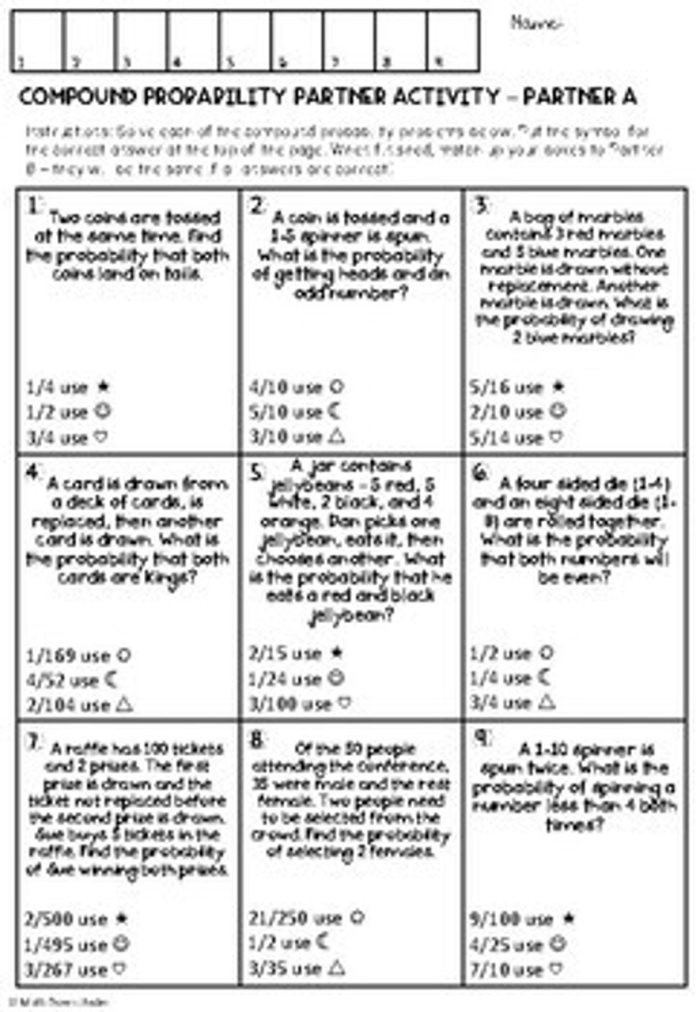
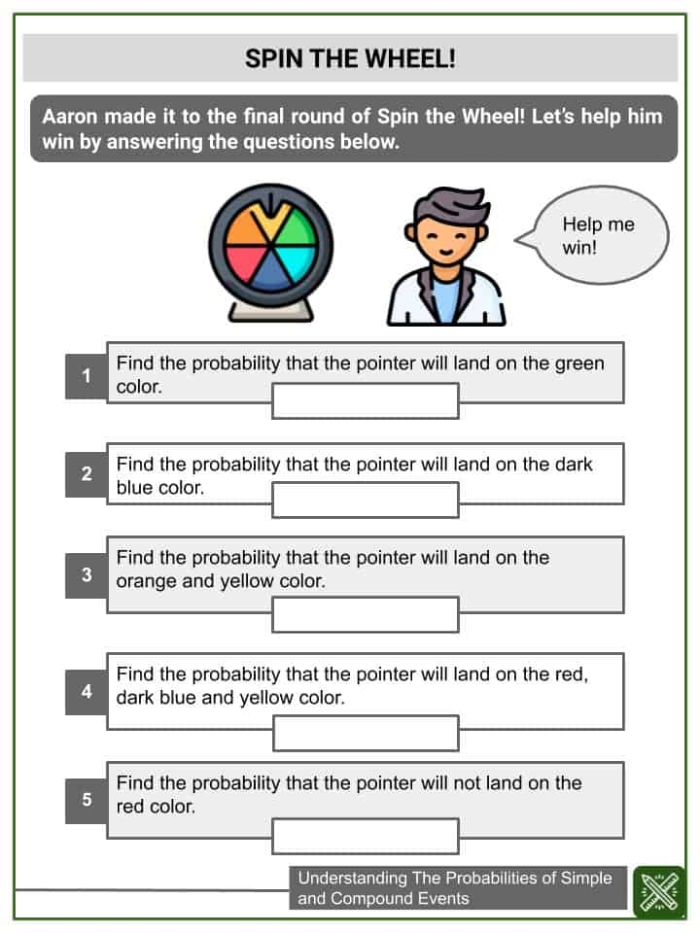
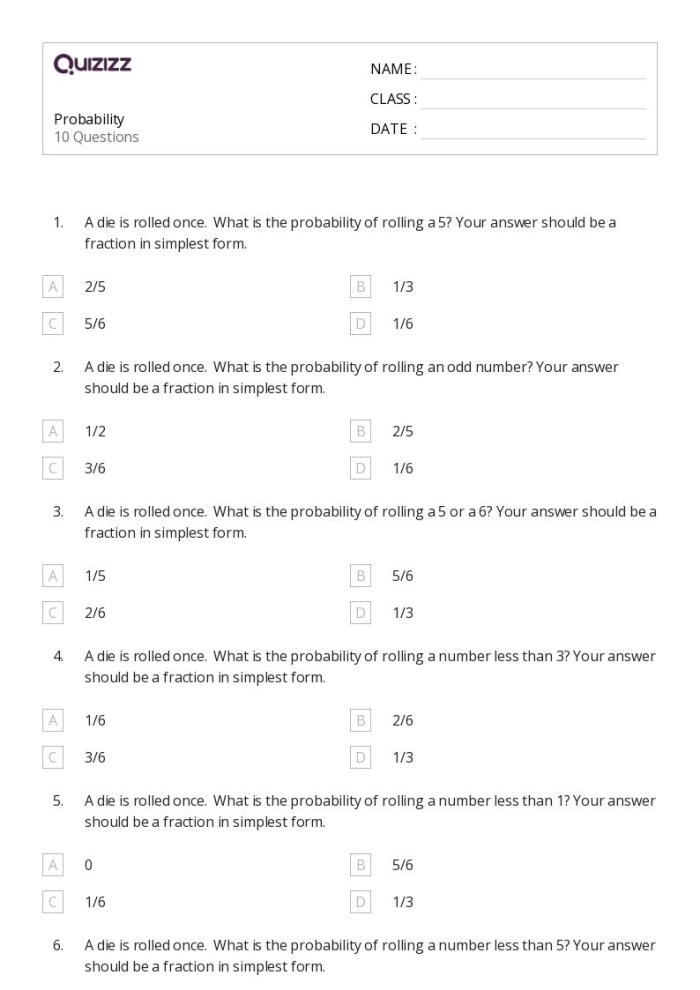
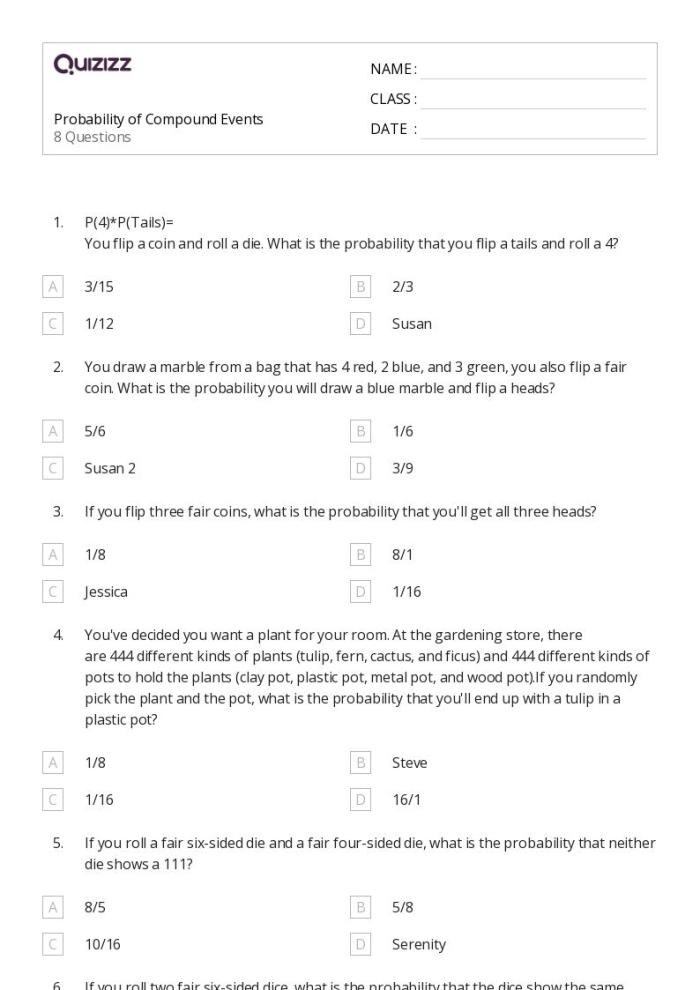
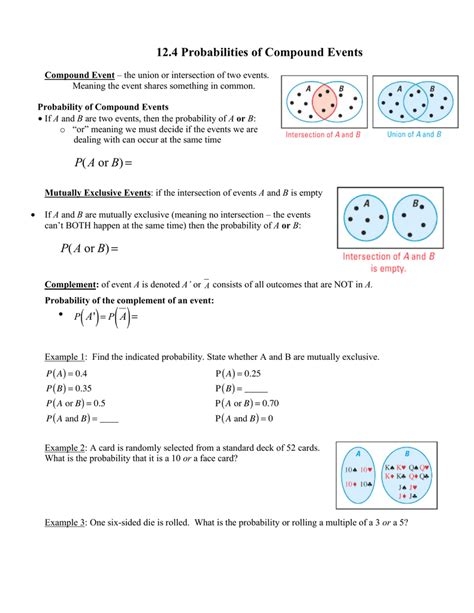
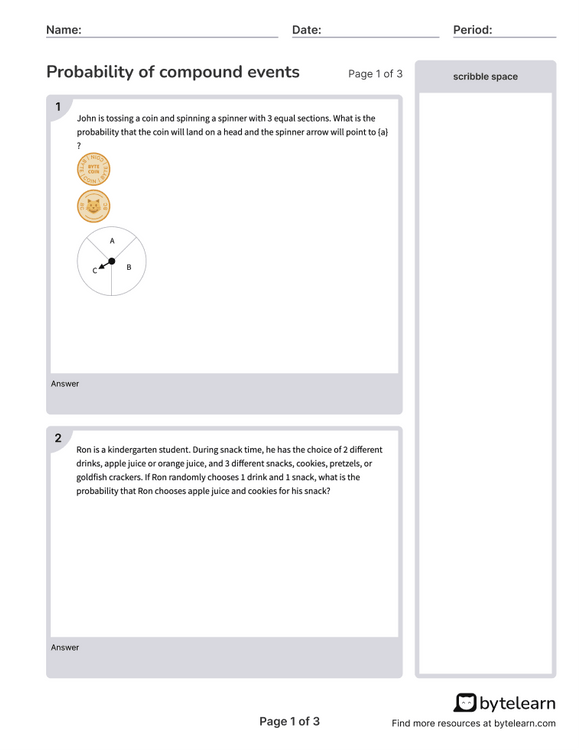
For those looking for additional practice, there are plenty of resources available. Printable worksheets on probabilities of compound events and related topics can provide further opportunities to apply these concepts. Engaging with various scenarios not only strengthens their skills in ratios and proportions but also prepares them for real-life applications. By mastering these techniques, seventh graders will find themselves equipped to tackle more complex problems in the future.
Hands-On Worksheet Activities