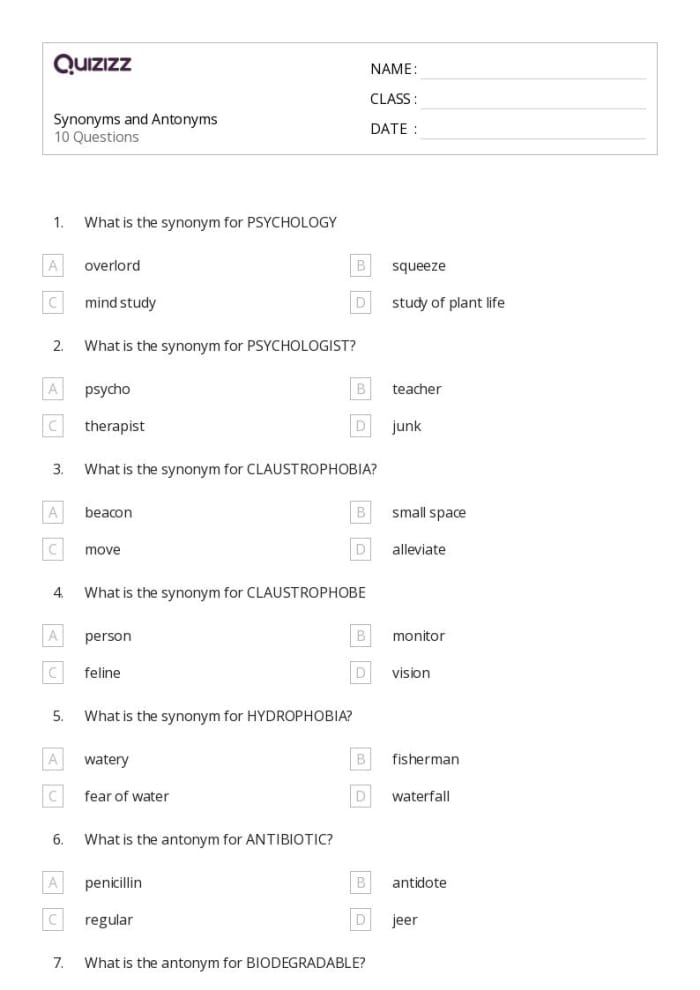
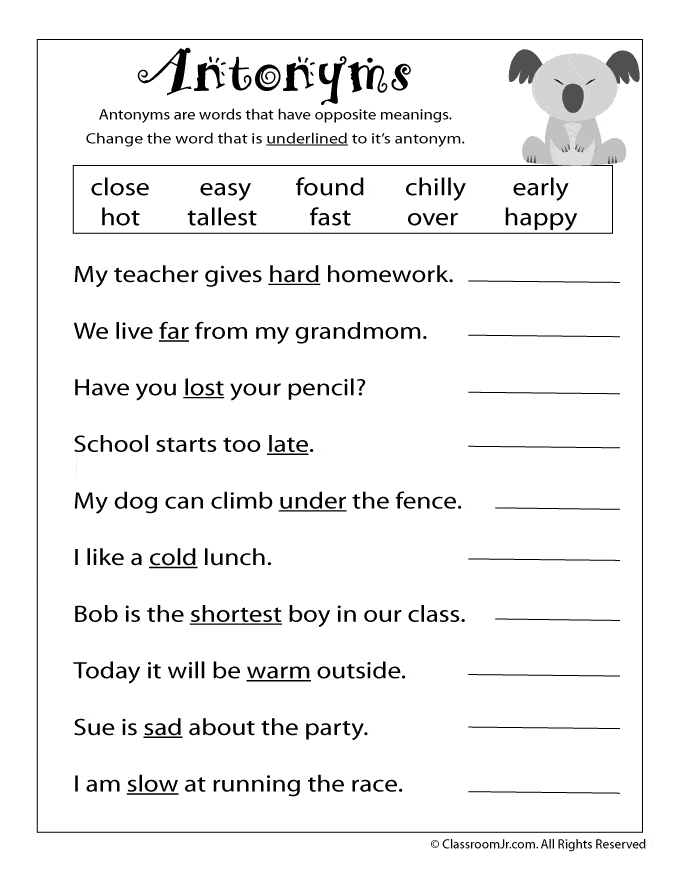
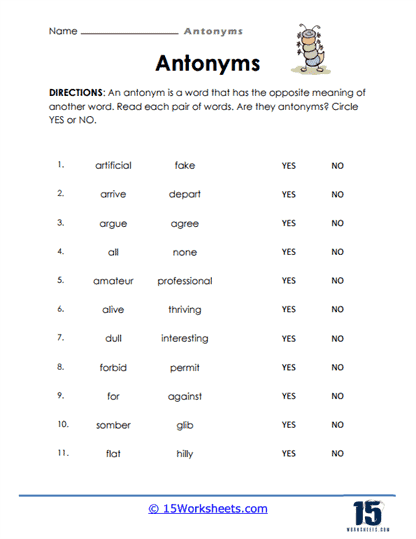
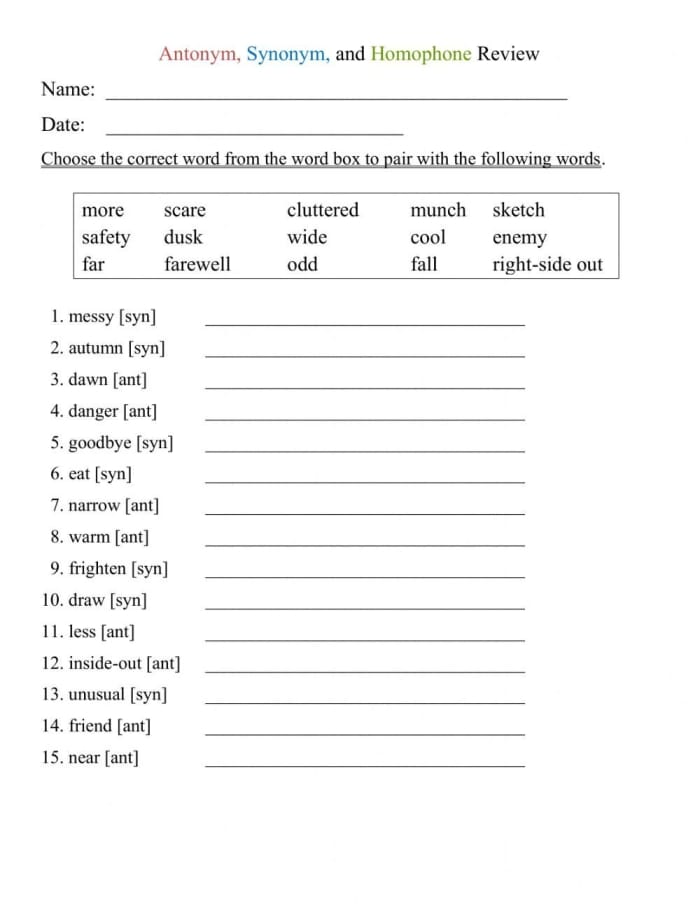
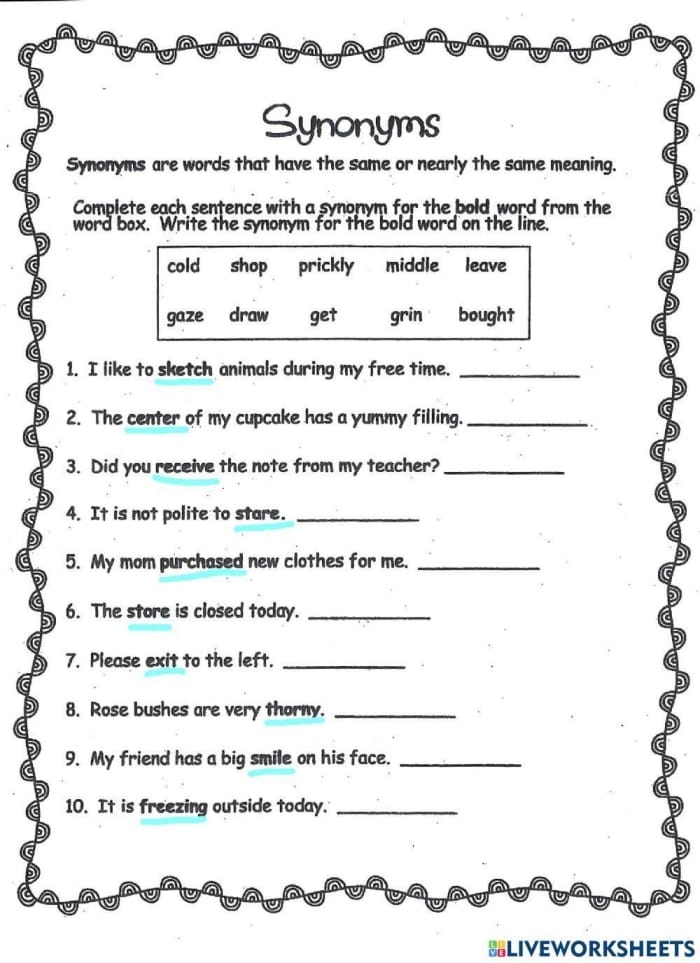
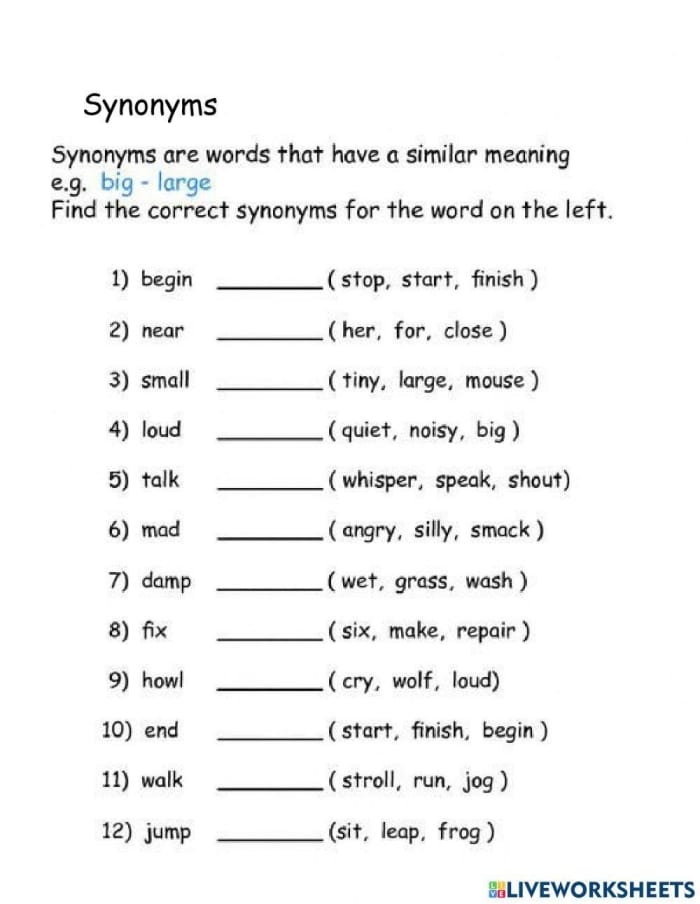
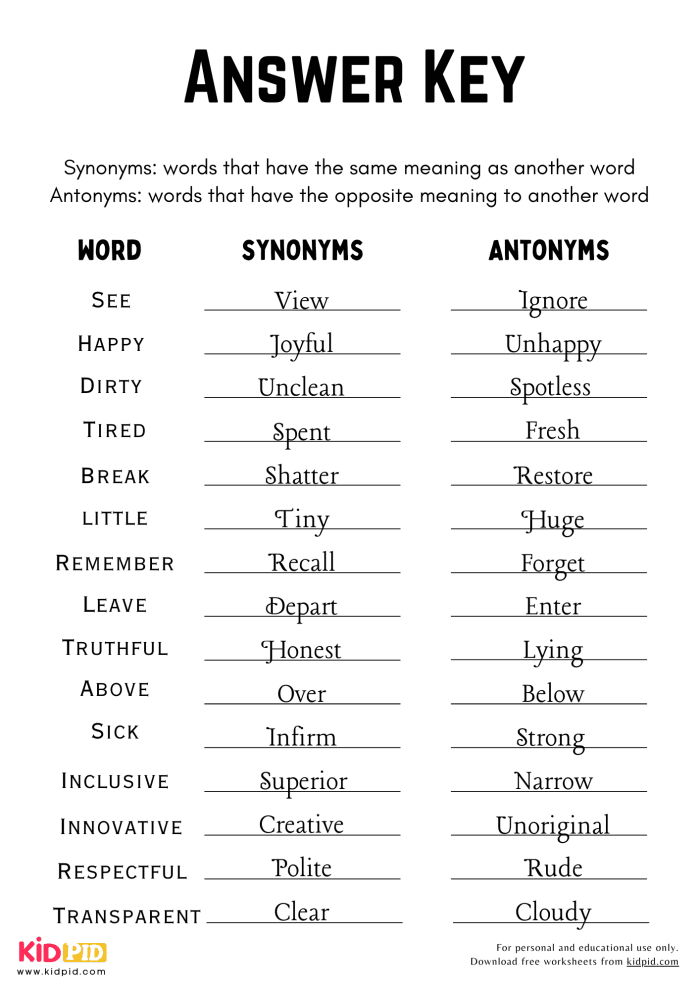
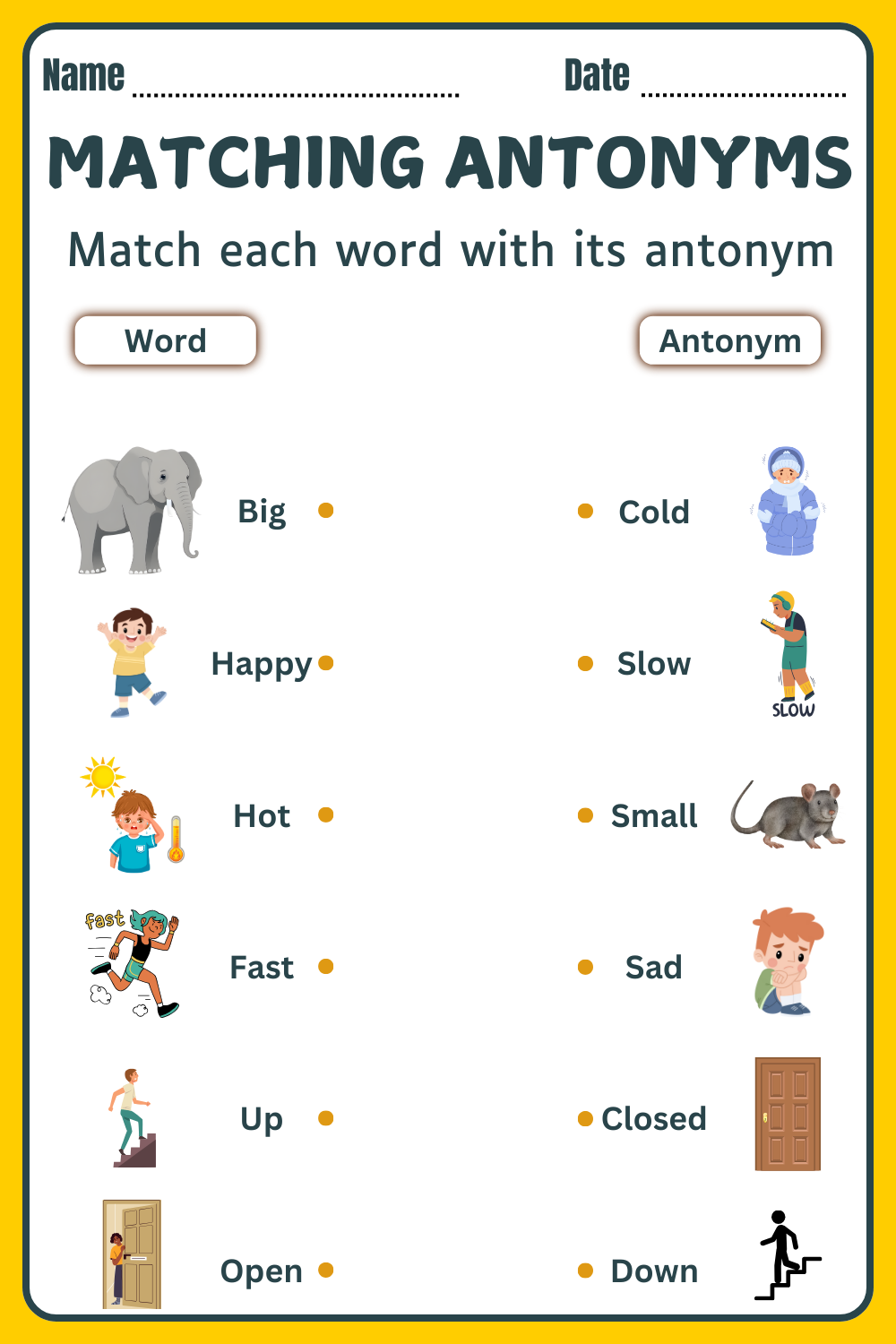
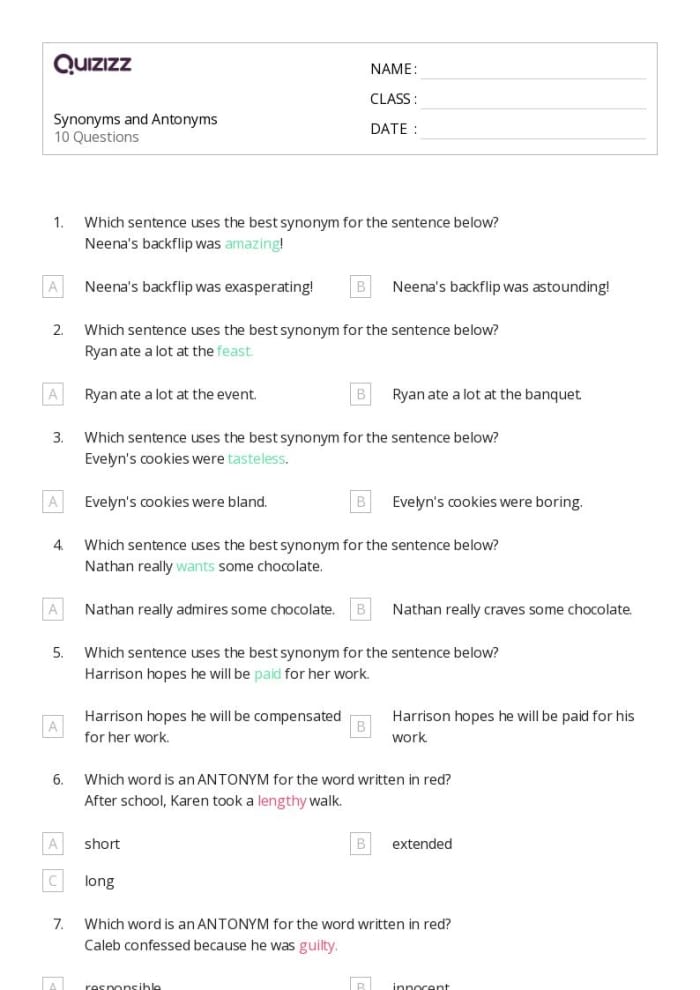
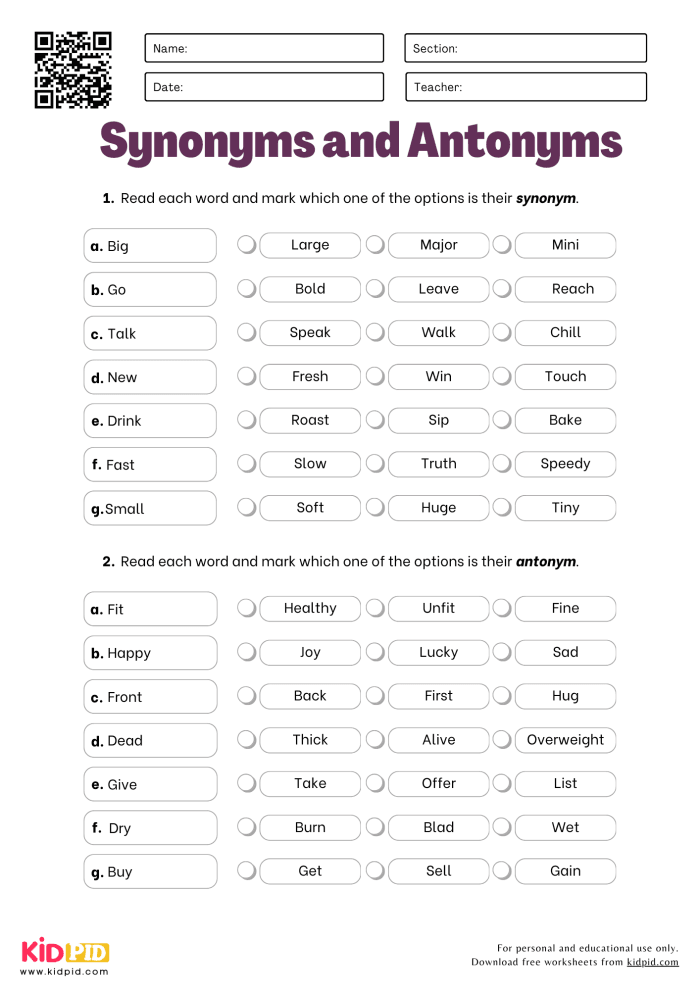
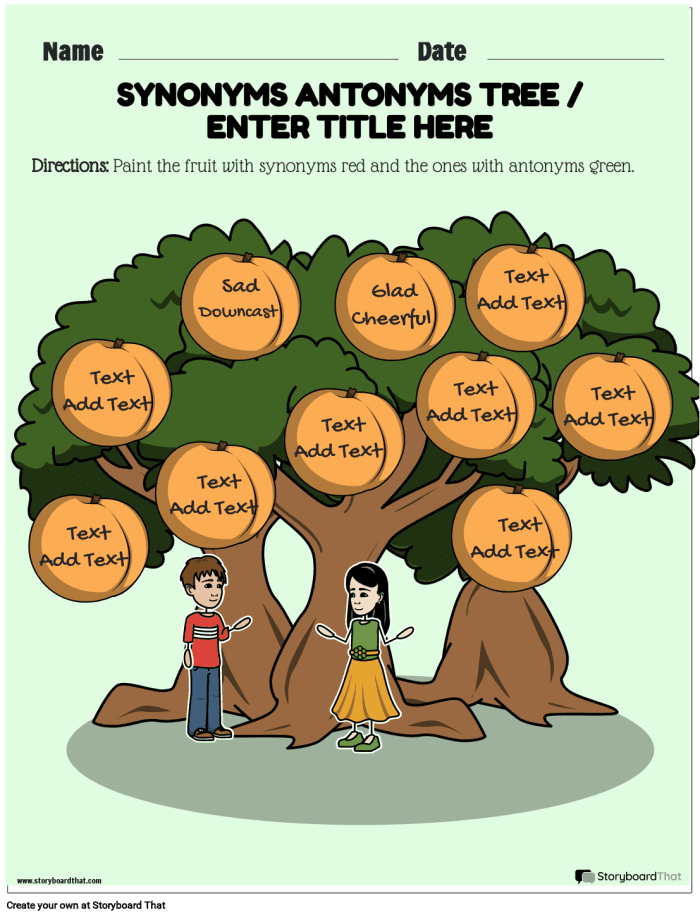
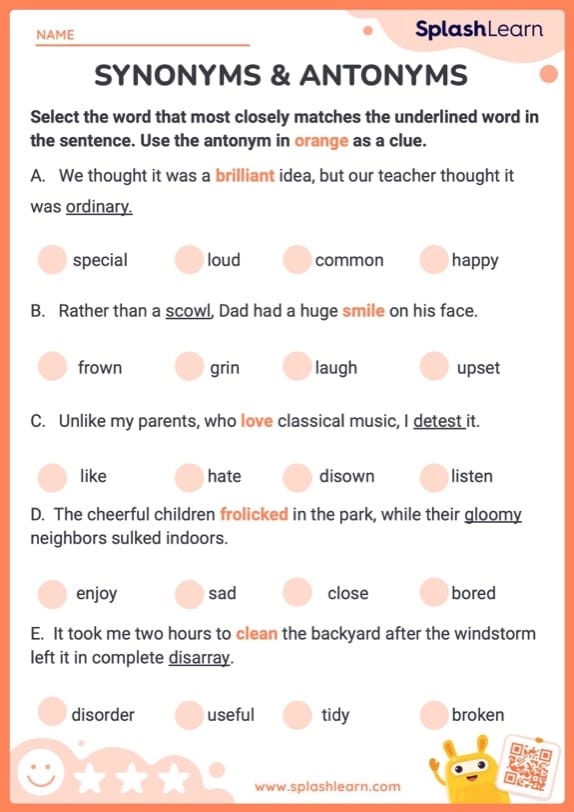
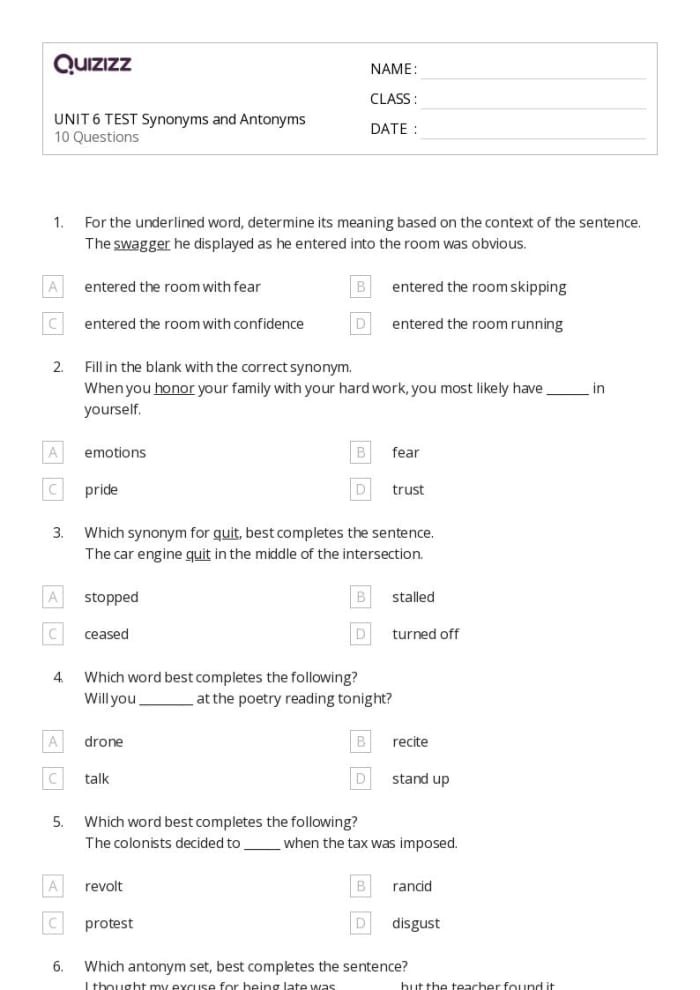
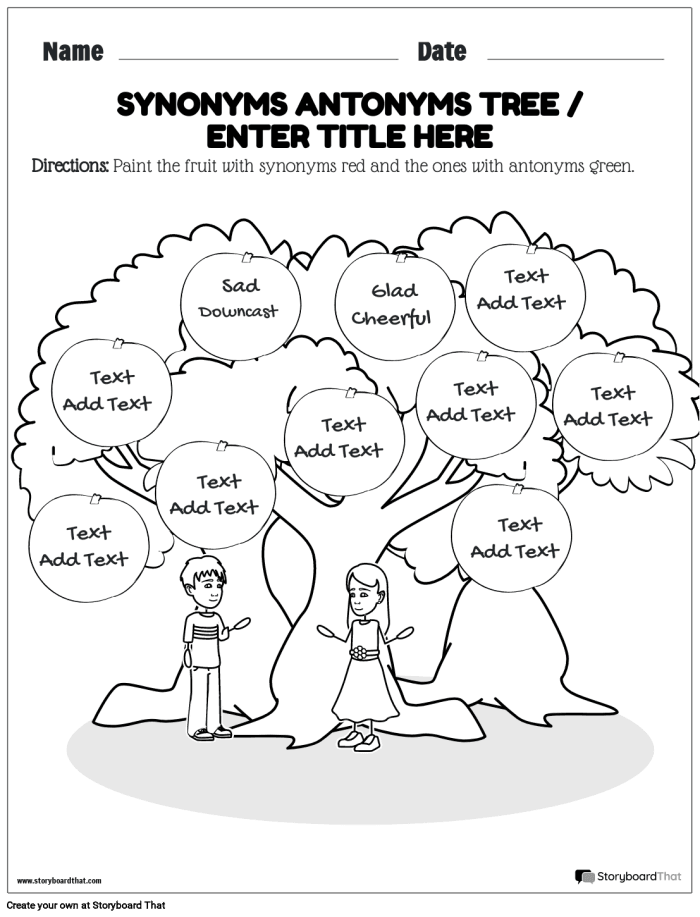
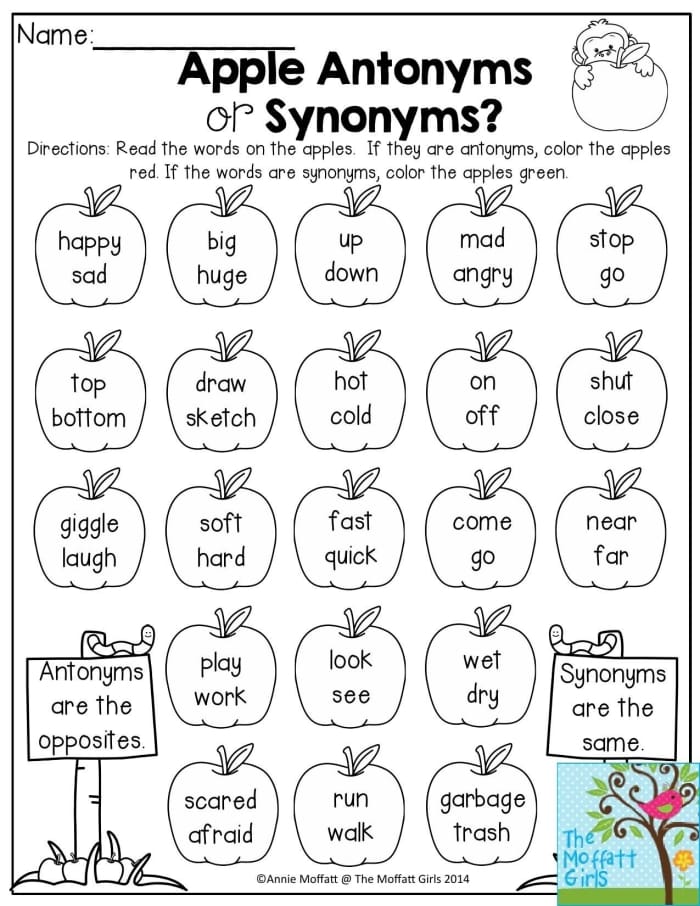
When your first grader starts recognizing that “happy” and “joyful” mean similar things, or that “hot” is the opposite of “cold,” something important clicks in their brain. Synonyms and antonyms form the foundation of vocabulary growth, and working through them together transforms what could feel like a lesson into a natural conversation about language.
The reason this matters so much at the first grade level is that children are still building their understanding of how words relate to each other. Unlike memorizing isolated vocabulary words, learning synonyms and antonyms helps your child see connections between ideas. When they understand that “big” and “large” convey the same meaning, they’re not just learning two words—they’re learning a pattern that applies across hundreds of word pairs. This pattern recognition speeds up vocabulary acquisition significantly.
Start with words your child already uses daily. Use simple pairs like “happy” and “sad,” “fast” and “slow,” or “clean” and “dirty.” Ask your child to act out these opposites, draw pictures showing both words, or find objects around the house that match each word. This physical engagement helps cement the concepts in their memory.
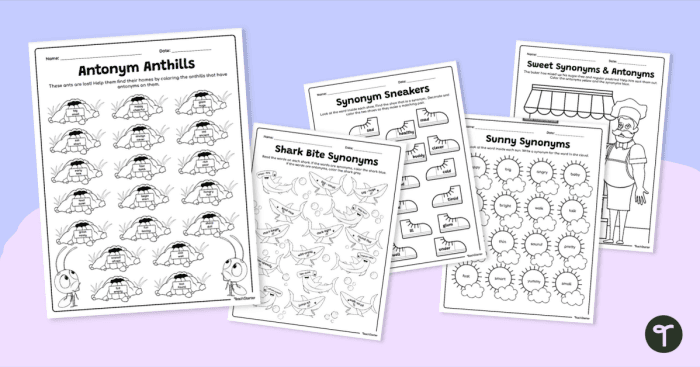
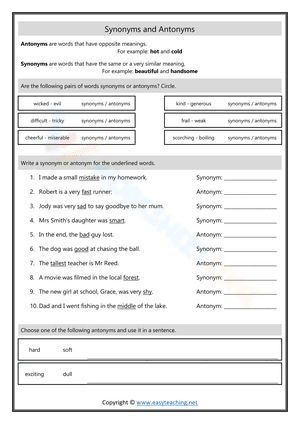
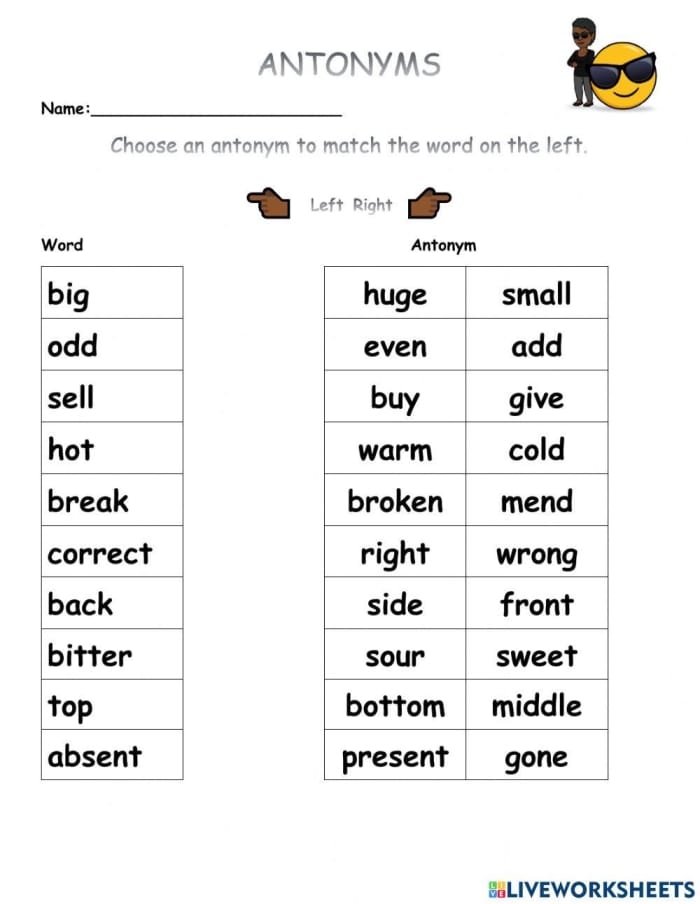
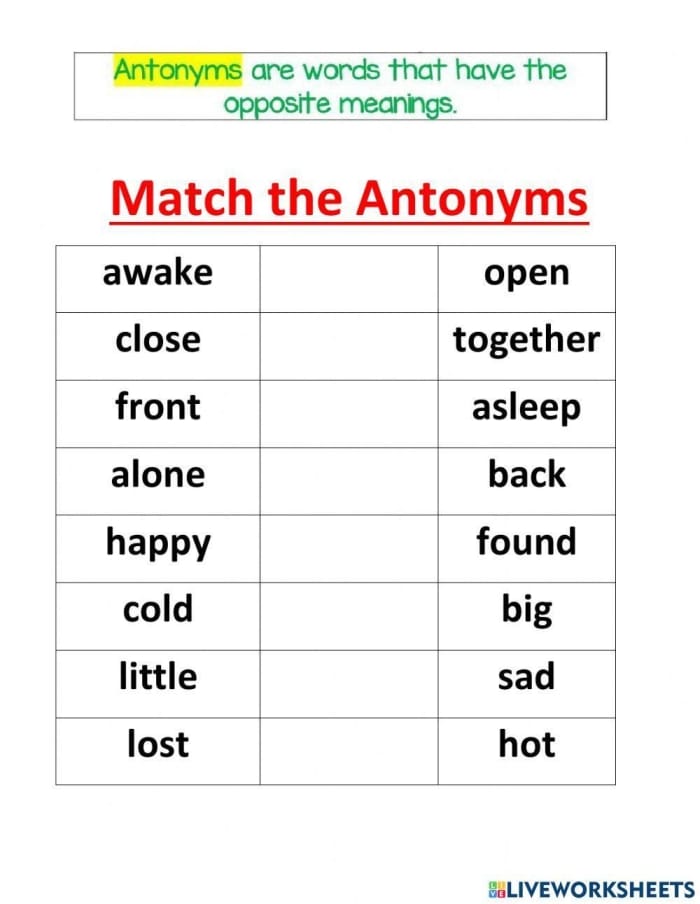
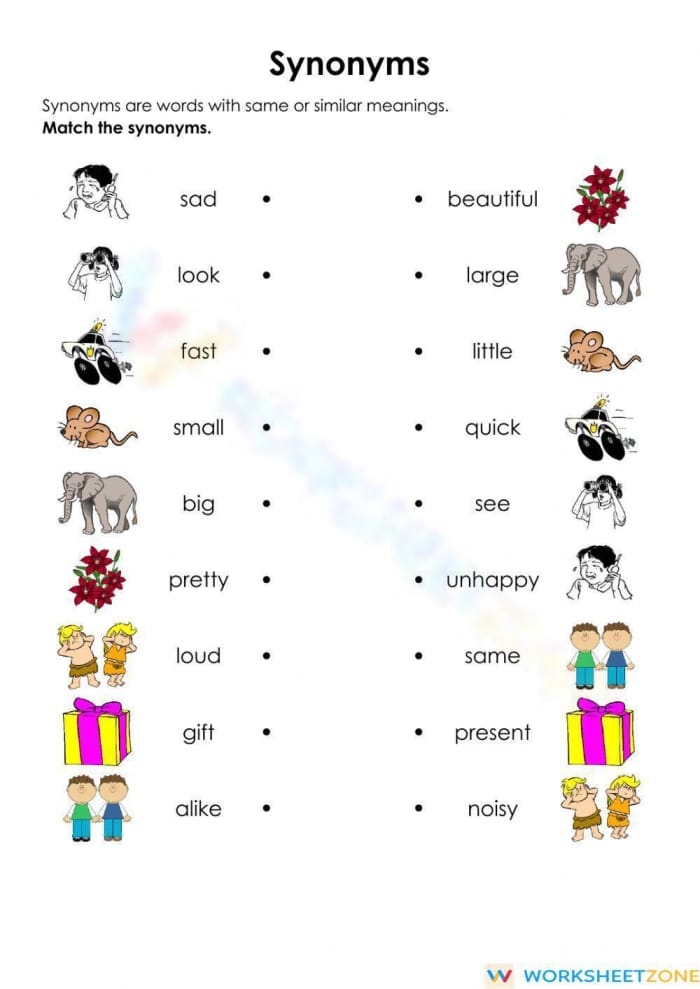
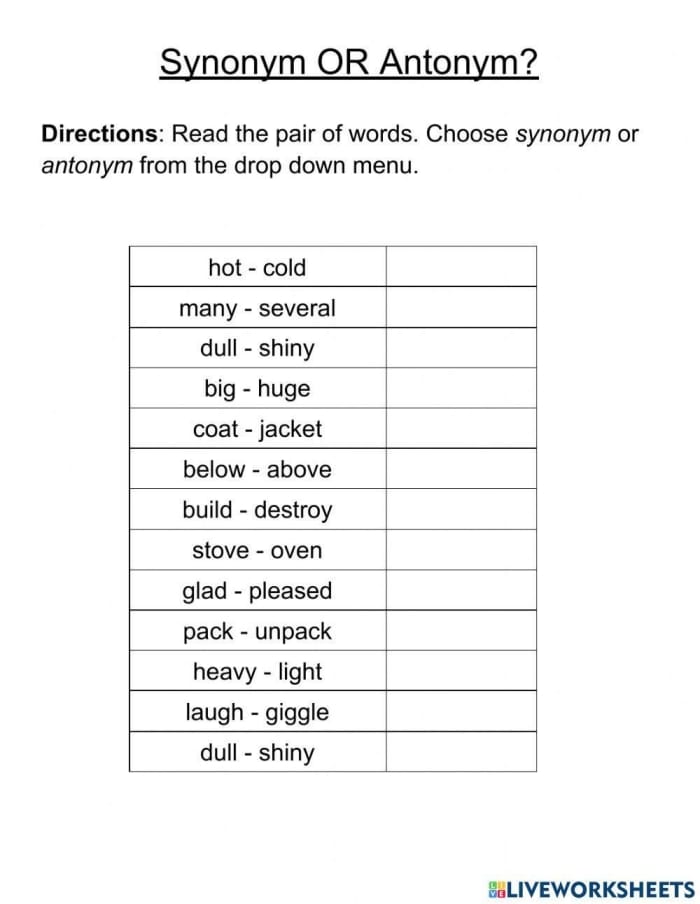
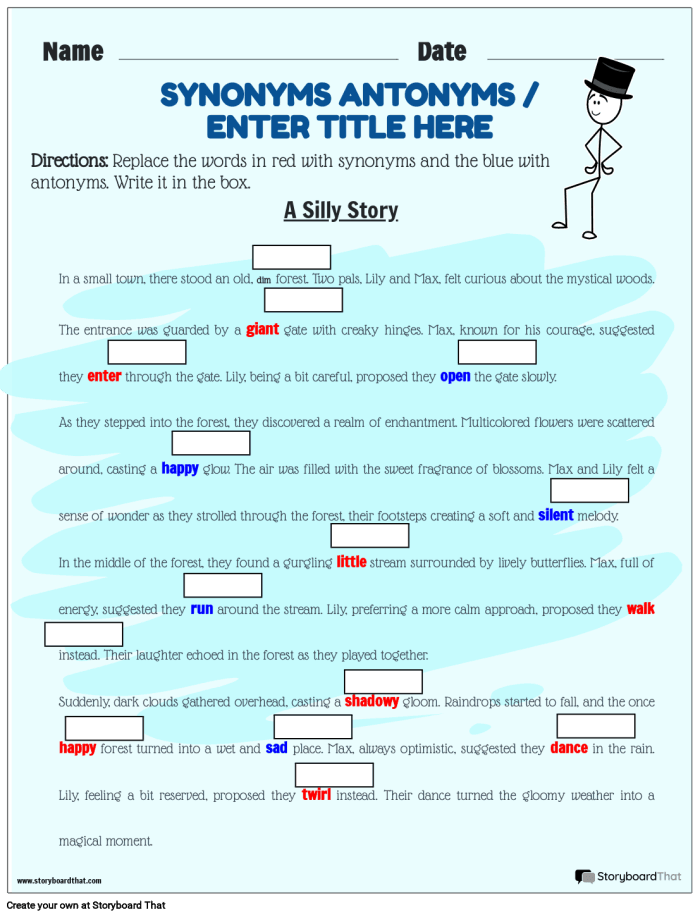
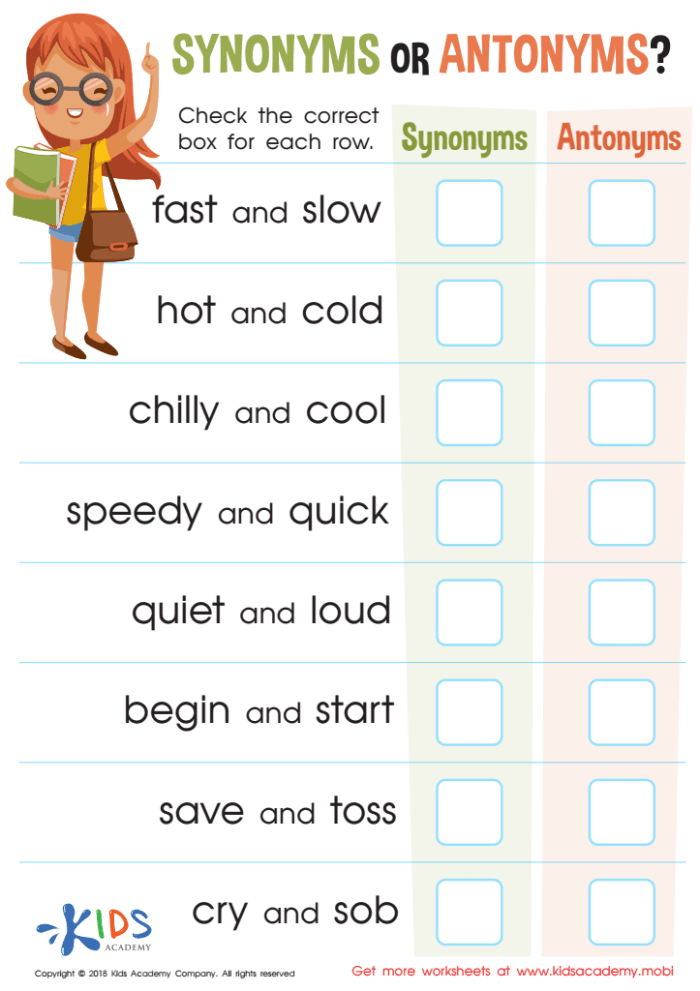
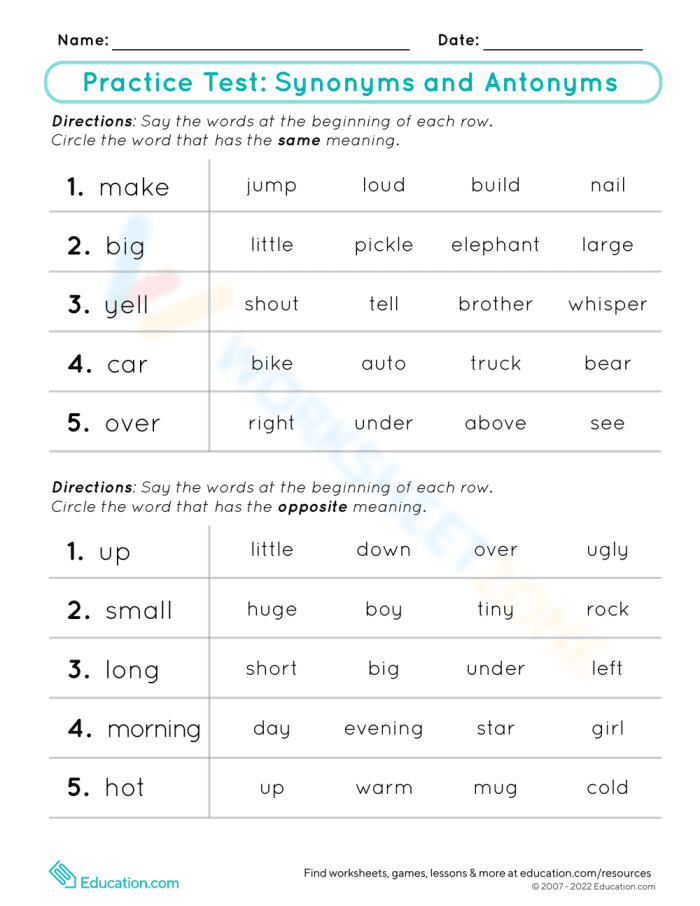
Worksheets can support this learning effectively. When selecting materials, look for resources that combine visual elements with word practice, such as basic shapes vocabulary worksheets or parts of a plant vocabulary activities that naturally incorporate opposite and similar words. You might also explore word-building exercises that encourage your child to see how synonyms work in context.
The key is consistency without pressure. Five or ten minutes a few times a week works better than one long session. Your child will gradually build confidence recognizing word relationships, which strengthens their overall vocabulary foundation for years to come.
Try These Printable Worksheets