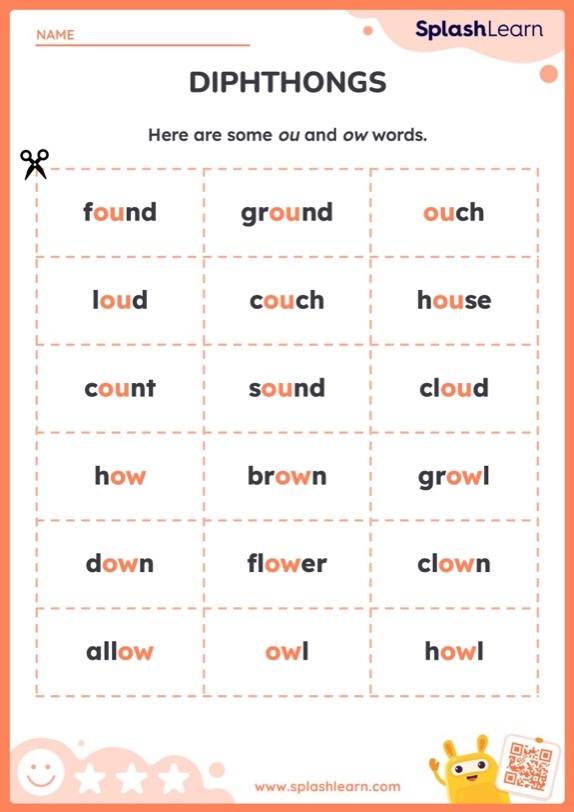
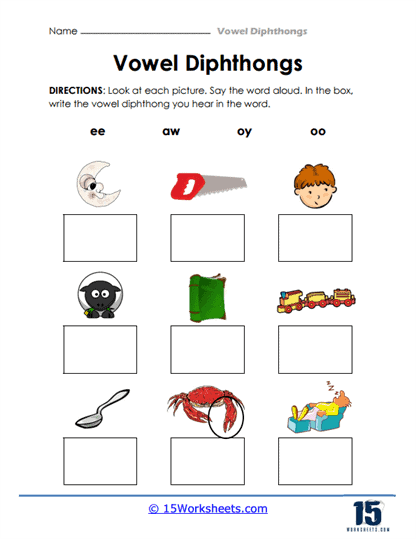
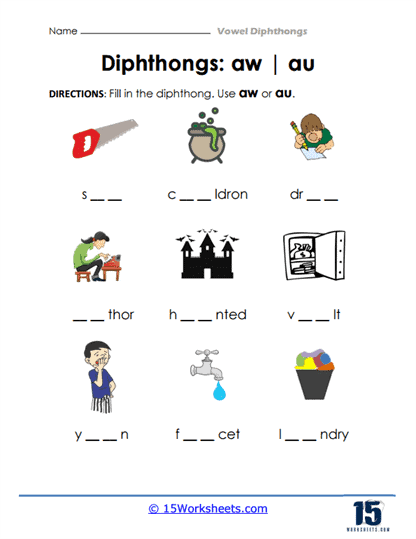
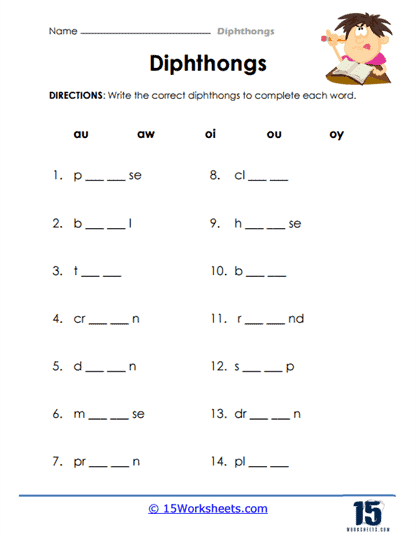
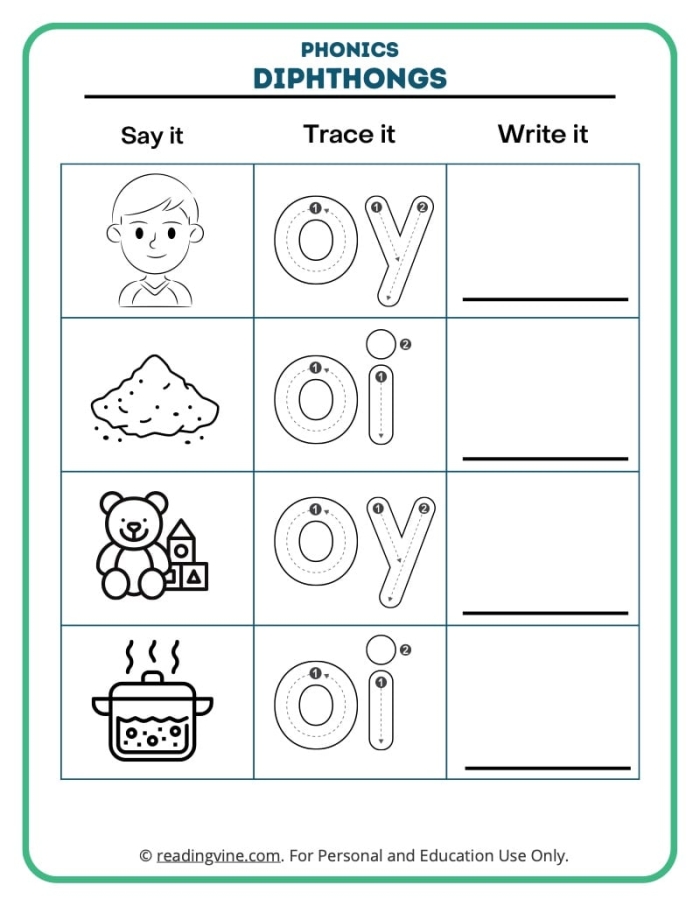
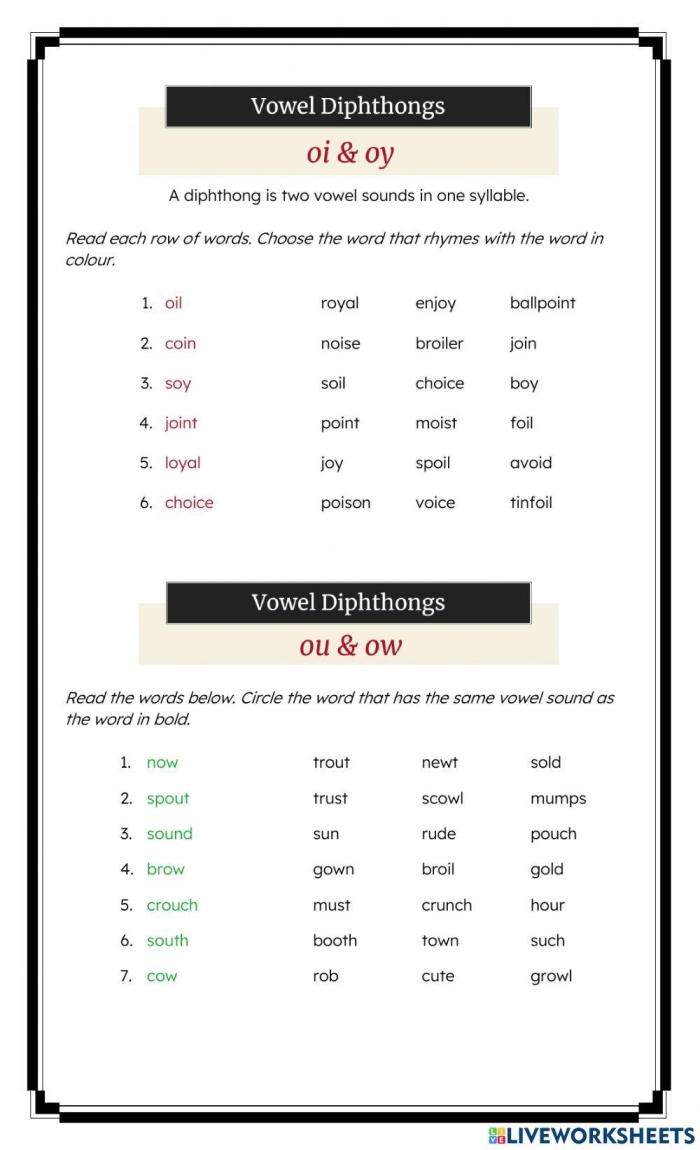
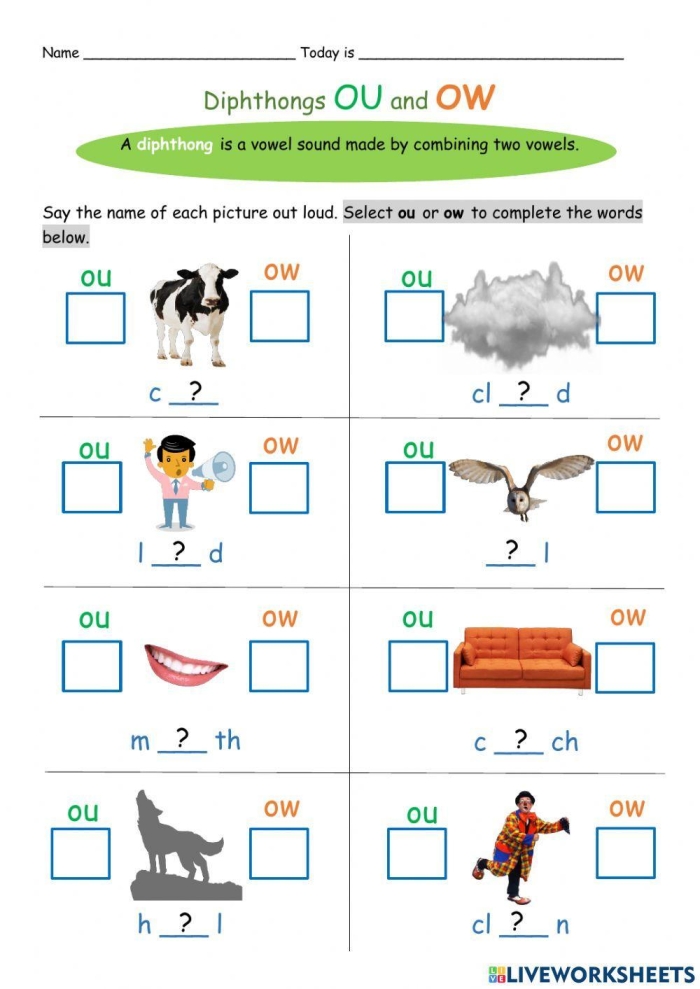
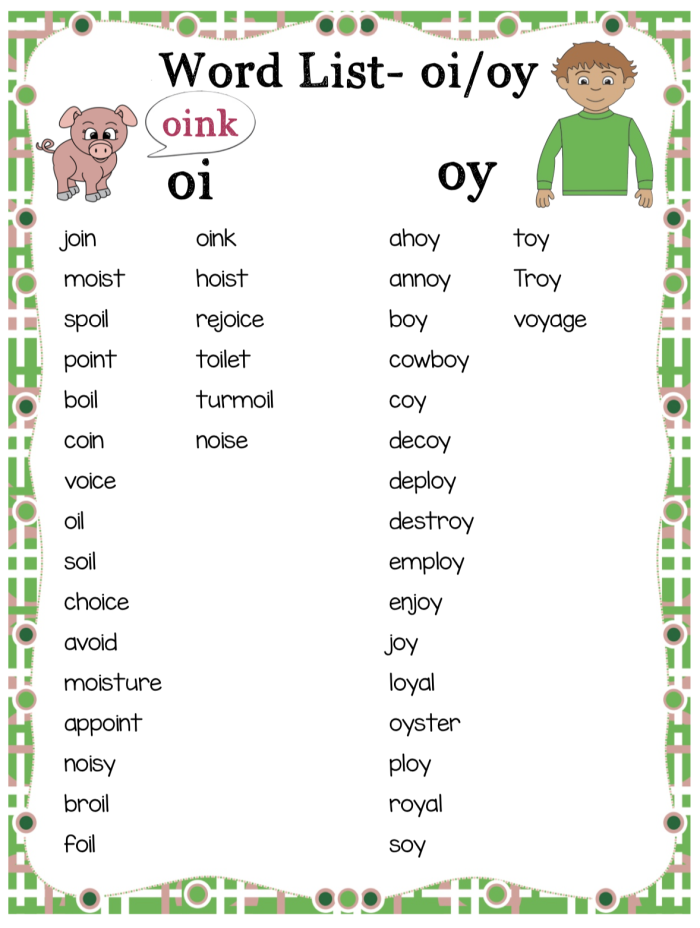
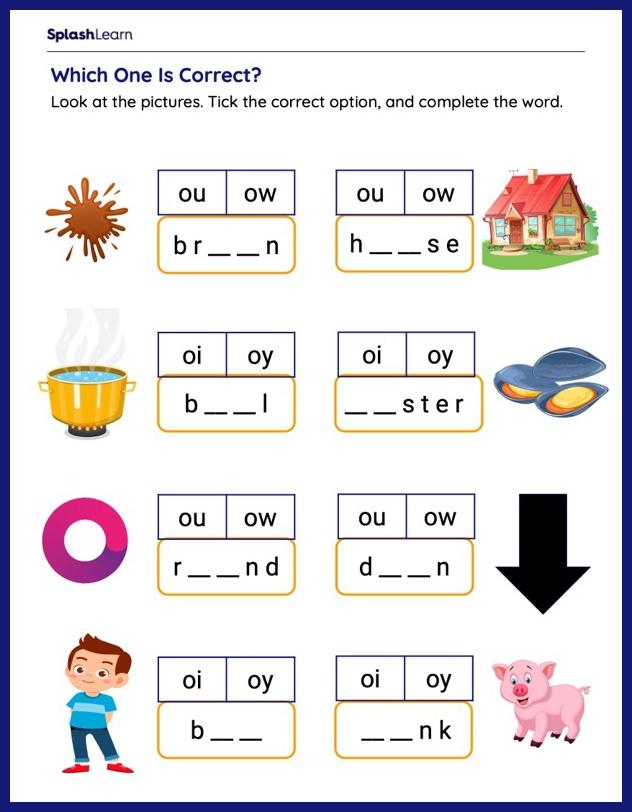
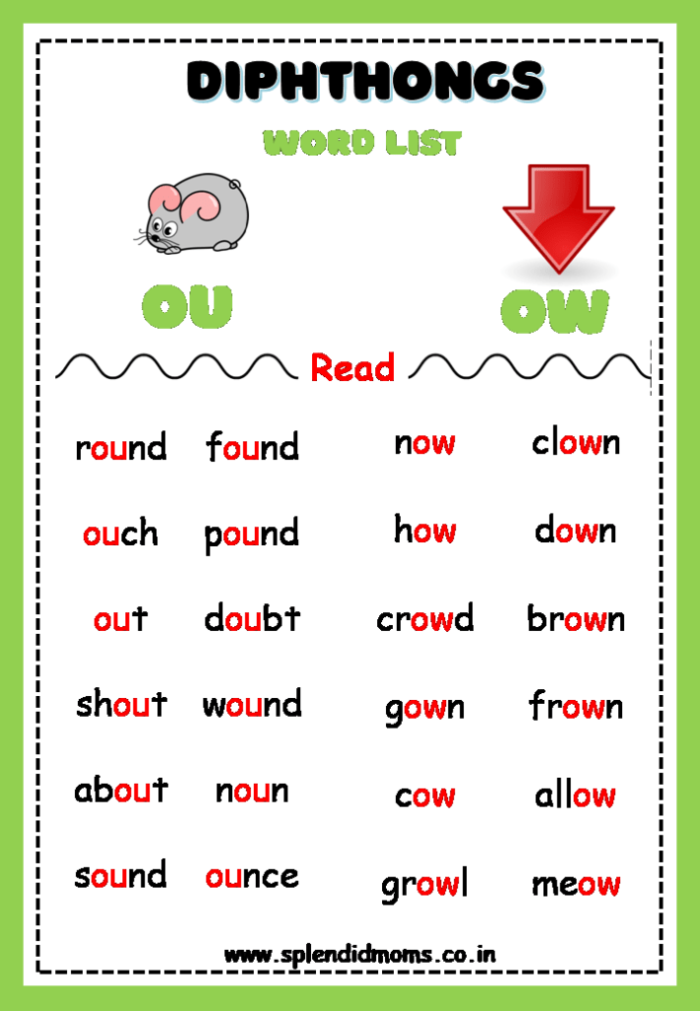
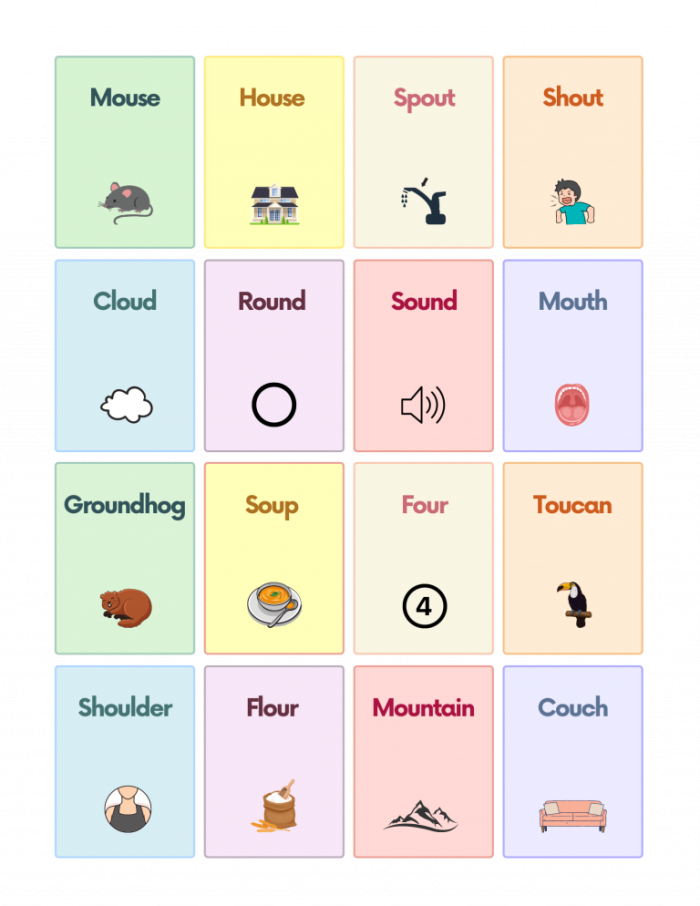
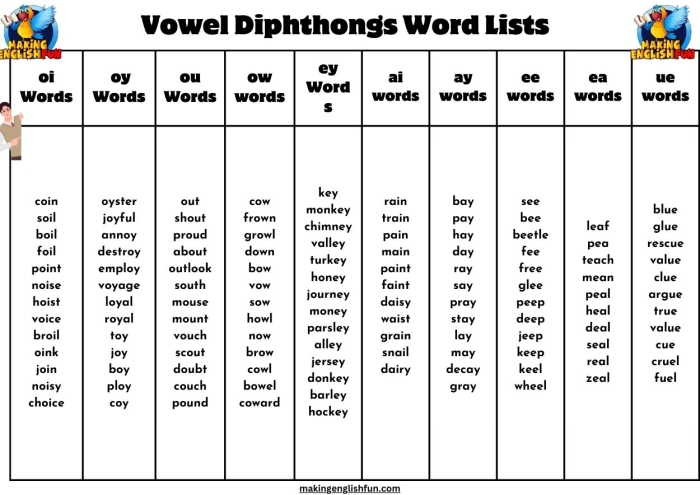
The diphthong “ou” trips up many first grade readers because it sounds nothing like what the letters suggest. When kids encounter words like “house,” “mouse,” and “sound,” they need to understand that these two vowels work together to create a single sound. This is where focused practice becomes essential.
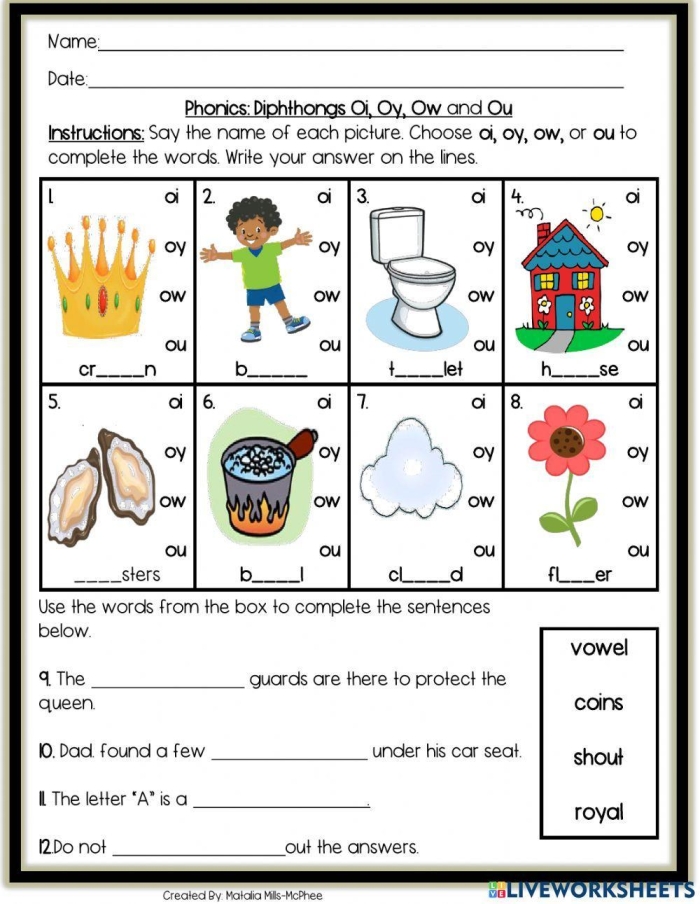
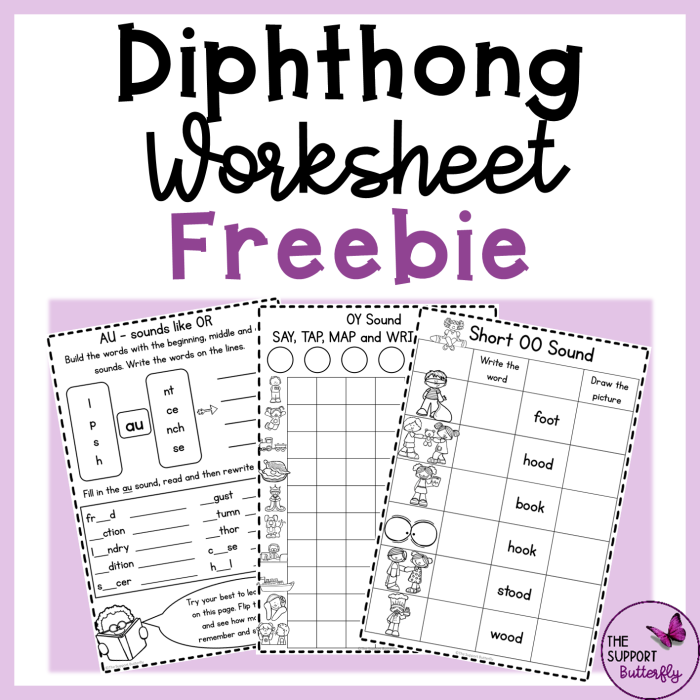
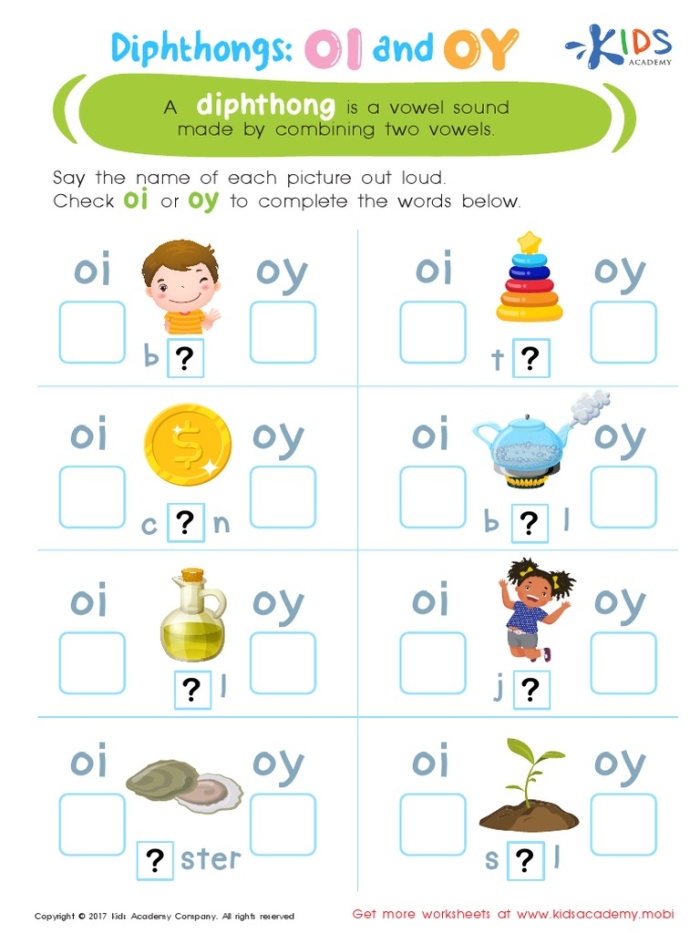
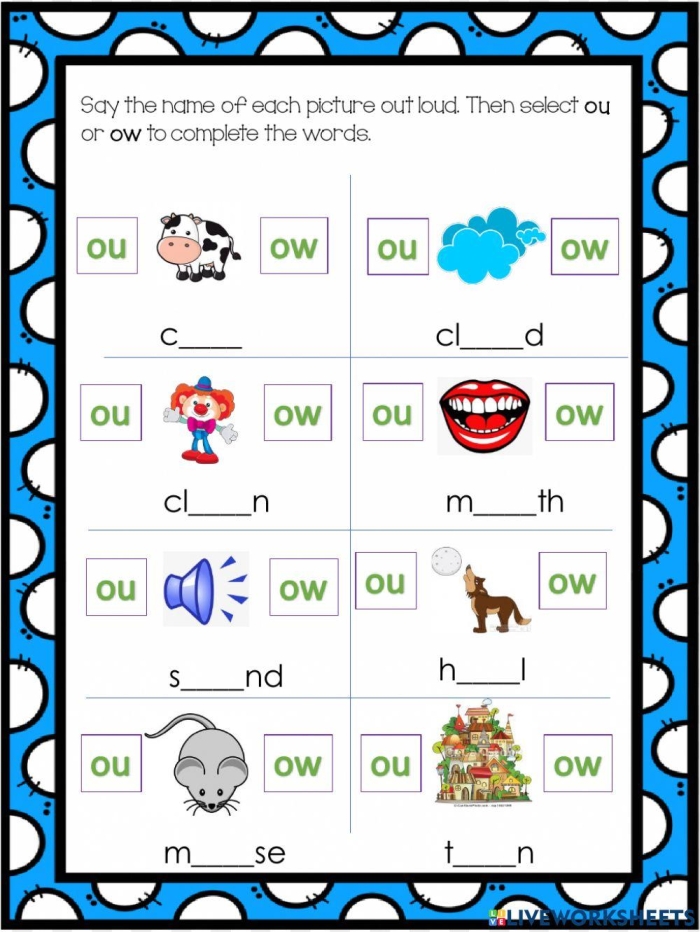
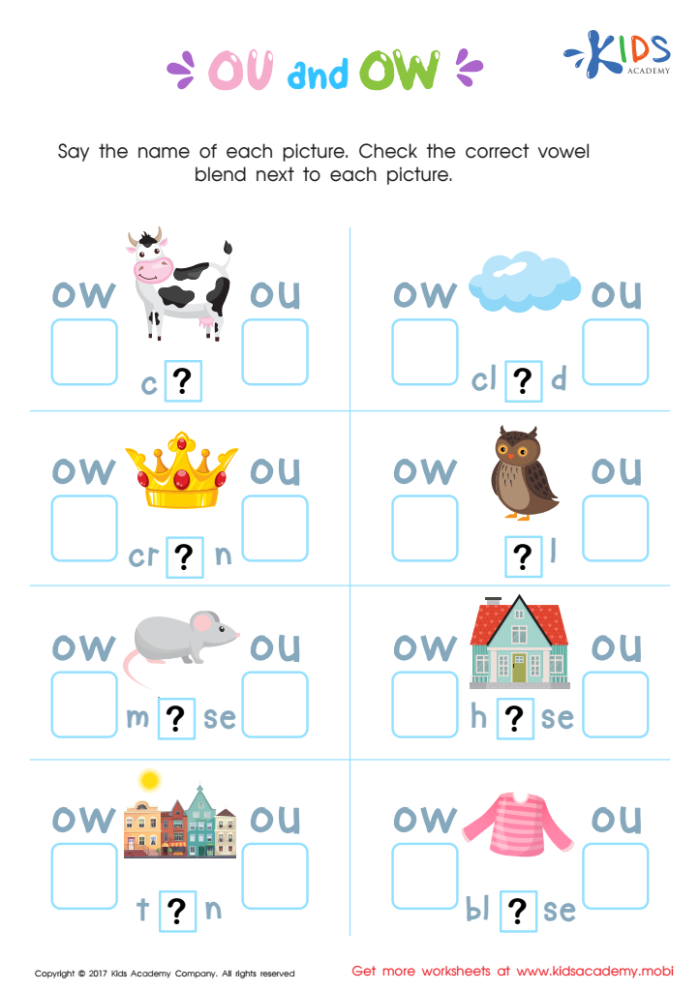
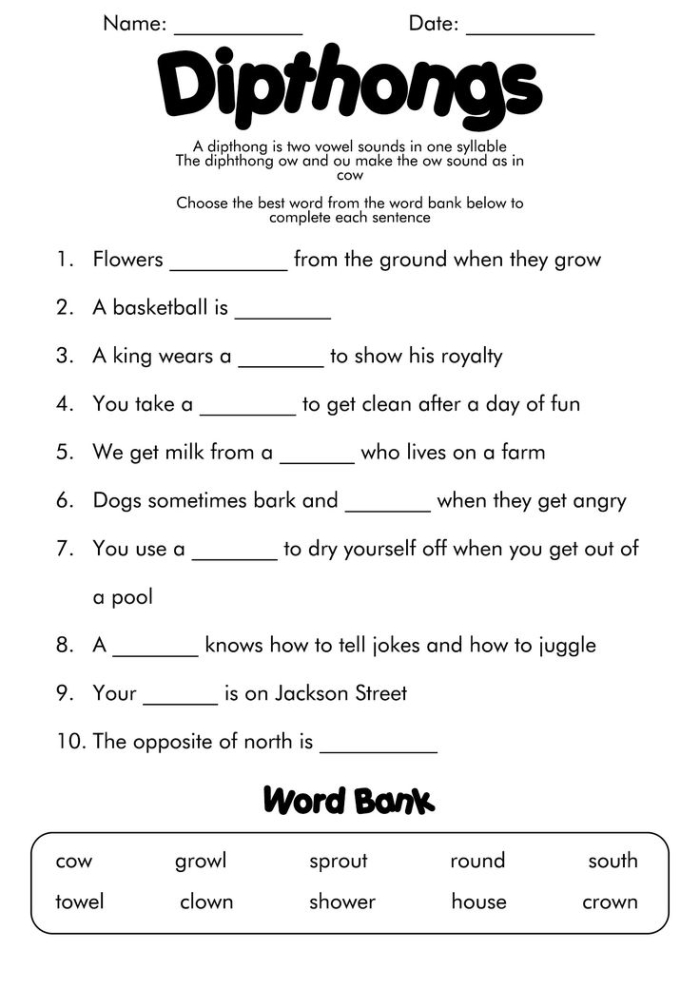
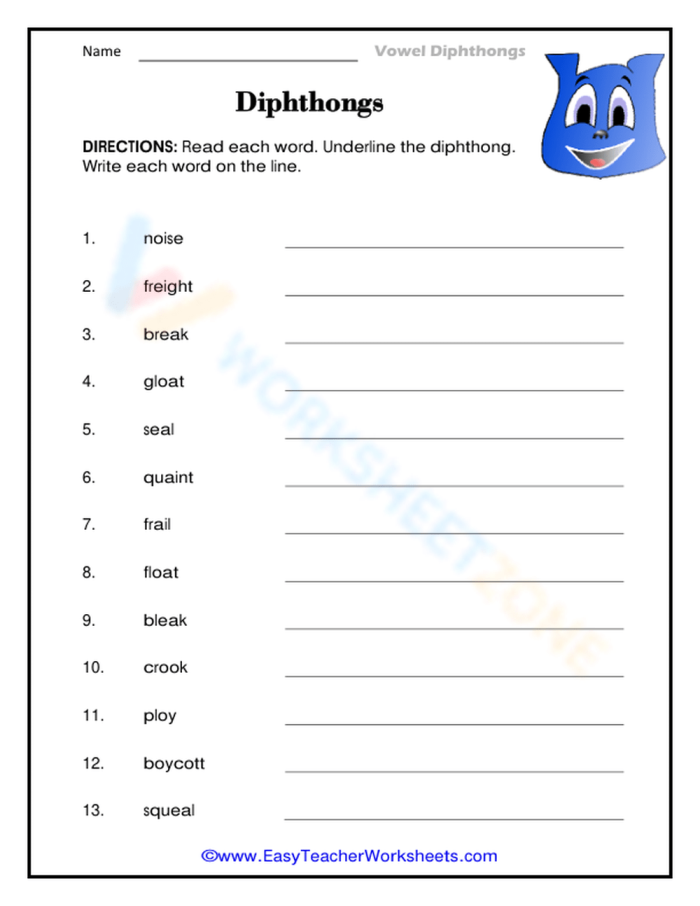
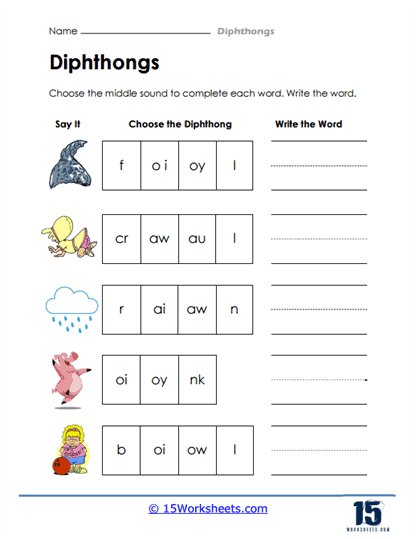
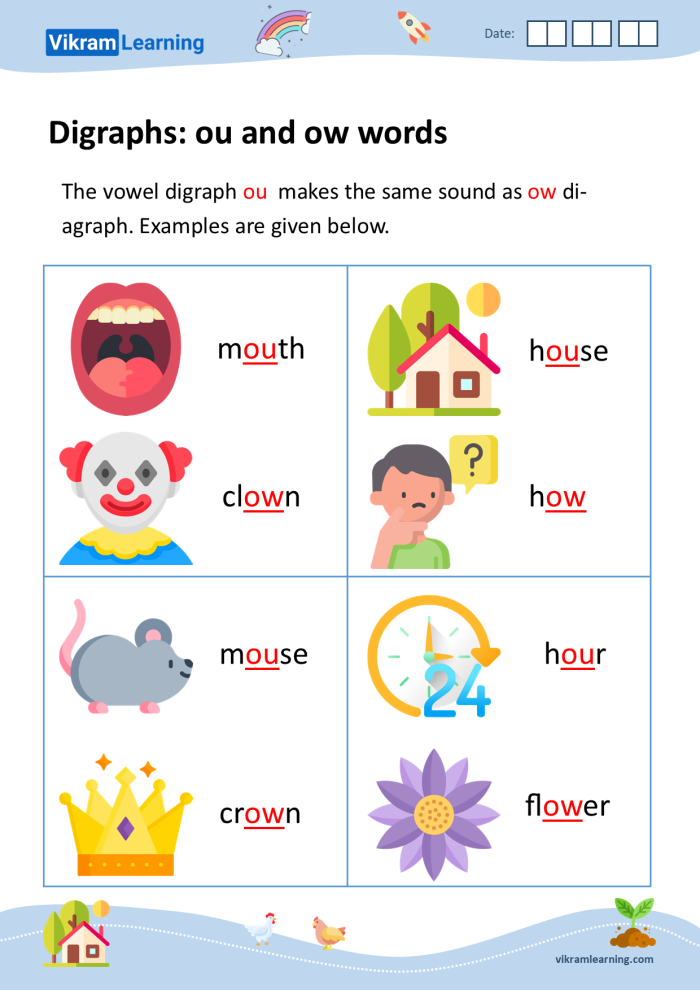
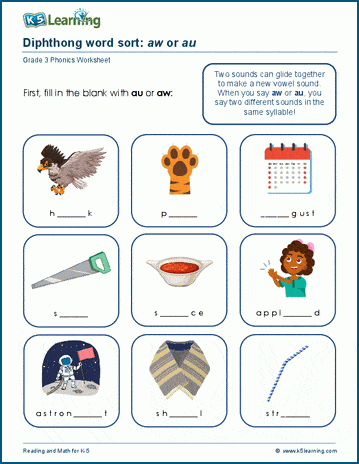
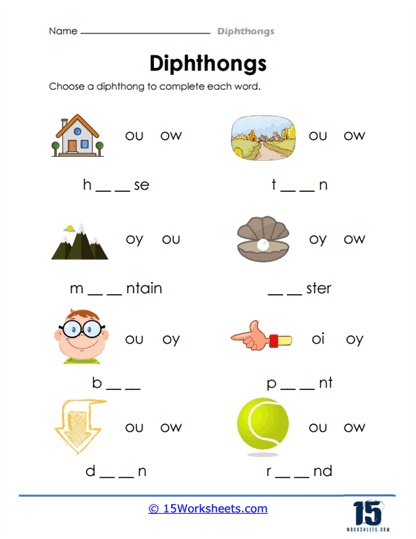
In a typical alphabet-focused worksheet, first grade students work through exercises that train their brains to recognize the “ou” pattern and connect it to the correct pronunciation. Rather than guessing at unfamiliar words, children learn to decode them systematically. They might match pictures to words containing “ou,” fill in missing letters, or read simple sentences where “ou” words appear in context.
The value of this kind of practice lies in building automaticity. When a child encounters “cloud” or “loud” repeatedly across different activities, the connection between the letter combination and its sound becomes automatic. This frees up mental energy for actual comprehension instead of struggling with pronunciation.
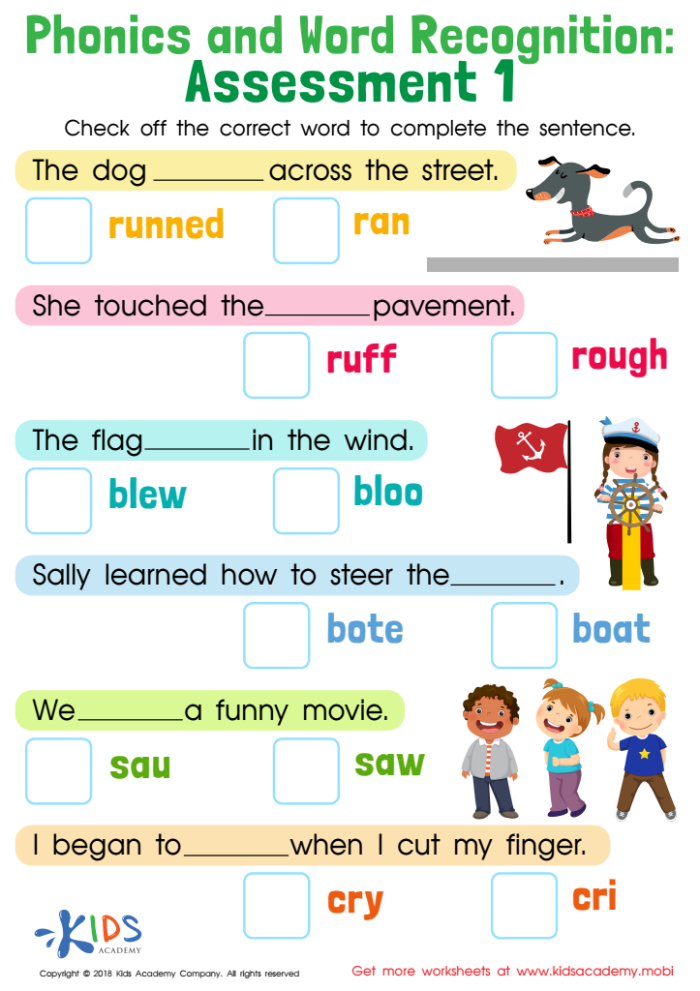
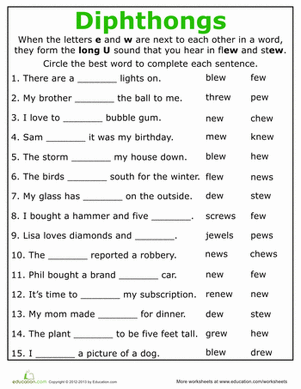
First graders benefit from worksheets that combine decoding with meaning-making. A well-designed activity might ask students to identify which word completes a sentence: “The cat is very ___” (loud, look, love). This approach reinforces both the sound and the word’s actual function in language.
Teachers often find that pairing vowel diphthong practice with other foundational skills improves overall literacy development. Similar structured approaches work across different grade levels and subjects. For instance, just as first graders master diphthongs, older students tackle more complex patterns, whether they’re working on identifying variables in sixth grade or understanding unit rates in seventh grade.
The key is consistency. Children who practice the “ou” diphthong regularly across multiple worksheets and contexts develop stronger phonetic awareness and reading confidence that carries forward throughout their education.
Try These Printable Worksheets