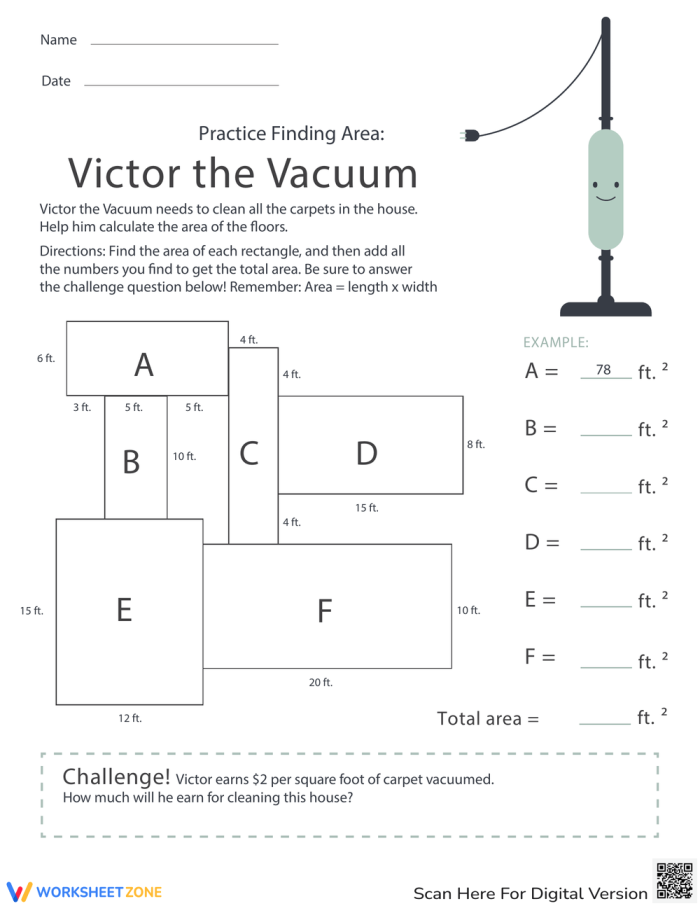
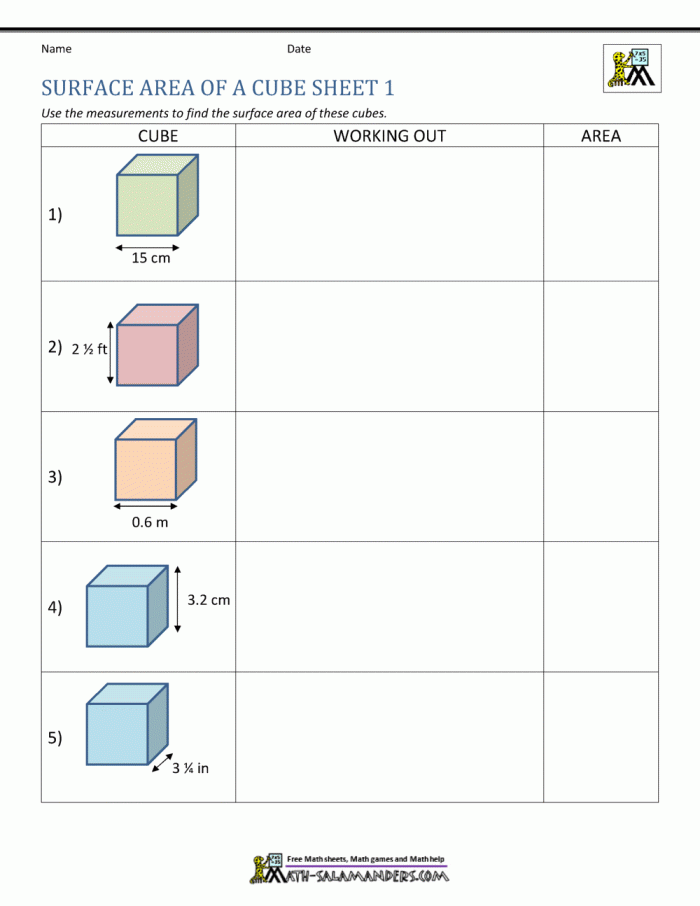
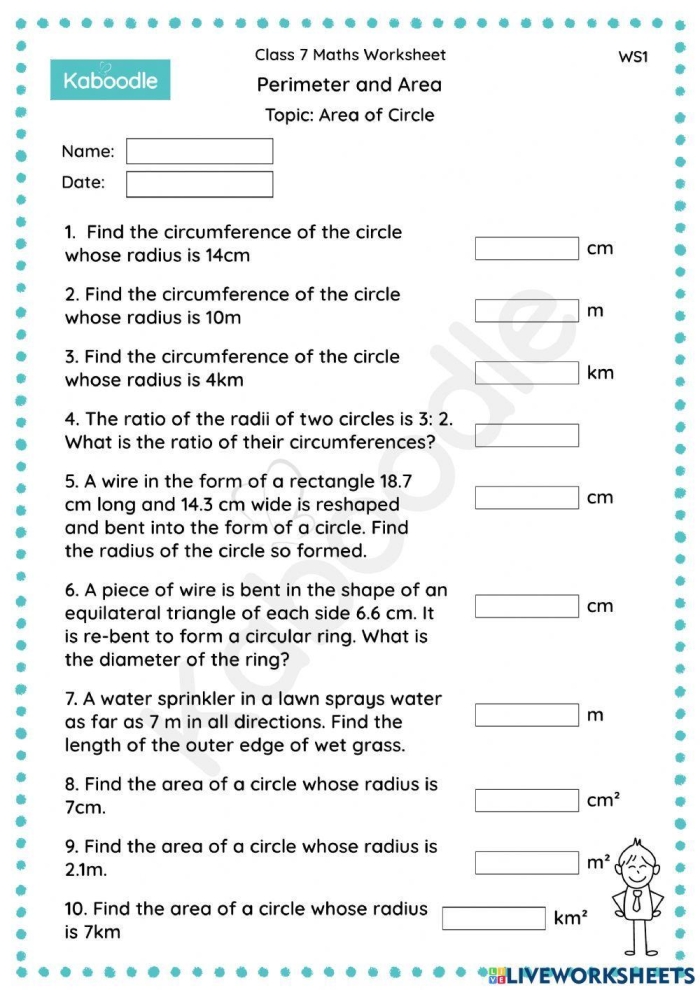
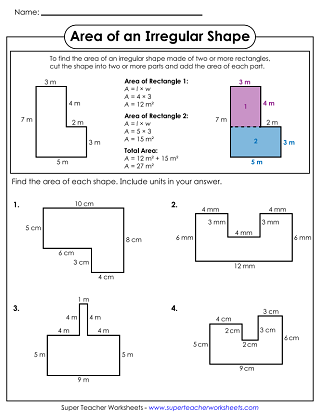
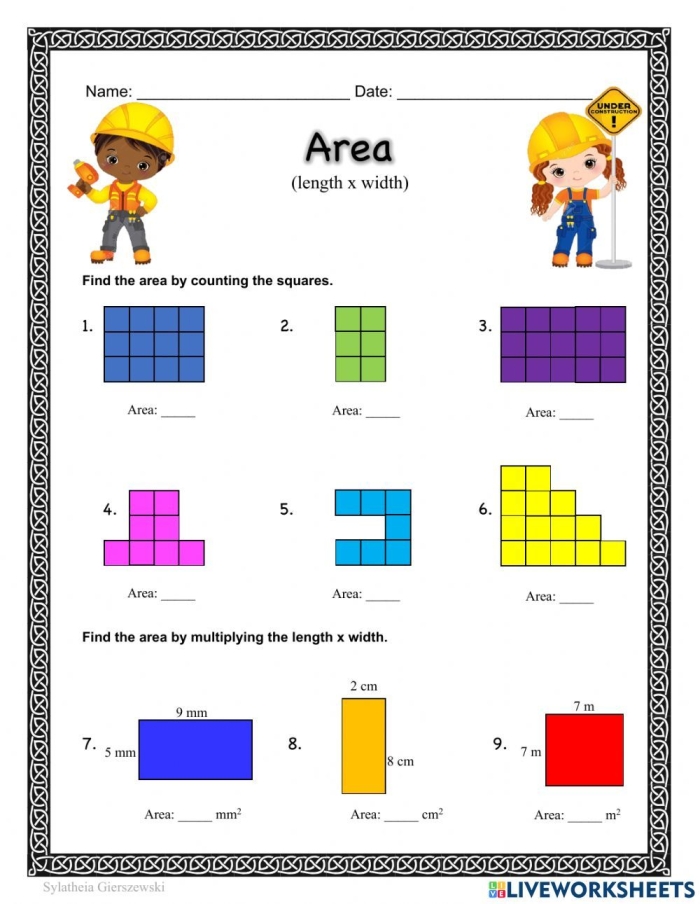
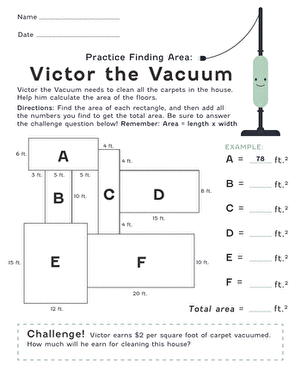
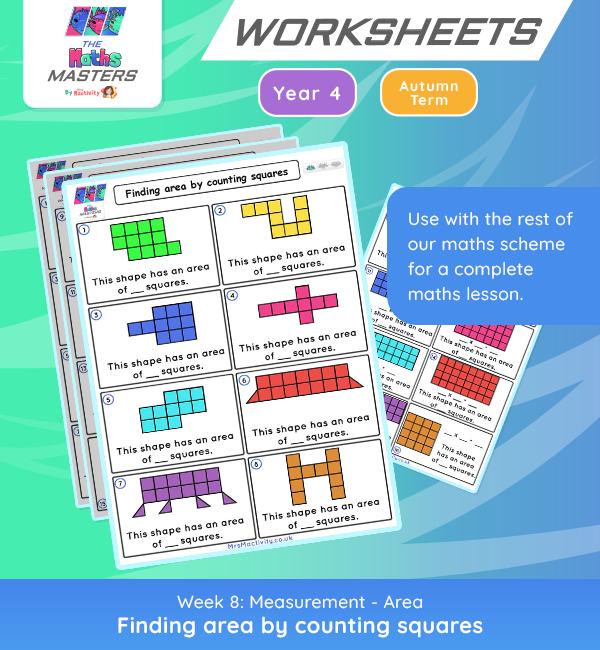
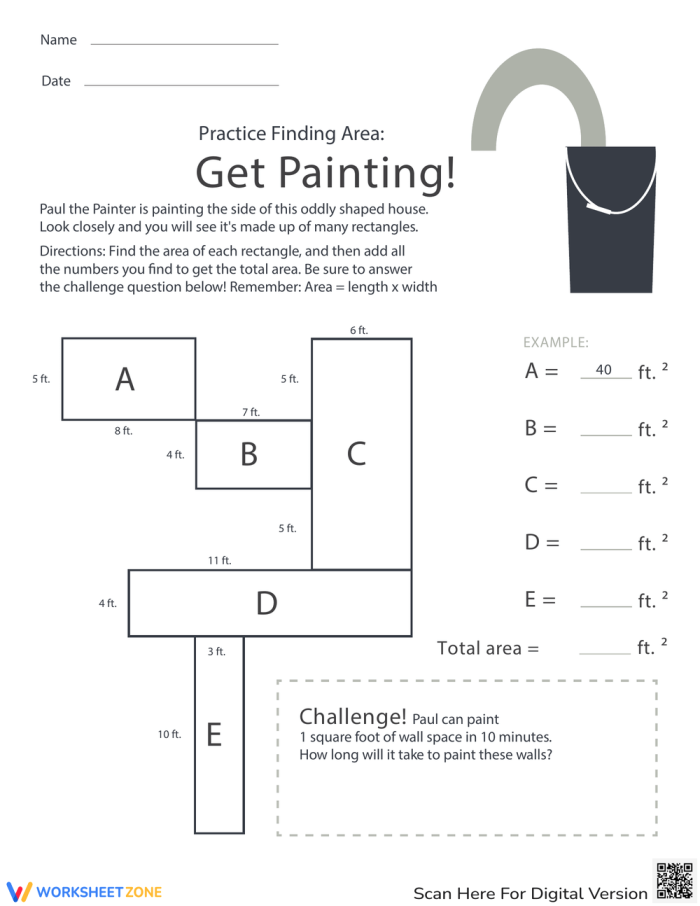
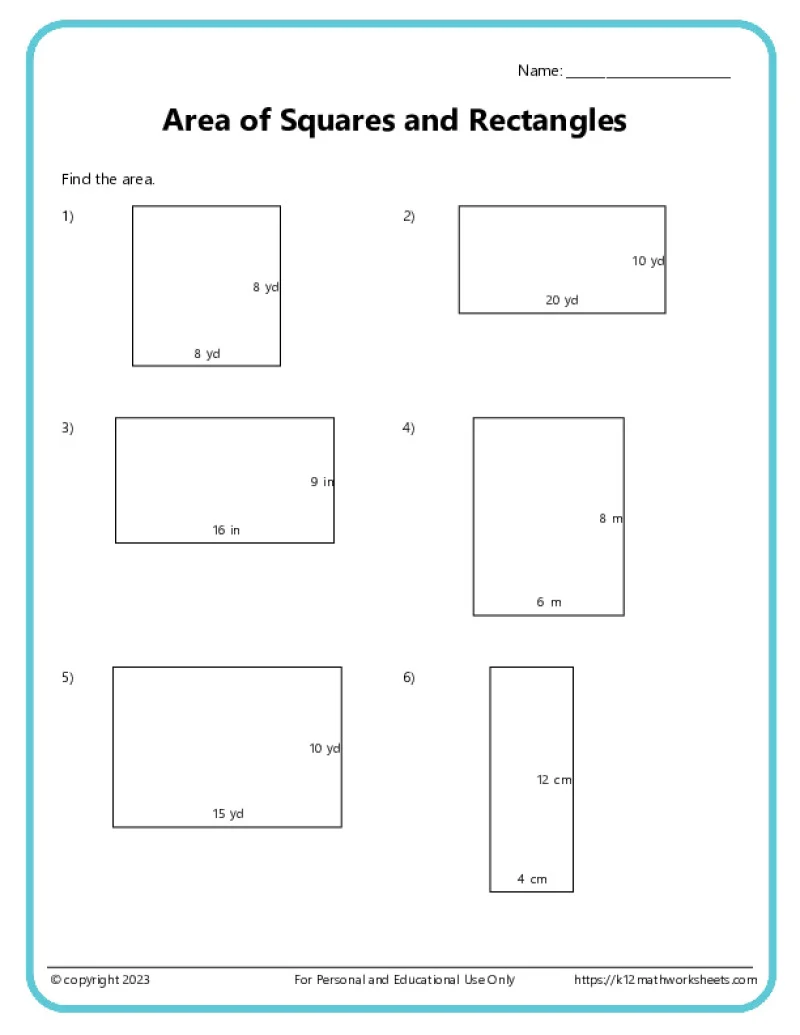
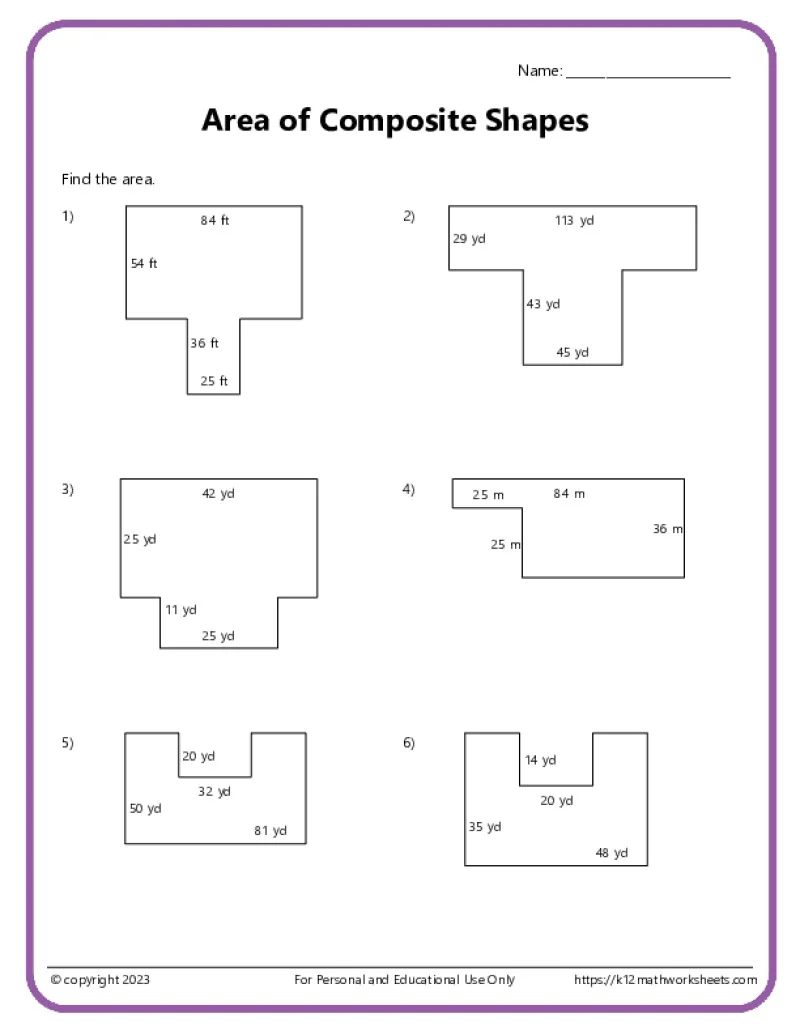
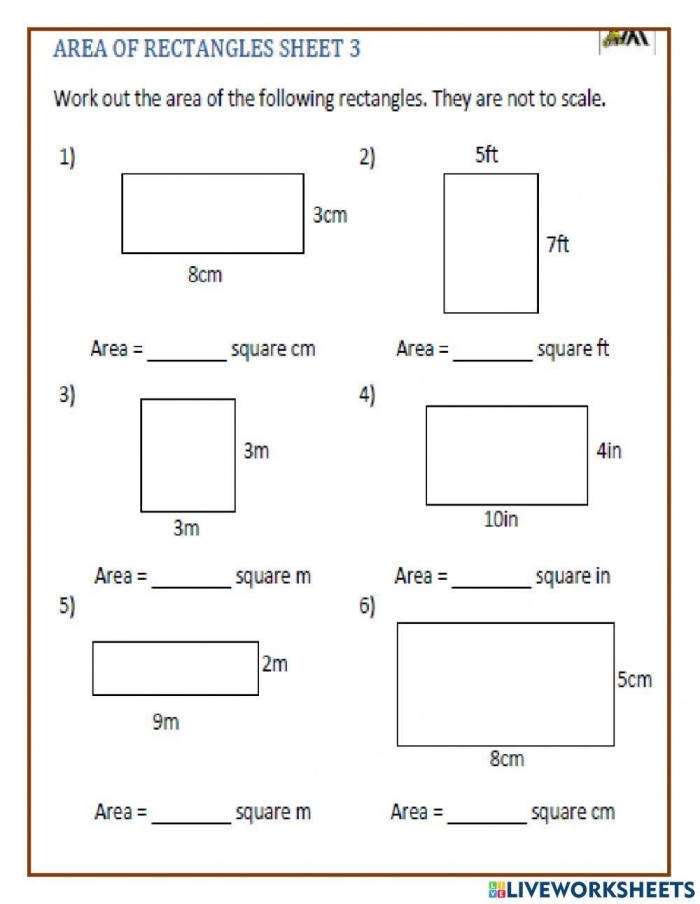
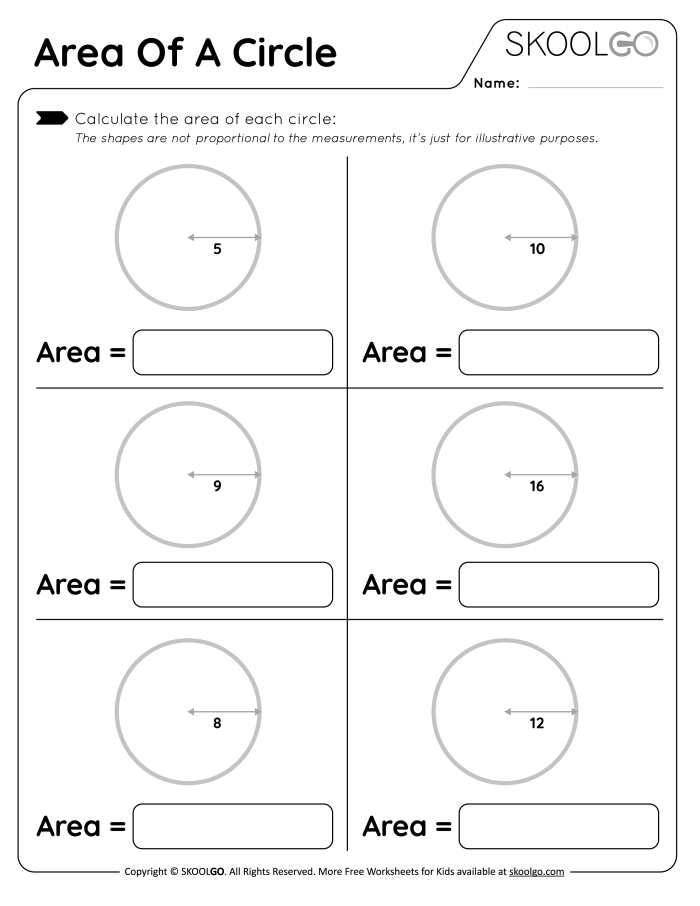
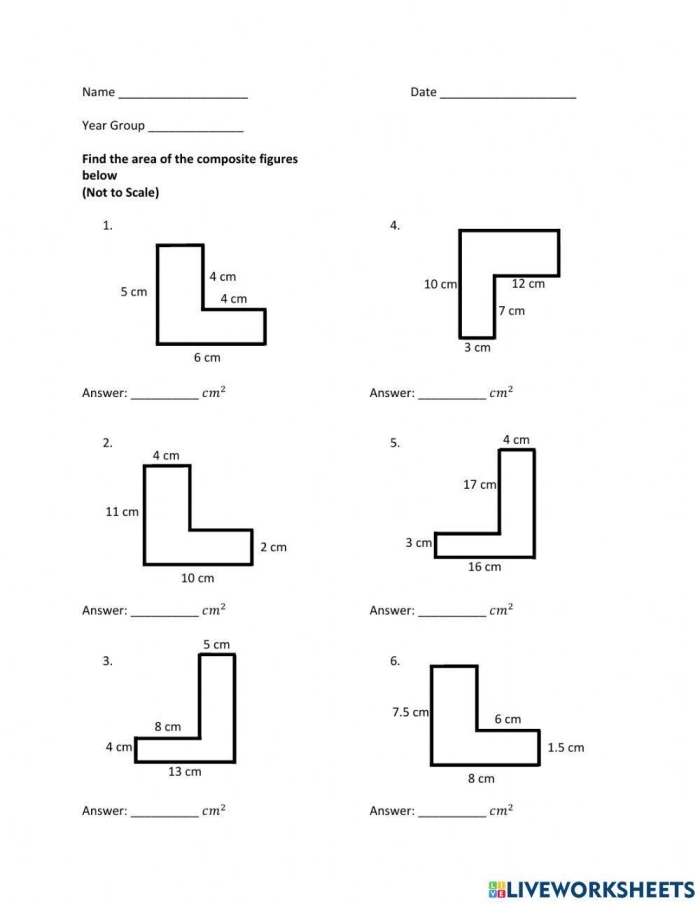
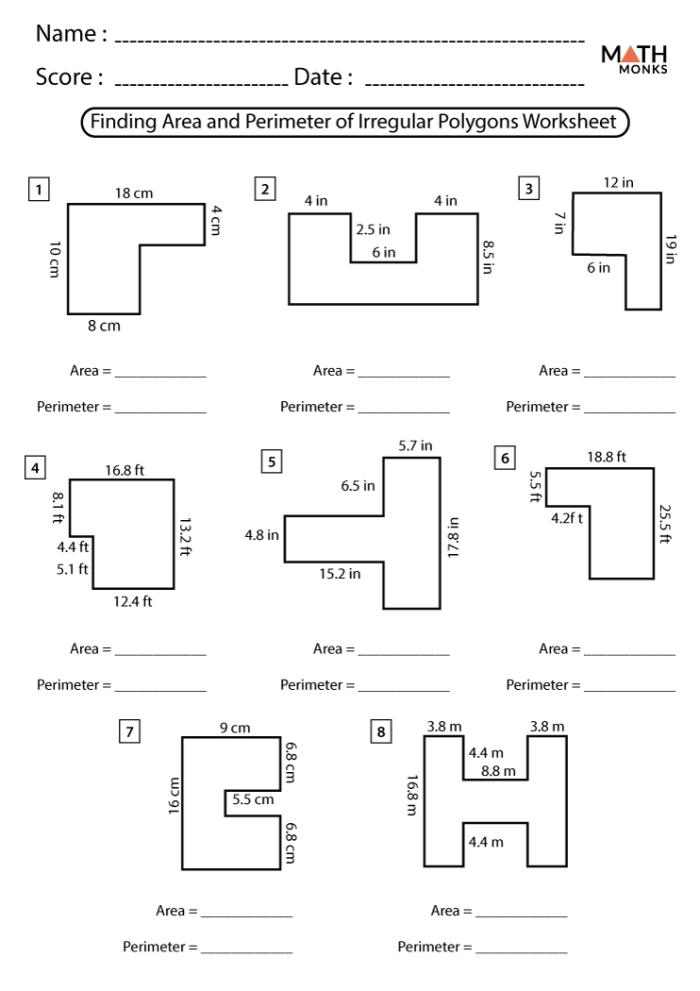
Calculating the area of a floor plan is an essential skill that combines geometry with practical applications. In a typical fourth-grade classroom, learners engage with this concept through interactive worksheets, such as the geometry worksheet featuring Victor the Vacuum. In this exercise, students calculate the total area of a floor plan by determining the area of each room. This not only enhances their mathematical understanding but also helps them visualize spaces in a real-world context.
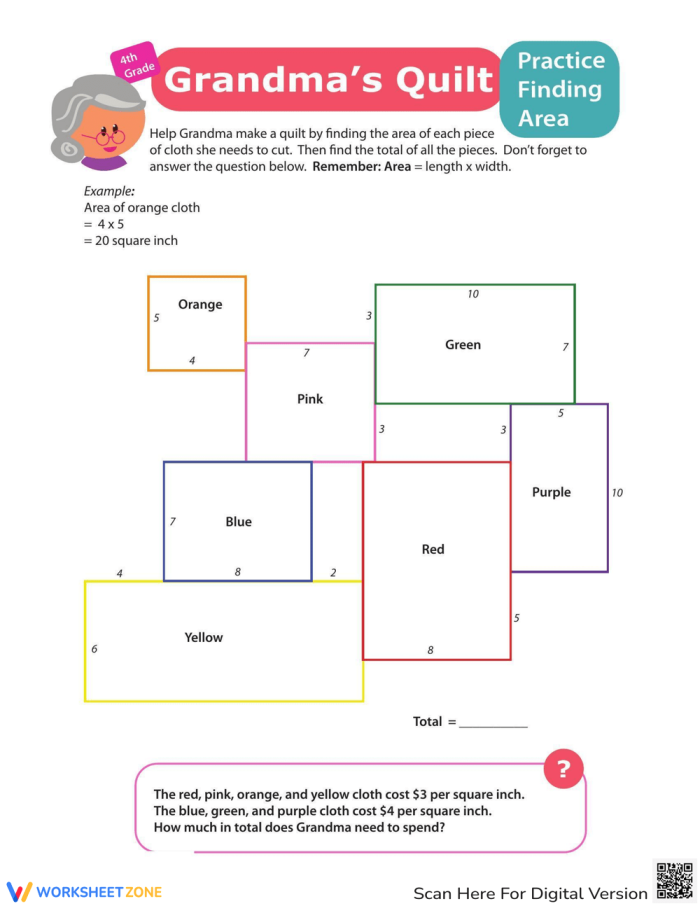
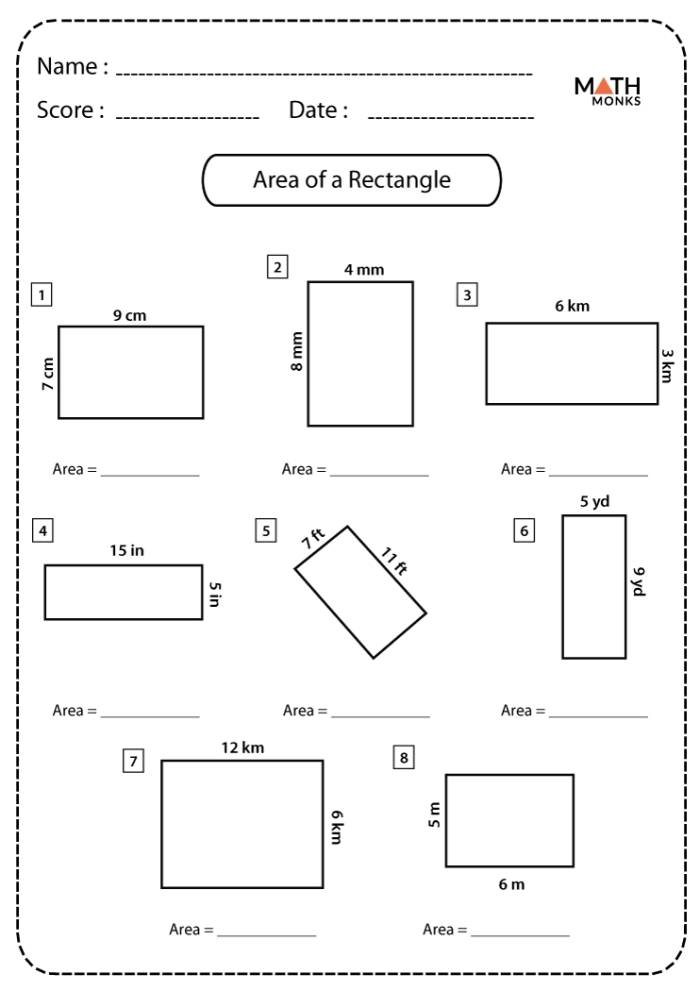
To begin, students first identify the dimensions of each room in the floor plan. They often encounter various shapes, including rectangles and squares, which makes the task more engaging. For instance, if one room measures 10 feet by 12 feet, learners multiply these dimensions to find the area: 10 x 12 = 120 square feet. By working through each room, they develop a deeper understanding of how to apply formulas for area calculation in different contexts.
This exercise provides practical value in several ways. First, learners enhance their problem-solving skills as they navigate through different room shapes and sizes. Second, they gain confidence in their ability to perform calculations, which lays the groundwork for more complex mathematical concepts. Additionally, understanding area is crucial in everyday life, whether for home improvement projects, furniture arrangement, or even landscaping.
Incorporating activities like the one in Victor the Vacuum worksheet makes learning about area fun and relevant. Students can even compare their results with peers, fostering a collaborative learning environment. For those interested in expanding their skills, exploring other topics like equivalent fractions or coordinate grid mapping can further enhance their understanding of geometry and mathematics in general.
Printable Worksheets for Practice