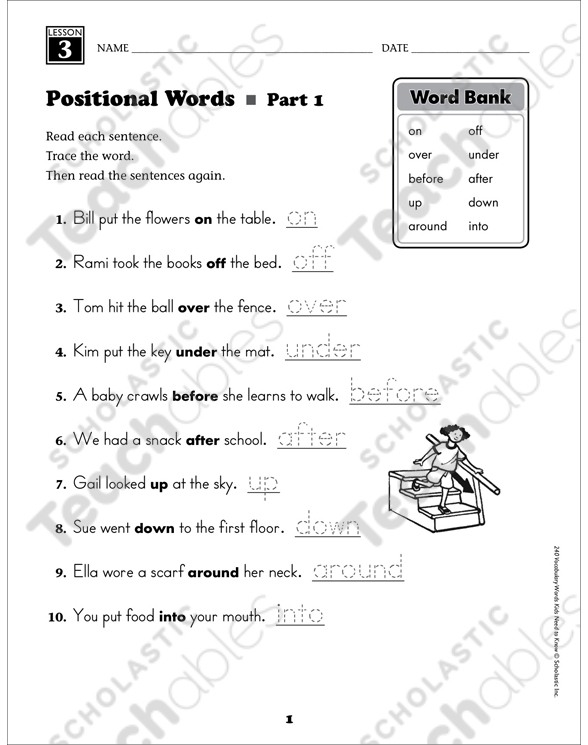
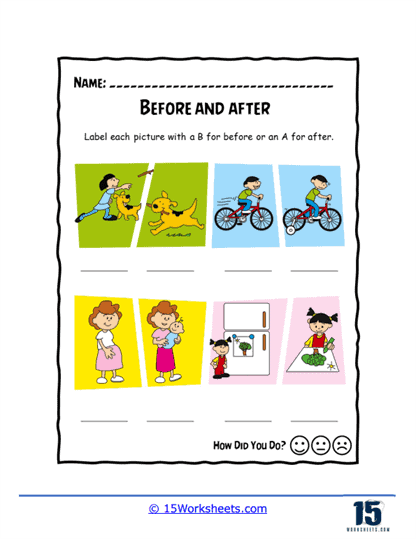
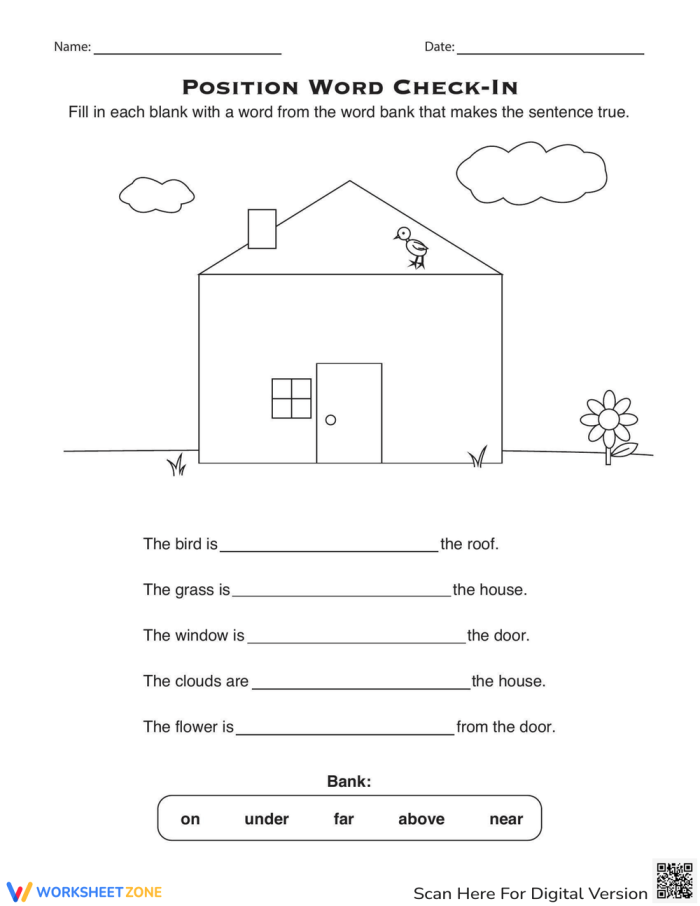
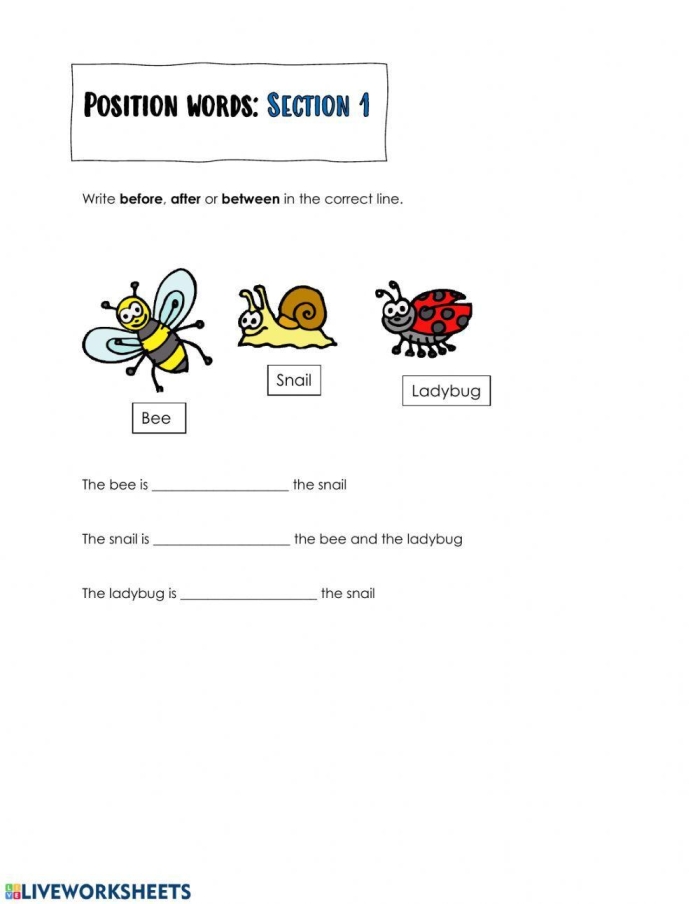
Checking how young learners grasp common words that describe position can reveal a lot about their understanding of spatial relationships, which is a key part of early math development. In Pre-K classrooms, simple terms like above, below, next to, and between form the foundation for more complex geometry concepts introduced later. Observing children as they work with these words helps teachers identify which students are comfortable with spatial language and which might need extra support.
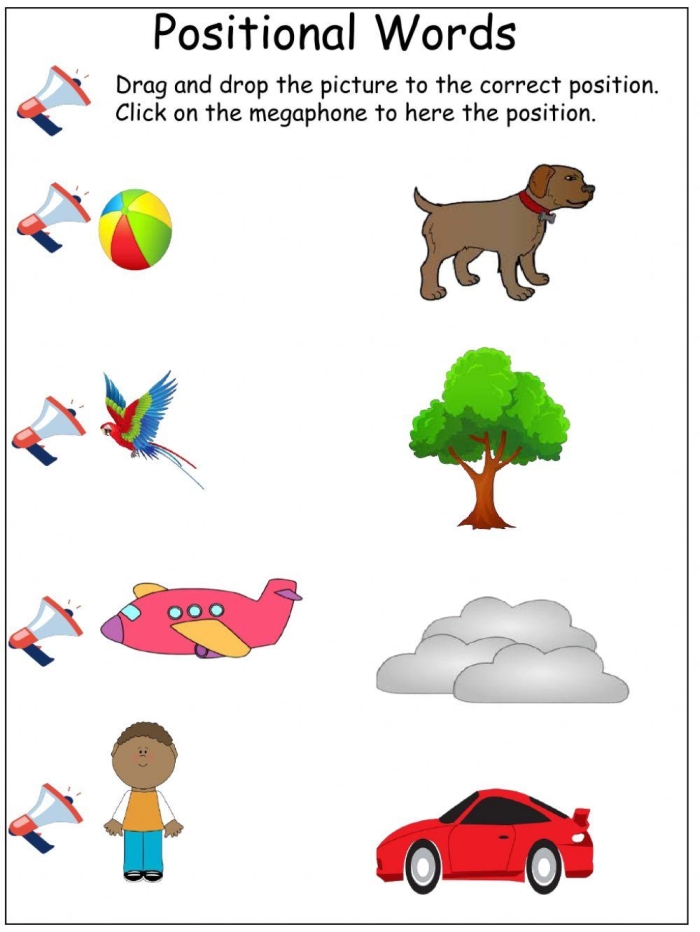
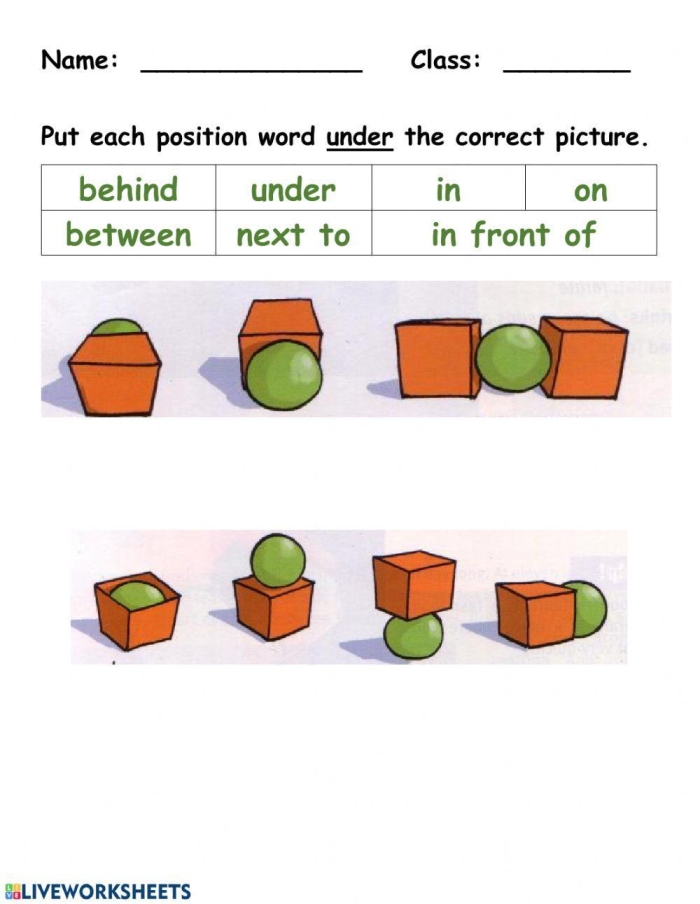
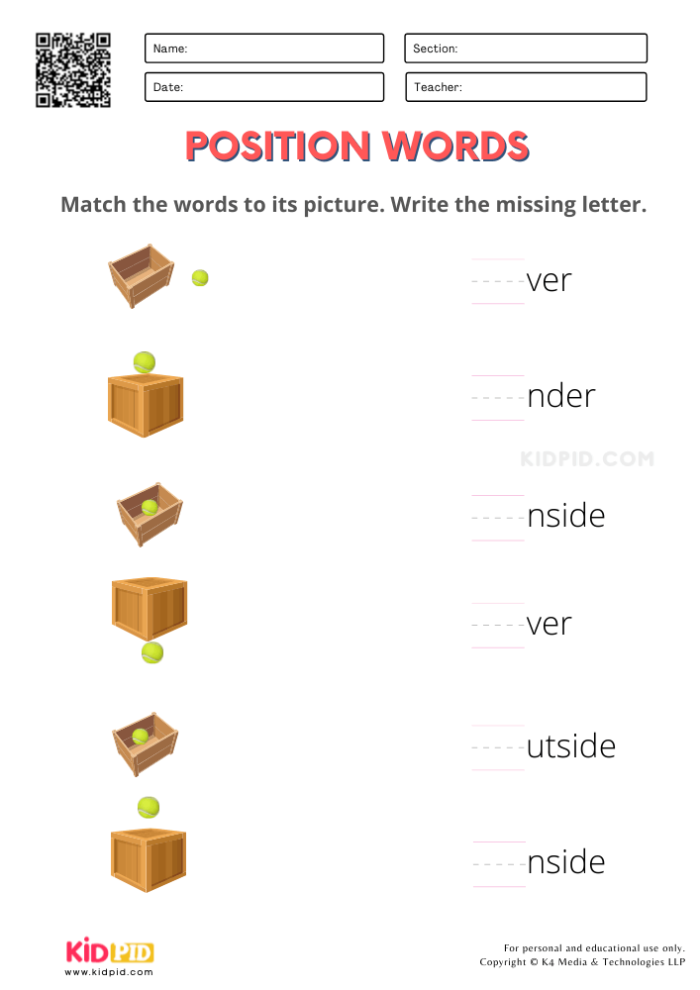
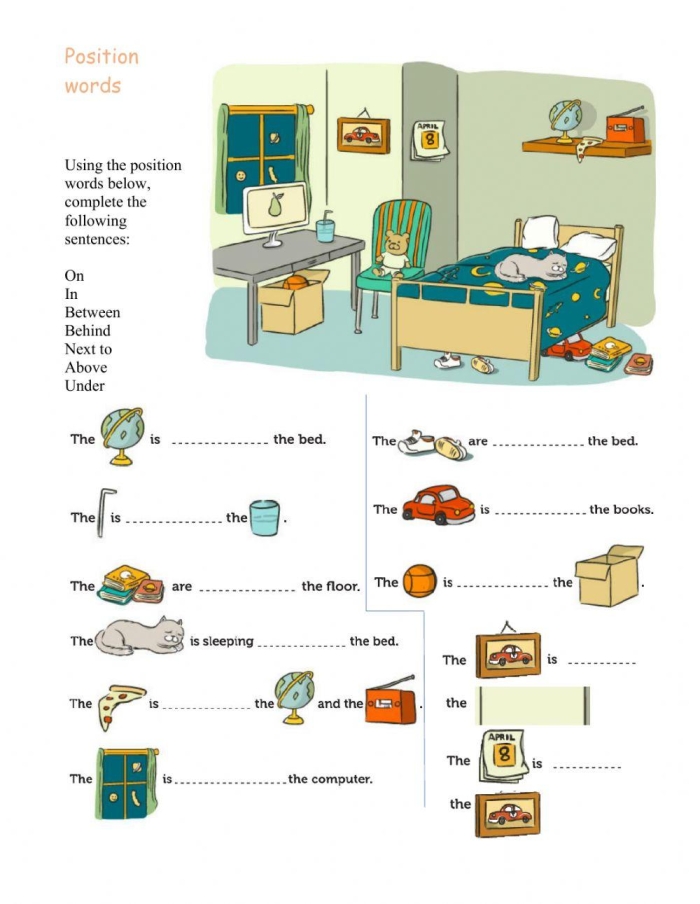
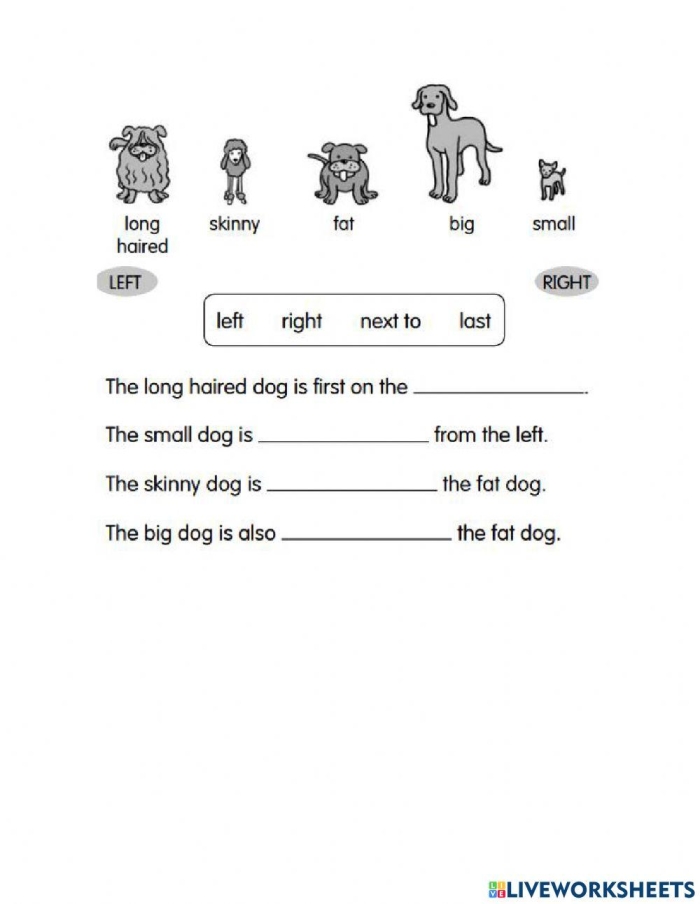
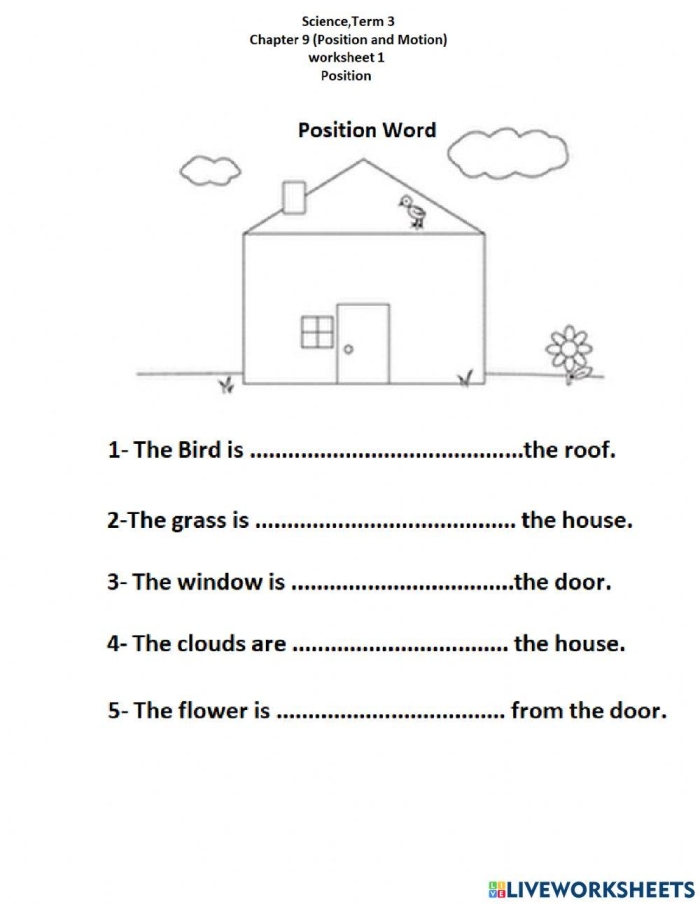
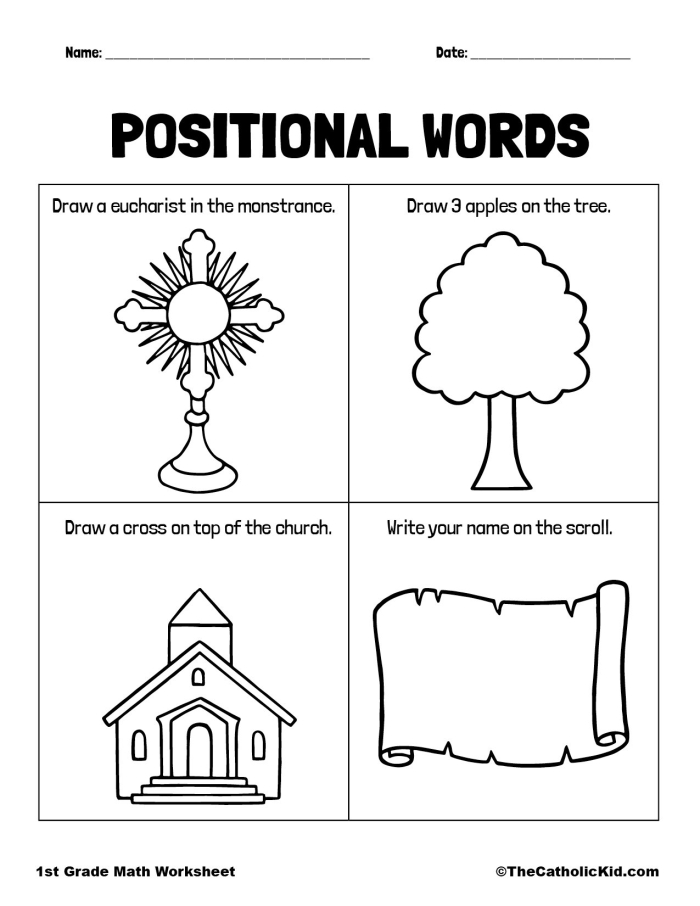
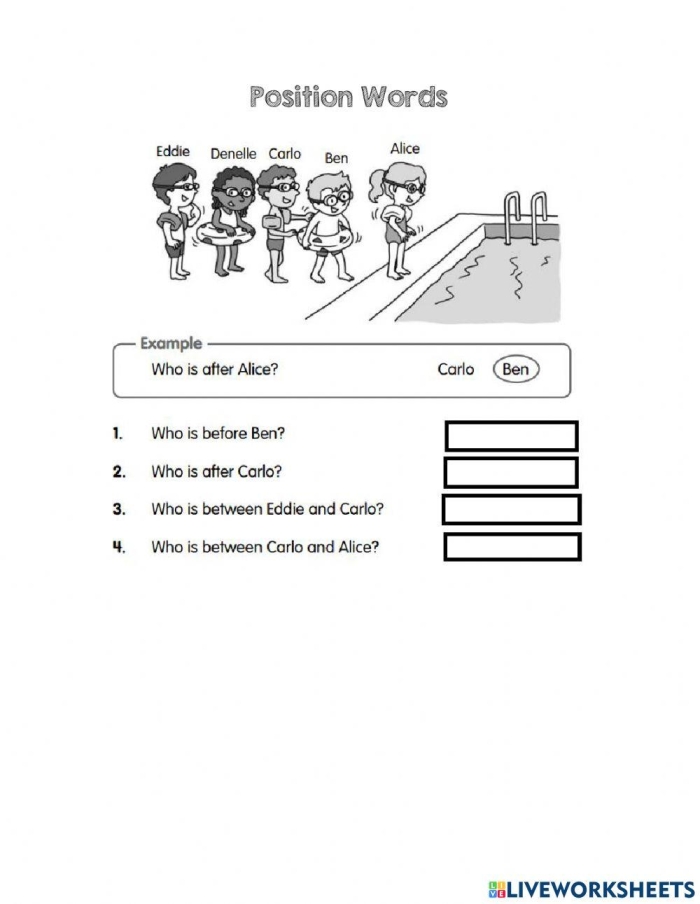
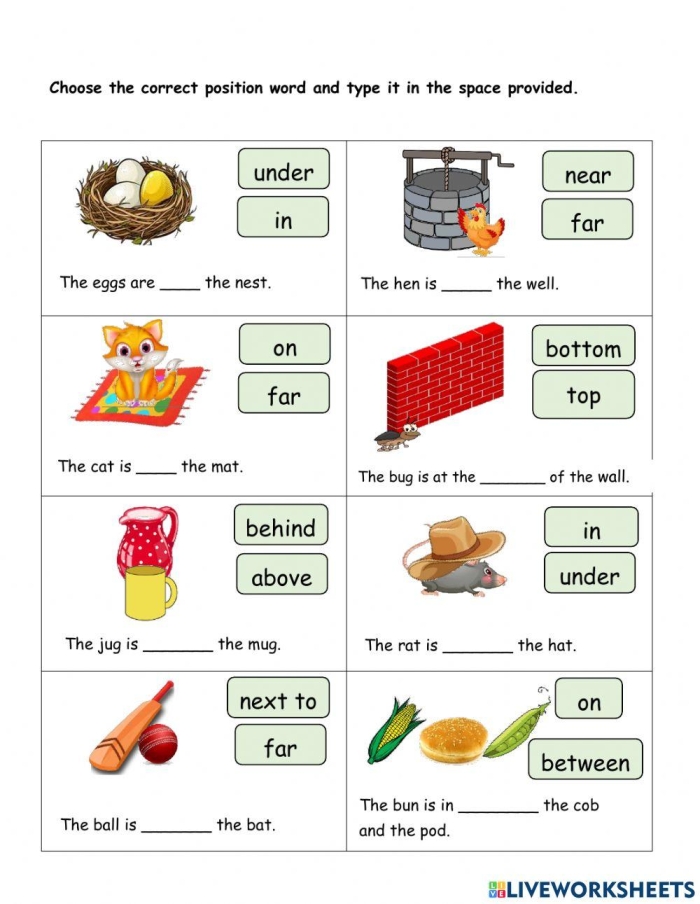
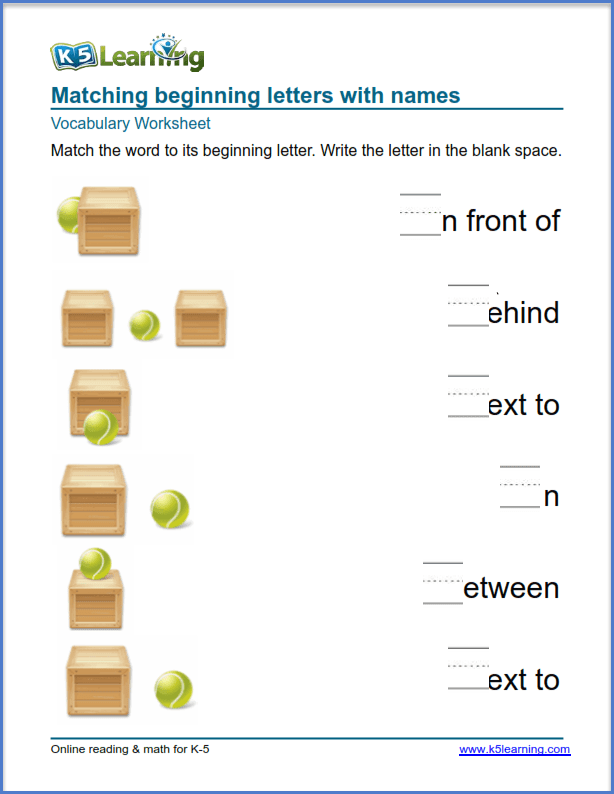
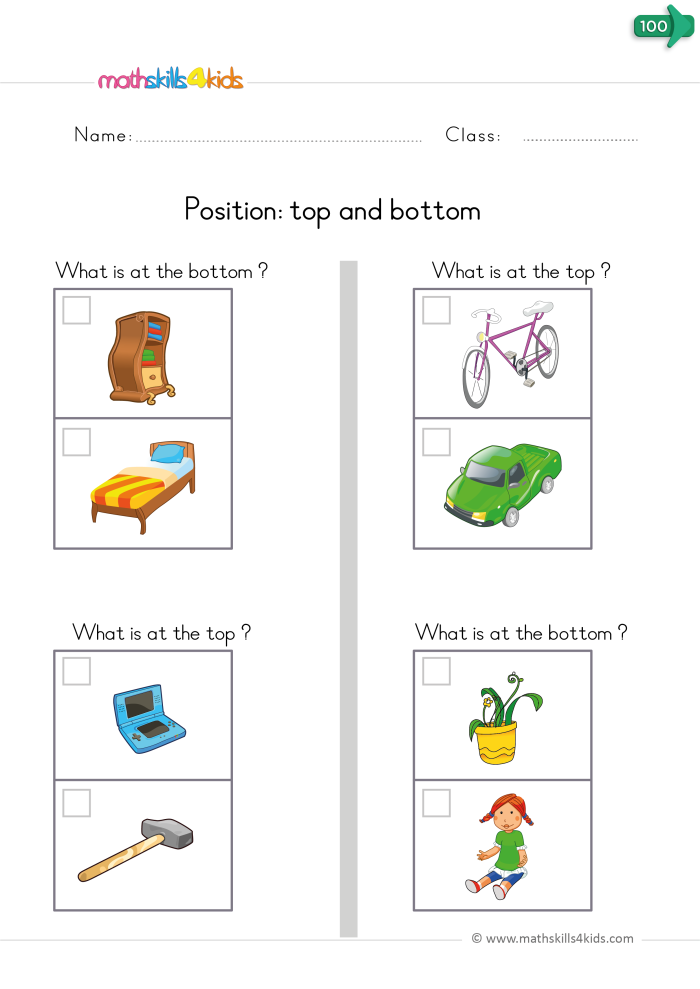
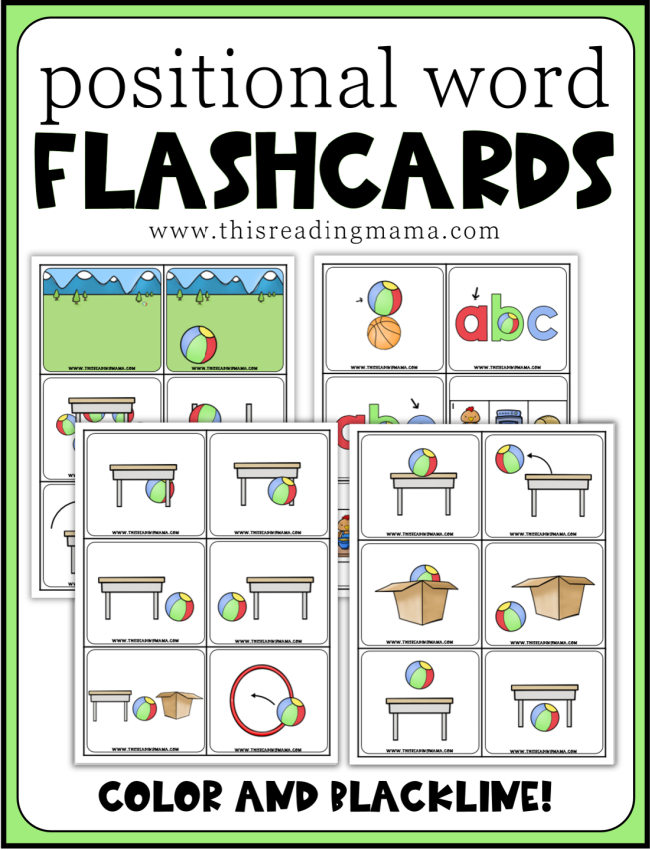
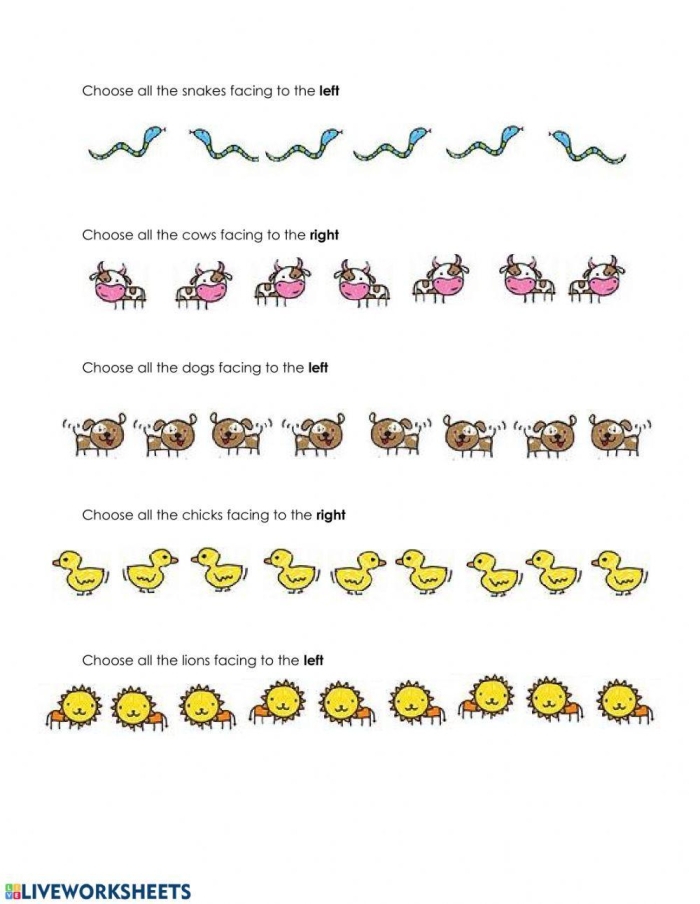
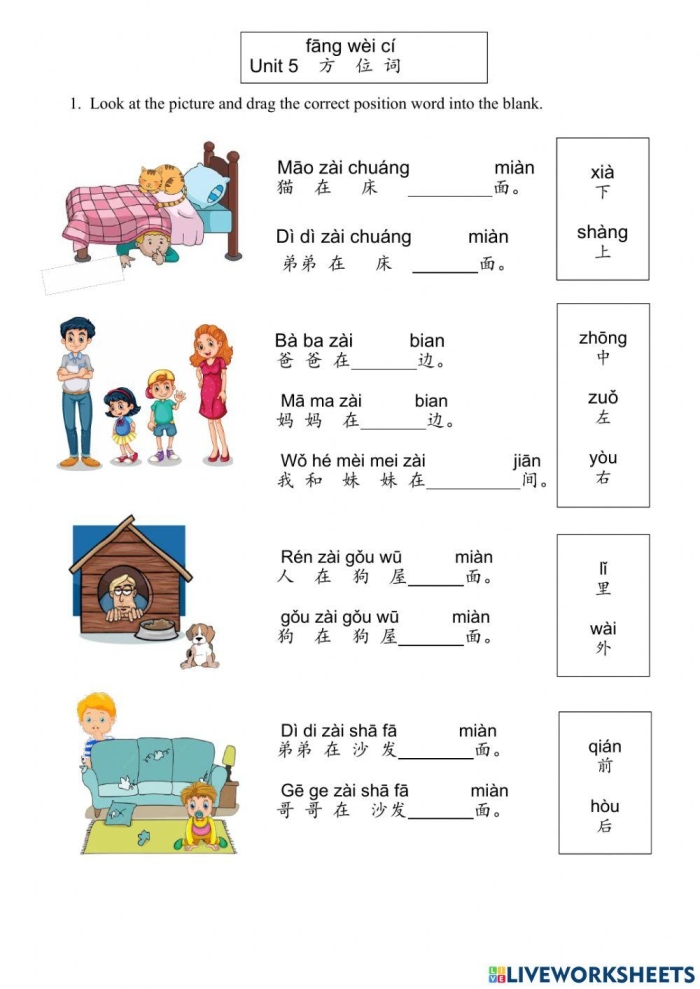
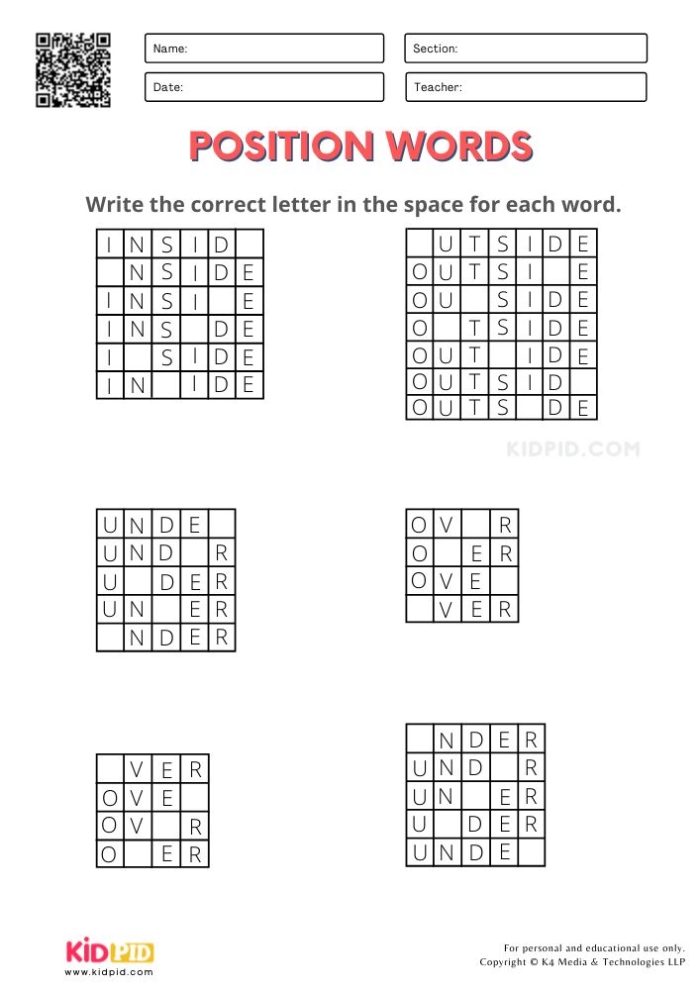
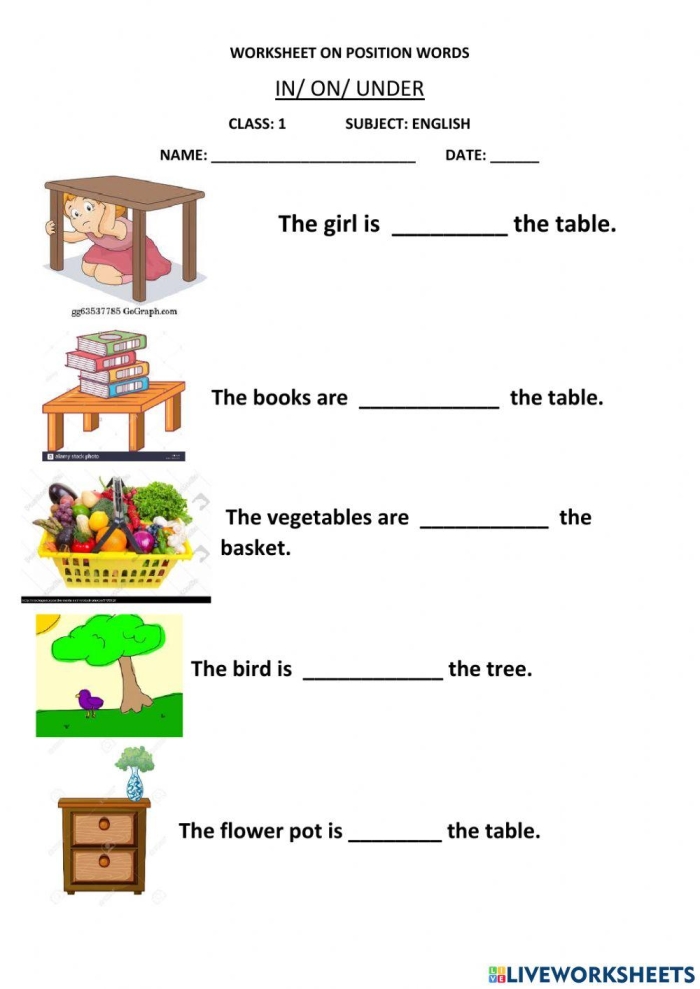
One effective way to assess this understanding is through printable position word check-in worksheets tailored for Pre-K geometry. These worksheets often include activities where children trace or color shapes placed in different positions relative to one another. For example, a worksheet might ask students to color the shape that is below a circle or trace the square that is next to a triangle. This hands-on approach reinforces vocabulary while encouraging careful observation.
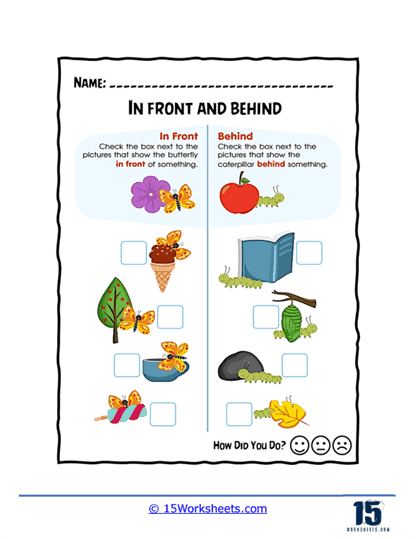
Using resources like those found in collections such as trace and color shapes activities can make it easier to see which position words your students understand. Such worksheets allow children to connect words to visual cues, strengthening their spatial reasoning skills. When students successfully complete a task like identifying a butterfly positioned above or beside another object, it shows they are beginning to internalize these concepts.
It’s important to remember that mastering position words is not just about naming locations but also about interpreting relationships. This skill supports other areas of learning, such as following directions and understanding patterns. Incorporating activities like creating calendars or discussing weather using position terms, as seen in the calendar worksheets or weather-related tasks, can enrich the learning experience.
Regular check-ins with targeted worksheets provide a clear picture of how students use position words in context. This ongoing assessment helps ensure that children are on track with these foundational geometry skills before moving on to more advanced spatial concepts.
Hands-On Worksheet Activities