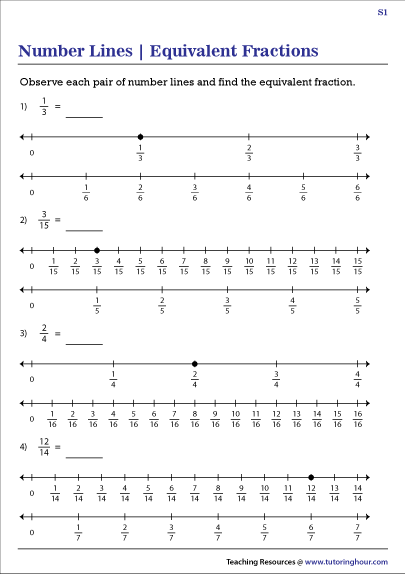
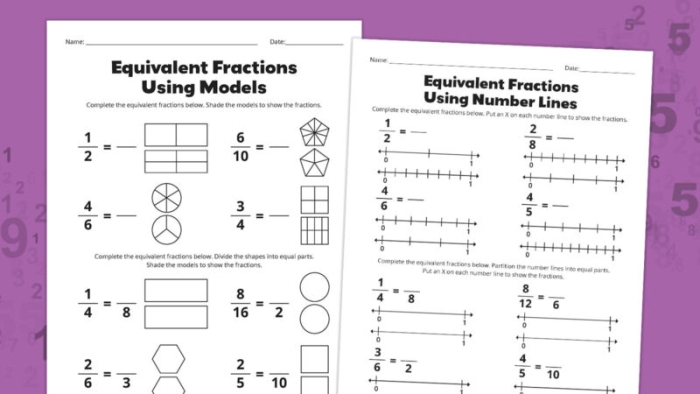
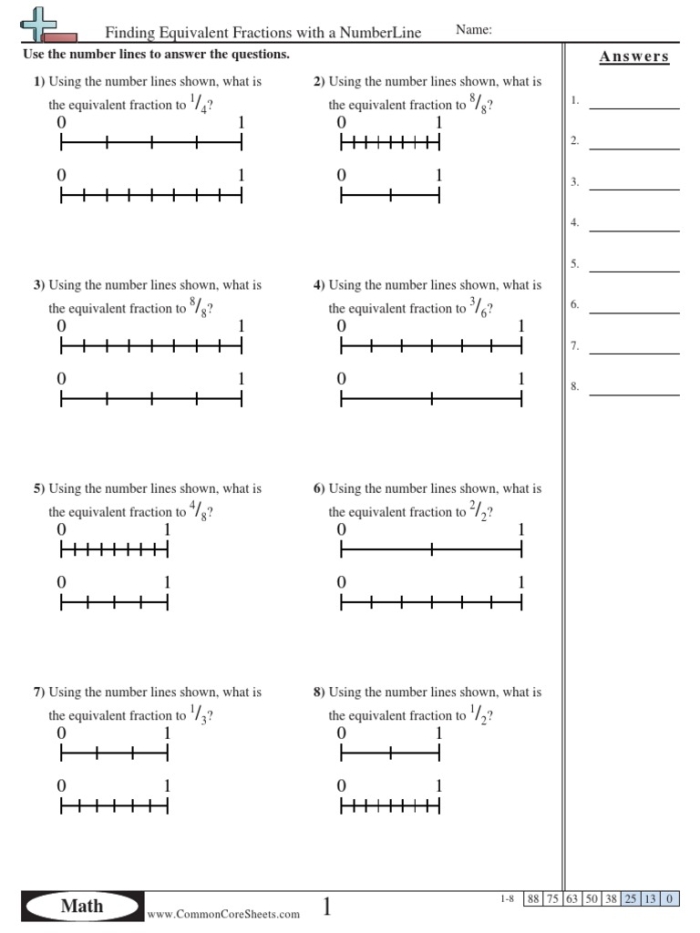
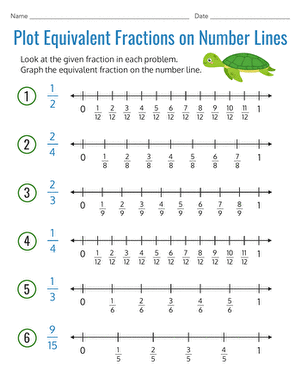
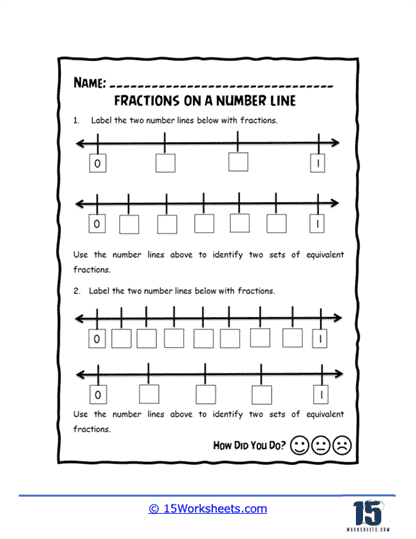
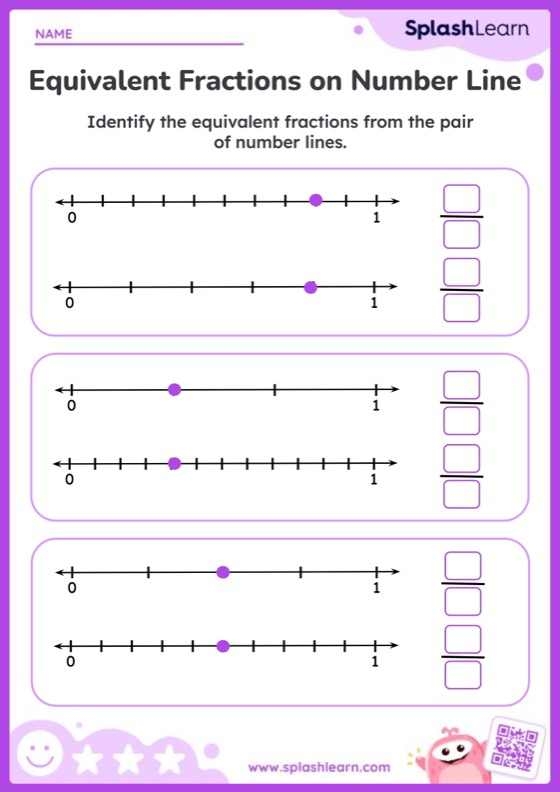
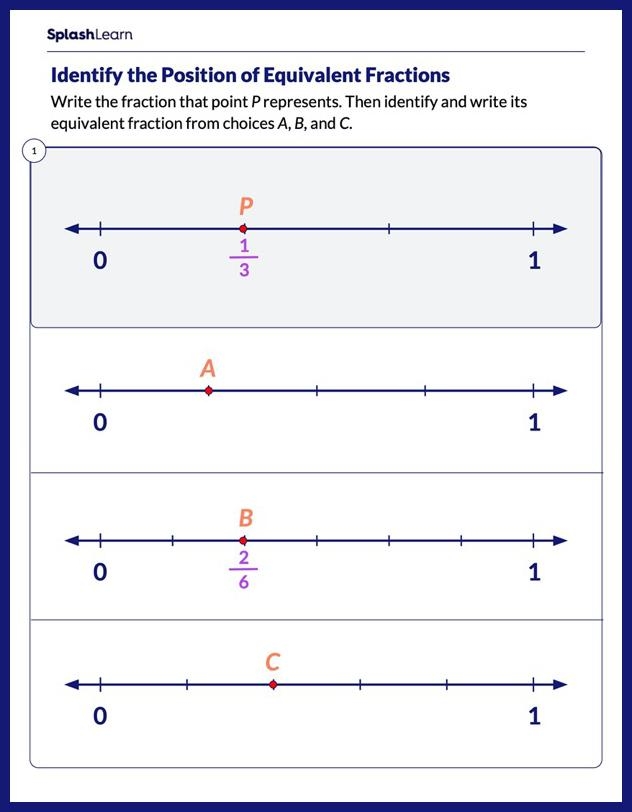
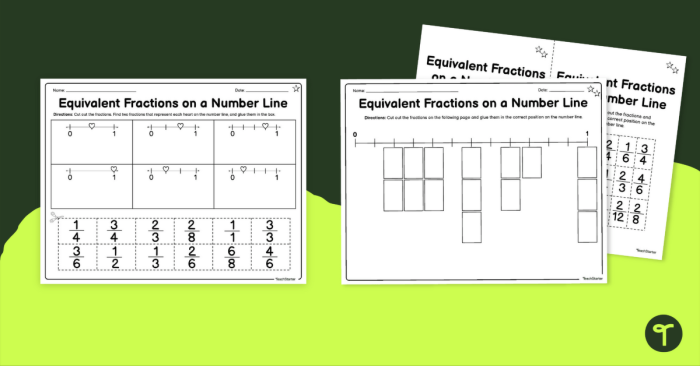
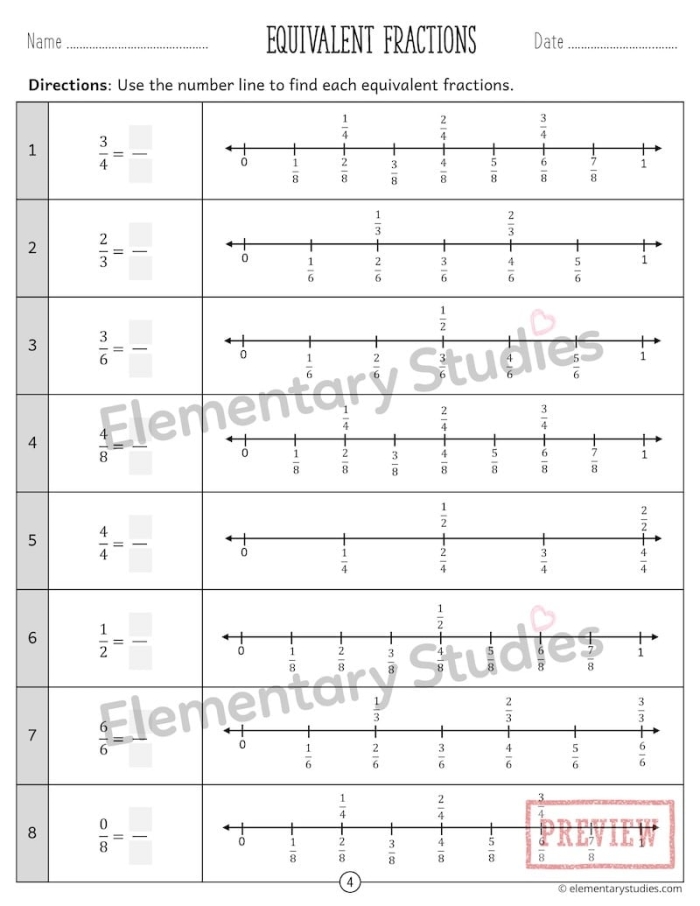
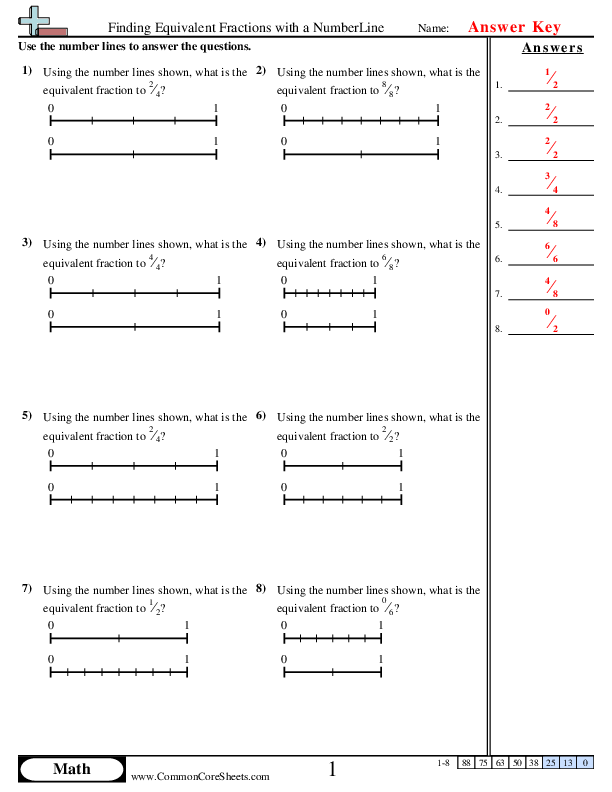
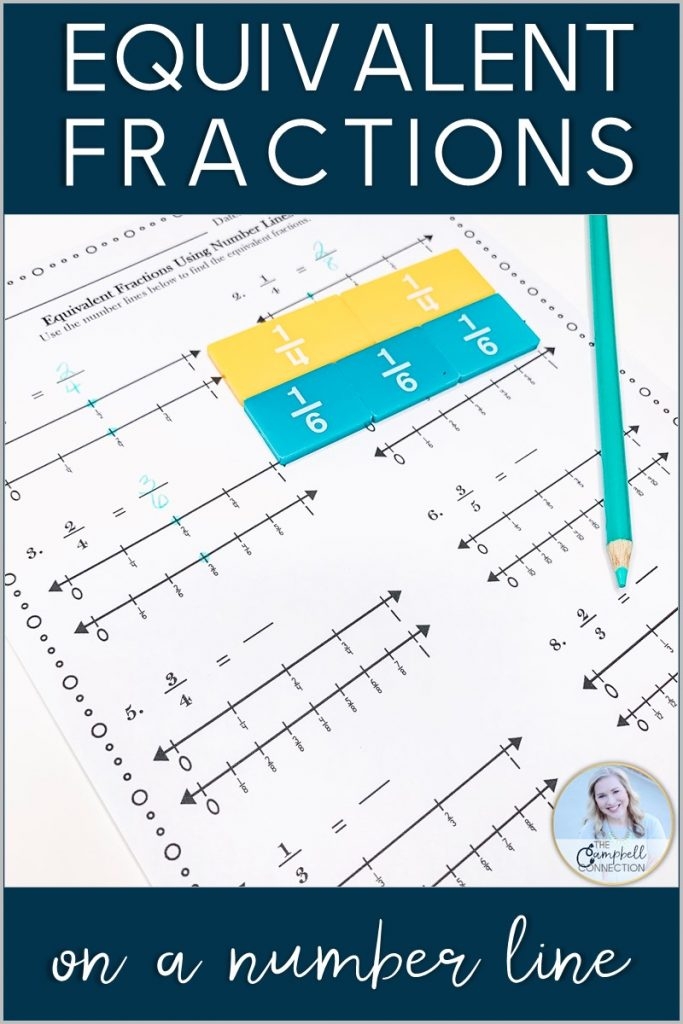
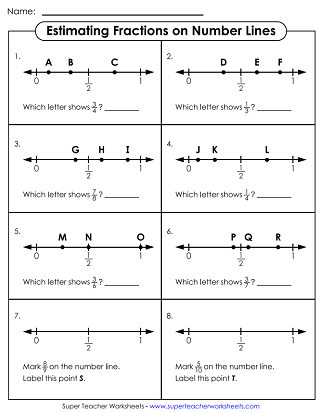
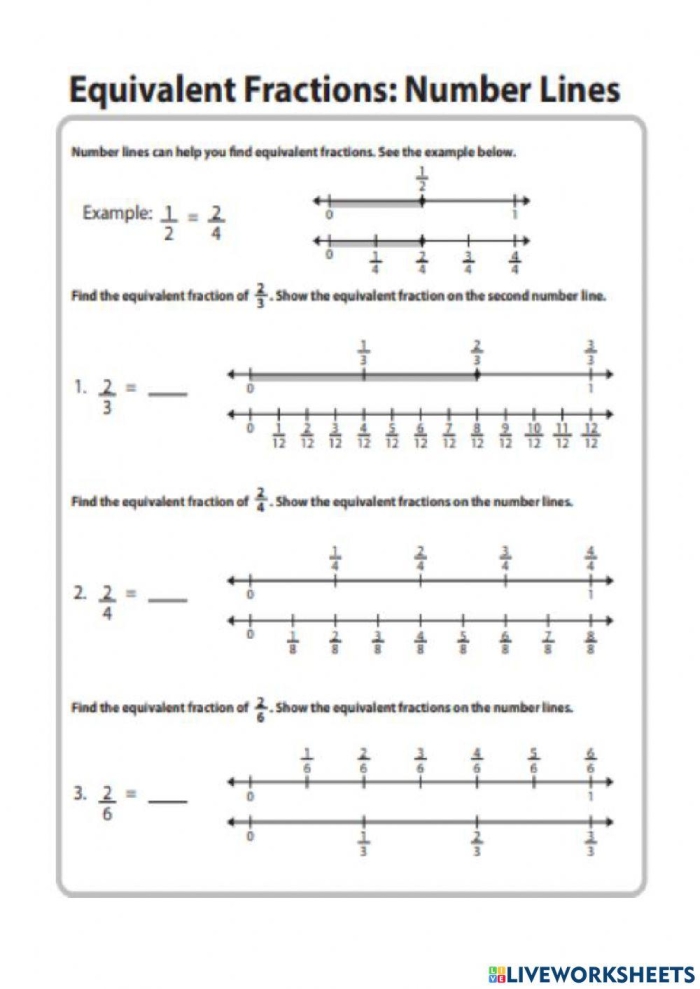
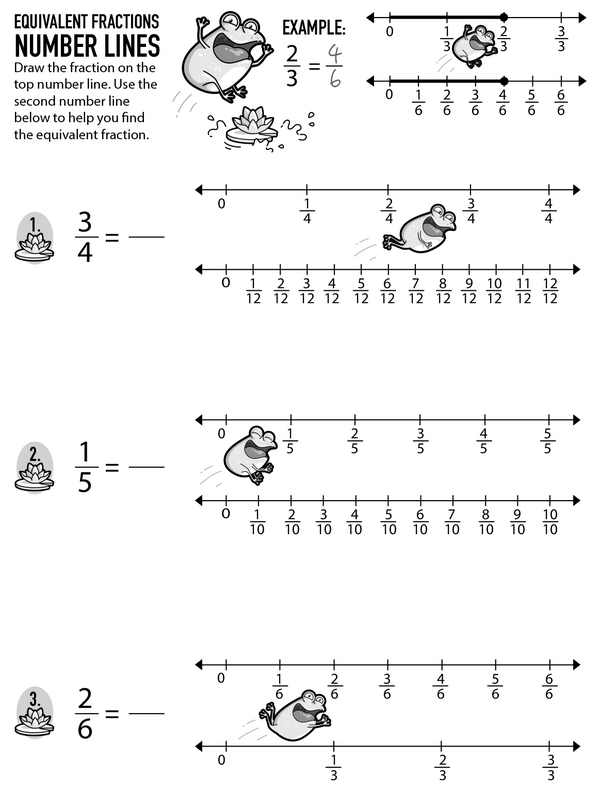
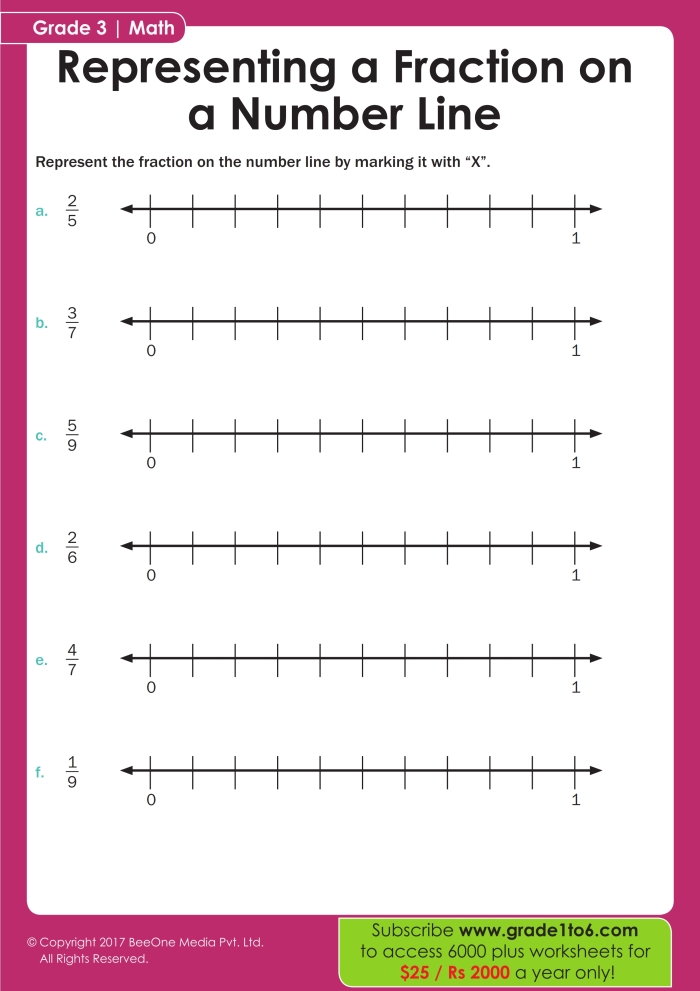
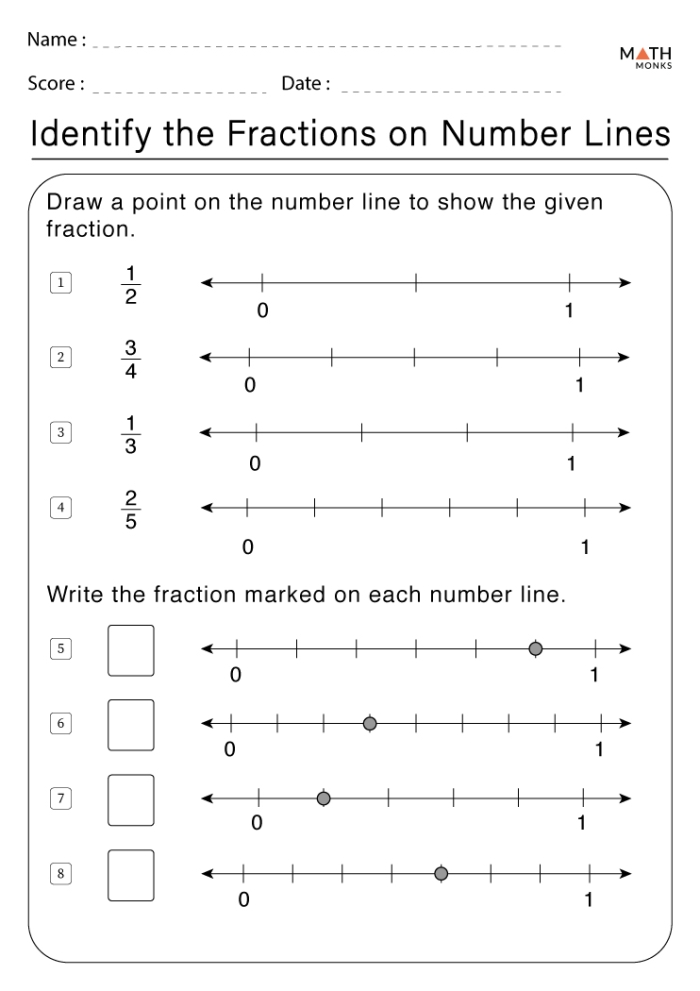
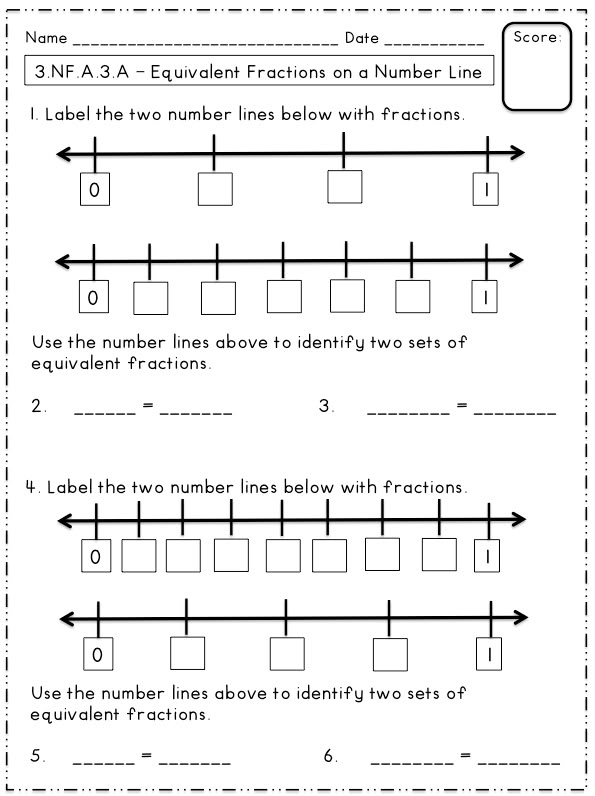
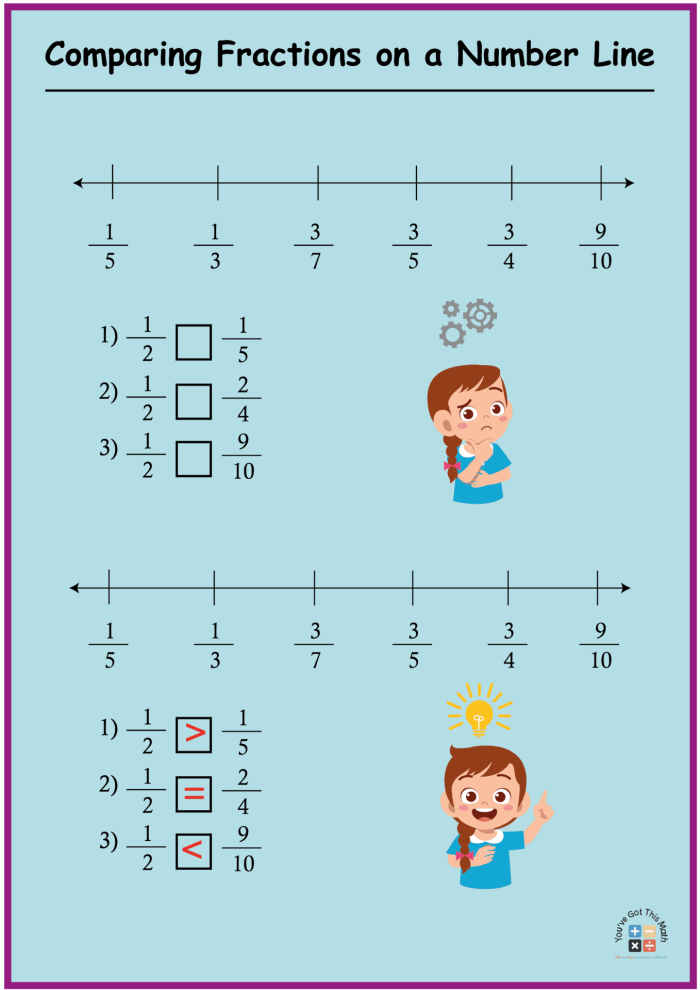
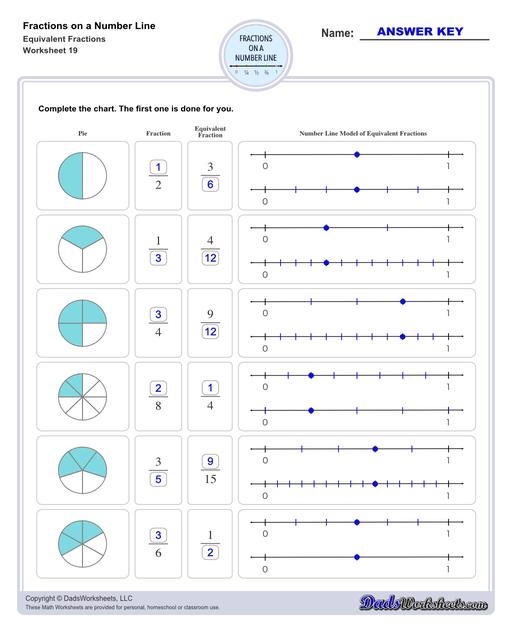
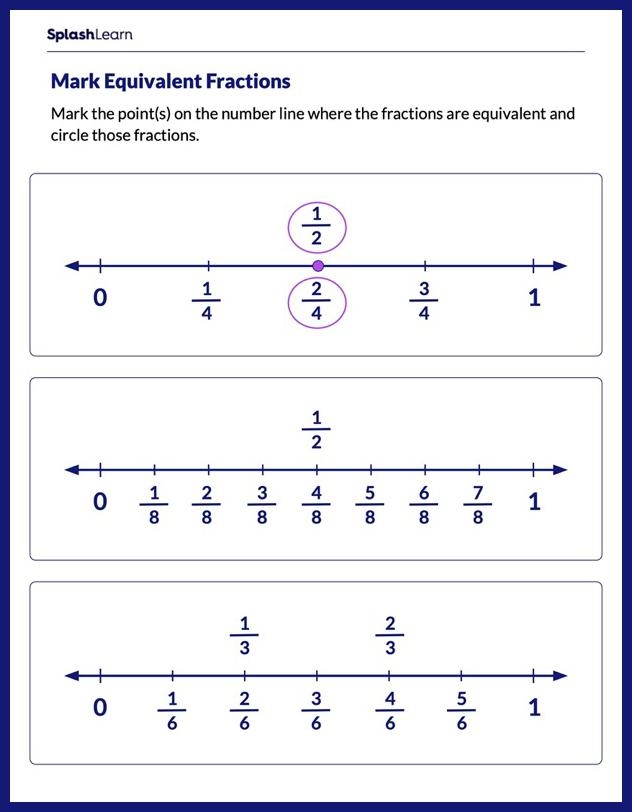
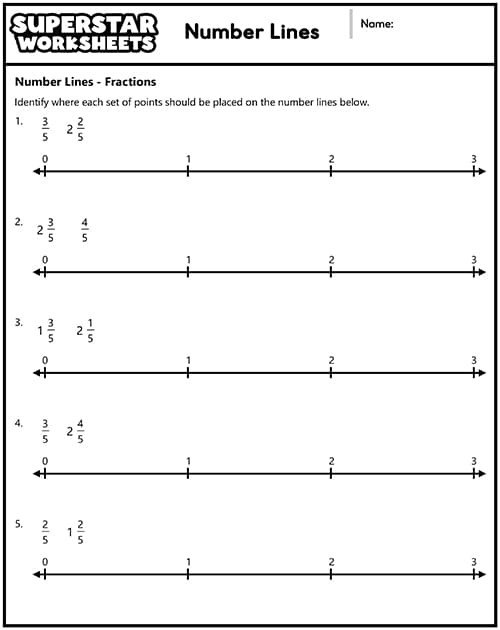
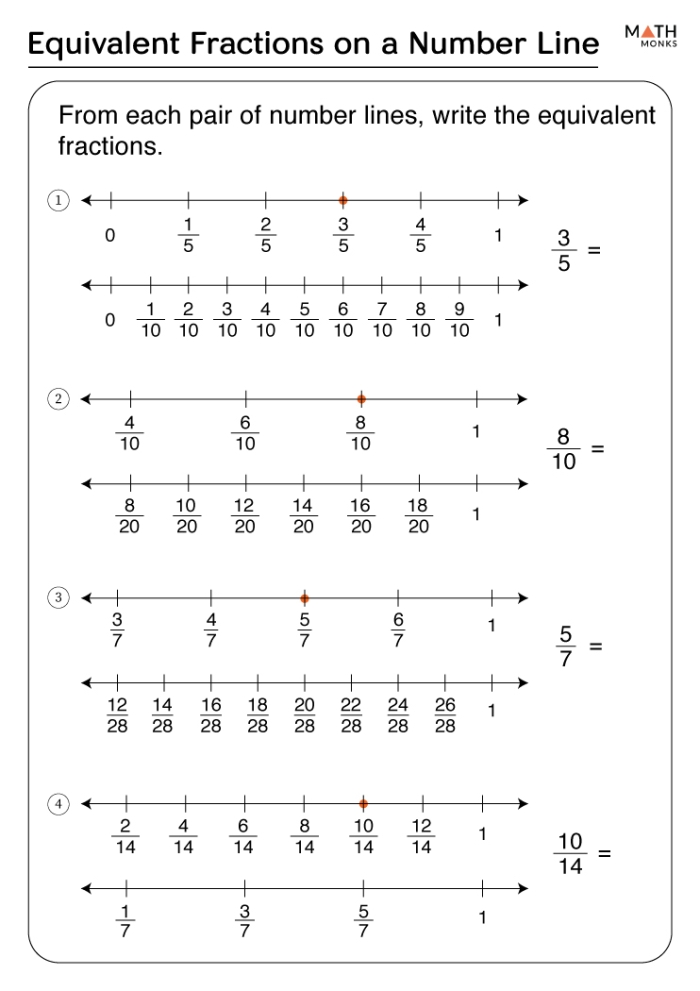
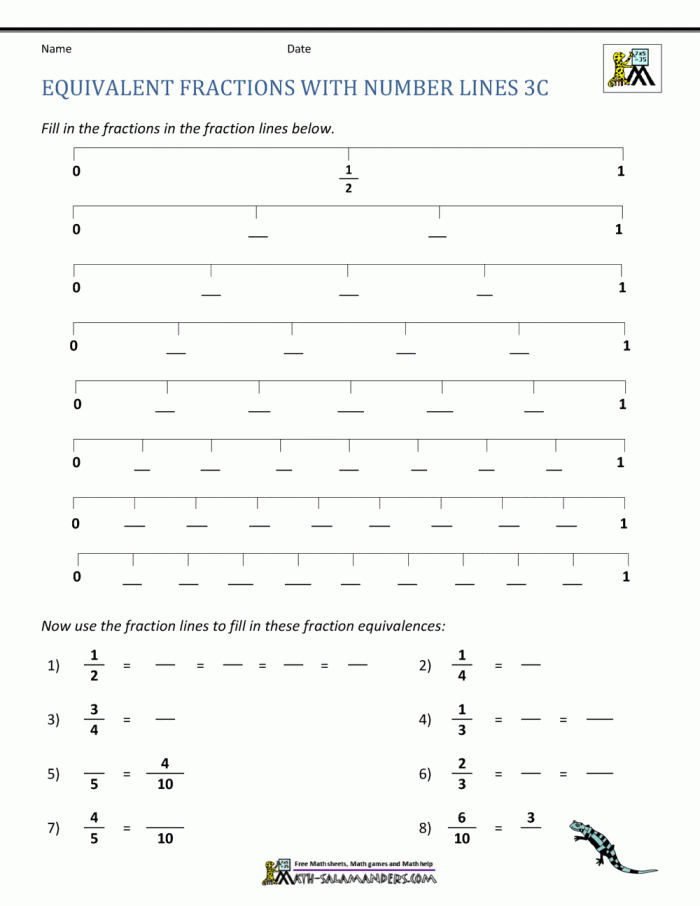
Number lines become a powerful tool when fourth-grade students start working with equivalent fractions. This worksheet activity asks students to plot fractions that look different but represent the same value, helping them see why 1/2 equals 2/4 or 3/6 in a visual, concrete way.
The beauty of using number lines for this concept lies in how visual they are. When a student marks 1/2 on a line and then marks 2/4 on the same line, they can physically see that both marks land in the same spot. This immediate visual feedback makes the abstract idea of equivalence click in a way that memorization never could. Fourth-grade students are at the right developmental stage to benefit from this hands-on approach, since they’re moving beyond simple fraction recognition and starting to understand fraction relationships.
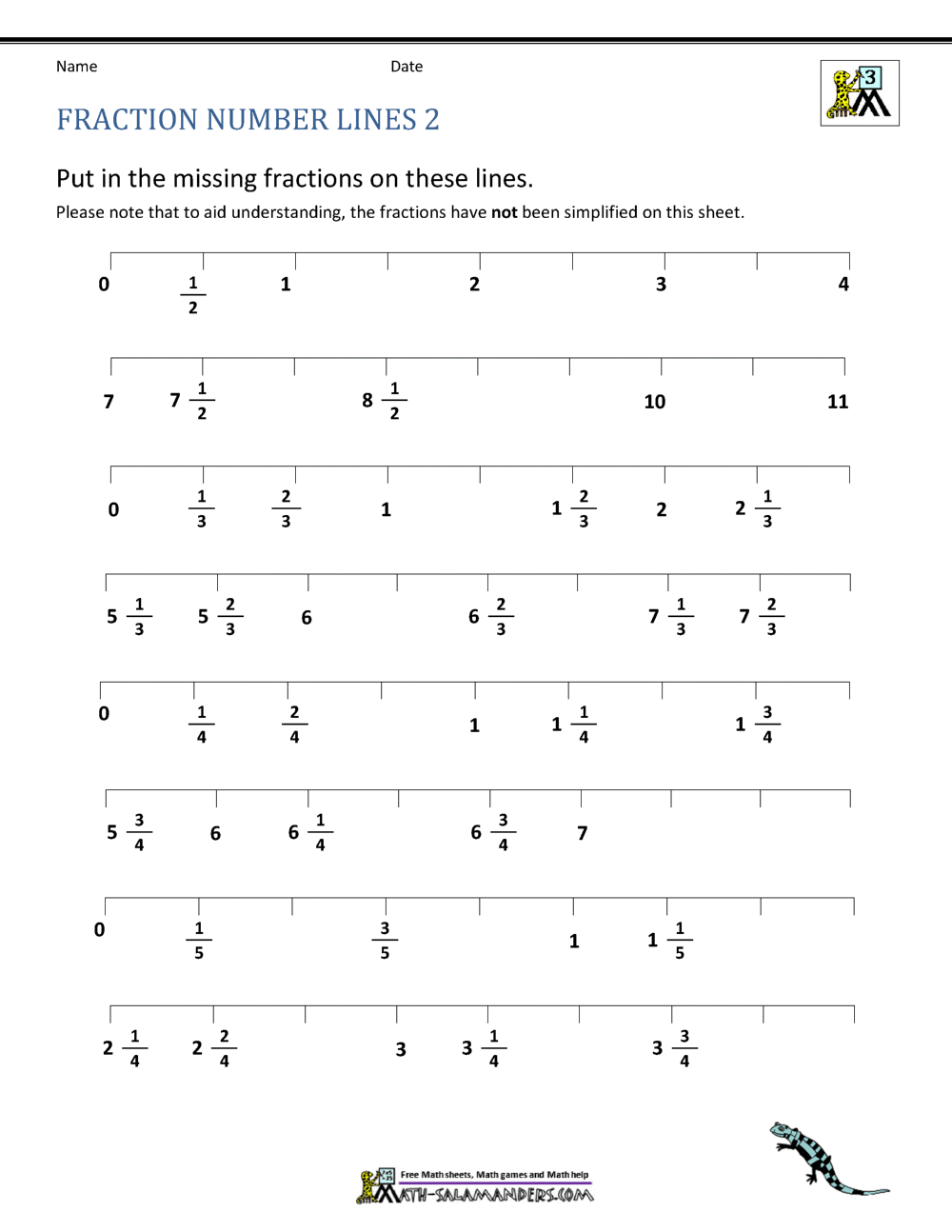
The worksheet typically provides several number lines already divided into different intervals. One line might be divided into halves, another into fourths, and another into eighths. Students then graph the equivalent fractions on each line, which reinforces that the same fractional amount can be expressed using different denominators. This practice builds the foundation for comparing fractions and eventually working with operations like addition and subtraction.
Beyond this specific activity, fourth-grade division worksheets cover related concepts that support overall number sense. Students working on division terms or exploring real-world applications through food webs are building the same foundational skills. Even science-focused worksheets like those about the rock cycle often incorporate fraction and division concepts into their content.
When students complete these graphing activities, they’re developing number sense that extends far beyond fractions alone, creating stronger mathematical thinkers overall.
Worksheet Practice Section