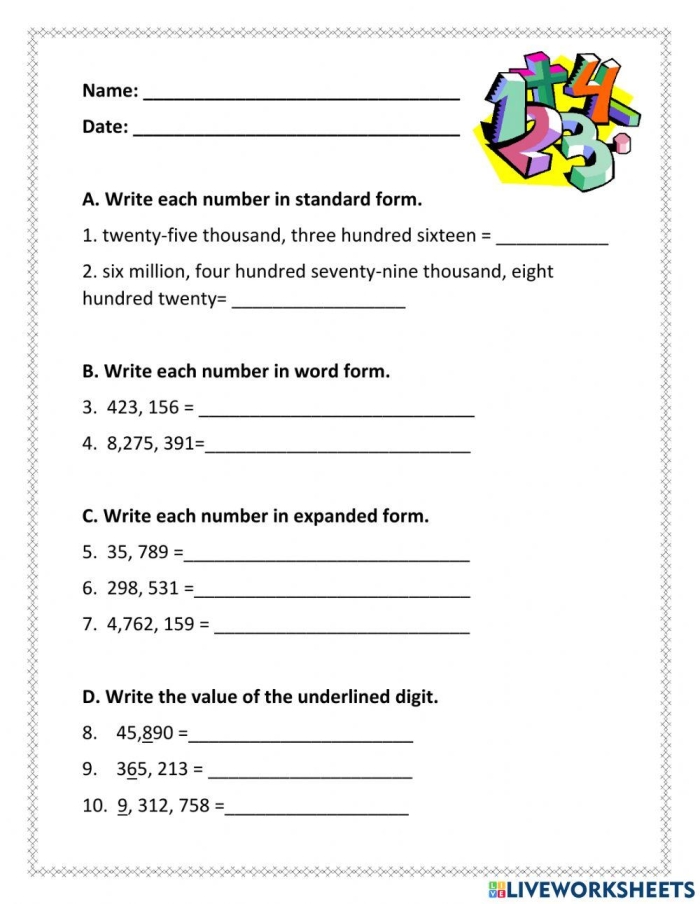
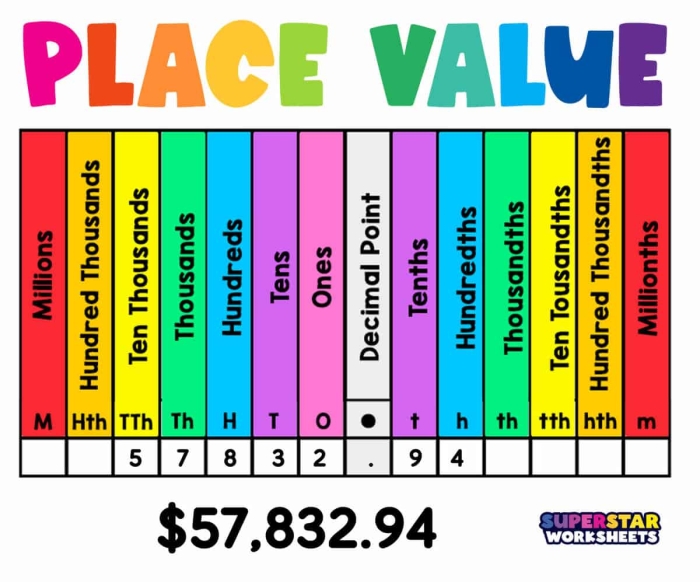
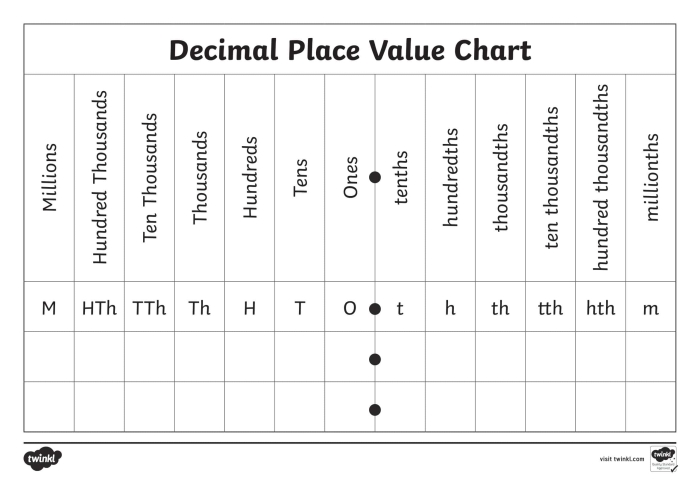
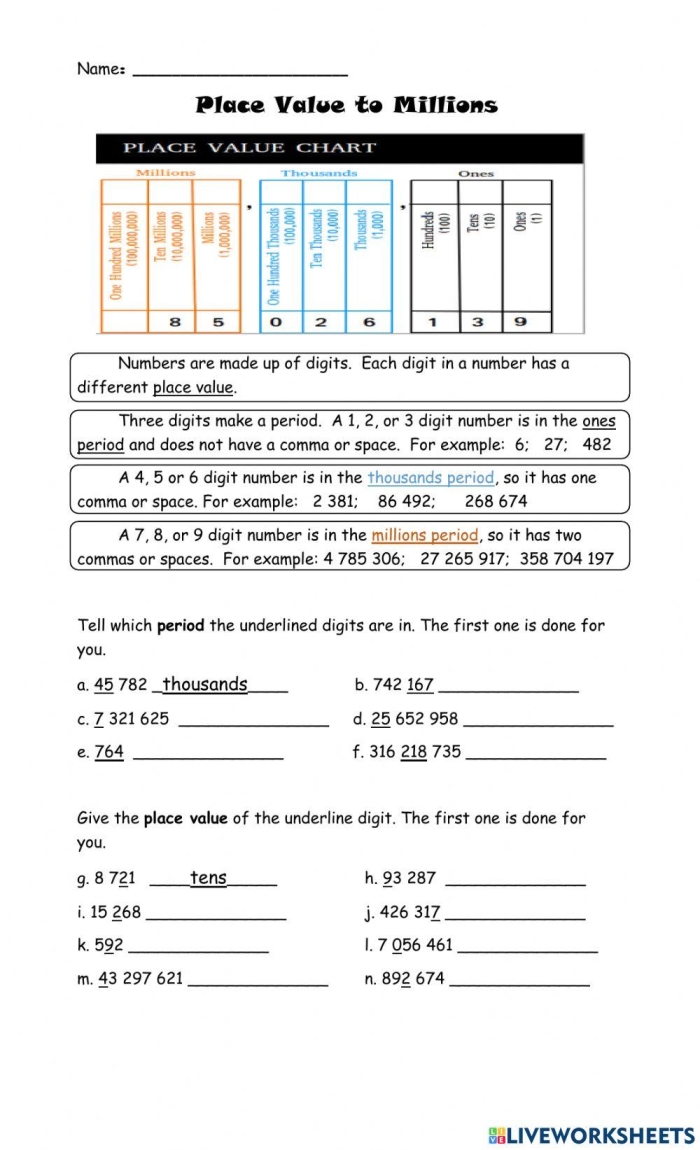
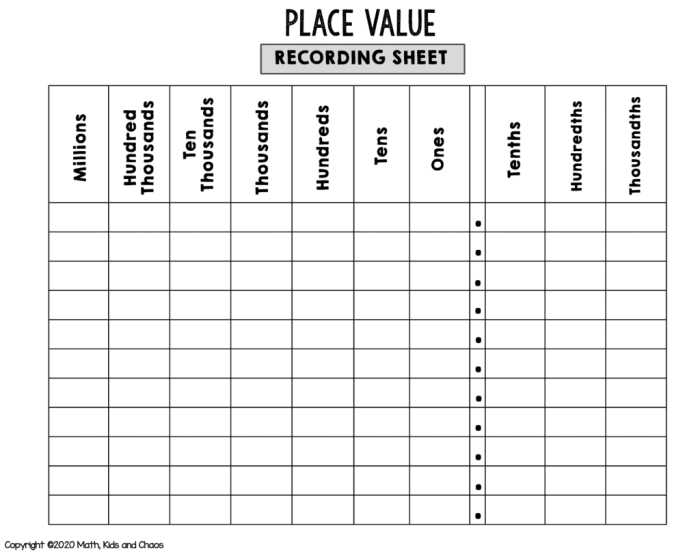
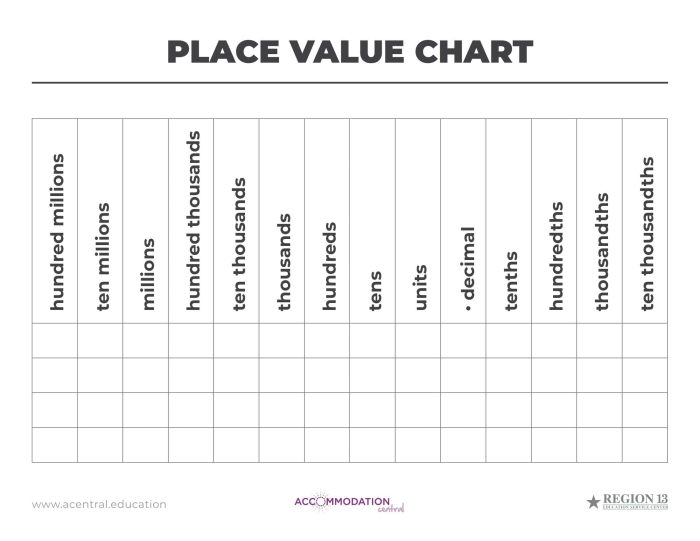
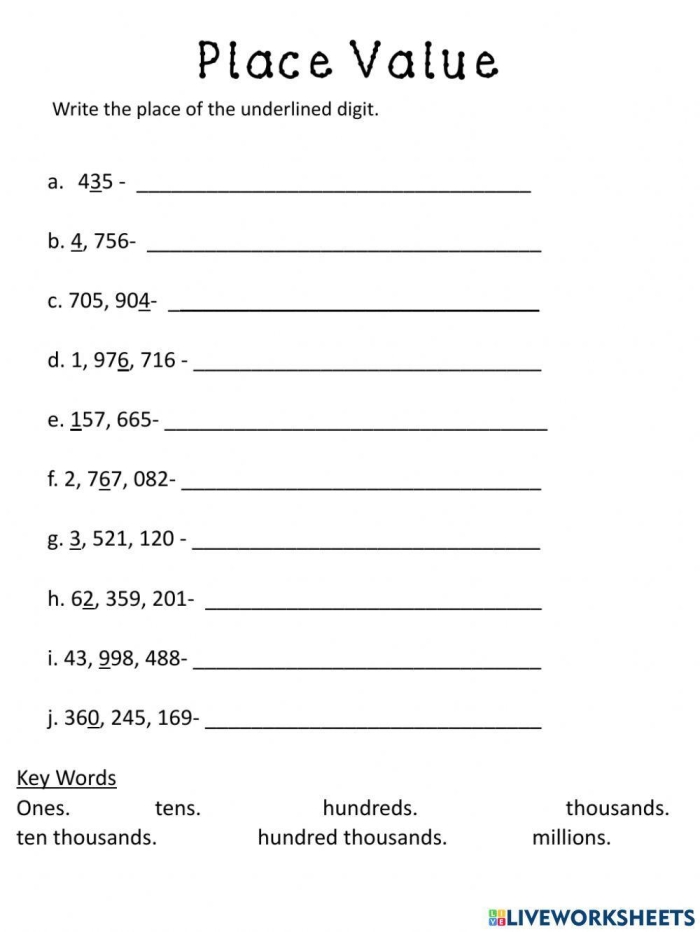
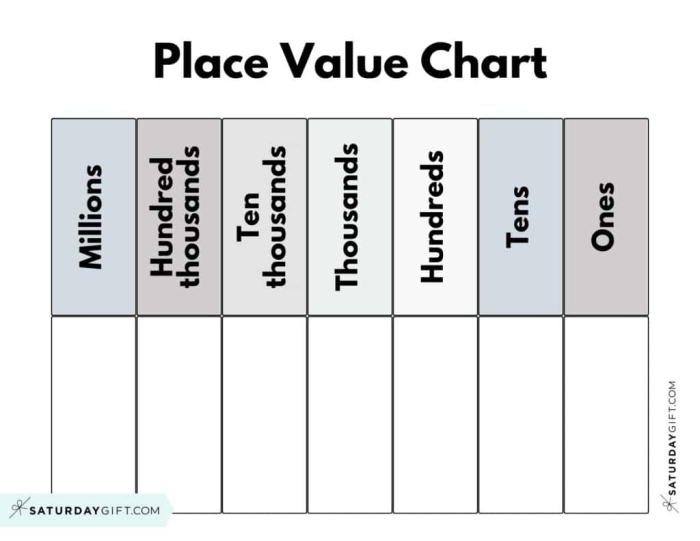
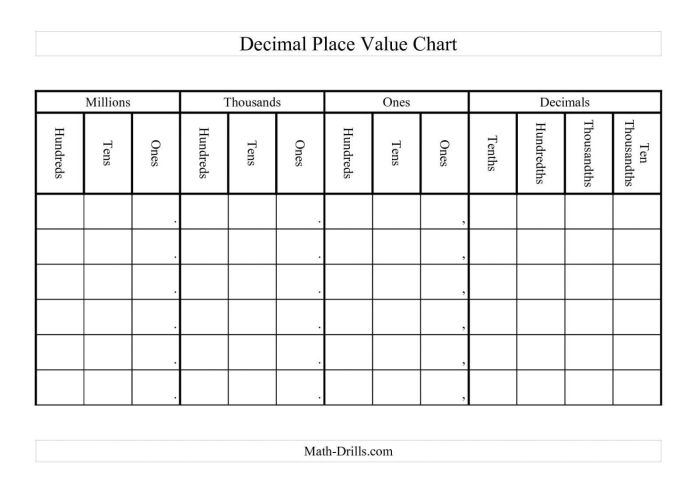
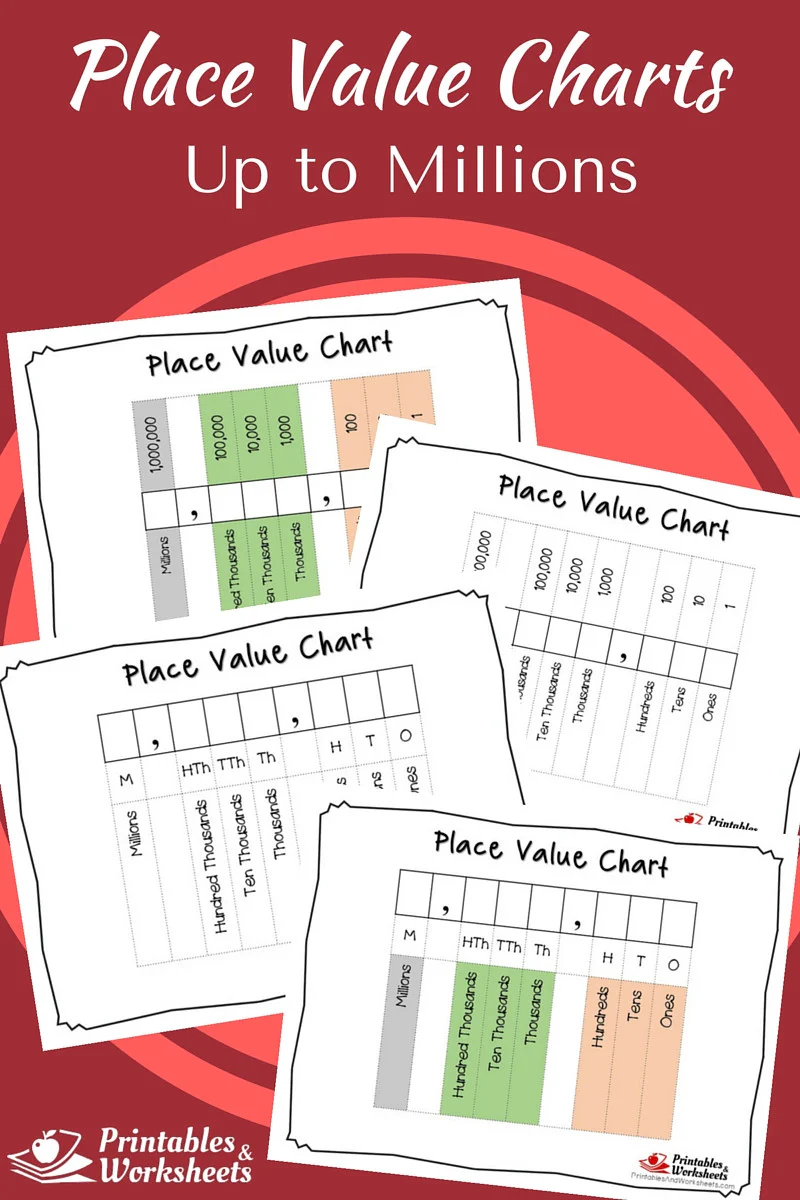
Understanding place value becomes a real challenge once numbers jump into the millions. Fifth grade students often struggle with the abstract nature of large numbers, treating each digit as isolated rather than recognizing how they work together in a system. A solid place value chart focused on the millions period changes this entirely, giving students a concrete way to see how numbers actually break down.
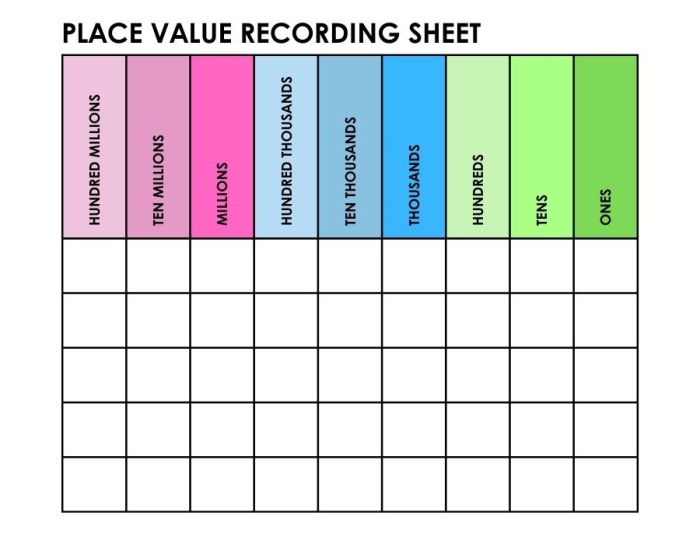
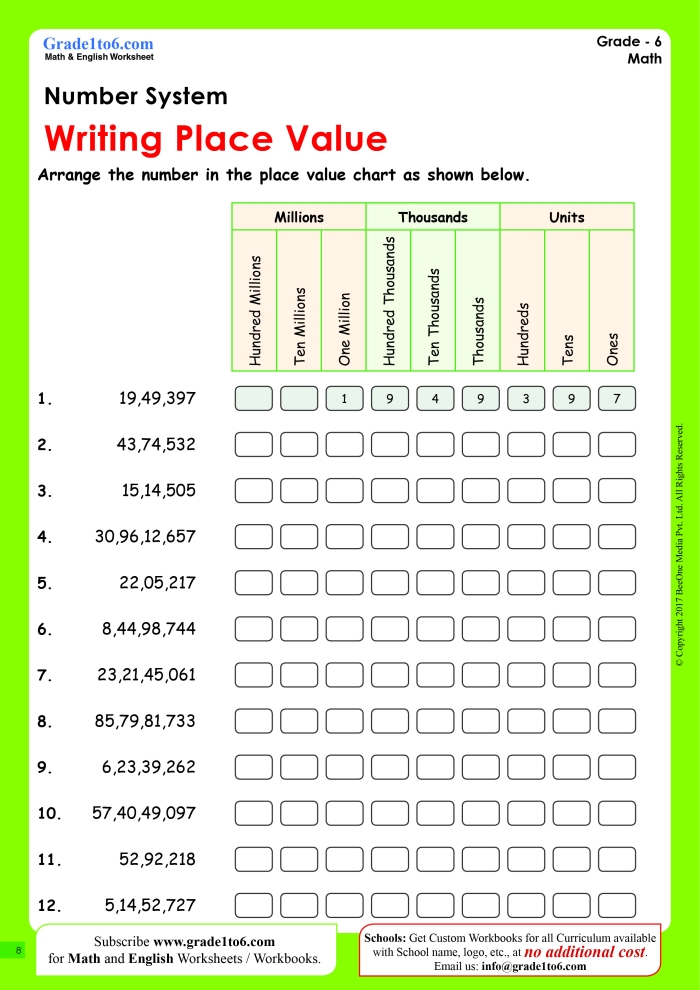
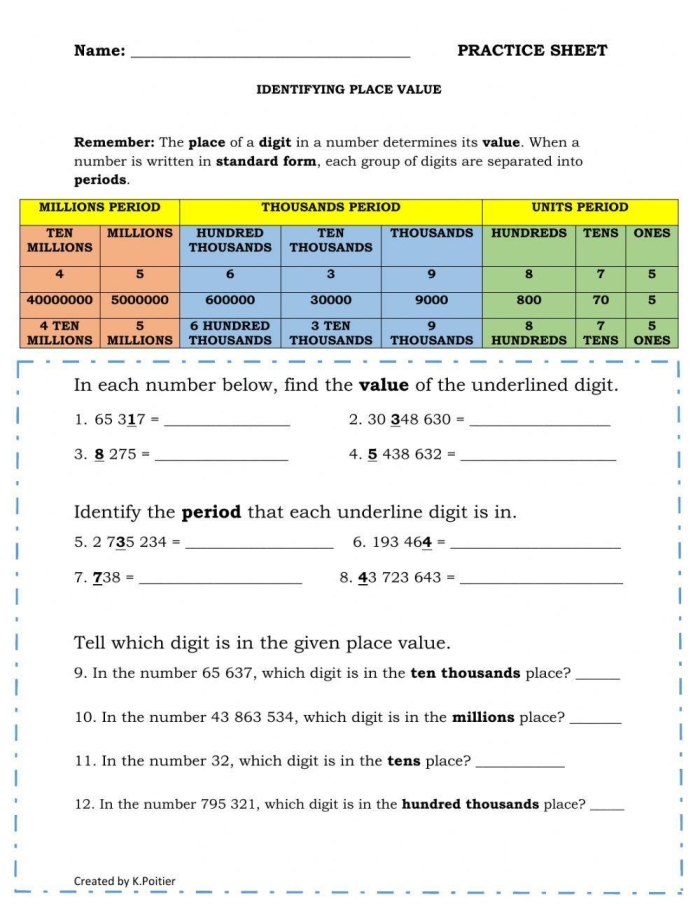
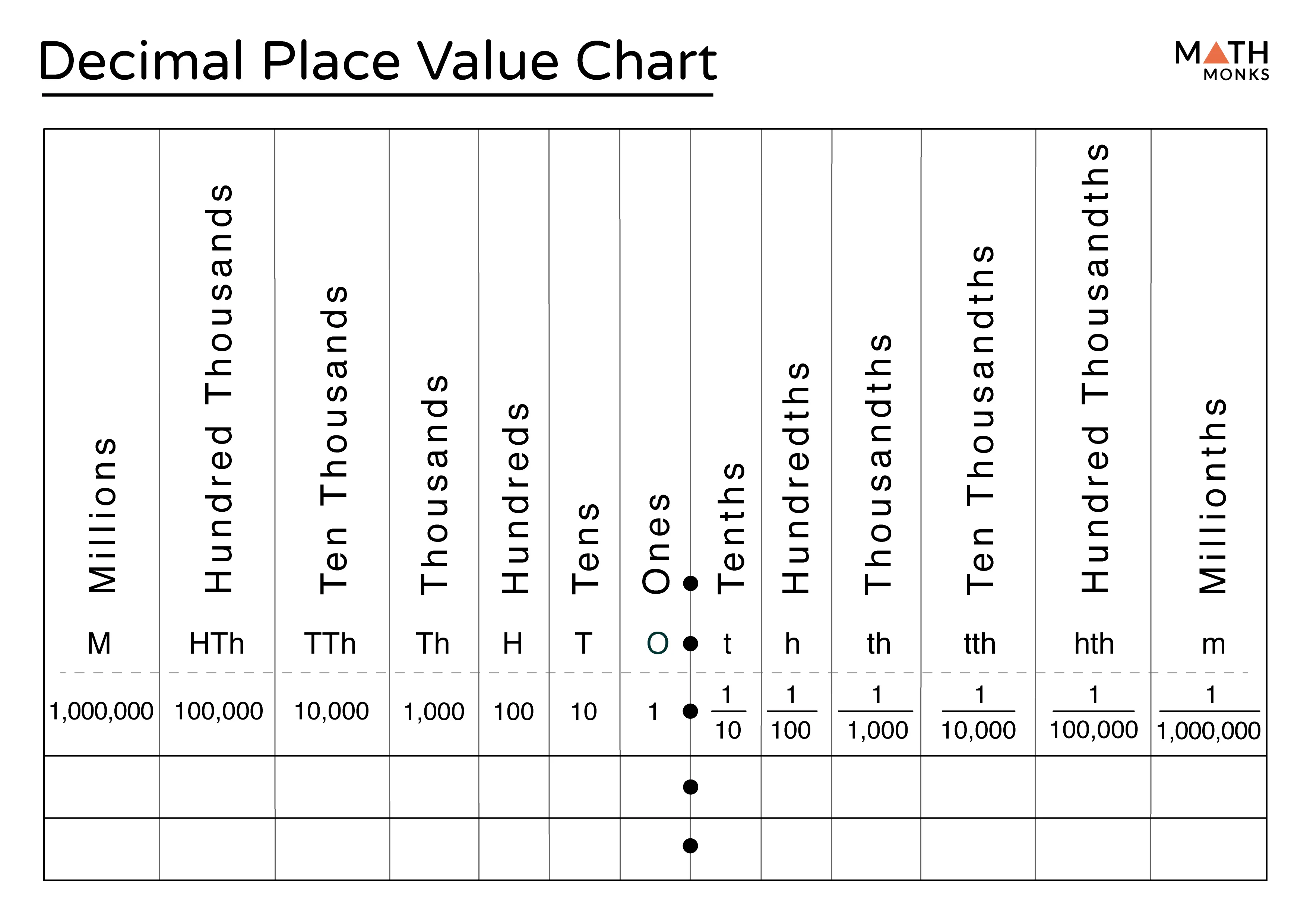
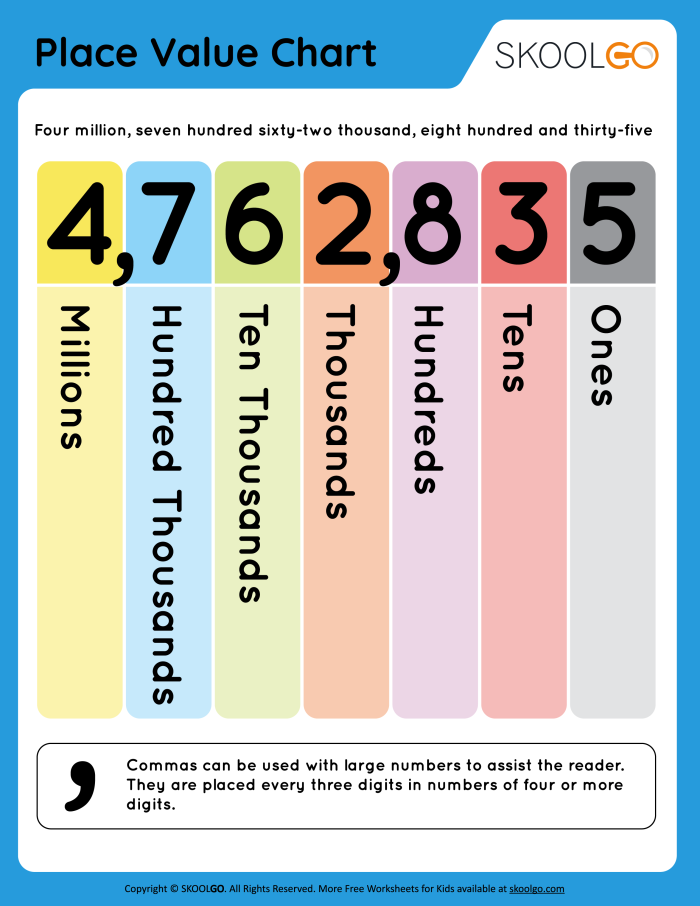
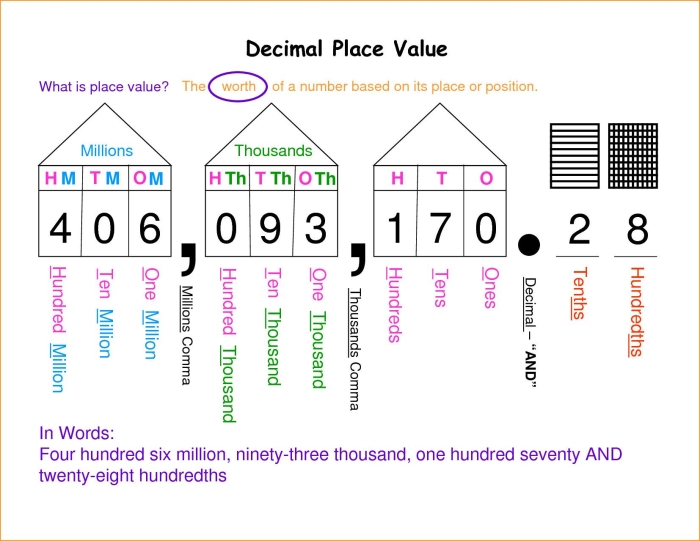
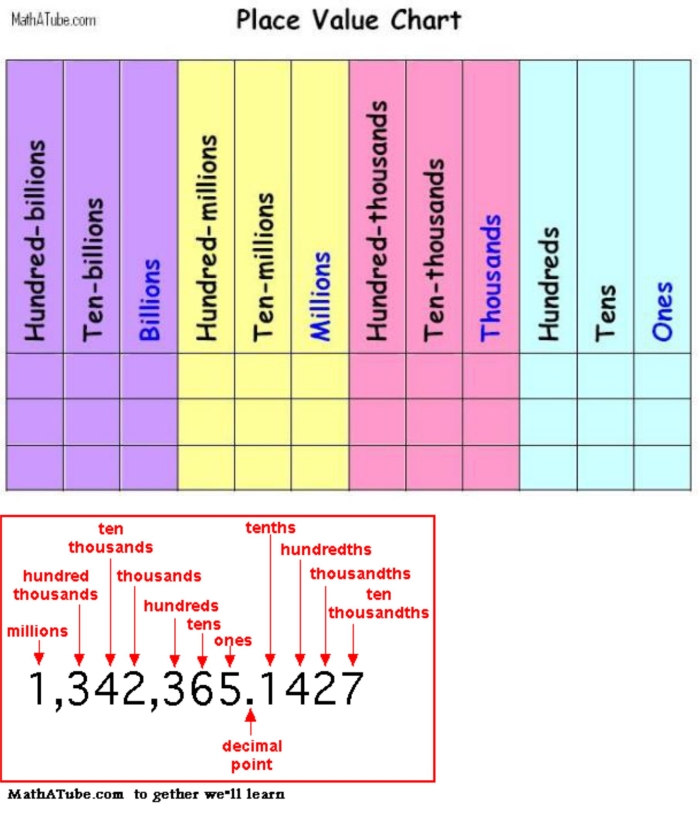
When you use a visual resource to decompose numbers through the millions period, you’re essentially giving students a map. Instead of looking at 3,456,789 as a confusing string of digits, they can see it as 3 millions, 4 hundred thousands, 5 ten thousands, 6 thousands, 7 hundreds, 8 tens, and 9 ones. Each column has a specific role, and understanding these roles transforms how students approach larger numbers in their writing and calculations.
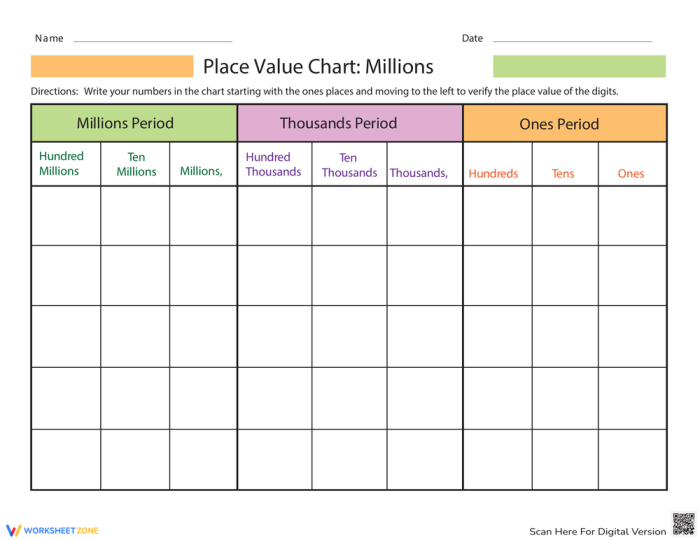
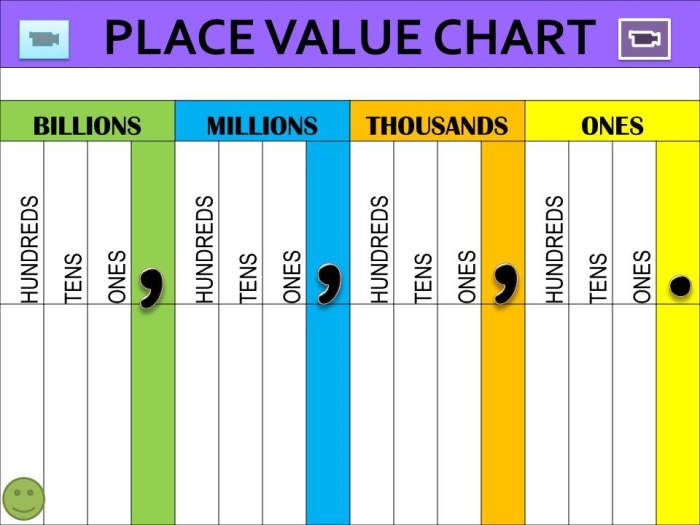
The millions period refers to the grouping of three digits that represent millions, hundred thousands, and ten thousands. This period sits directly to the left of the thousands period in standard place value notation. For fifth grade students learning to write and work with numbers in this range, seeing this structure visually makes the concept stick faster than any verbal explanation.
These resources work particularly well when paired with other fifth grade content. Students reinforcing their understanding of number systems benefit from connecting this knowledge to other subjects. For instance, exploring nonfiction texts about video games can include real-world numbers in the millions. Similarly, working through mixed operations problems requires applying place value knowledge to solve larger calculations.
The decomposition process itself strengthens number sense. When students break apart a seven-digit number and rebuild it, they develop flexibility with numbers. They stop seeing multiplication and division as separate from place value and start recognizing how these operations rely on understanding what each position represents. This foundation becomes essential as they move into more complex mathematical thinking in later grades.
Use These Worksheets Today