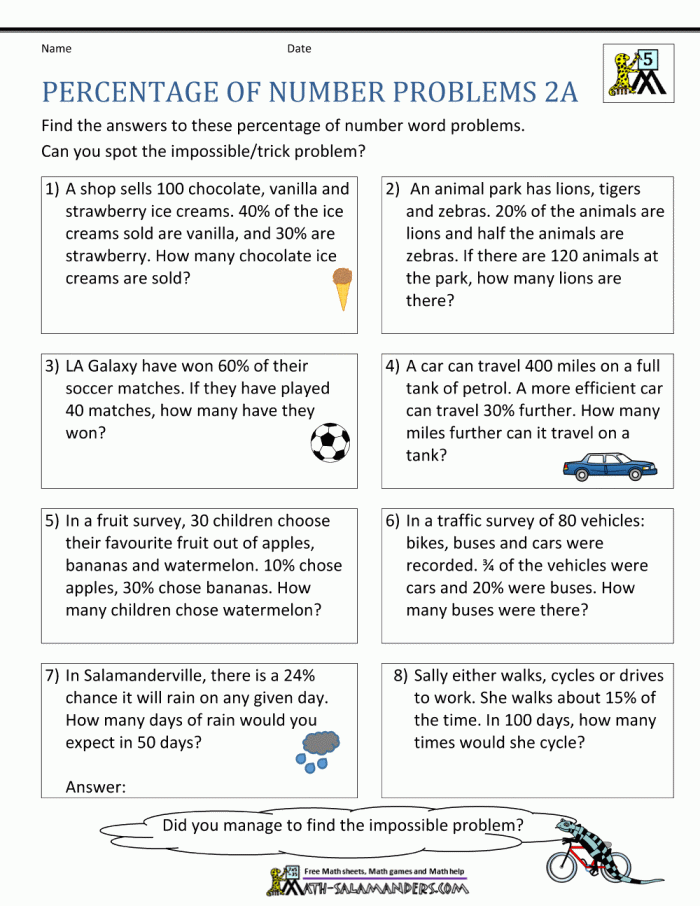
Money and math intertwine in everyday transactions, making it essential for children to grasp these concepts early on. Introducing your child to consumer math, particularly through percentage word problems, can be both engaging and educational. These problems not only teach mathematical skills but also help children understand how percentages influence prices, discounts, and savings.
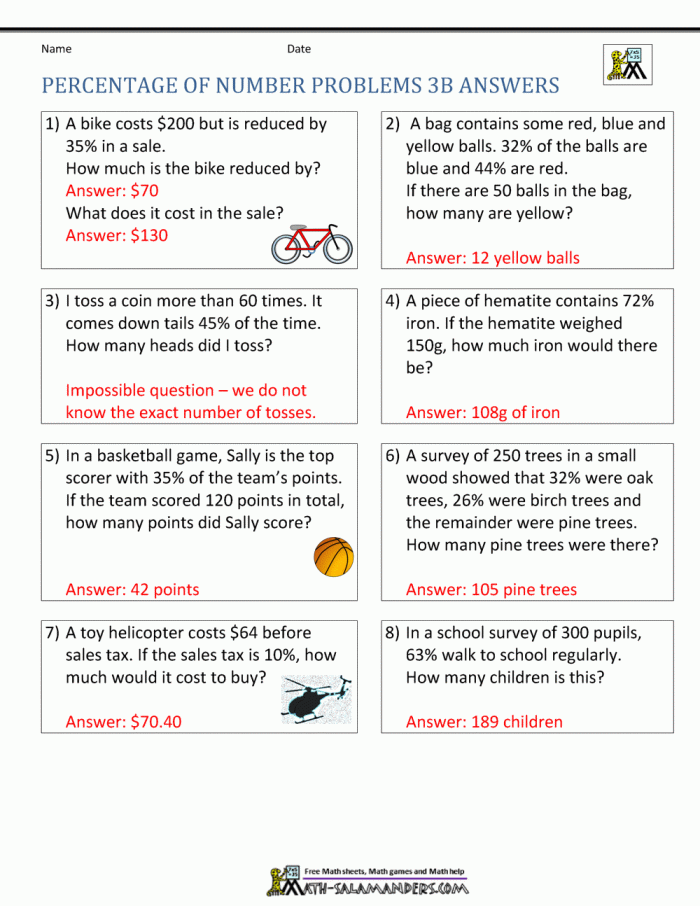
Consider a simple scenario: if a shirt costs $40 and is on sale for 25% off, how much will it cost after the discount? This type of problem encourages children to think critically about real-life situations they may encounter. By breaking down the steps—calculating 25% of $40, then subtracting that amount—the child learns valuable skills that apply beyond the classroom.
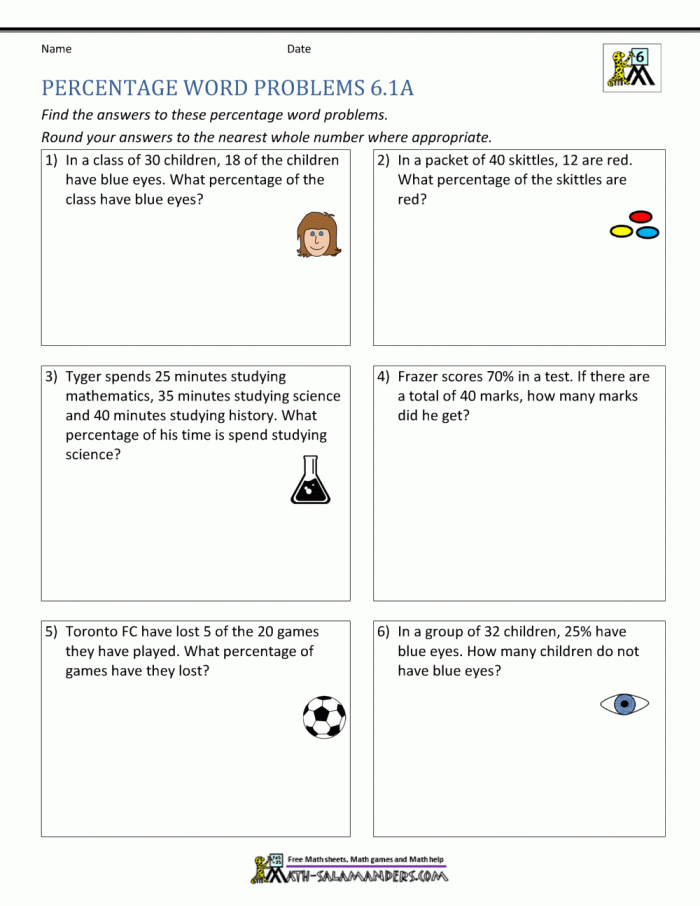
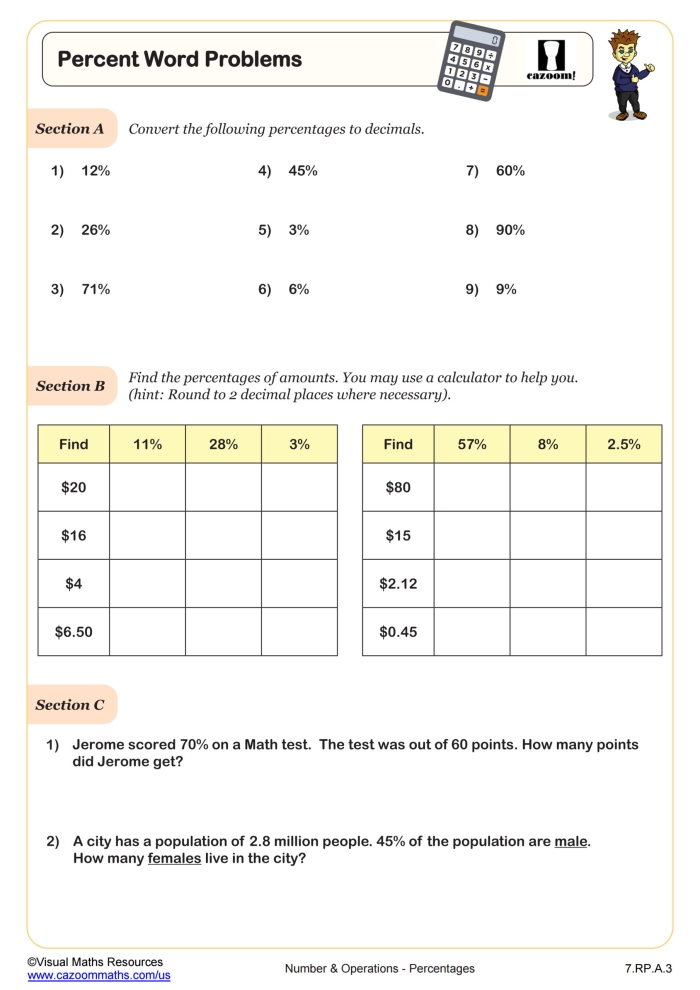
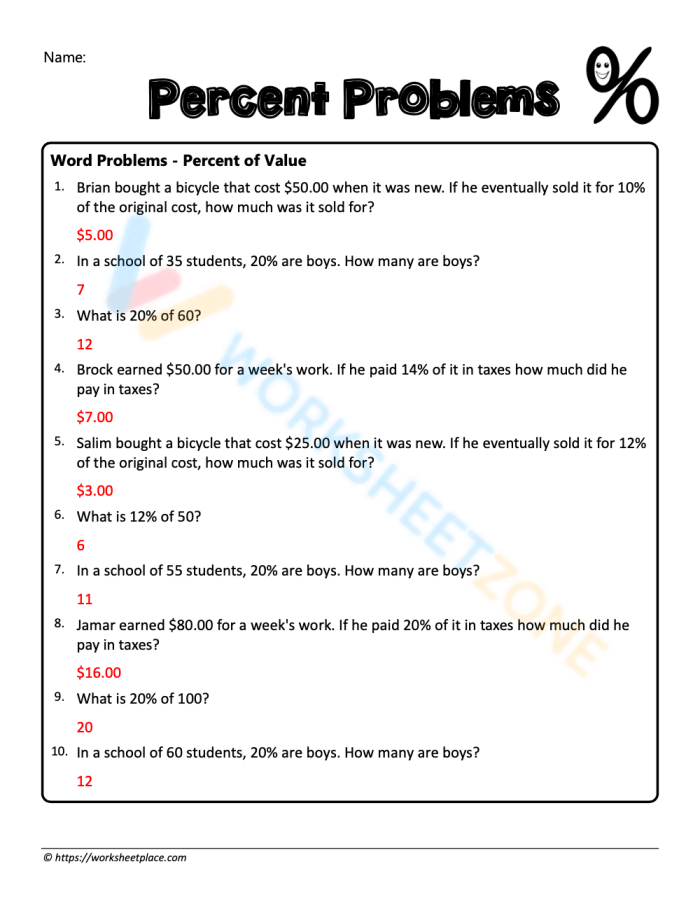
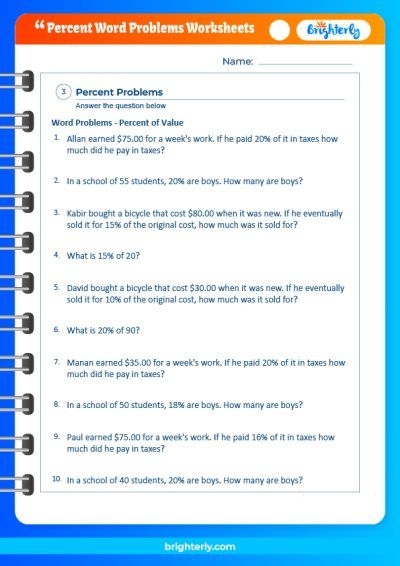
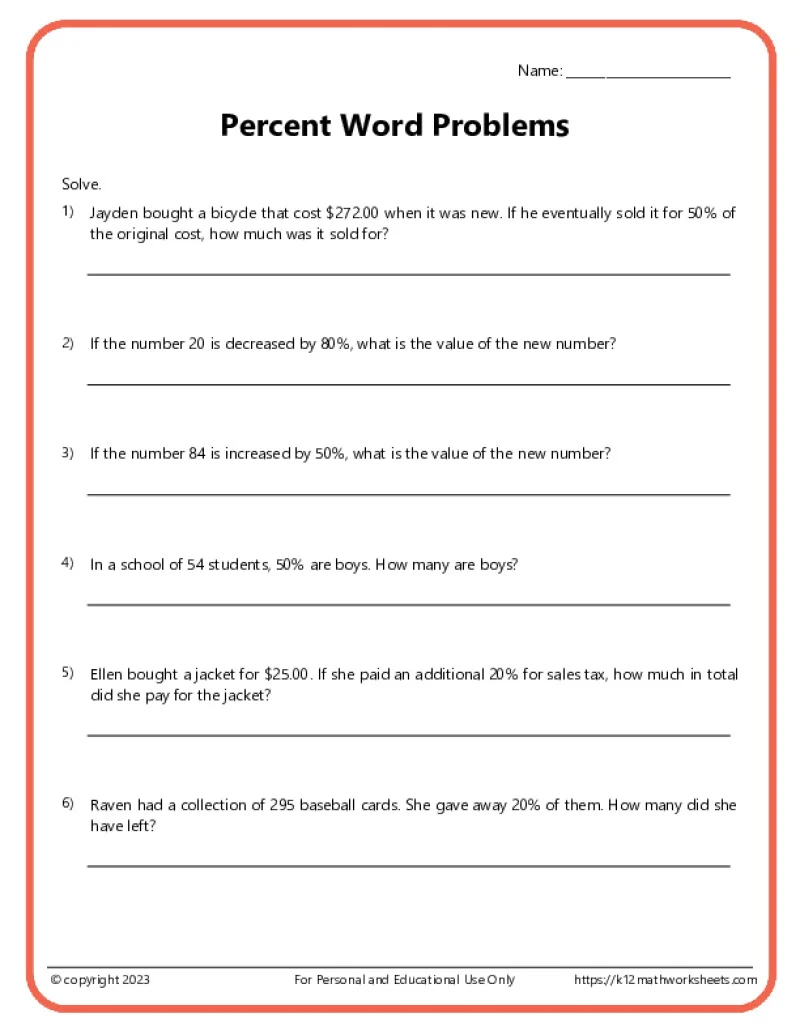
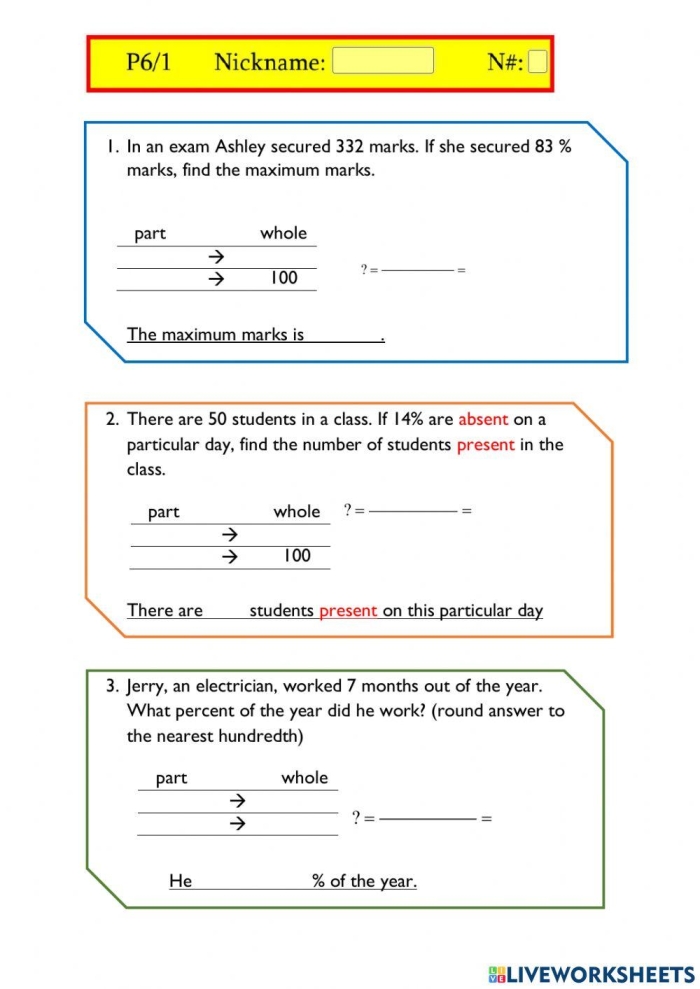
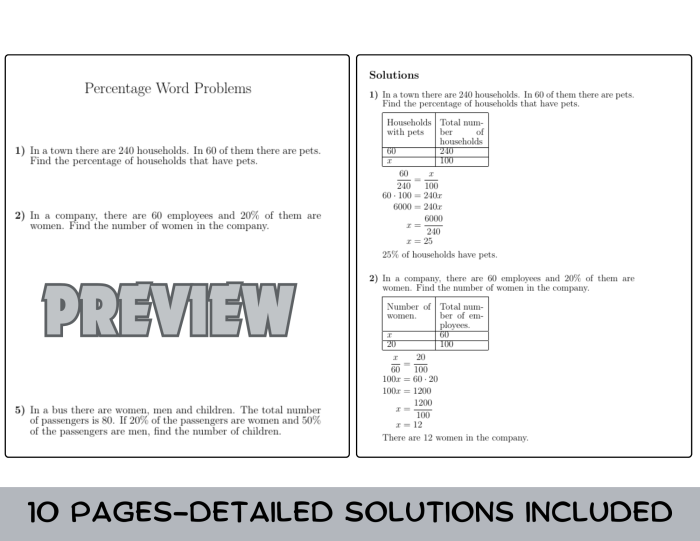
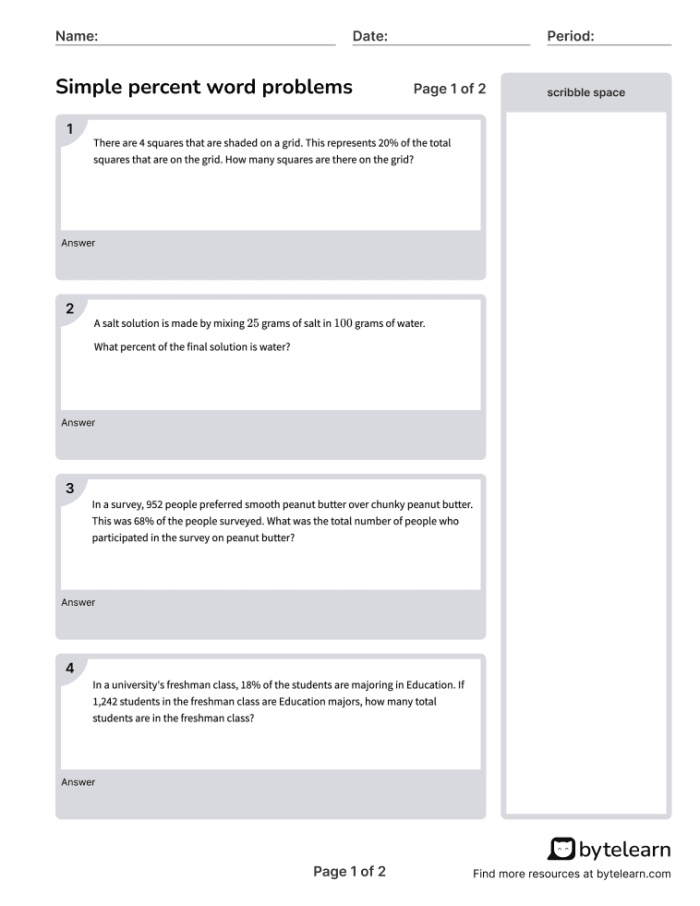
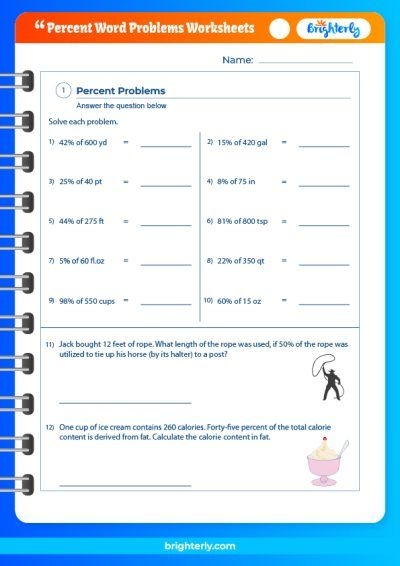
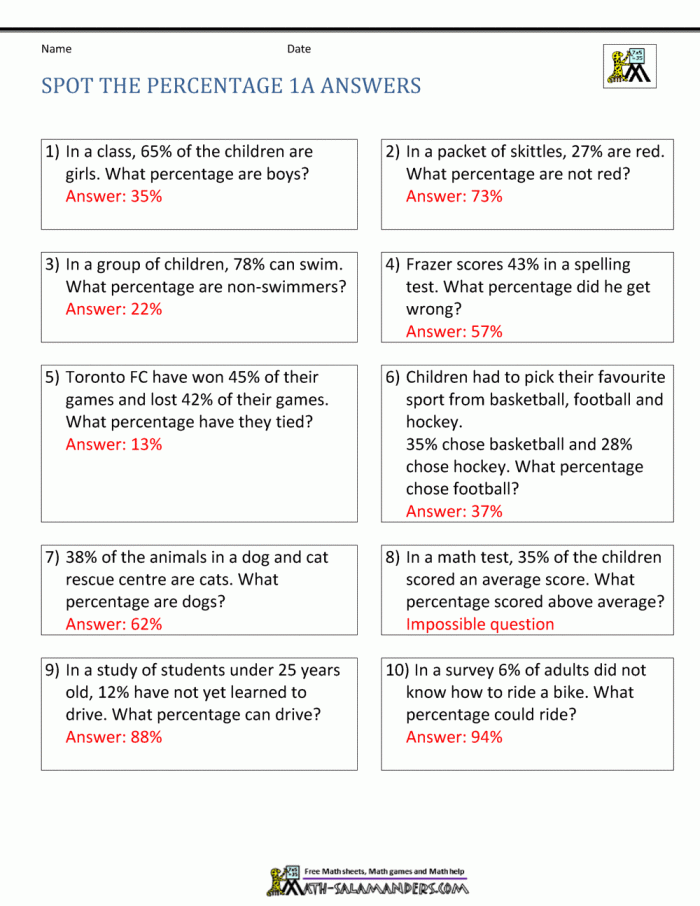
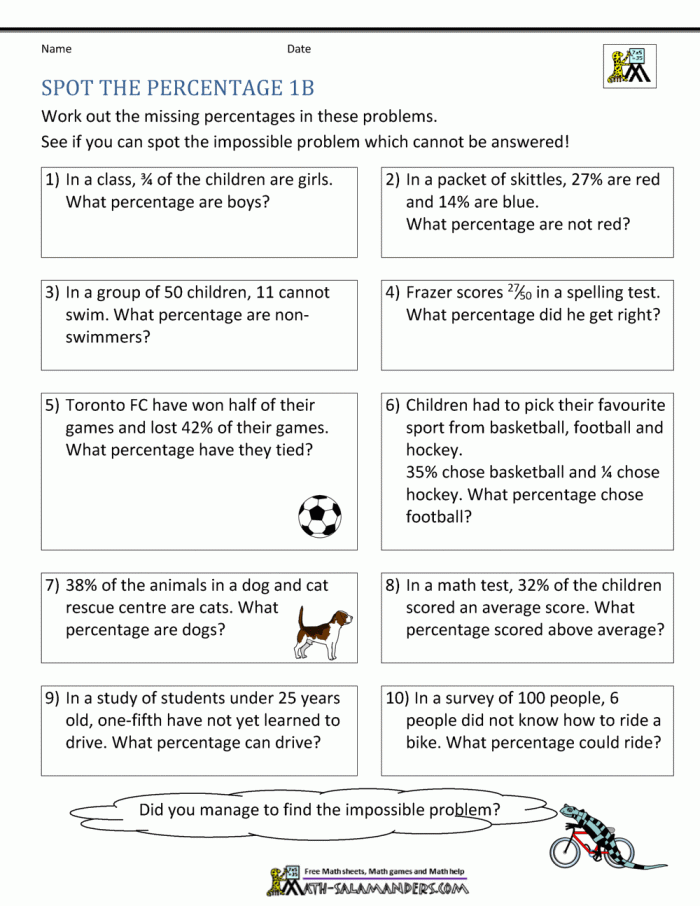
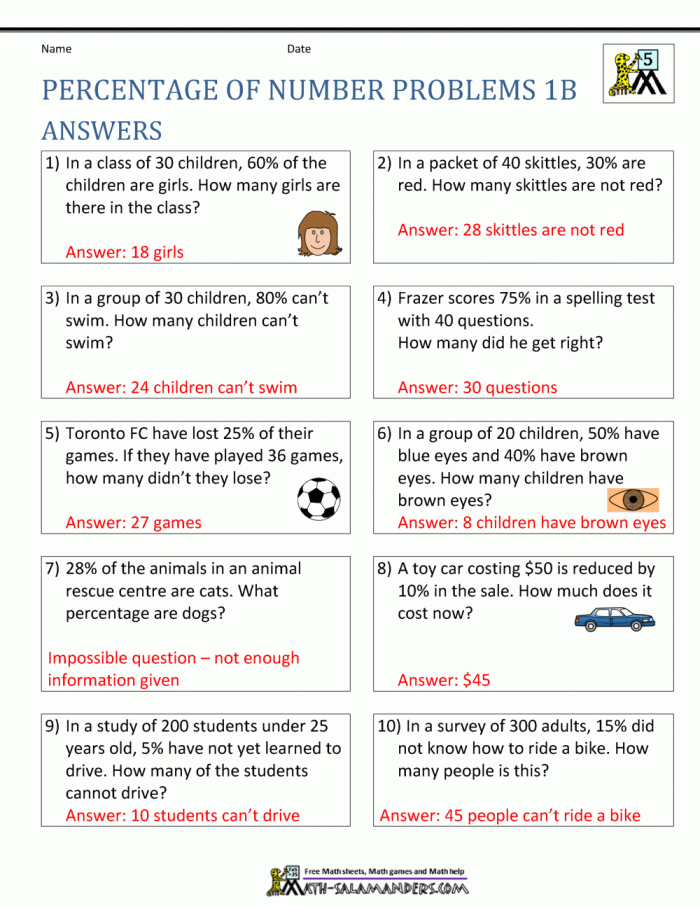
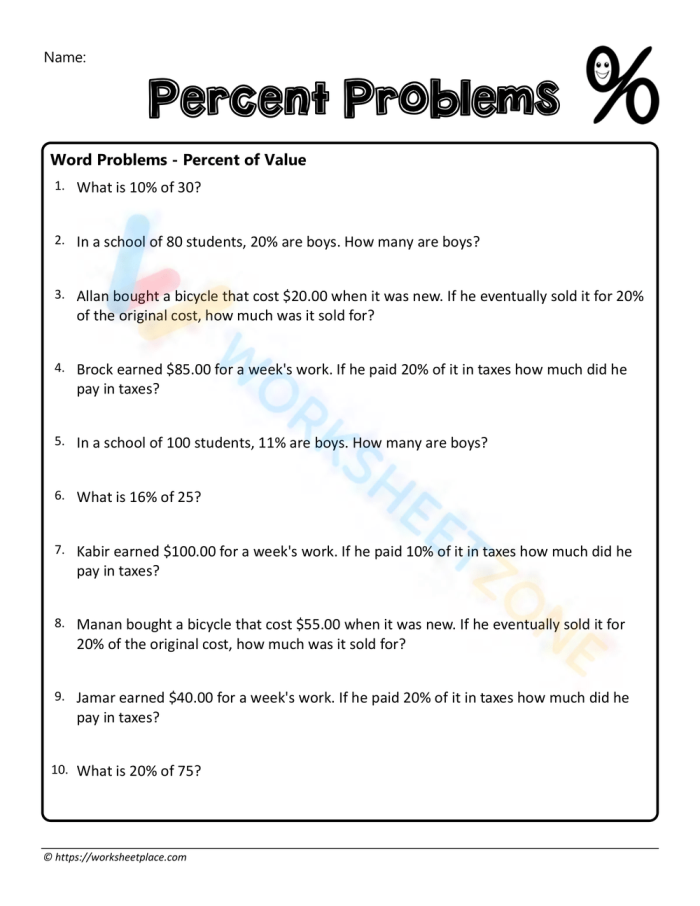
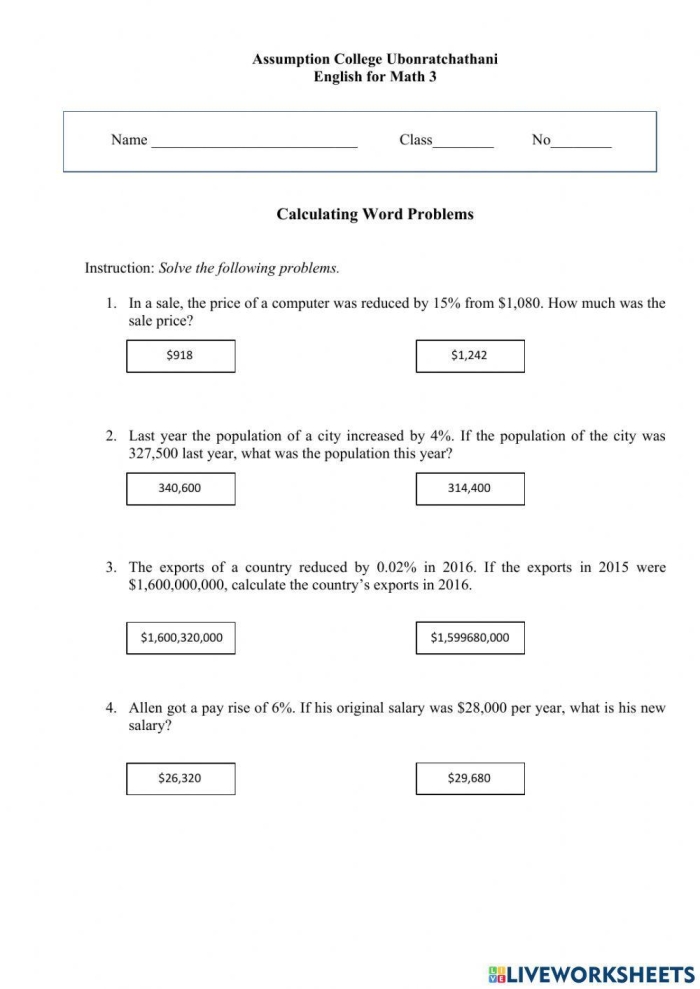
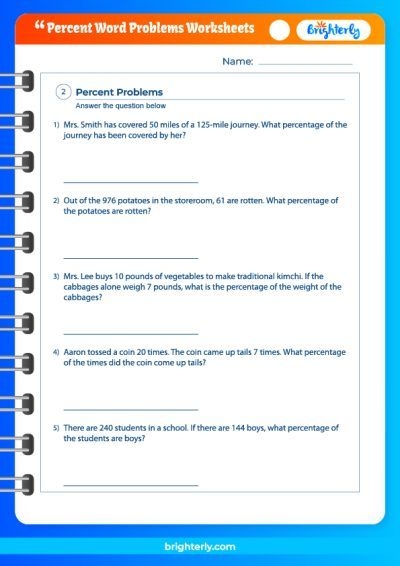
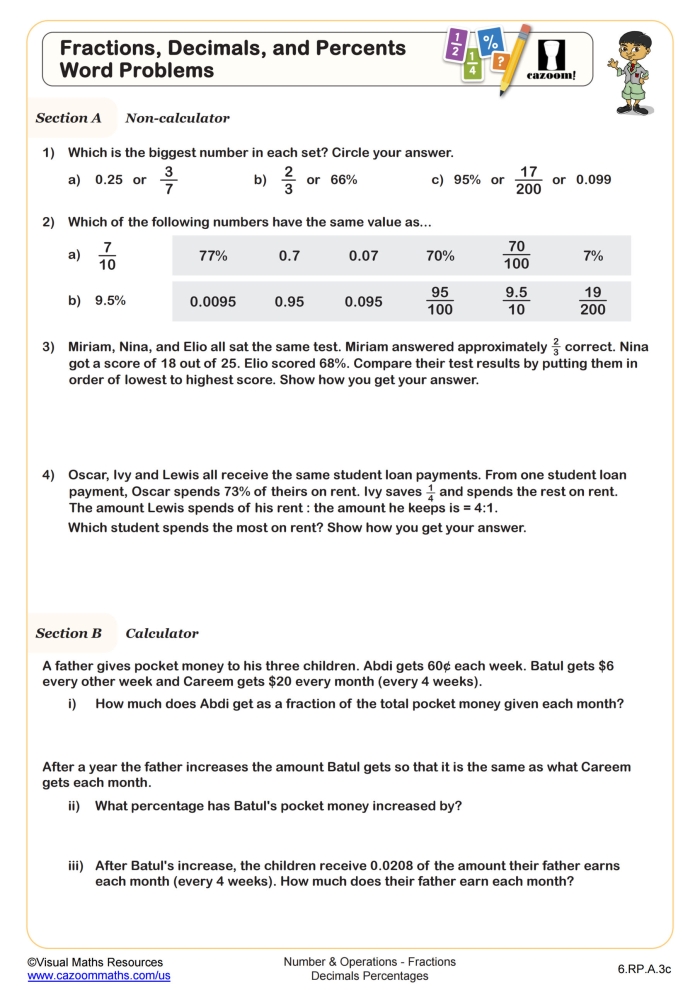
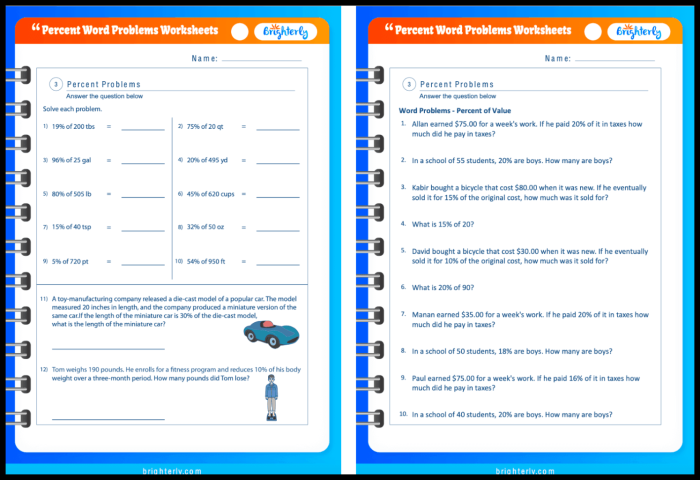
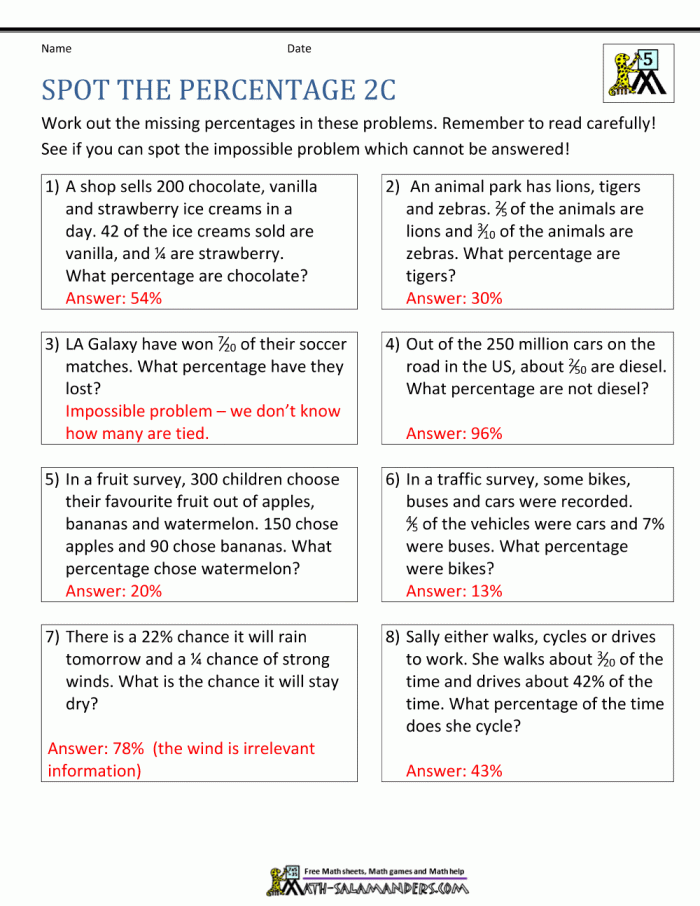
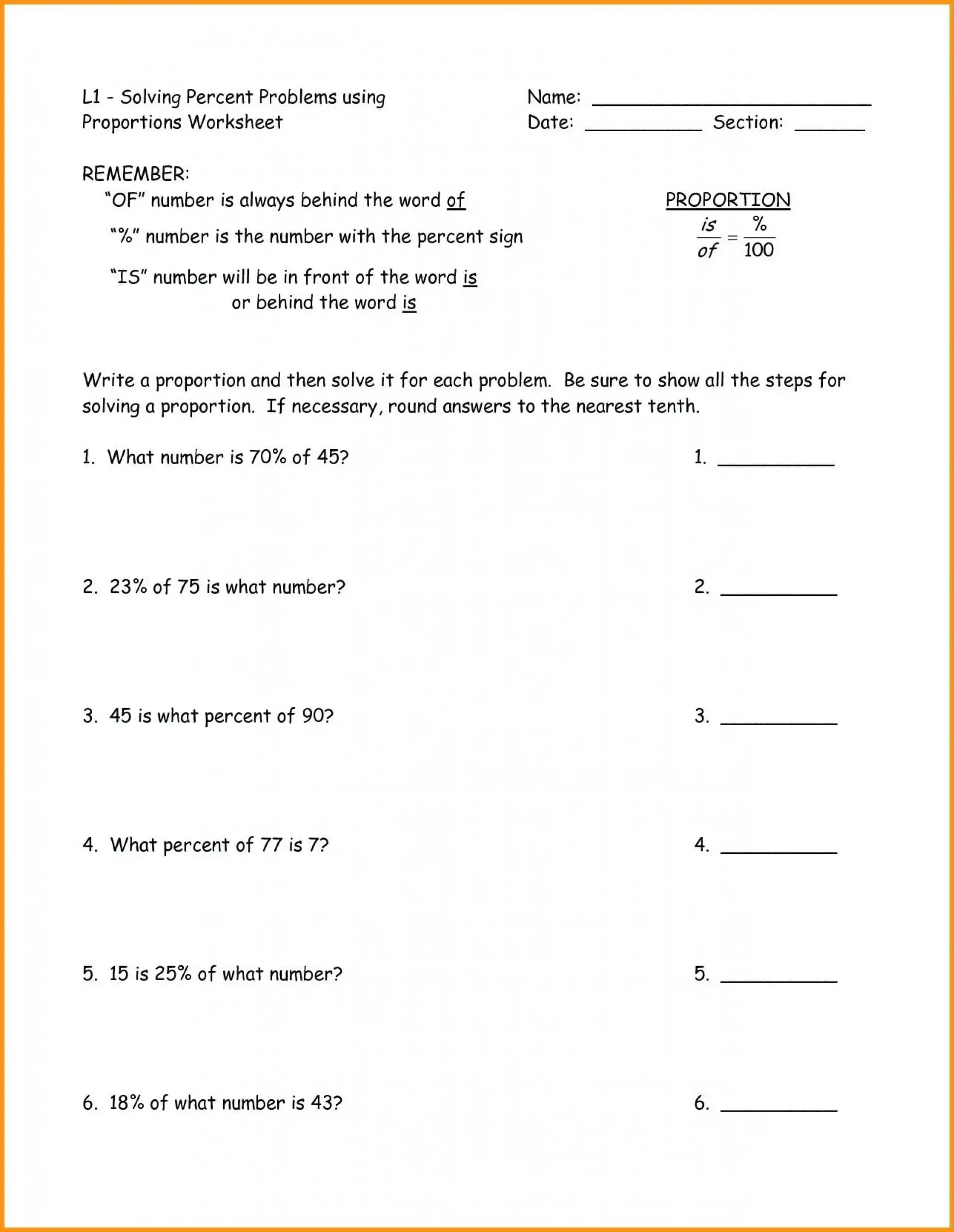
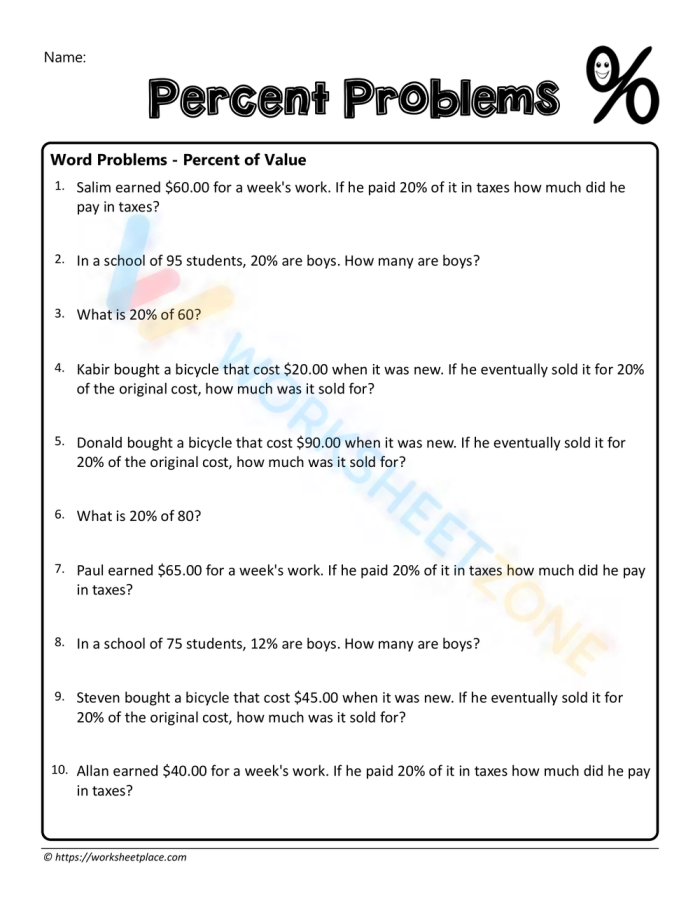
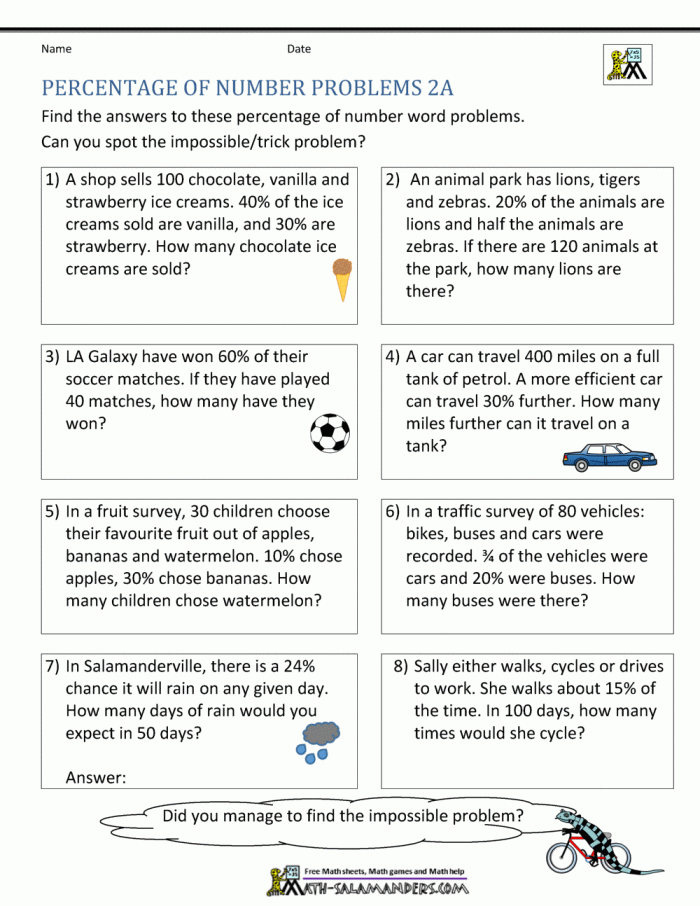
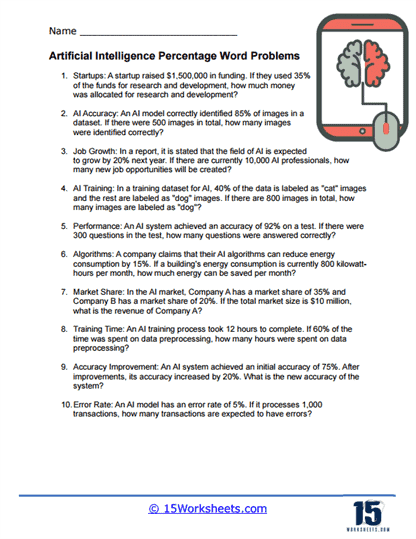
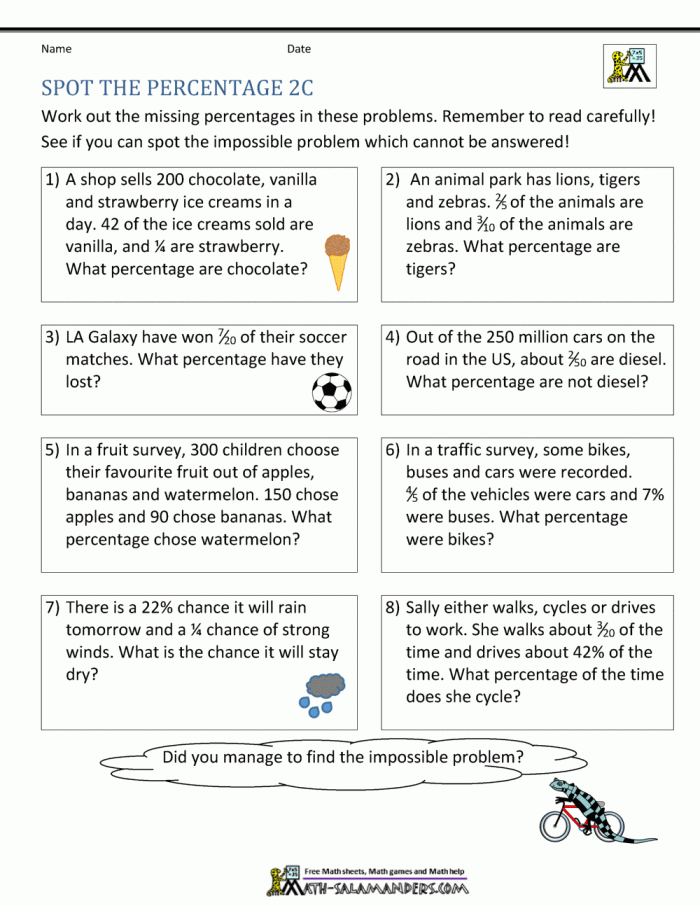
Using printable worksheets can further enhance this learning experience. These resources often present a variety of word problems that challenge fifth graders in writing and math simultaneously. When children solve these problems, they not only practice their arithmetic but also improve their reading comprehension and critical thinking skills.
Let’s look at another example. If a family decides to spend 10% of their monthly budget on groceries, how much do they spend if their budget is $600? This question illustrates budgeting and financial planning, key concepts that will serve them well in adulthood. By incorporating these real-world applications into their studies, you can help your child see the relevance of math in daily life.
Engaging your child with percentage word problems prepares them for more complex financial decisions in the future. By practicing these concepts now, they develop a strong foundation in consumer math that will be invaluable as they grow. Additionally, activities that blend writing with mathematics, like creating their own word problems, can spark creativity and deepen understanding.
Worksheet Practice Section