Understanding the parts of speech is essential for any fourth grader developing their writing skills. A solid grasp of common and proper nouns can significantly enhance sentence structure and clarity. These basic components of language not only form the building blocks of sentences but also help students express their thoughts more effectively.
Common nouns refer to general items or concepts, like “dog,” “city,” or “school.” In contrast, proper nouns name specific entities, such as “Fido,” “New York,” or “Lincoln Elementary.” Recognizing the difference between these two types of nouns is crucial for young writers, as it impacts how they convey meaning. For instance, saying “I visited the city” is vague, while “I visited New York” provides precise information. This distinction is particularly important in fourth grade, where students start to refine their writing style and develop their voice.
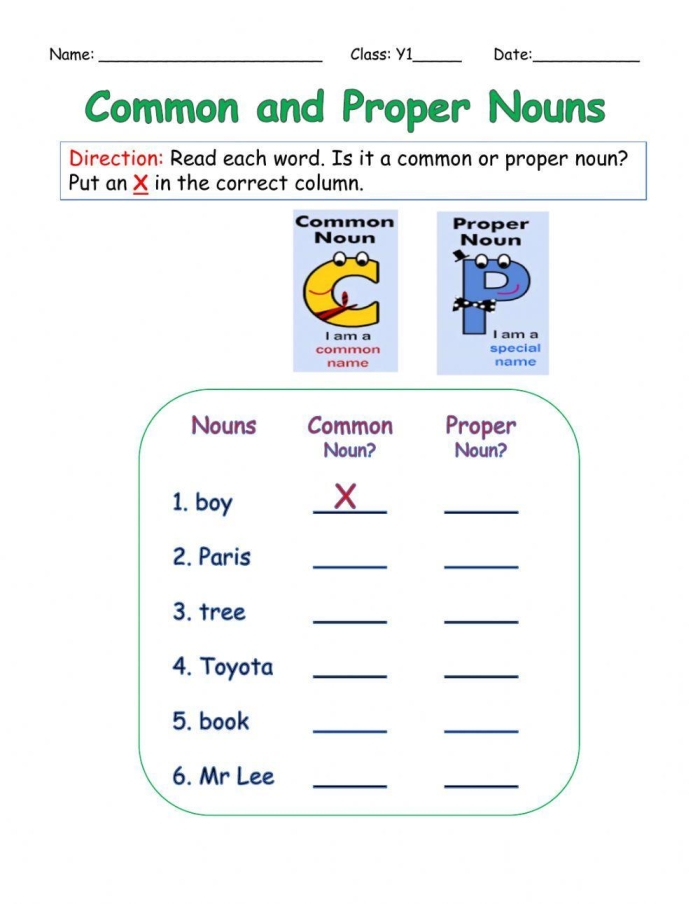
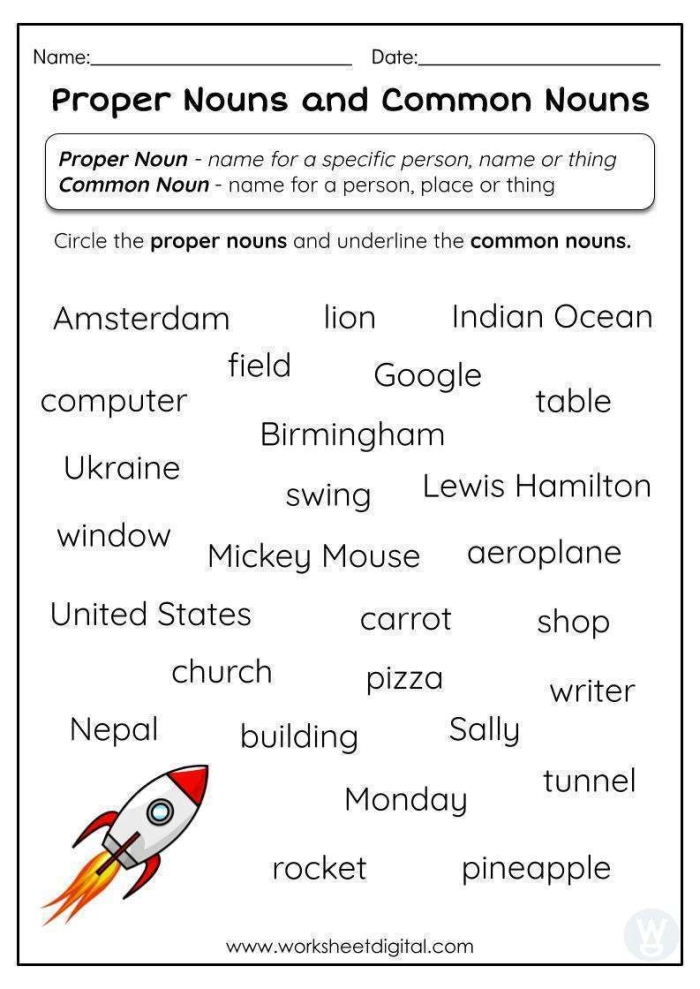
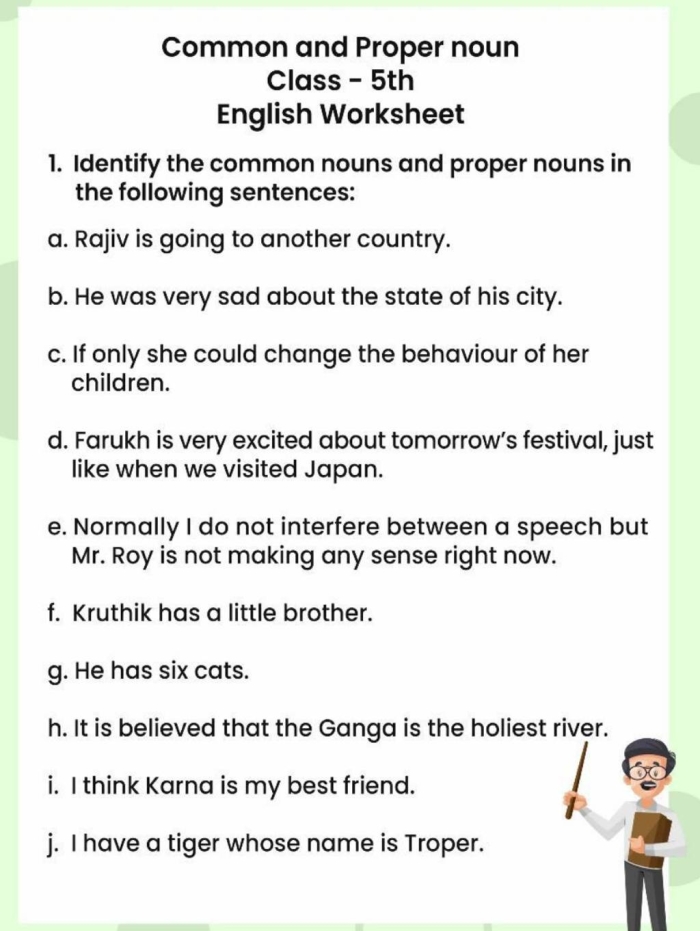
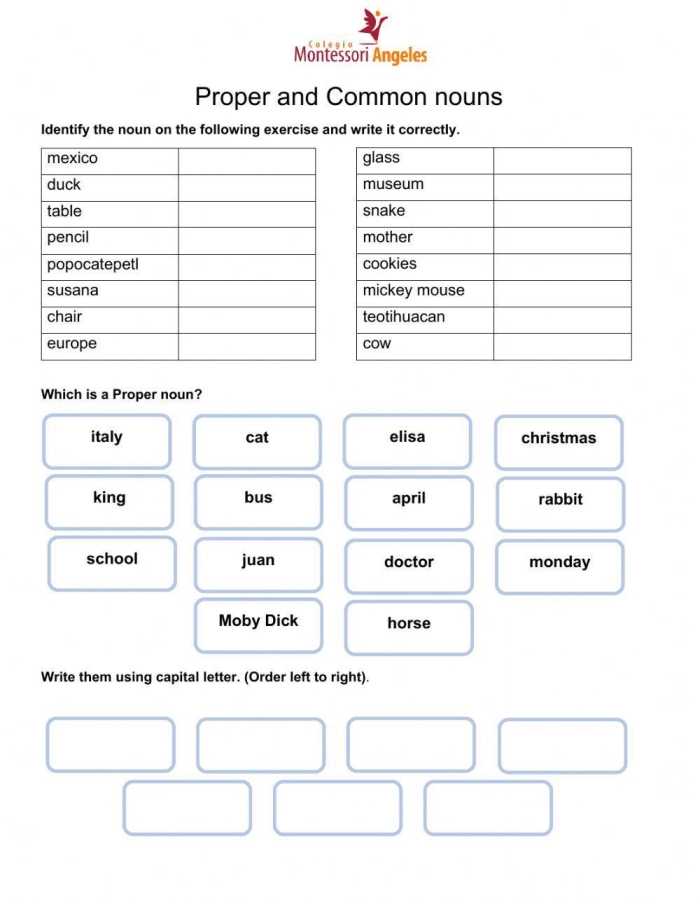
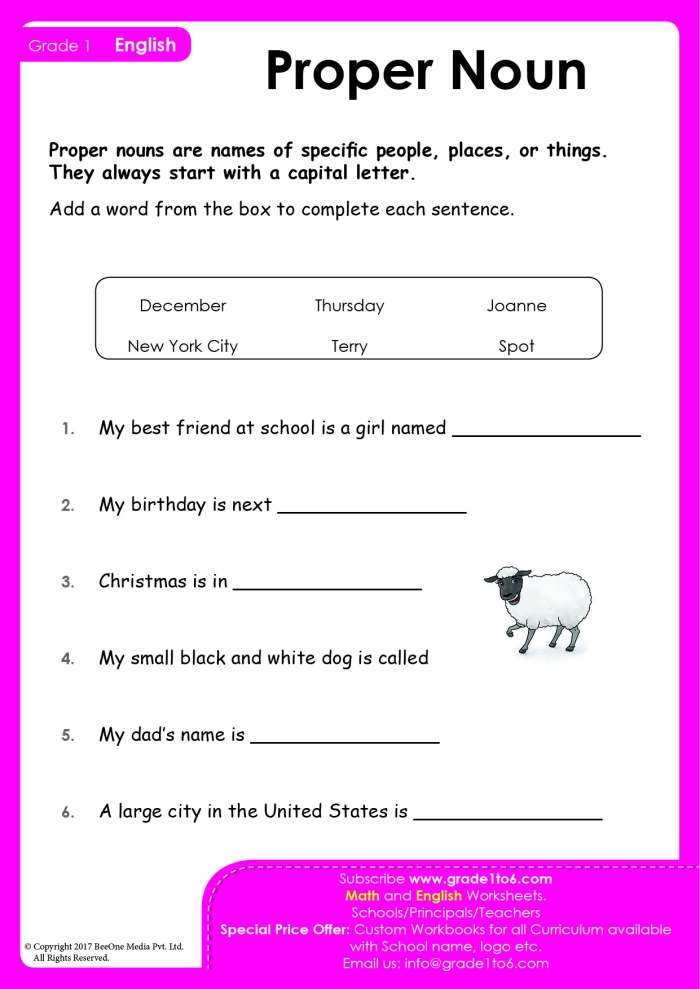
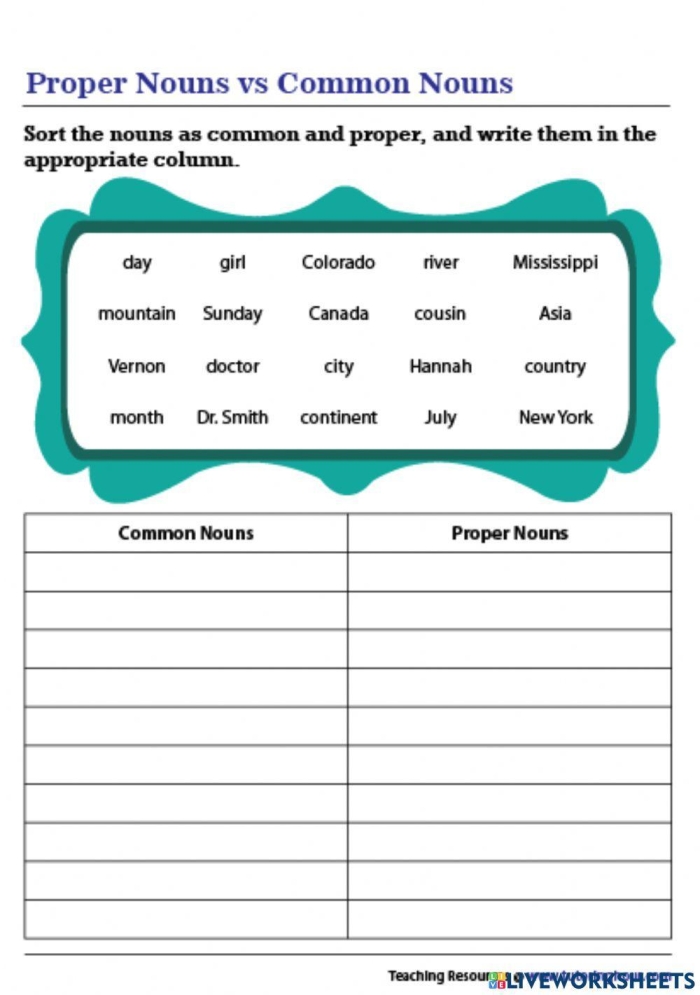
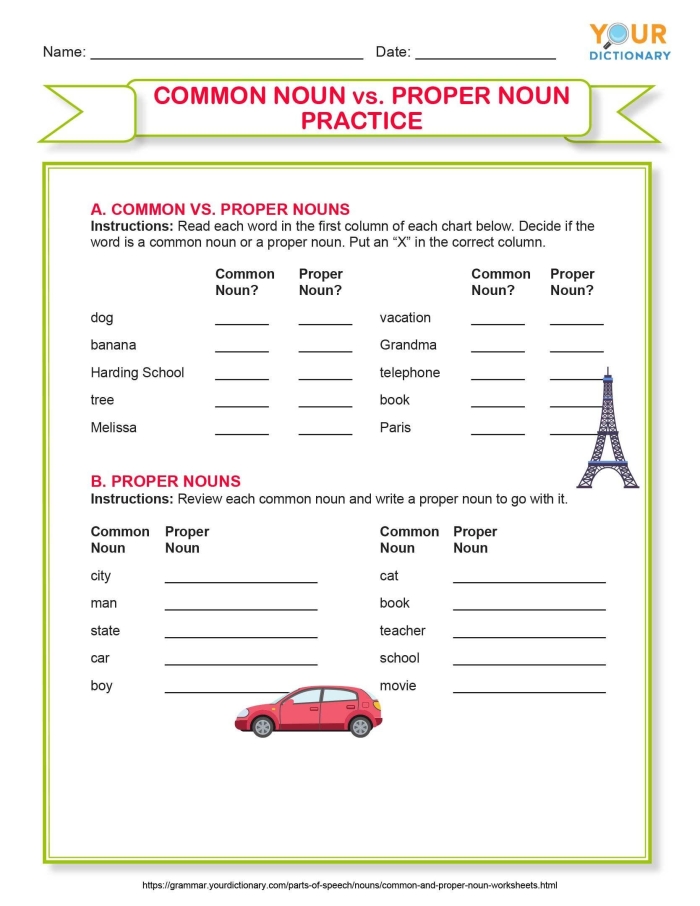
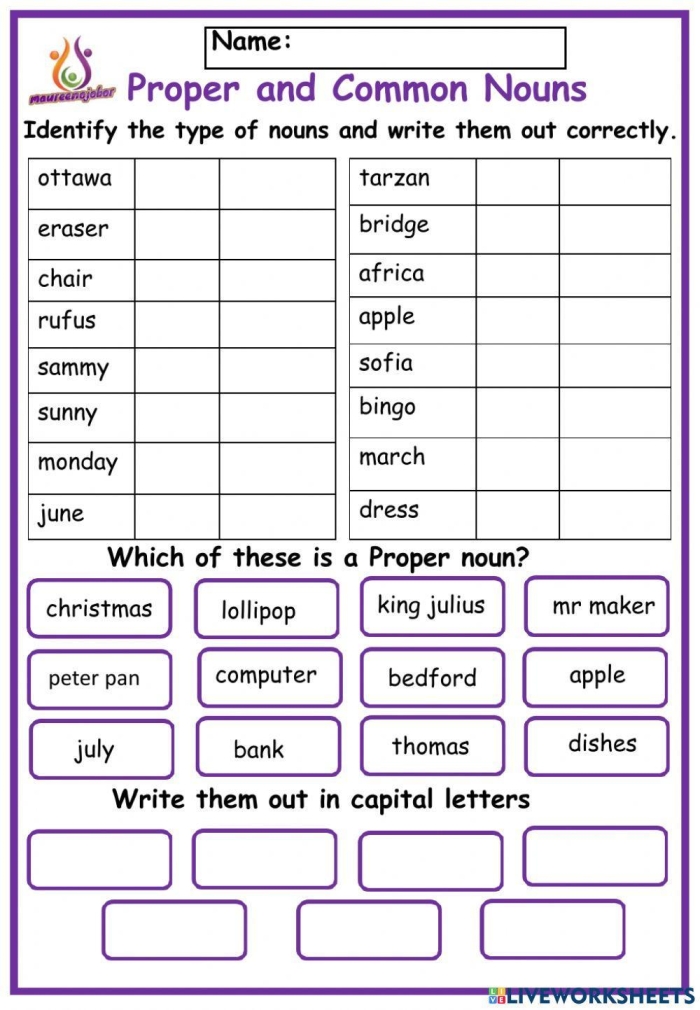
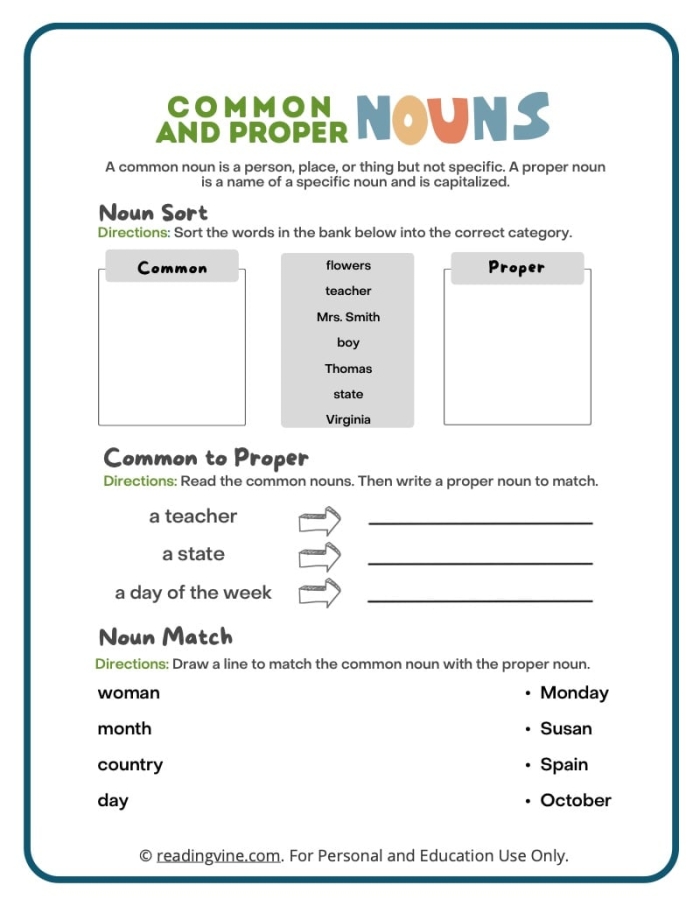
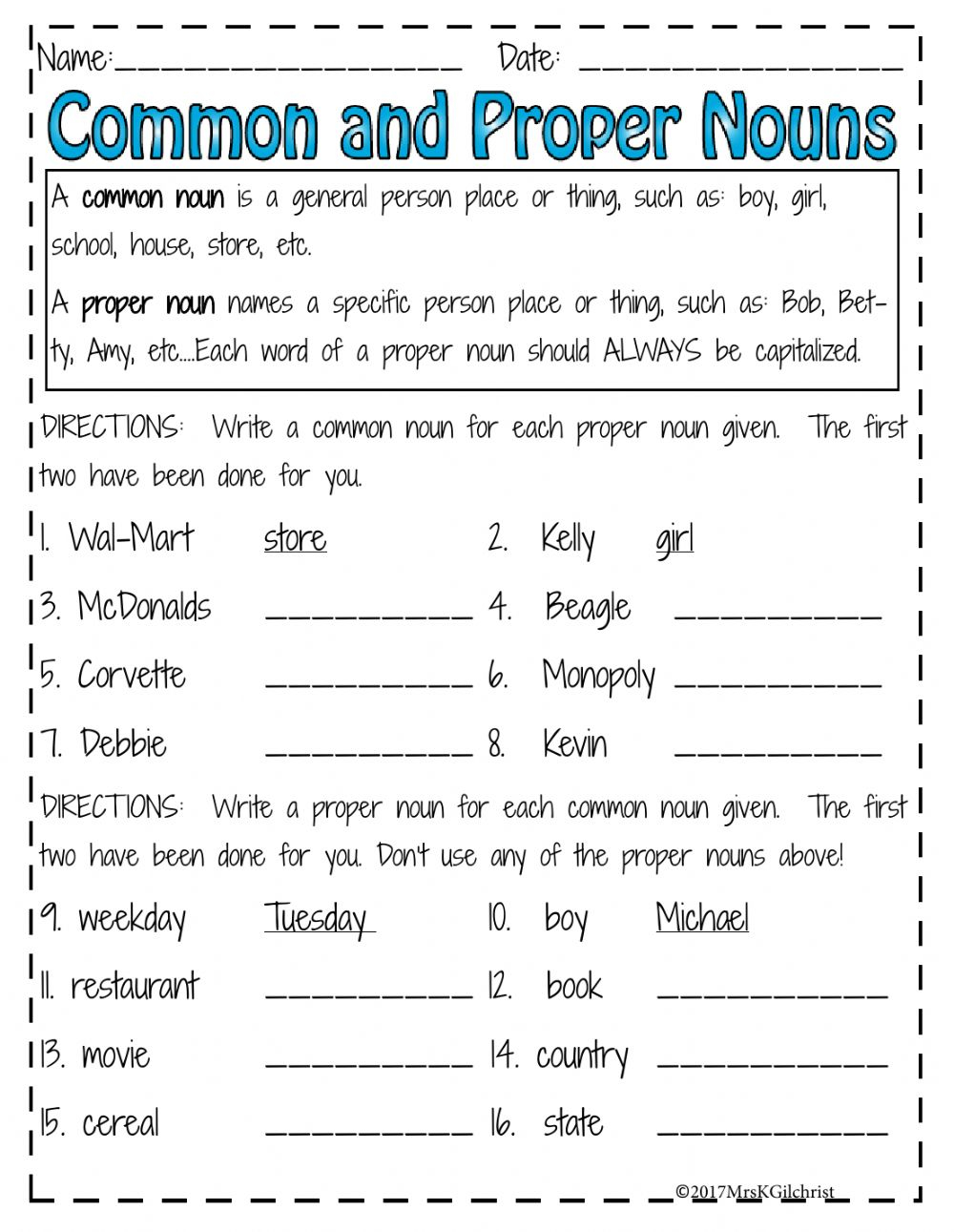
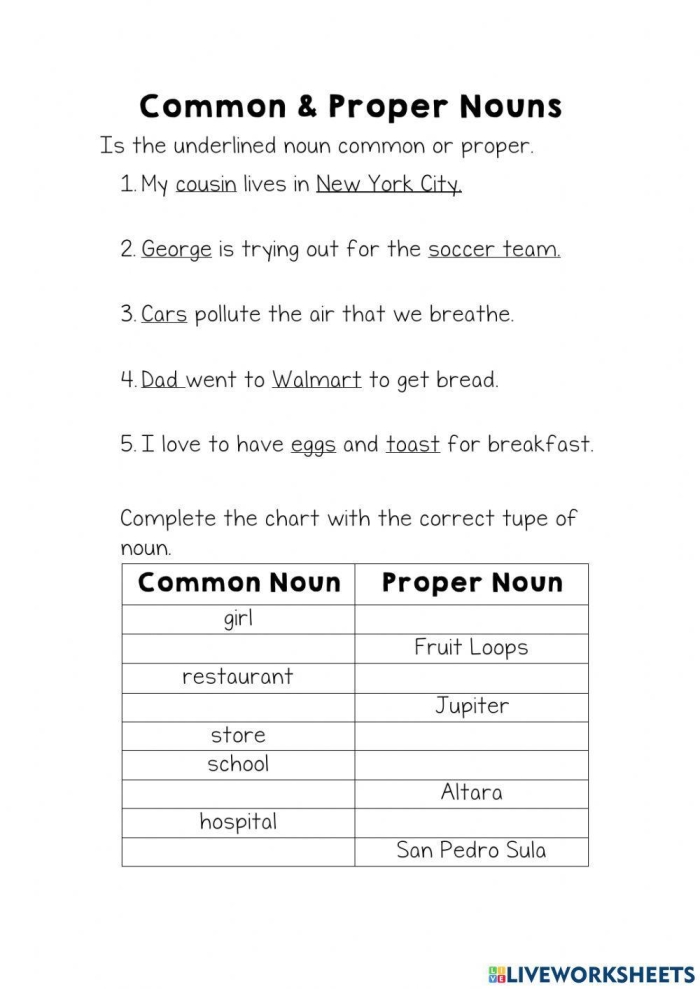
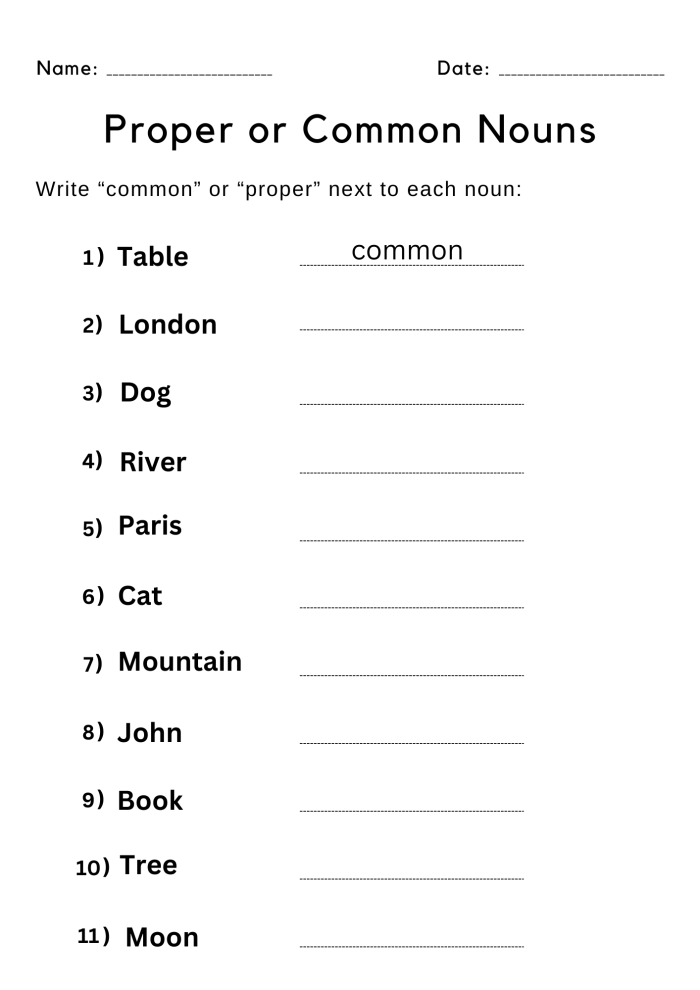
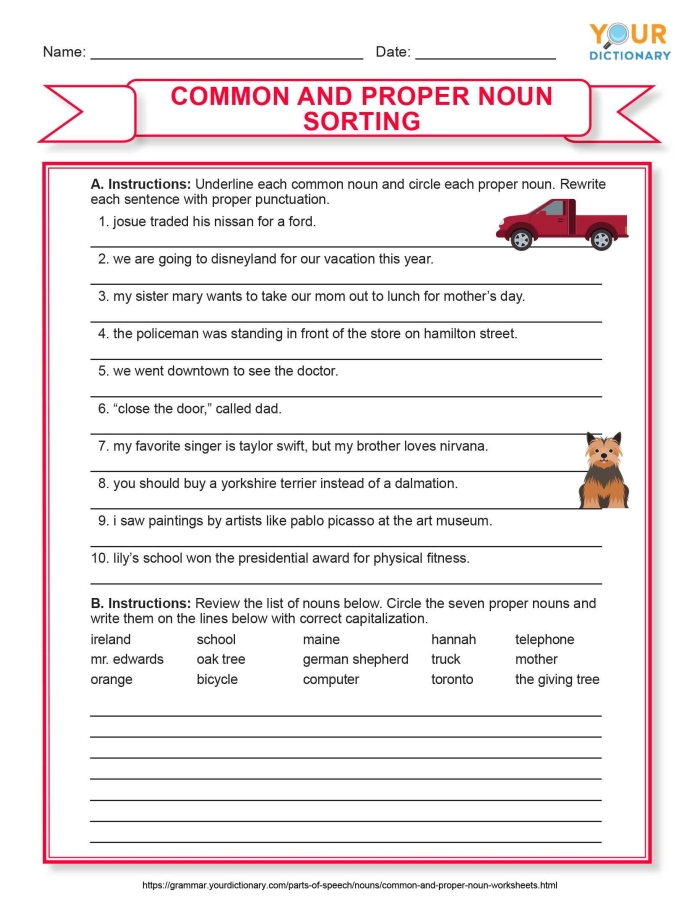
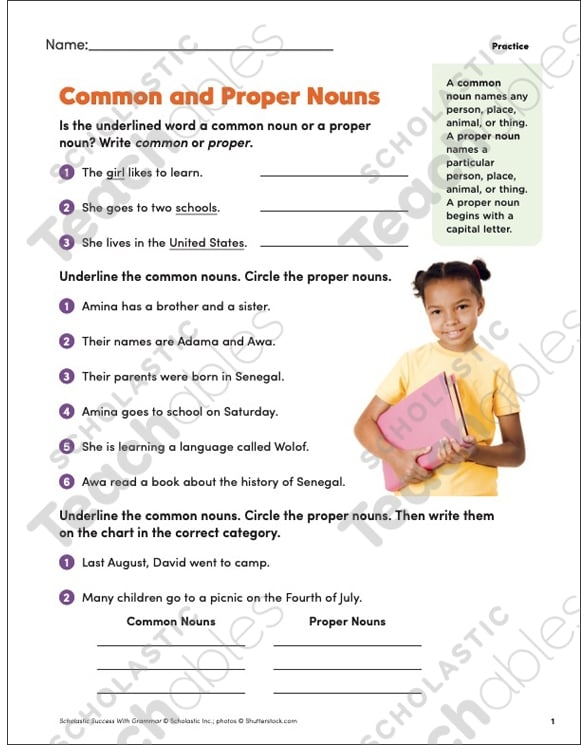
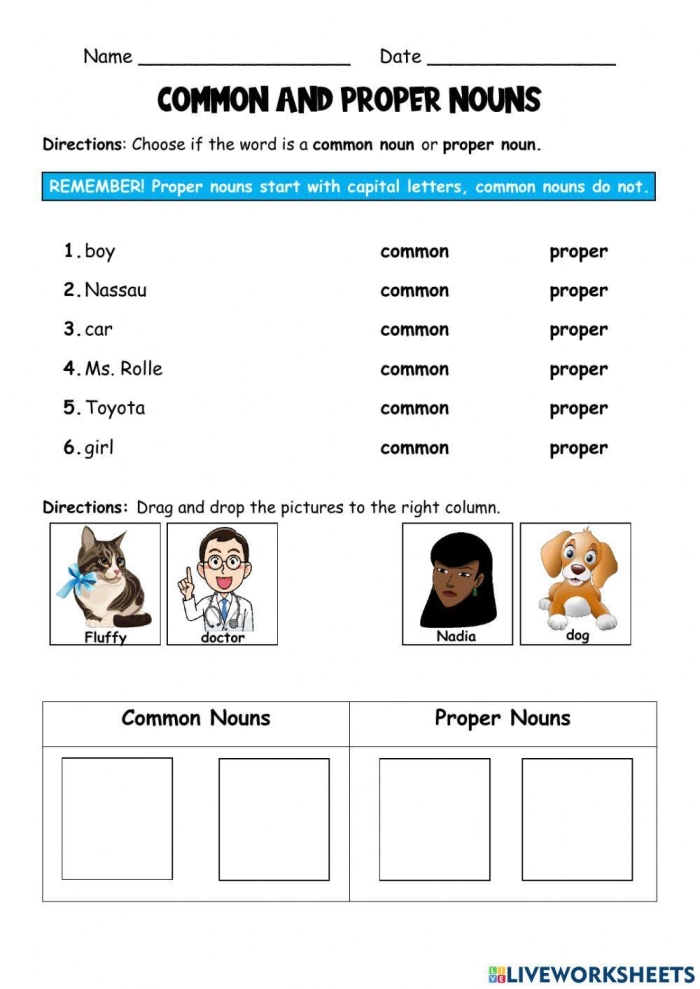
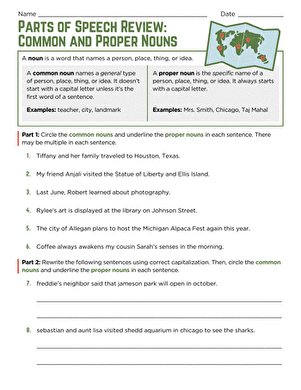
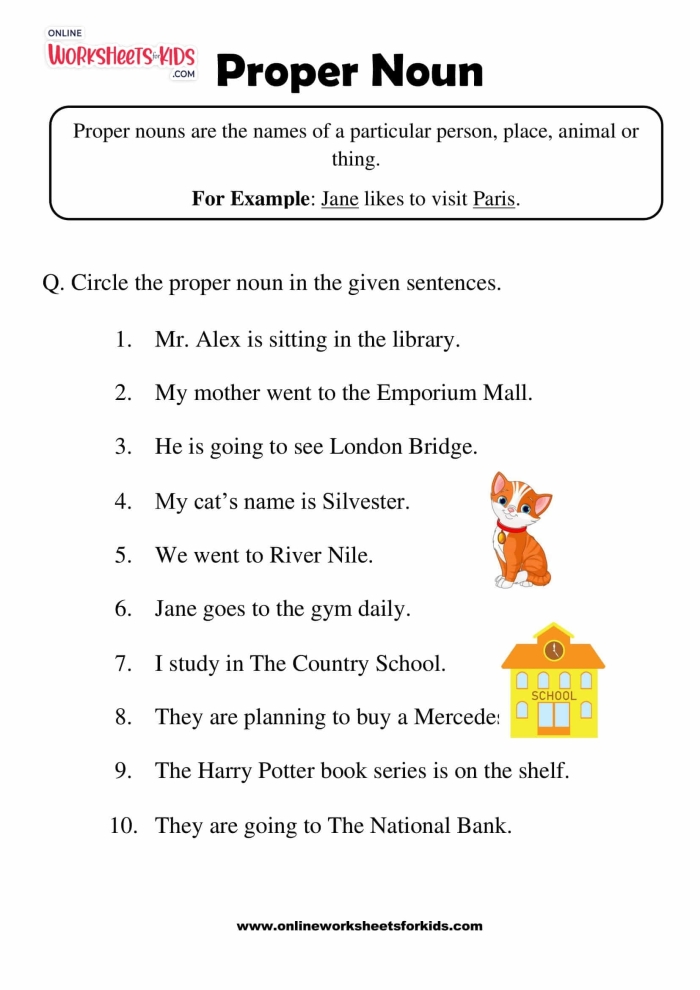
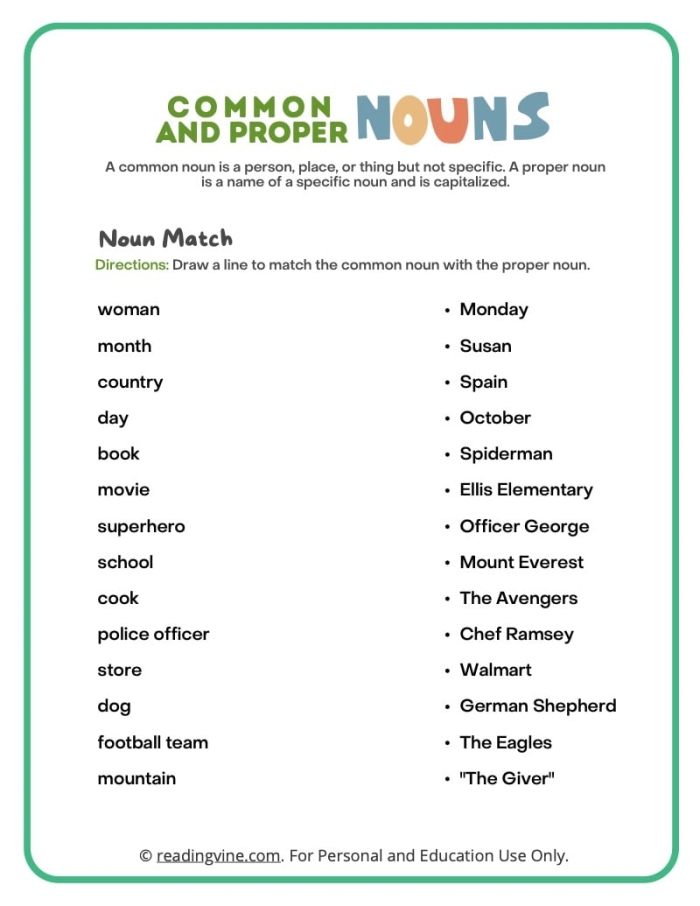
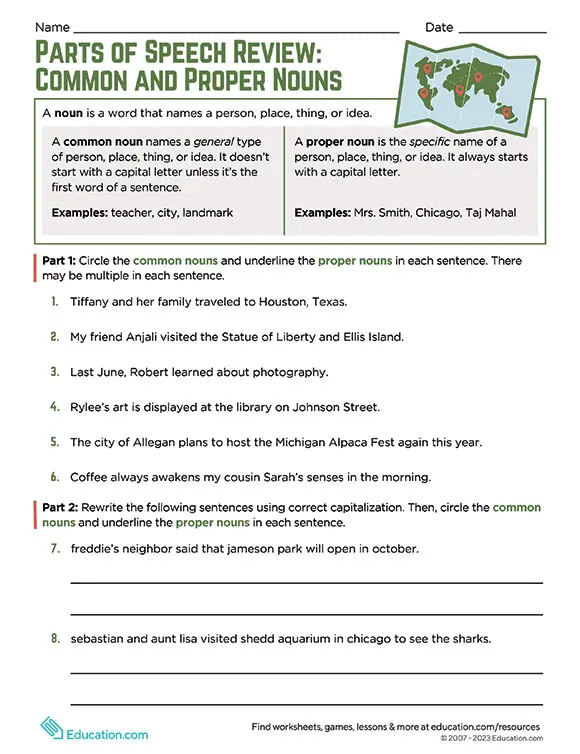
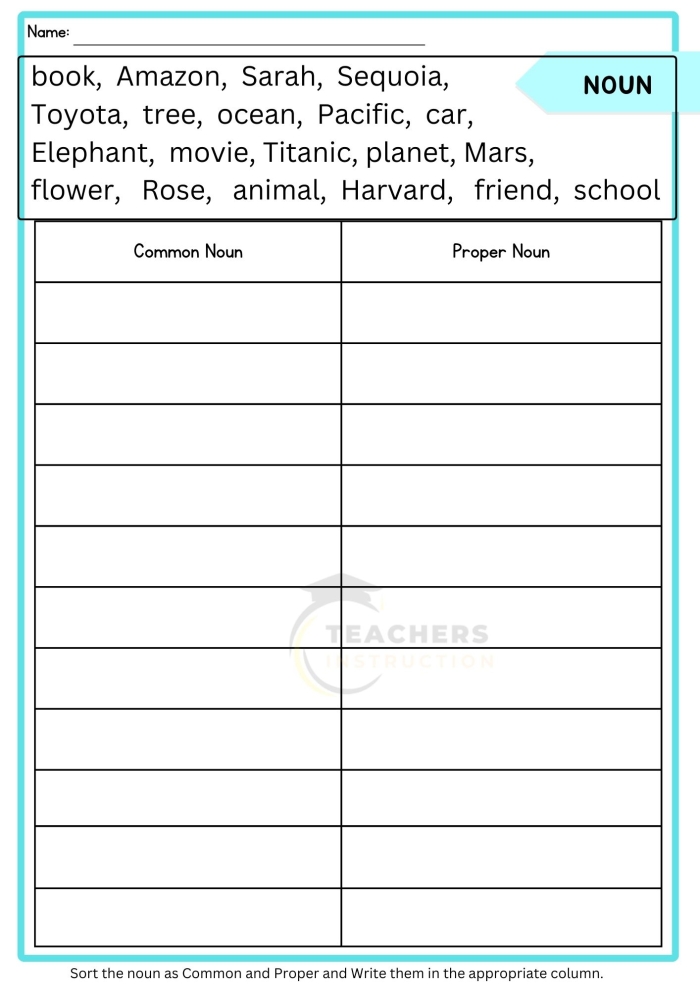
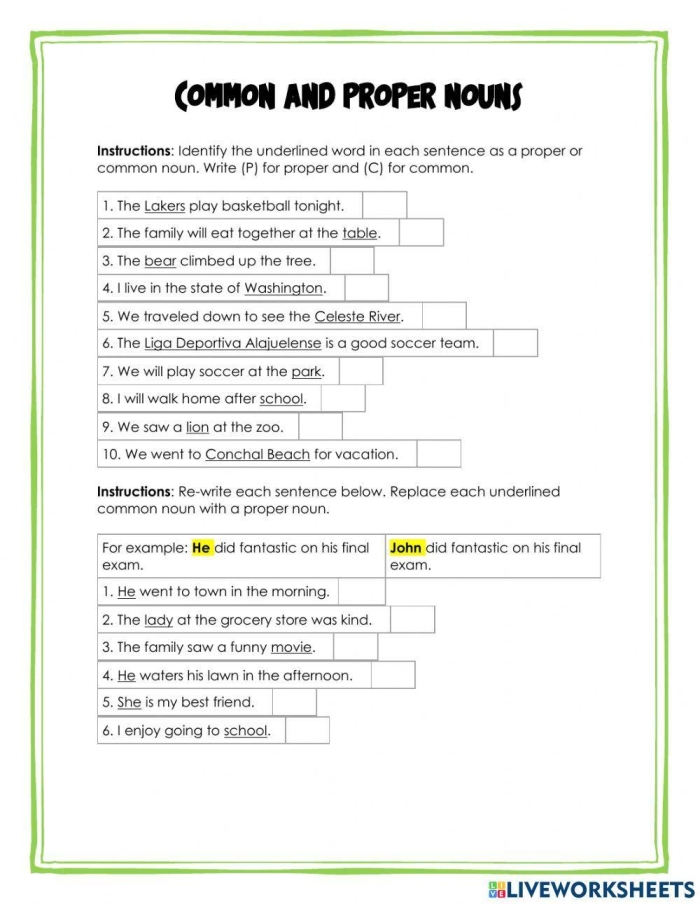
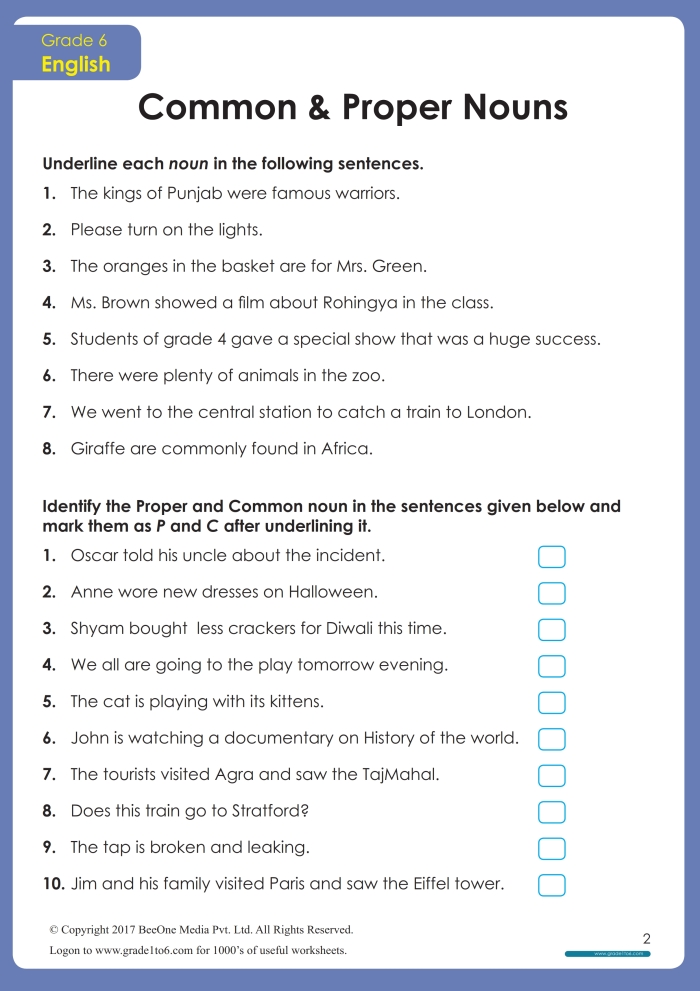
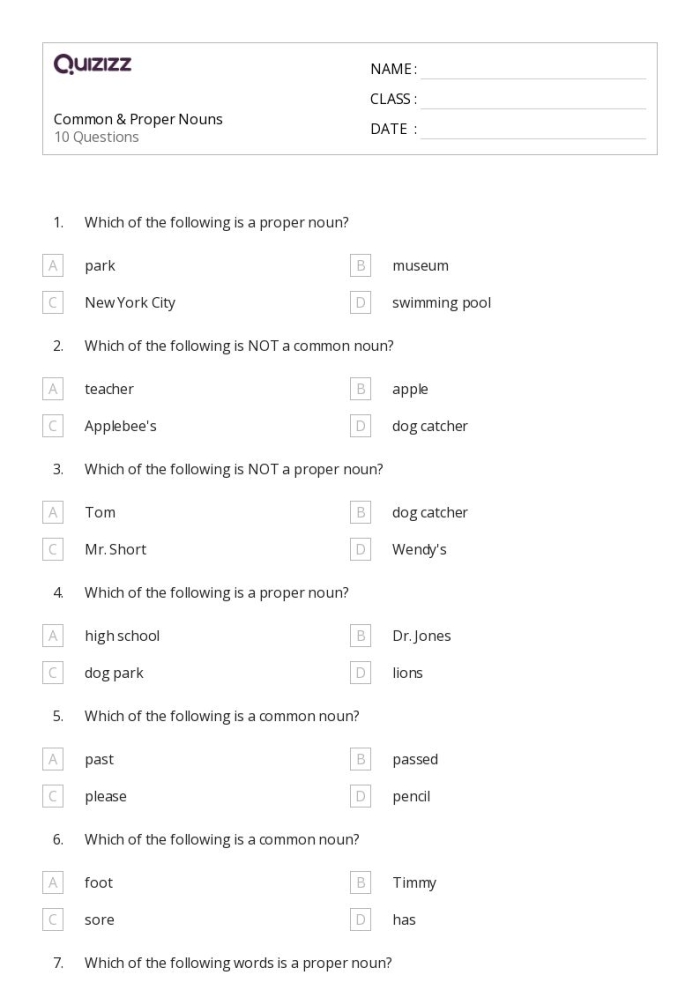
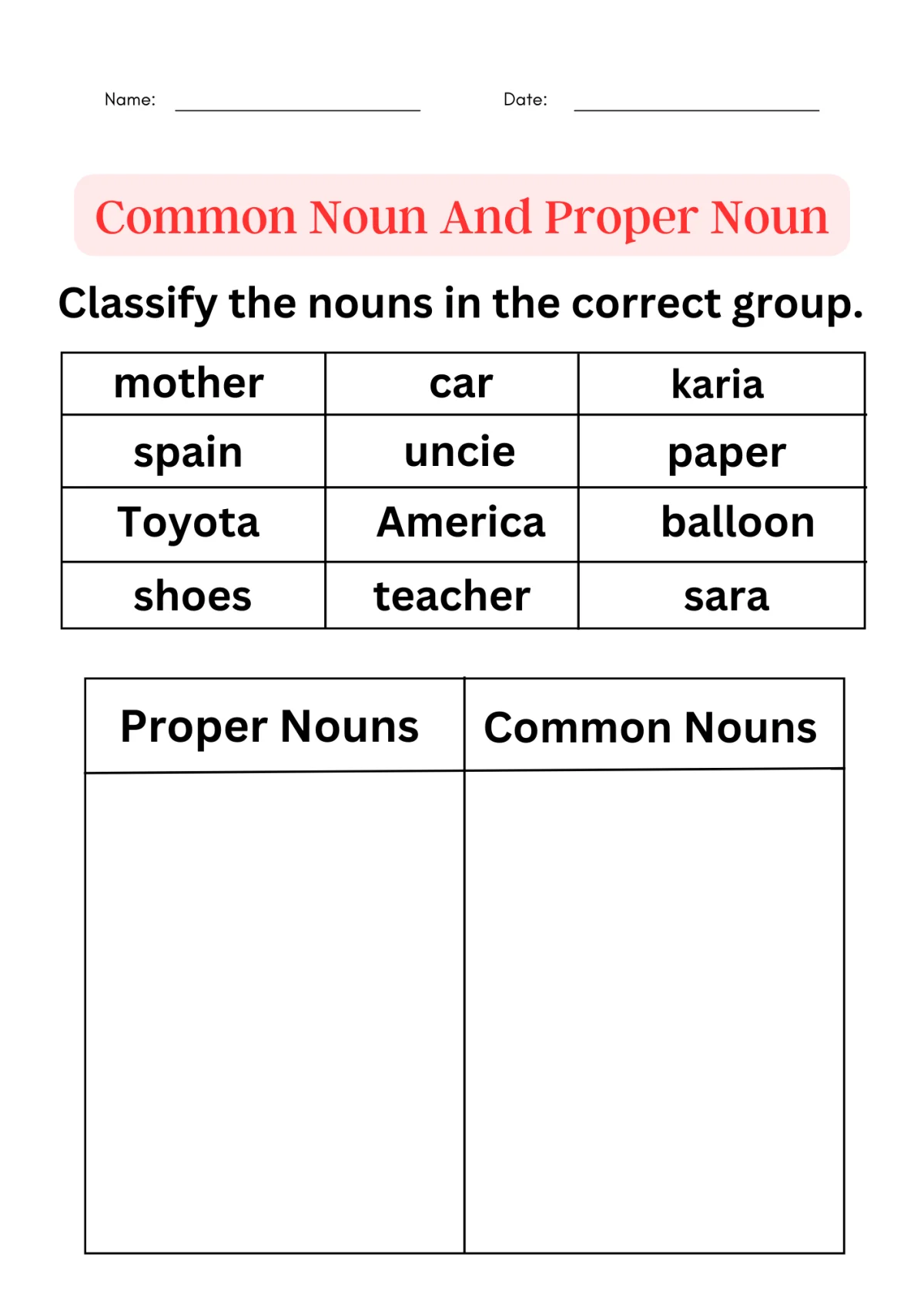
A practical tool for reinforcing these concepts is a parts of speech review worksheet. Such worksheets often include exercises that prompt students to identify and categorize nouns within sentences. This hands-on approach not only solidifies their understanding but also makes learning fun. By engaging with activities that challenge them to differentiate between common and proper nouns, students can improve their writing and comprehension skills.
For those looking for specific resources, the Printable Parts of Speech Review: Common and Proper Nouns Worksheets offer excellent practice opportunities. These worksheets are designed to cater to the needs of fourth-grade students, ensuring that they gain confidence in their writing abilities.
Integrating these worksheets into regular writing practice can yield significant benefits. Students will not only learn the differences between common and proper nouns but also begin to apply this knowledge in their own writing. As they progress, they will be better equipped to tackle more complex writing tasks, like creating persuasive pieces or crafting detailed narratives.
Worksheet Practice Section