Learning about the different parts of an apple can be a delightful experience, especially when shared with a child. This simple fruit offers a wonderful opportunity to explore life science in a fun and engaging way. Gather your little one and sit down with a fresh apple, ready to embark on a tasty educational journey.
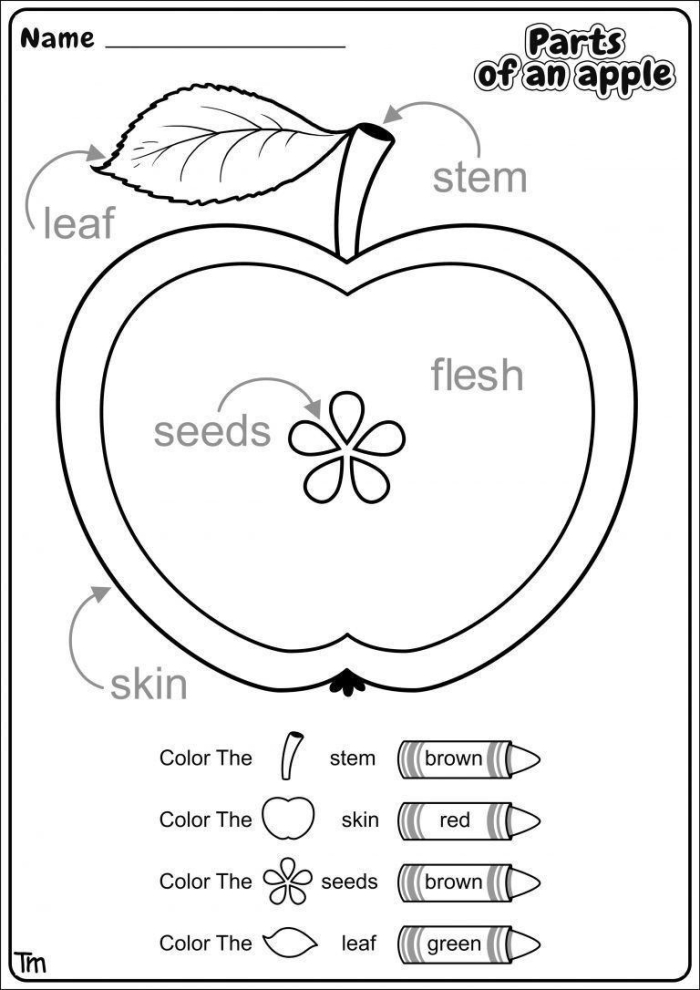
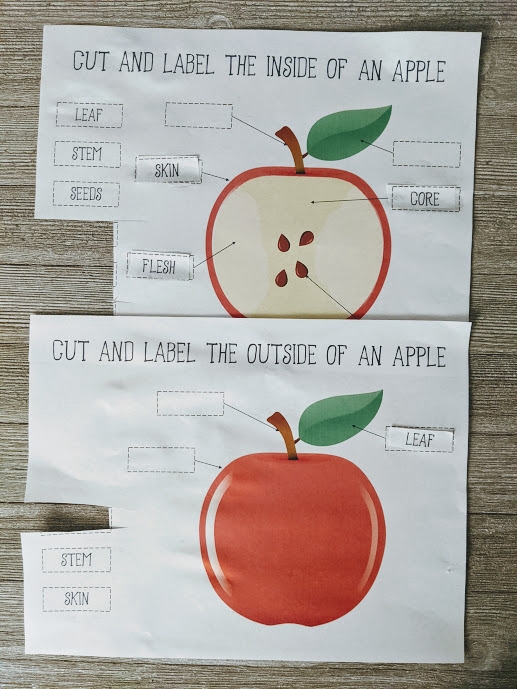
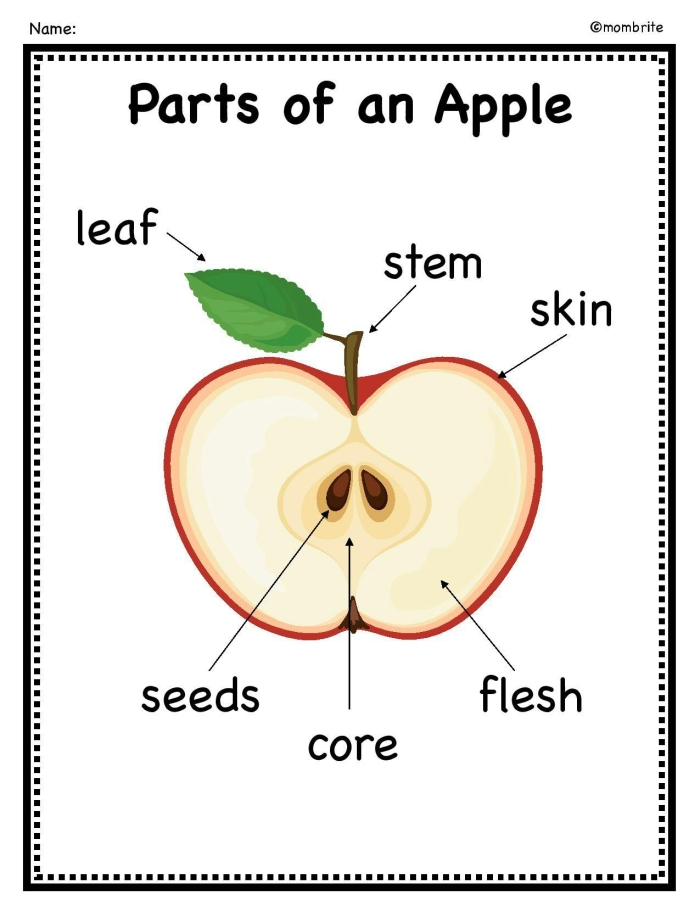
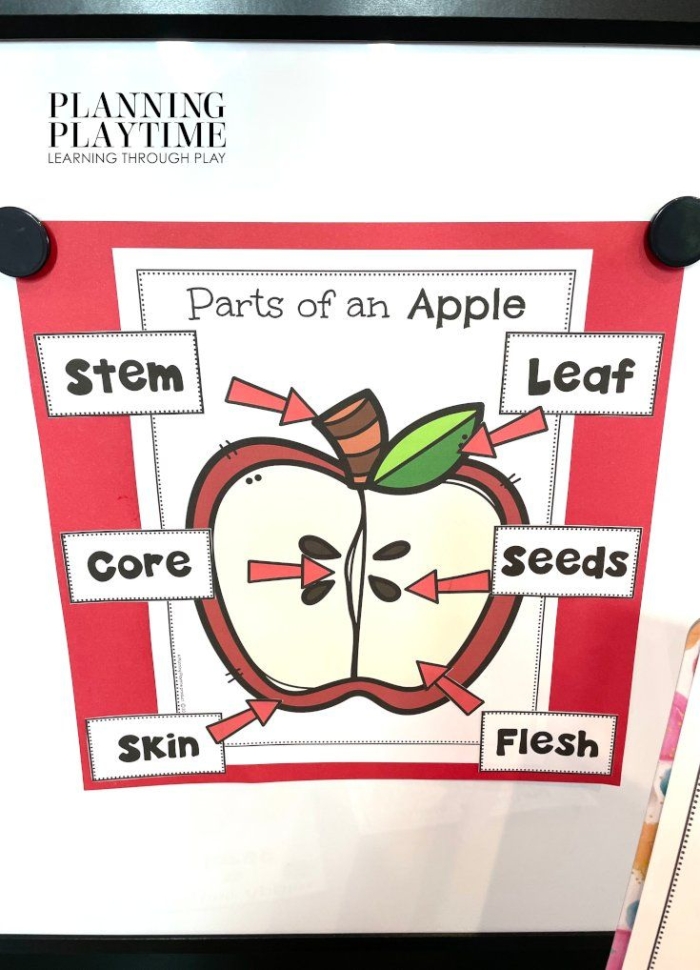
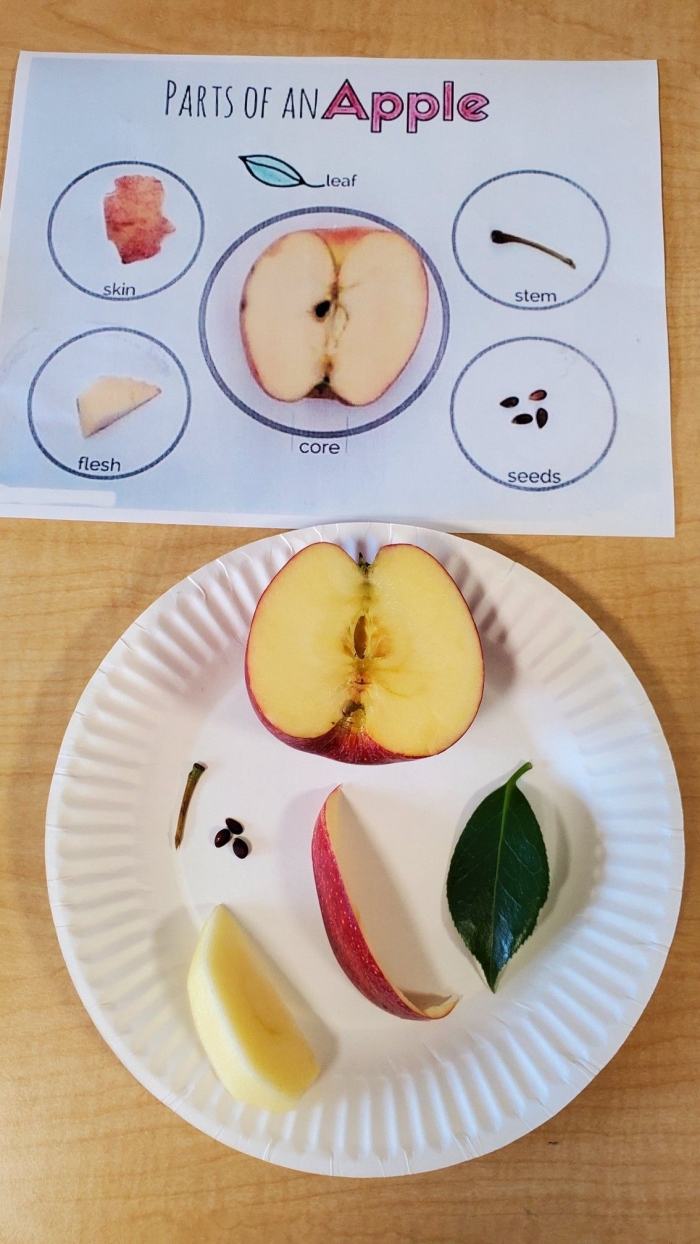
Start by examining the apple’s outer skin, known as the peel. This layer protects the fruit and retains moisture, keeping it fresh. Ask your child what color the apple is and if they know that different types of apples can be red, green, or yellow. This can lead to a discussion about the different varieties and where they grow, tying in elements of geography with the apple’s origins.
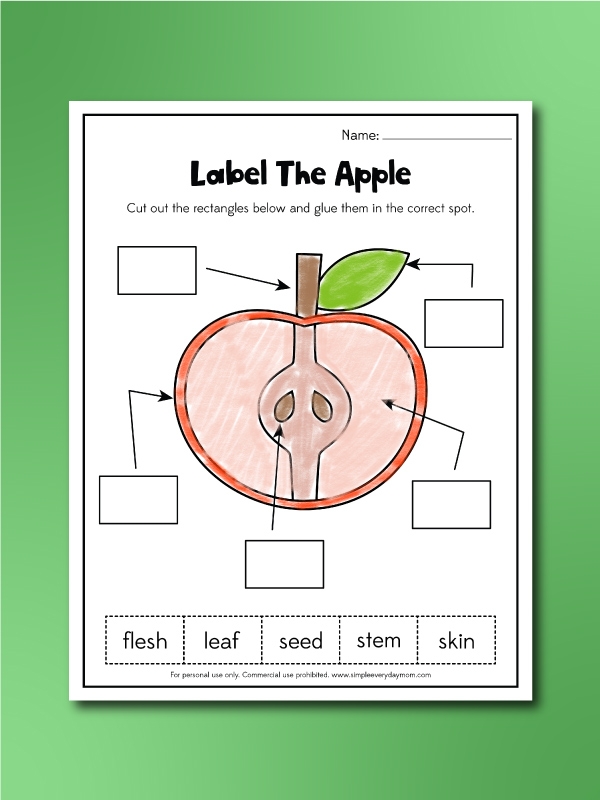
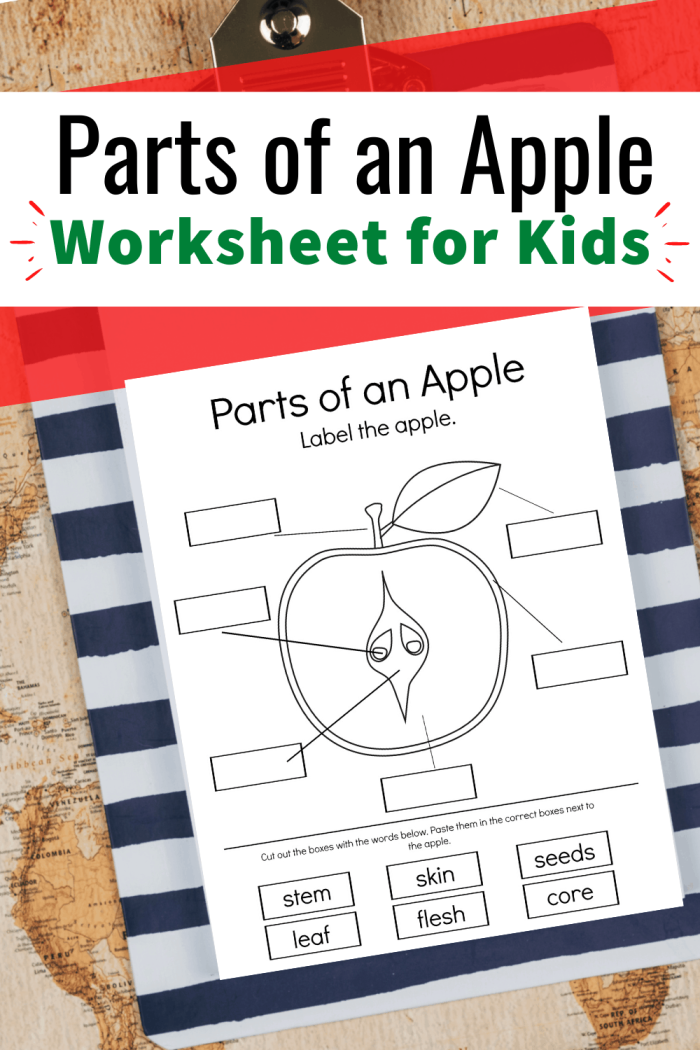
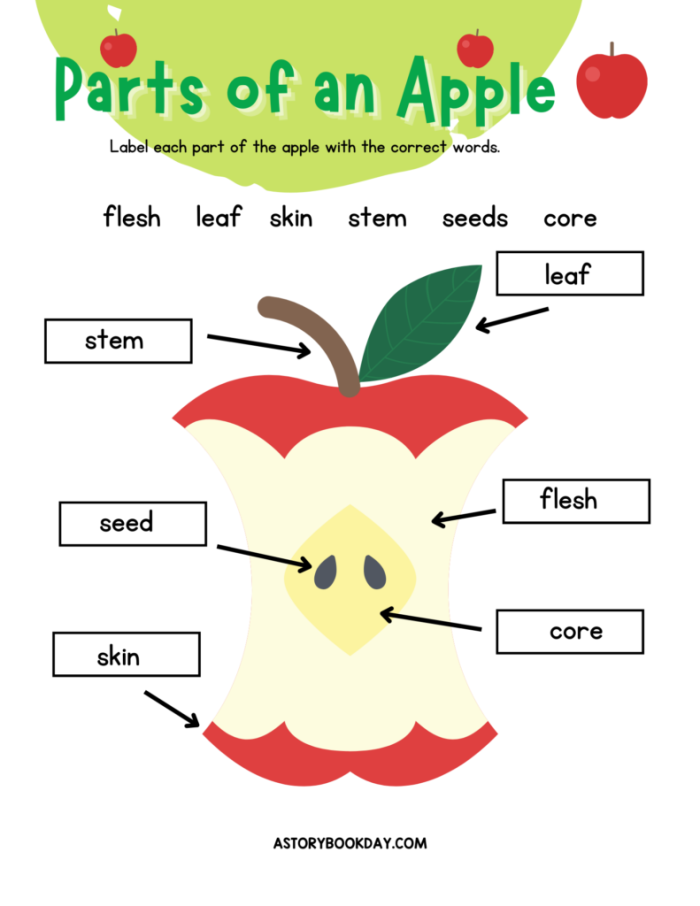
Next, slice the apple in half to reveal its interior. Here, you can explain the flesh, which is the edible part of the fruit. This is where the sweetness lies, and you can encourage your child to taste it. While enjoying the juicy flesh, you can teach them about the seeds found in the core. Explain that these seeds can grow into new apple trees if planted properly. This hands-on approach makes the lesson memorable, and they can visualize the life cycle of a plant.
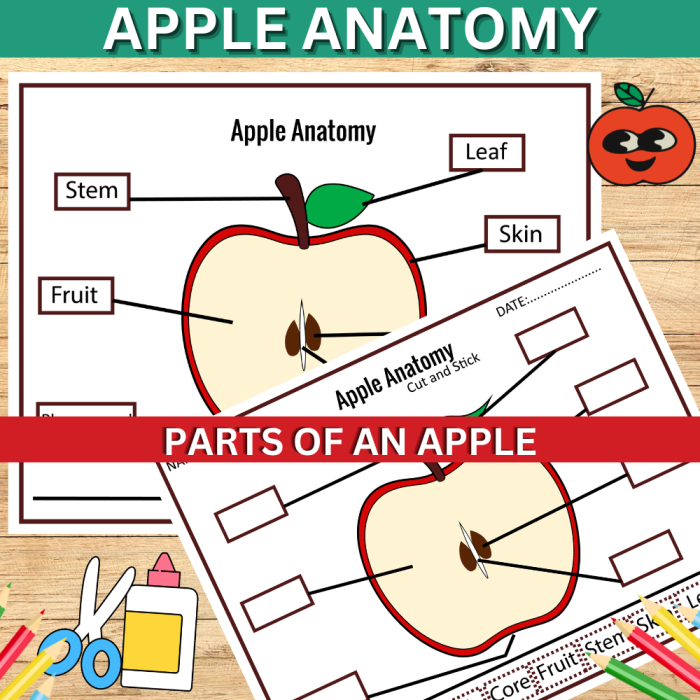
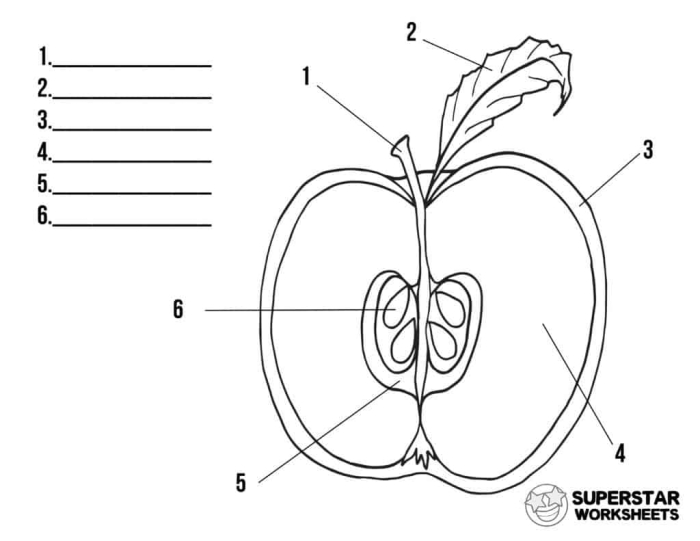
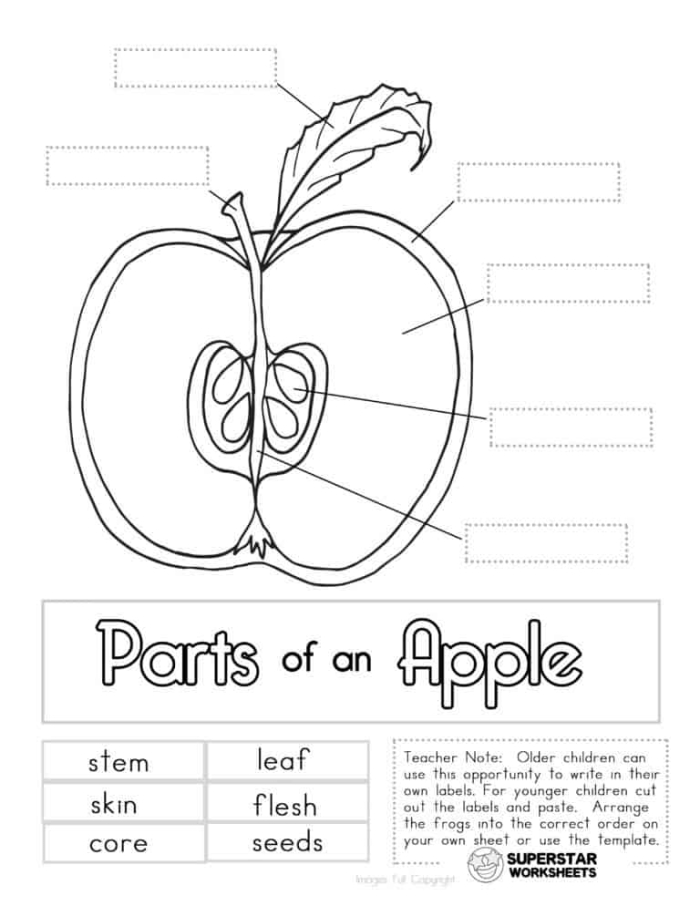
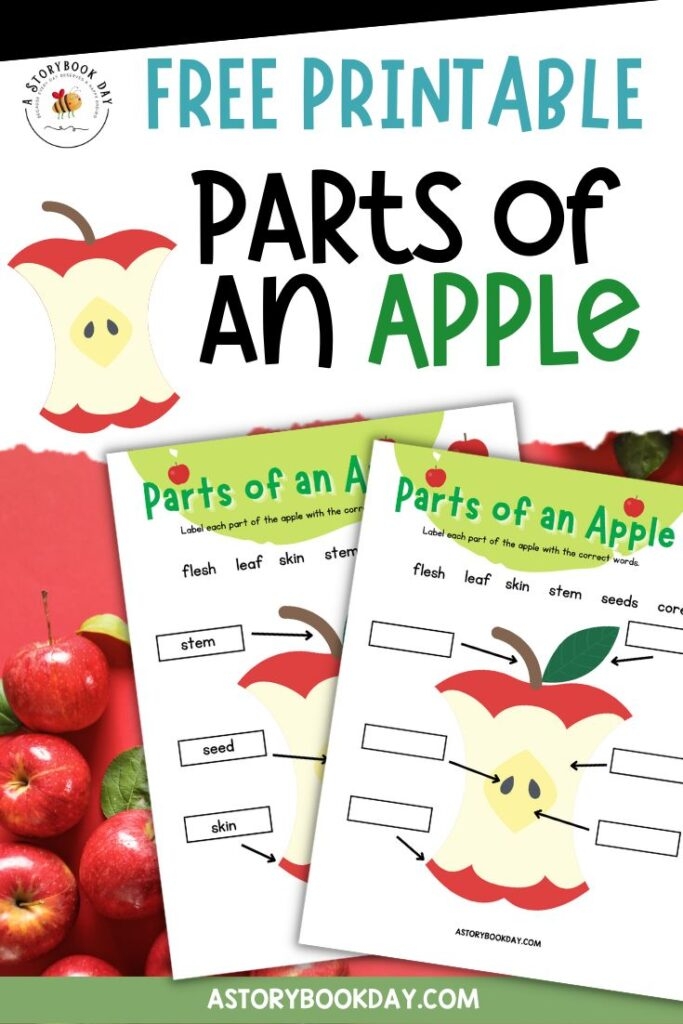
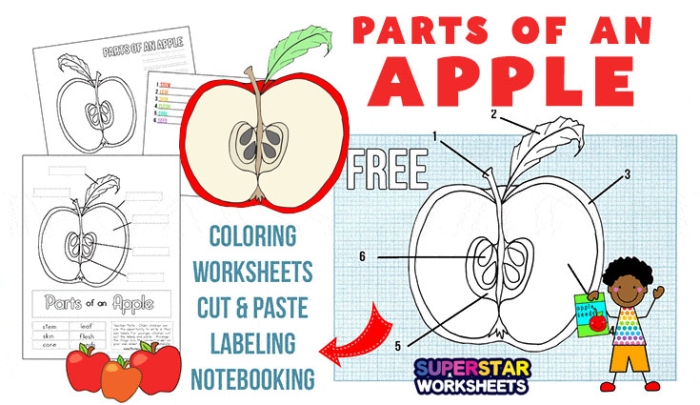
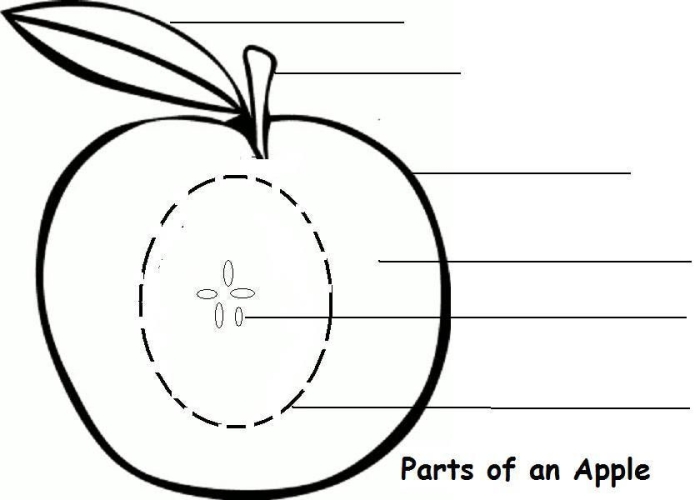
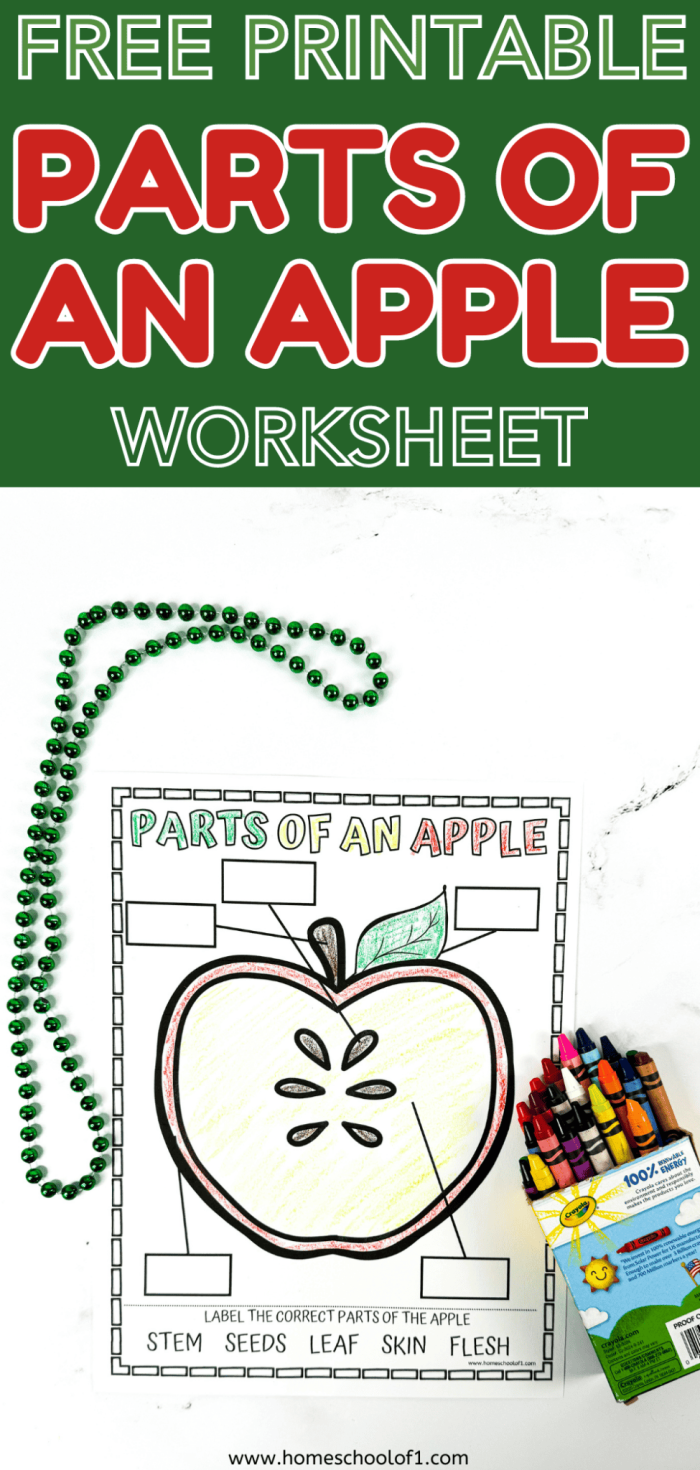
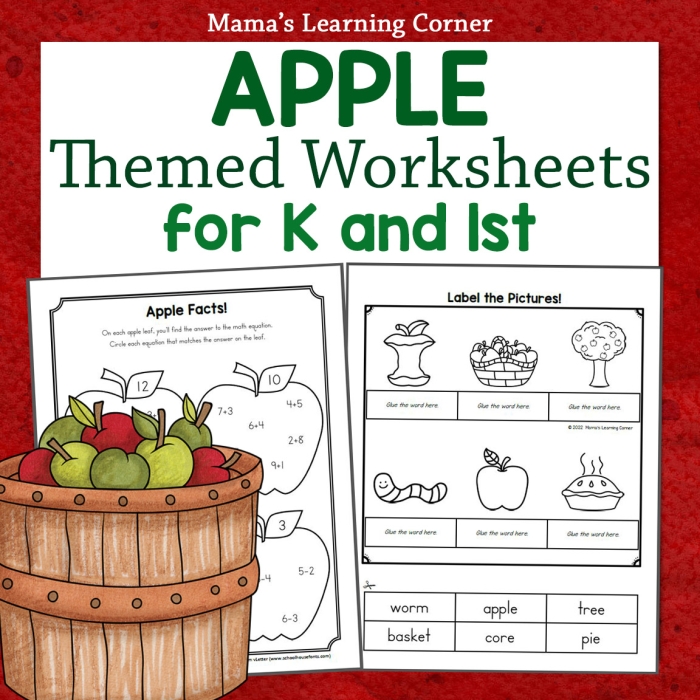
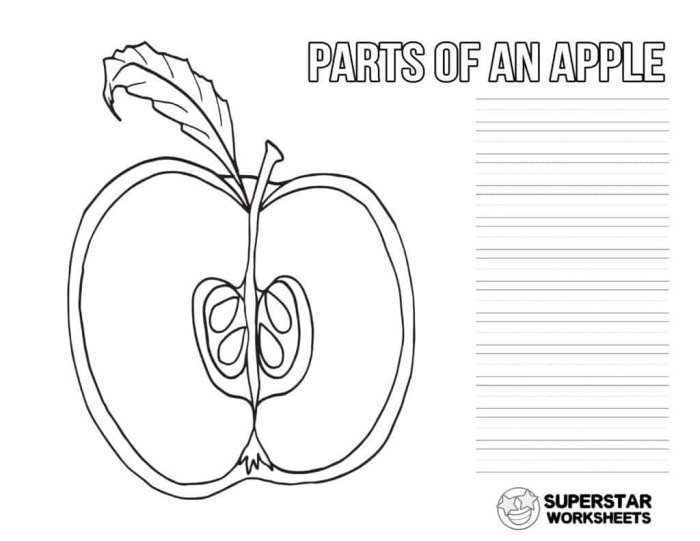
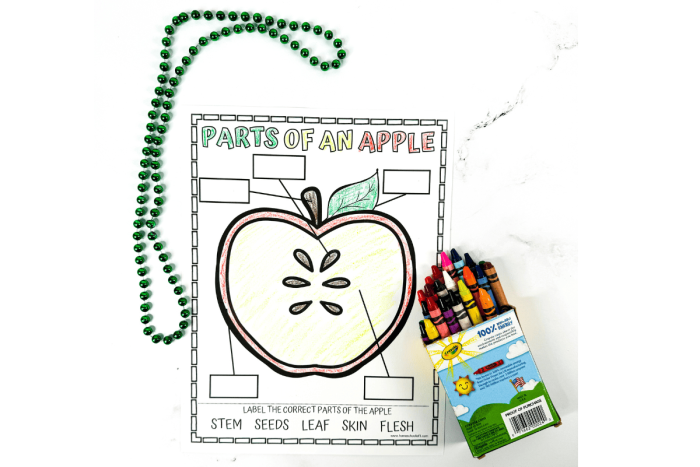
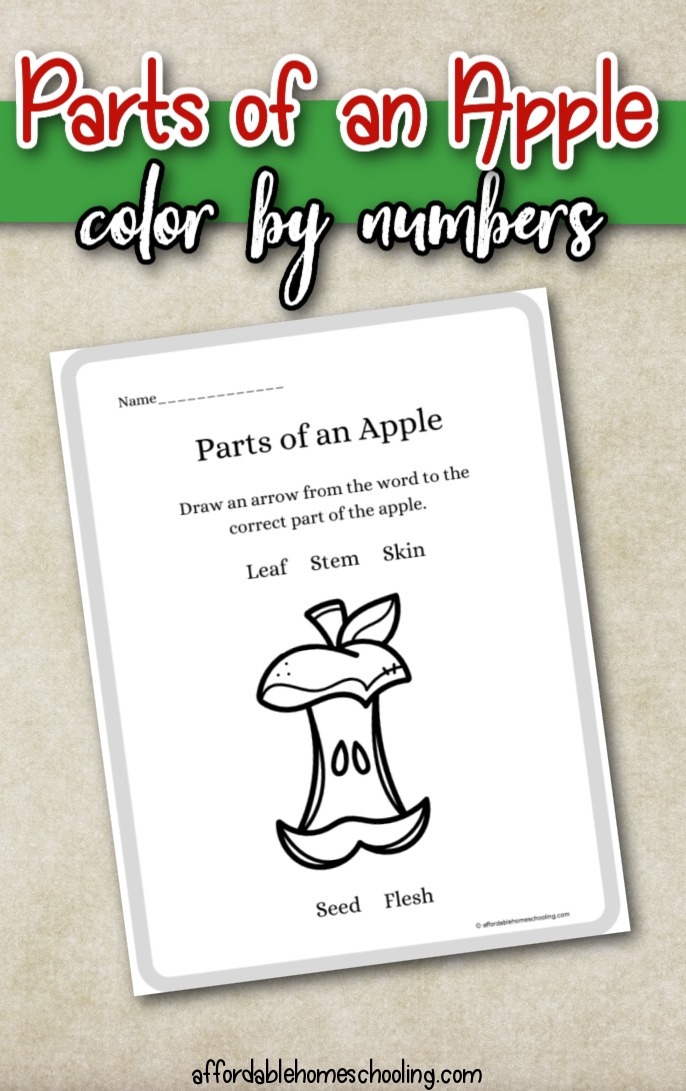
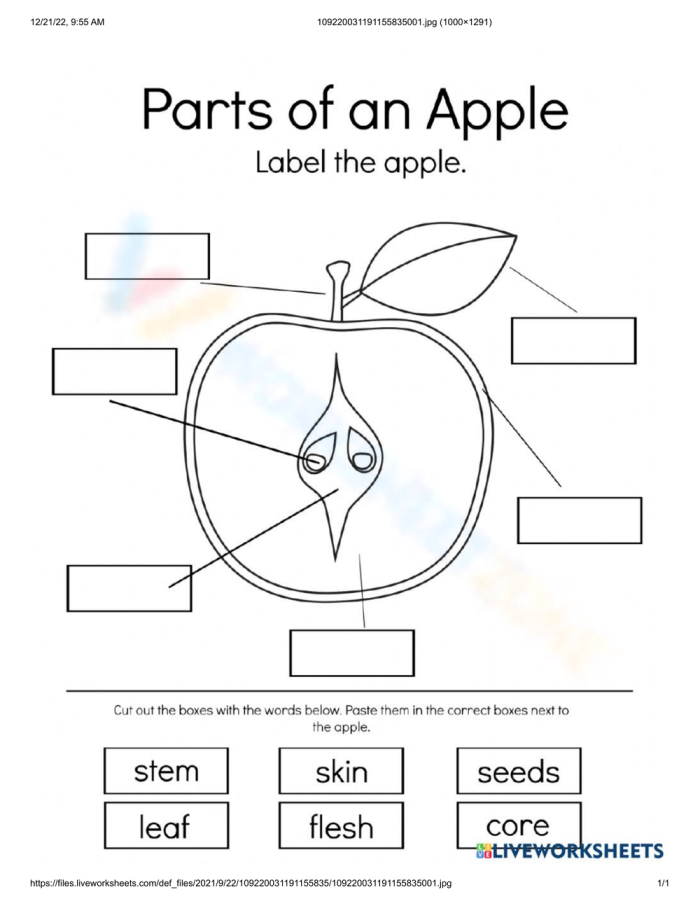
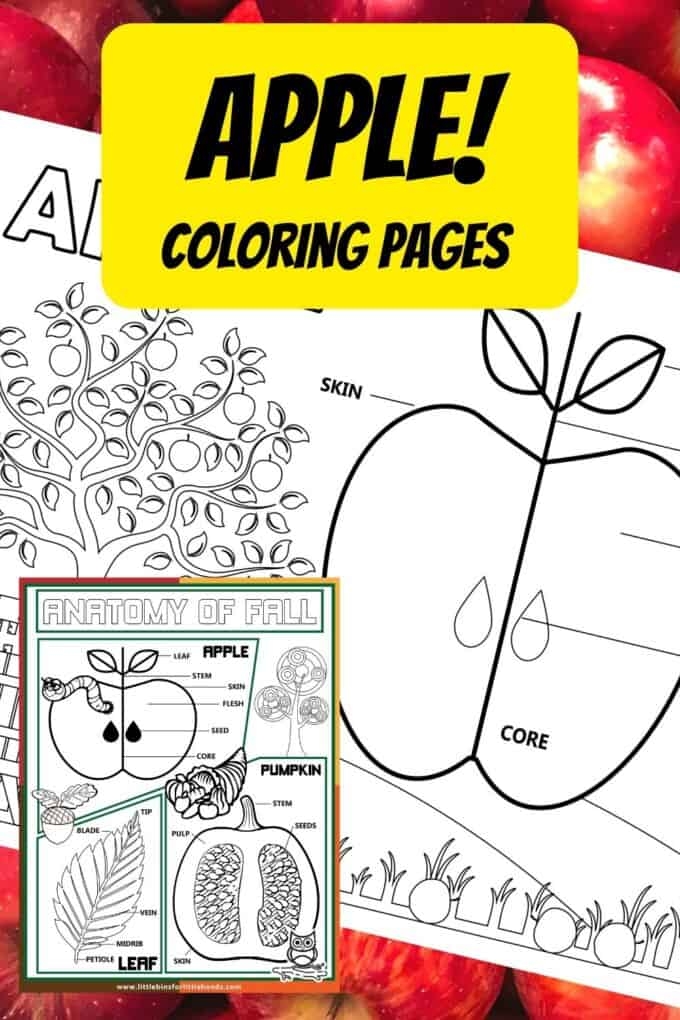
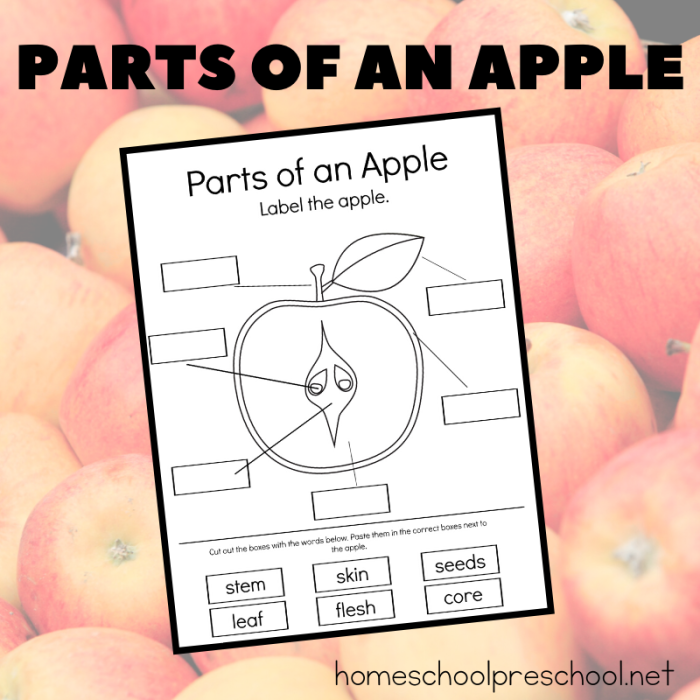
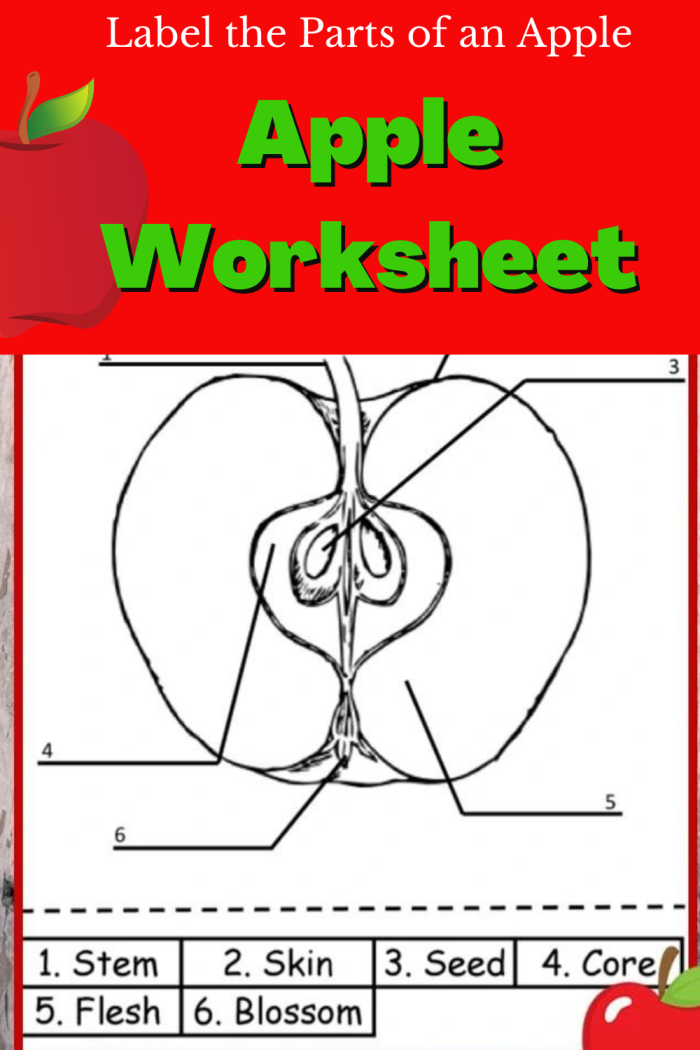
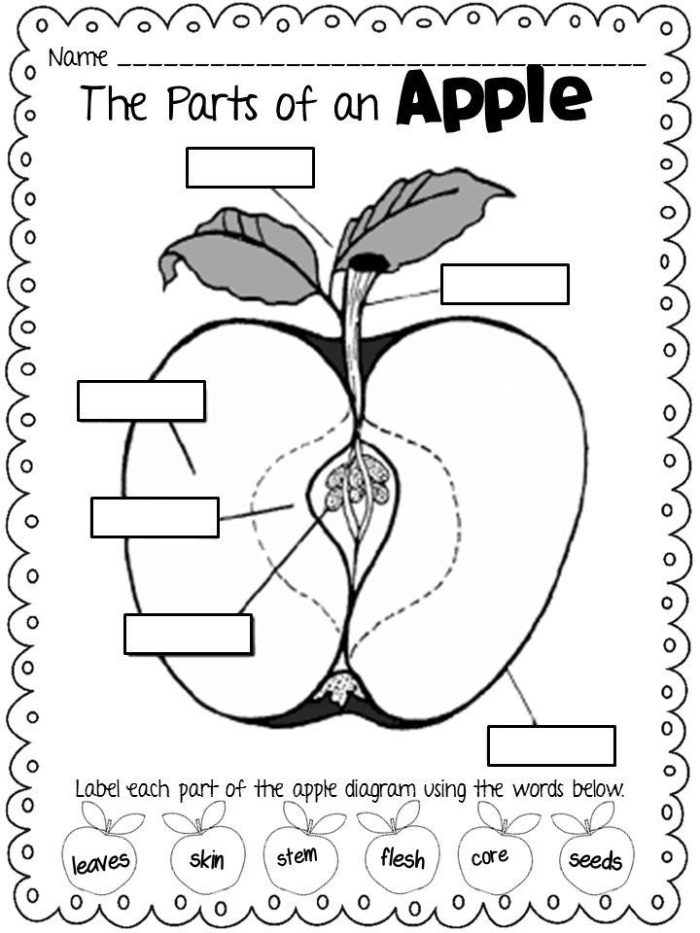
For a creative extension of this lesson, consider exploring related activities. You can check out printable worksheets like the Parts of an Apple Worksheets, which can reinforce their learning. Such activities not only enhance their understanding of life science but also connect to their geography studies by discussing where apples are grown around the world.
Incorporating this kind of interactive learning makes science approachable and enjoyable for second graders. By using a familiar fruit like an apple, you create a rich context for exploring biological concepts while also sneaking in a bit of geography. So grab an apple, and let the learning begin!
Hands-On Worksheet Activities