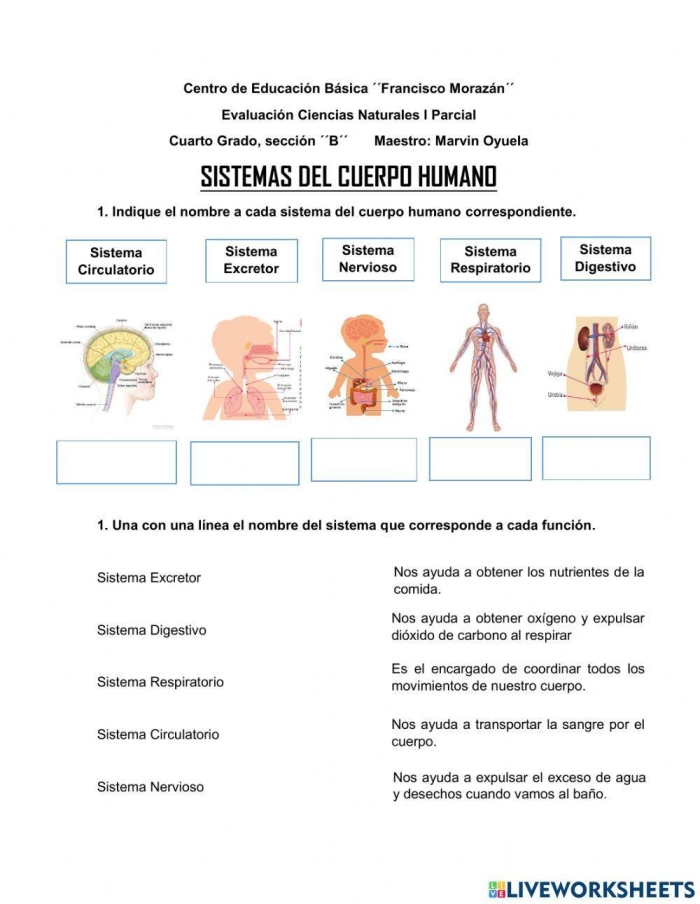
Learning the parts of the body in Spanish is an engaging way for fourth-grade students to expand their language skills. By mastering phrases like los partes del cuerpo, children can enhance their vocabulary while also developing their spelling and pronunciation. Understanding these terms is not only useful for language acquisition but also for enhancing their overall communication skills.
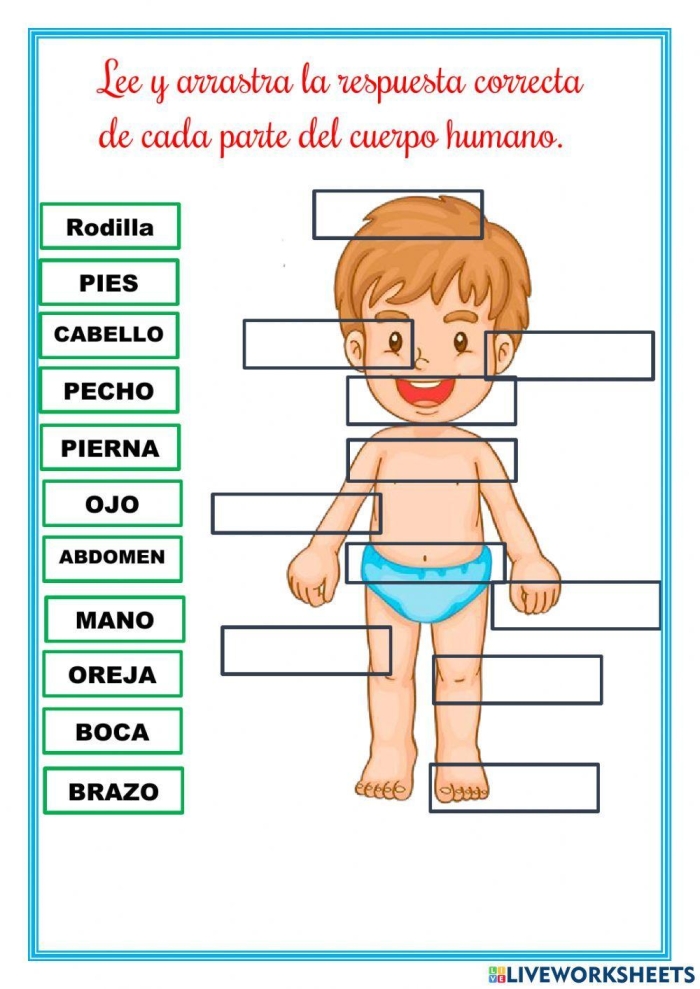
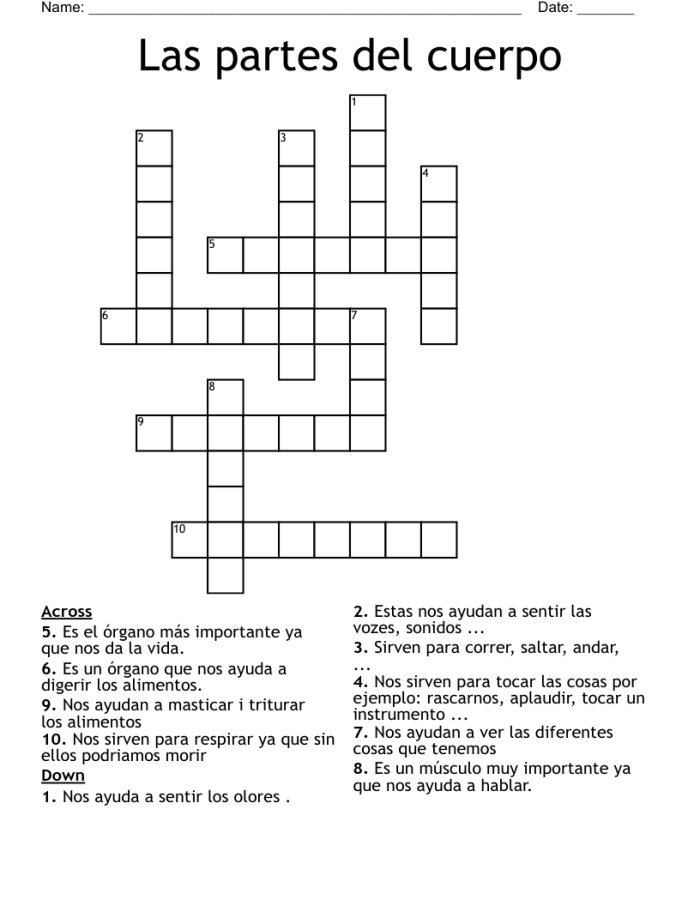
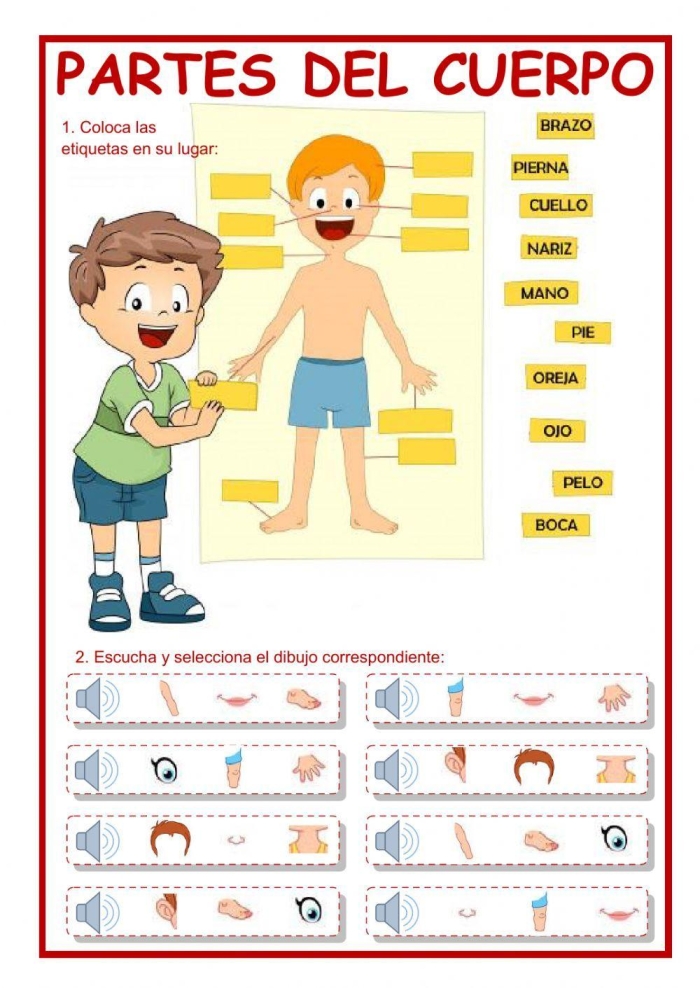
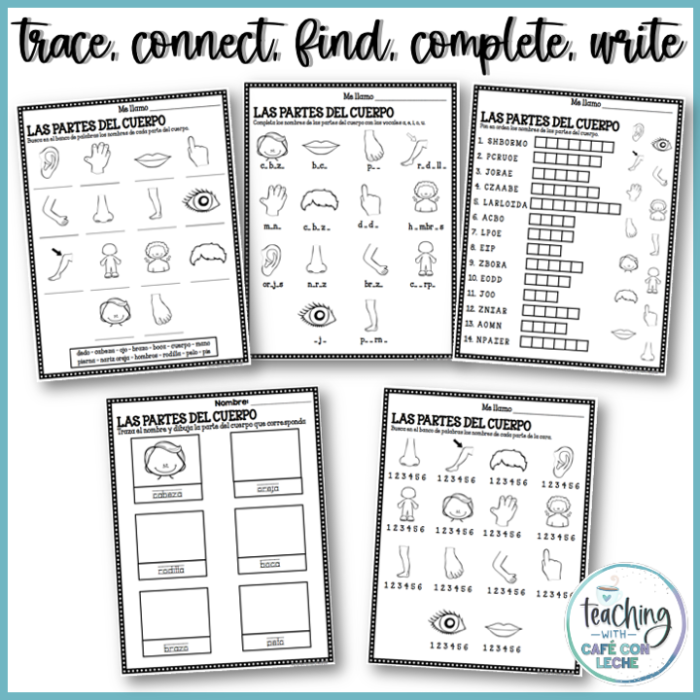
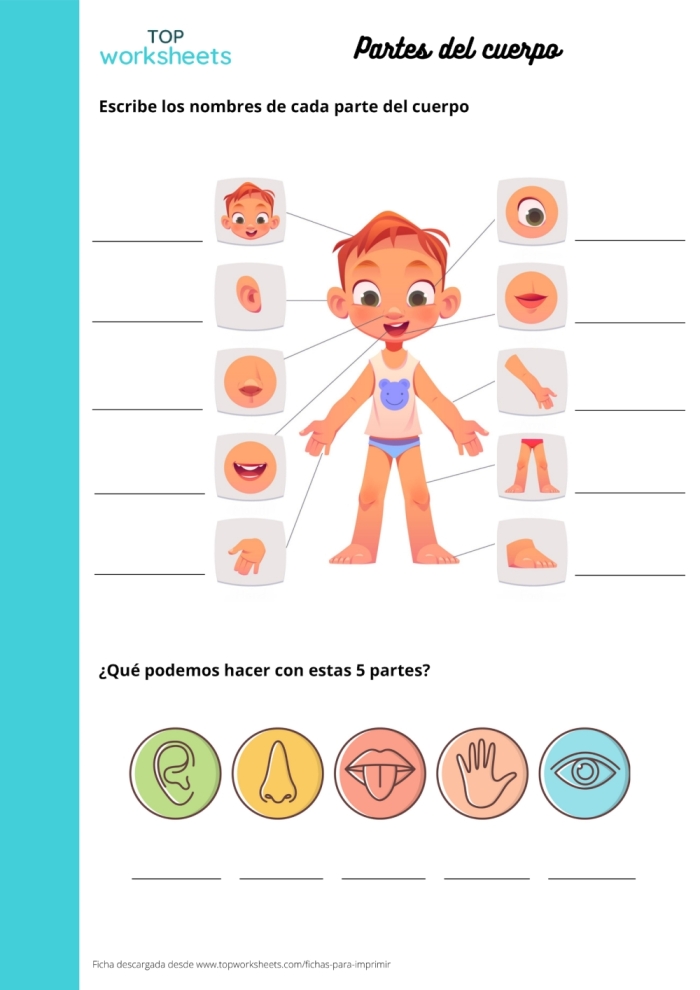
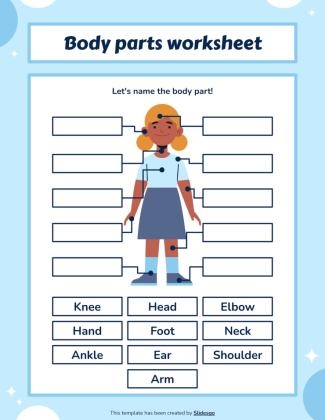
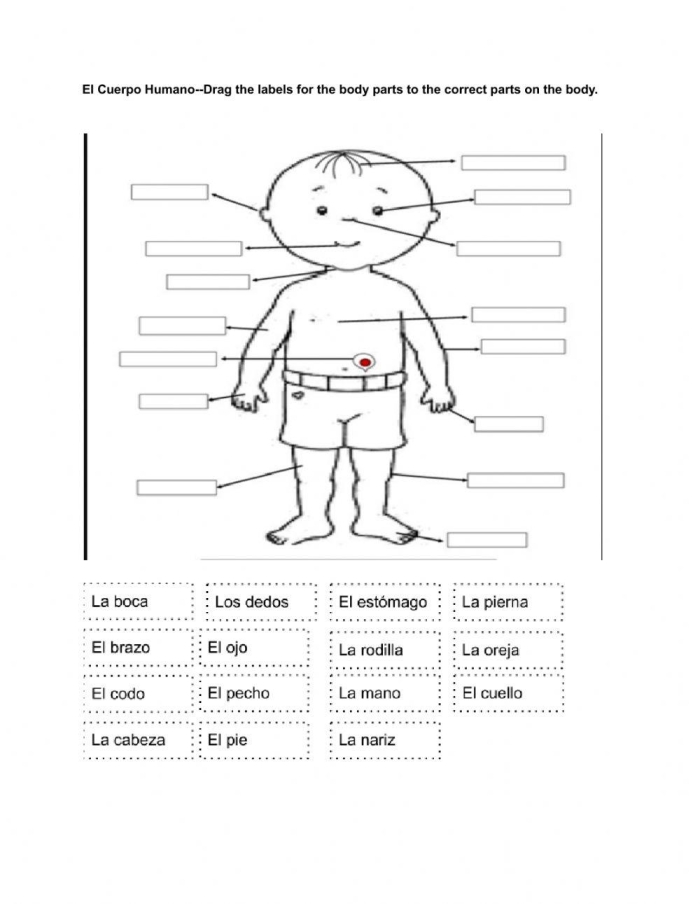
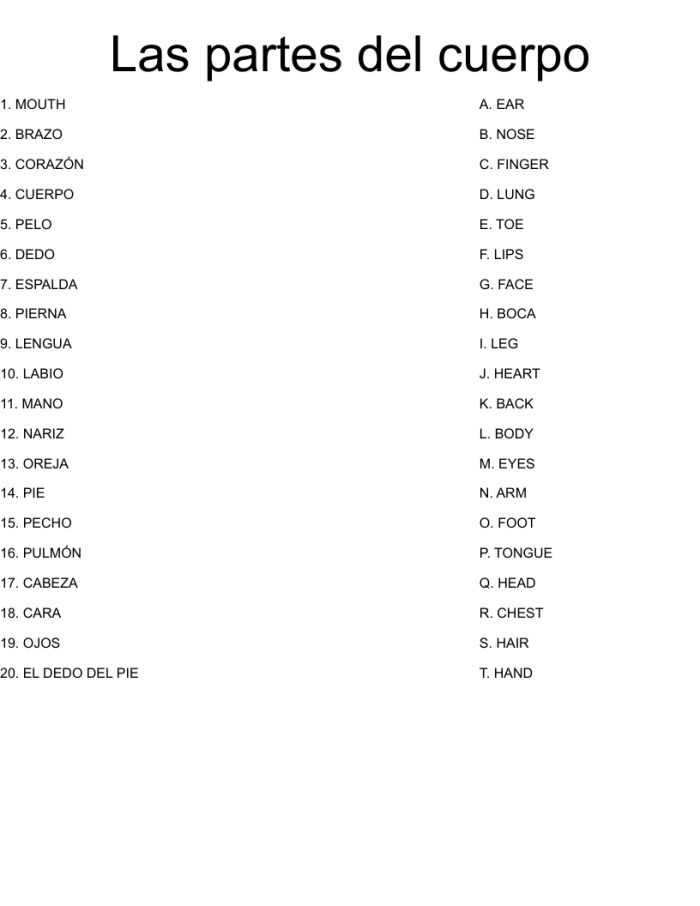
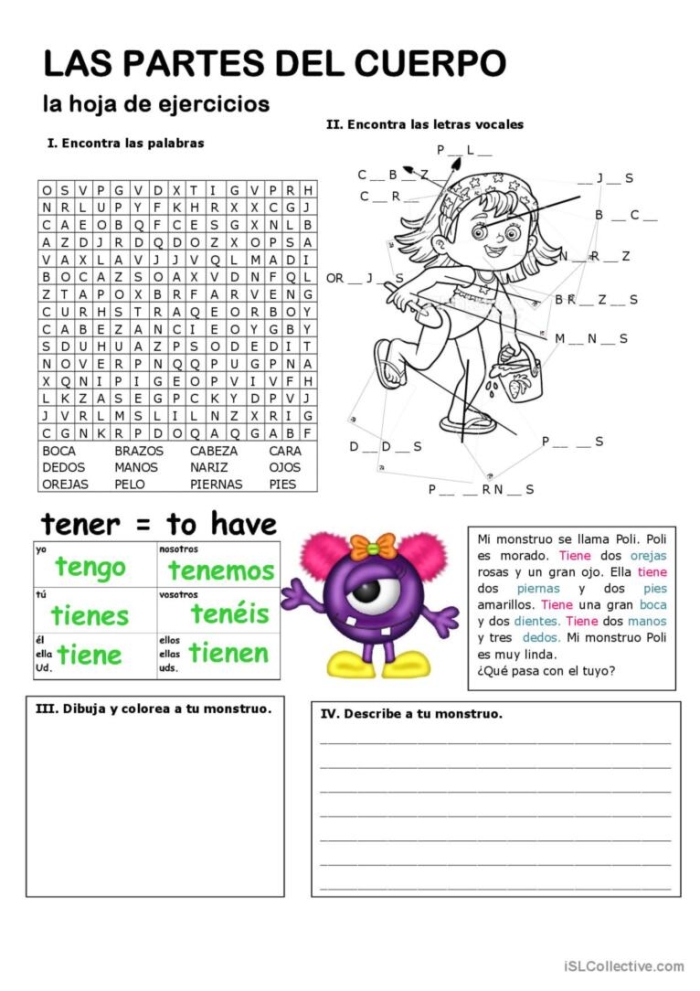
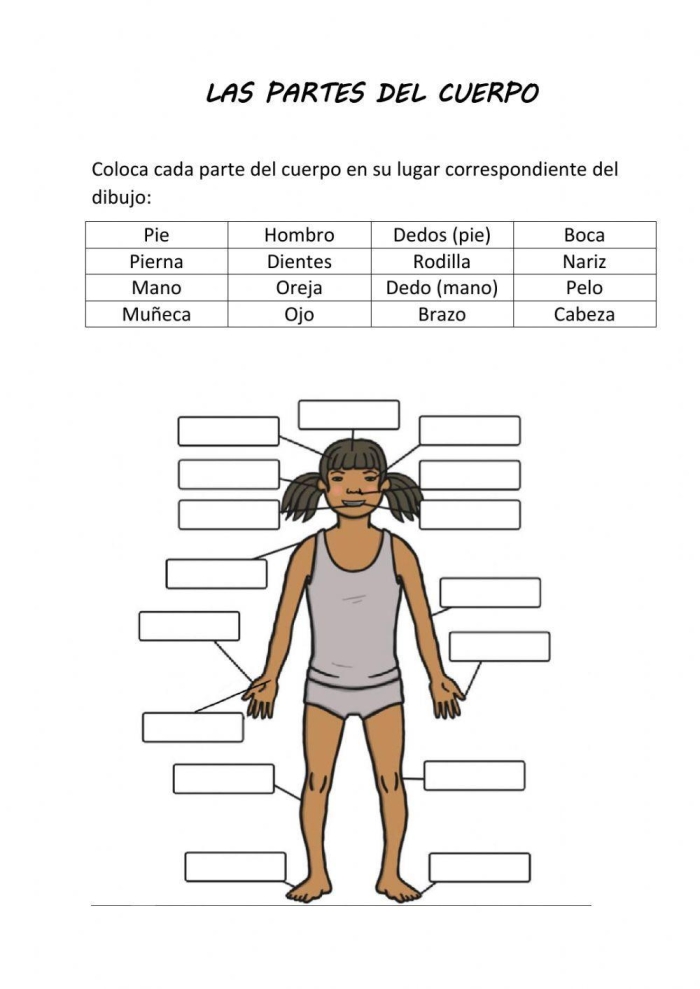
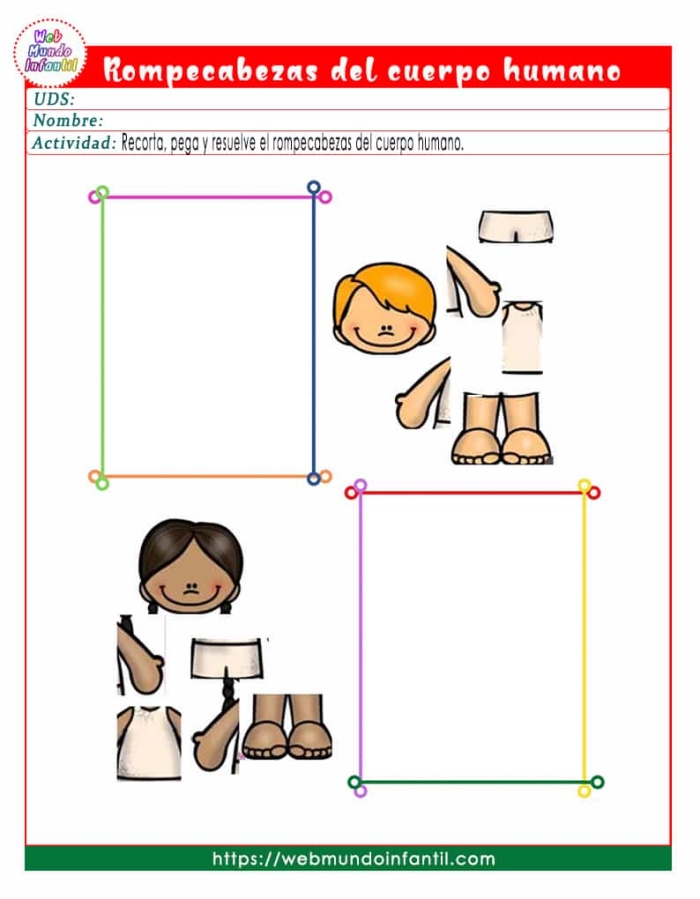
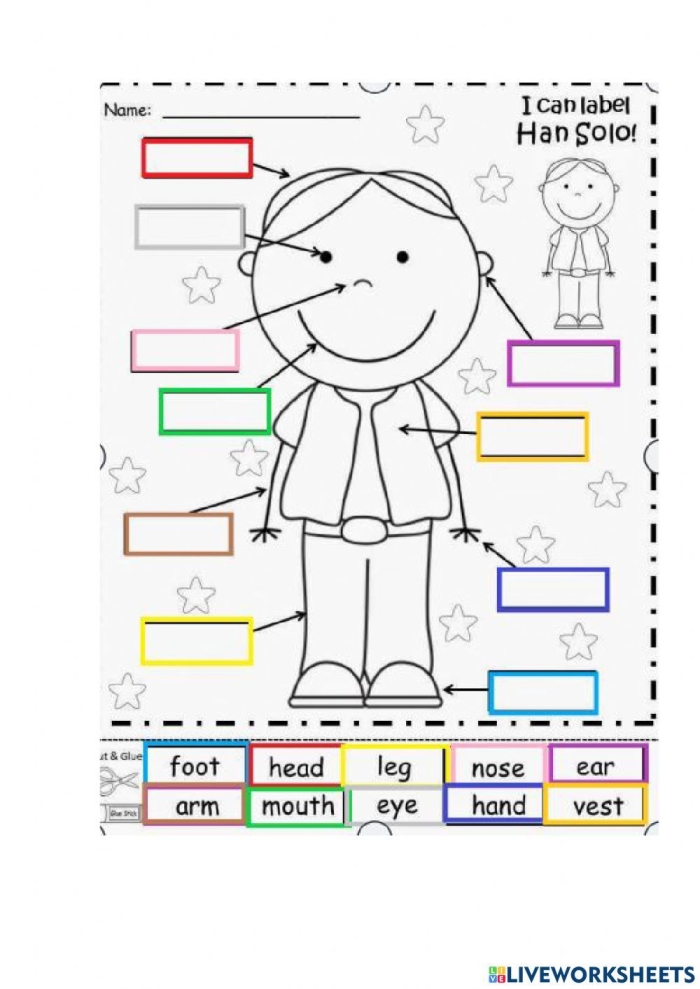
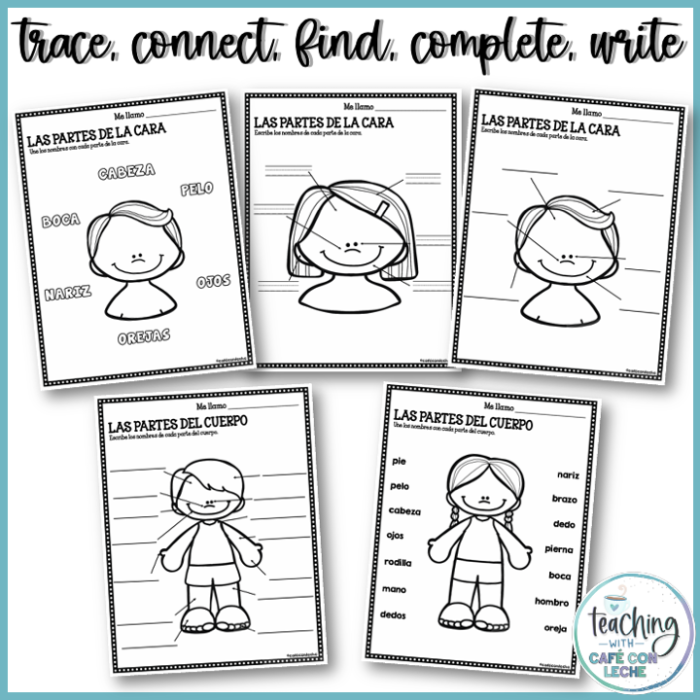
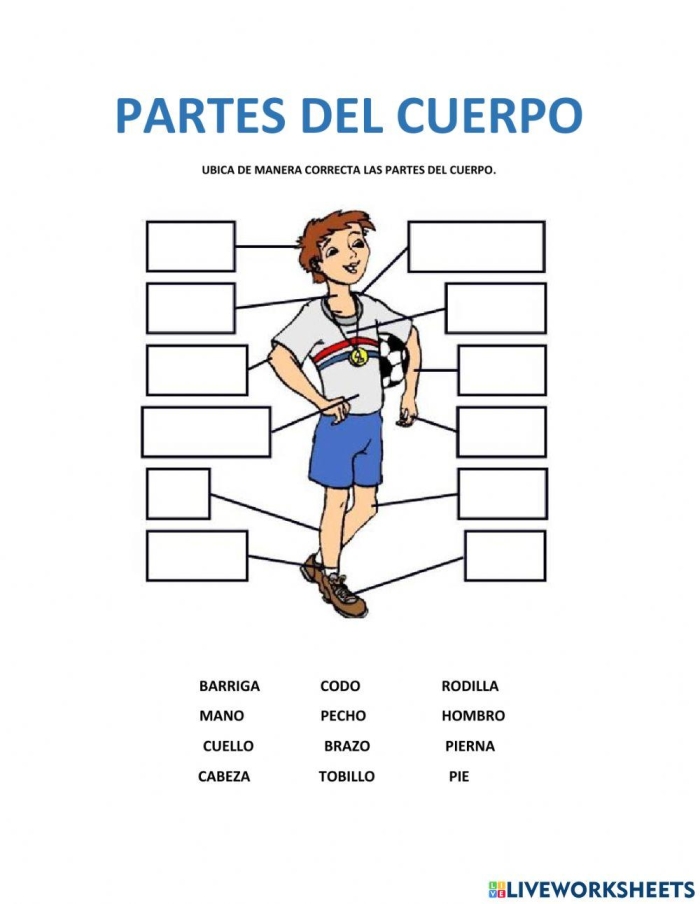
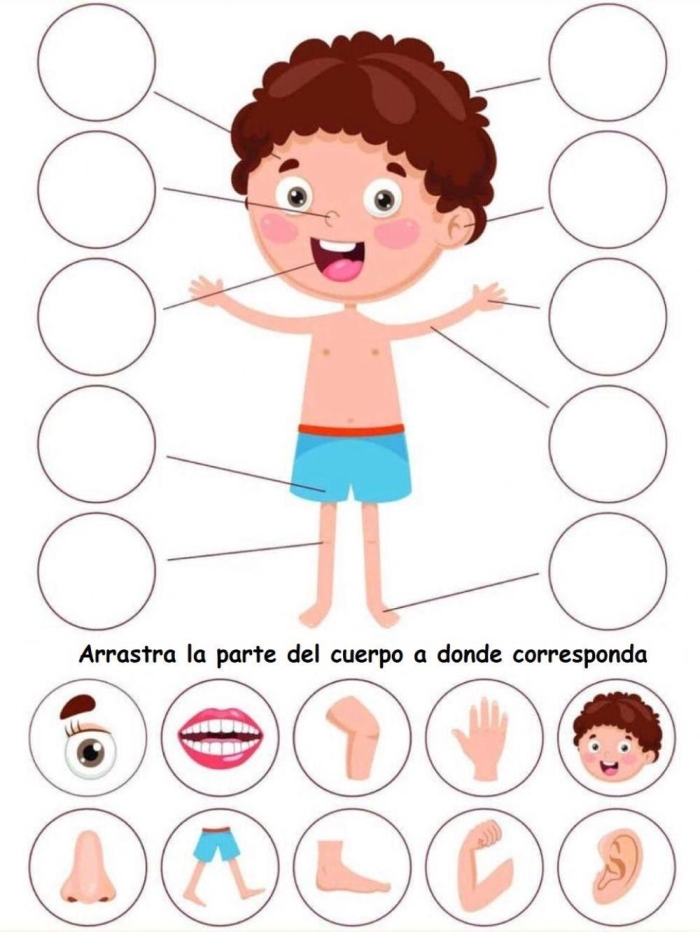
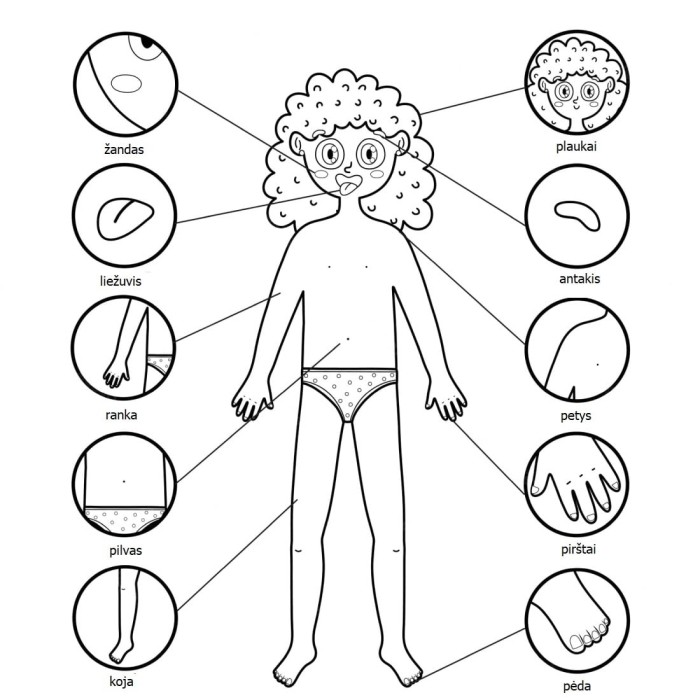
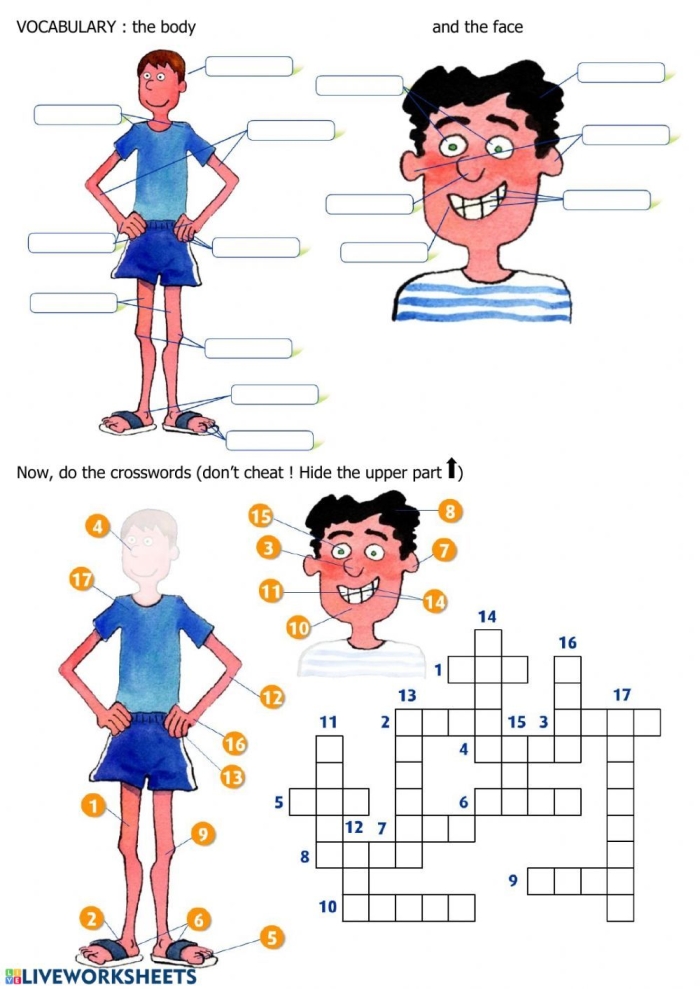
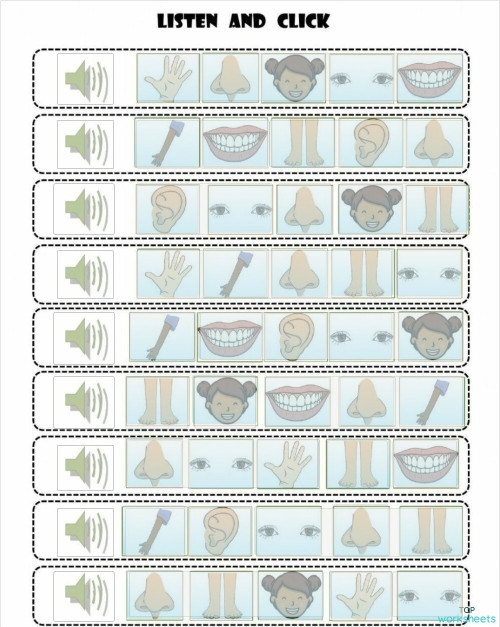
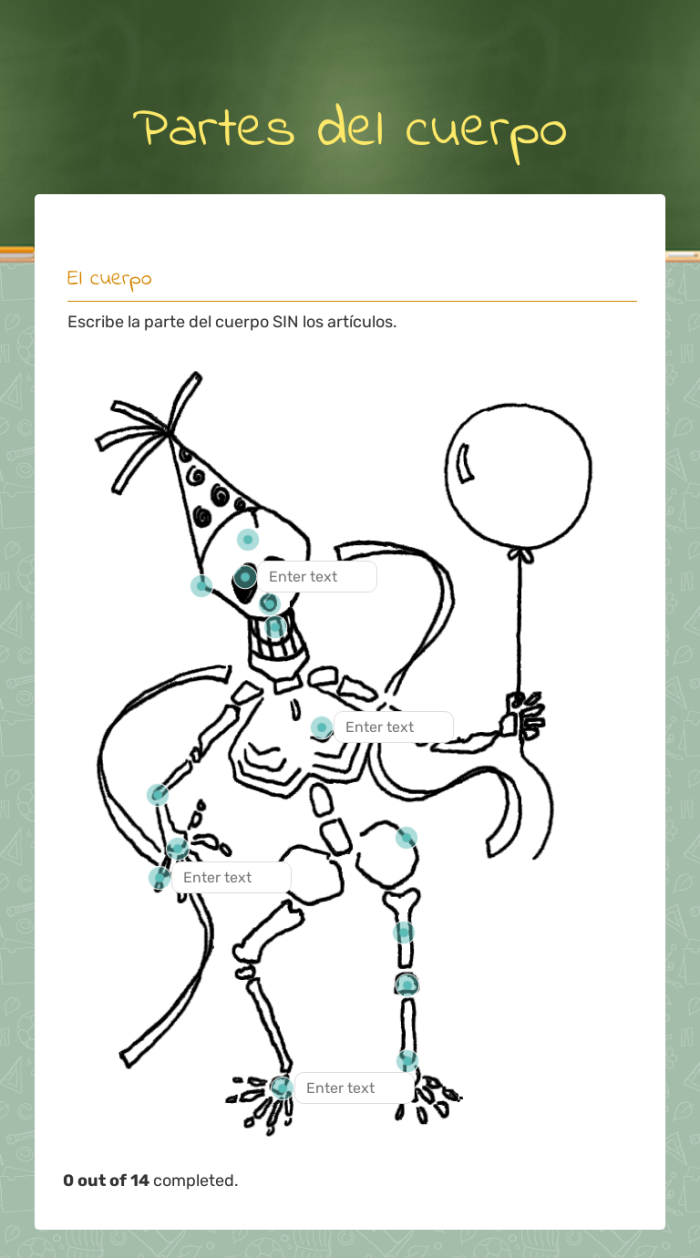
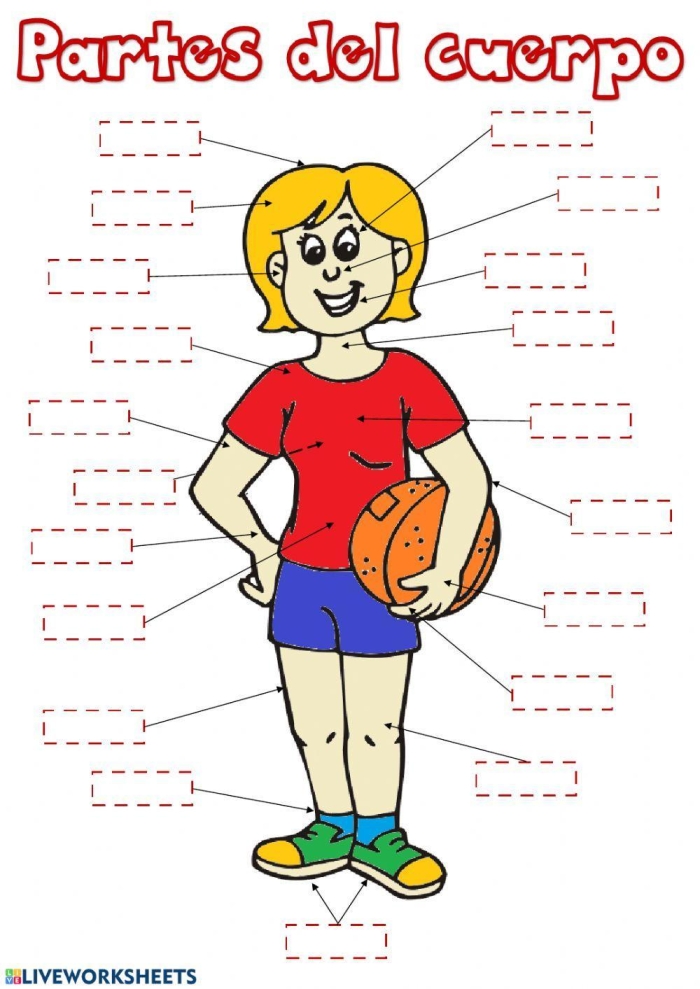
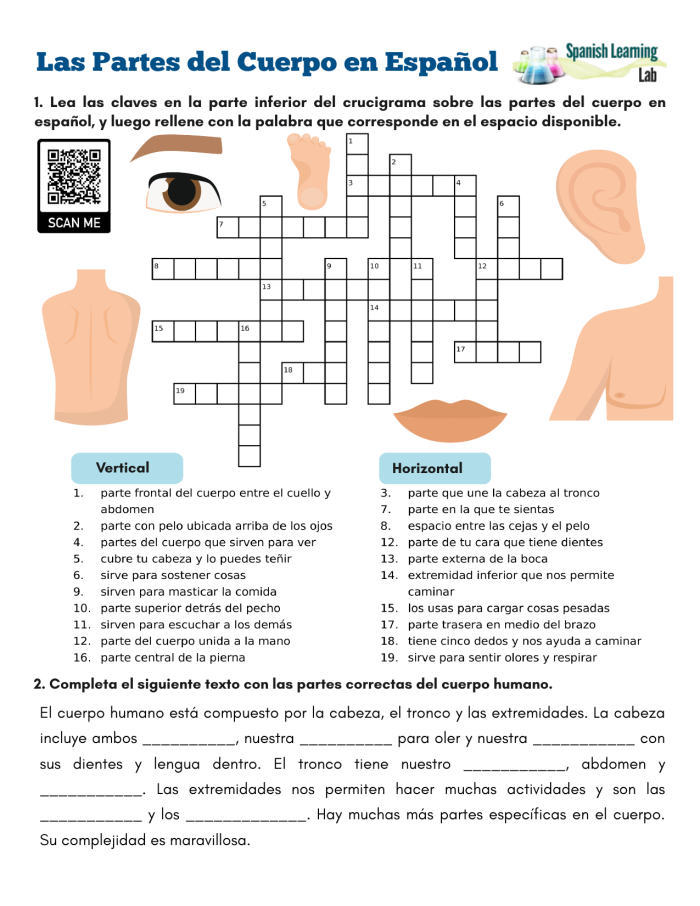
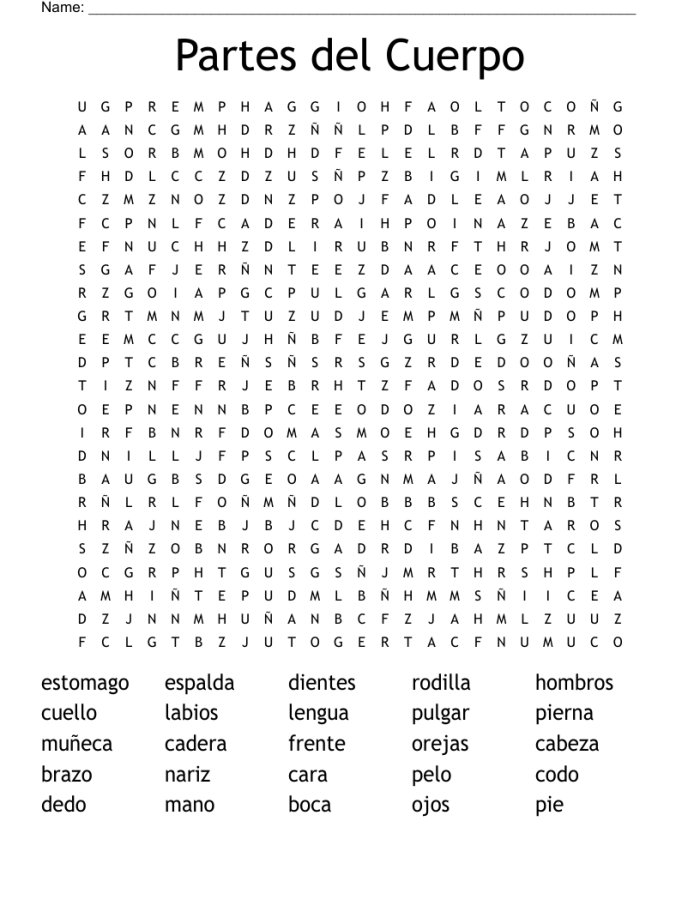
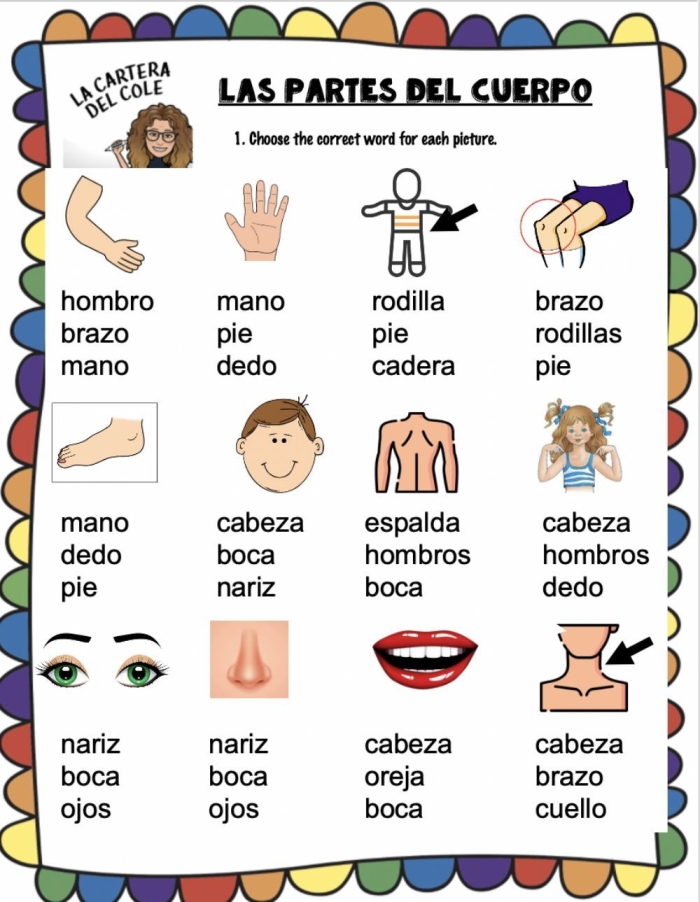
One effective method for teaching body parts is through interactive worksheets. Printable Partes del Cuerpo worksheets can serve as excellent resources. These worksheets often include activities that require students to label diagrams or match words with images. This visual association helps solidify their understanding and recall of the vocabulary. Moreover, students can practice saying the words aloud, which is crucial for proper pronunciation.
For example, common body parts such as cabeza (head), mano (hand), and ojo (eye) can be introduced in a fun and engaging way. Students can participate in games or group activities where they point to these body parts on themselves or their classmates, reinforcing both the vocabulary and its application in real-life contexts. This kind of active learning not only boosts retention but also makes the learning experience enjoyable.
In addition to worksheets, incorporating music or songs that feature body parts in Spanish can further enhance the learning experience. Songs with catchy rhythms make it easier for students to remember the vocabulary through repetition. This technique can be especially useful in a classroom setting where engagement is key to success.
To complement the learning of body parts, teachers might also integrate concepts from other subjects, such as time and money. By creating activities that link vocabulary to practical scenarios, students can see the relevance of what they are learning. For instance, they might discuss how many fingers they have while practicing addition and subtraction with printable resources like the time and money worksheets.
By focusing on the parts of the body in Spanish, educators can create a dynamic and effective learning environment. This not only fosters language skills but also encourages teamwork and creativity among students.
Hands-On Worksheet Activities