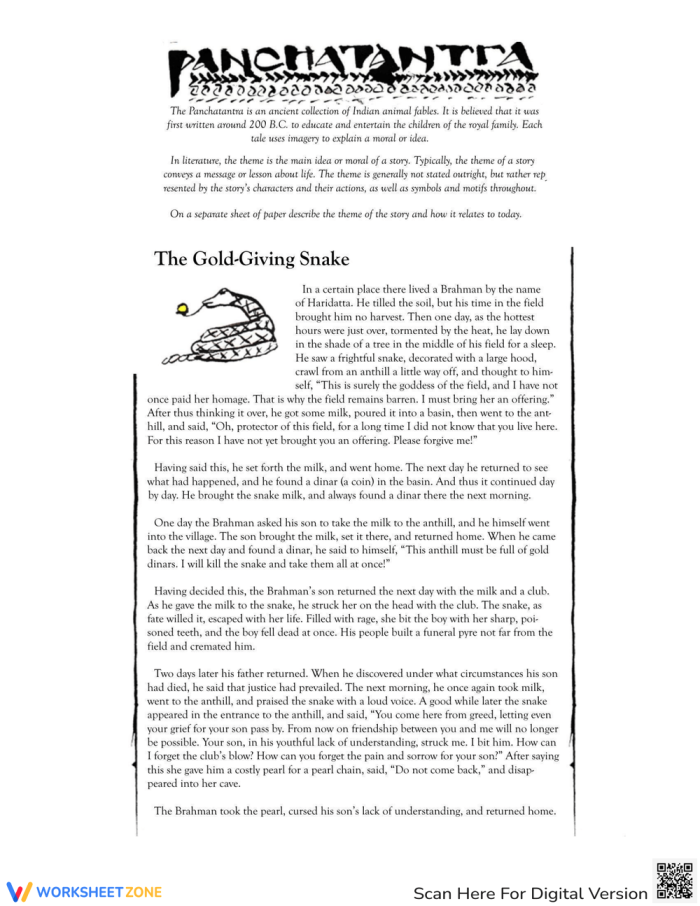
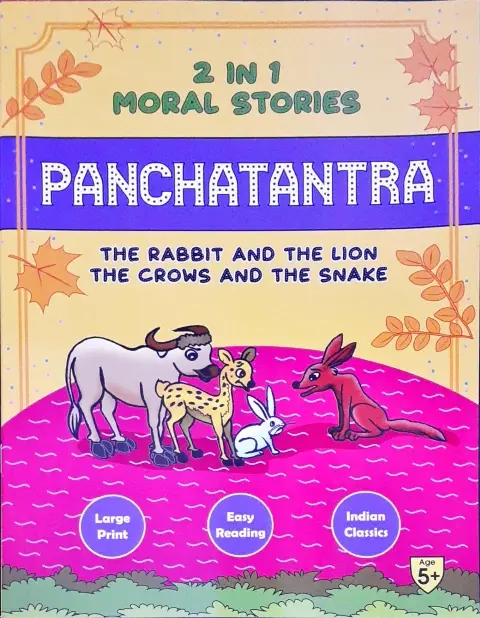
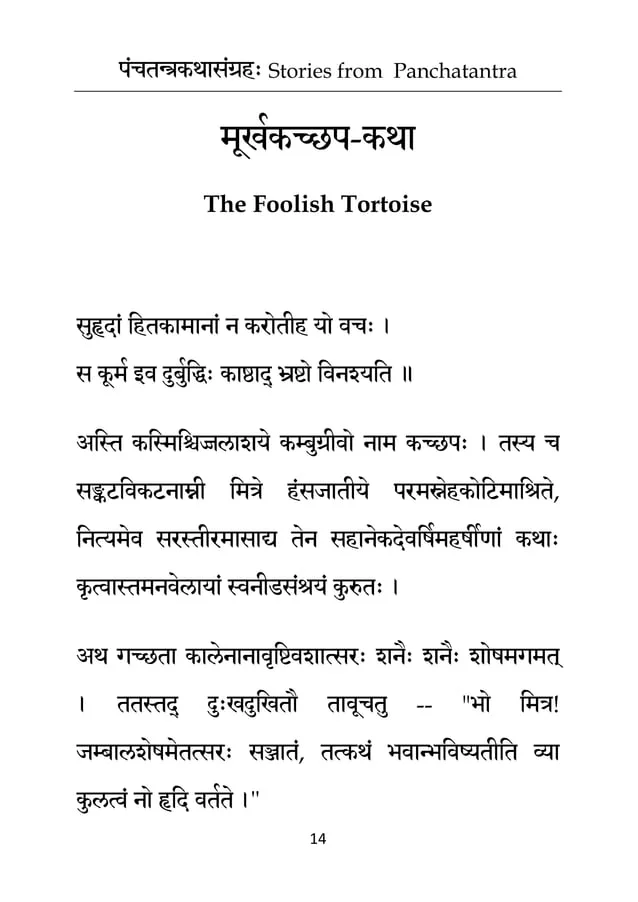
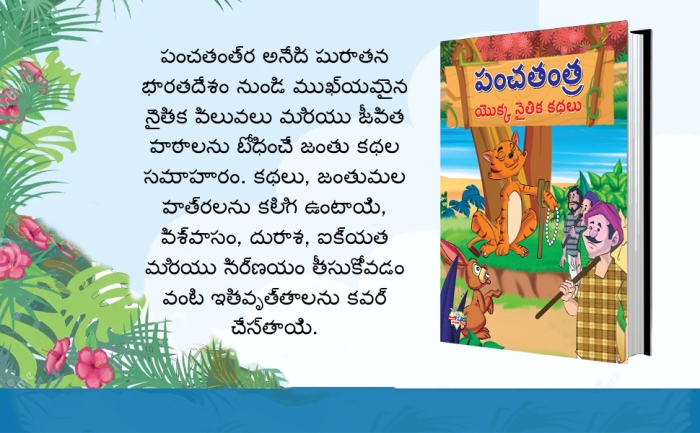
Imagine encountering a snake with the power to make you wealthy. This unusual idea comes alive in one of the classic Panchatantra stories called “The Gold-Giving Snake.” These animal fables from India have been shared for centuries, teaching valuable lessons through simple yet engaging tales. For fifth graders studying life science, this story offers a unique way to connect with nature and morals simultaneously.
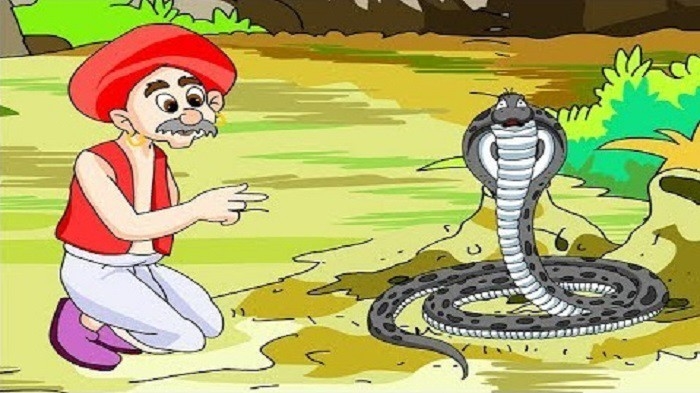
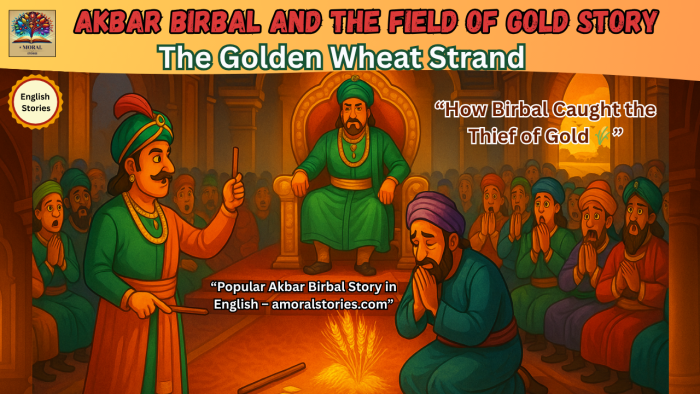
“The Gold-Giving Snake” tells of a snake that can produce gold to help a poor man improve his life. The story unfolds with the man’s kindness toward the snake, which eventually rewards him with riches. However, the tale also warns about greed and the consequences of misusing such gifts. These themes are not just entertaining but also provide a practical framework for understanding cause and effect in human behavior.
Using stories like this in fifth-grade classrooms can make learning more relatable. When students explore life science topics, animal behavior and interactions become more vivid through these fables. For example, the snake in the story symbolizes nature’s mysterious powers, encouraging curiosity about real reptiles and their roles in ecosystems.
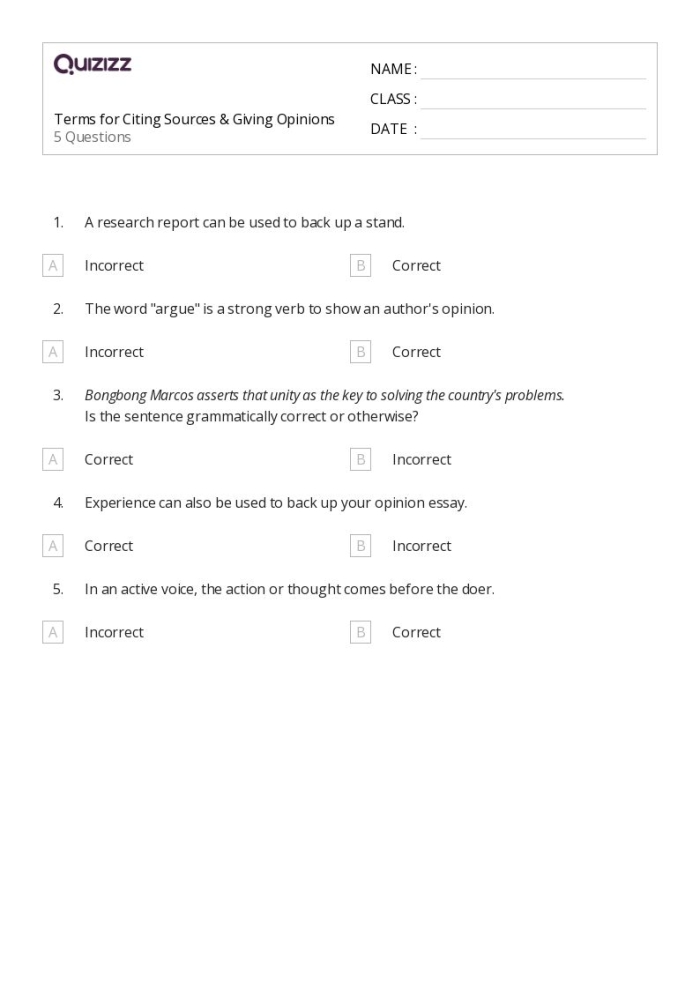
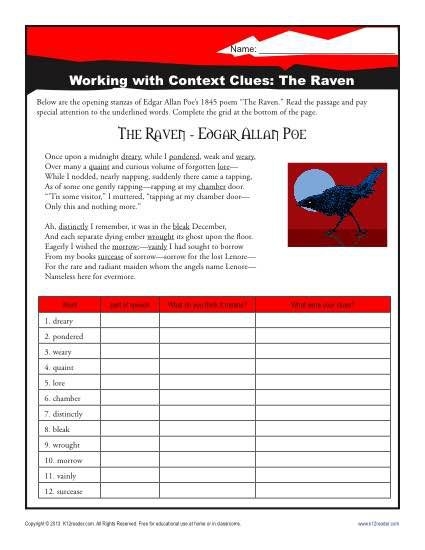
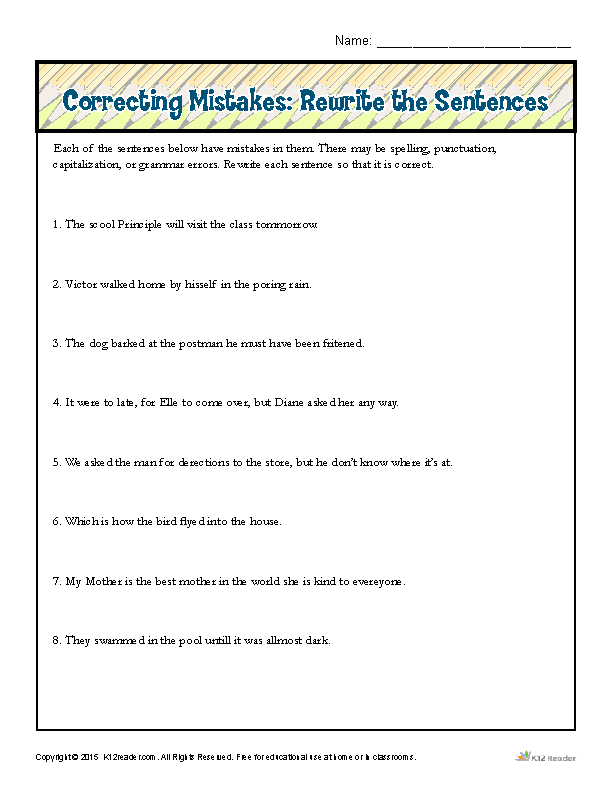
Teachers can enhance comprehension by incorporating worksheets that focus on converting customary units or correcting sentence structure to strengthen language skills alongside science lessons. These resources help students analyze stories deeply, improving reading and writing abilities while learning about life science.
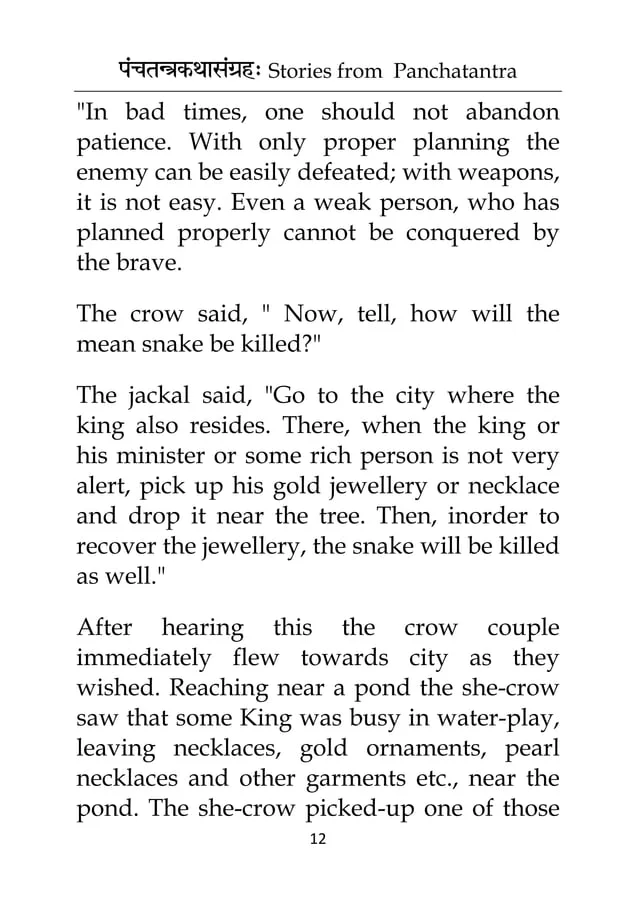
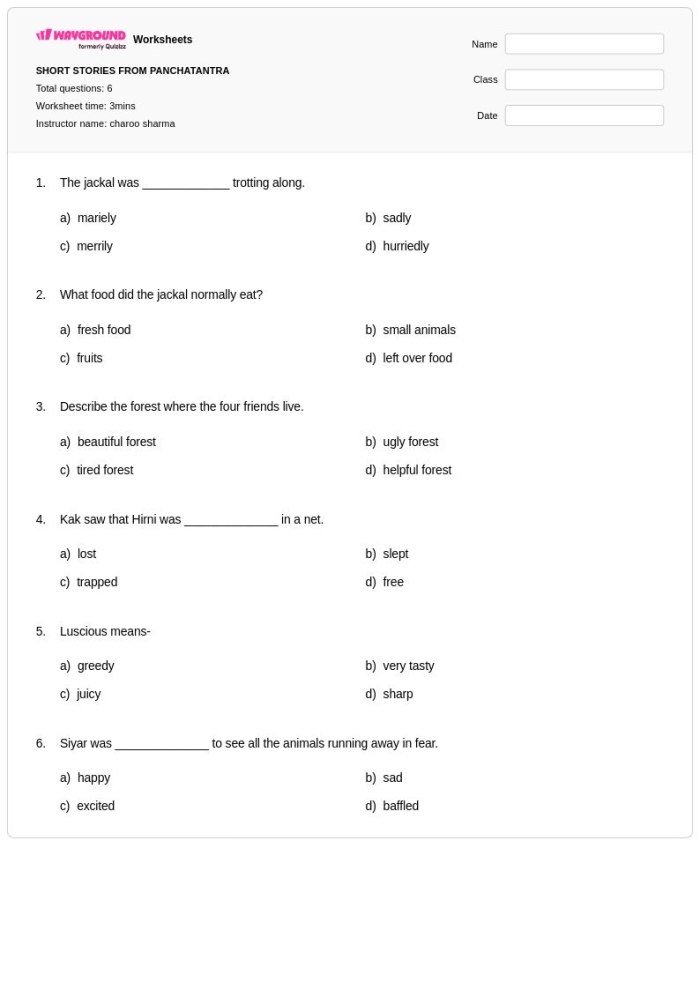
Printable Panchatantra worksheets based on “The Gold-Giving Snake” also provide a fun way to engage young learners. They feature questions that encourage critical thinking, such as identifying the moral or discussing the snake’s role. This interactive approach makes the ancient fable relevant and accessible.
In this way, a simple story about a magical snake becomes a bridge between literature and science, helping fifth graders appreciate both subjects more fully. It’s a reminder that even in ancient tales, there’s much to learn about the natural world and ourselves.
Use These Worksheets Today