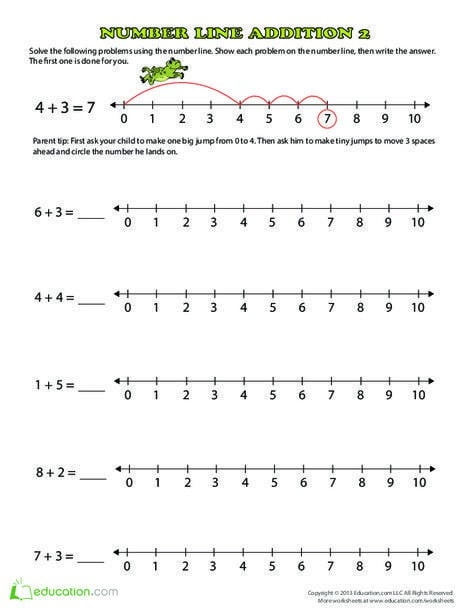
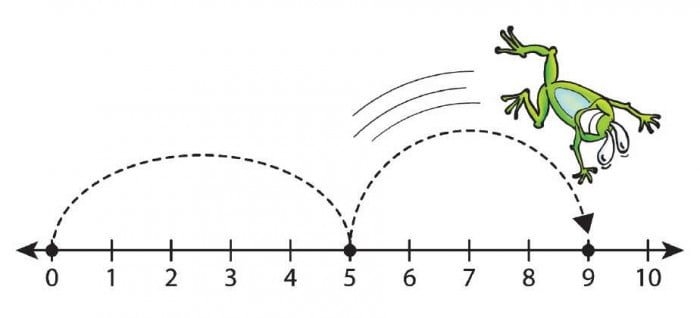
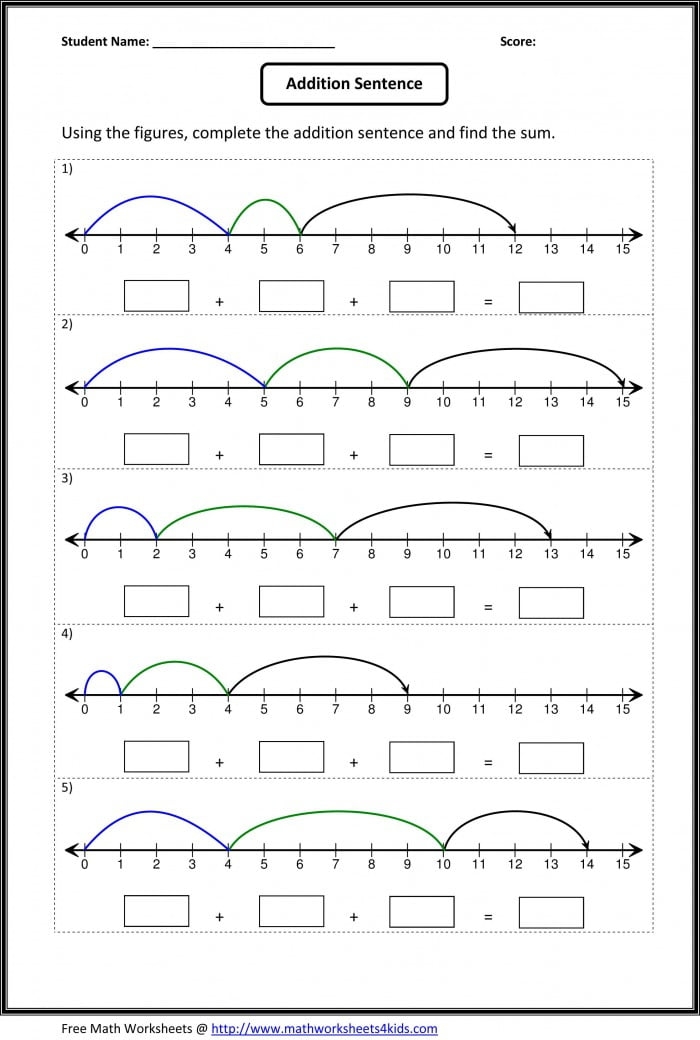
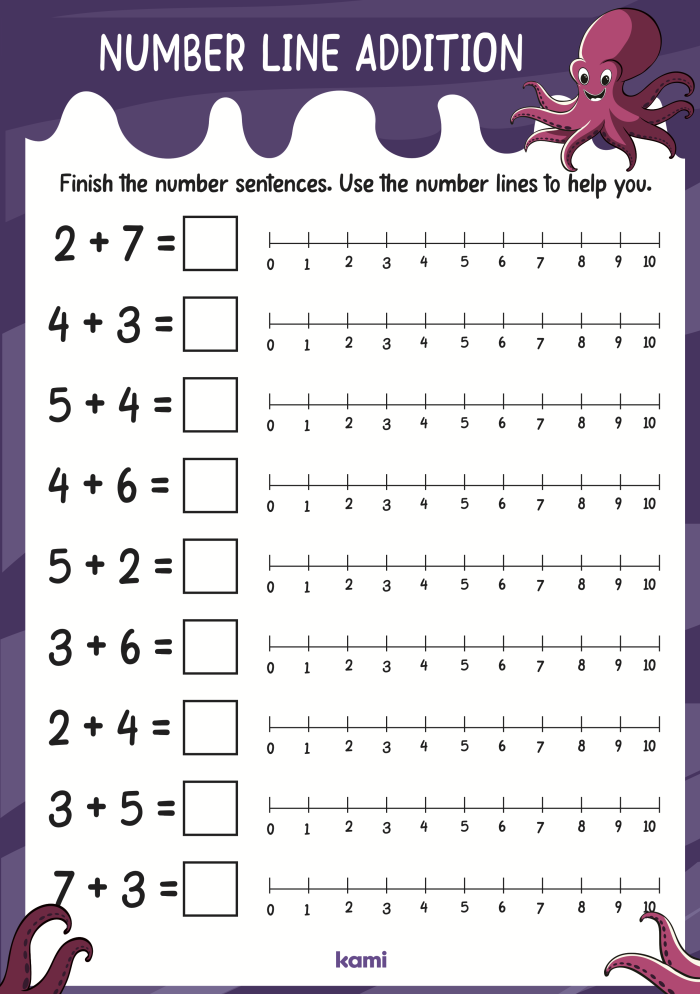
Single-digit addition can feel daunting to some first graders, but using number lines transforms this task into an engaging leap forward. Number lines provide a visual representation that helps young learners grasp the concept of addition in a tangible way. Instead of merely memorizing facts or relying on fingers, students can see the numbers and the spaces between them, making the addition process clearer and more intuitive.
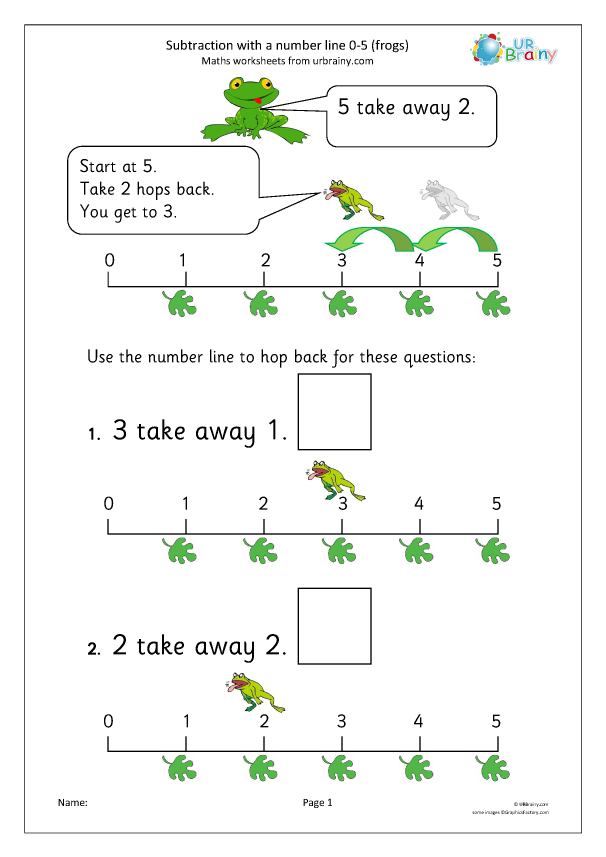
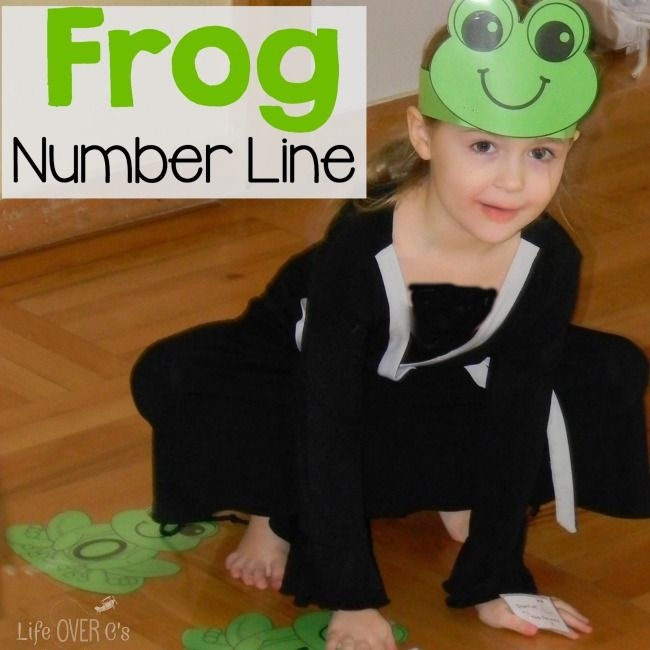
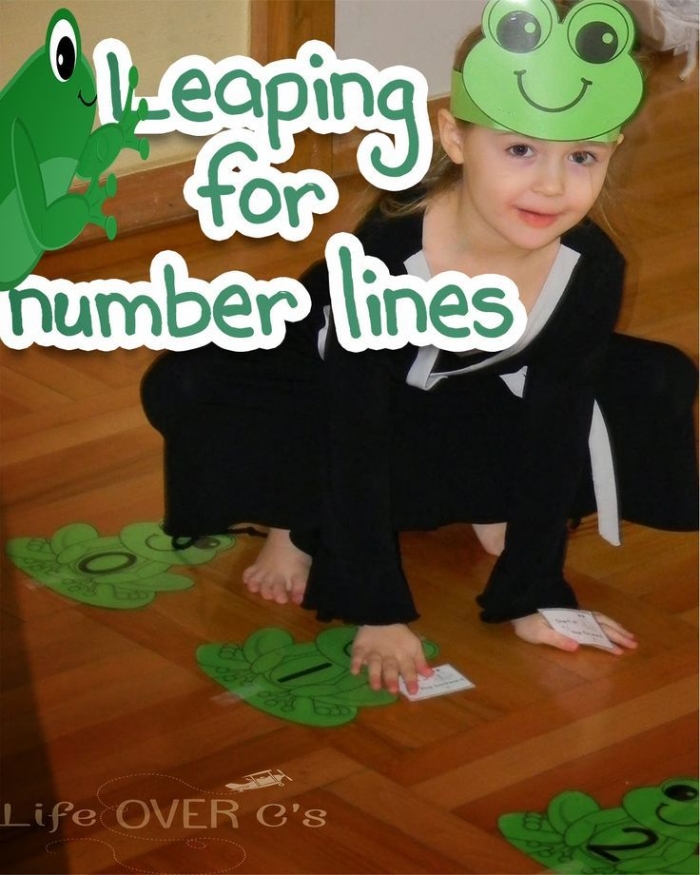
When using a number line, each jump represents a single unit. For instance, if a child wants to add 3 + 4, they start at 3 on the number line and make four jumps forward. This method not only reinforces the idea of counting but also enhances understanding of how numbers relate to one another. It encourages a more exploratory approach to math, allowing children to visualize the addition process rather than just compute it in their heads.
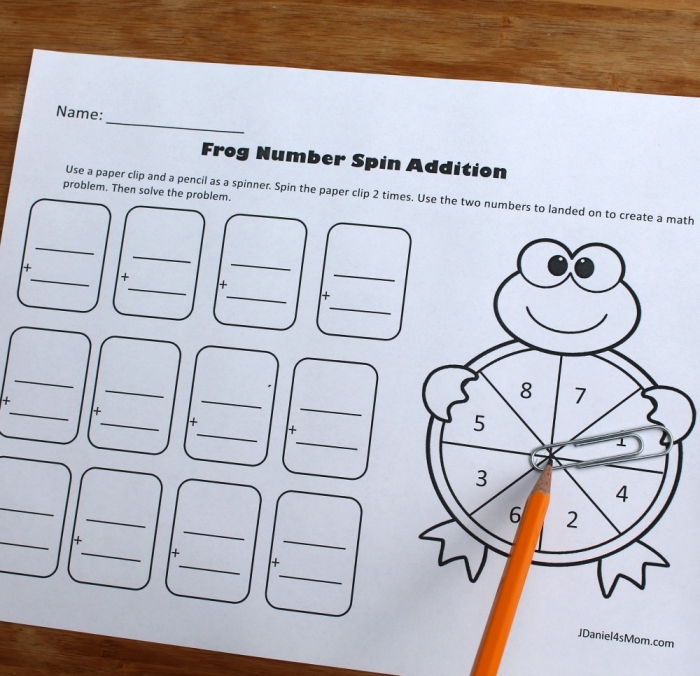
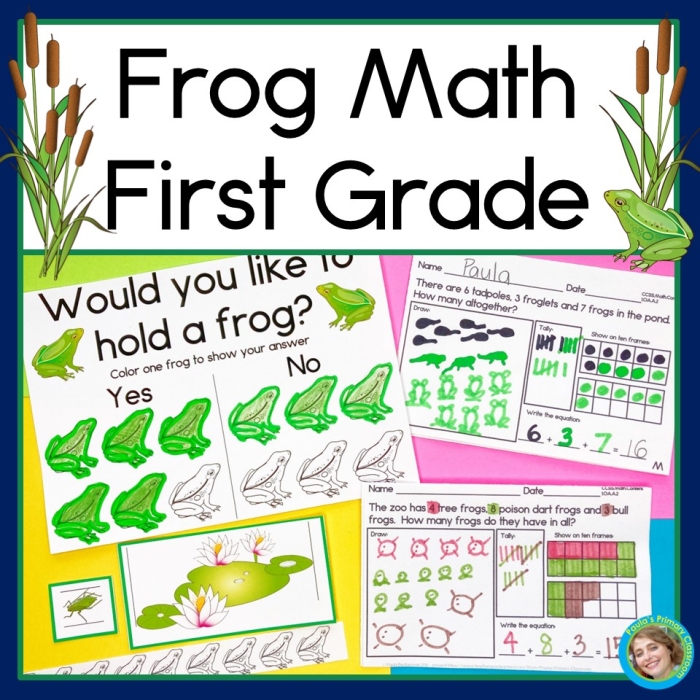
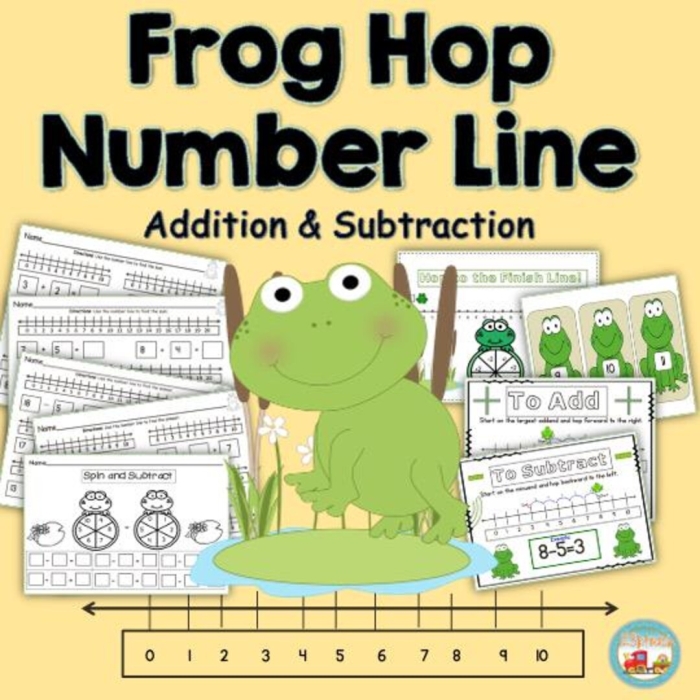
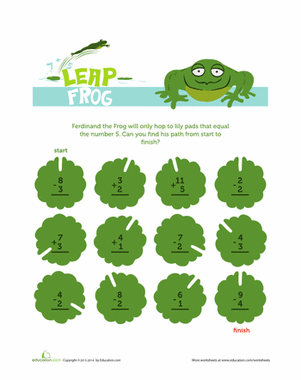
Worksheets that incorporate number lines, such as those found on various educational platforms, can be immensely beneficial. These worksheets often feature colorful and engaging designs that capture a child’s interest. For example, worksheets that ask students to find sums using a number line can be both fun and educational. They act as a bridge, connecting abstract concepts with visual aids, making math accessible and enjoyable.
Incorporating number lines into first-grade math lessons supports not just addition, but also provides a foundation for future math concepts. As students progress, they will encounter more complex operations, and the number line remains a valuable tool. For additional practice, consider exploring worksheets focused on different grammar and mechanics skills, such as spotting verbs or clapping syllables.
Ultimately, number lines serve as a powerful instrument in teaching single-digit addition. By making math visual and interactive, we can help first graders not only learn but also enjoy the process of discovering numbers and their relationships.
Use These Worksheets Today