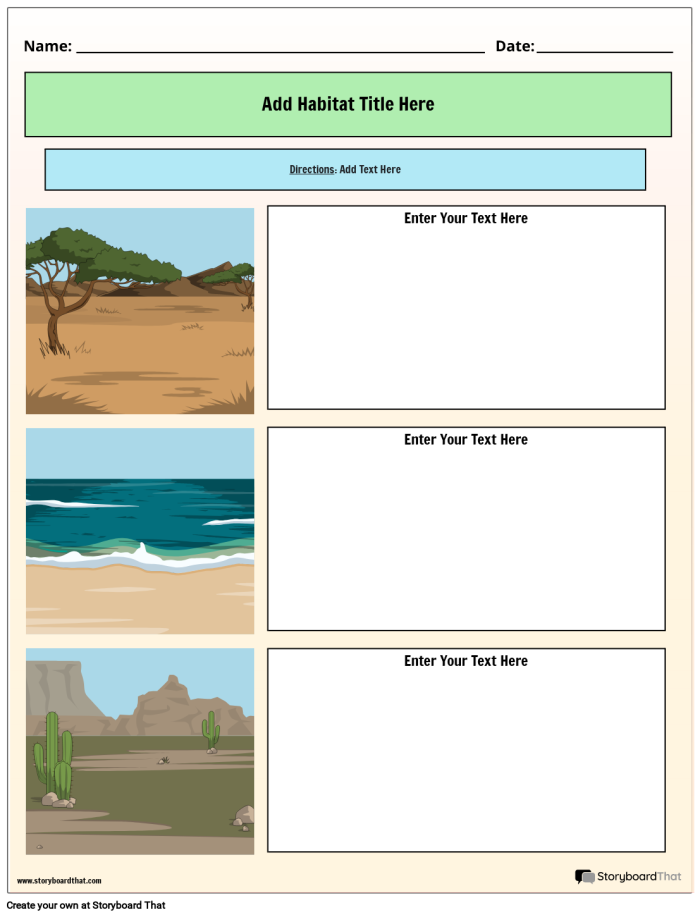
Encouraging young learners to explore the diverse plants and animals inhabiting various habitats around the world opens their minds to the wonders of life science. From the icy tundras of the Arctic to the lush rainforests of the Amazon, every habitat is home to unique creatures and flora that contribute to the Earth’s rich biodiversity. Understanding these ecosystems not only fosters curiosity but also lays the groundwork for environmental awareness.
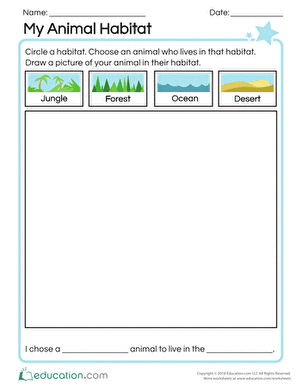
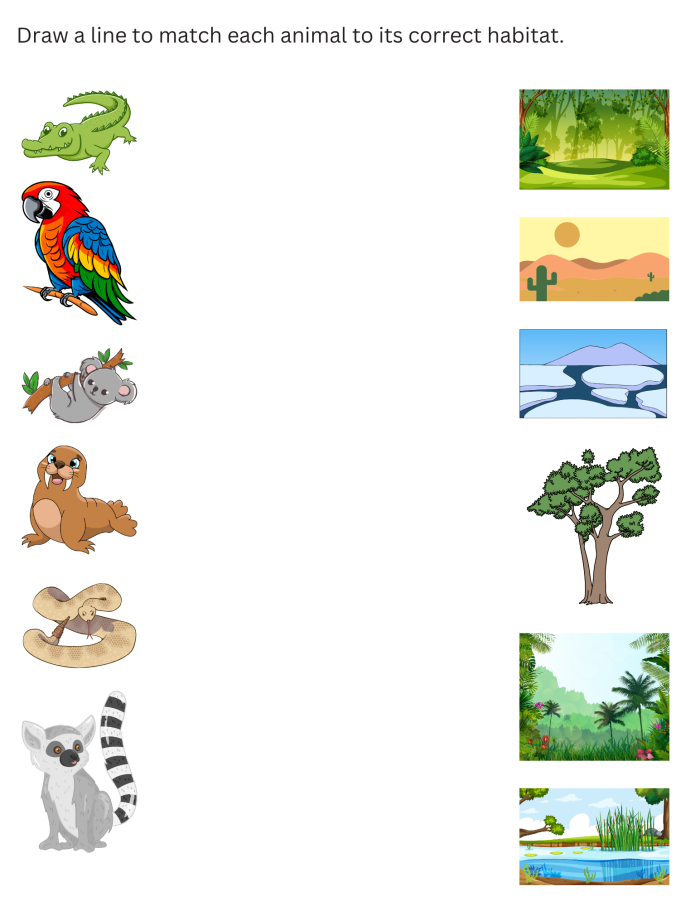
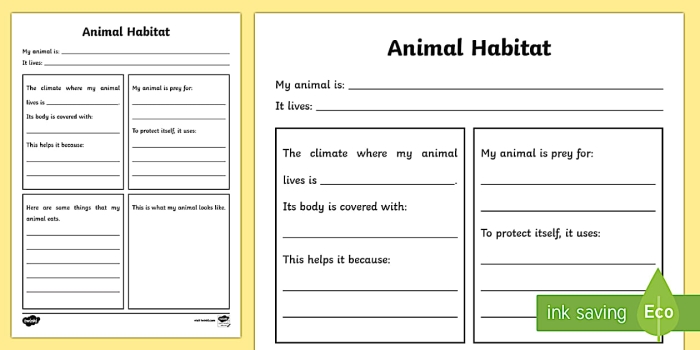
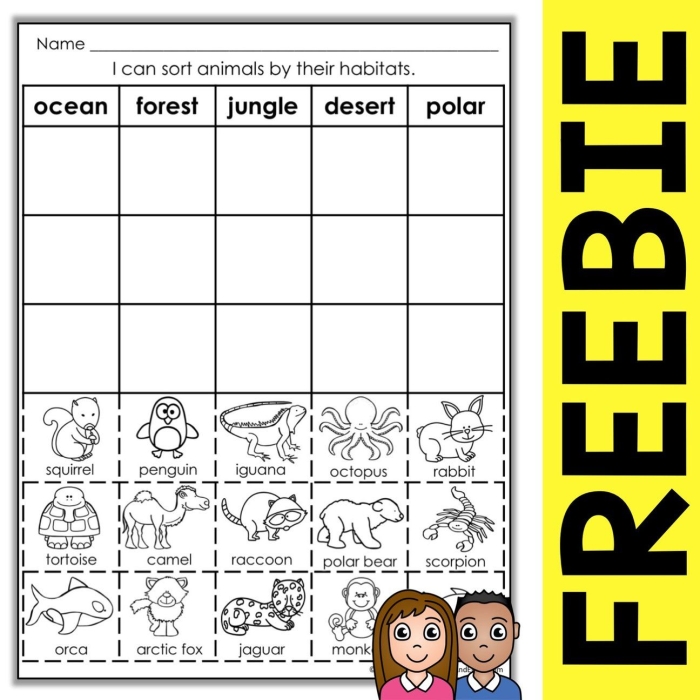
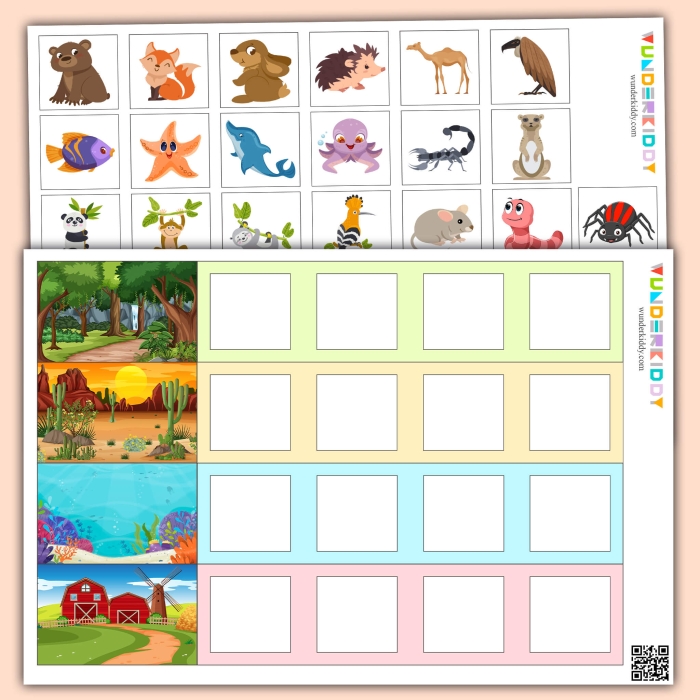
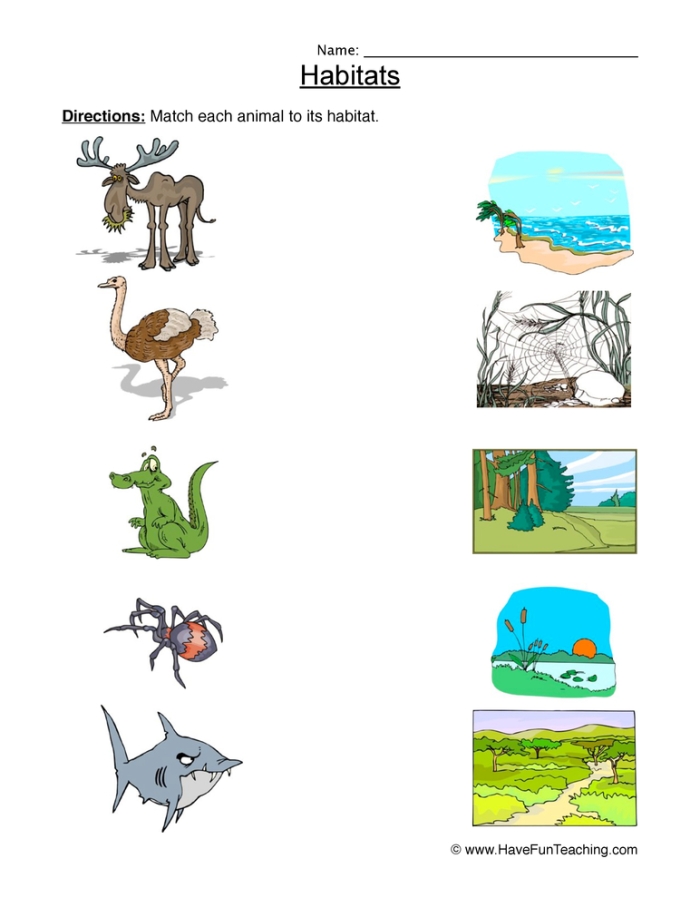
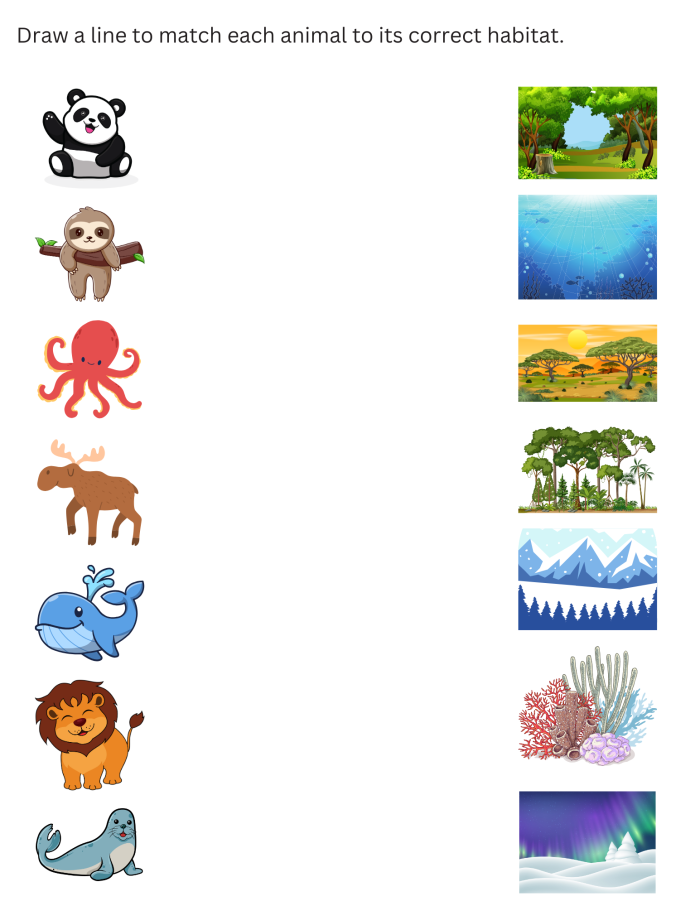
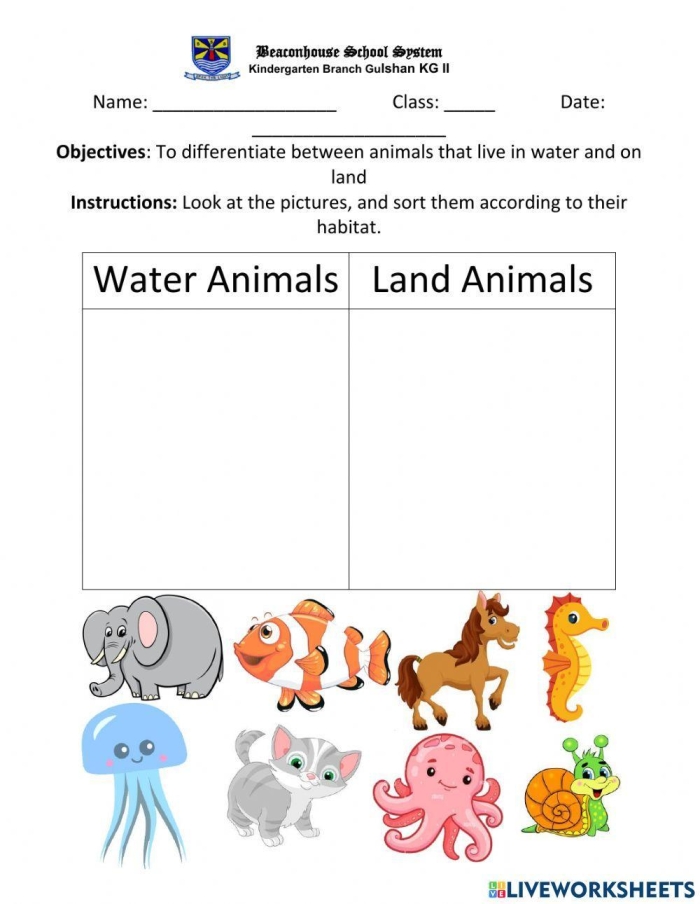
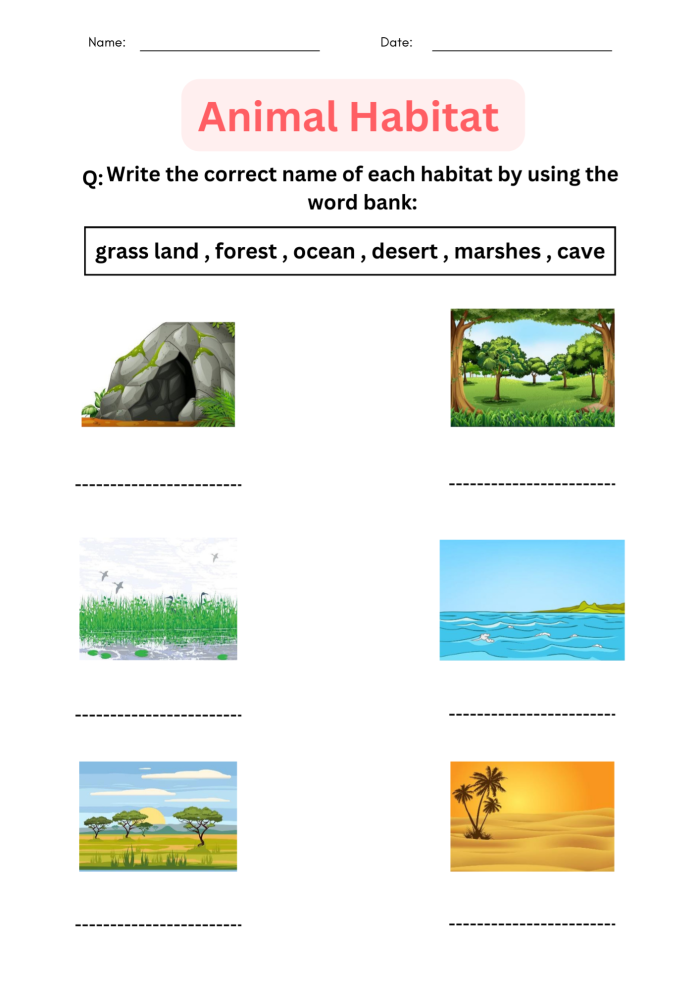
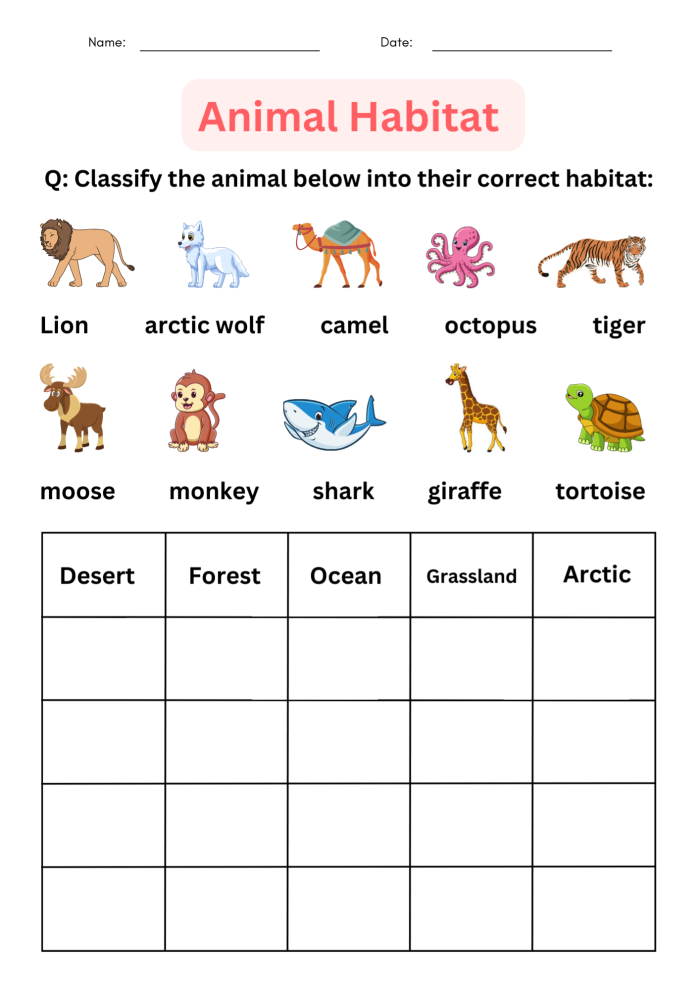
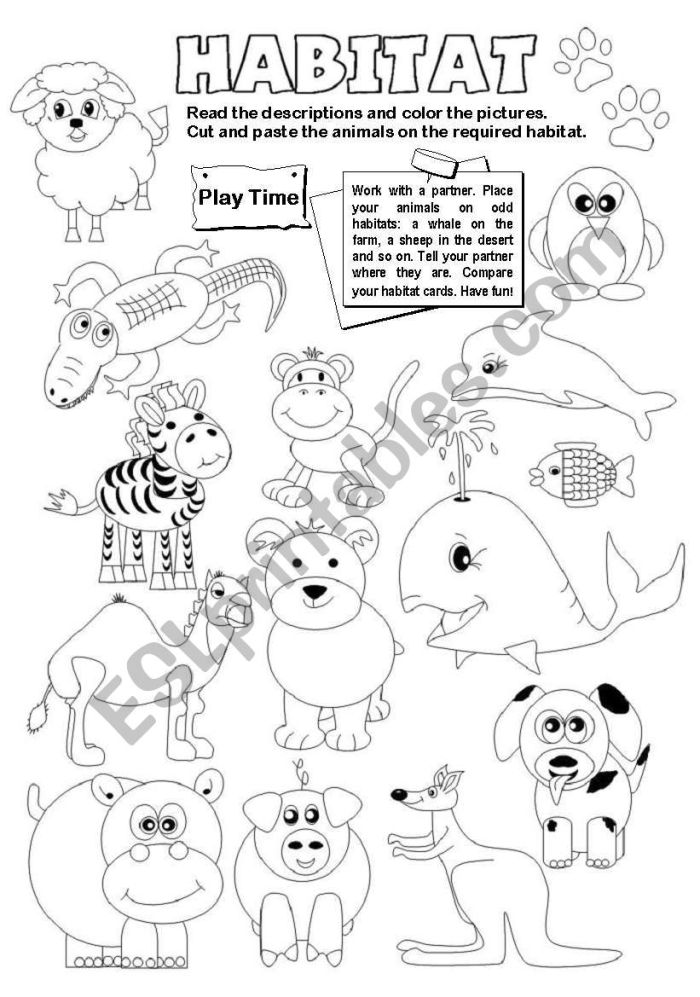
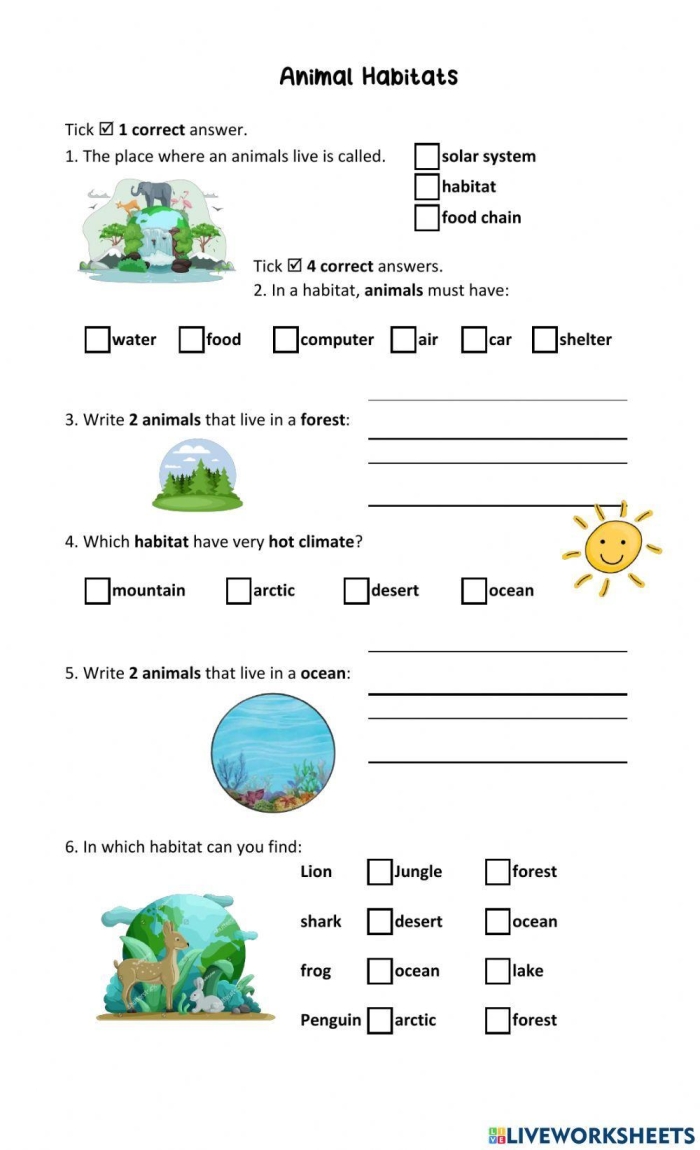
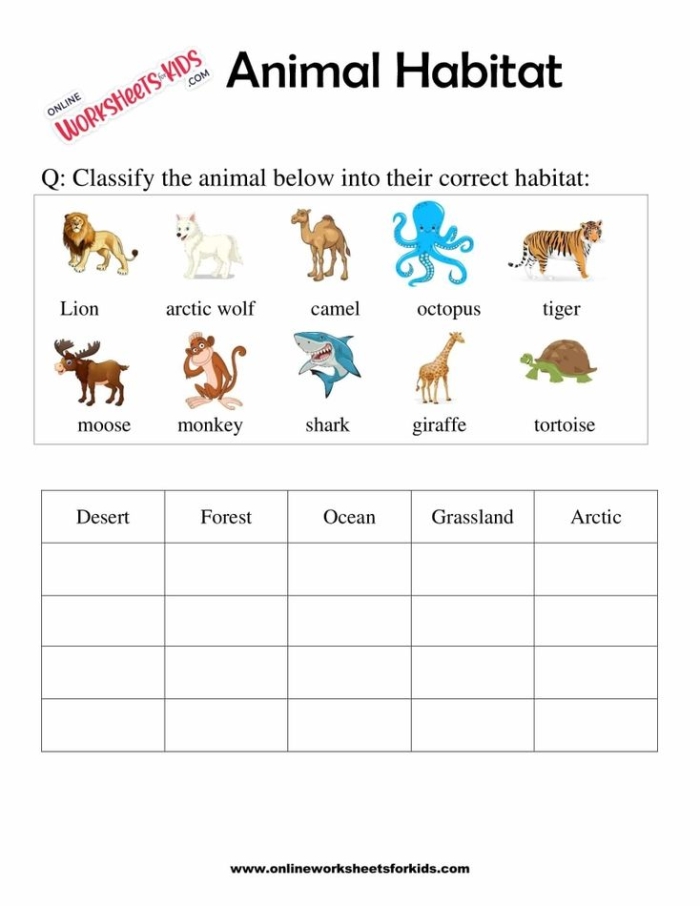
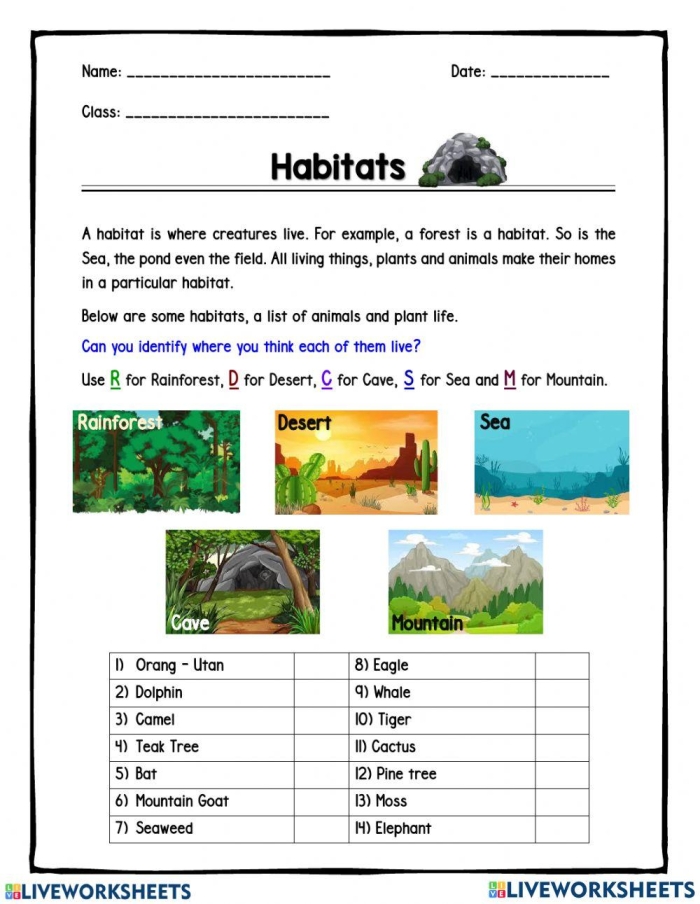
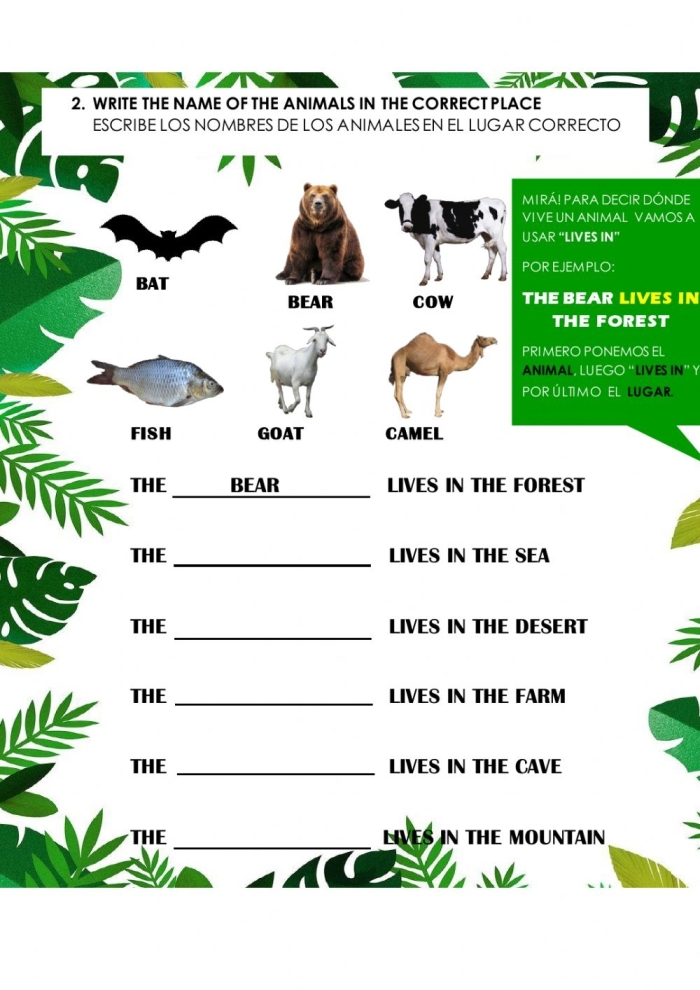
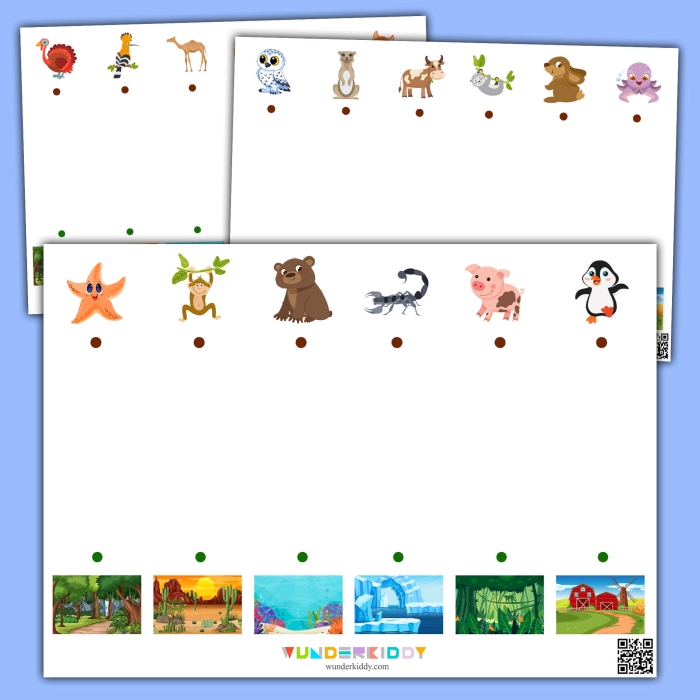
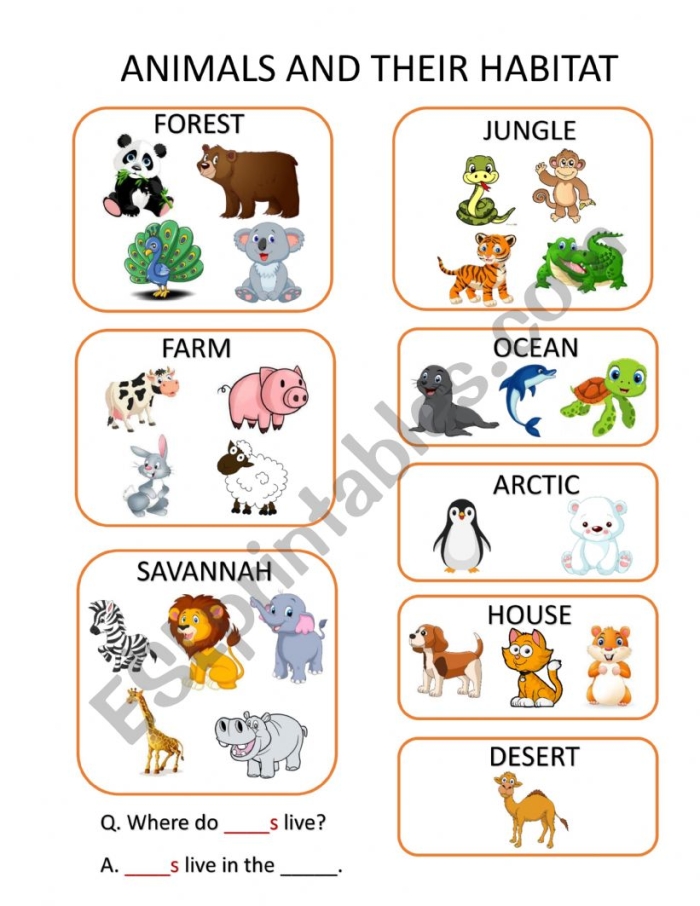
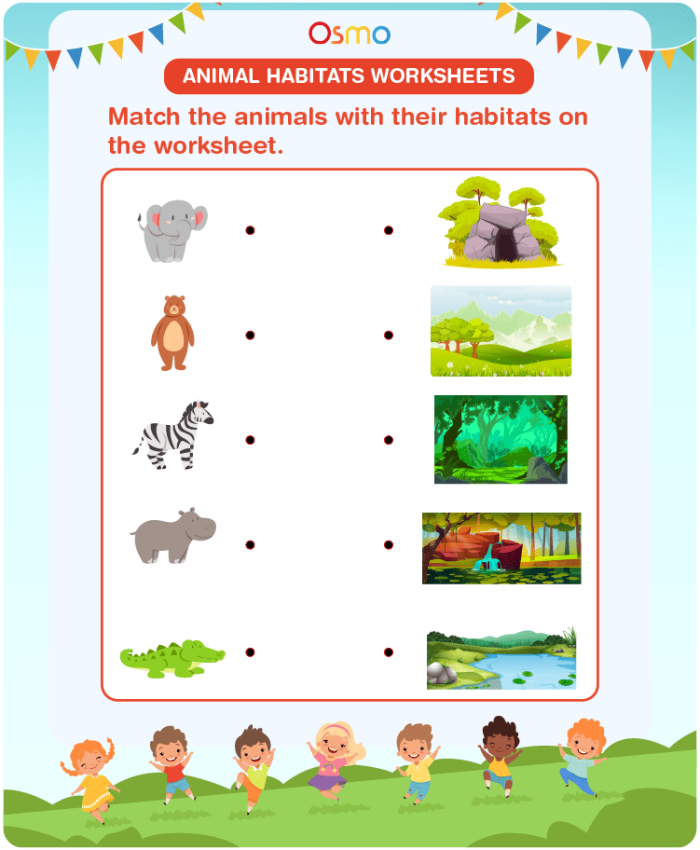
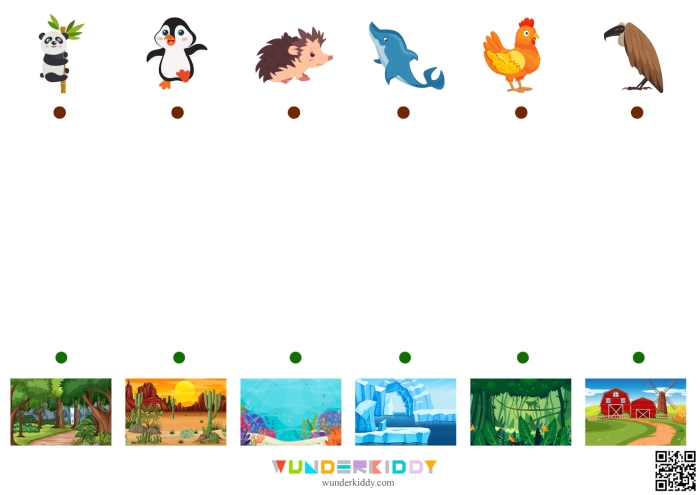
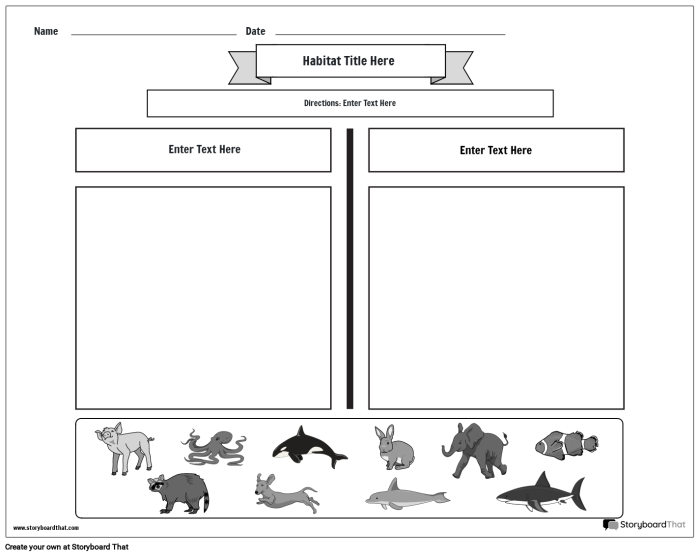
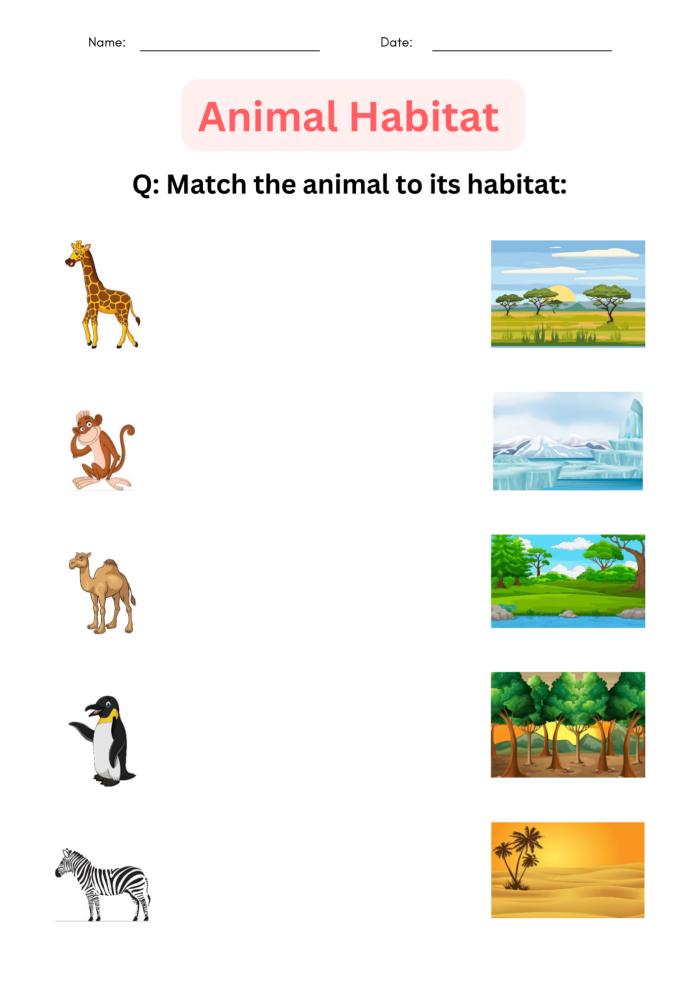
When teaching about habitats, it’s helpful to focus on a few key examples to illustrate the concept. For instance, consider the desert, a harsh environment where cacti thrive and animals like the fennec fox have adapted to survive with minimal water. Discussing such specifics helps learners grasp how life adjusts to different conditions. You can enhance this understanding by incorporating activities that prompt them to think about what plants and animals might live in a particular habitat and why. Engaging worksheets, like those found in the My Animal Habitat series, can make this exploration fun and interactive.
Another effective approach is to have children create their own habitat dioramas or drawings. This hands-on activity not only reinforces what they’ve learned but also allows them to express their creativity. Through exercises like these, learners can appreciate the interdependence of species within ecosystems. For example, a simple exercise could involve identifying the roles of plants and animals in a habitat—like how bees pollinate flowers, supporting plant growth and, in turn, providing food for other animals.
By emphasizing the connections among living things, you help shape a deeper understanding of life science concepts at a young age. Whether through a class project or printable worksheets like the Dream Pet activity, every lesson can spark interest in the natural world. Encourage your learners to ask questions and explore the incredible variety of life that surrounds them!
Printable Worksheets for Practice