Counting is an essential skill that lays the foundation for early math concepts. As your child practices counting, they will not only learn how to recognize numbers but also how to compare quantities. One of the most engaging ways to teach the concepts of “more” and “less” is by having them observe groups of animals, such as flocks of birds, gaggles of geese, or herds of sheep. This hands-on approach makes learning both fun and meaningful.
Imagine your child standing in front of two groups of animals. One group has five ducks, while the other has three. By counting each group, your child can easily determine which group has more ducks. This simple exercise fosters critical thinking as they are encouraged to ask questions: “How many more ducks are in the first group?” or “Which group has less?” Such inquiries not only help reinforce counting skills but also introduce basic subtraction concepts, as they’ll learn to find the difference between the two quantities.
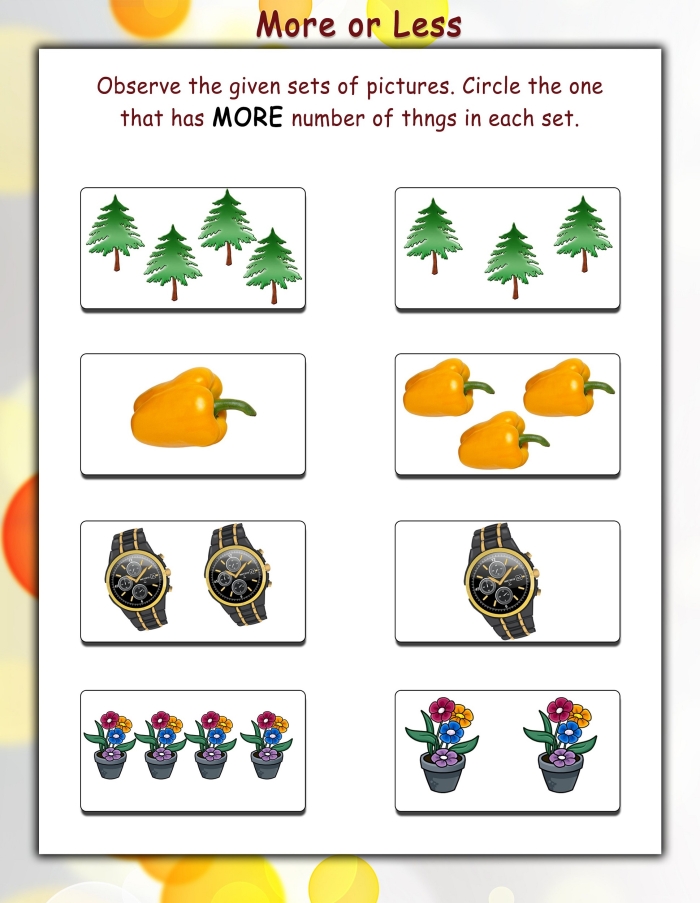
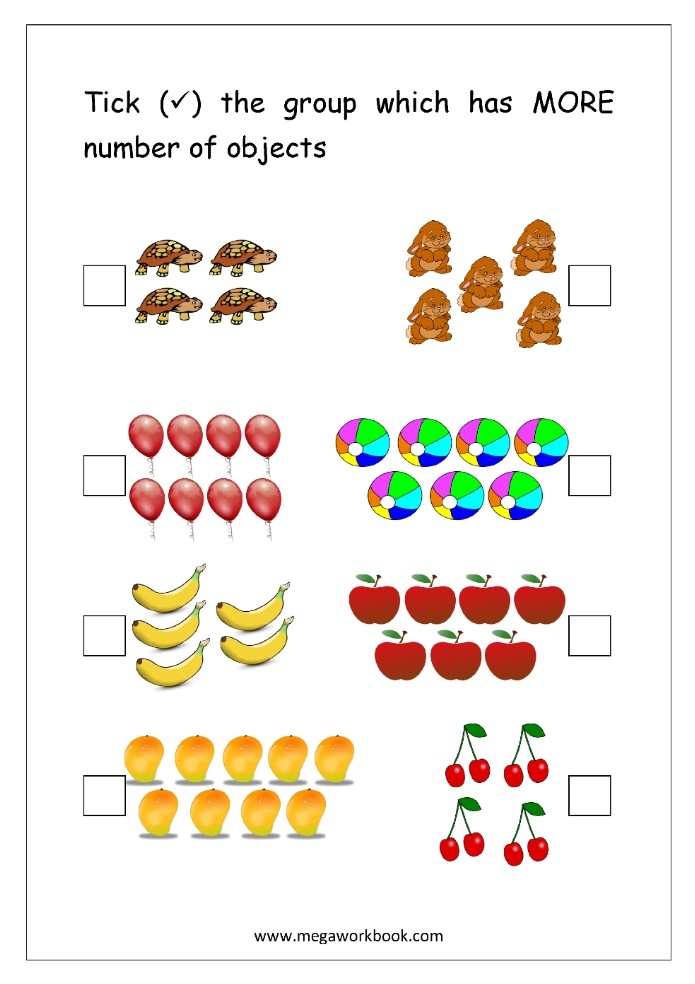
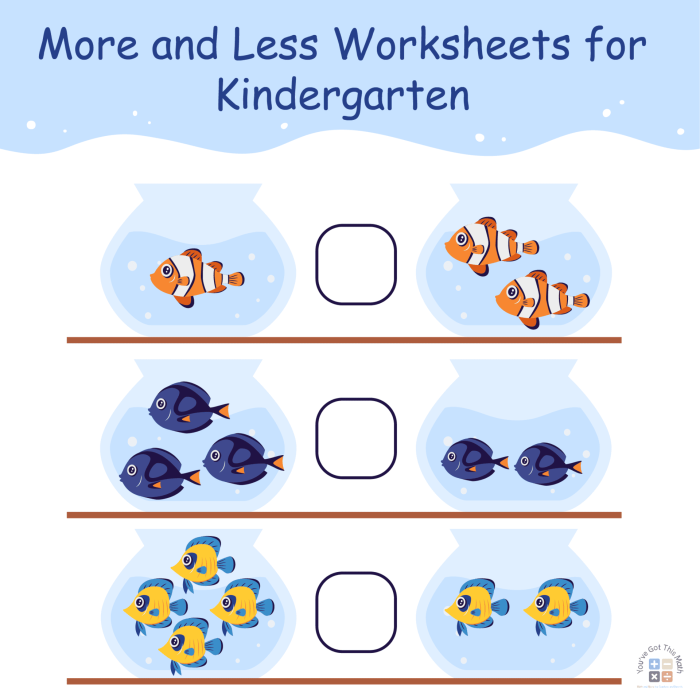
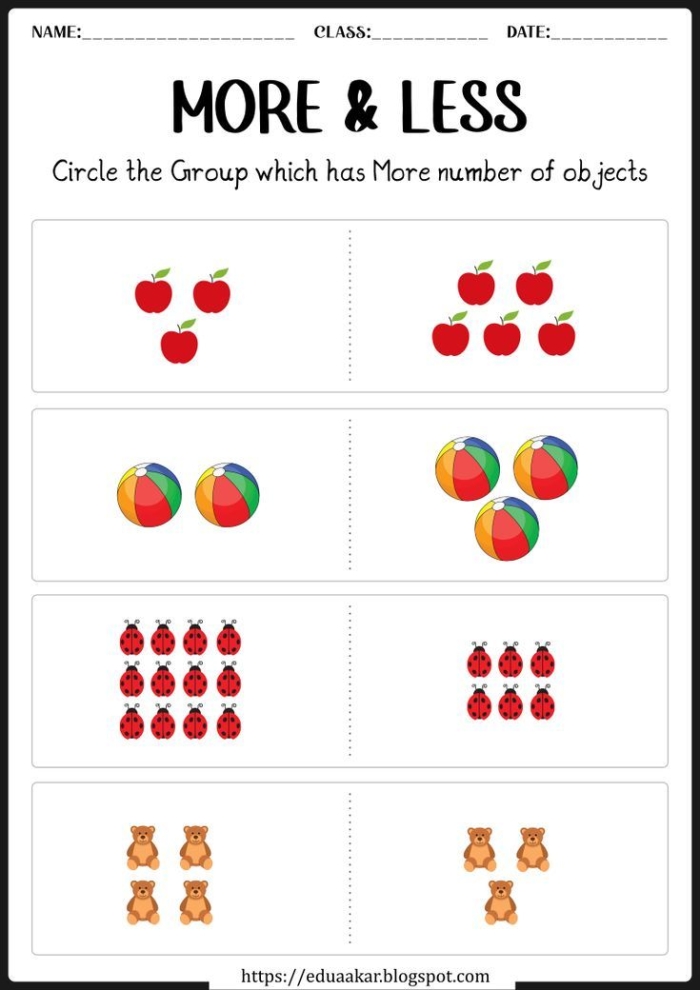
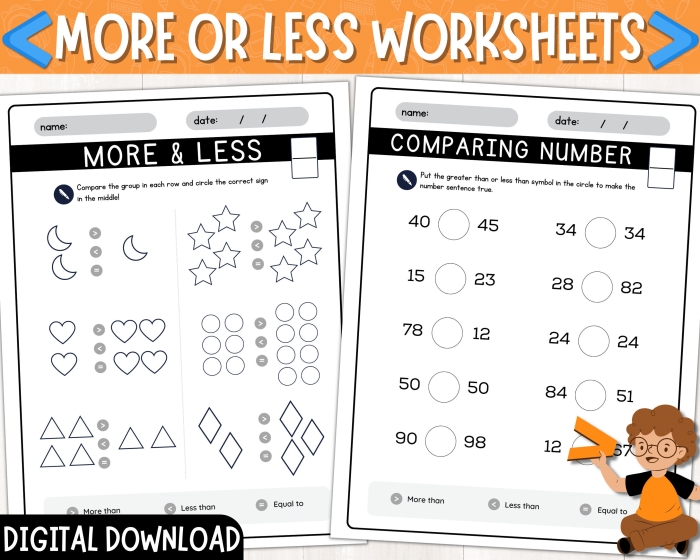
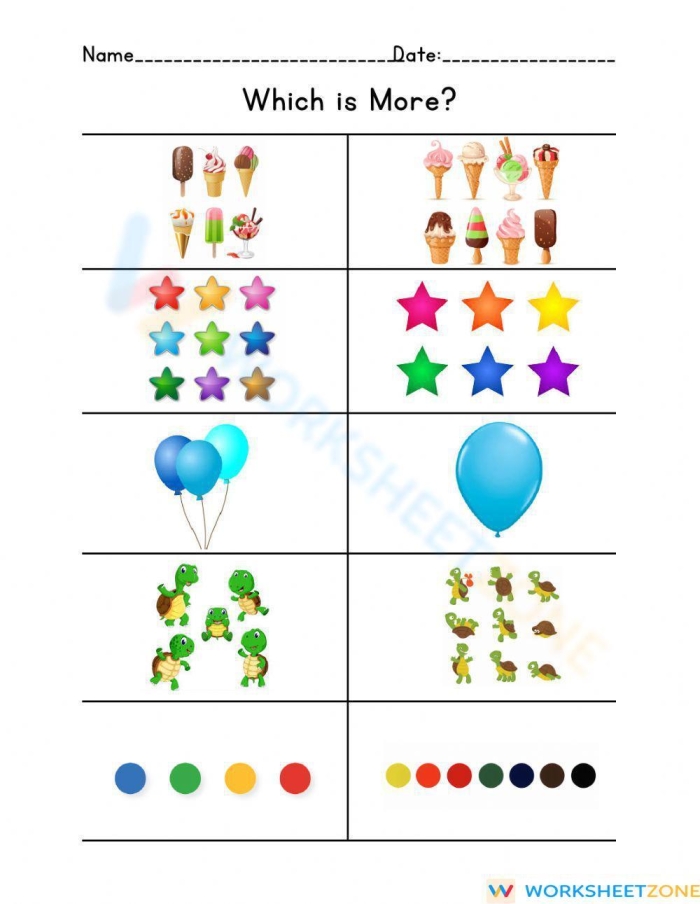
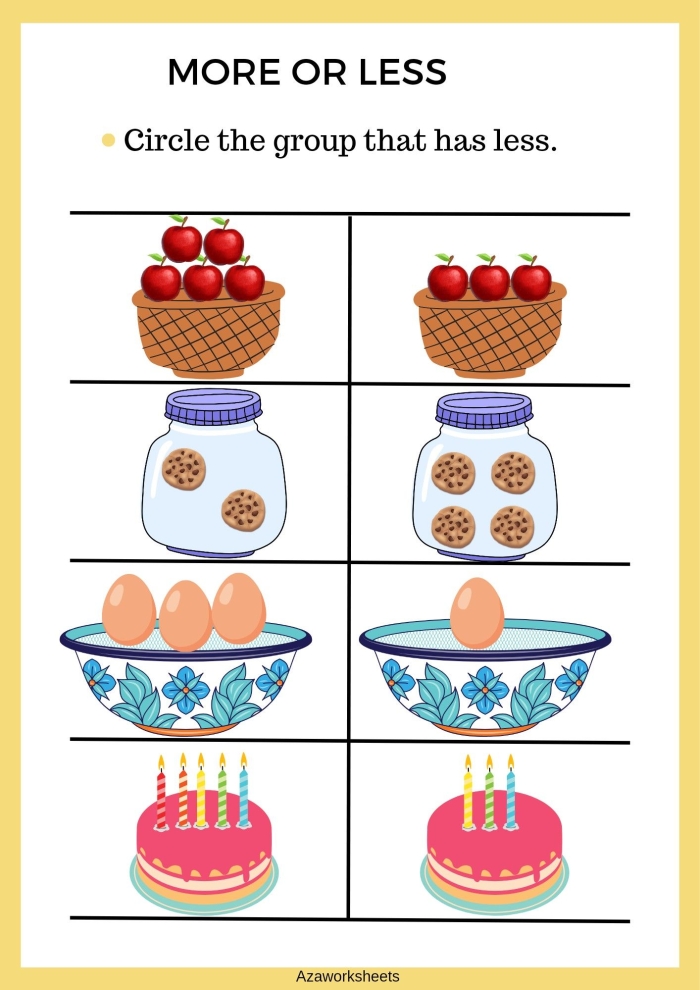
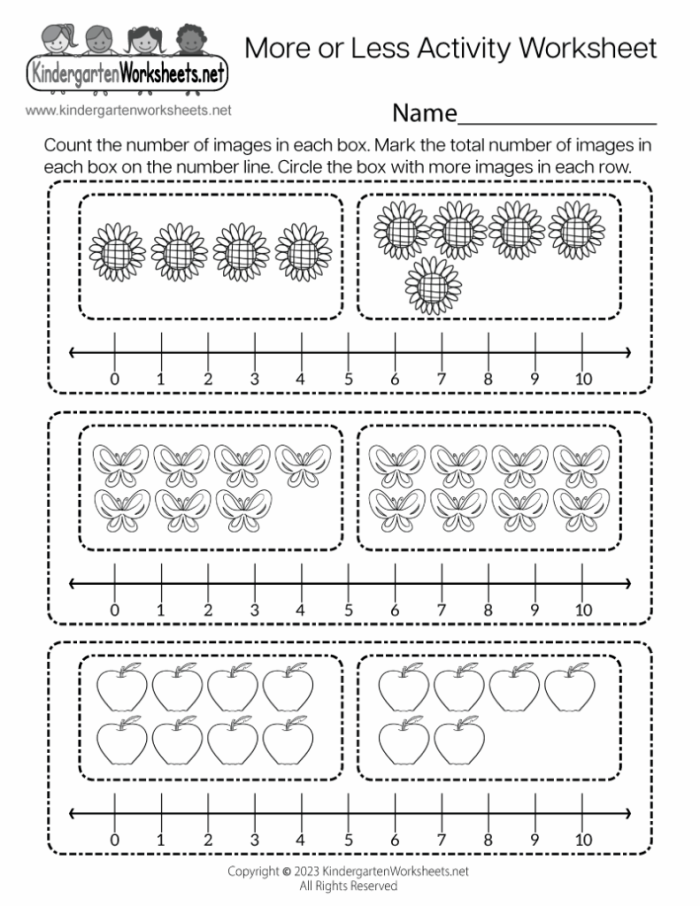
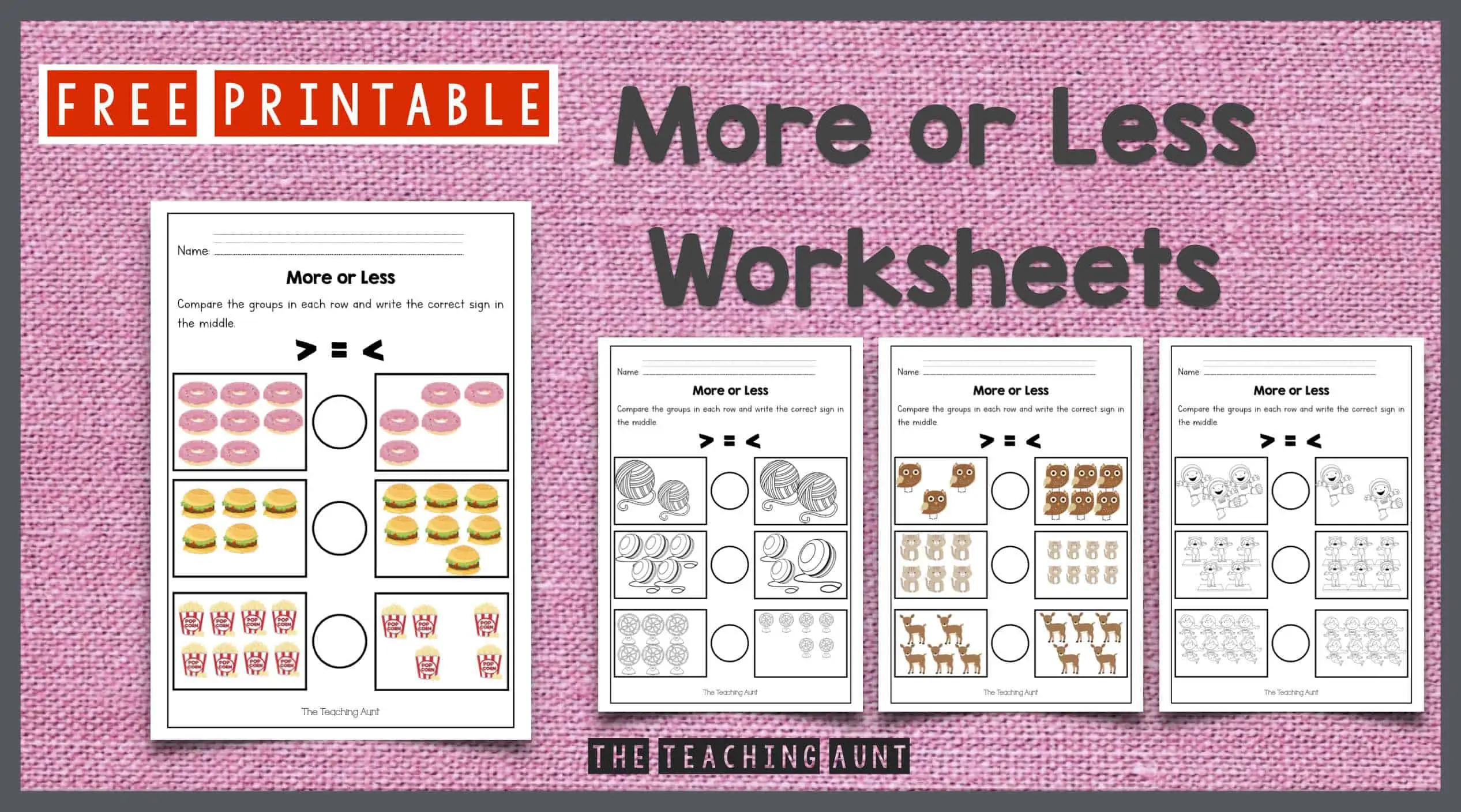
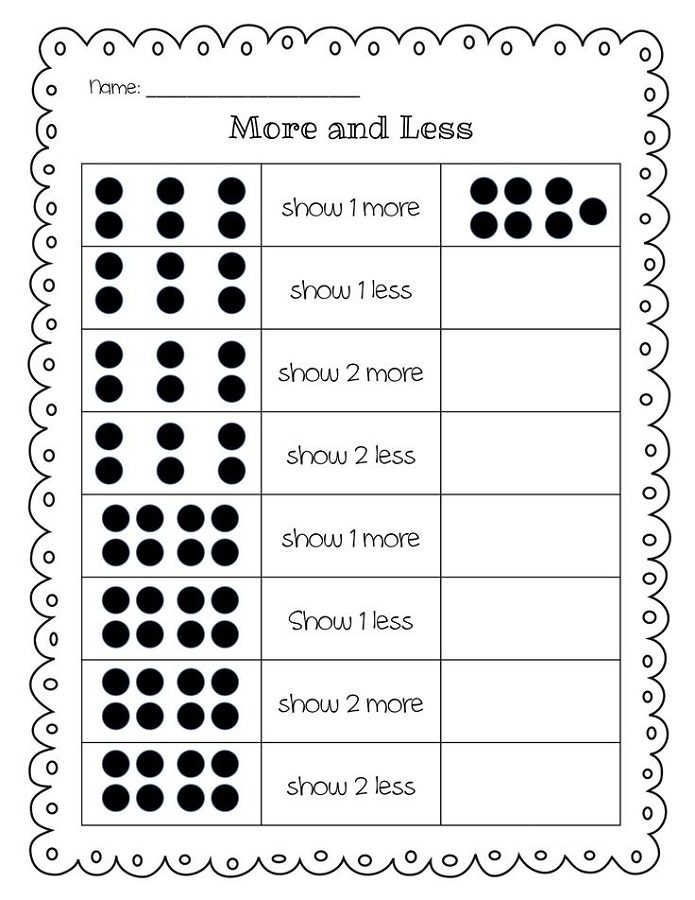
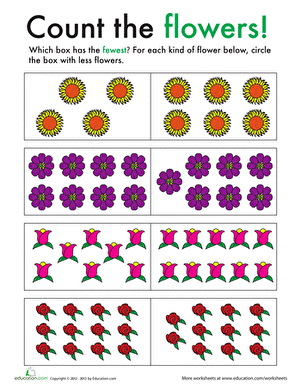
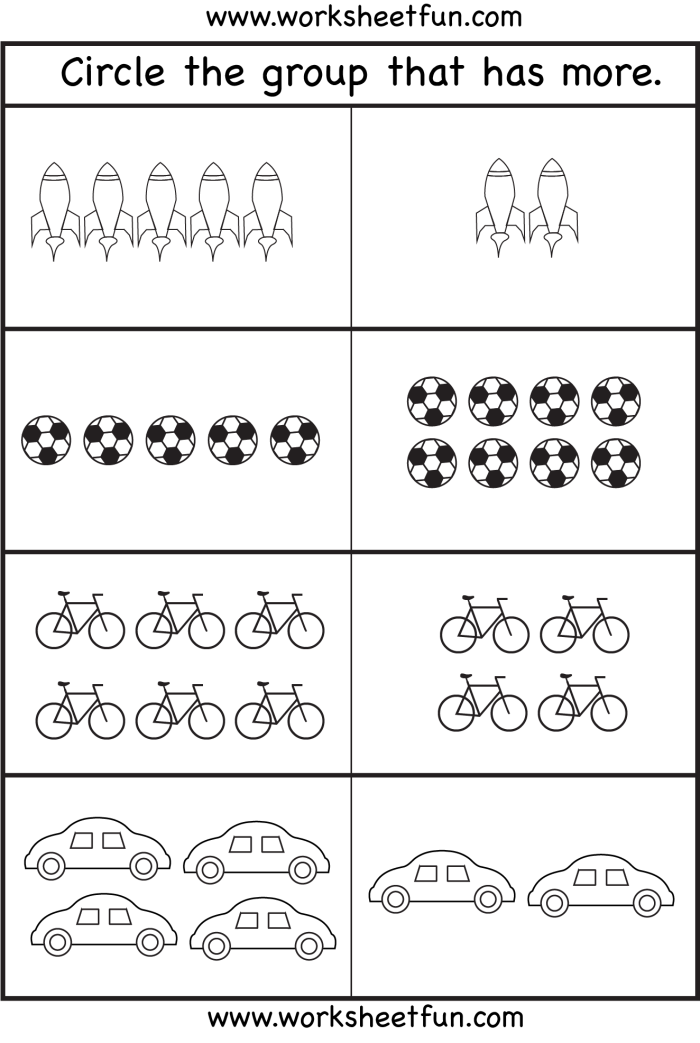
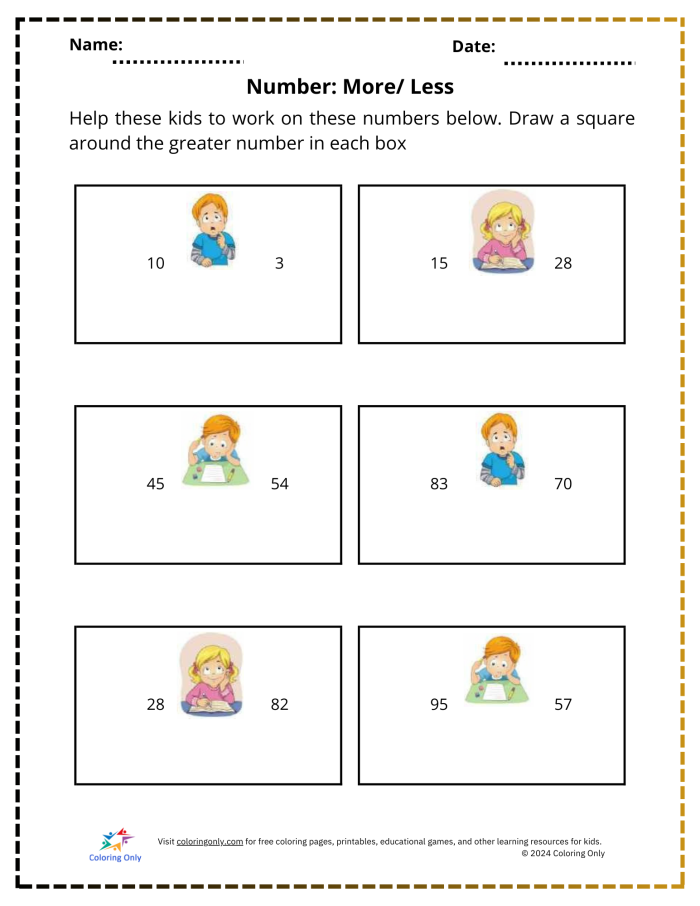
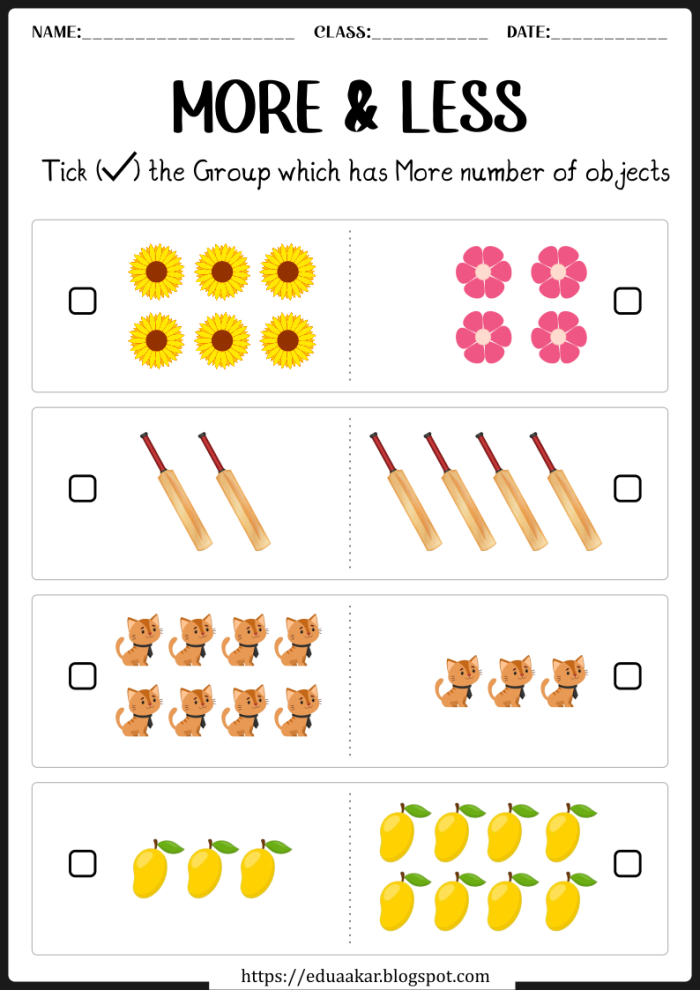
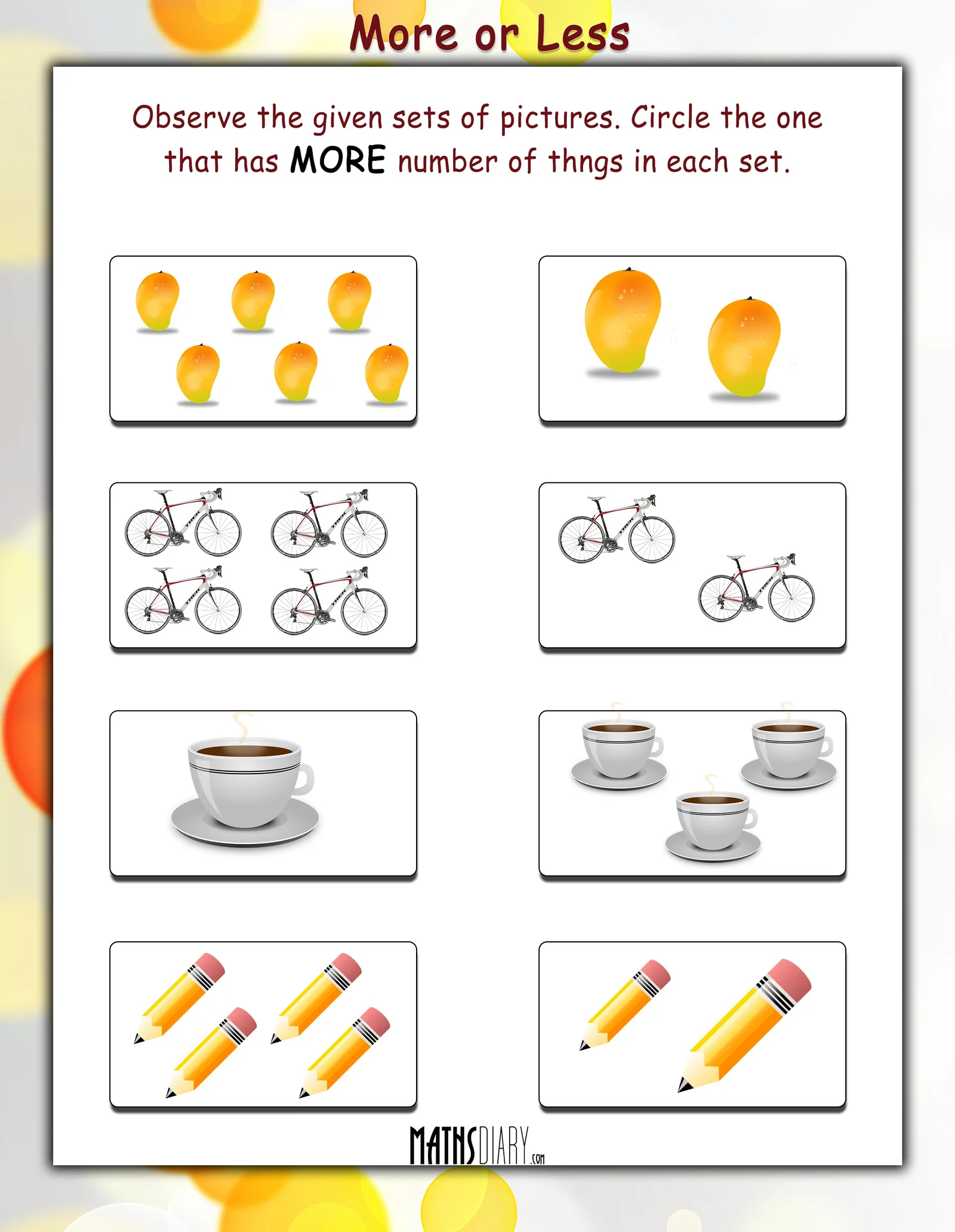
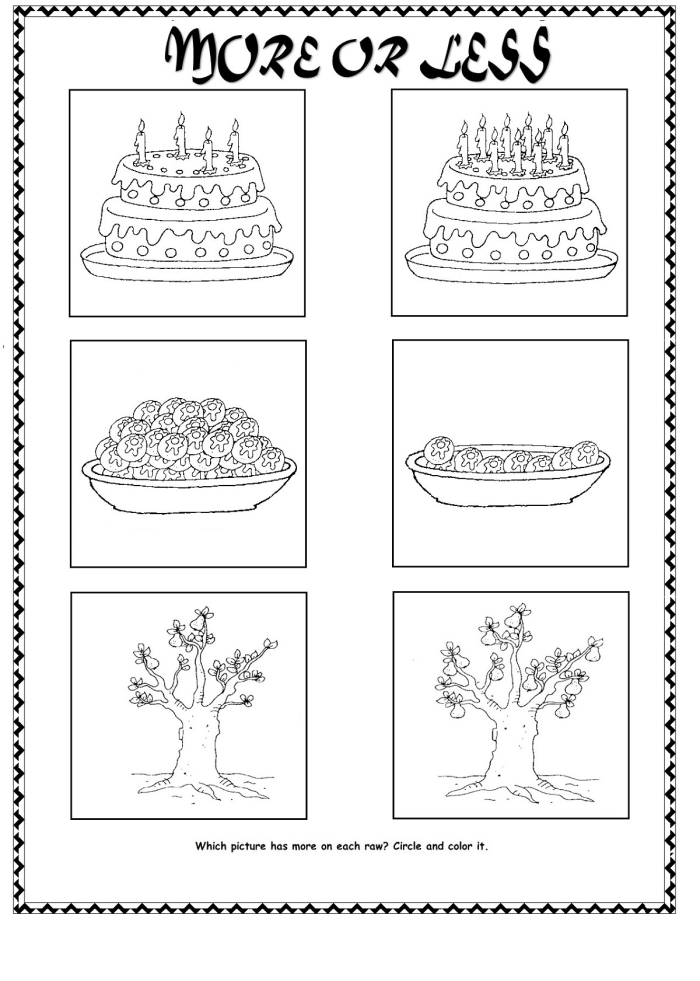
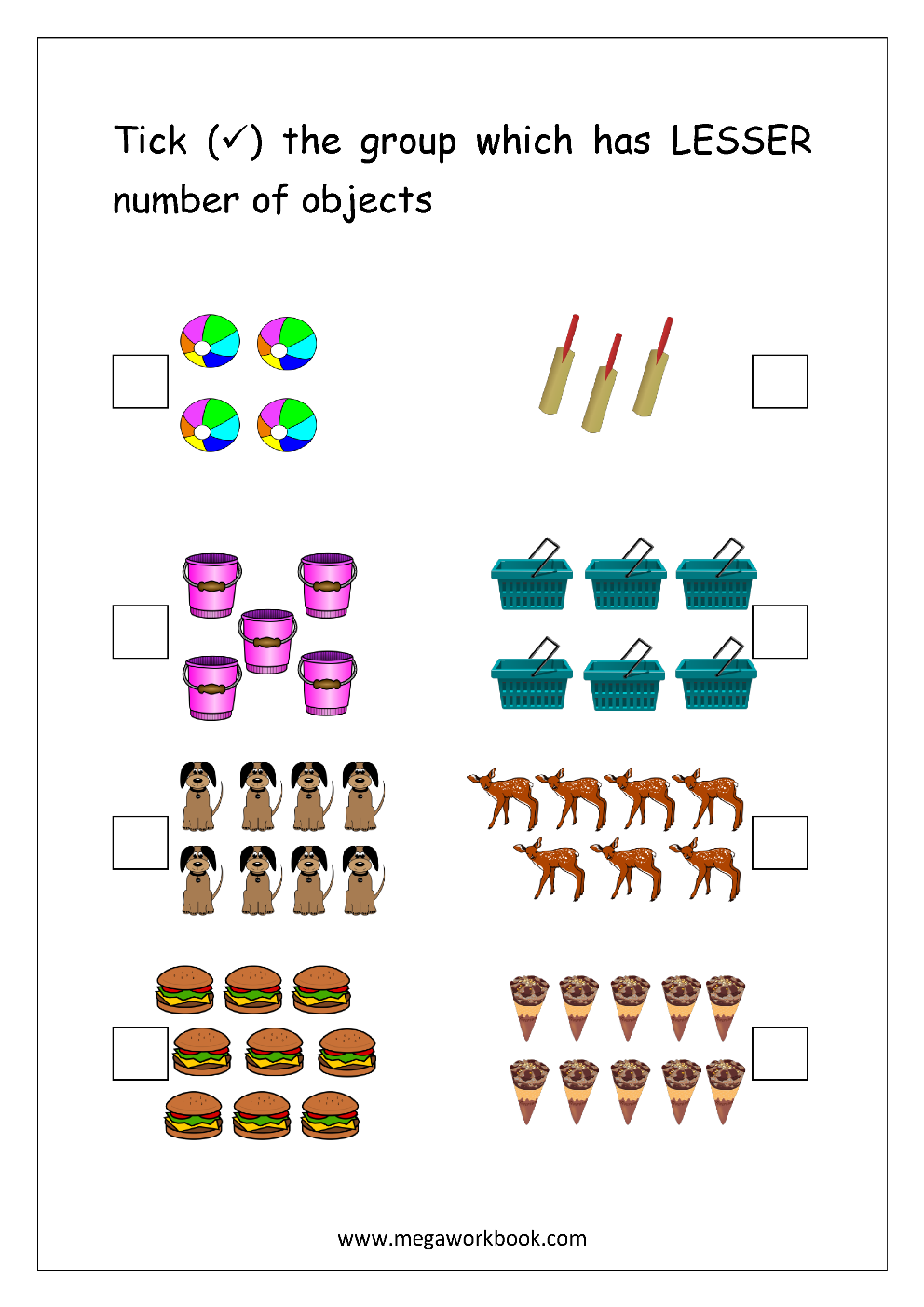
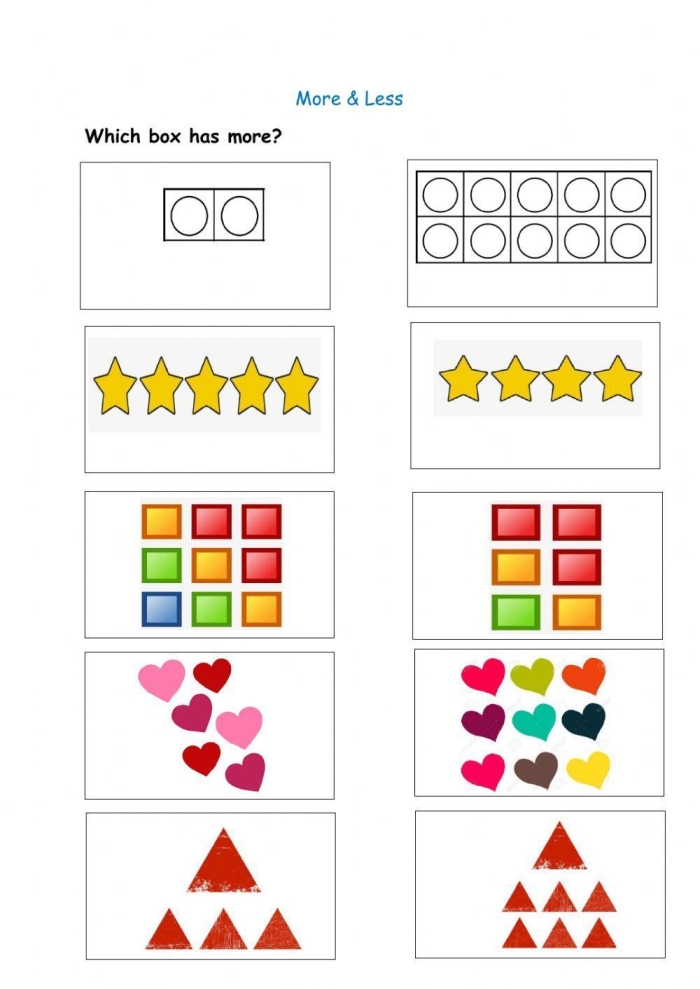
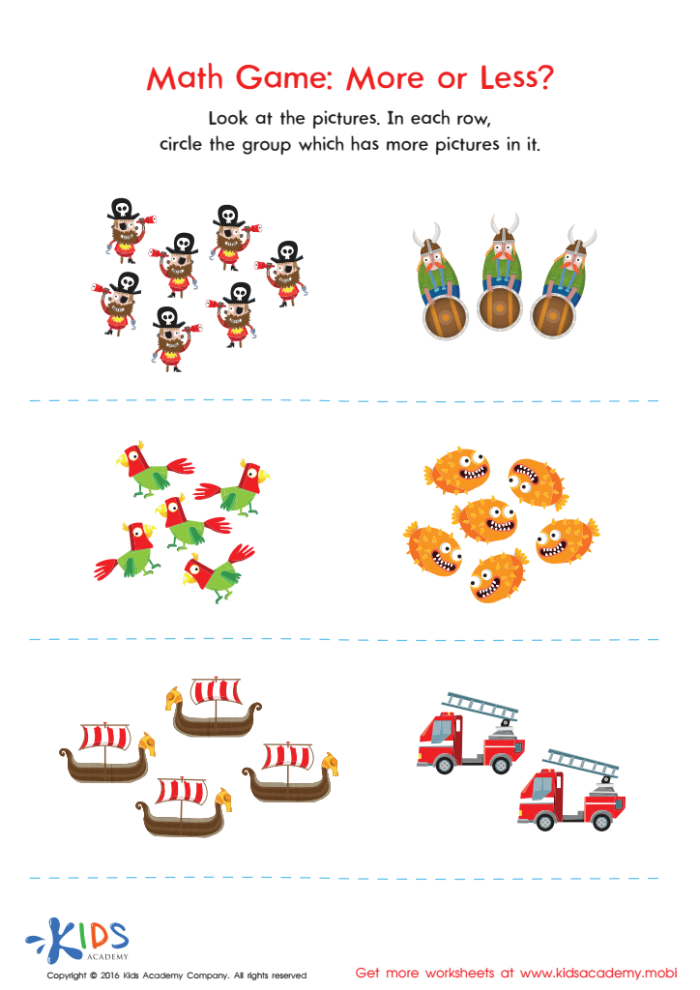
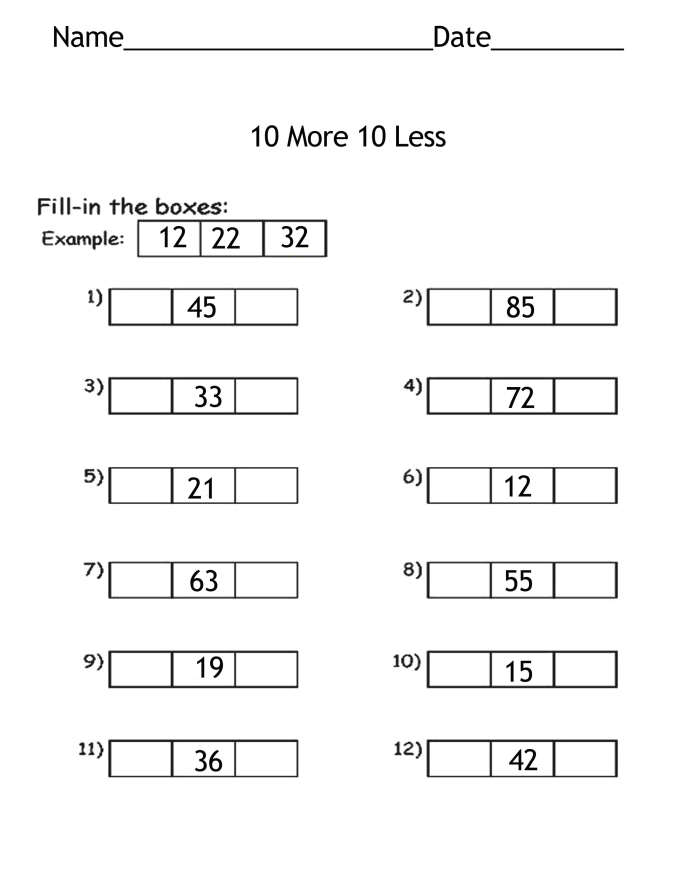
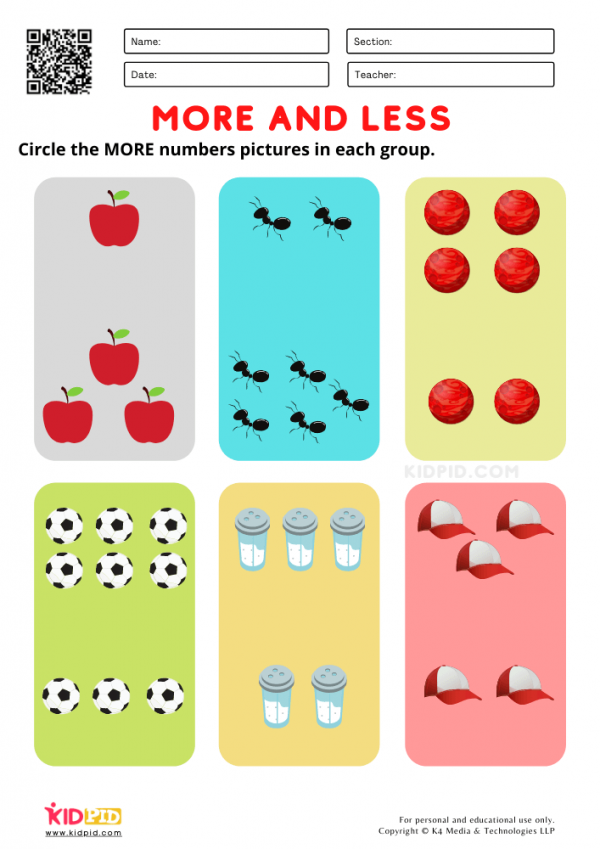
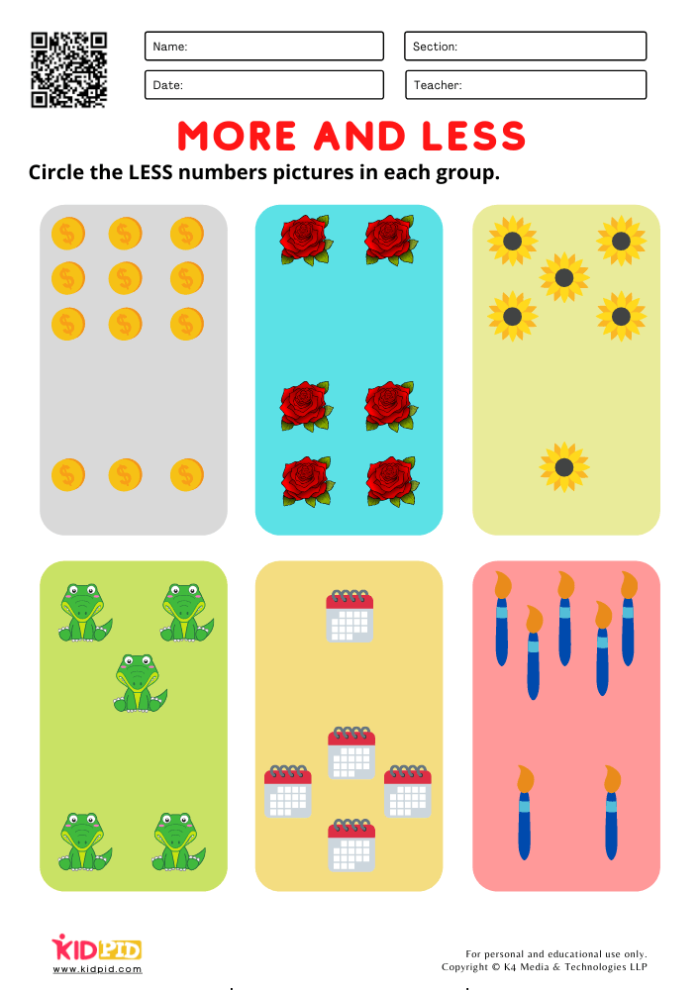
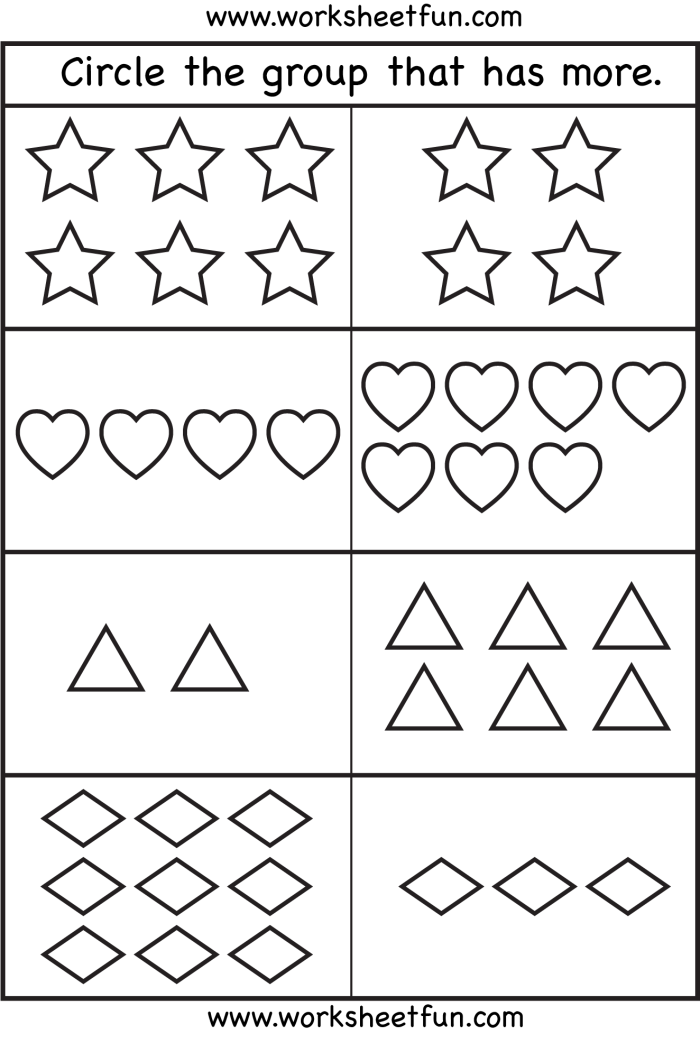
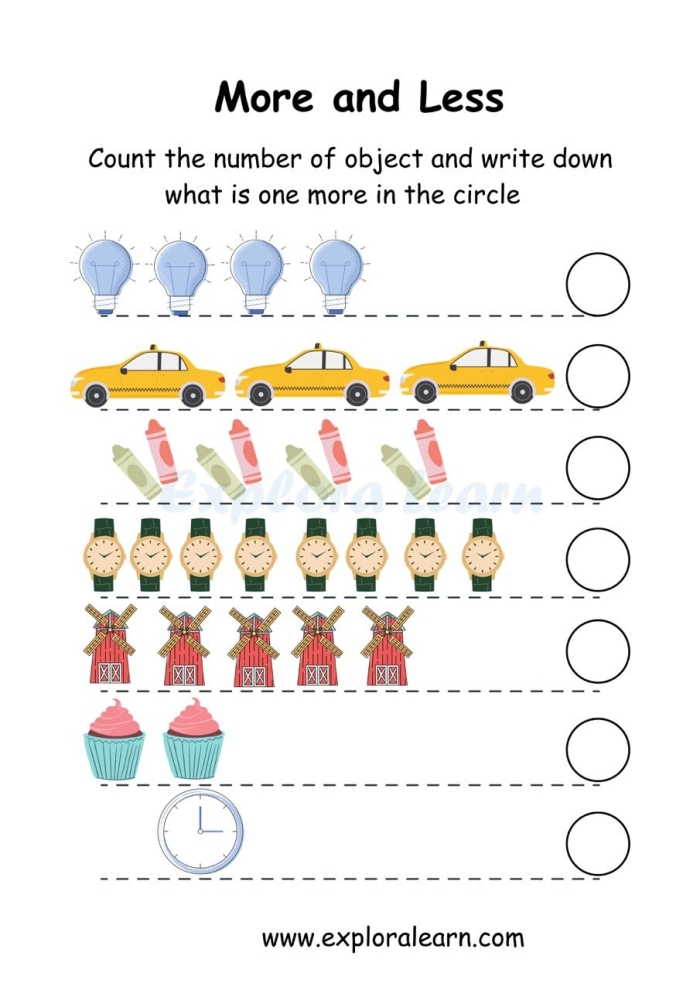
Incorporating this method into your child’s learning routine can significantly enhance their understanding of these concepts. For example, using printable worksheets that focus on more and less can provide structured practice. These worksheets can offer various visual representations that make counting engaging, whether it’s animals, objects, or shapes. Through these activities, children can practice identifying which group is larger or smaller, solidifying their grasp on these fundamental concepts.
Moreover, using real-life examples like animal groups makes learning relatable. When children see and count real things, they are more likely to engage with the material. Activities that involve sorting and counting can easily be integrated into daily routines, making math a part of everyday life. With consistent practice, your child will develop a strong foundation in math that will benefit them as they progress in their education.
Printable Worksheets for Practice