Kids often ask what time it is, but do they actually know how long an hour lasts? Third grade is the perfect moment to build that understanding, and the best way is to count the minutes yourself rather than just memorize the answer.
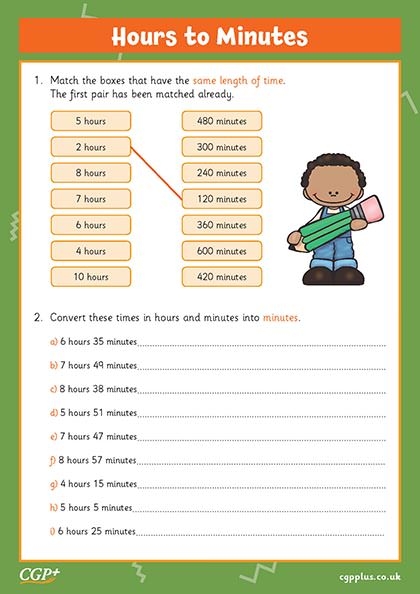
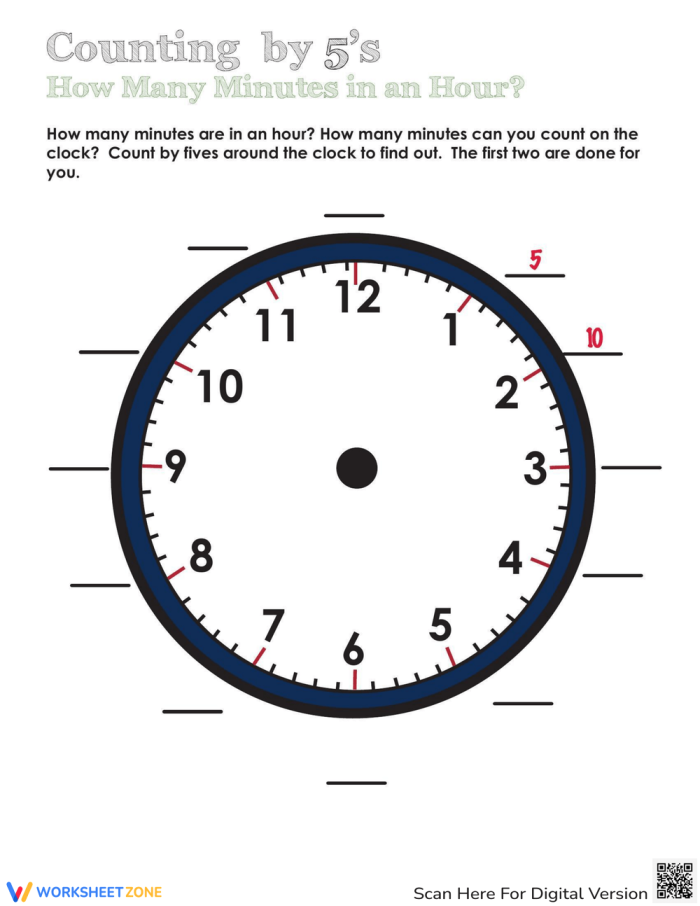
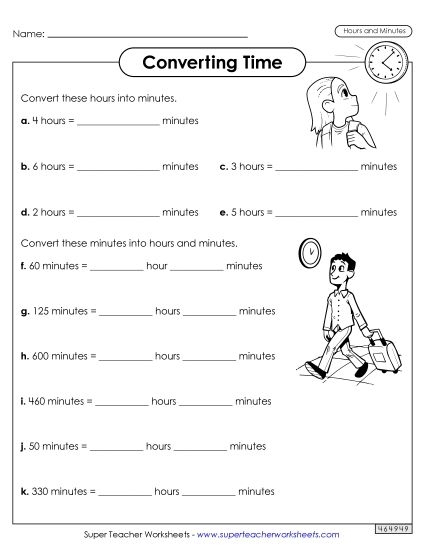
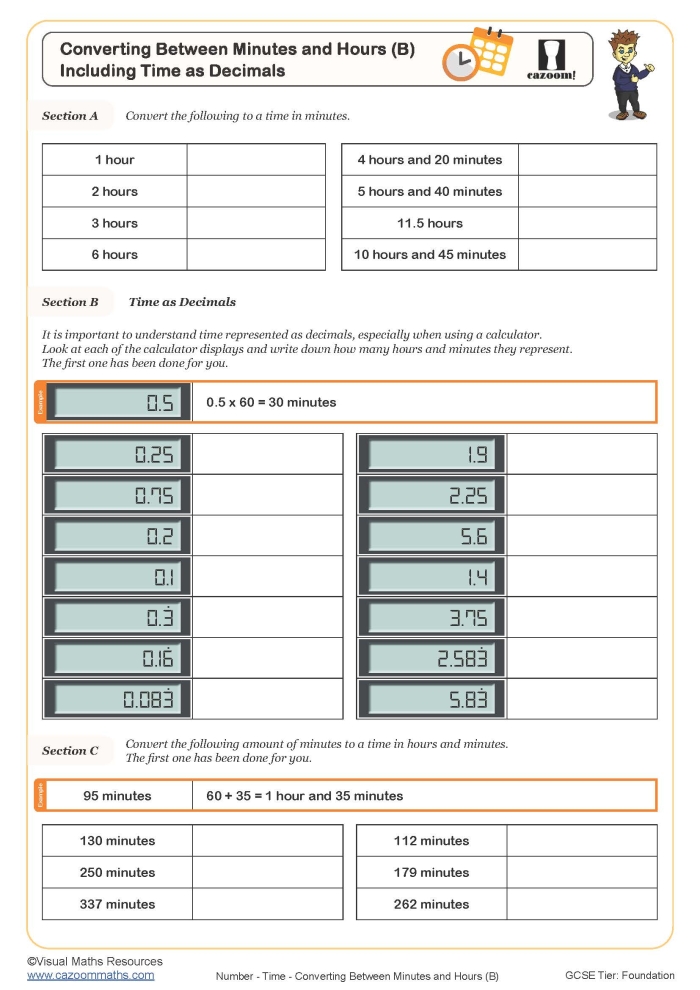
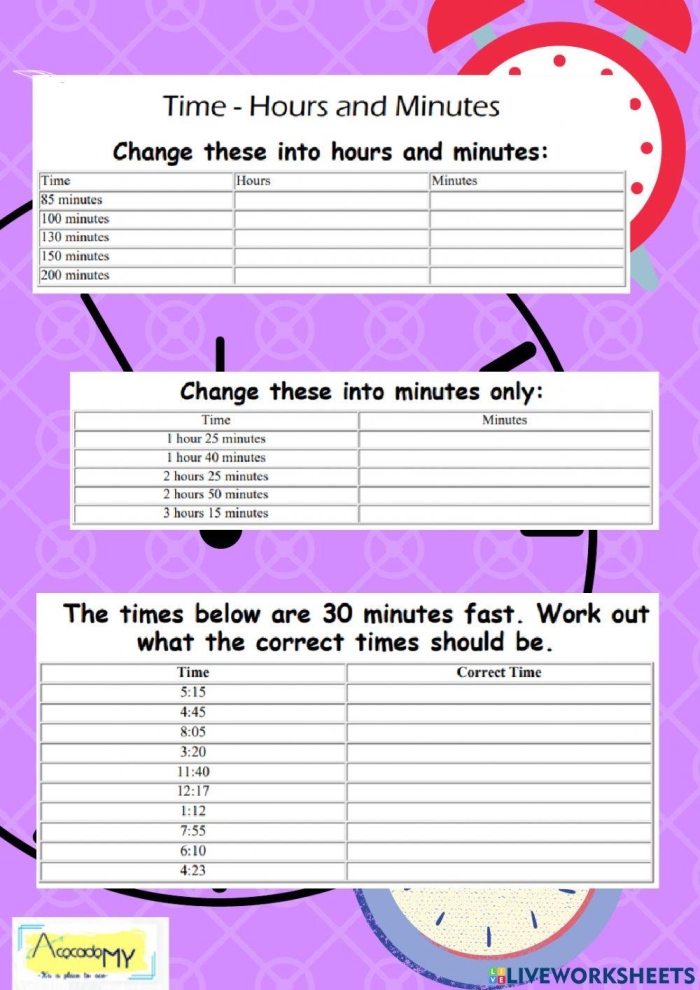
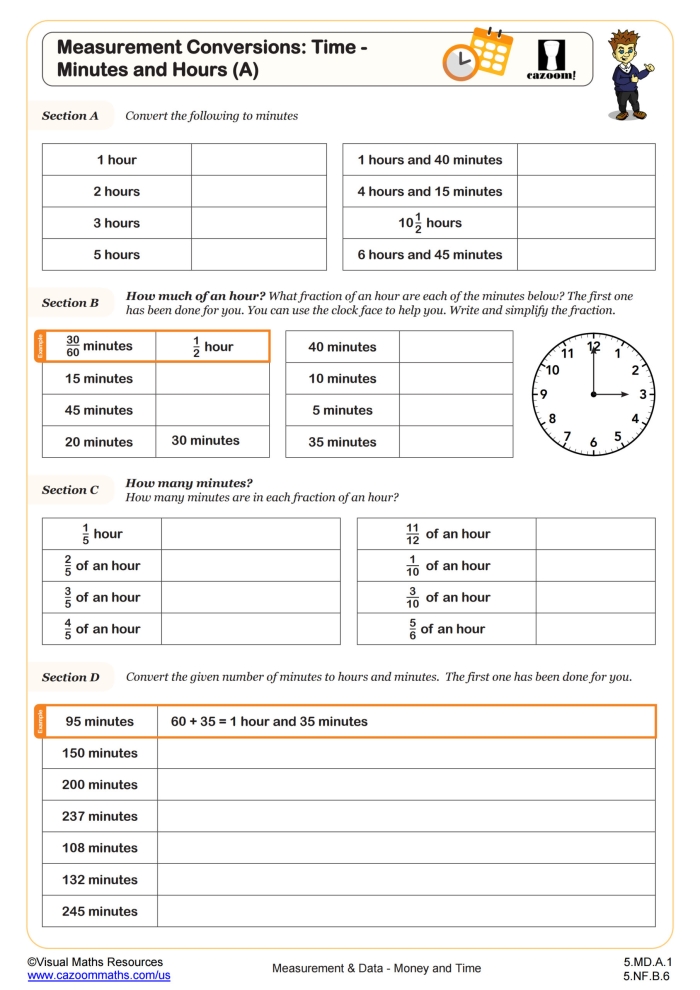
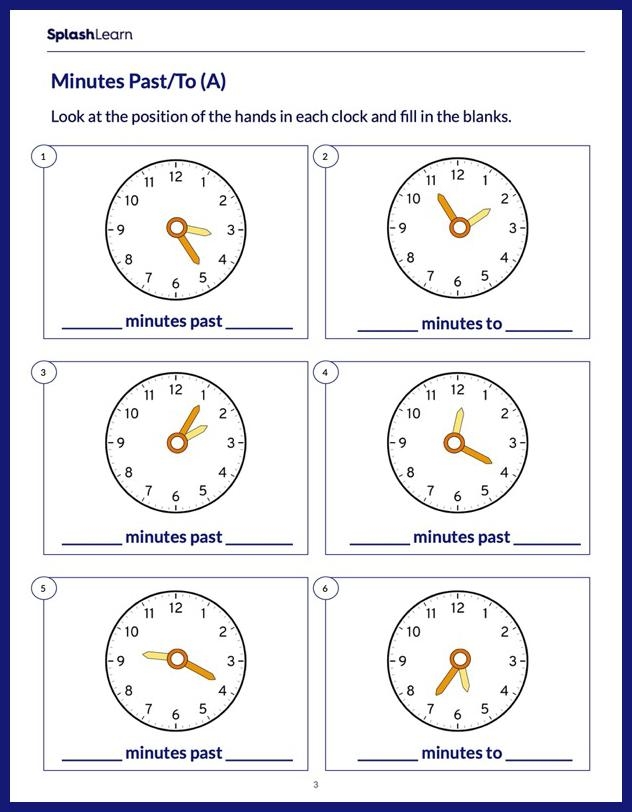
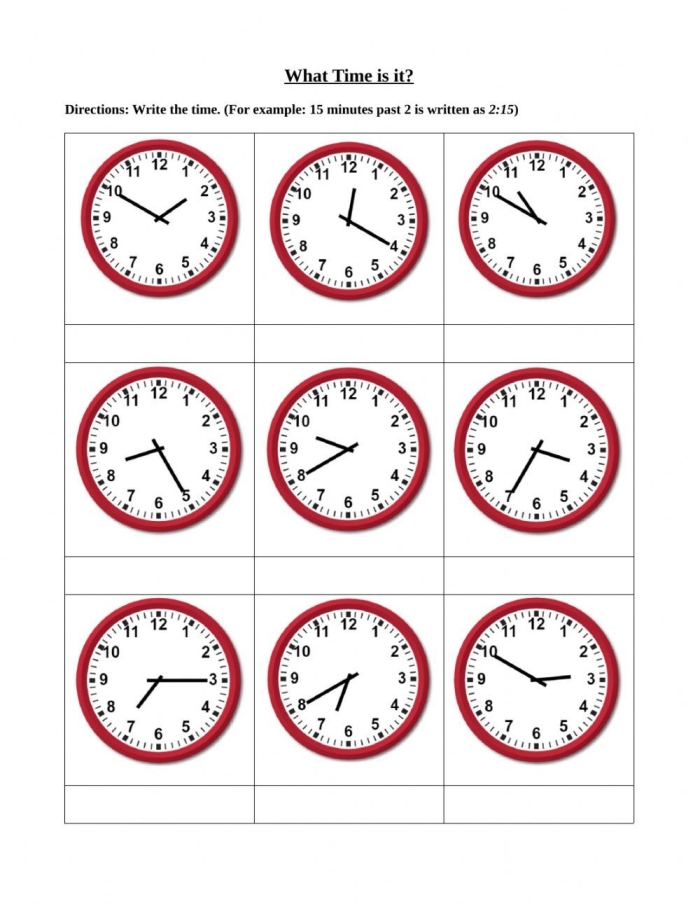
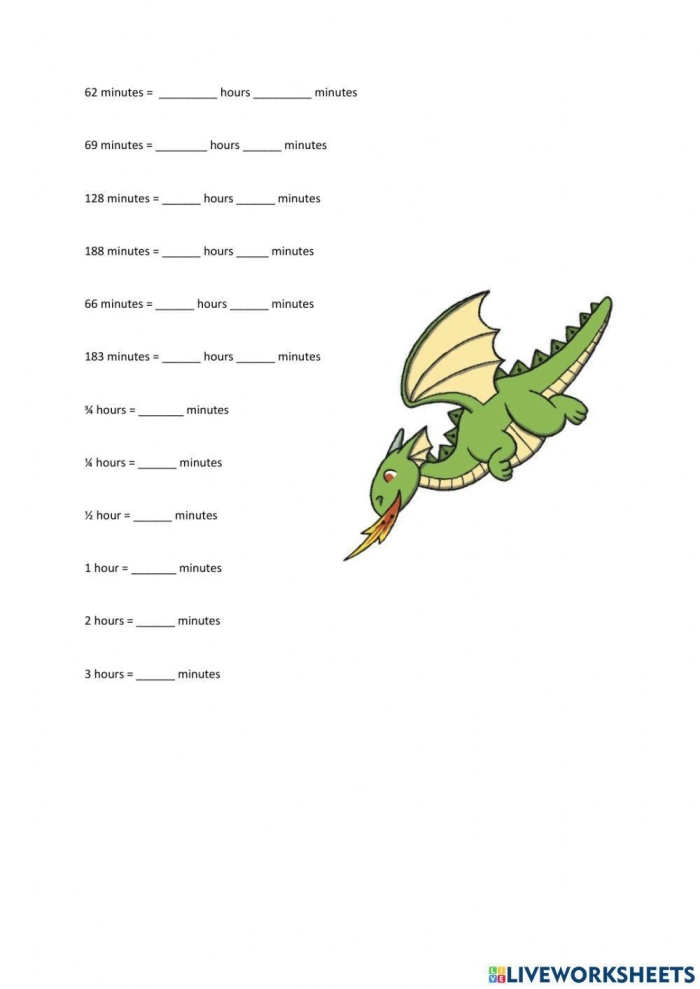
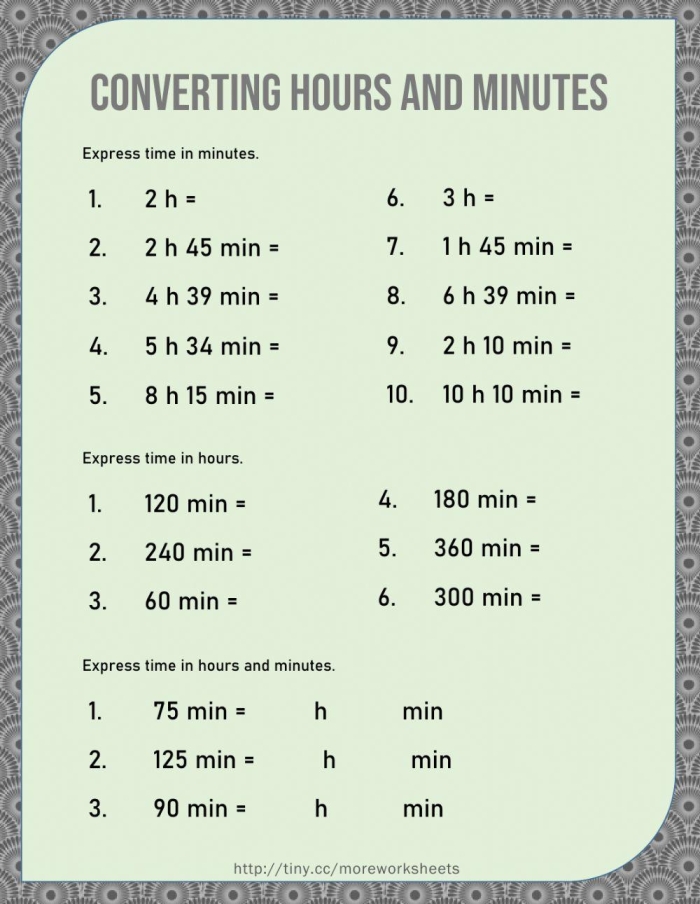
An hour contains 60 minutes. That’s the fact. But saying it once doesn’t stick. When you count up from 1 to 60, something clicks in your brain. You feel the length of time in a way that memorization never achieves. An intro-to-elapsed-time worksheet guides students through this discovery by asking them to count the minutes on a clock face, mark them off, or match times to activities they recognize.
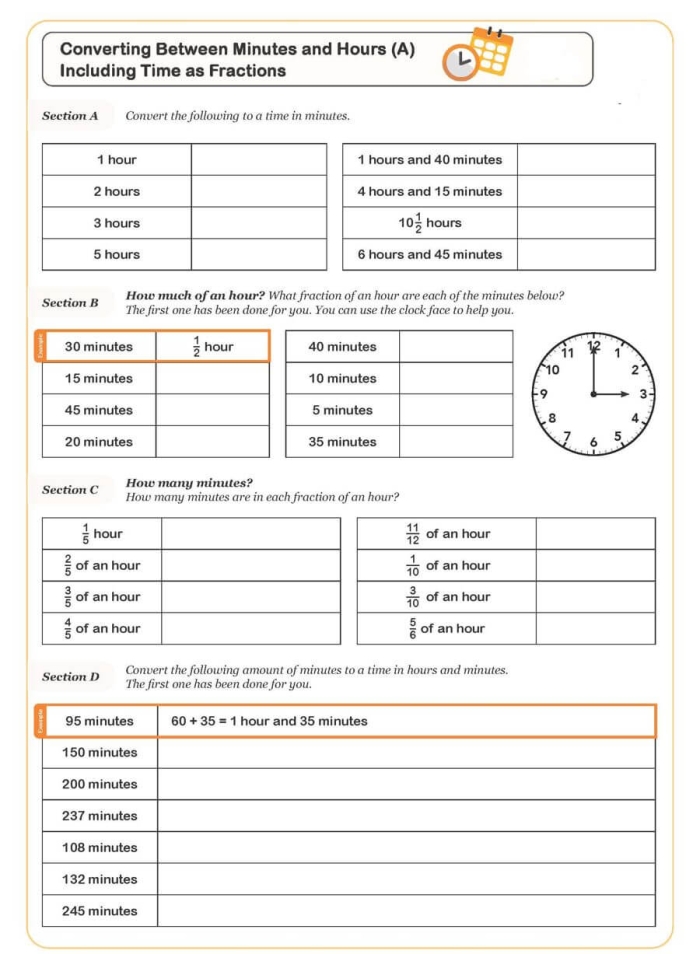
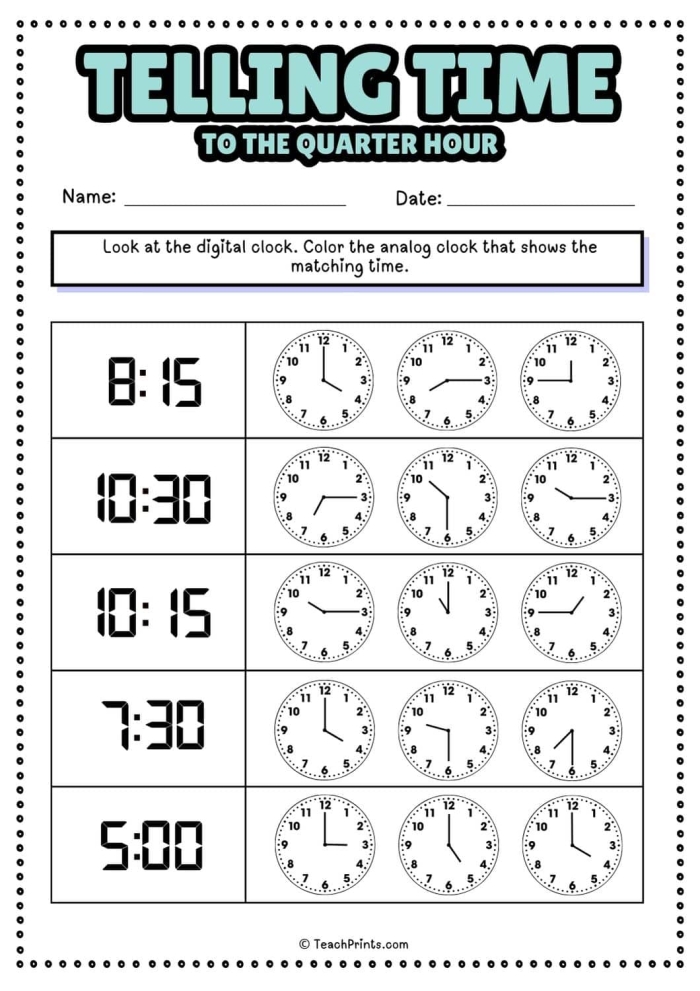
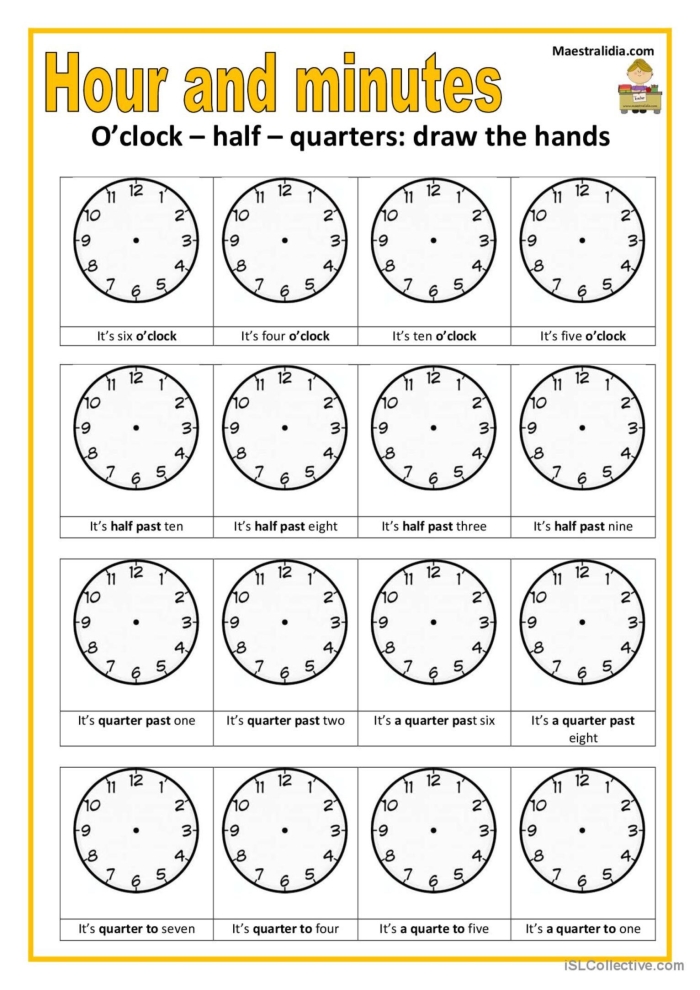
This hands-on approach works because third graders are still developing their sense of time. They understand “now” and “later,” but the relationship between clock numbers and real time remains fuzzy. By counting up themselves, they build a concrete connection. They see that 15 minutes is a quarter of an hour, 30 minutes is halfway through, and 60 gets you to the next hour.
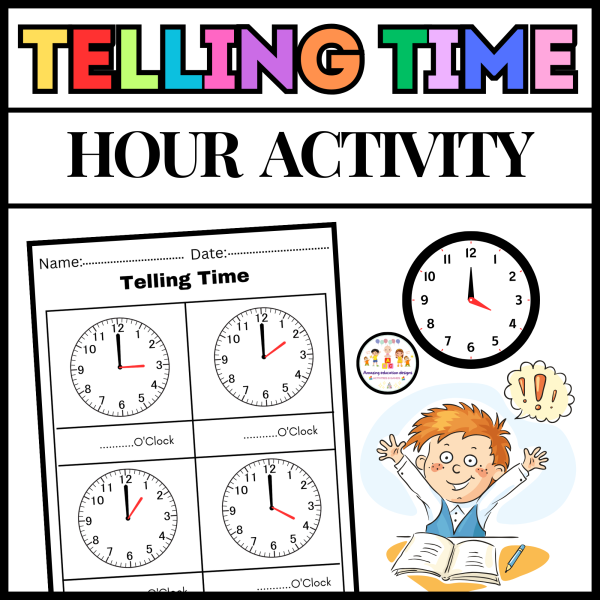
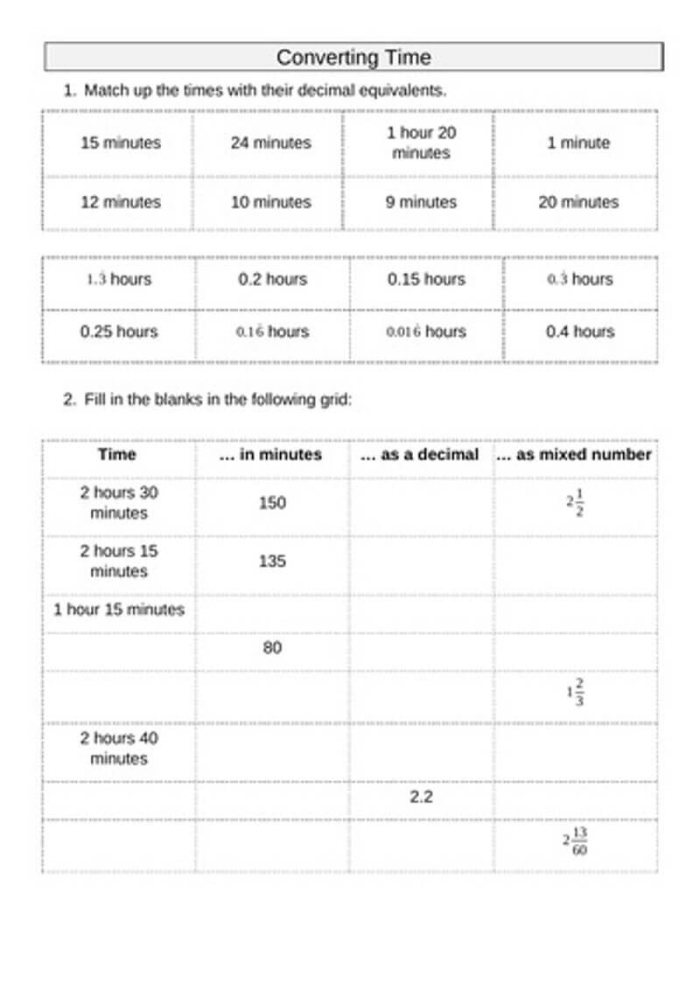
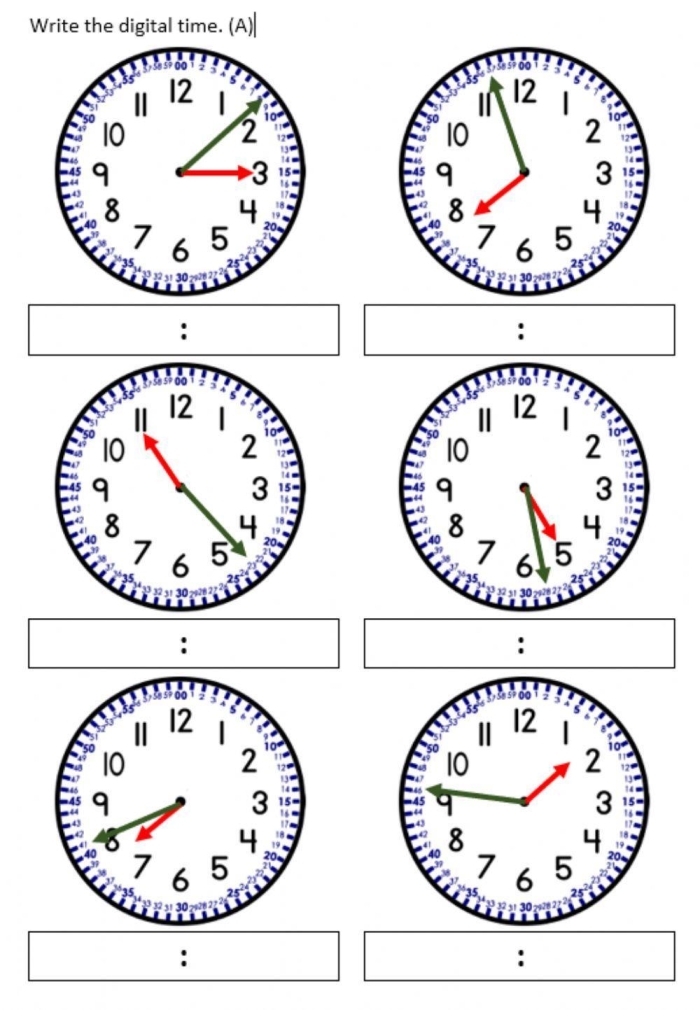
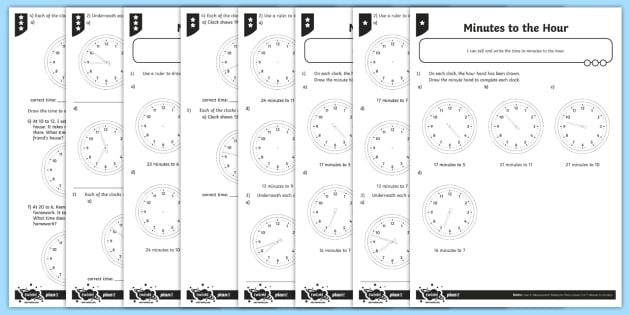
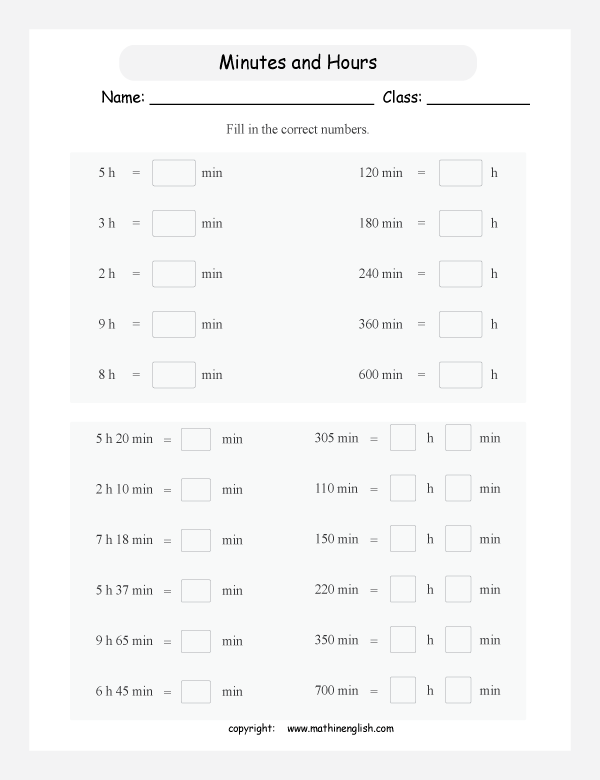
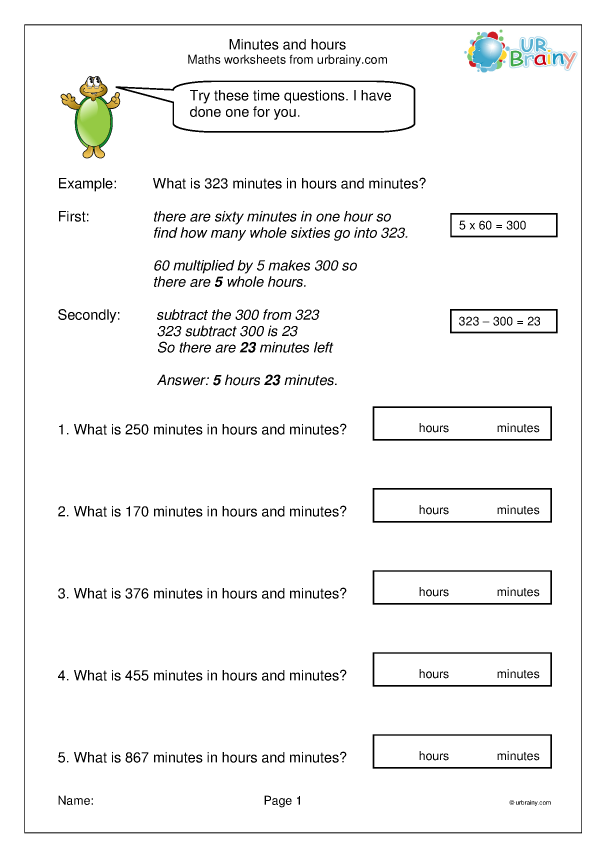
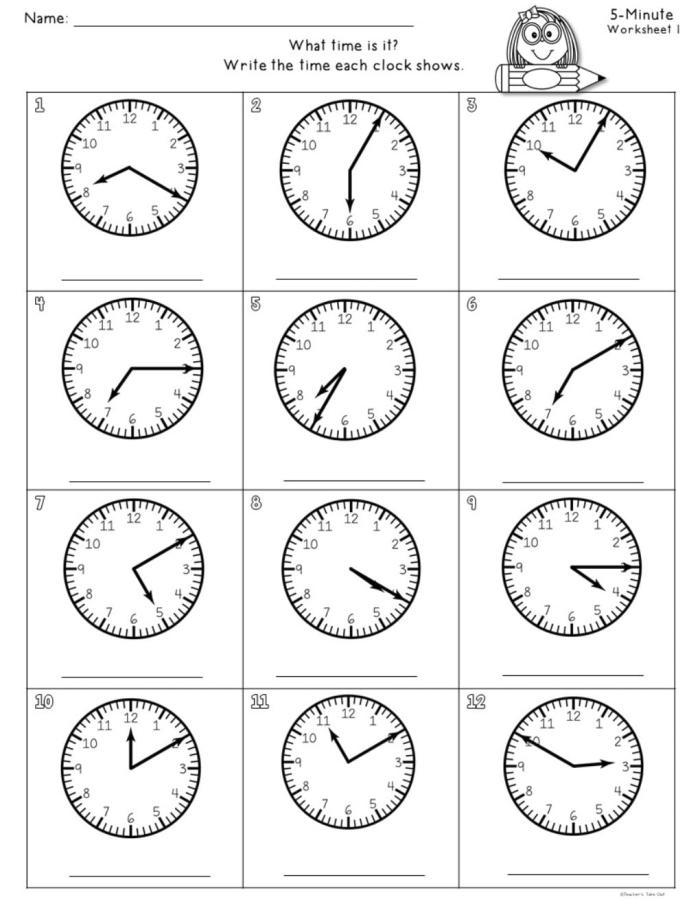
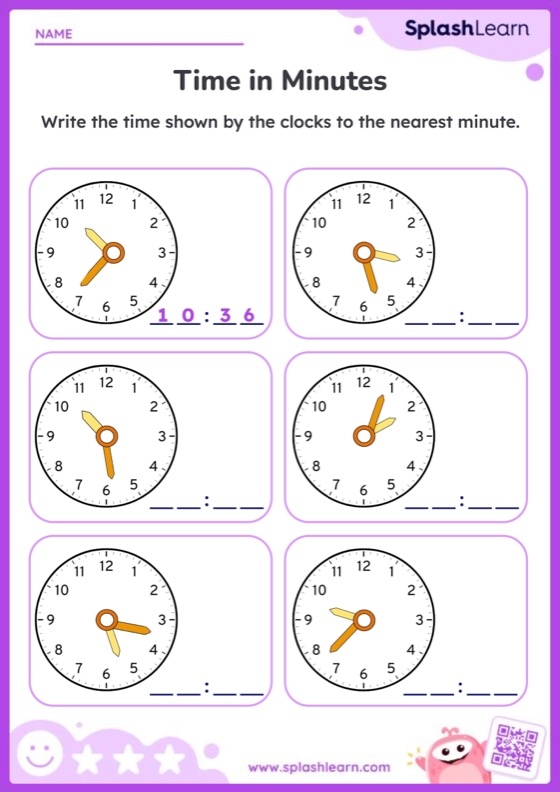
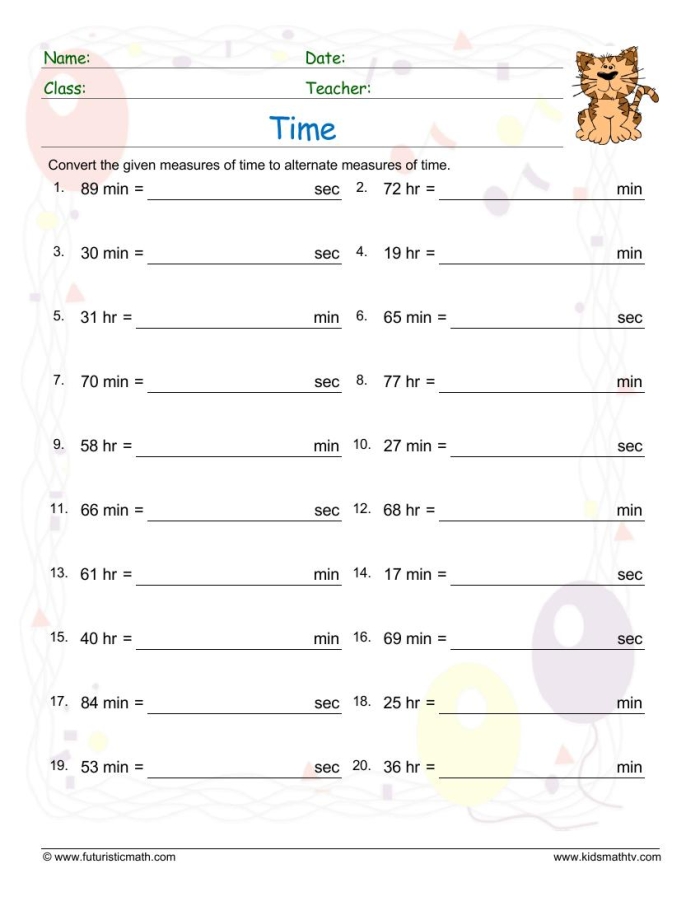
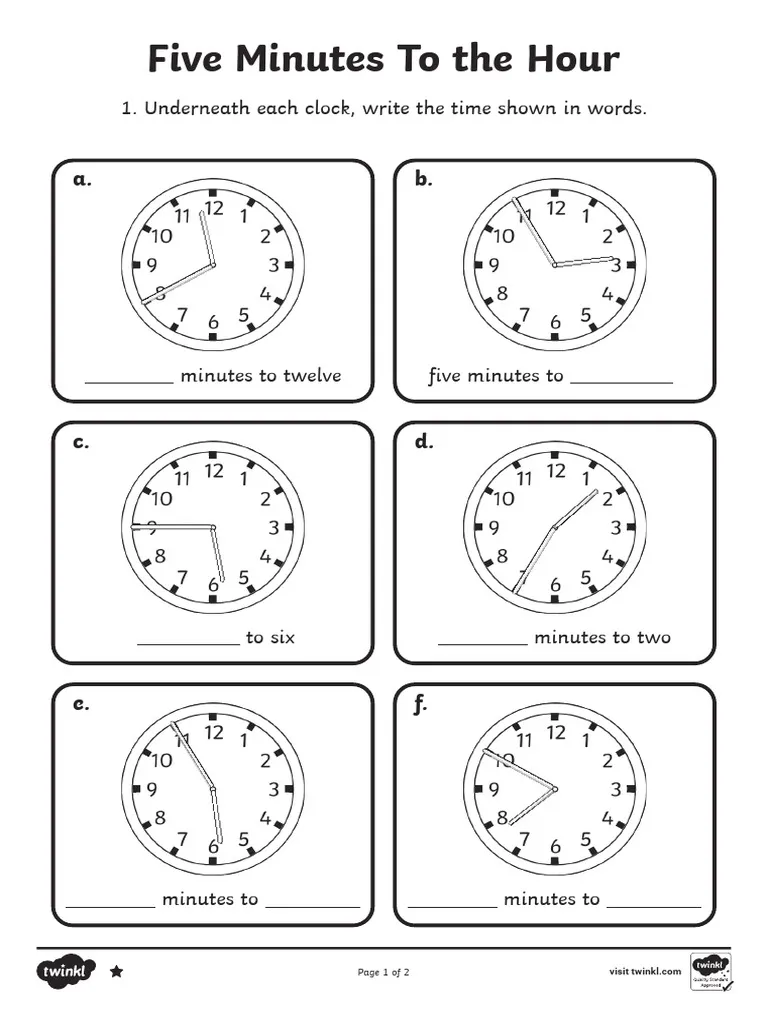
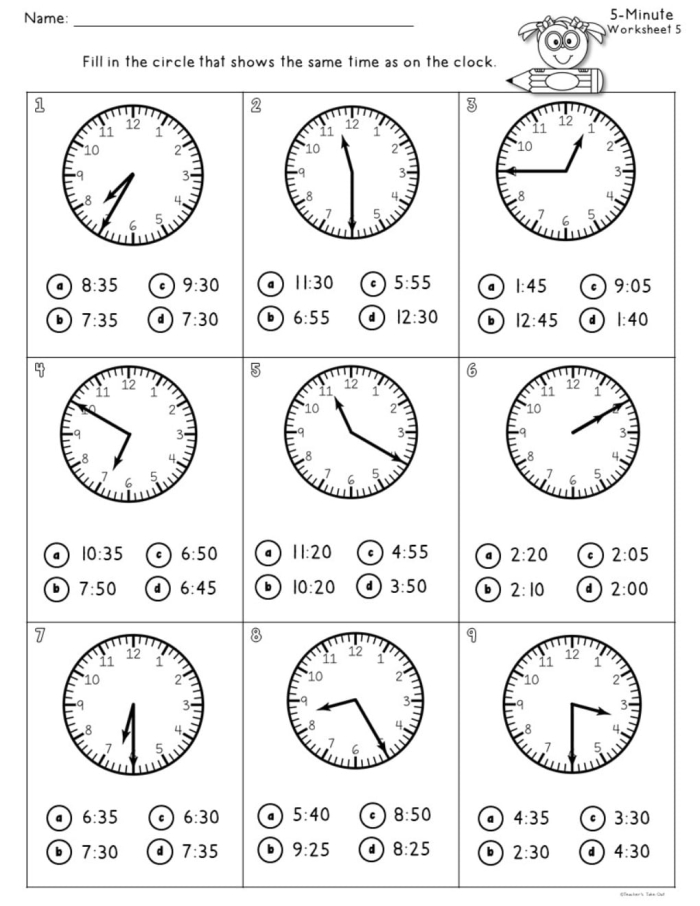
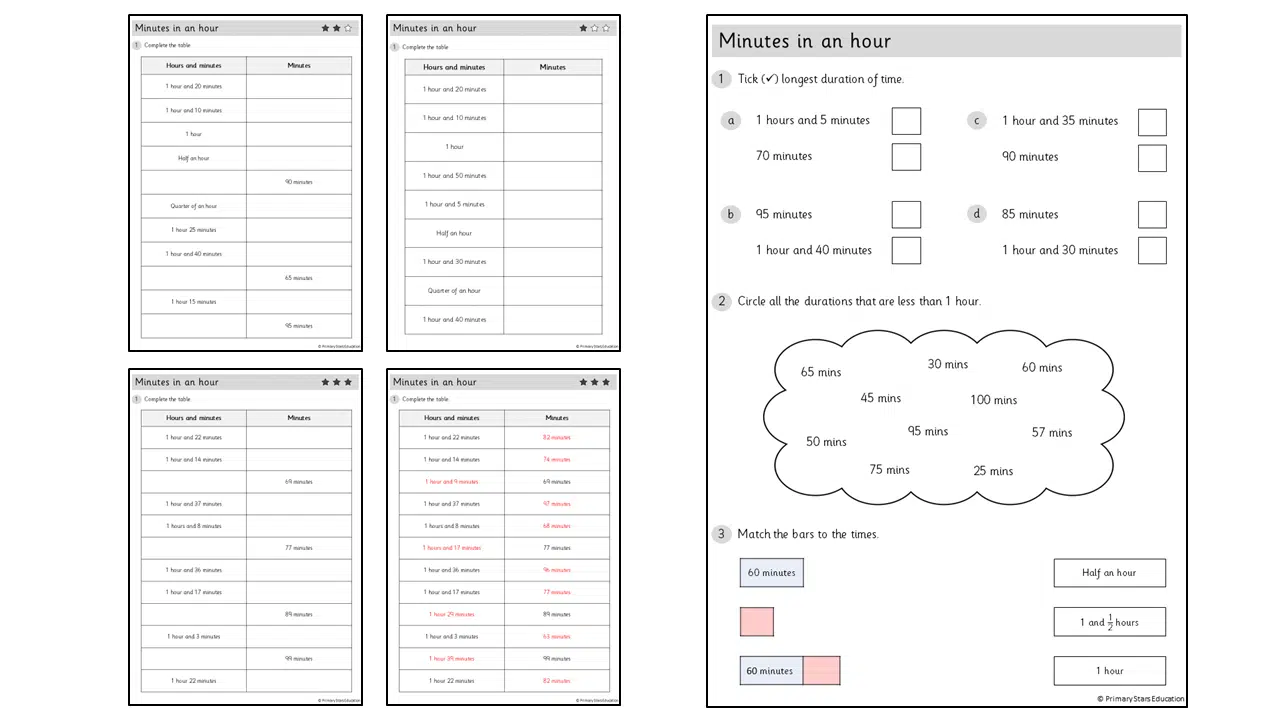
These worksheets typically include clock diagrams where students write in the minutes, simple word problems about daily routines, or activities where they calculate how much time has passed. The repetition across different scenarios reinforces the pattern without feeling like drill work.
Paired with other third grade learning, like interpreting line plots with fractional units, students start seeing how measurements connect across different areas of math. When they also practice cursive writing and work through nonfiction text features, they’re building a fuller toolkit for understanding the world around them.
The key is letting students do the counting themselves. Once they’ve counted to 60 and felt how long that takes, they own the knowledge. The minute hand stops being a mystery and becomes a tool they can actually use.
Use These Worksheets Today