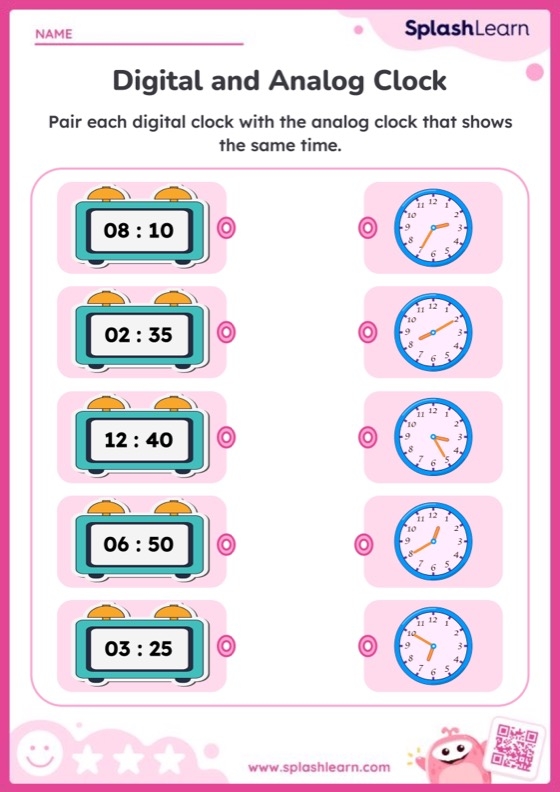
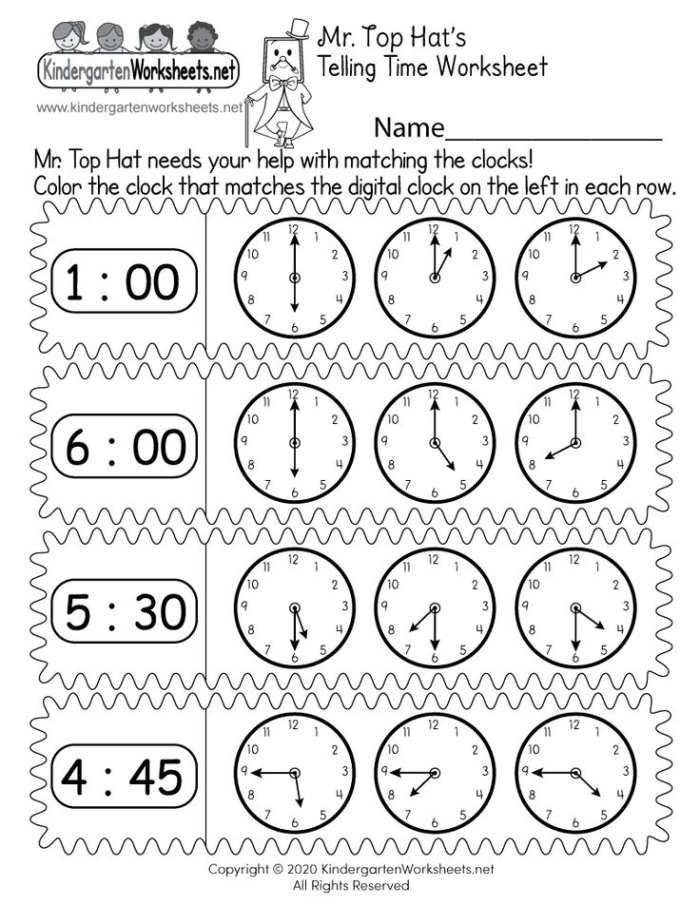
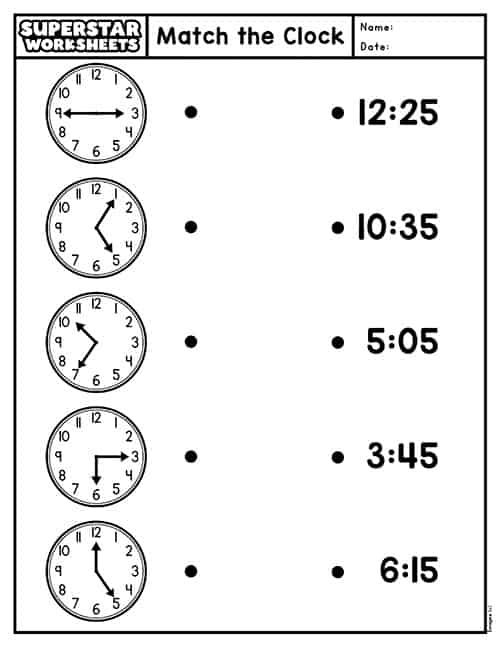
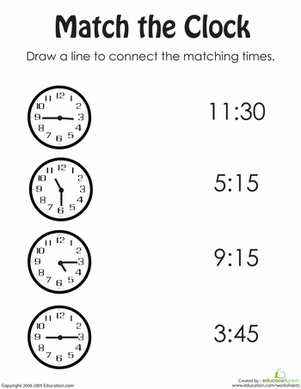
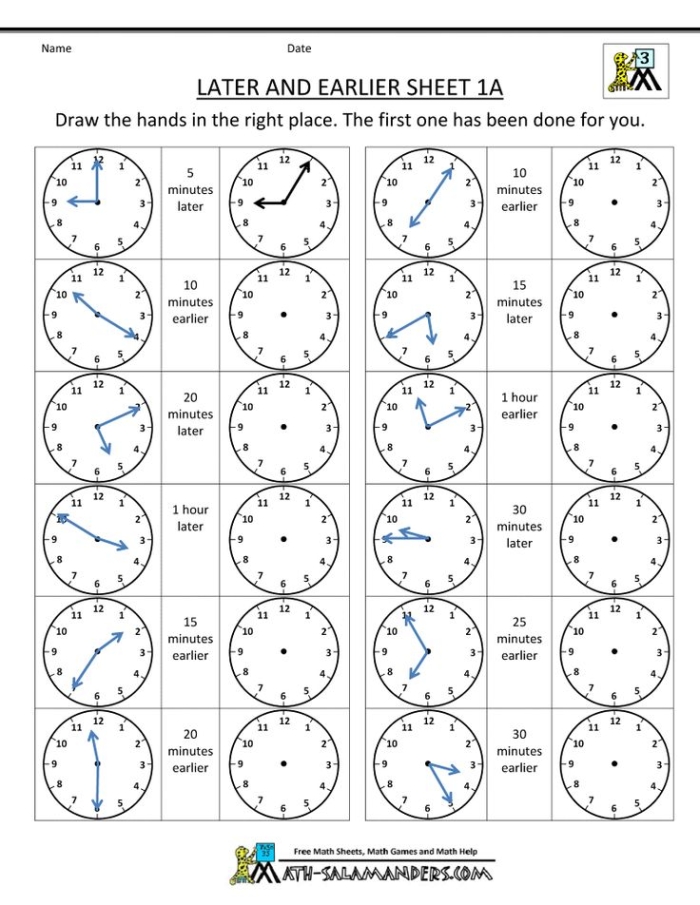
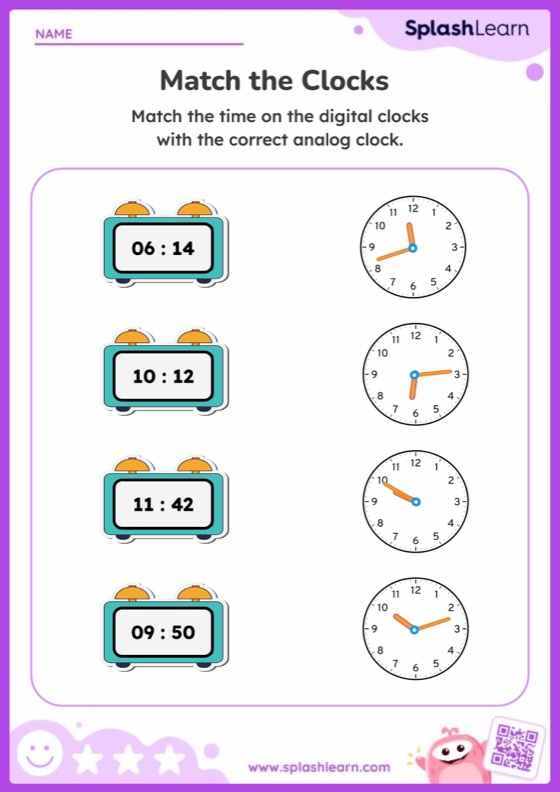
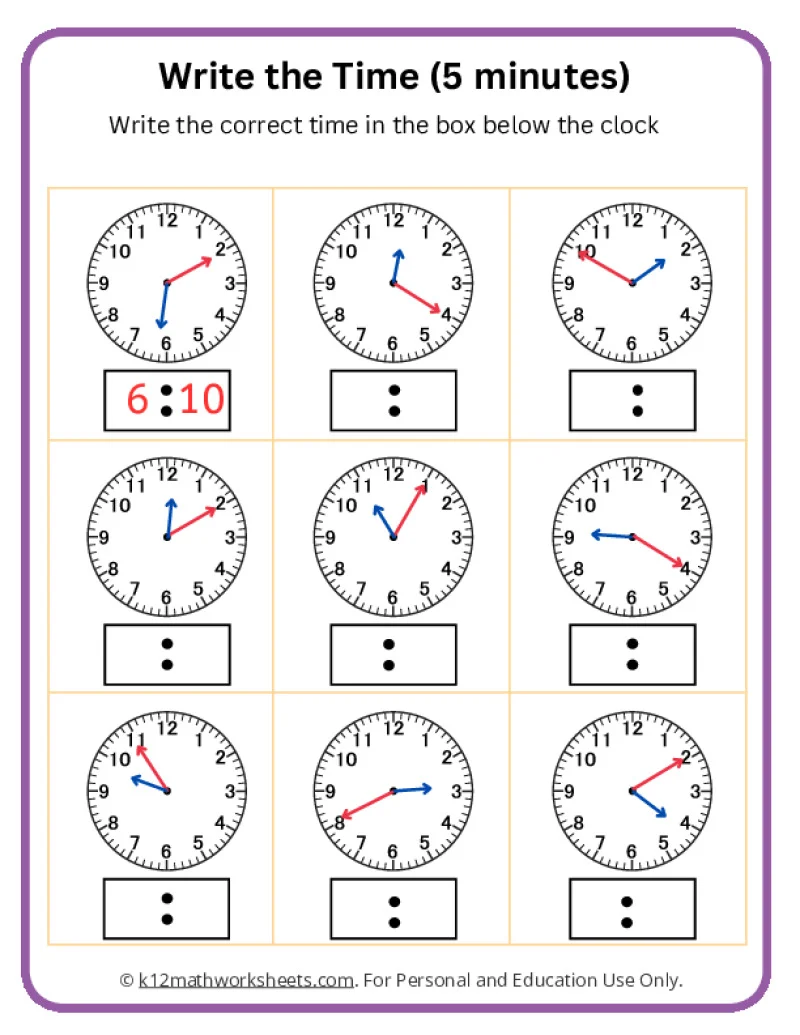
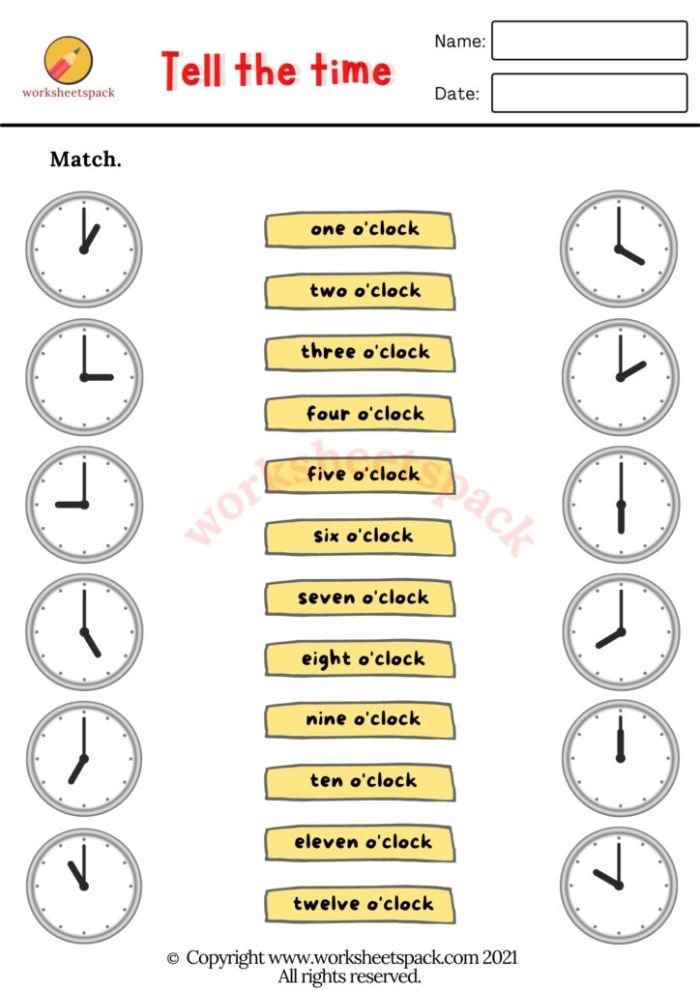
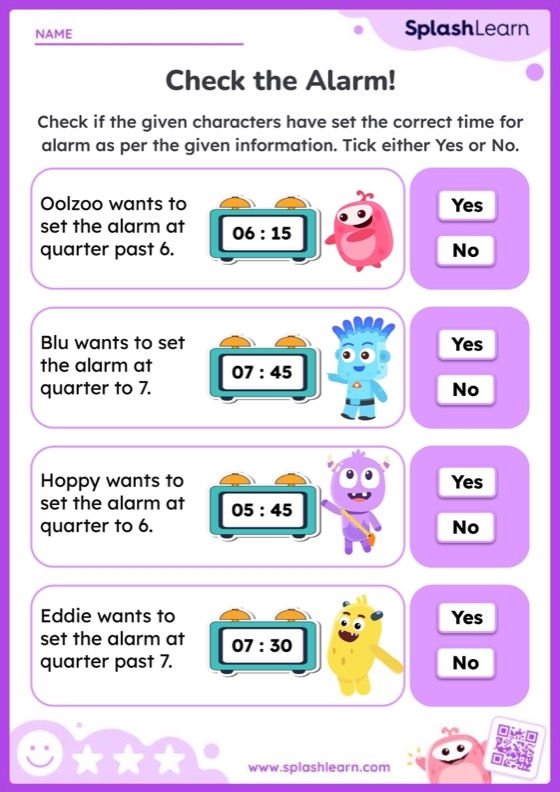
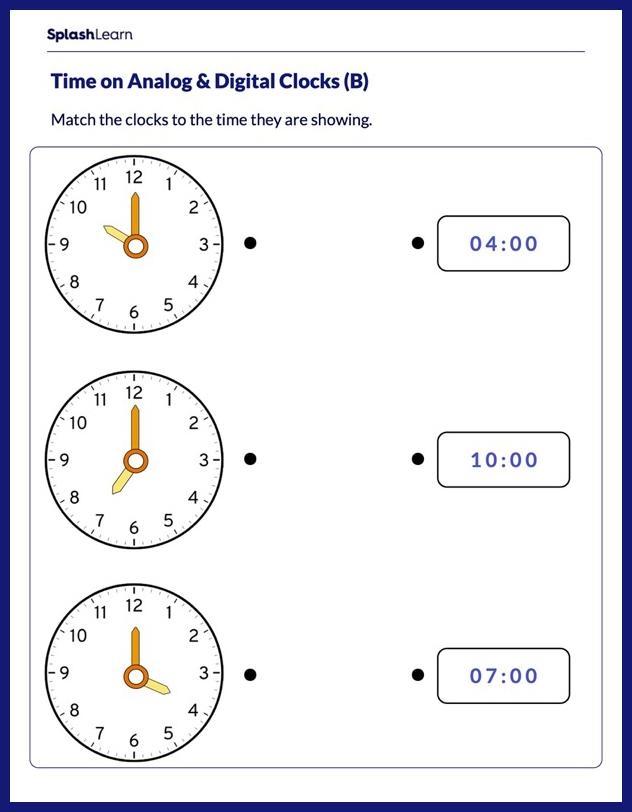
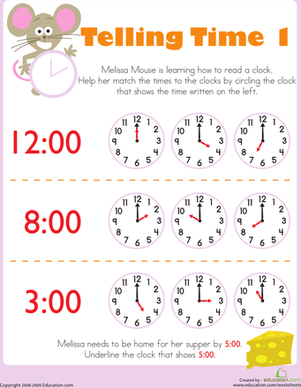
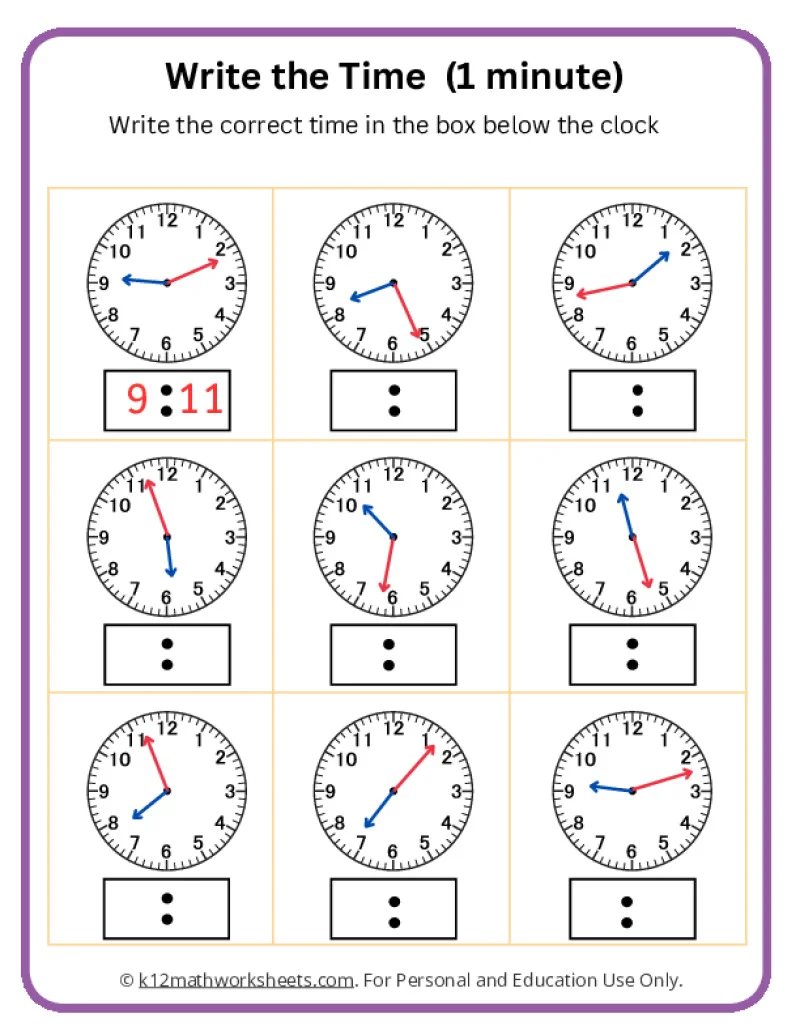
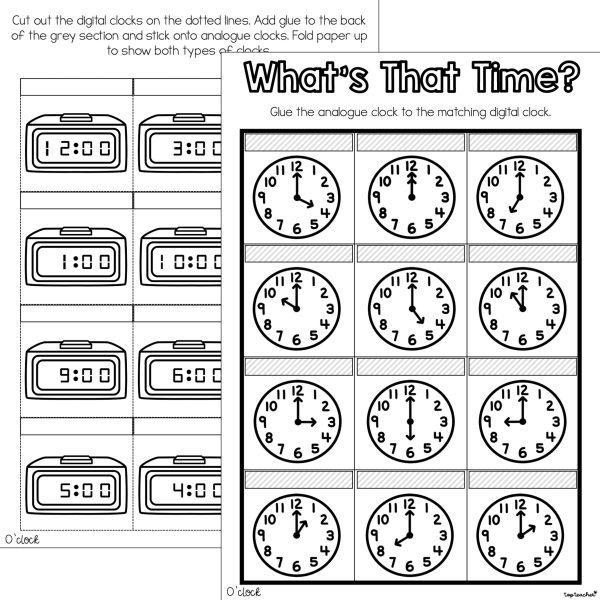
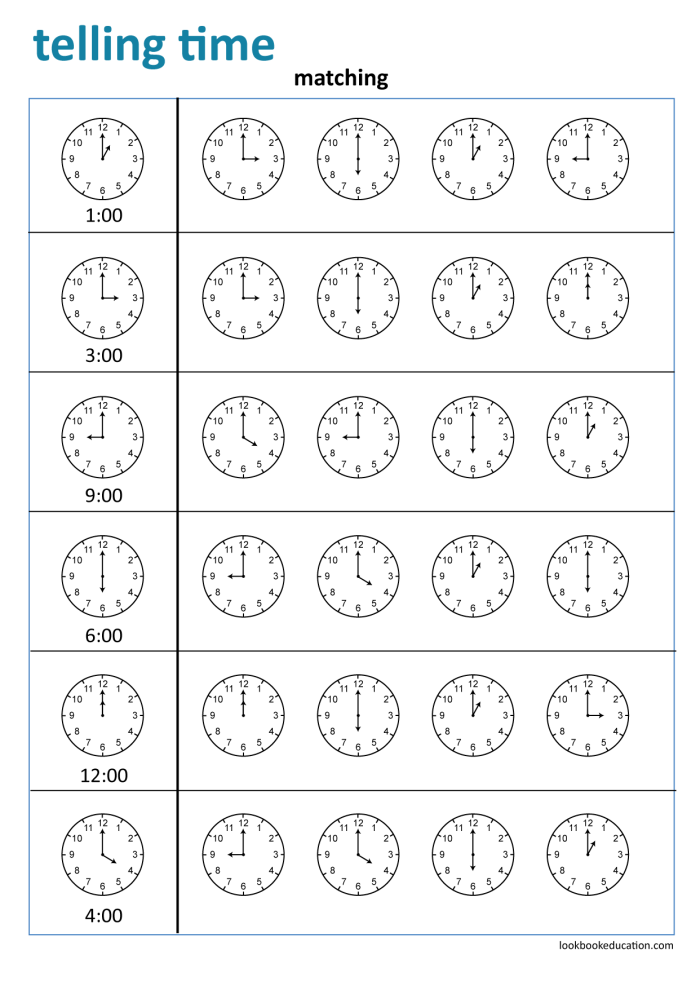
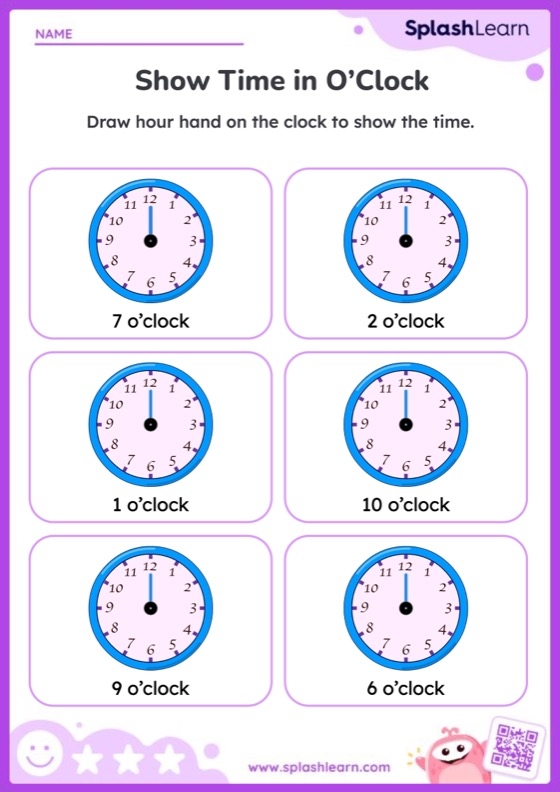
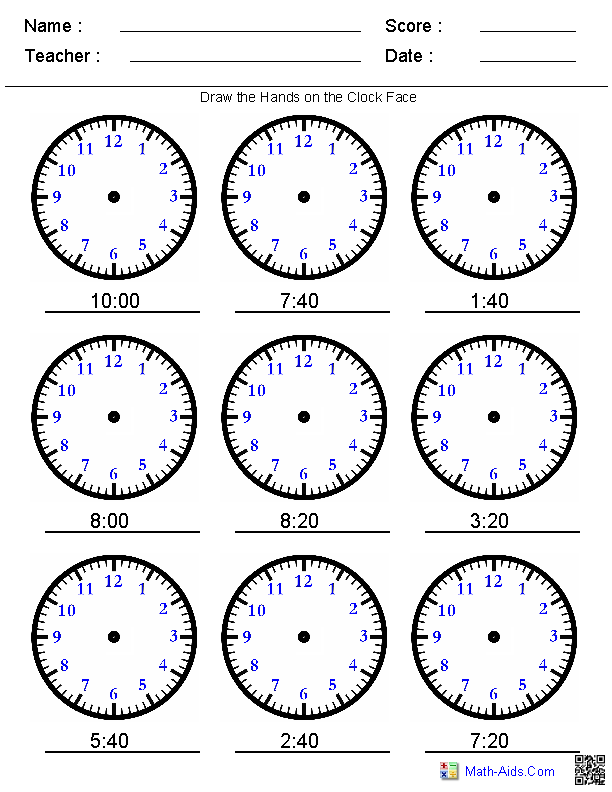
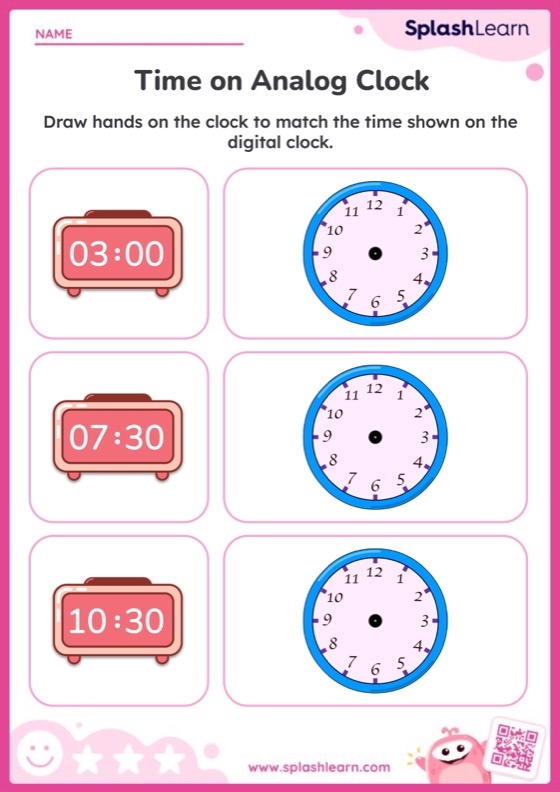
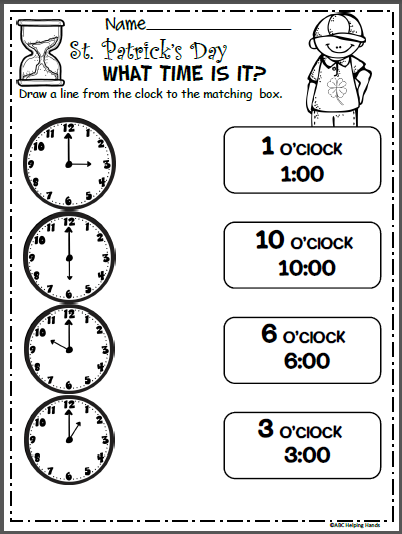
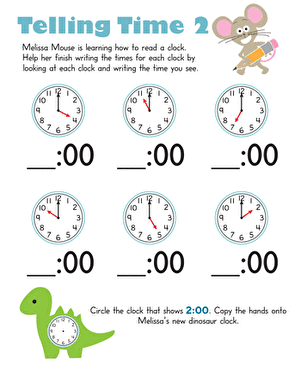
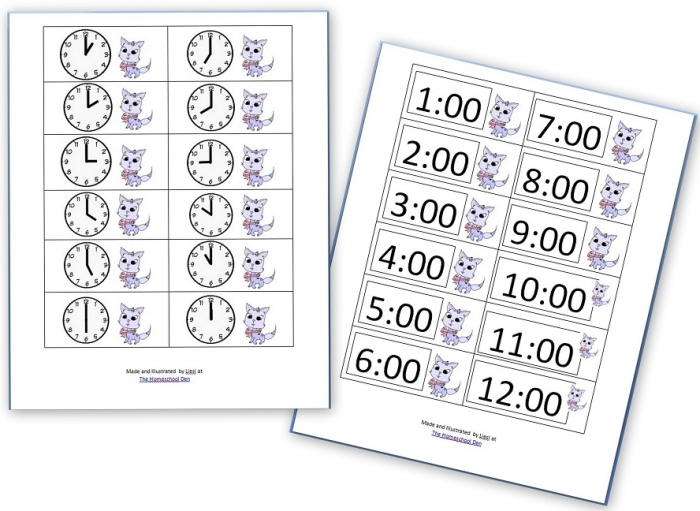
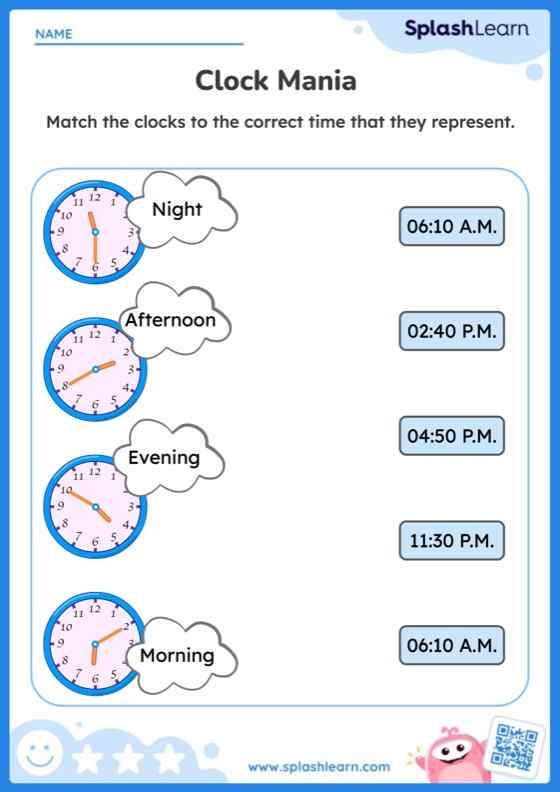
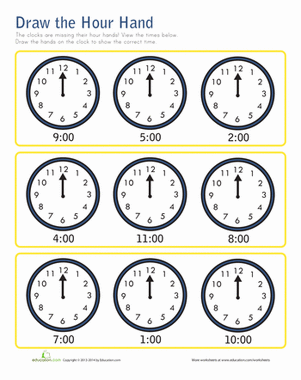
Teaching a kindergartener to read an analog clock takes patience, but the right tools make it click faster than you’d expect. A printable match the clock worksheet gives your child a hands-on way to connect clock faces with the times they represent, building confidence without the frustration of starting from scratch.
Most five and six-year-olds struggle with time concepts because clocks feel abstract. They see numbers scattered around a circle and have no idea why the little hand and big hand matter. A well-designed worksheet breaks this down into manageable steps. Your child sees a clock face, identifies where the hands point, and matches it to a written time or a picture showing what happens at that moment. This repetition plants the skill in their memory through active practice rather than passive listening.
The beauty of kindergarten time and money worksheets is that they work alongside other learning. While your child practices telling time, you can reinforce the concept during daily routines. Point out the clock when it’s snack time, lunch, or home time from school. These real-world connections transform abstract symbols into something meaningful.
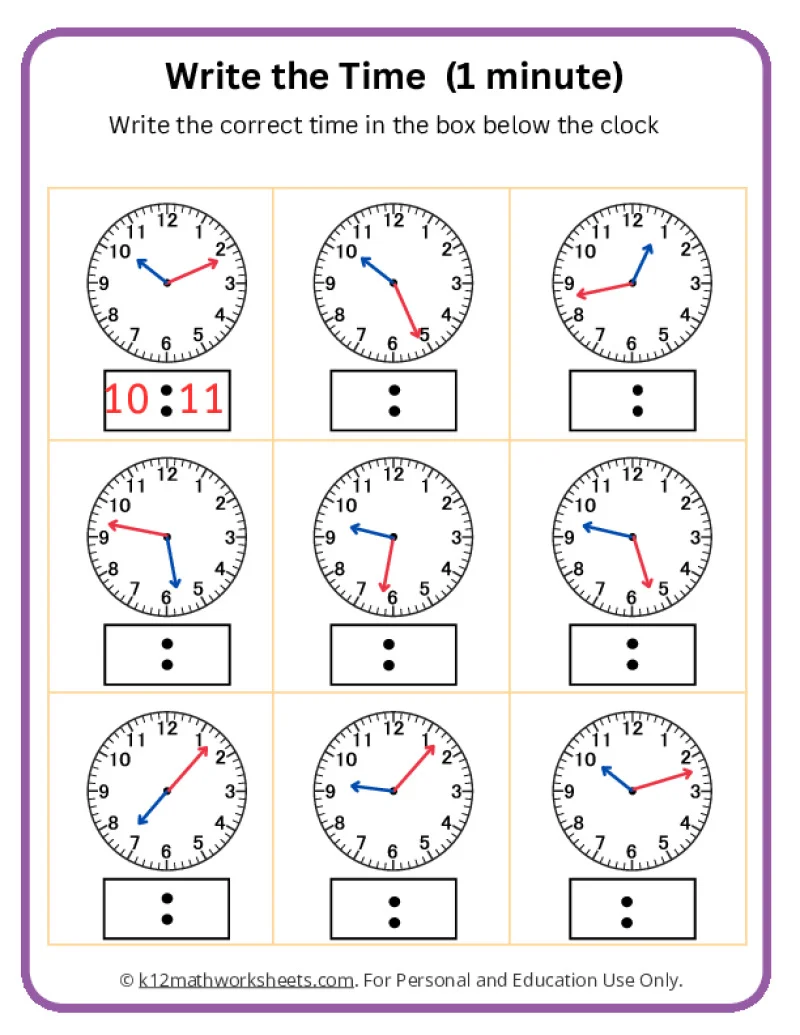
When selecting worksheets, look for ones with clear, large clock faces and simple times like on the hour or half-hour. Quarter-hour increments can wait until first grade. Pair your match the clock practice with other foundational skills. For instance, worksheets that combine writing numbers 1 to 10 help reinforce number recognition while your child works on time. You might also explore seasonal themed activities that keep practice sessions engaging.
Print several copies and use them over weeks rather than all at once. Spacing out practice helps skills stick longer. Your child will surprise you with how quickly clock reading becomes second nature.
Practice with These Worksheets