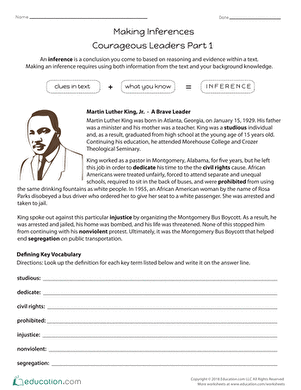
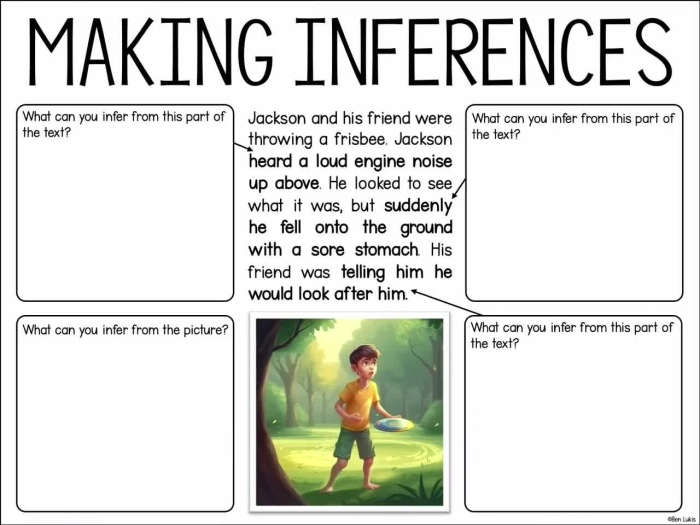
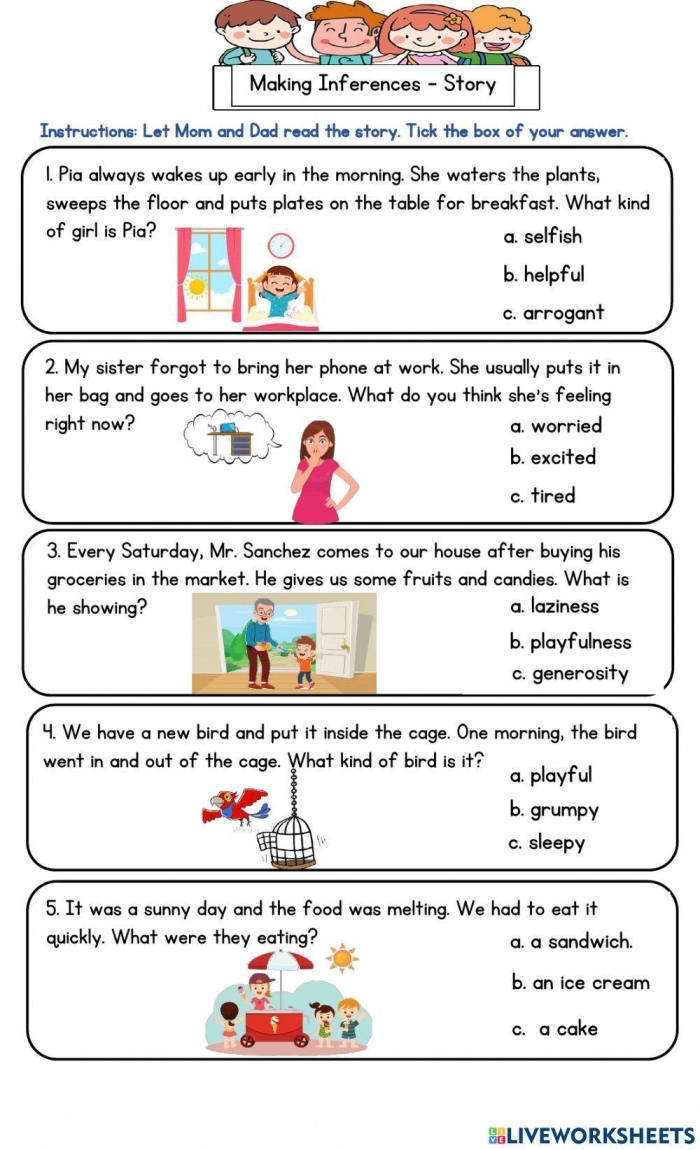
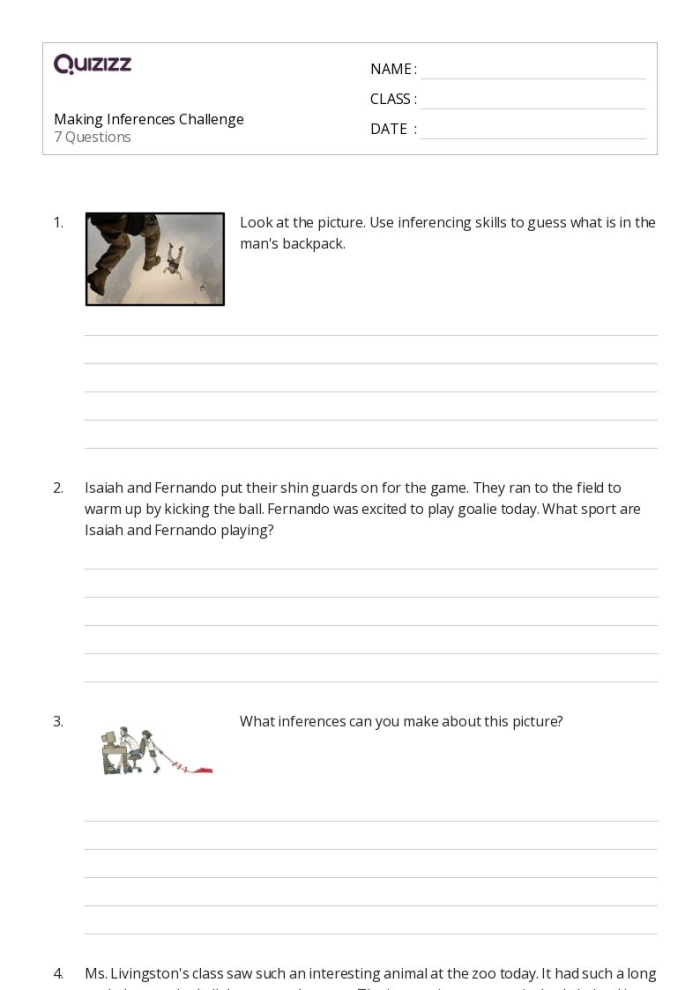
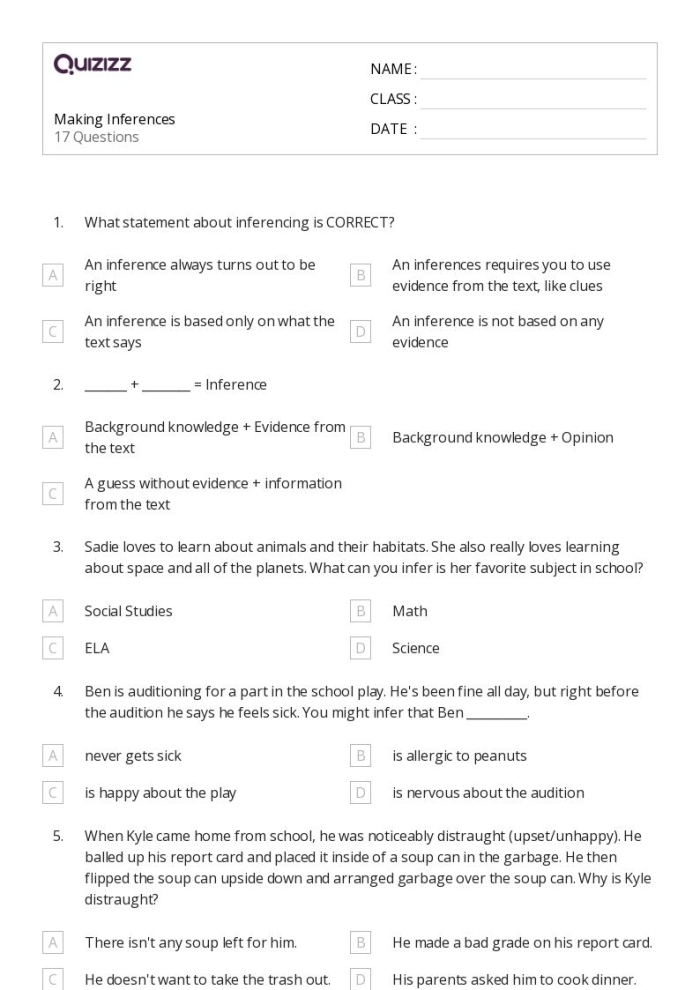
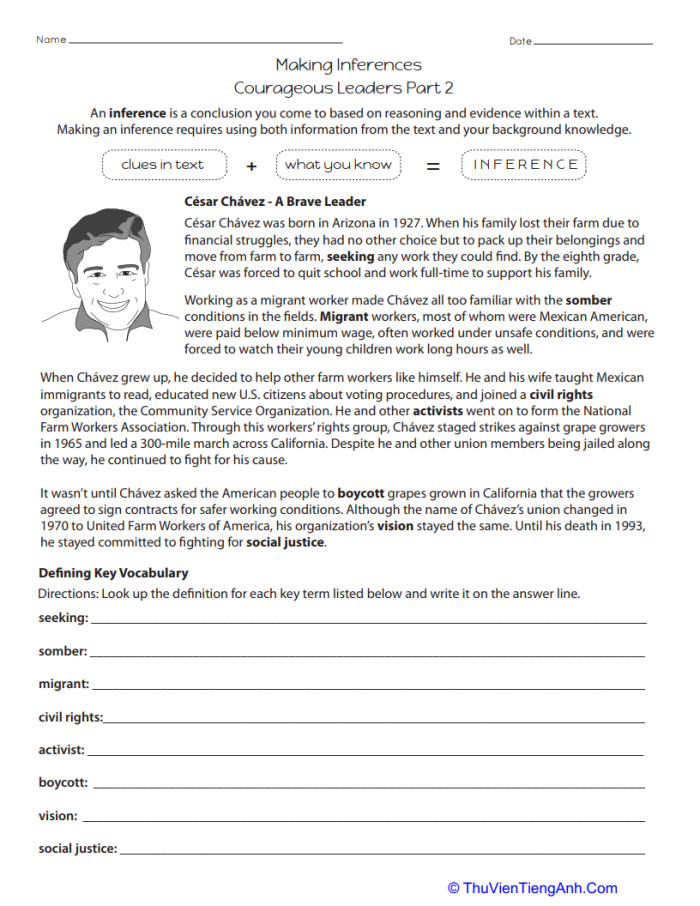
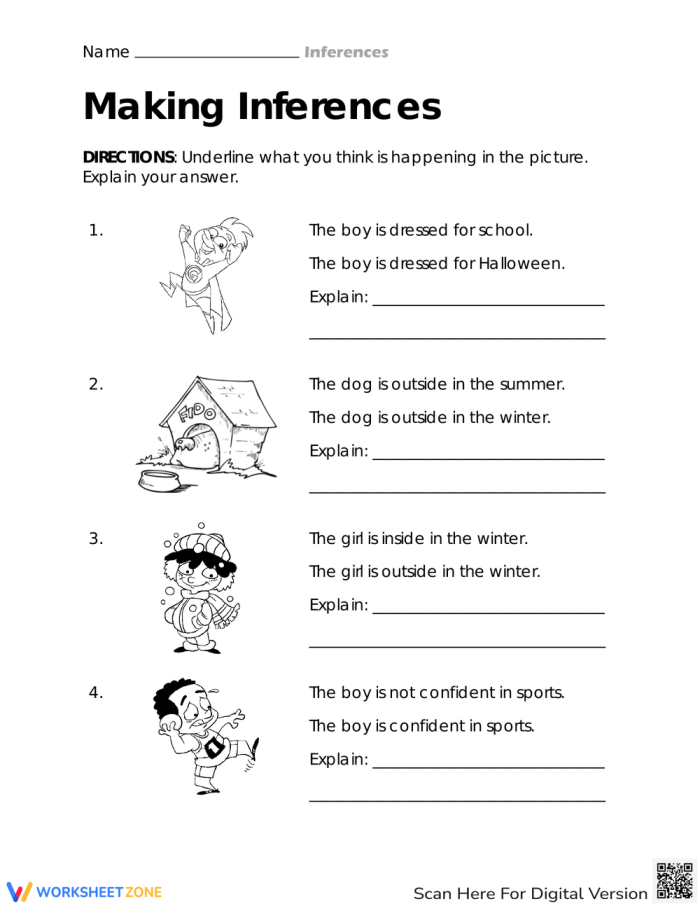
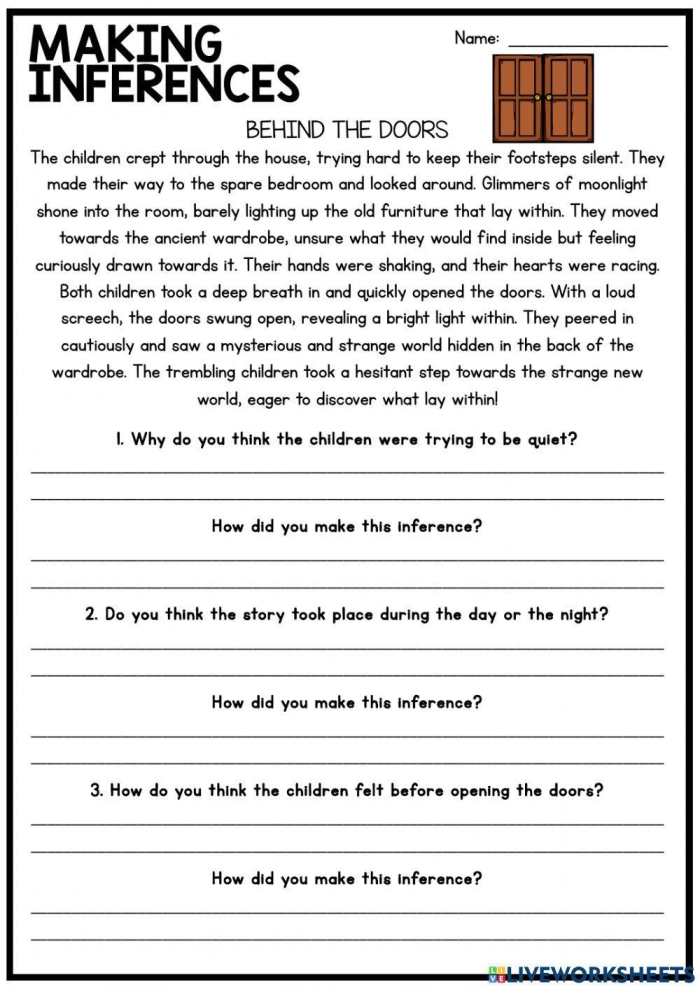
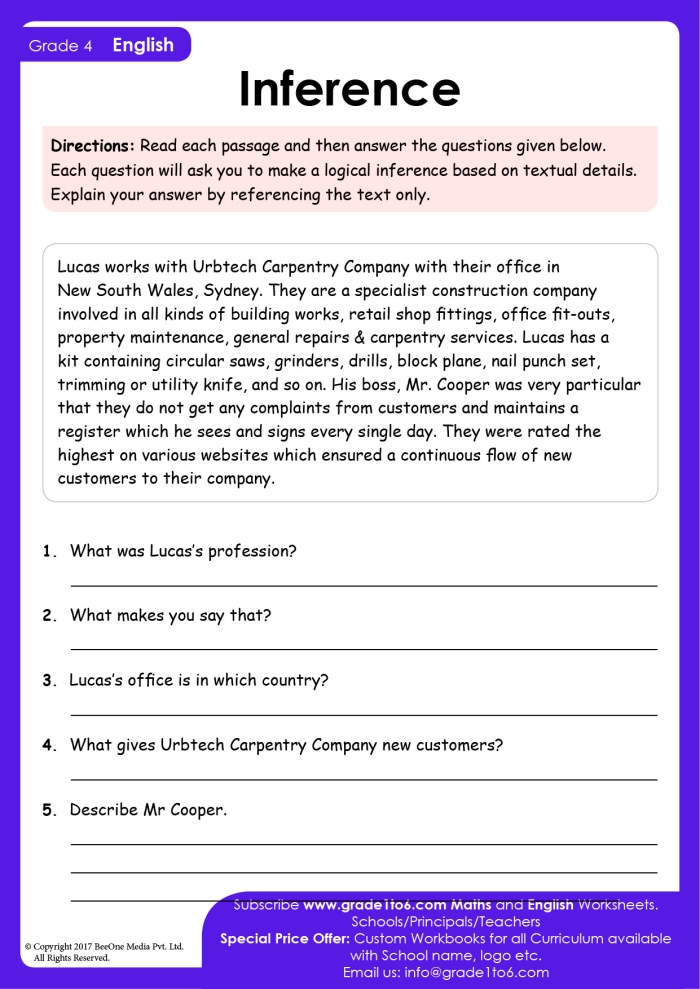
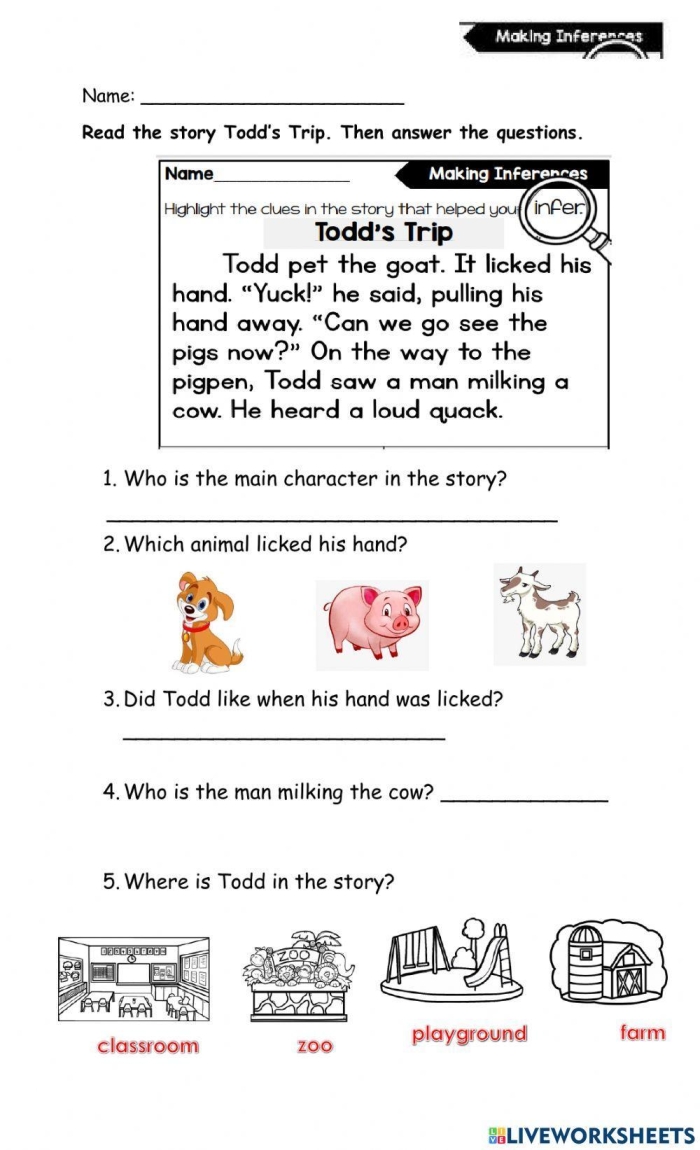
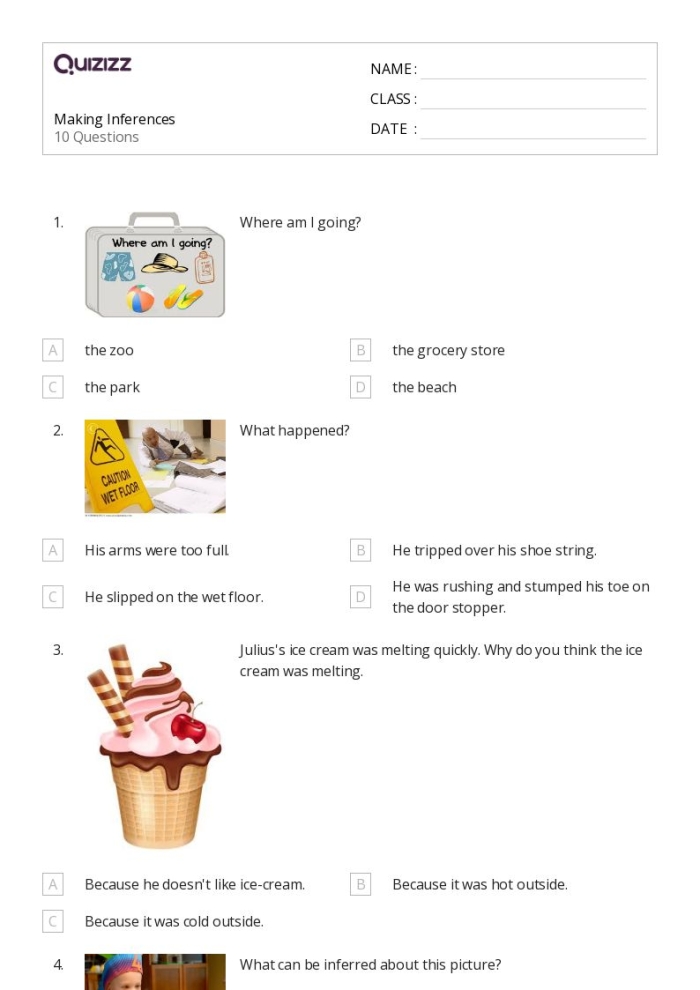
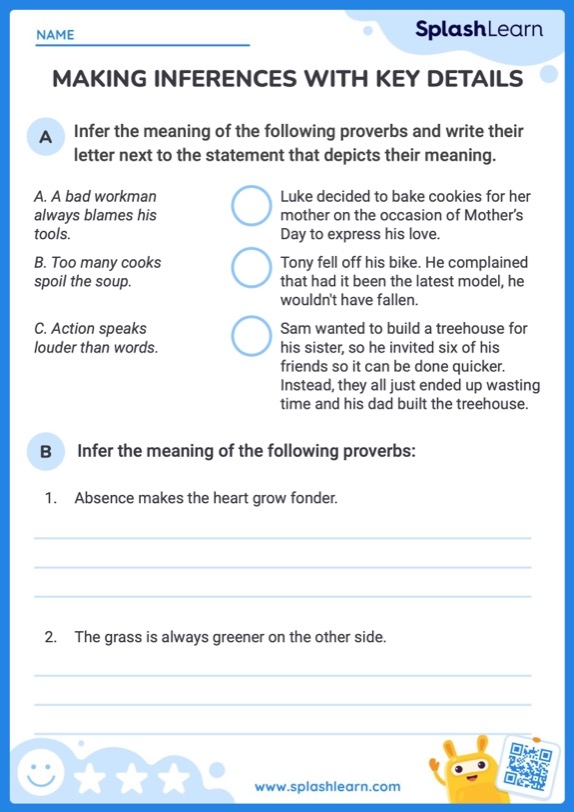
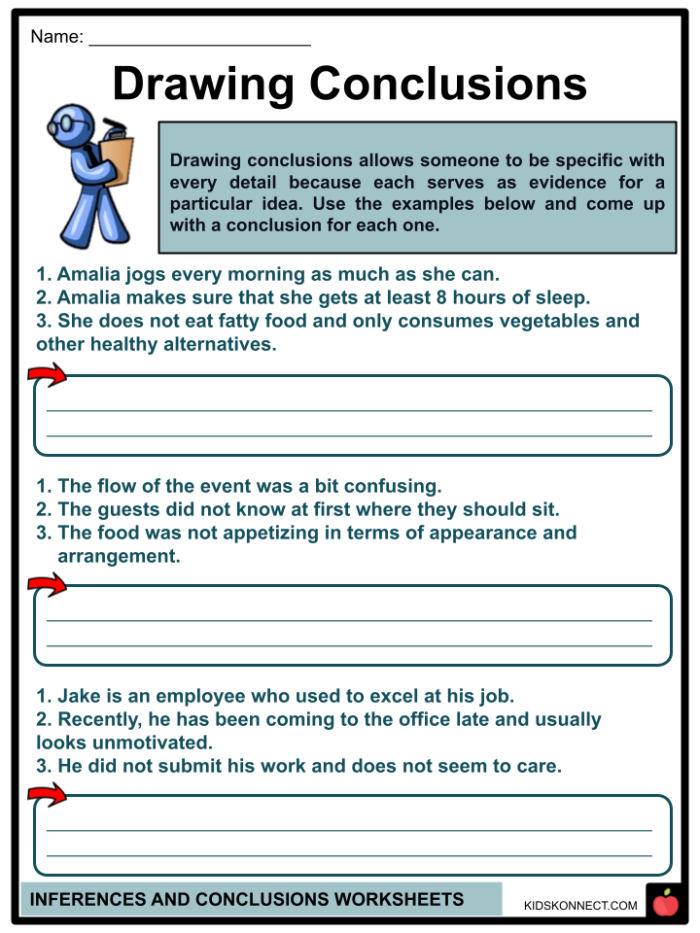
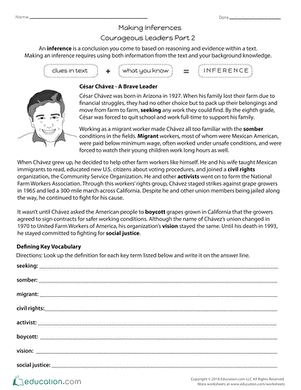
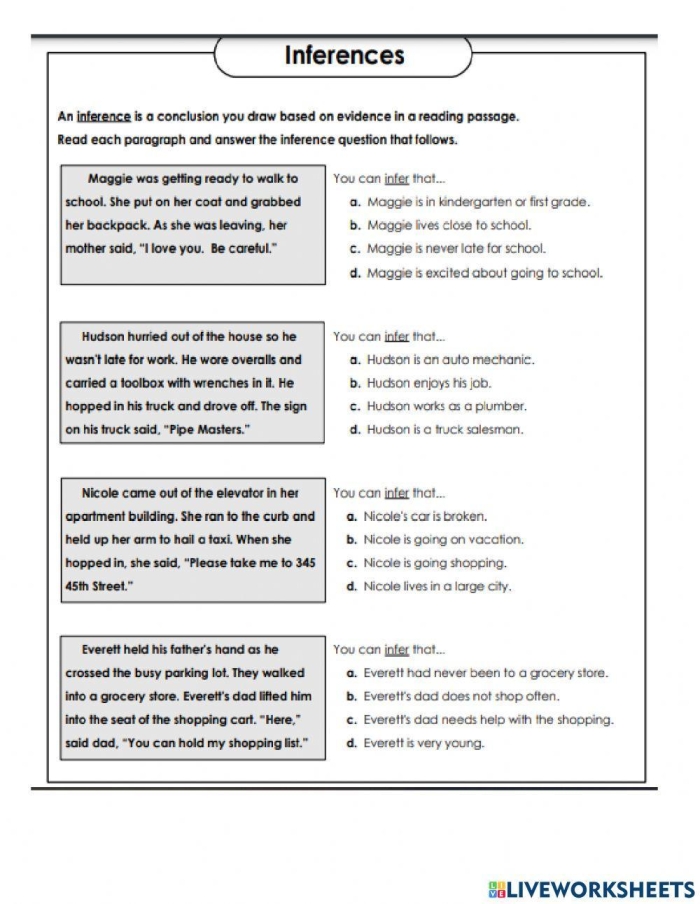
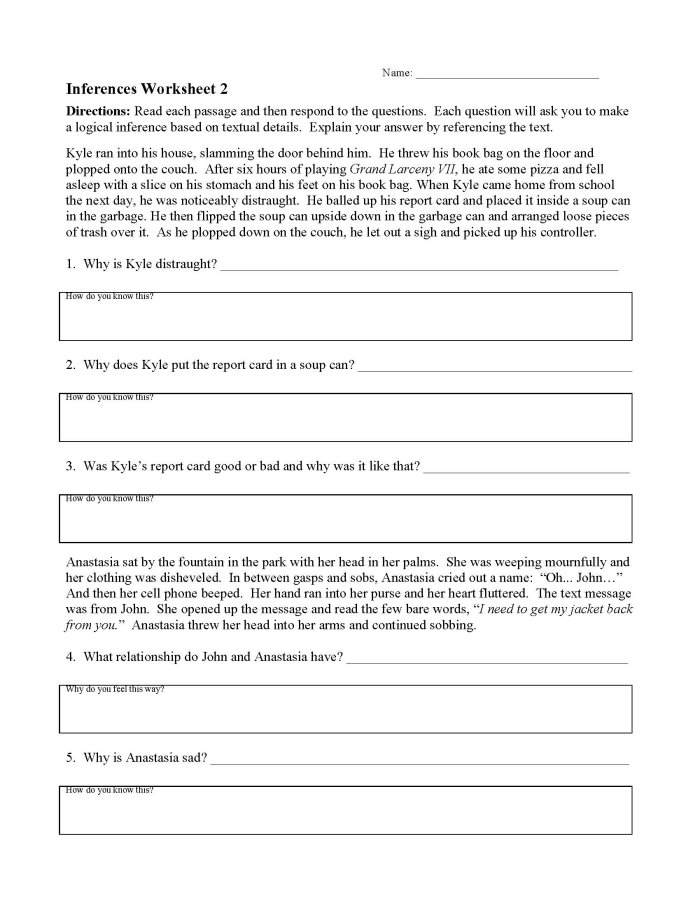
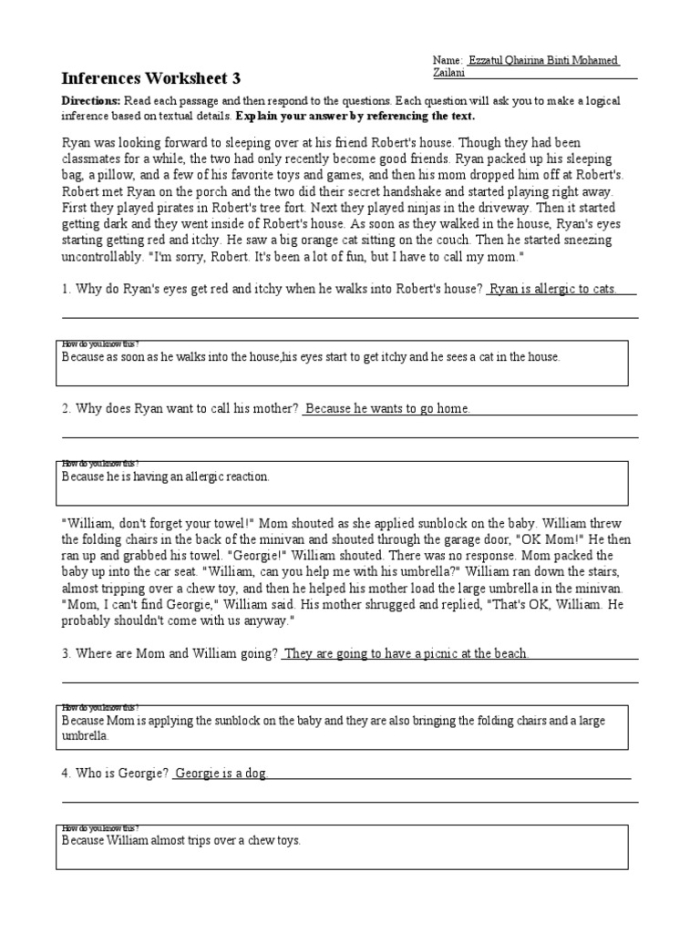
Encouraging fourth grade students to make inferences is a crucial step in developing their reading comprehension skills. When students combine the information explicitly stated in a text with what they already know, they begin to see beyond the surface. This skill helps them understand deeper meanings and draw conclusions that the author may only hint at. For example, in the Printable Making Inferences: Courageous Leaders Part 1 Worksheets, students explore stories about brave figures while applying their understanding of fractions, blending literacy with math in an engaging way.
One practical way to support this learning is by using texts that naturally invite inference. Stories about historical or courageous leaders often require students to read between the lines to grasp motivations and consequences. When paired with fraction-based activities, such as those found in the equivalent fractions worksheets, students can practice critical thinking on multiple levels. They’re not just solving math problems; they’re interpreting information and making logical connections.
Teachers can prompt students with questions that nudge them to use their background knowledge. For instance, after reading a passage about a leader making a tough decision, ask, “Based on what you know about fairness and courage, why do you think the leader acted this way?” This approach helps children link the text to their personal experiences or prior learning, which strengthens their inferential skills.
Research shows that students who regularly practice inference tend to perform better in comprehension assessments. Since fourth grade is a key stage for developing these skills, integrating inference exercises with subjects like fractions can make learning more cohesive and meaningful. Worksheets like those focused on multiplication facts and fractions offer opportunities to connect numerical reasoning with story understanding.
Incorporating inference in this way not only improves reading skills but also encourages students to think critically across subjects. It turns lessons into interactive experiences where math and literacy complement each other, helping students become more confident and capable learners.
Boost Skills with These Worksheets