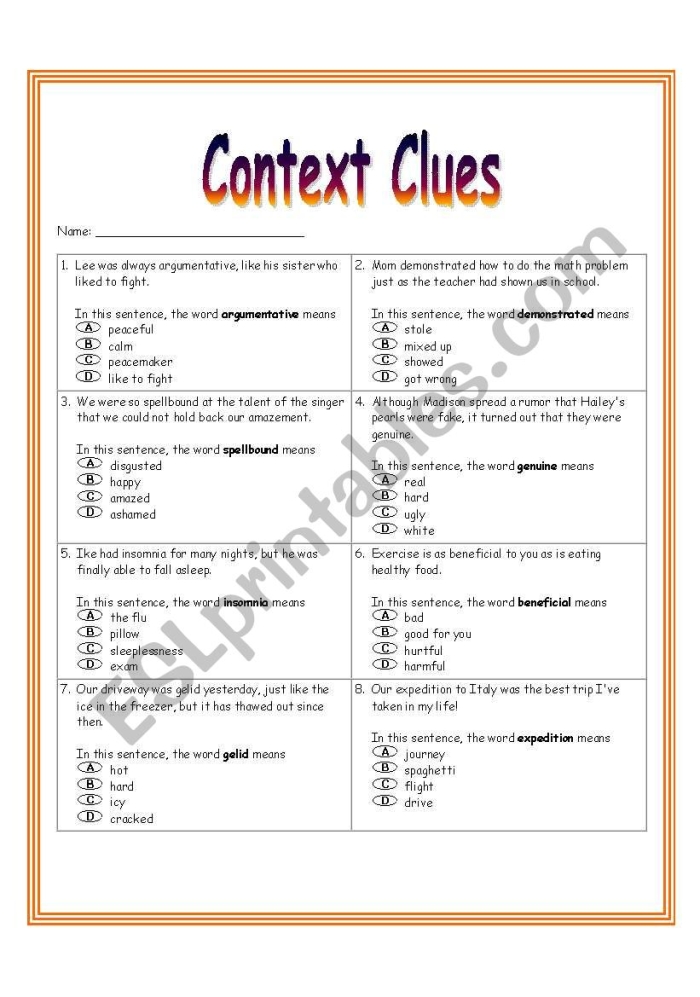
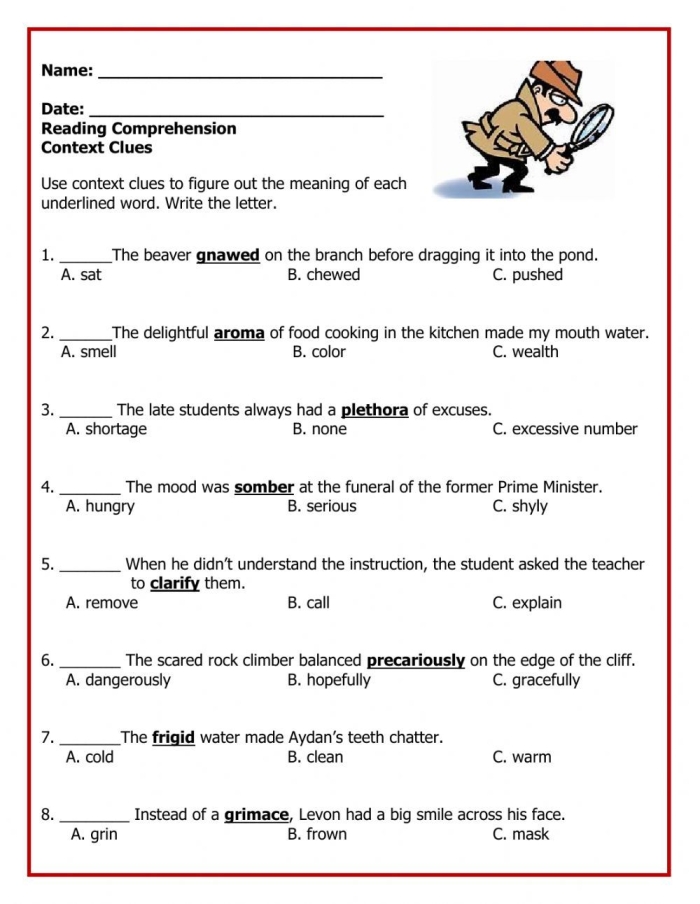
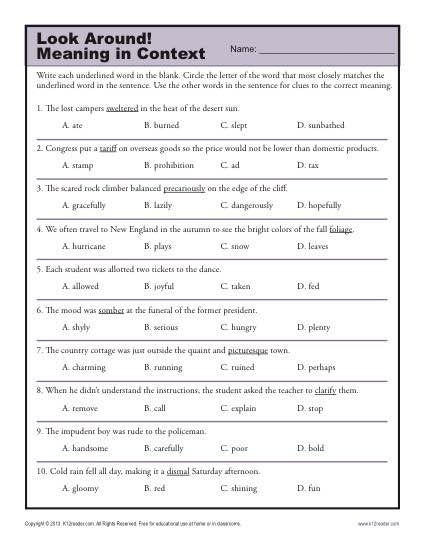
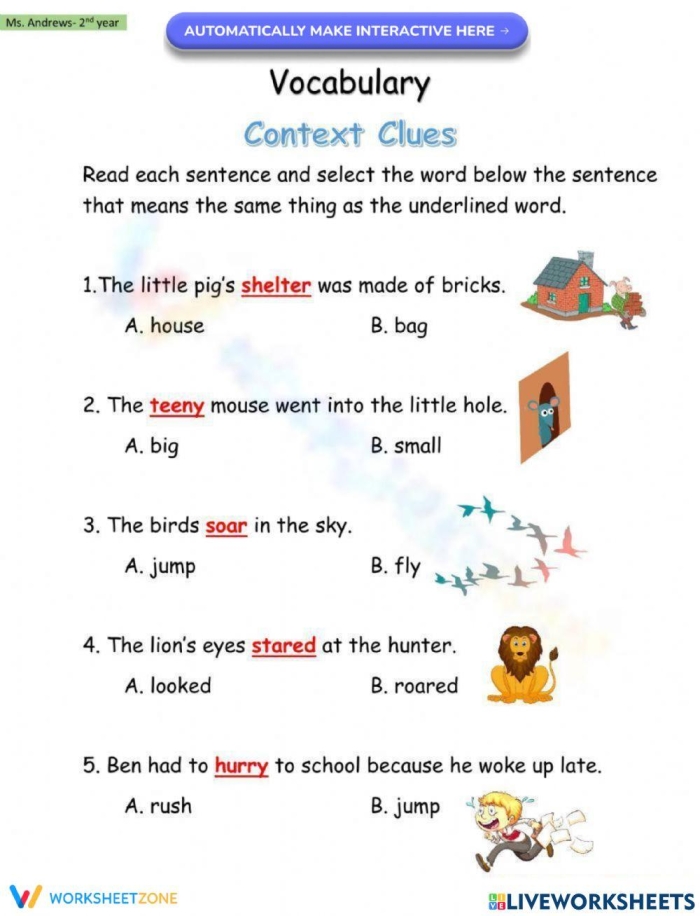
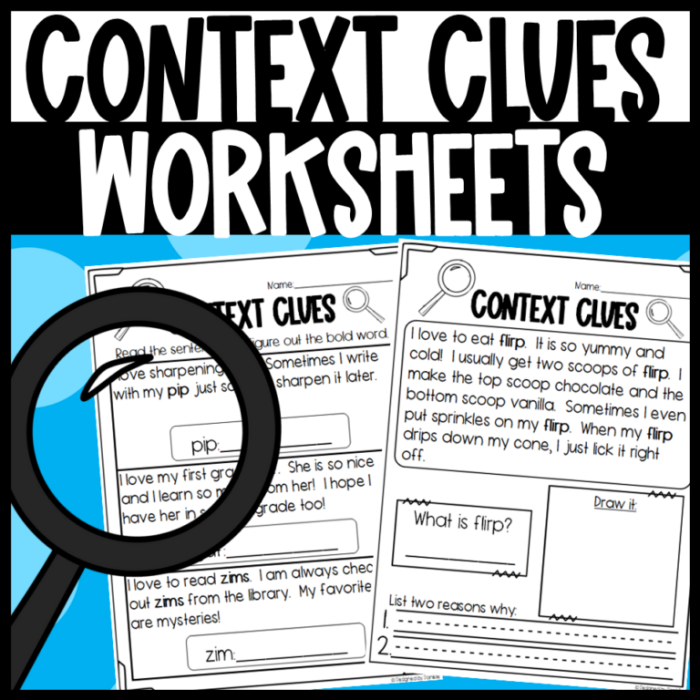
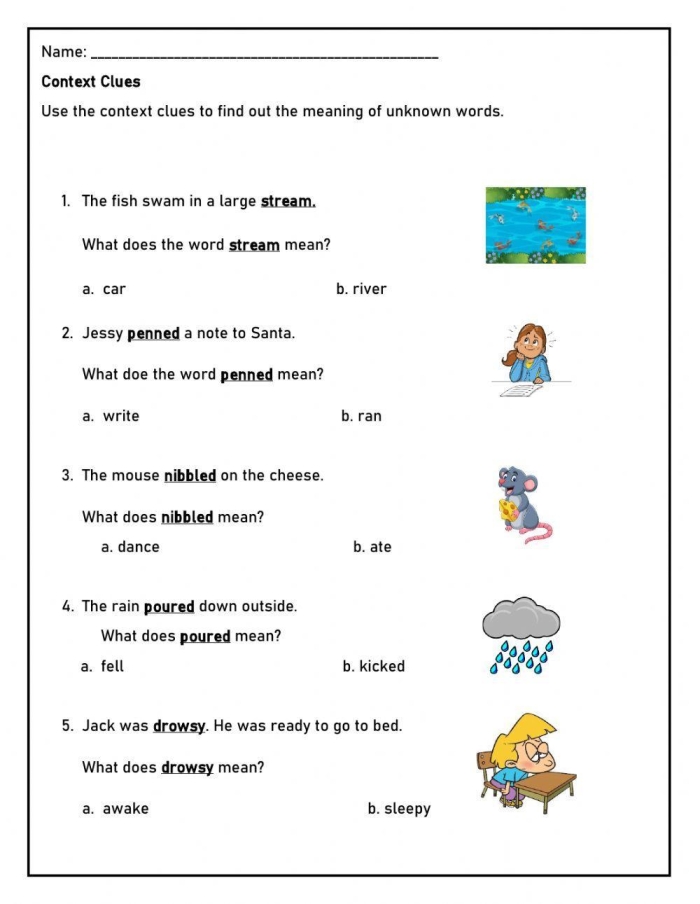
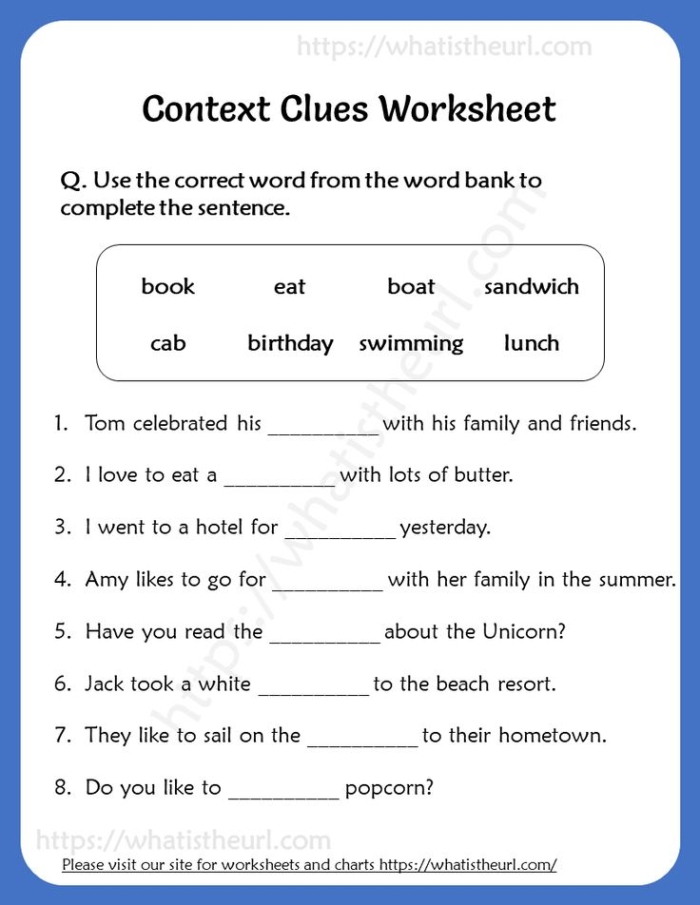
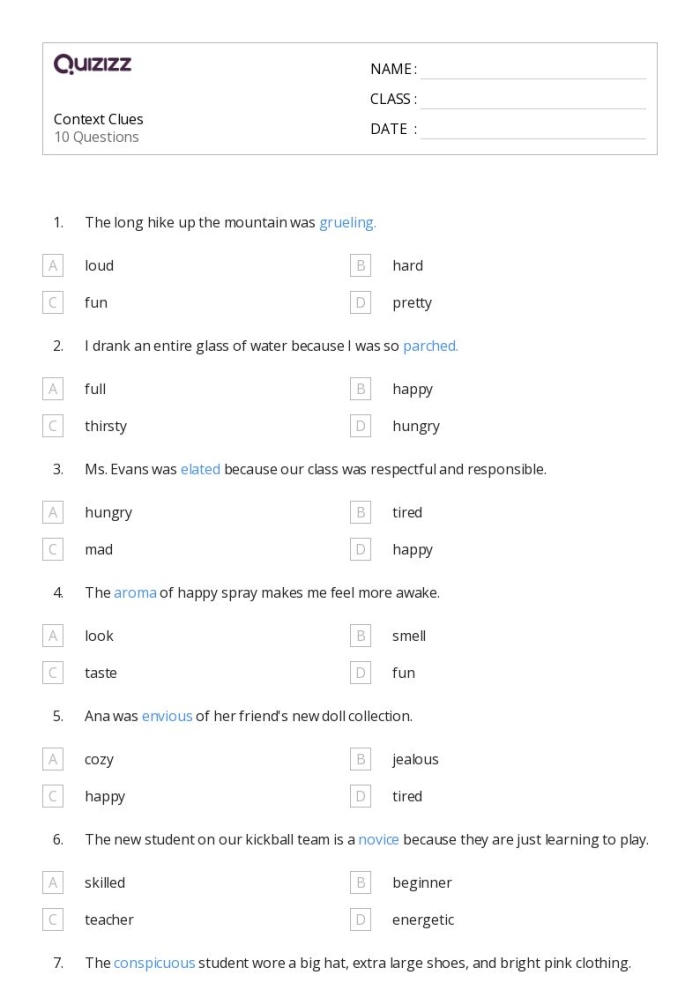
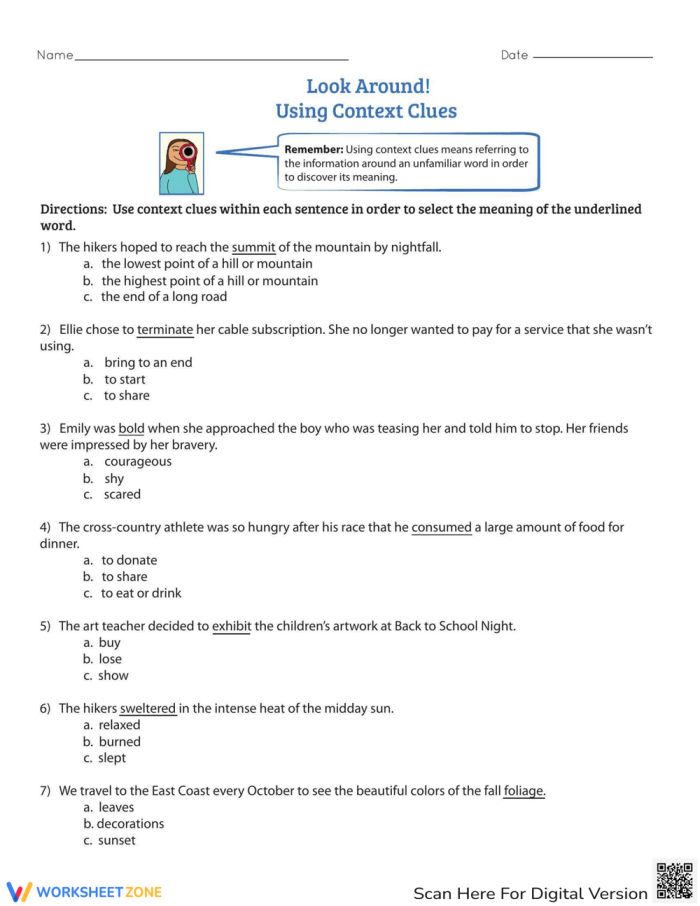
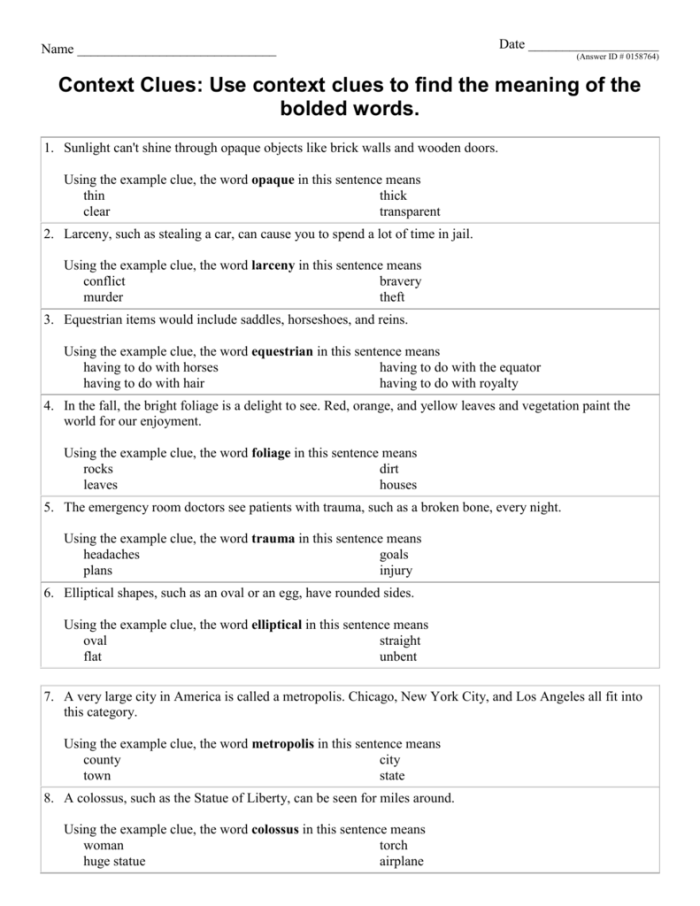
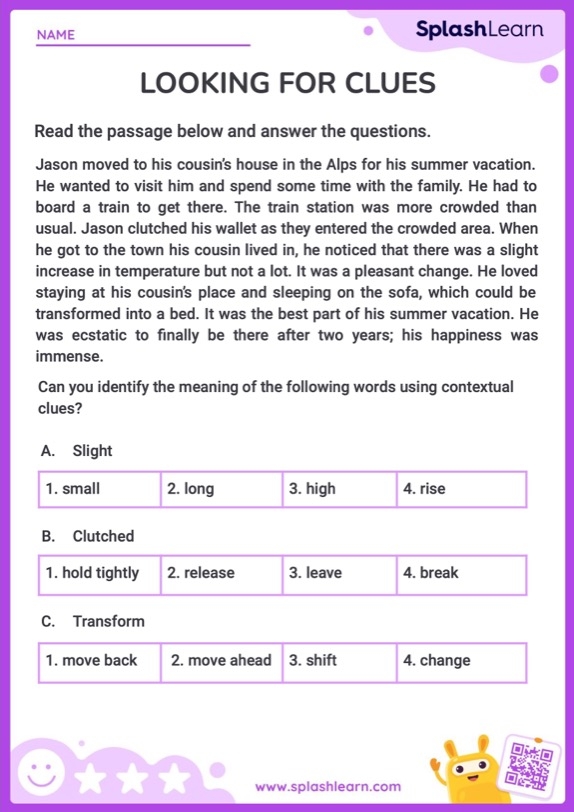
When fourth grade students encounter unfamiliar words while reading historical texts, they don’t need to stop and reach for a dictionary every time. Instead, they can develop a skill that makes them independent readers: using context clues to figure out what words mean.
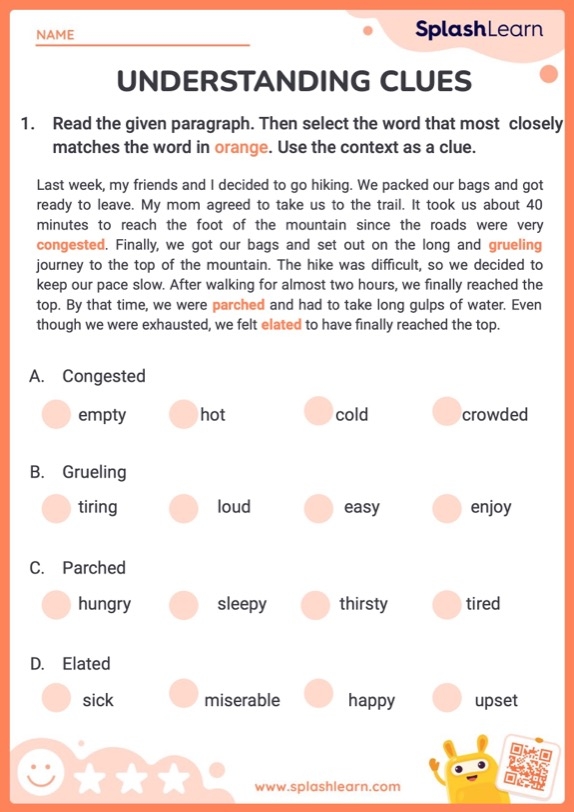
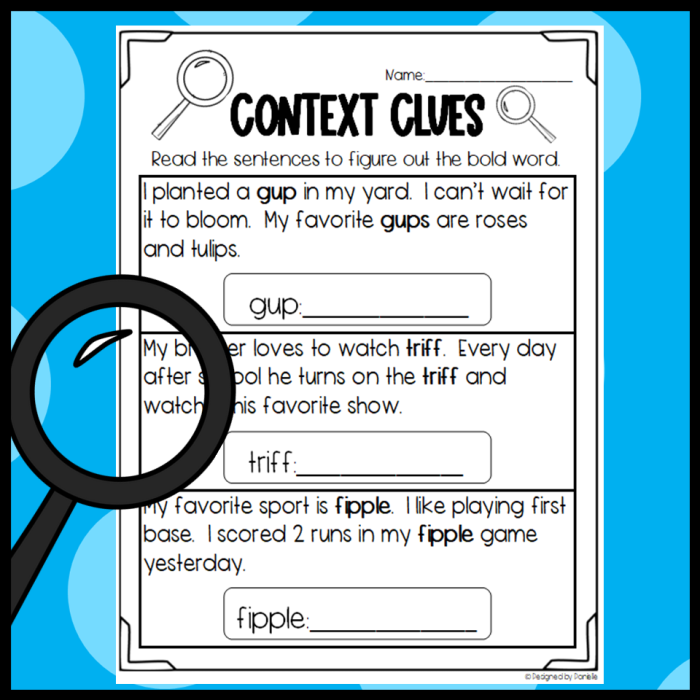
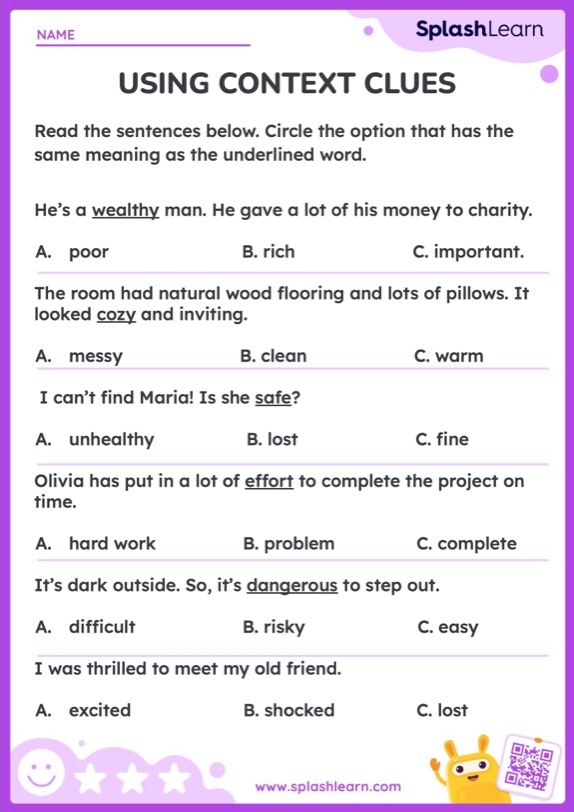
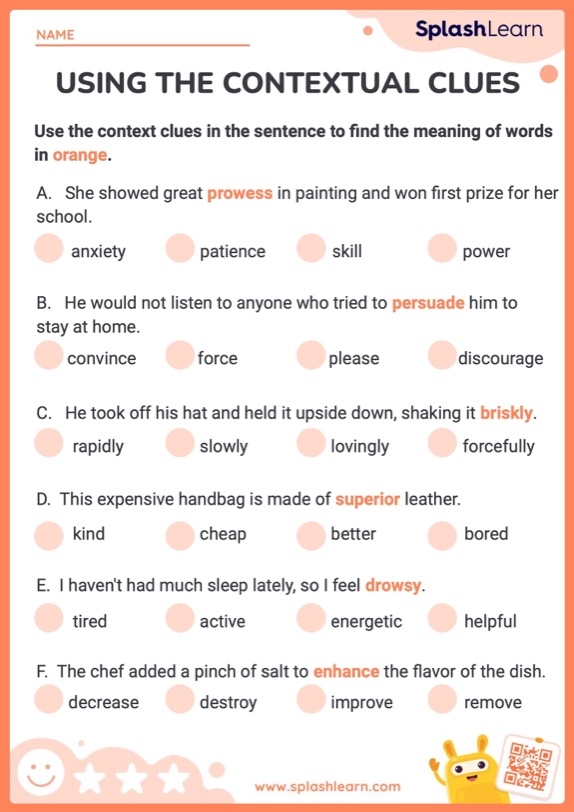
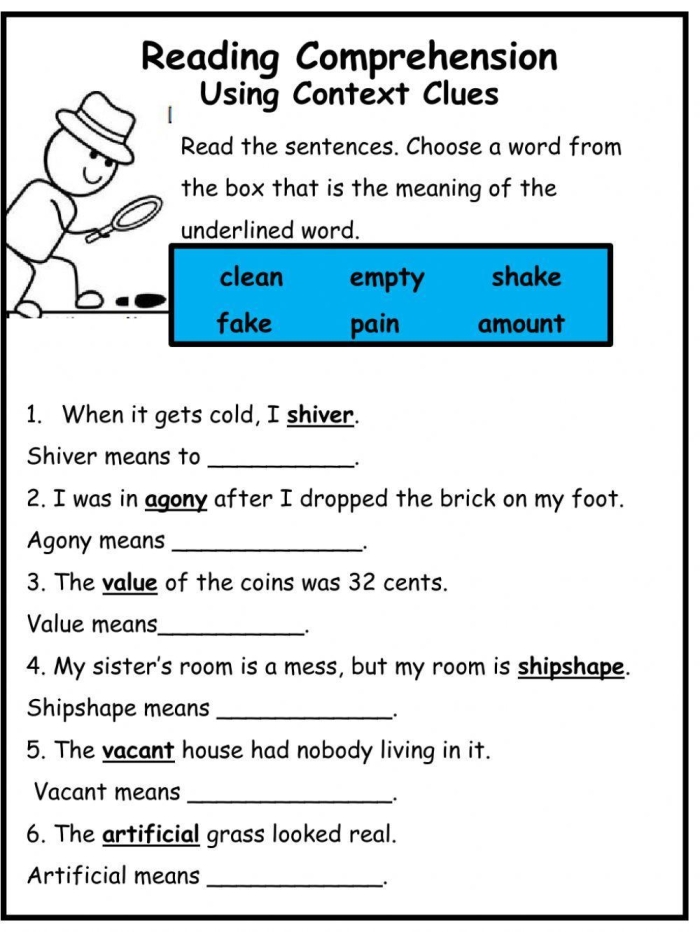
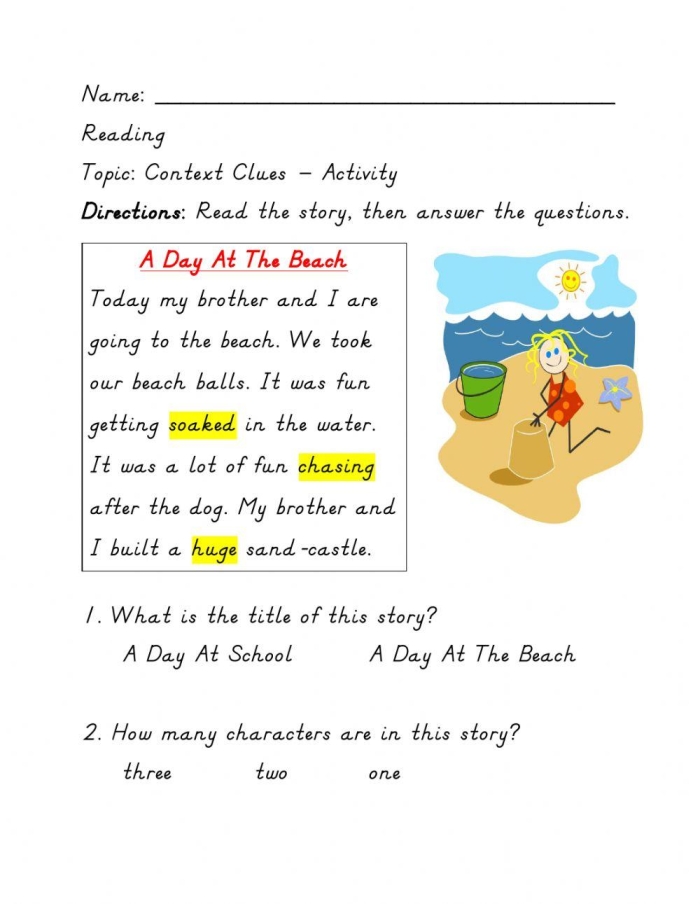
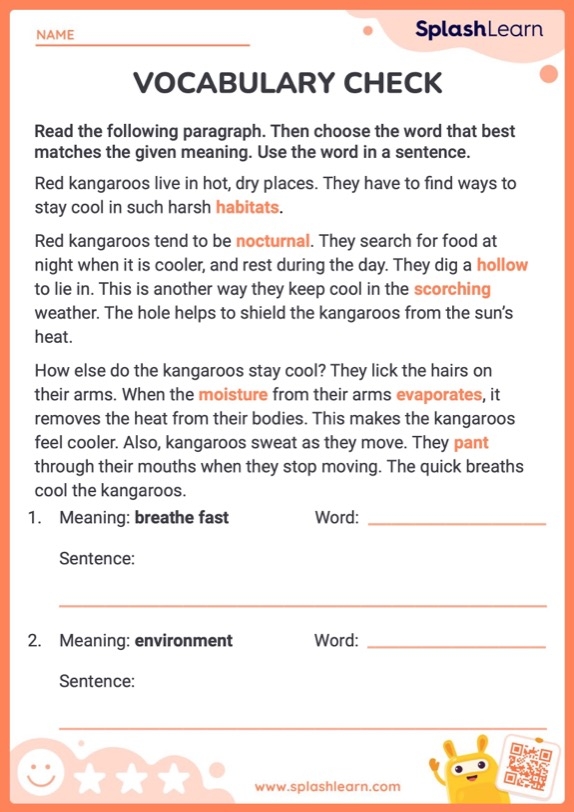
Context clues are the surrounding words and sentences that give hints about an unknown word’s meaning. A student reading about colonial America might come across the word “apprentice” and have no idea what it means. But if the sentence says “Young boys worked as apprentices, learning a trade from skilled craftsmen,” the context provides enough information to understand that an apprentice is someone who learns a job by working under an experienced person.
This strategy works particularly well in history lessons, where students regularly encounter words specific to different time periods and cultures. When learning about ancient civilizations or the American Revolution, students will naturally bump into vocabulary that feels foreign. Rather than treating these moments as obstacles, teachers can frame them as opportunities to practice active reading.
There are several types of context clues students should recognize. Definition clues appear when an author explains a word directly in the same sentence. Synonym clues show up when a difficult word is paired with a similar, easier word. Contrast clues work when a word is defined by showing what it’s NOT. Example clues provide instances that illustrate what a word means.
Teachers can strengthen this skill through targeted practice. Using editing and revision practice activities helps students refine their word selection. Pairing this with grammar and mechanics instruction creates a comprehensive approach to language development.
When students master this technique, they build confidence as readers and develop a tool they’ll use throughout their education. They learn that understanding doesn’t require knowing every single word before starting a text, but rather developing the ability to extract meaning from the clues an author provides.
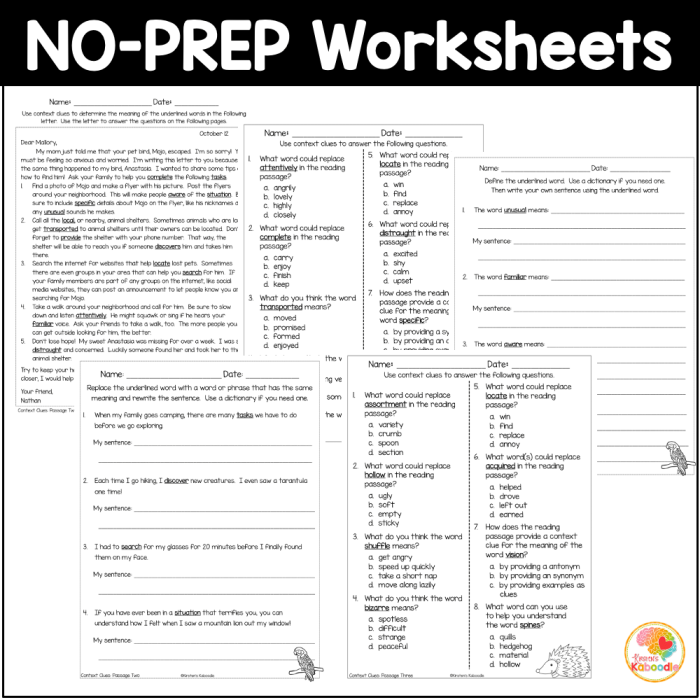
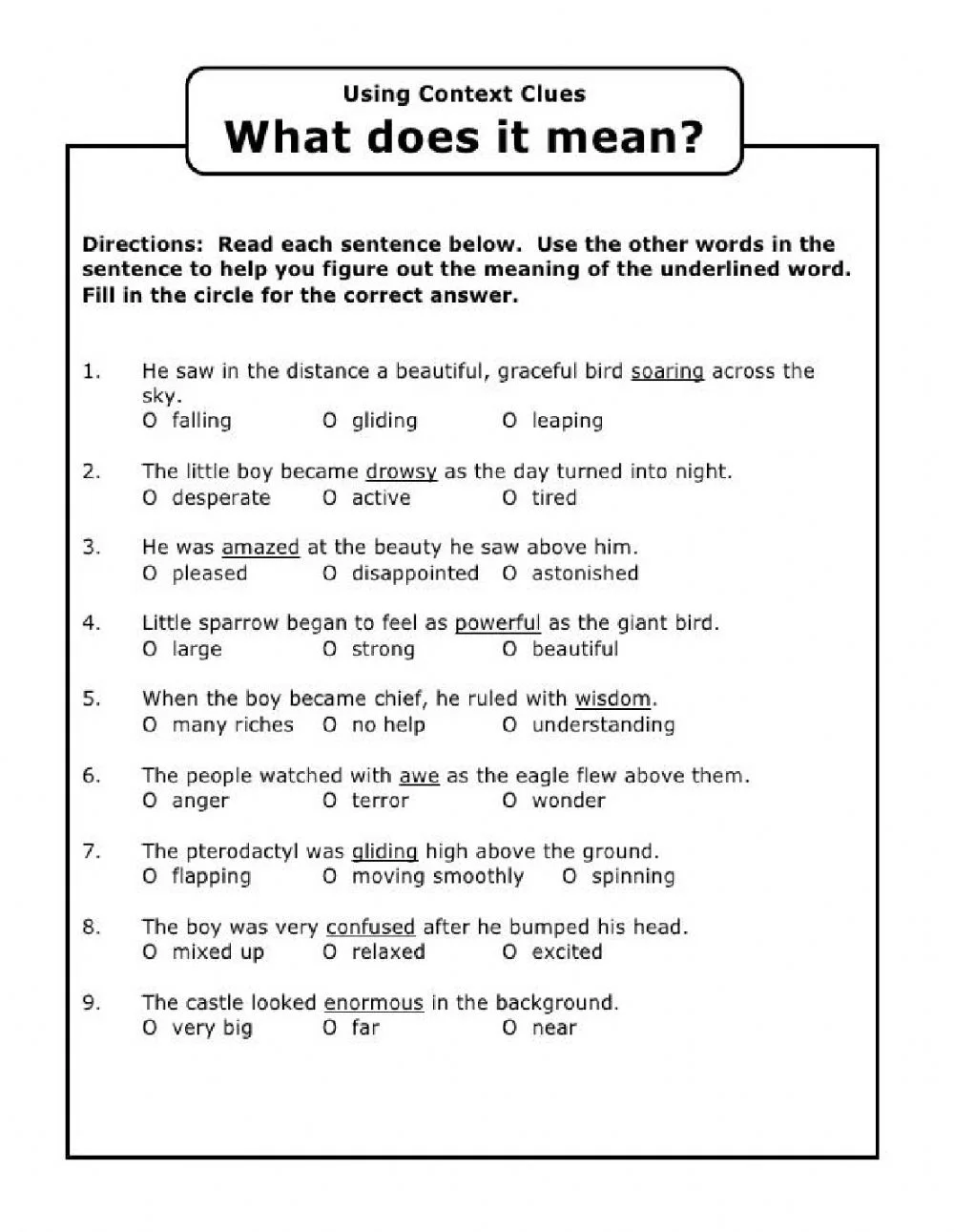
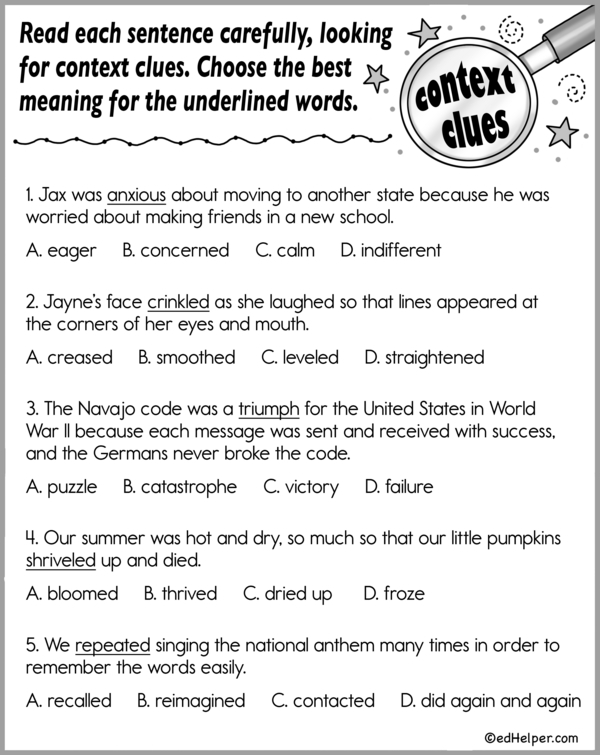
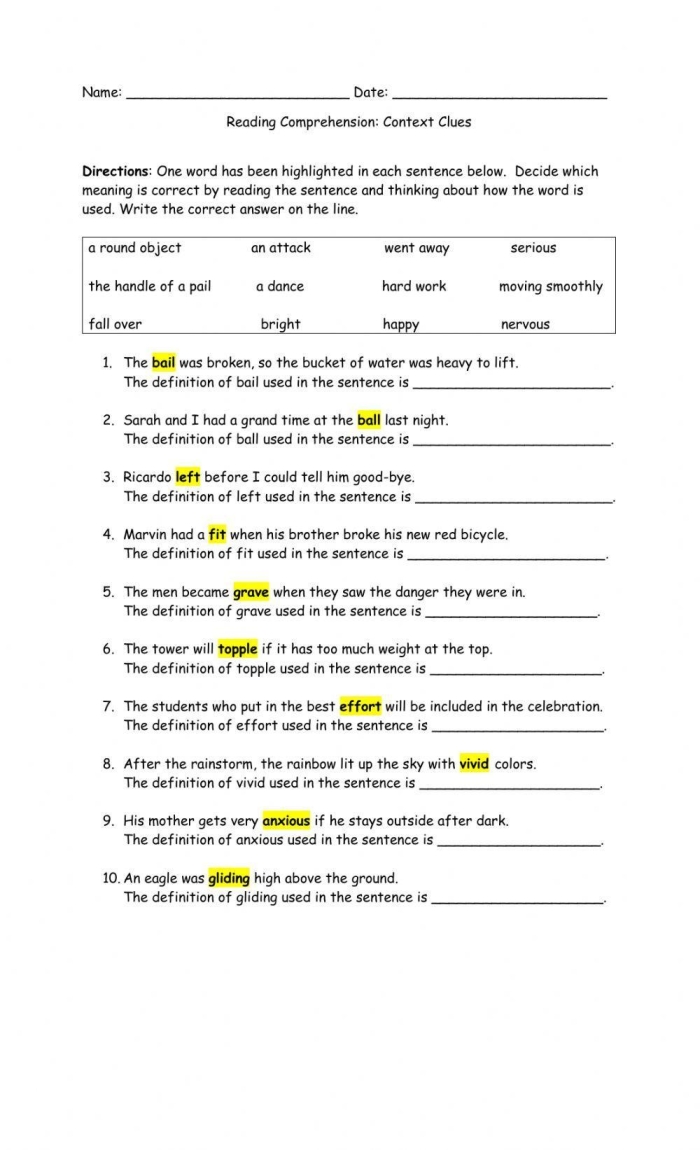
Practice with These Worksheets