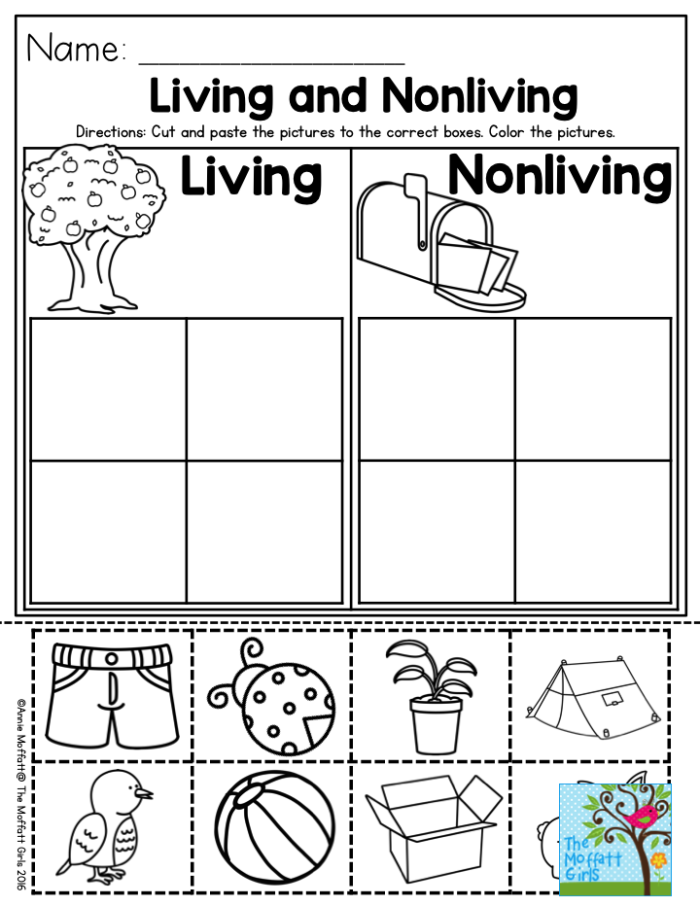
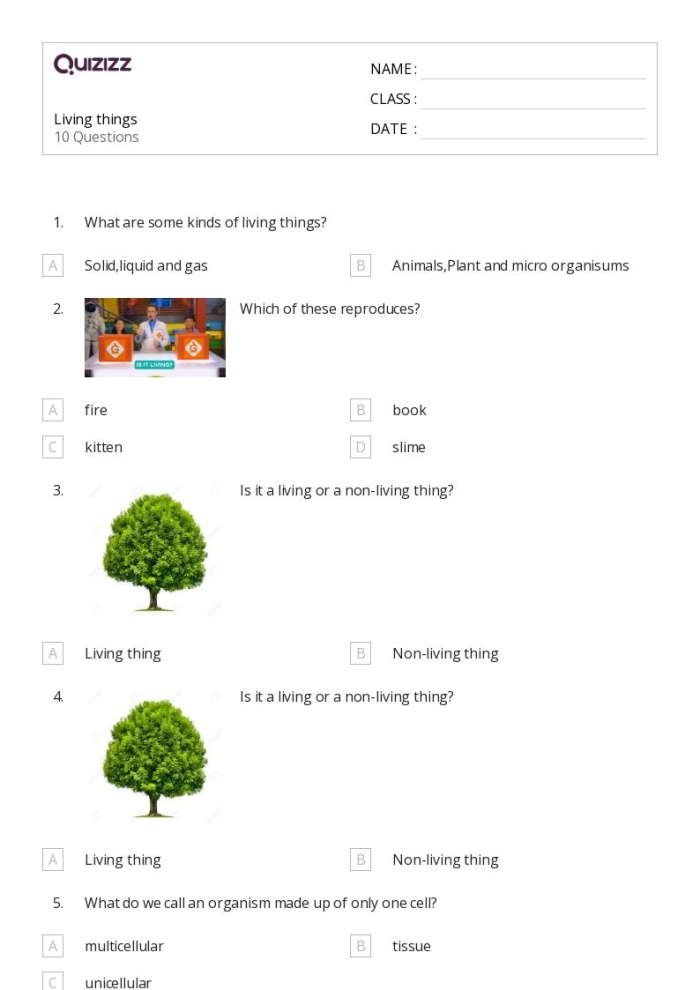
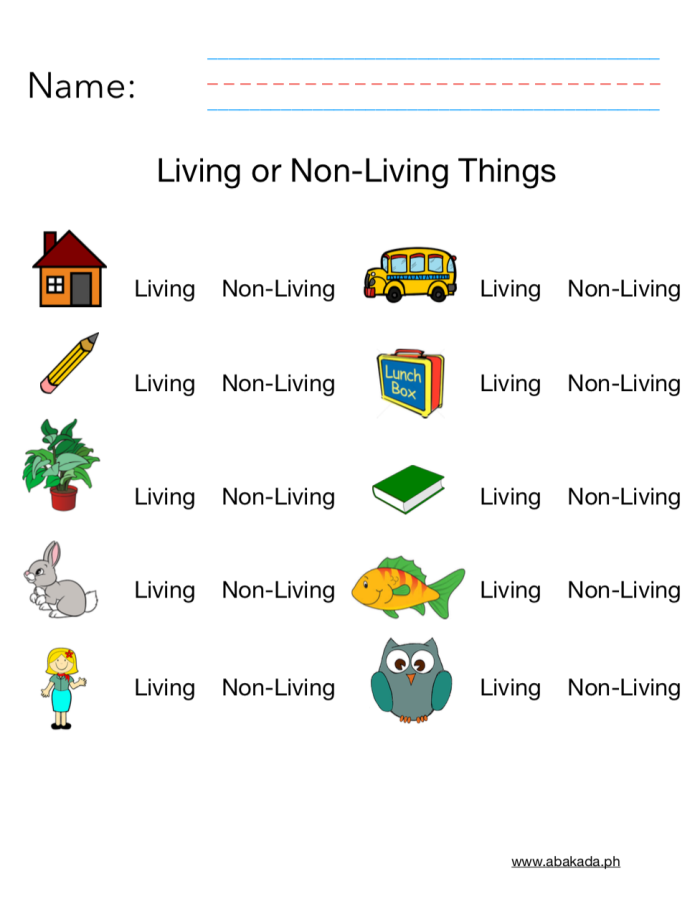
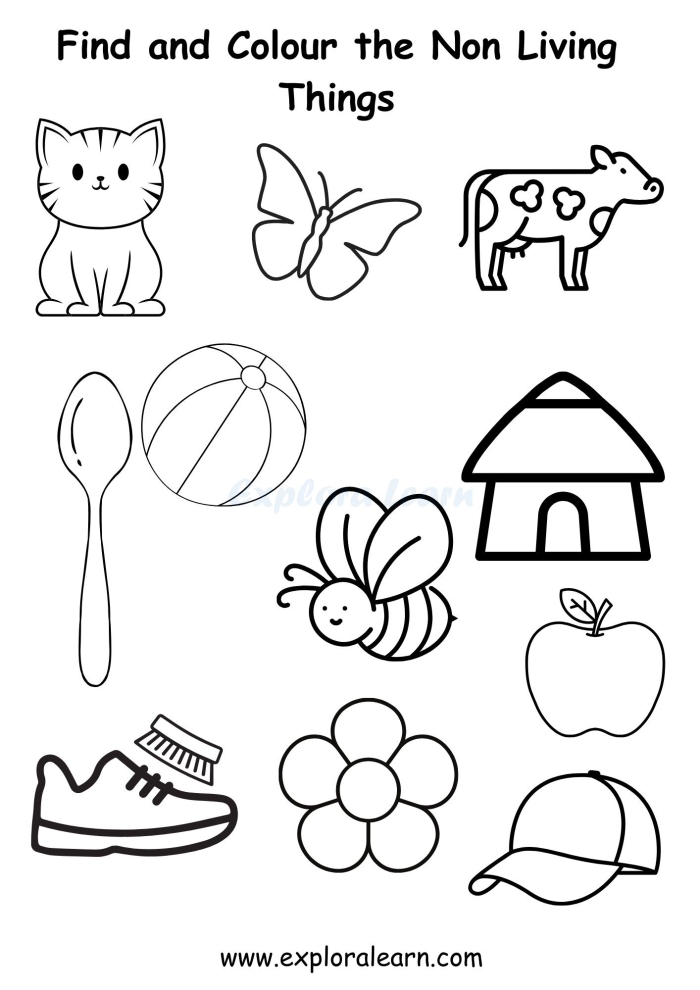
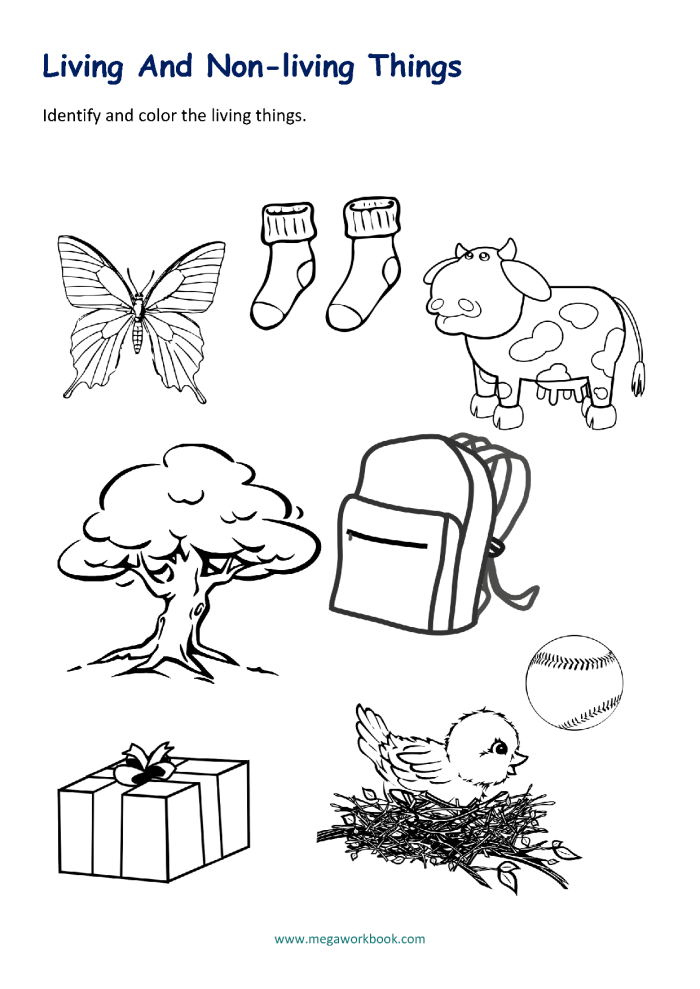
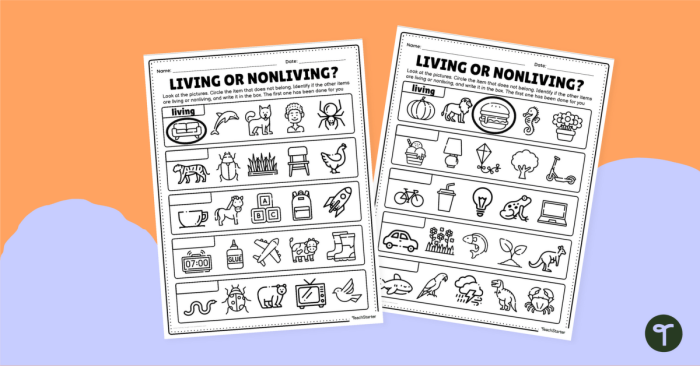
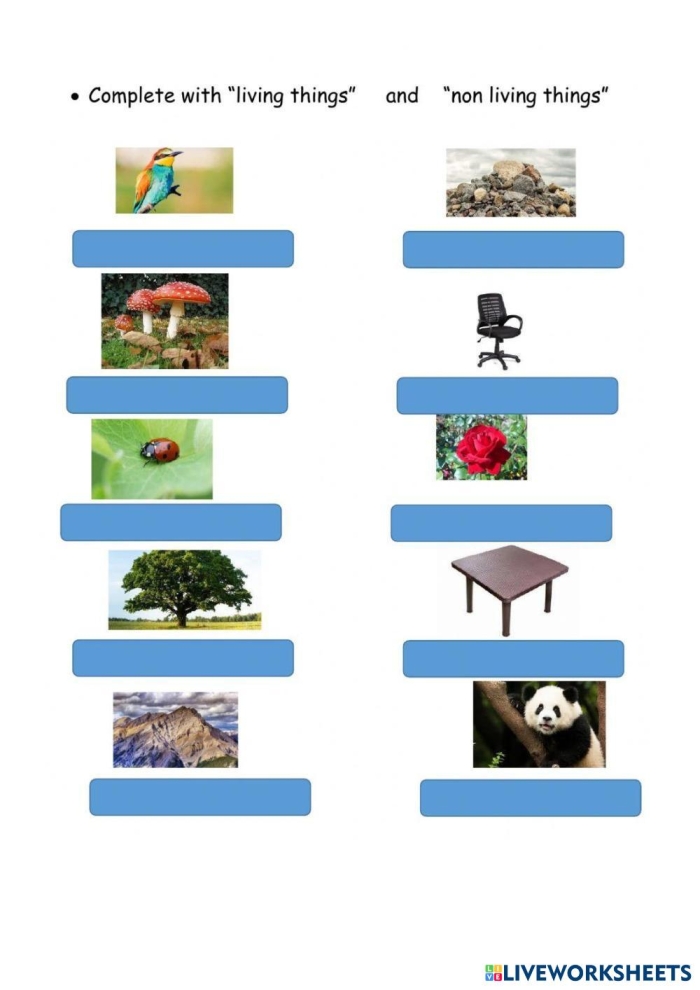
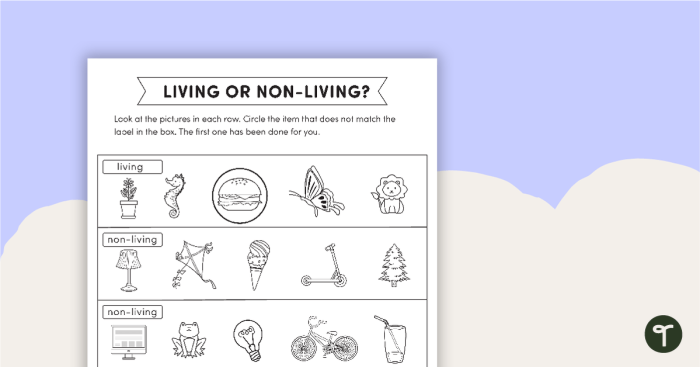
Identifying living and non-living things can spark curiosity in young minds, making it an excellent starting point for exploring animal and life sciences. For first graders, understanding this distinction not only enhances their observation skills but also lays the groundwork for future scientific concepts. Children can learn to categorize items in their environment, which is a fundamental aspect of scientific inquiry.
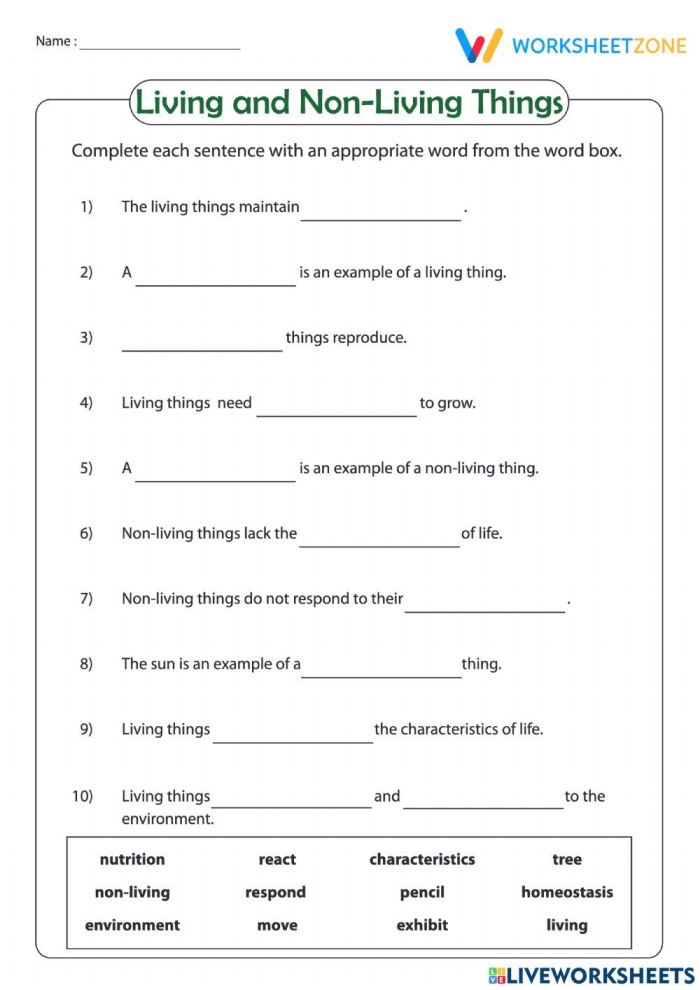
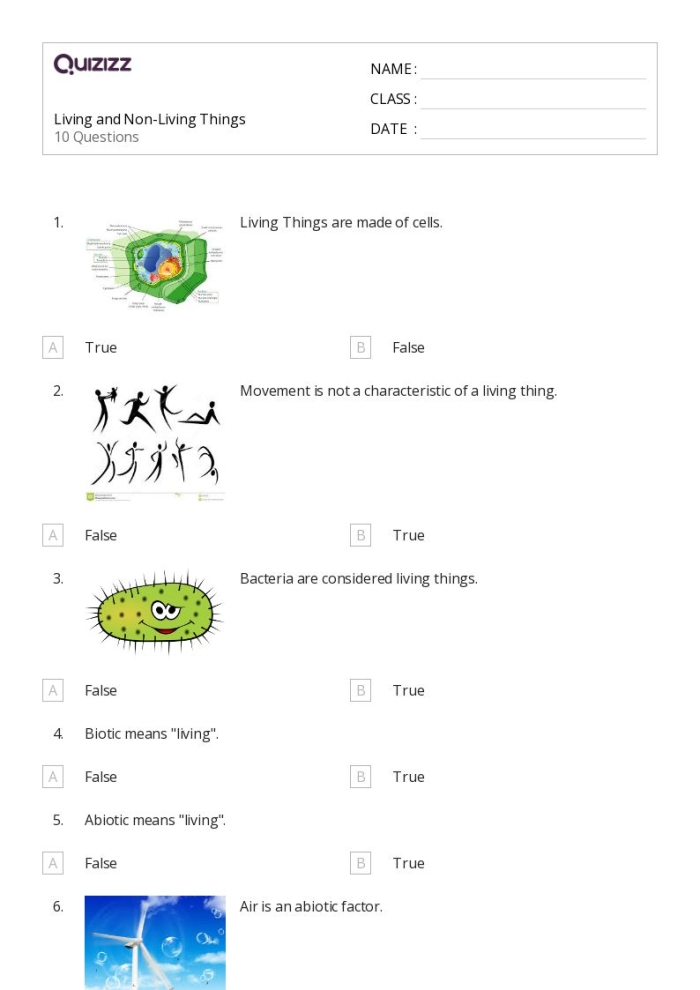
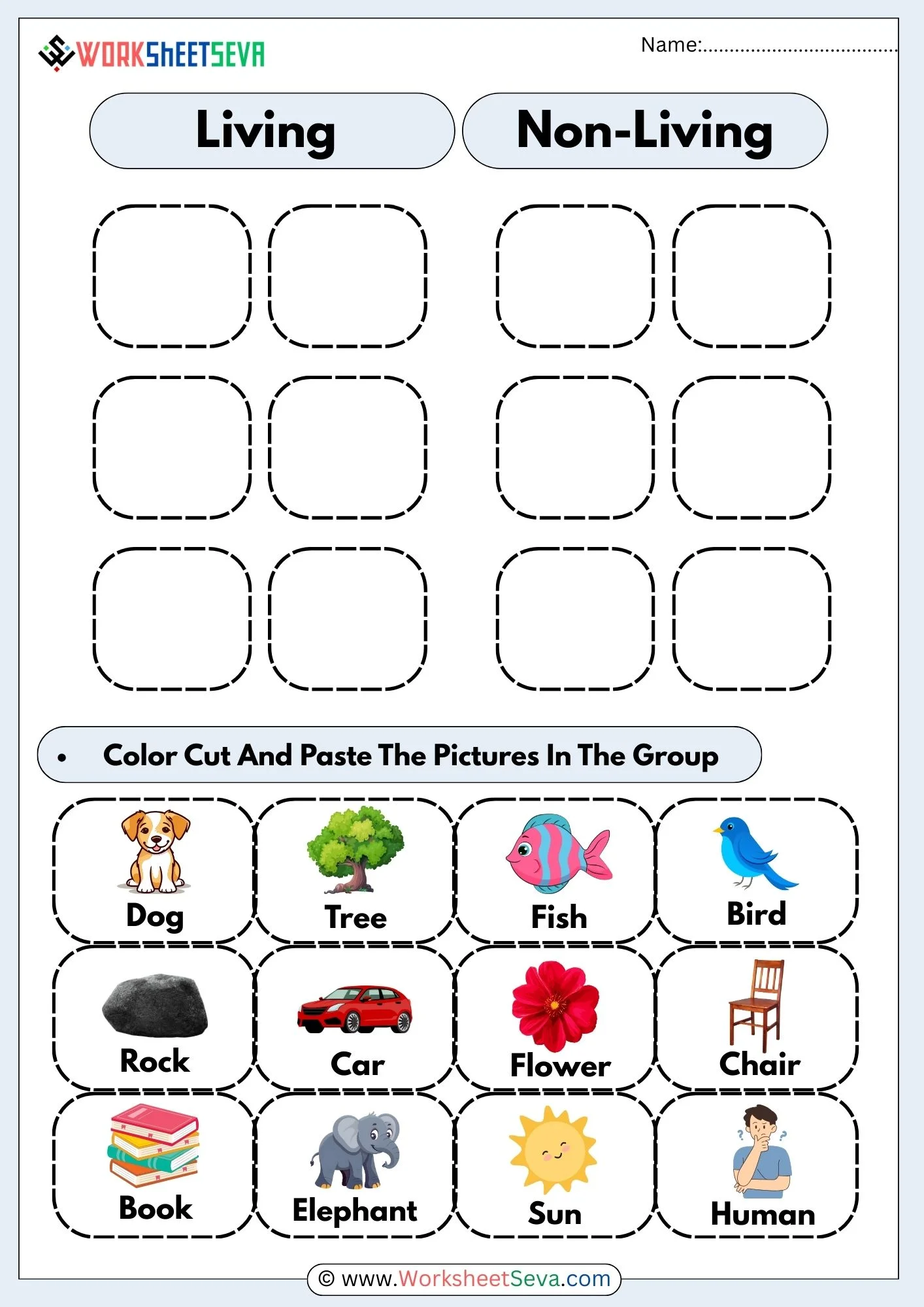
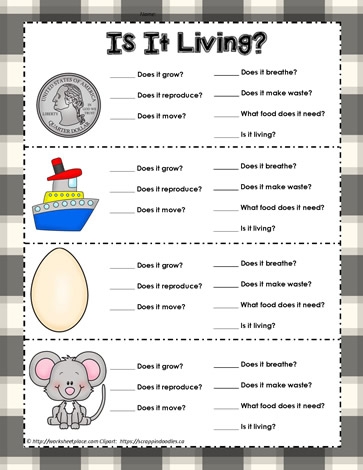
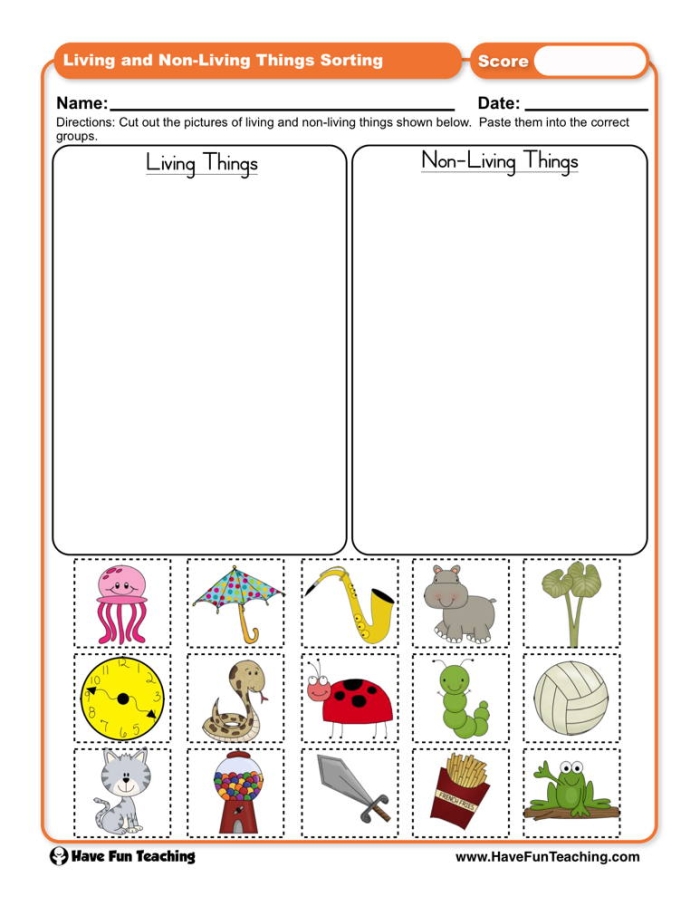
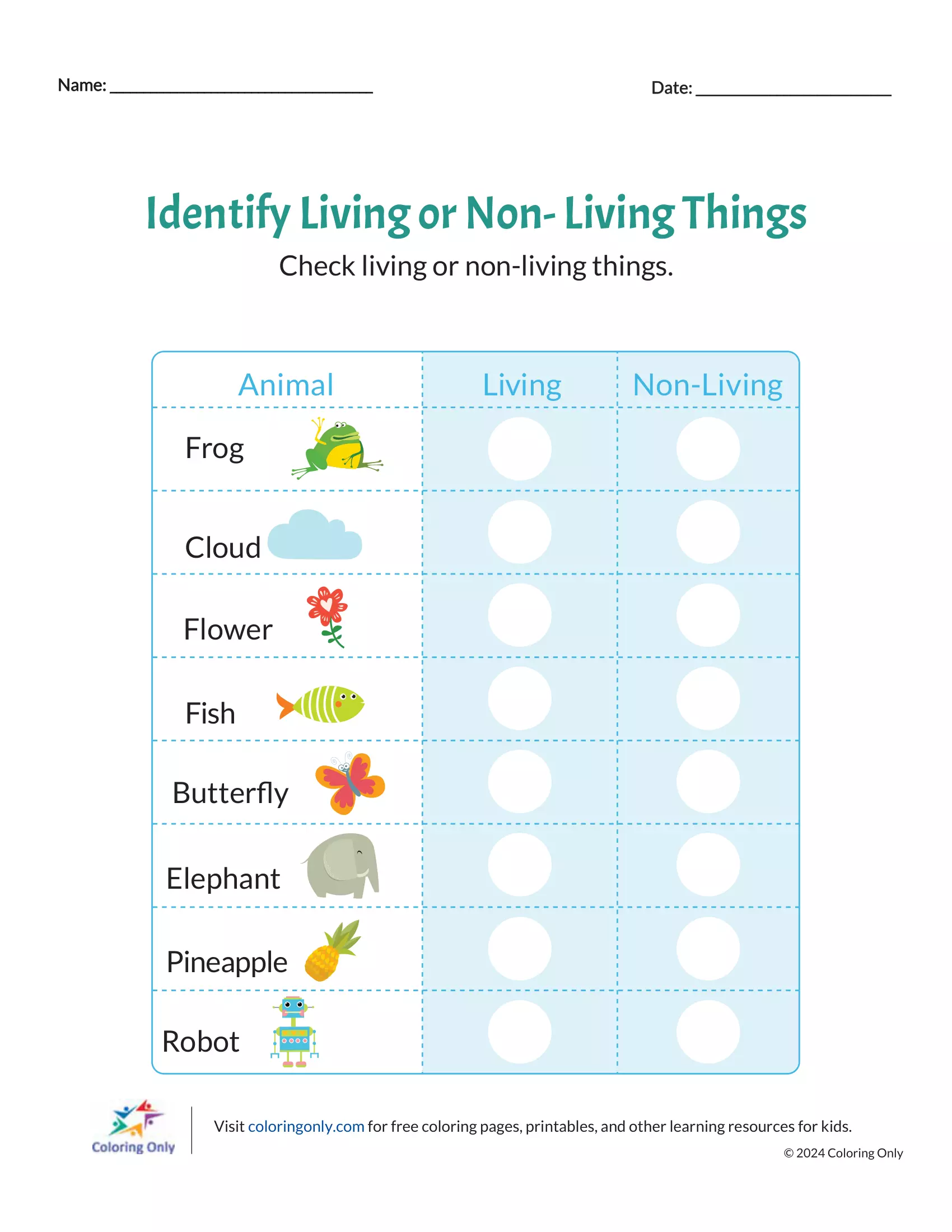
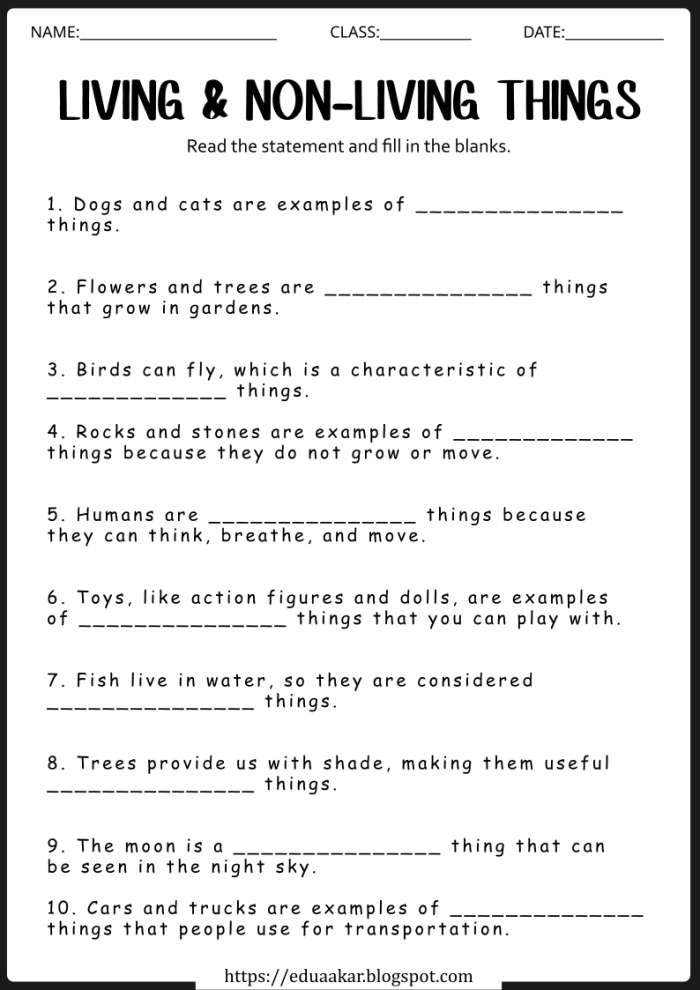
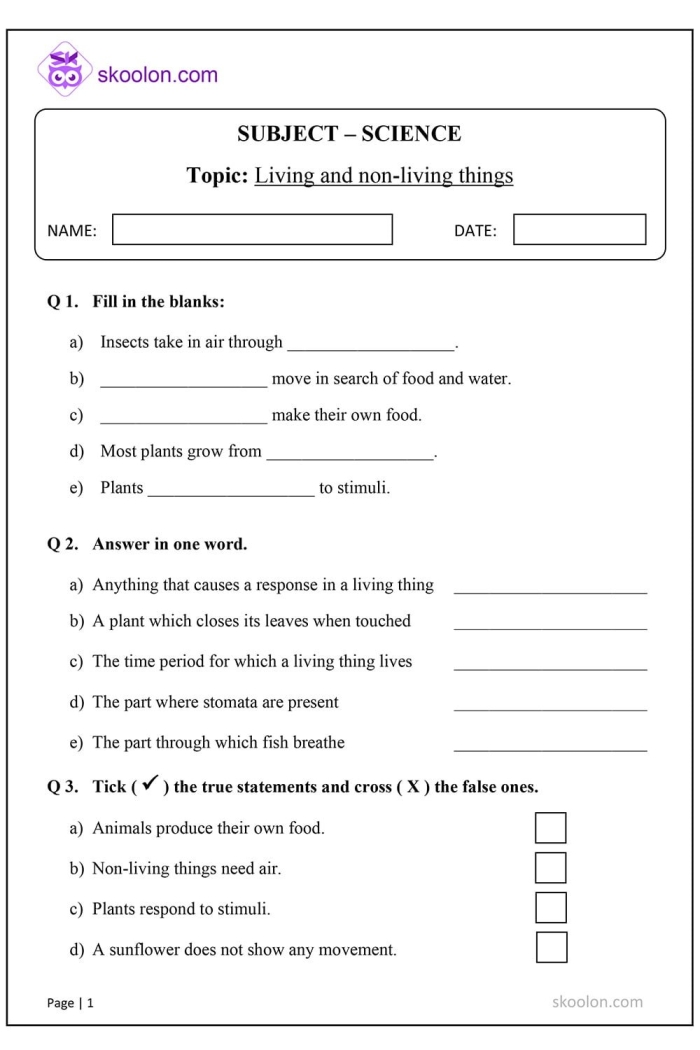
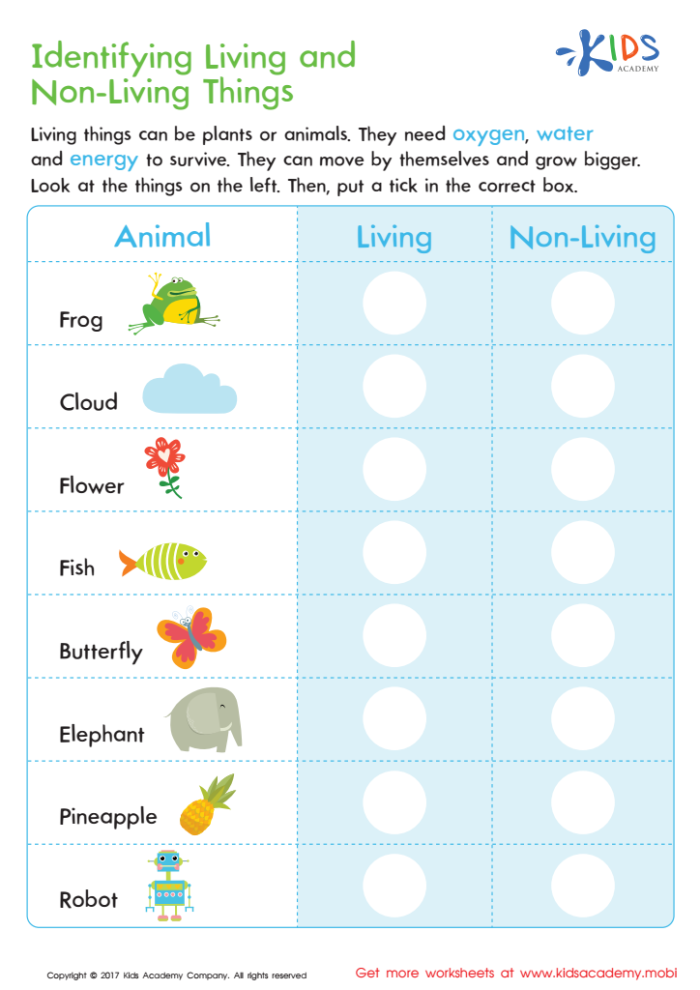
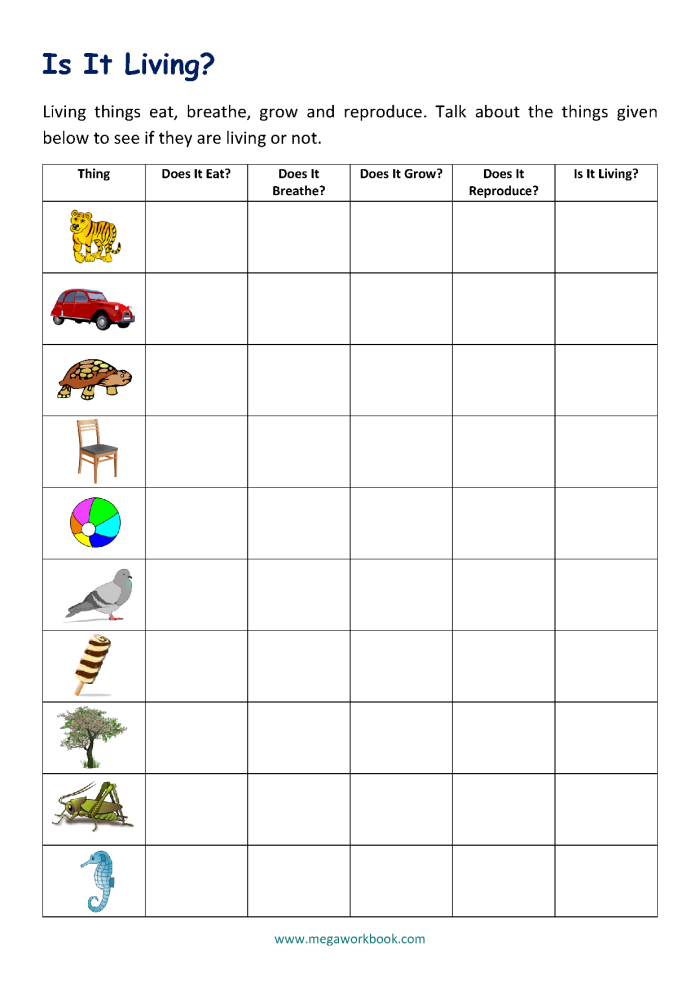
Living things, such as plants, animals, and humans, exhibit certain characteristics. They grow, reproduce, and respond to their surroundings. For example, a dog barks when it hears a loud noise, showcasing its ability to interact with the environment. On the other hand, non-living things, like rocks, water, and toys, do not have these characteristics. They may change form or location but lack the ability to grow or respond to stimuli.
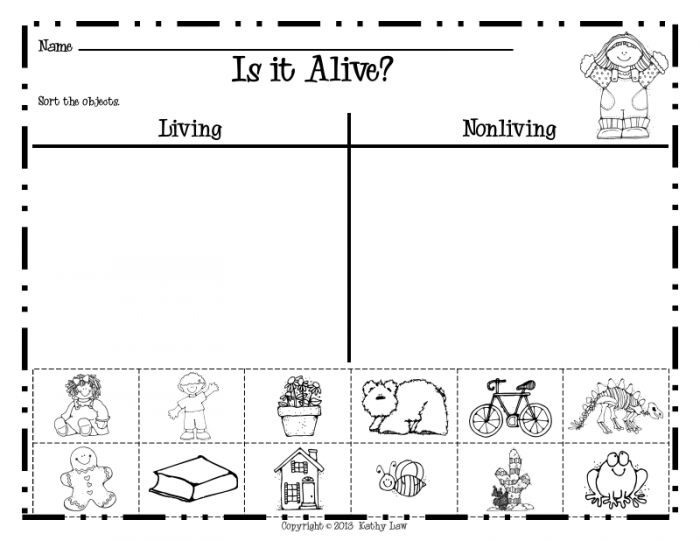
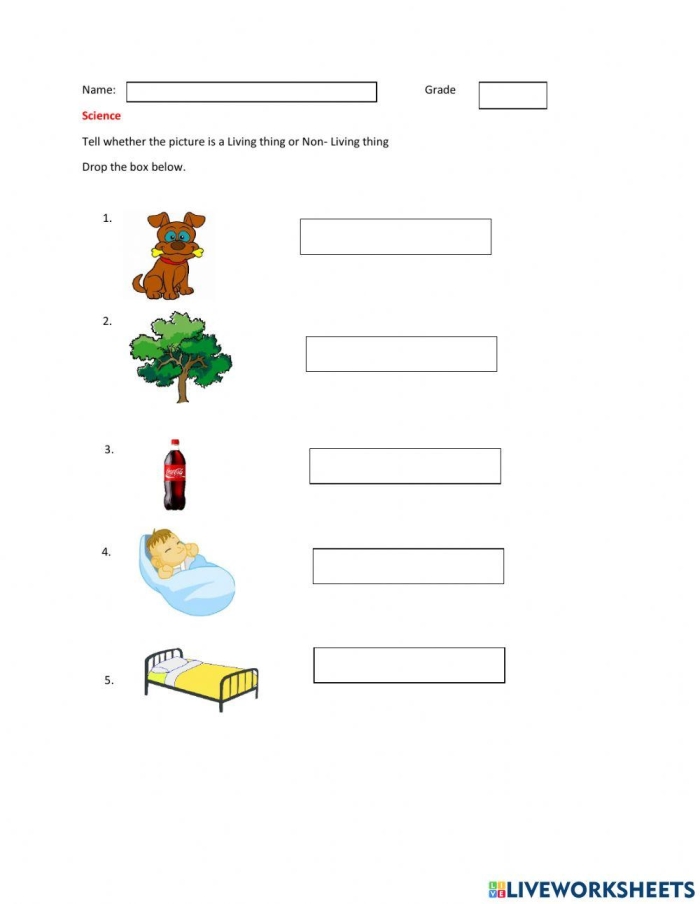
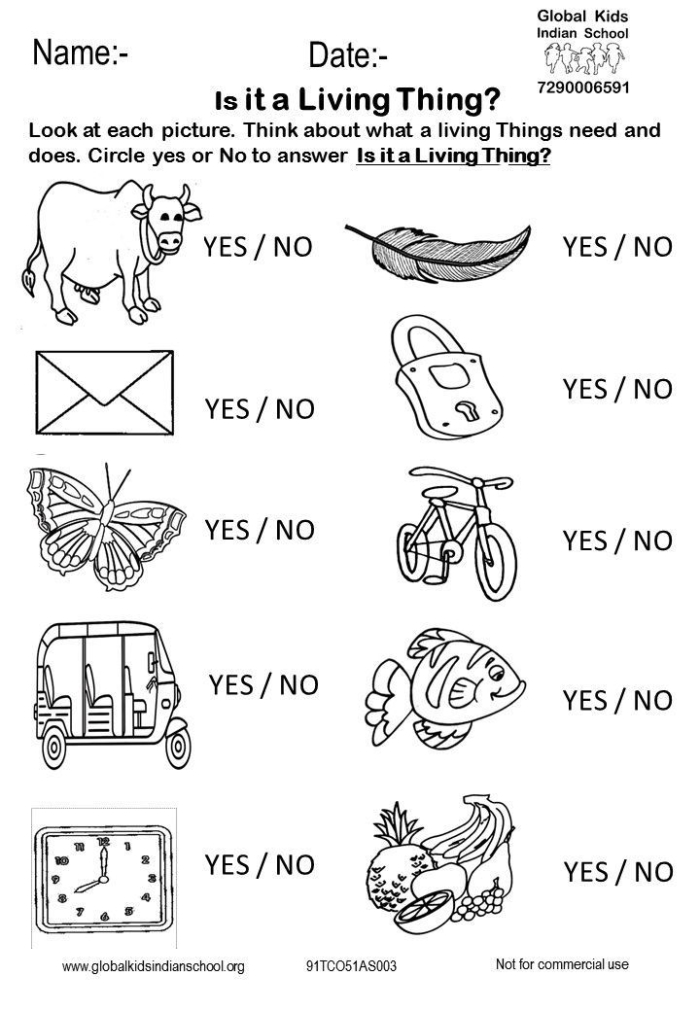
Engaging kids in hands-on activities can make the learning process enjoyable and effective. A simple exercise involves going outside and having children list objects they see. They can classify them as living or non-living, fostering critical thinking and observational skills. This can be tied to various worksheets designed for first grade, like the Shapes in Pictures or ABC Order worksheets, which encourage children to practice grammar and mechanics through interactive learning.
Incorporating discussions about living versus non-living things into everyday learning helps children develop a foundational understanding of life sciences. It allows them to appreciate the diversity of the world around them while honing their analytical skills. As they learn through play and exploration, they will be better prepared to tackle more complex scientific concepts in the future.
Download These Worksheets for Practice