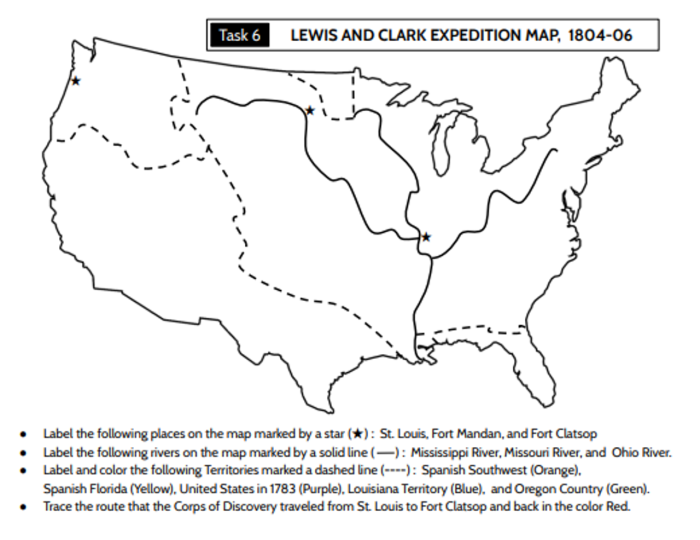
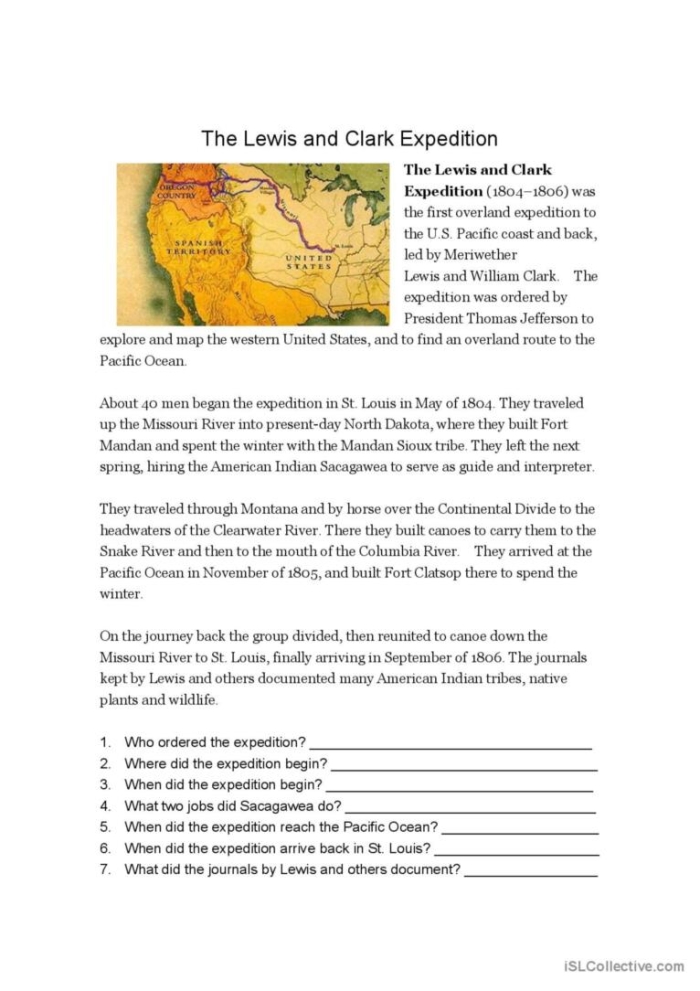
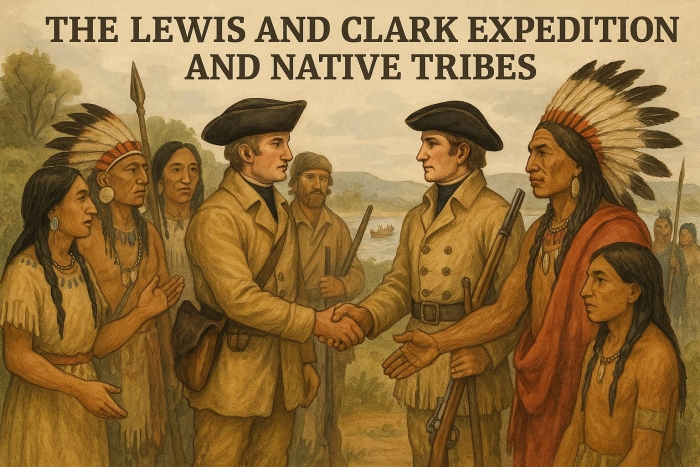
When Lewis and Clark set off on their expedition in 1804, they encountered numerous Native American tribes, each with their unique cultures and histories. One prominent tribe they met was the Mandan, who resided near present-day North Dakota. The Mandan were known for their agricultural skills, cultivating crops like corn and beans, which allowed them to thrive in the harsh northern plains. Their fortified villages provided shelter and protection, making them a significant stop for the explorers.
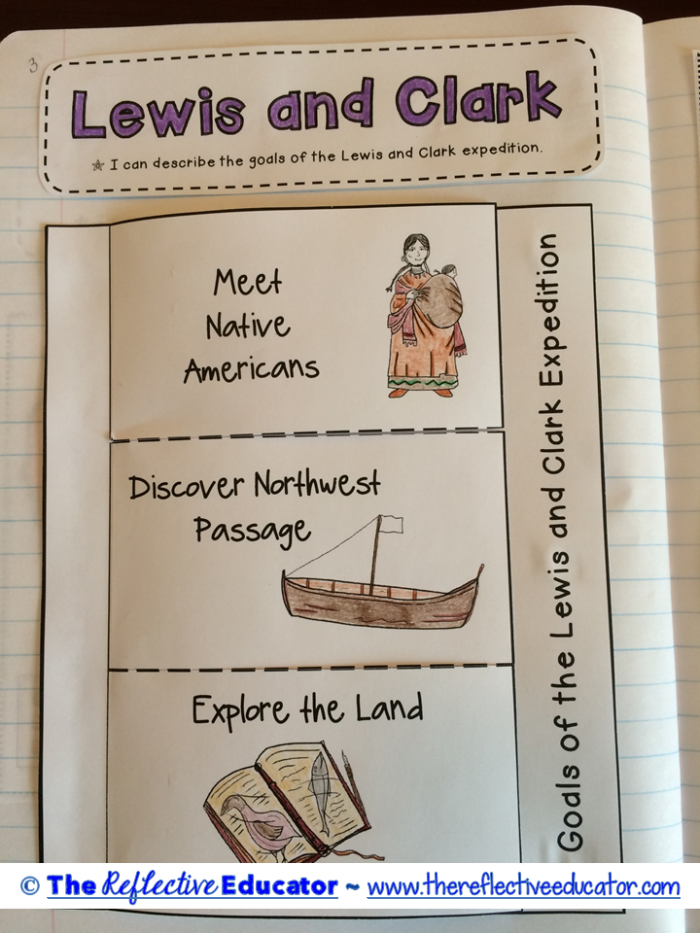
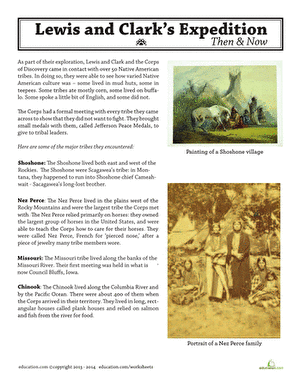
Another tribe that played a vital role during the expedition was the Shoshone. The Lewis and Clark team relied heavily on the Shoshone for guidance and supplies, especially when crossing the Rocky Mountains. Sacagawea, a Shoshone woman who accompanied the expedition, proved invaluable as a translator and guide. Her knowledge of the terrain and her ability to communicate with her people helped the explorers navigate challenging landscapes and establish crucial trade relations.
The Nez Perce tribe, encountered in present-day Idaho, also left a lasting impression on Lewis and Clark. They were known for their hospitality and provided the expedition with vital food supplies. The Nez Perce were skilled horsemen, which greatly impressed the explorers. Their ability to move swiftly across the land showcased a deep understanding of their environment, a lesson in adaptability that Lewis and Clark respected.
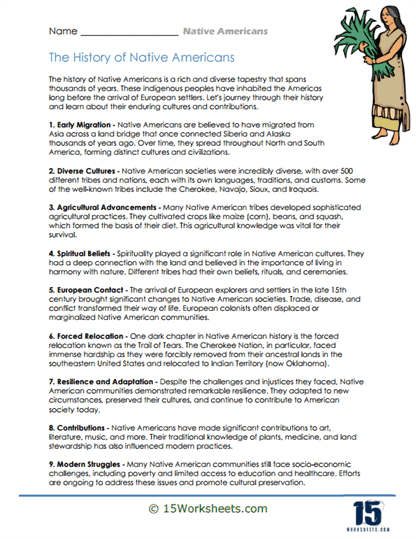
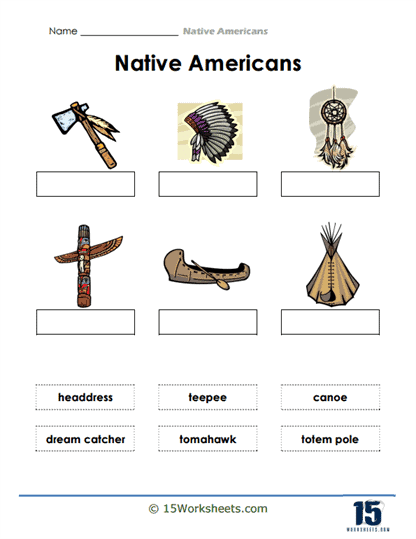
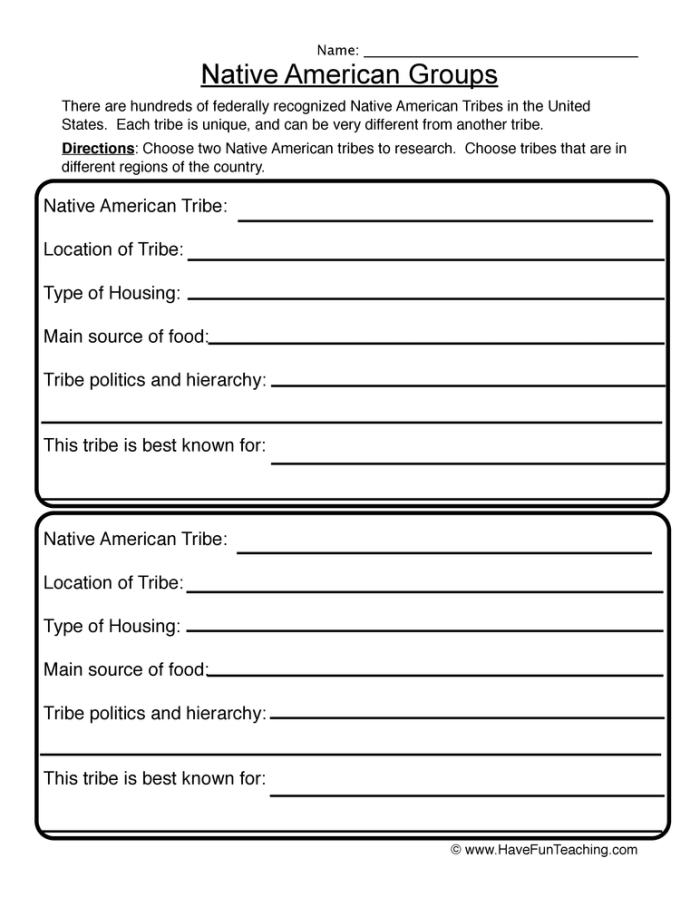
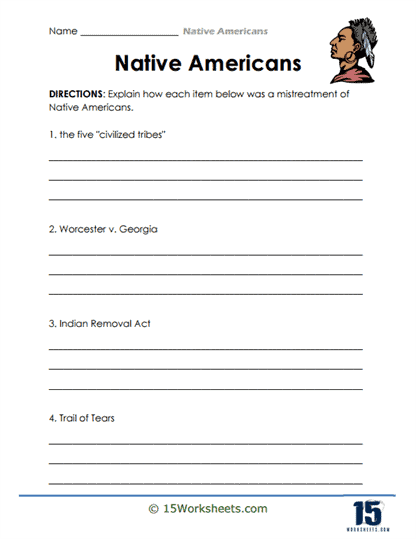
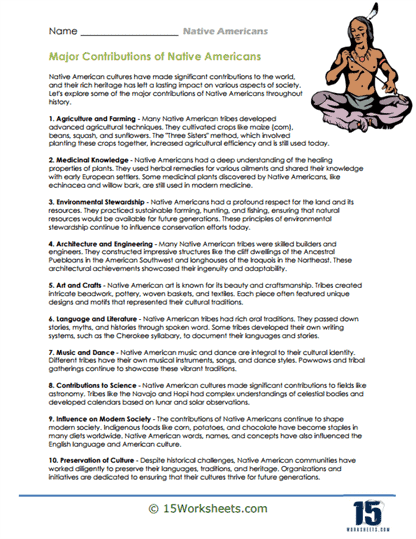
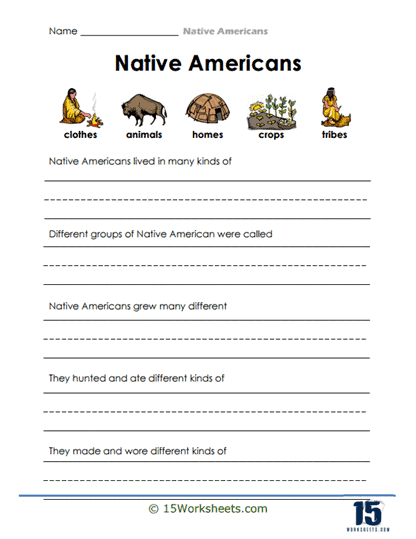
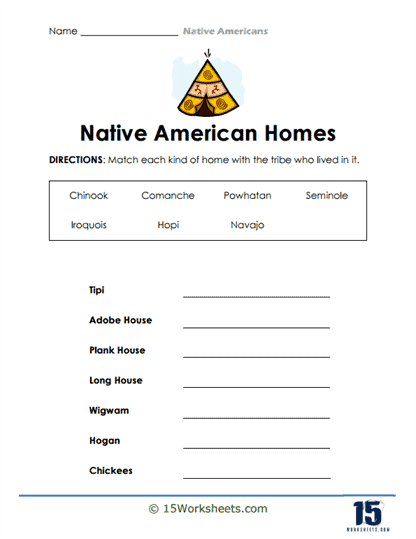
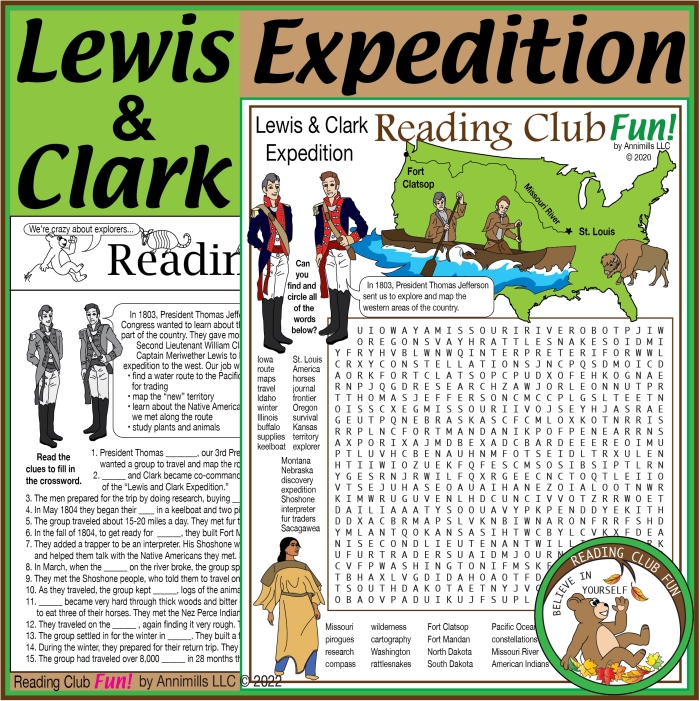
Understanding these interactions is essential for Fifth Grade students studying Social Studies skills. By examining the relationships between Lewis and Clark and the Native American tribes, students can better appreciate the complexities of early American history. For those looking to enhance their learning experience, there are printable Lewis and Clark: Native Americans worksheets available that can provide valuable insights and activities related to this topic.
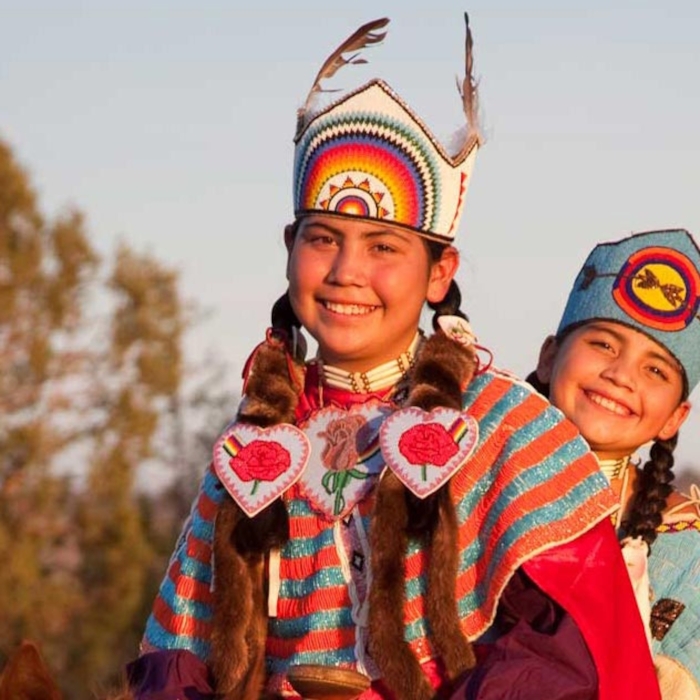
These encounters reflect not just the challenges faced by the explorers but also the rich cultures that existed long before their journey. Each tribe had its own story, contributing to the broader narrative of American history, and understanding these stories is crucial for a well-rounded education.
Worksheet Practice Section