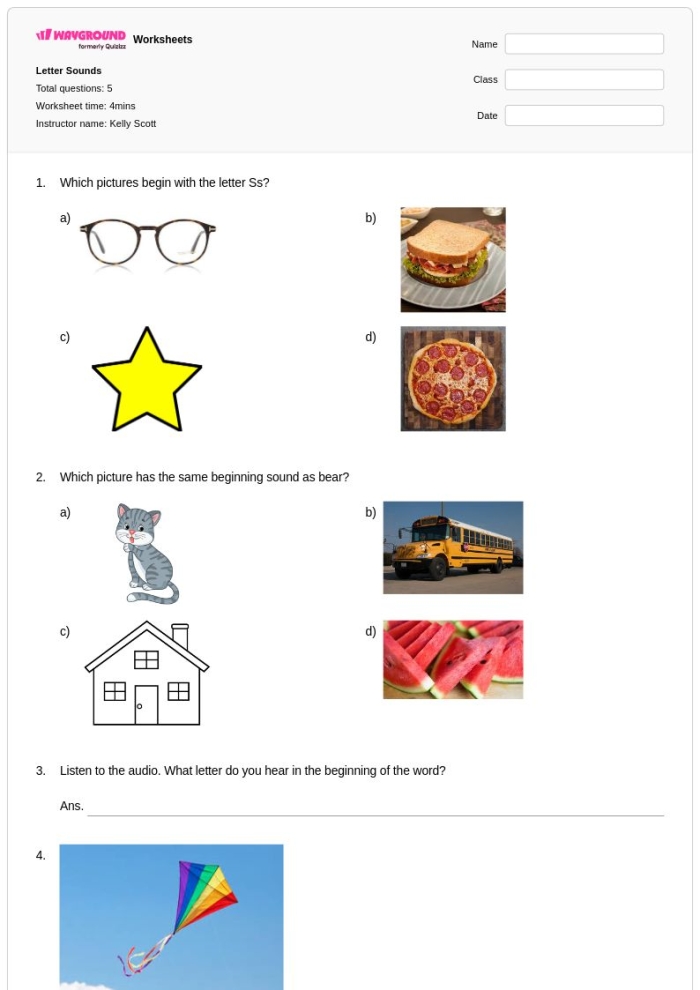
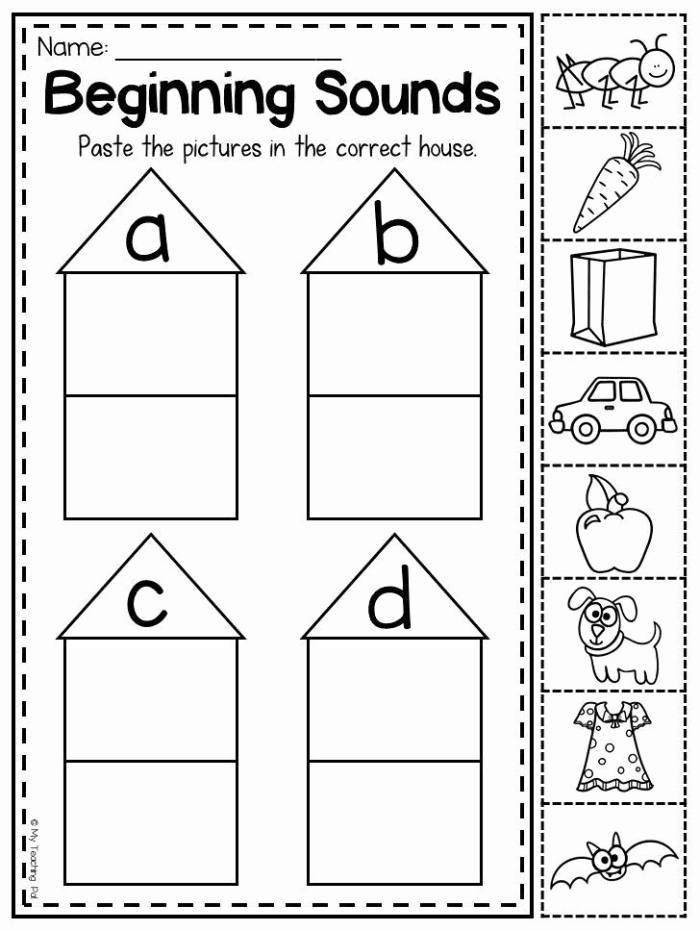
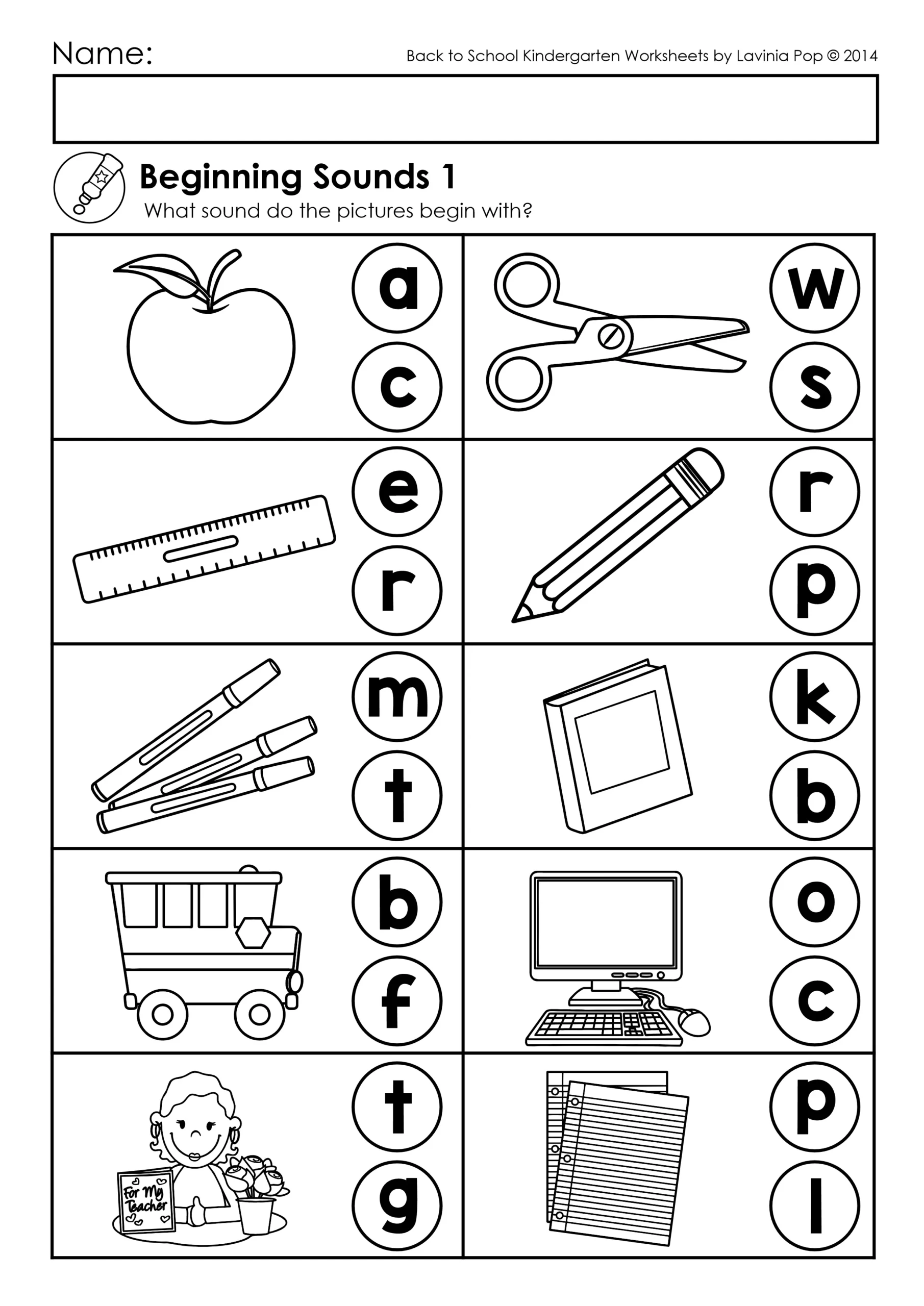
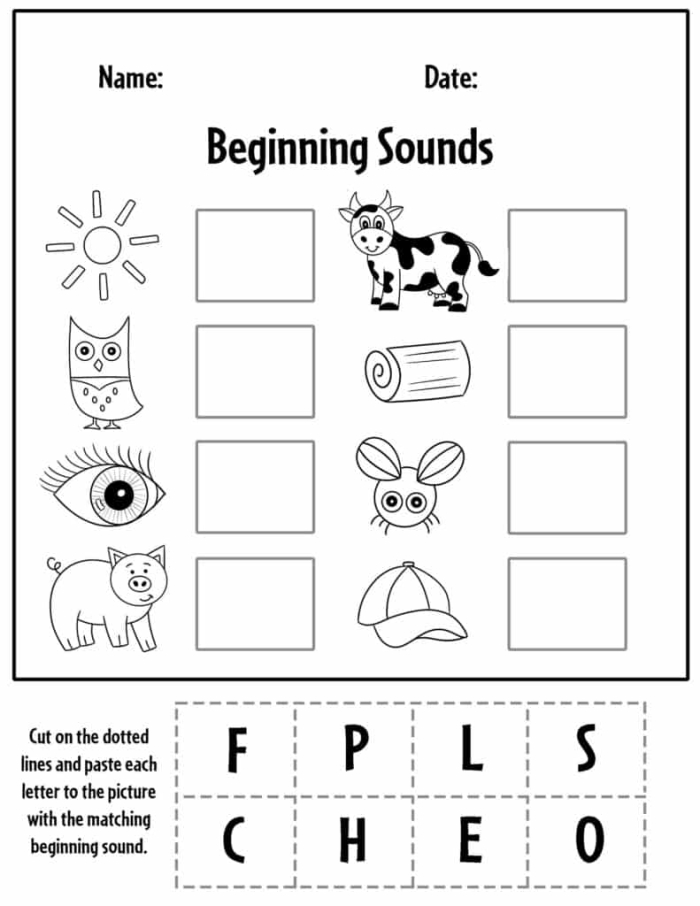
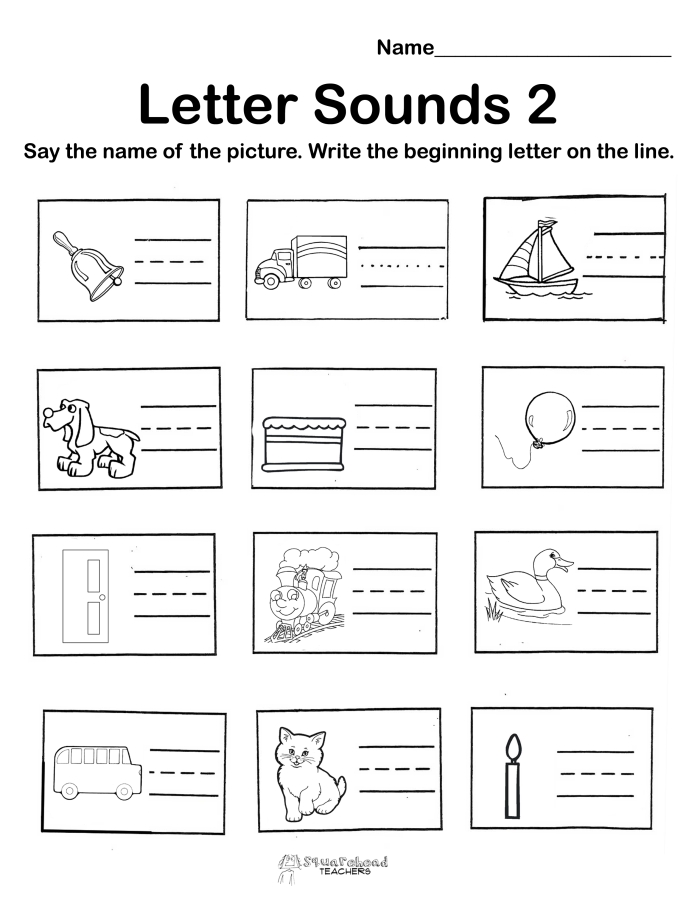
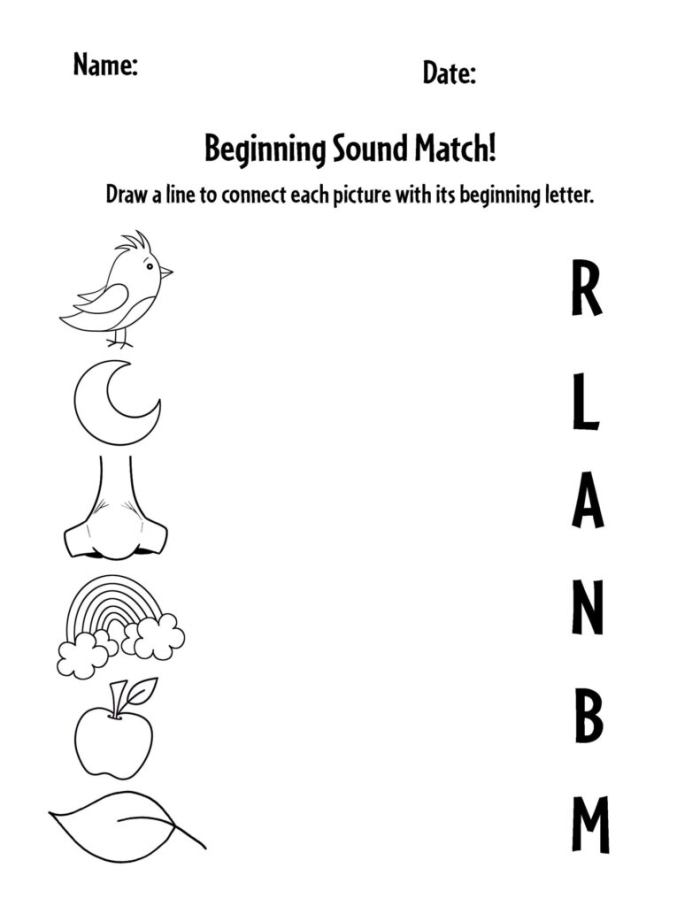
Assessing how well kindergarten students grasp letter-sound correspondence is a crucial step in their early reading development. A well-designed worksheet focused on letter sounds can reveal exactly which connections between letters and their typical sounds children have mastered, and which areas need reinforcement. This targeted approach helps teachers tailor their instruction to meet each student’s needs more effectively.
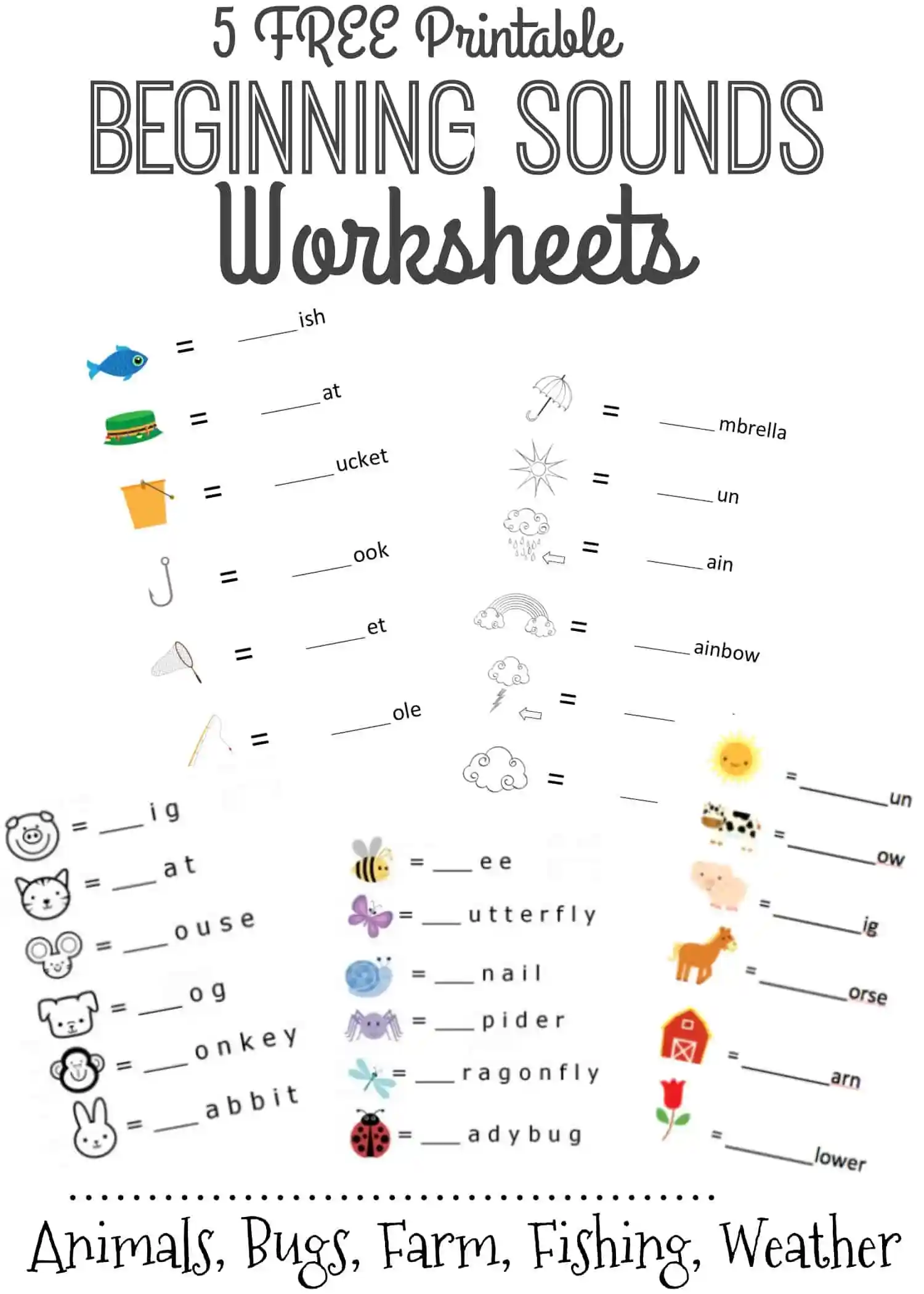
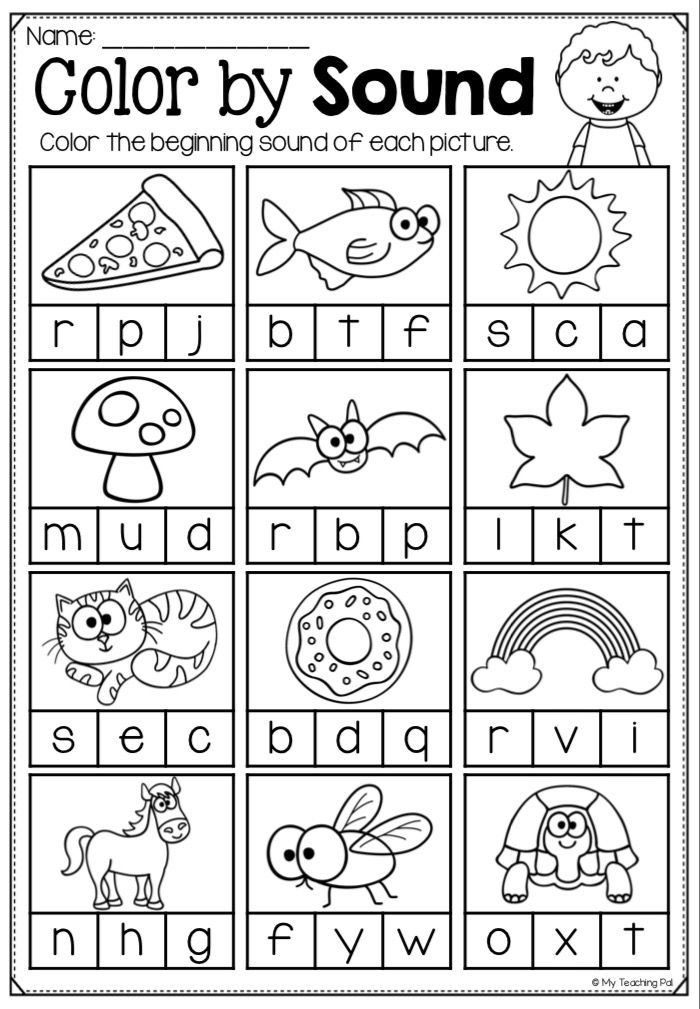
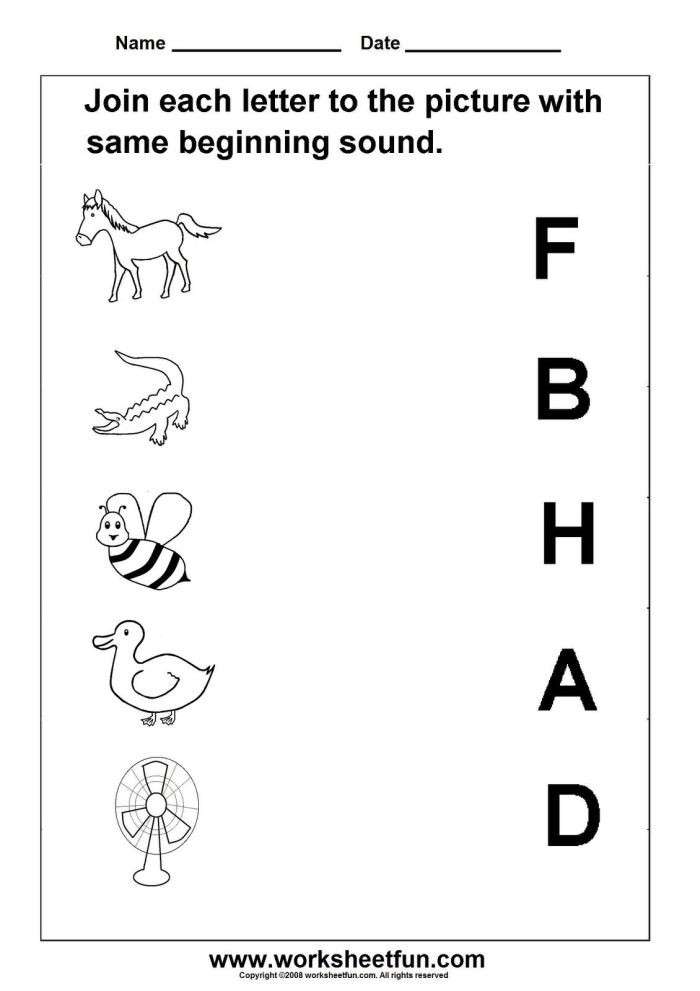
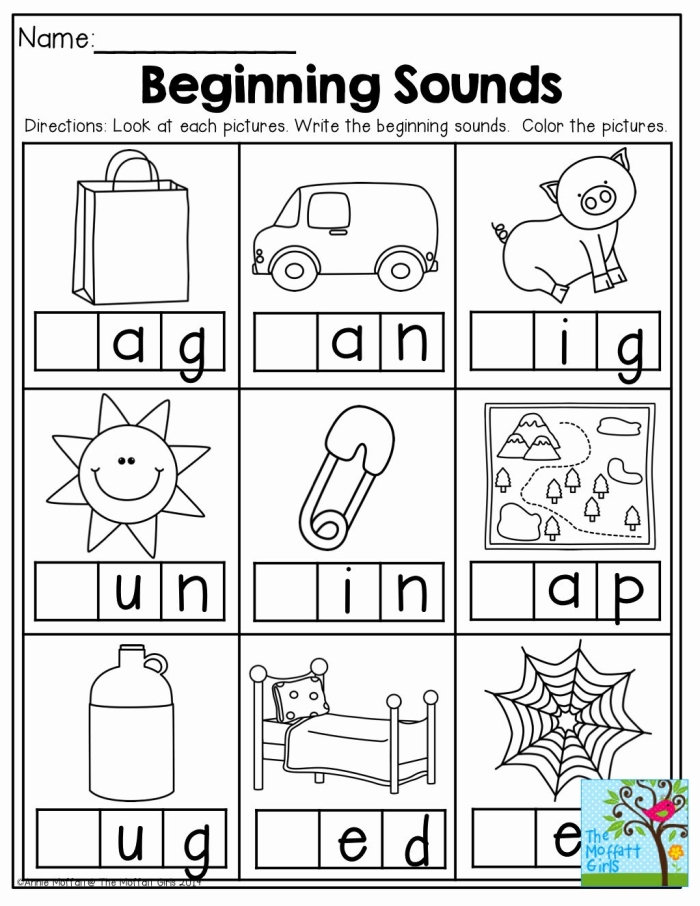
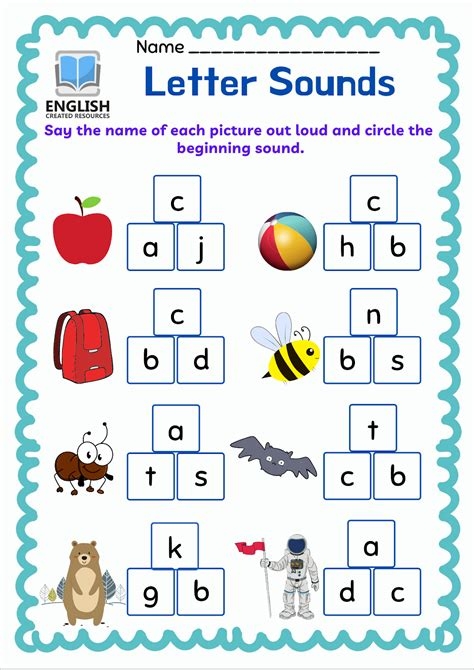
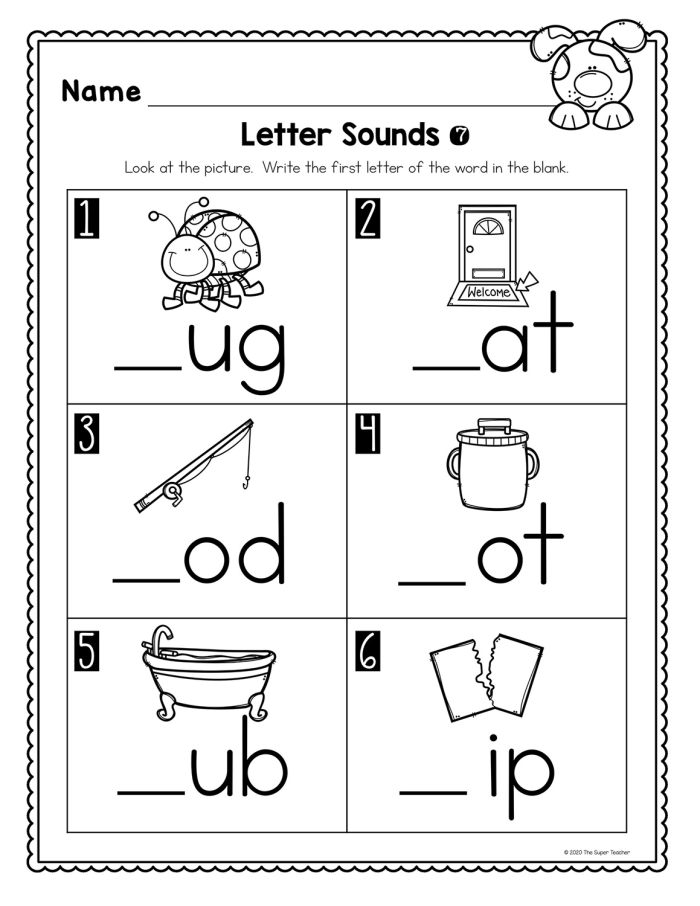
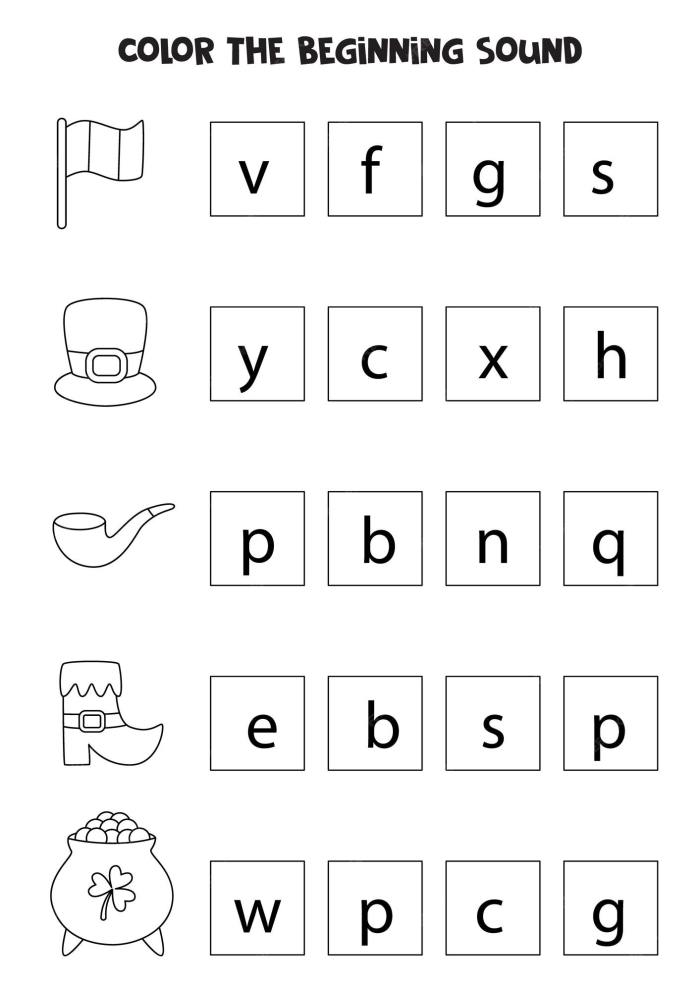
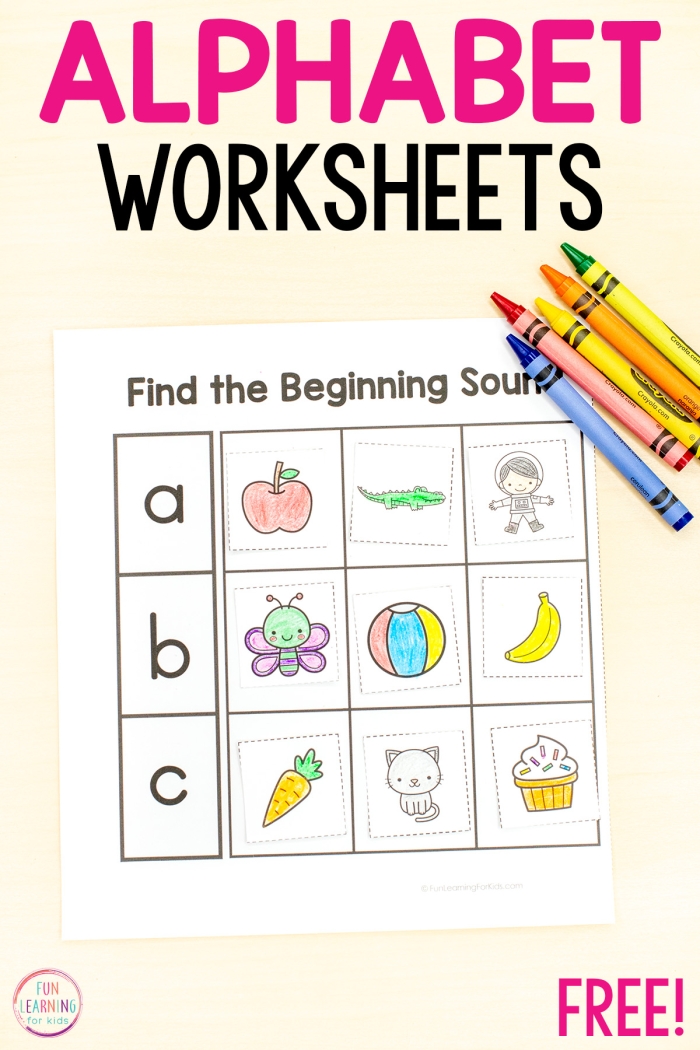
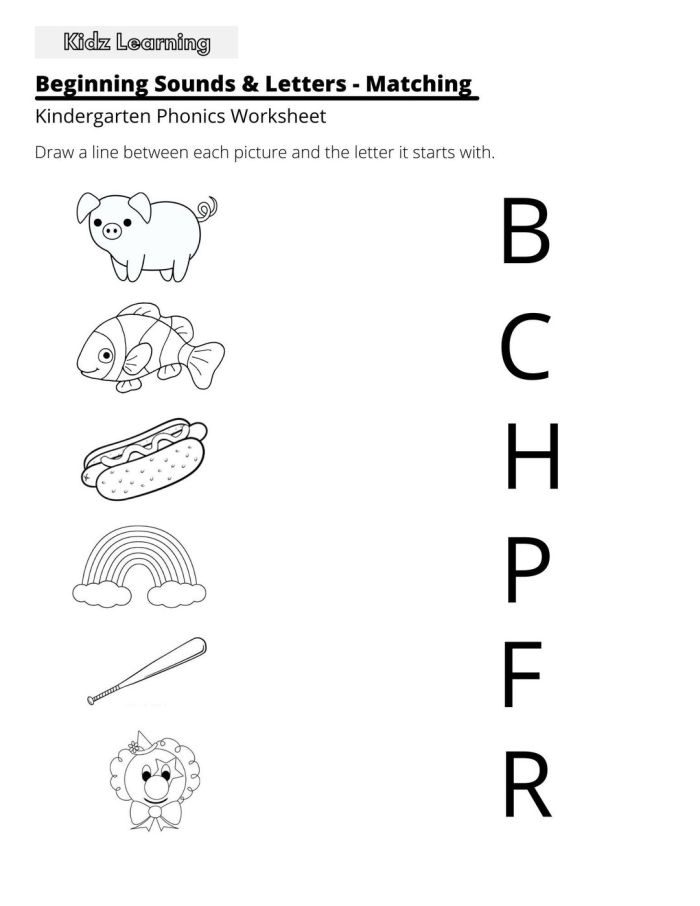
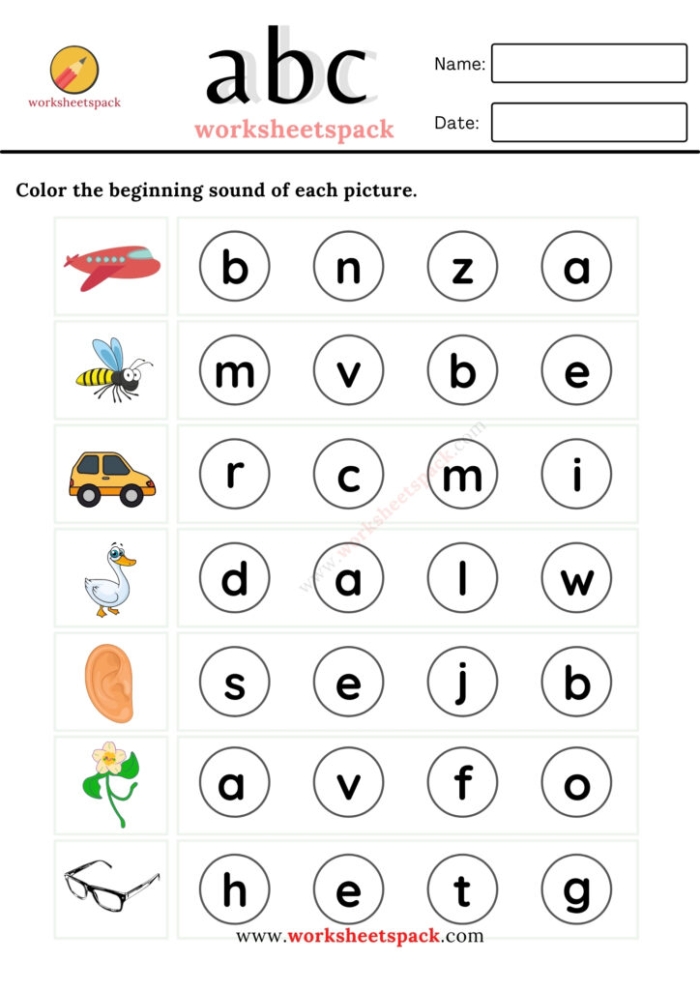
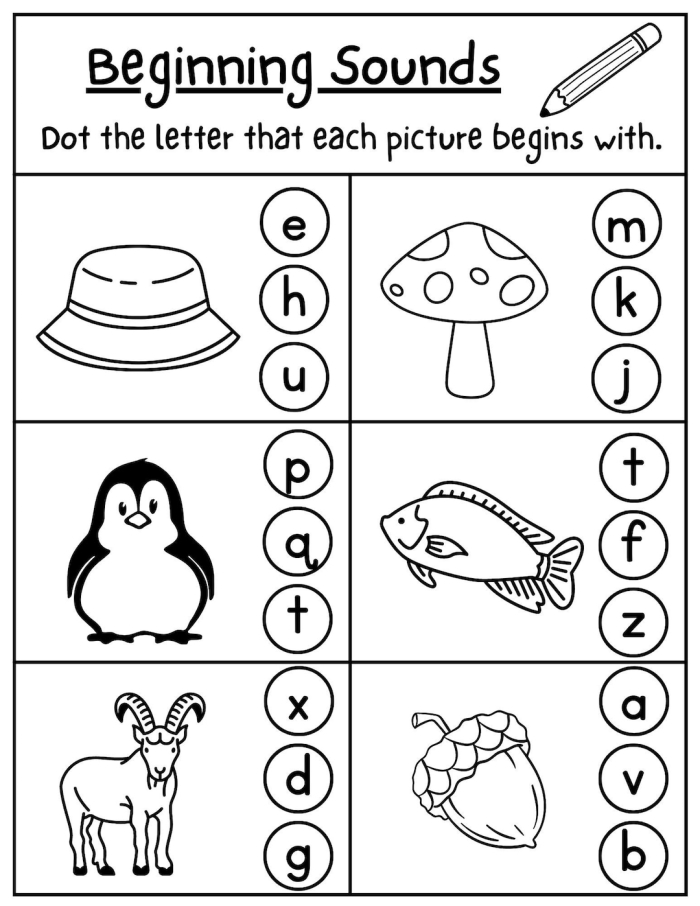
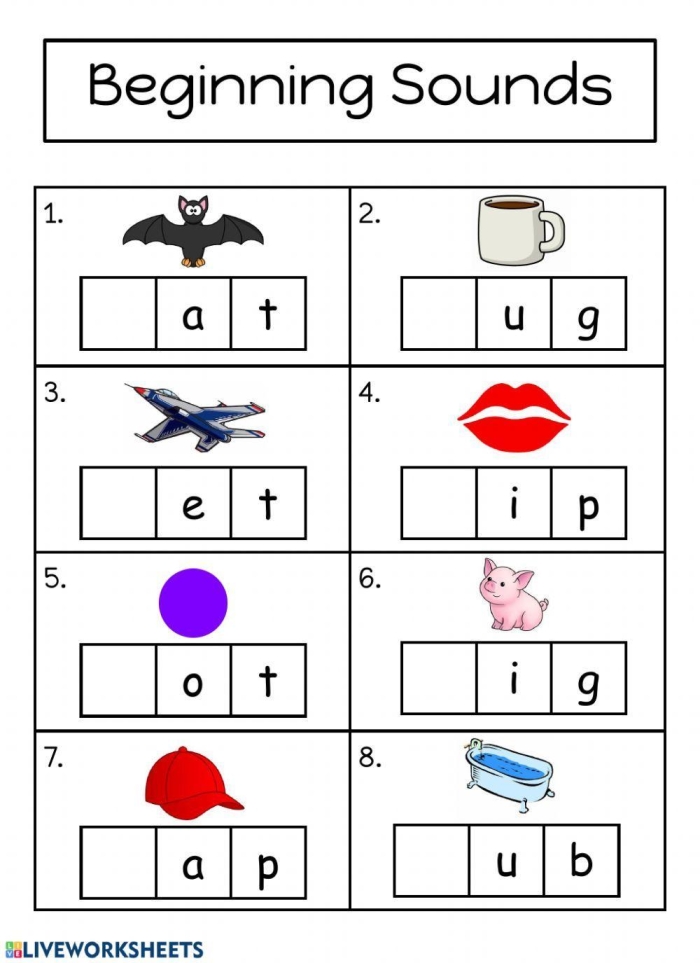
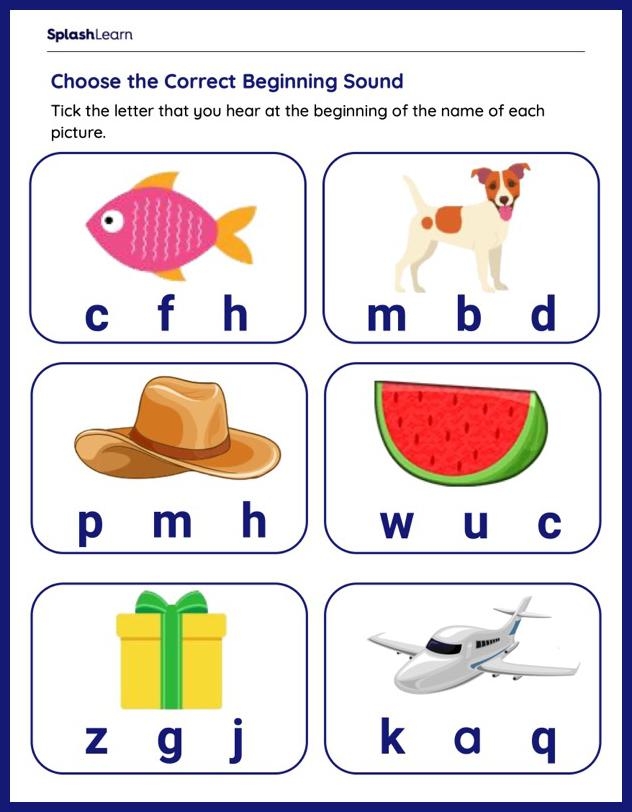
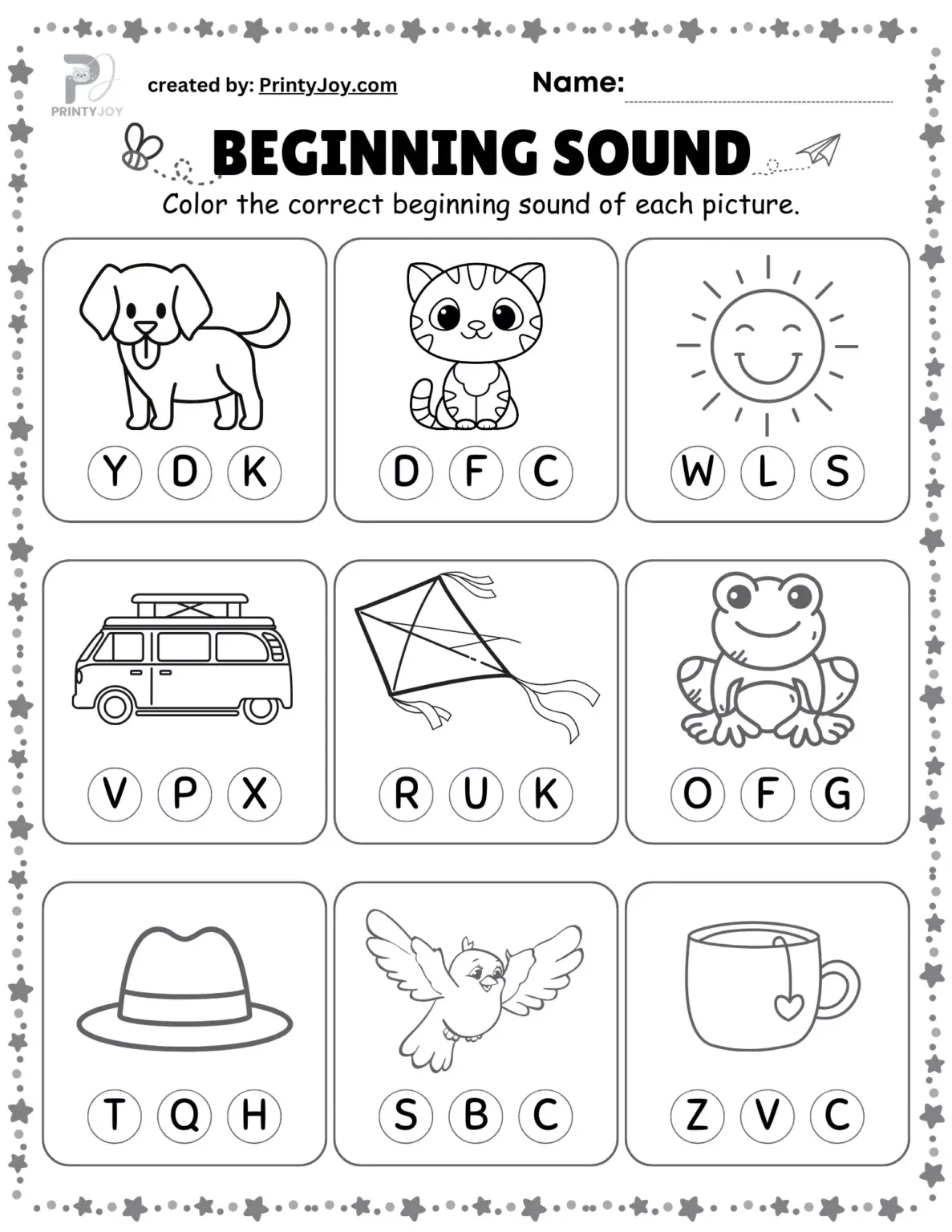
For example, a printable letter sounds worksheet might include a mix of activities such as matching letters to pictures, filling in missing letters in simple words, or circling the correct beginning sound in a set of images. These tasks give young learners multiple ways to demonstrate their knowledge, going beyond rote memorization to practical application. Since kindergarten is often the first formal introduction to phonics, using materials that connect letter sounds with familiar historical or seasonal themes—like those found in history-related worksheets—can make learning more engaging and memorable.
One practical benefit of using letter-sound worksheets tied to history themes is that they can introduce children to vocabulary and concepts they might not encounter otherwise. For instance, incorporating words related to historical figures or events alongside letter sound practice enriches their understanding and builds context. This method aligns well with educational resources such as the letter sounds activities designed around historical topics, which offer both phonics practice and a gentle introduction to history.
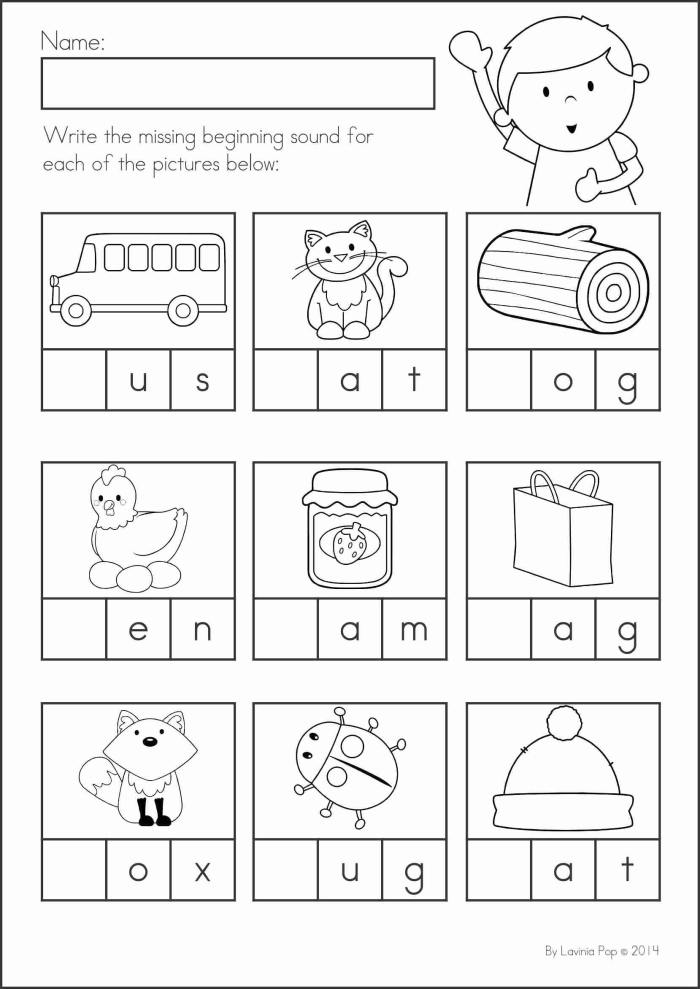
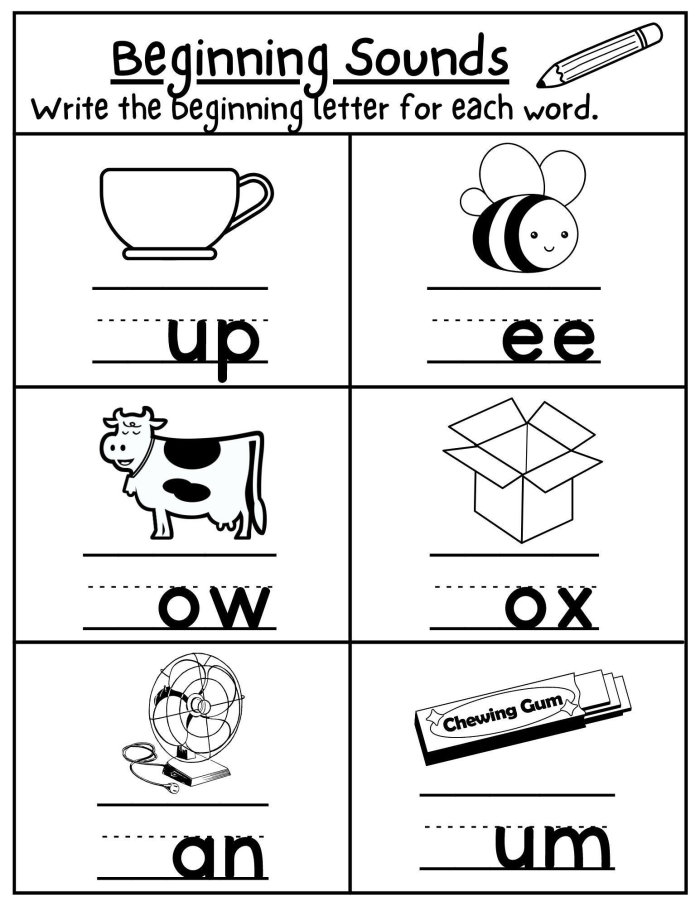
It’s important to note that effective assessment doesn’t rely solely on one worksheet or activity. Rather, consistent use of varied printable letter sounds worksheets helps track progress over time. Worksheets that encourage students to write the missing letter, like those found in sports-themed sets, provide a hands-on way to reinforce sound-letter connections while keeping children interested.
Integrating letter sound assessment tools into a kindergarten curriculum, especially those with a history focus, supports foundational literacy skills while broadening students’ horizons. For educators looking to combine phonics practice with thematic learning, exploring resources such as activities that challenge children to complete words can be particularly effective. These worksheets don’t just check understanding—they actively build it.
Boost Skills with These Worksheets