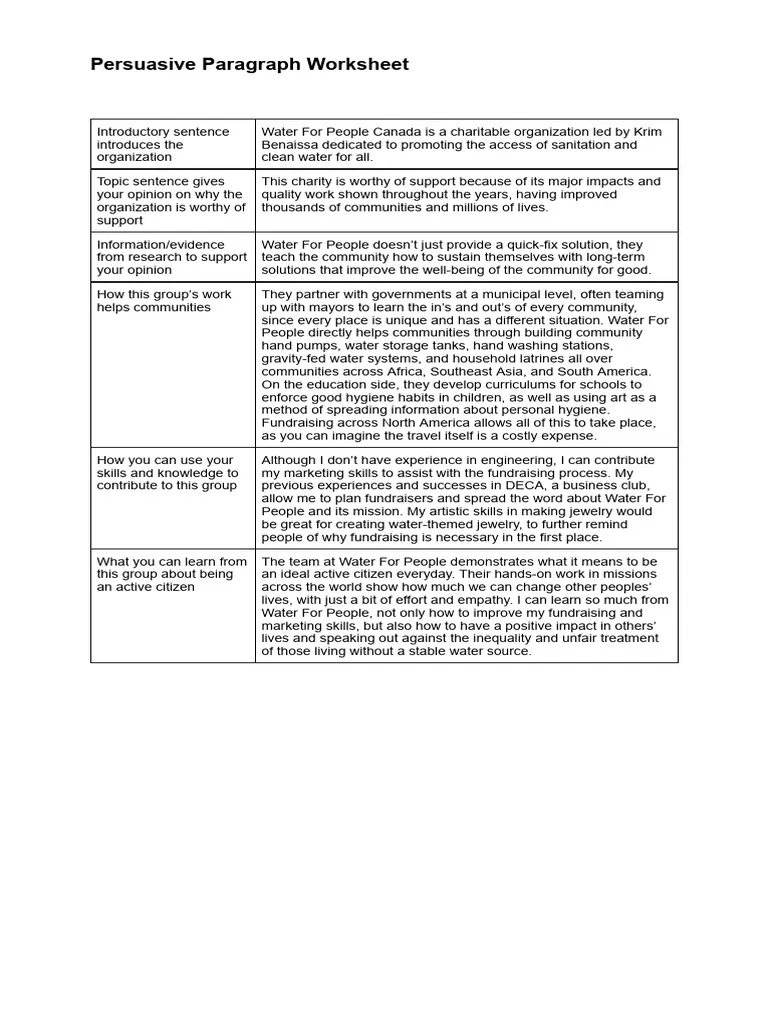
Fourth grade is the perfect time for students to move beyond simple writing and start building arguments. Teaching persuasive writing gives young writers a framework for expressing opinions backed by reasons, and the process begins with understanding each piece of the puzzle before putting it all together.
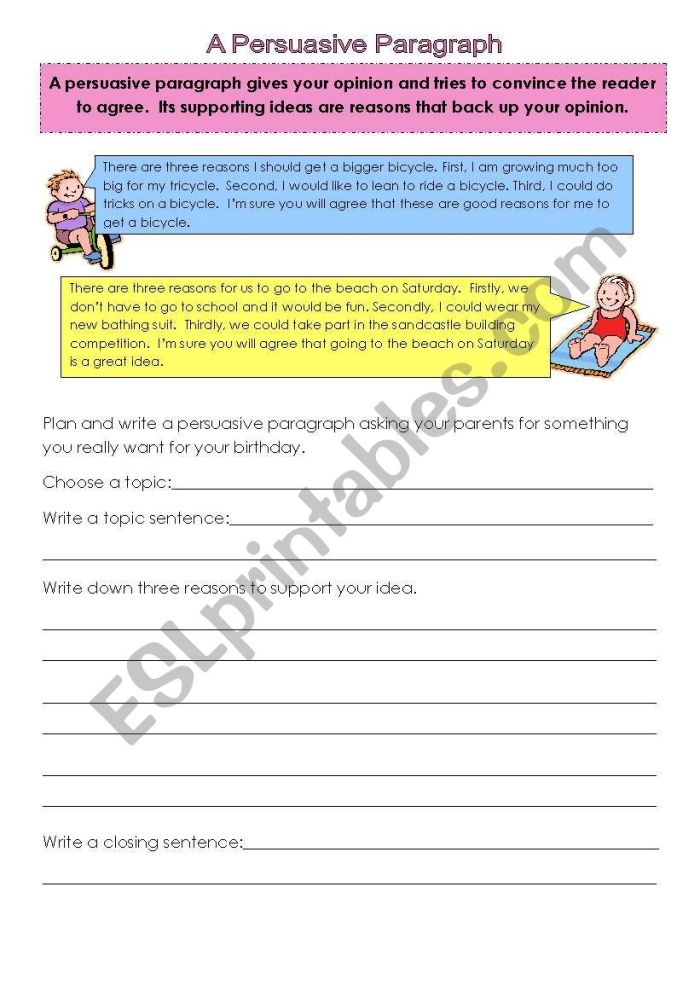
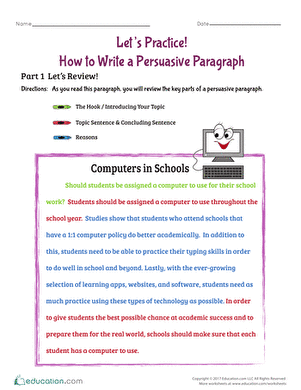
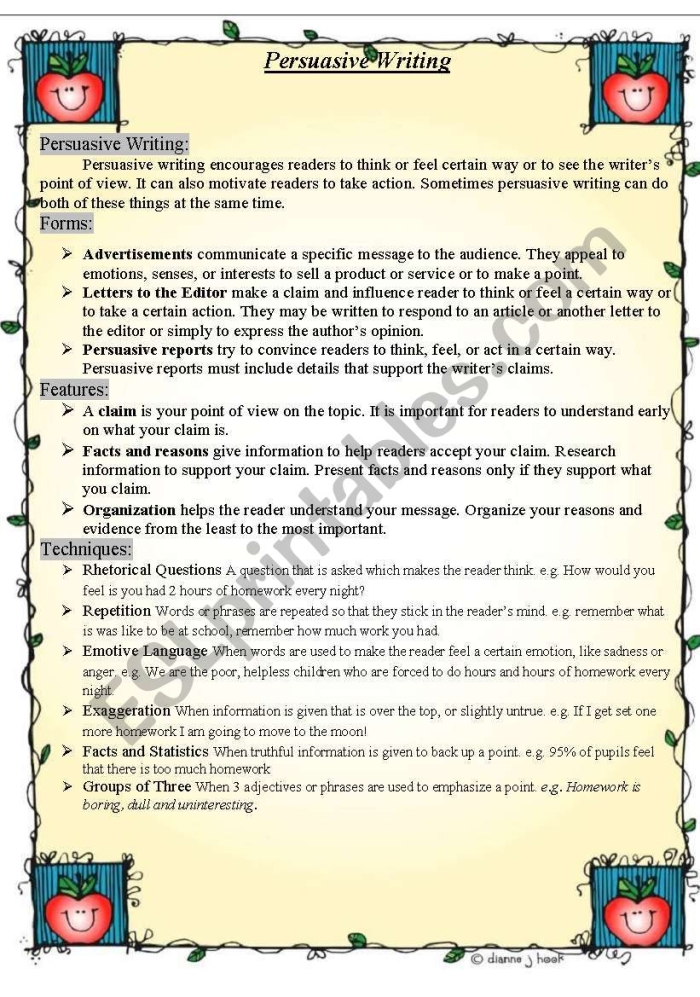
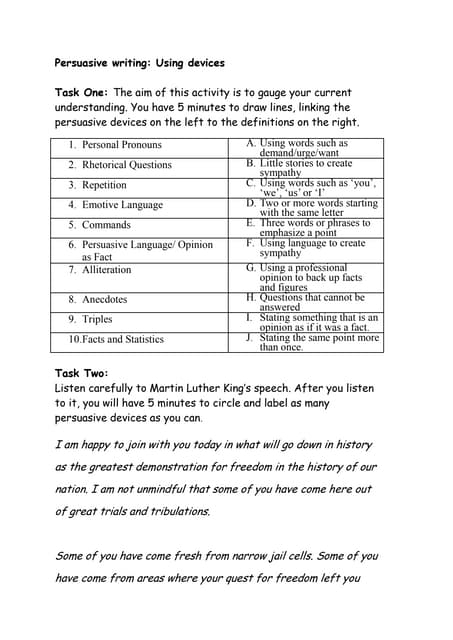
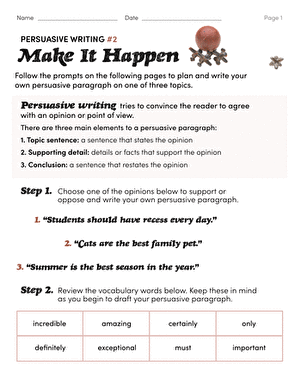
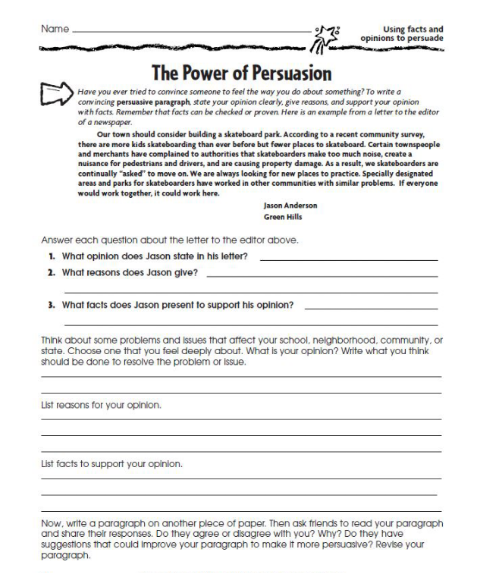
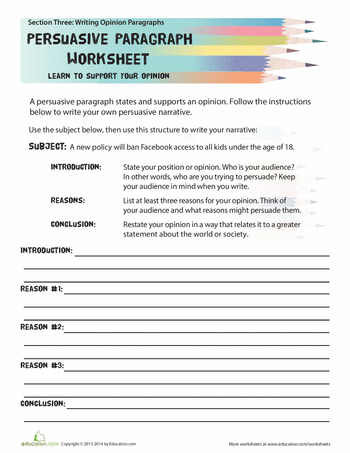
A strong persuasive paragraph has distinct components that work together. The topic sentence introduces the writer’s position clearly. Supporting sentences provide reasons and evidence to back up that position. The concluding sentence reinforces why the reader should agree. When fourth graders break down these parts first, they see how persuasion actually works rather than just being told to write convincingly.
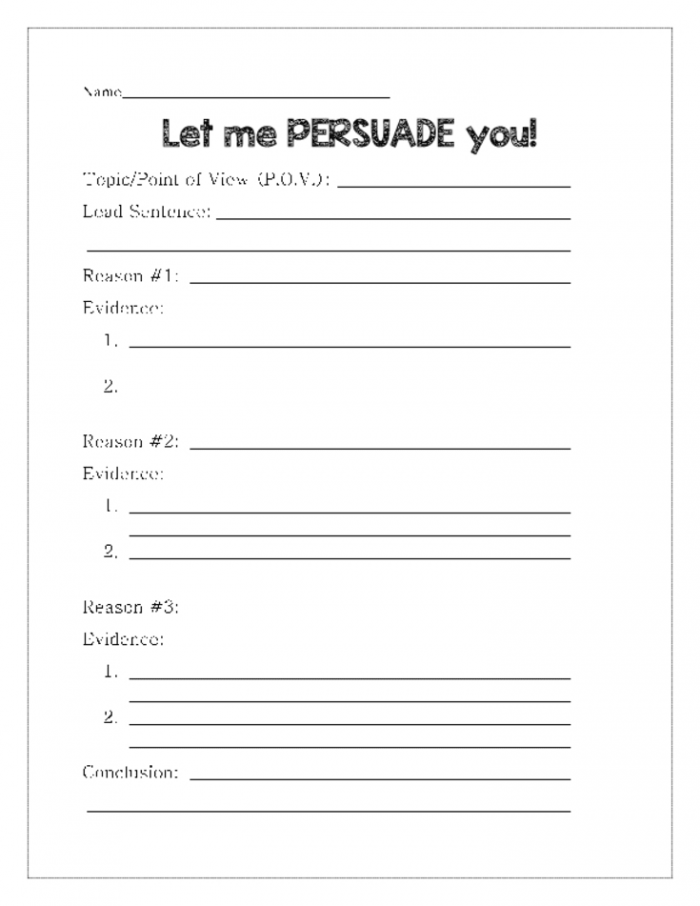
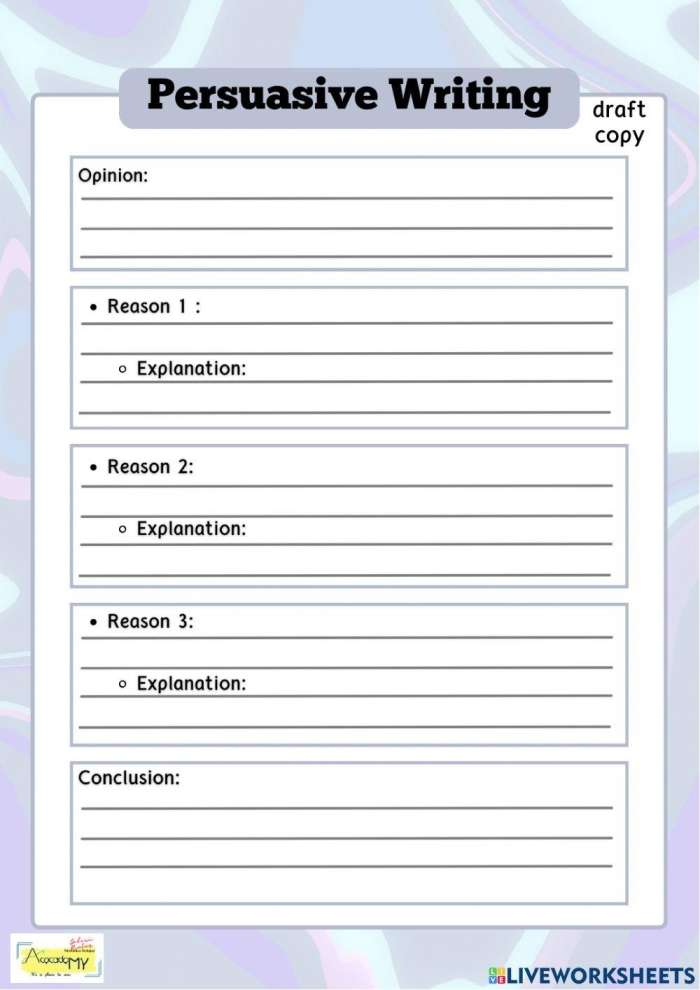
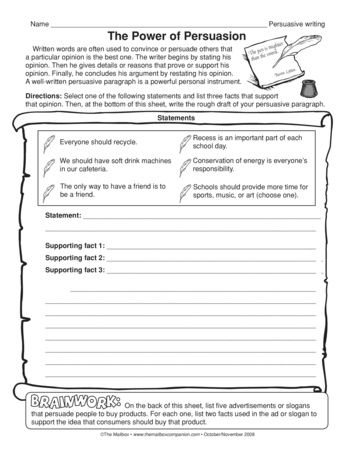
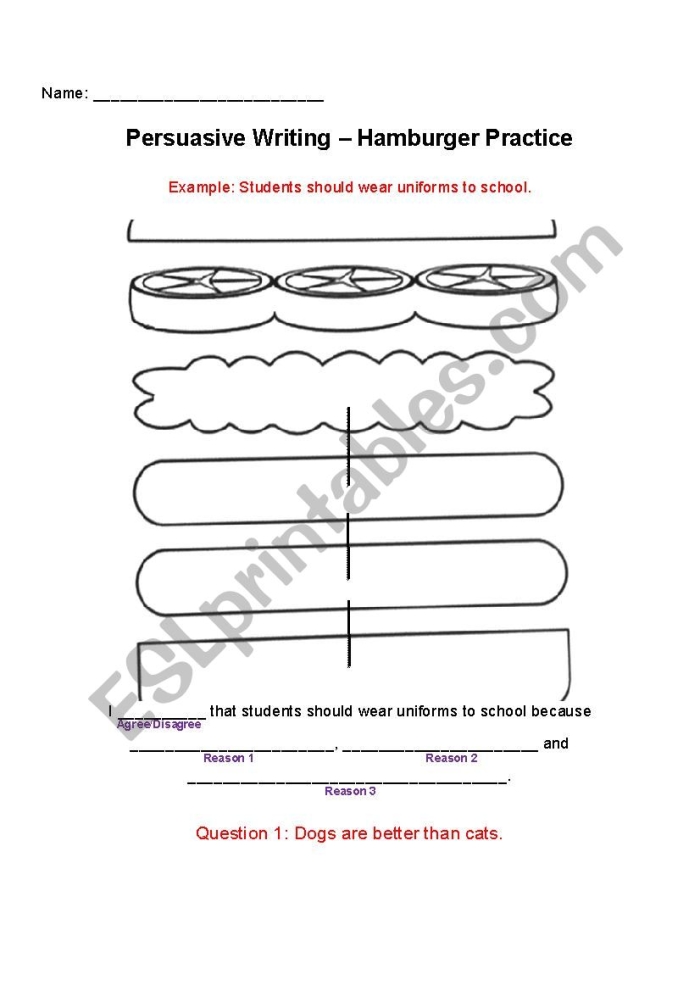
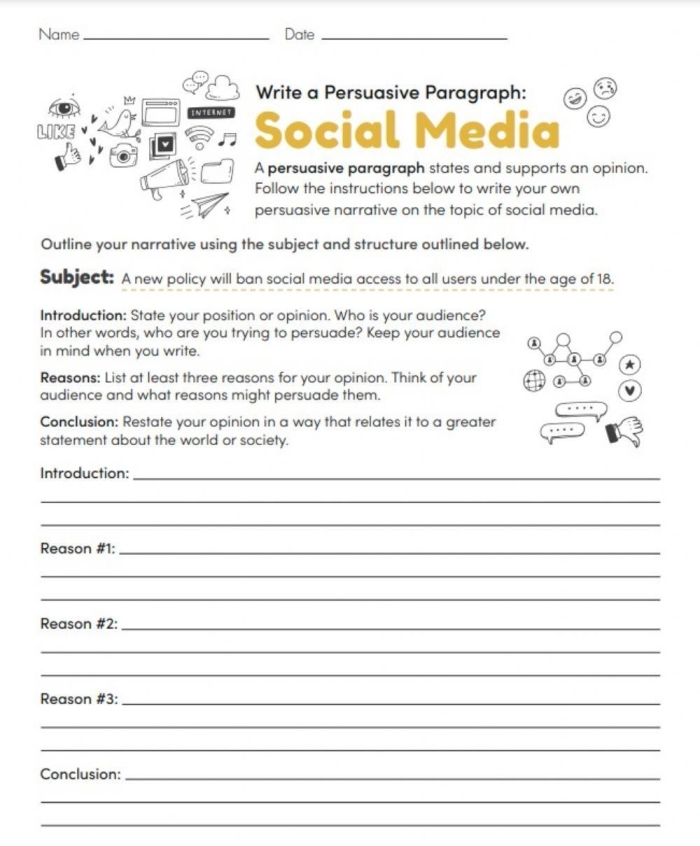
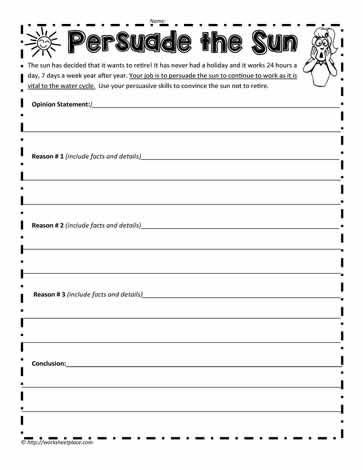
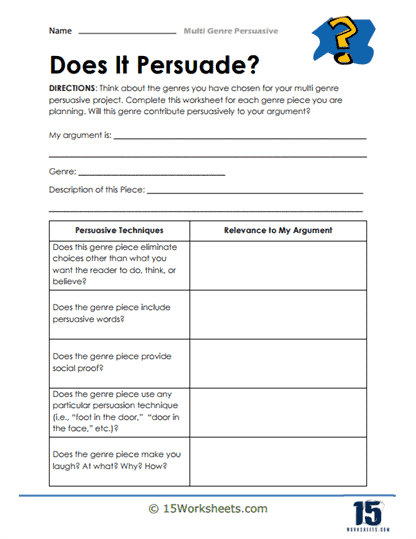
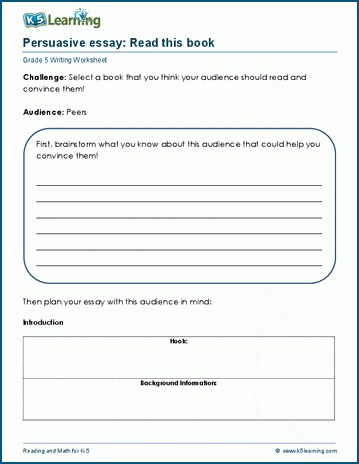
After reviewing these components, students are ready to outline their own persuasive paragraph. An outline serves as a roadmap. It forces students to think through their argument before writing a single sentence. They choose a topic they care about, whether it’s why recess should be longer, why their school should have a pet hamster, or why video games teach problem-solving skills. Then they list their main reason, supporting details, and how they’ll wrap up their argument.
This approach connects naturally to other fourth grade skills. When students gather information for their reasons, they practice research. When they organize their thoughts on paper, they’re working with data and graphing concepts by arranging information in a logical order. The outline itself becomes a visual representation of their thinking, similar to how students organize information in charts and graphs across other subjects.
The outlining step also builds confidence. Students see their argument take shape before the pressure of actual writing begins. They can adjust, add stronger reasons, or strengthen weak points. By the time they write their final paragraph, they’re following a plan they created themselves, making the writing process feel manageable and purposeful.
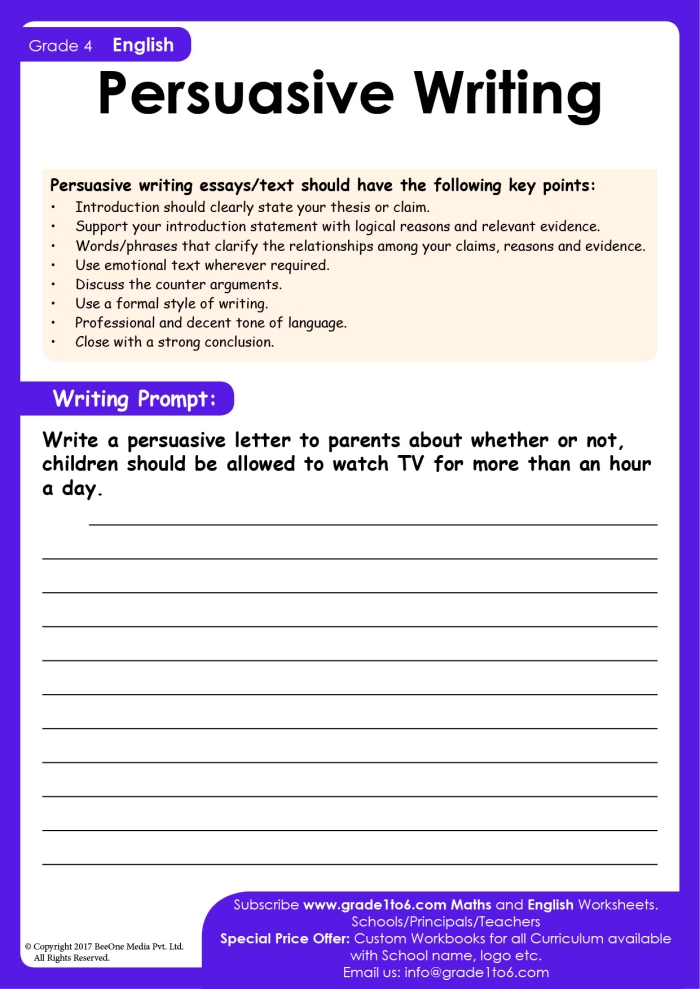
Hands-On Worksheet Activities