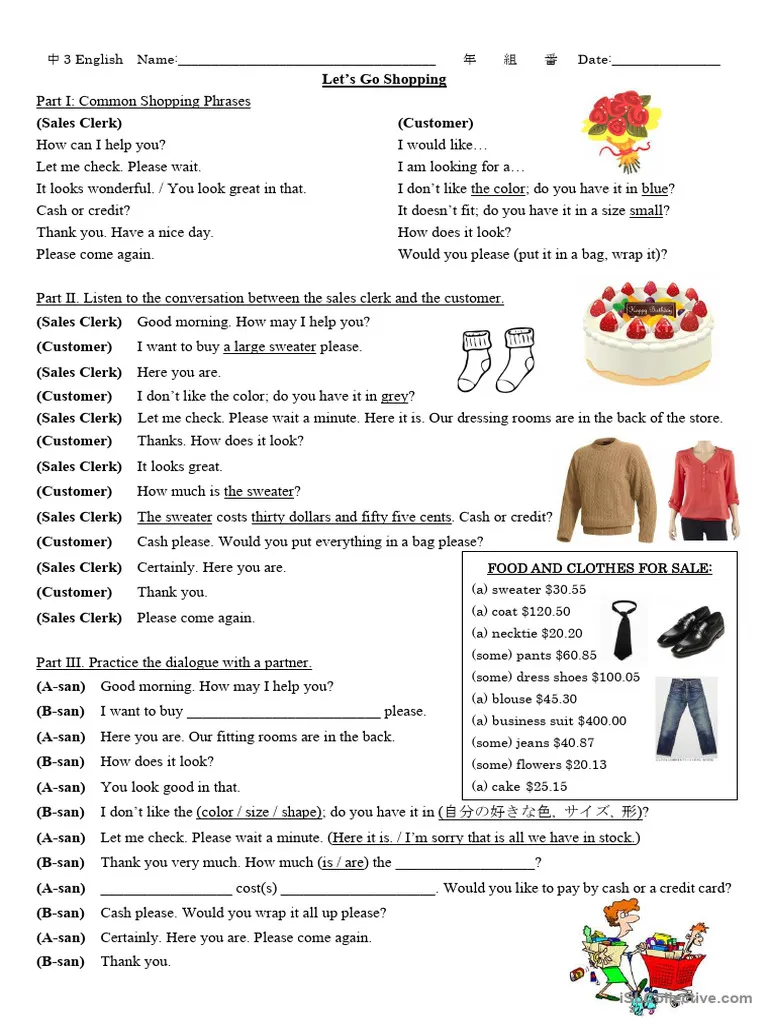
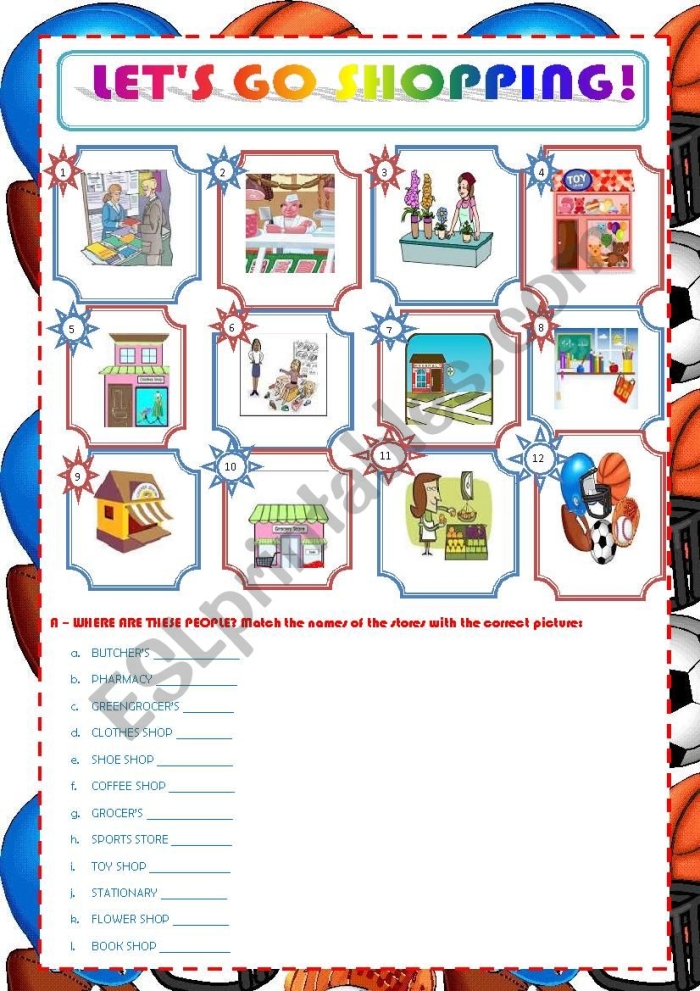
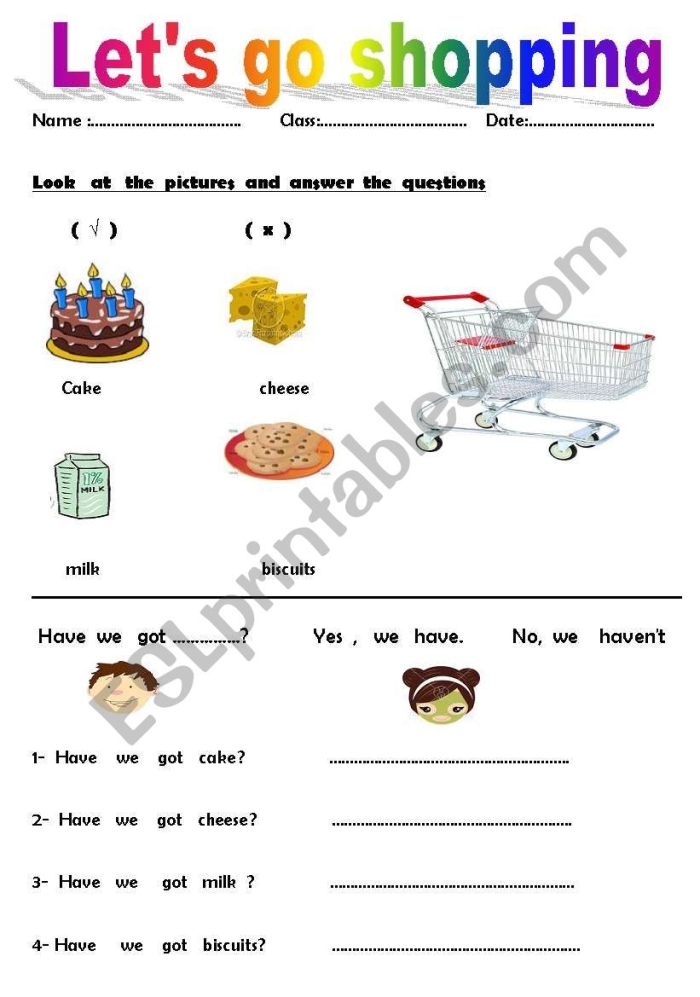
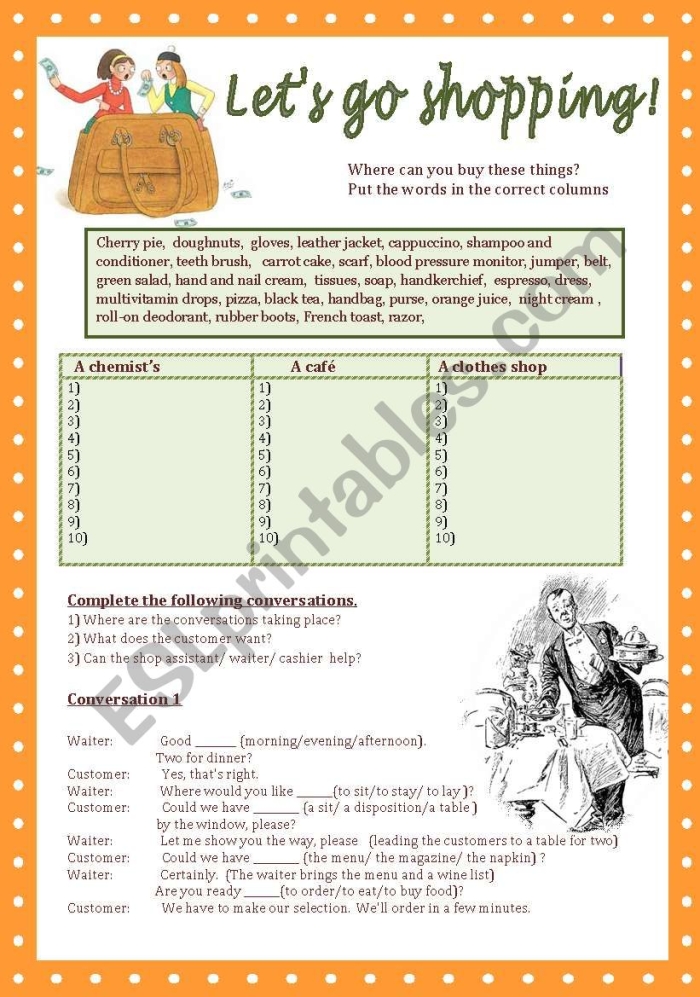
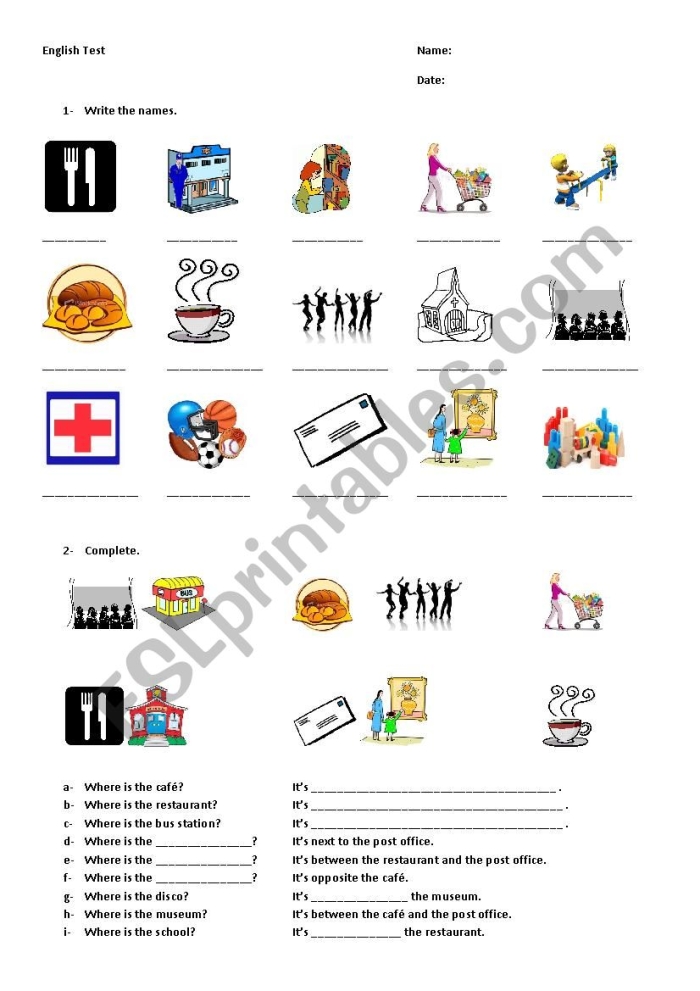
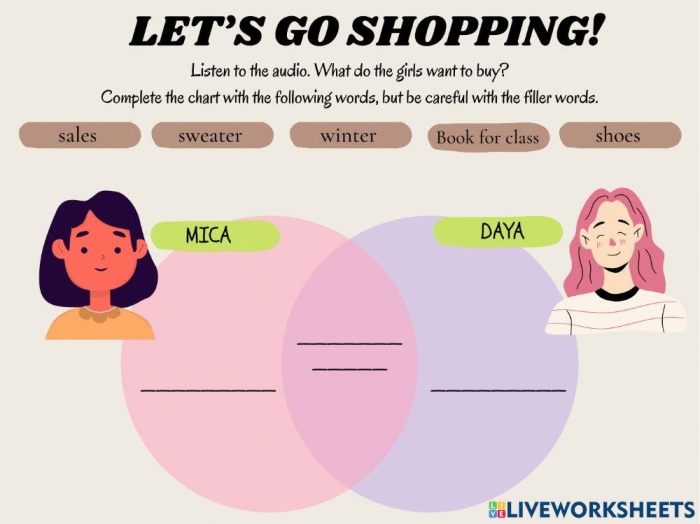
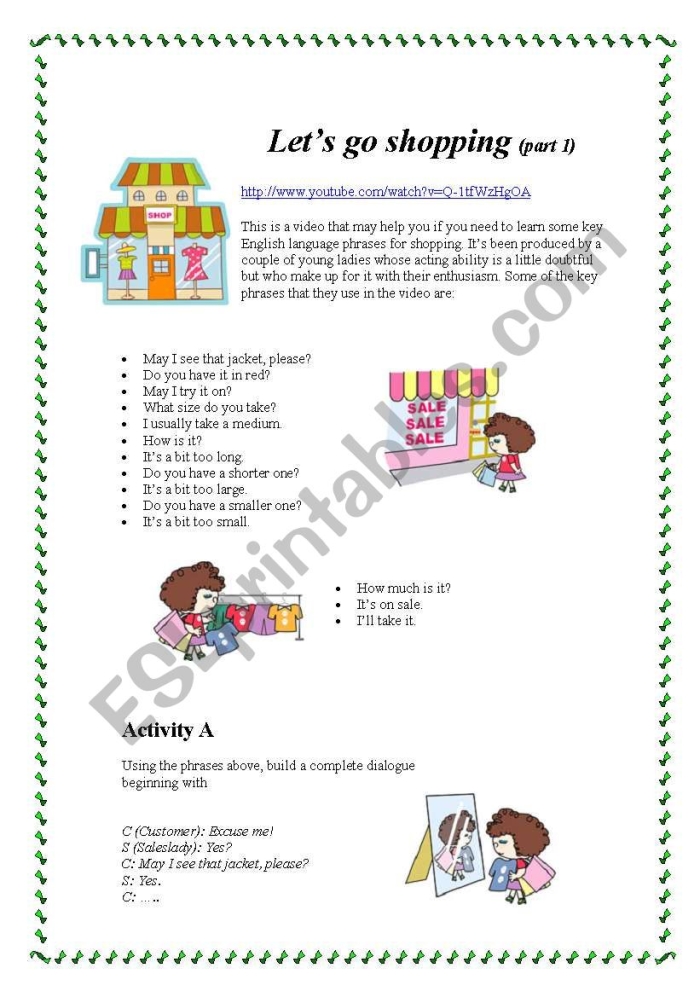
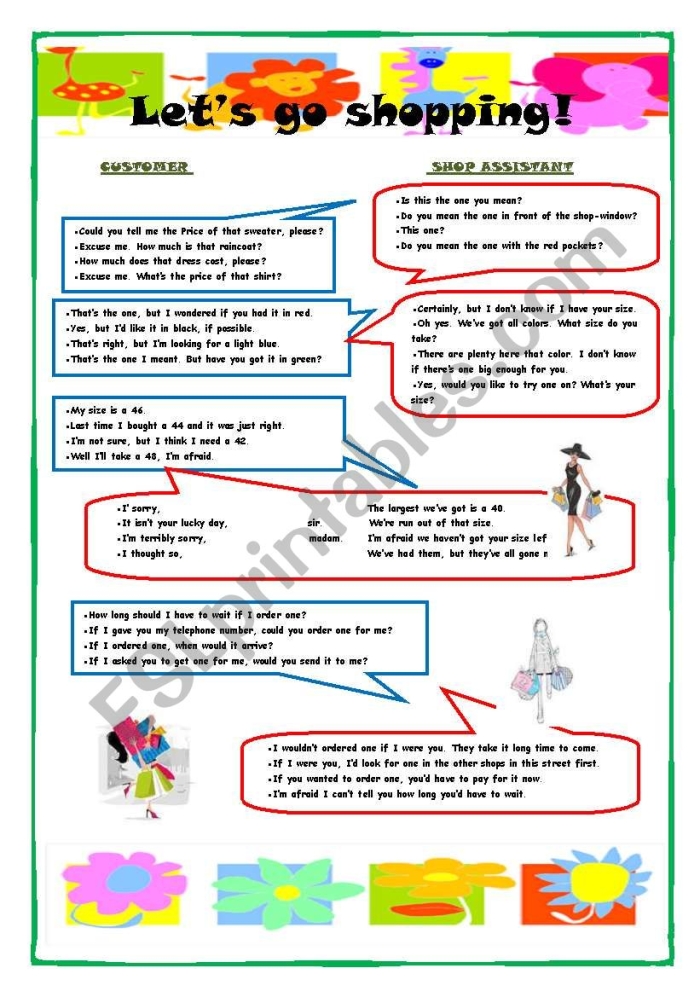
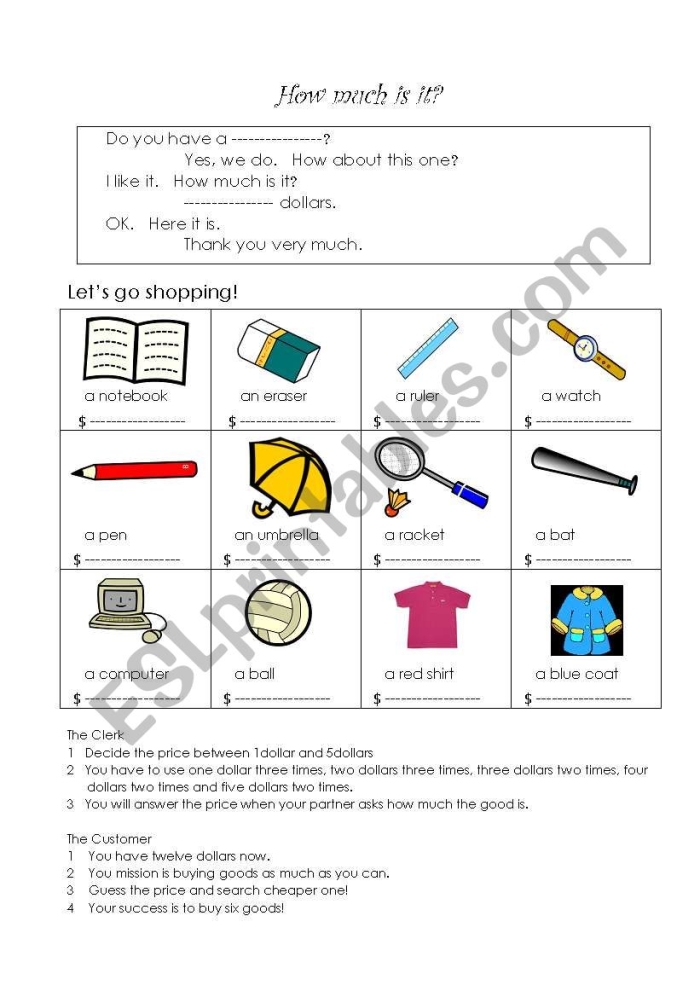
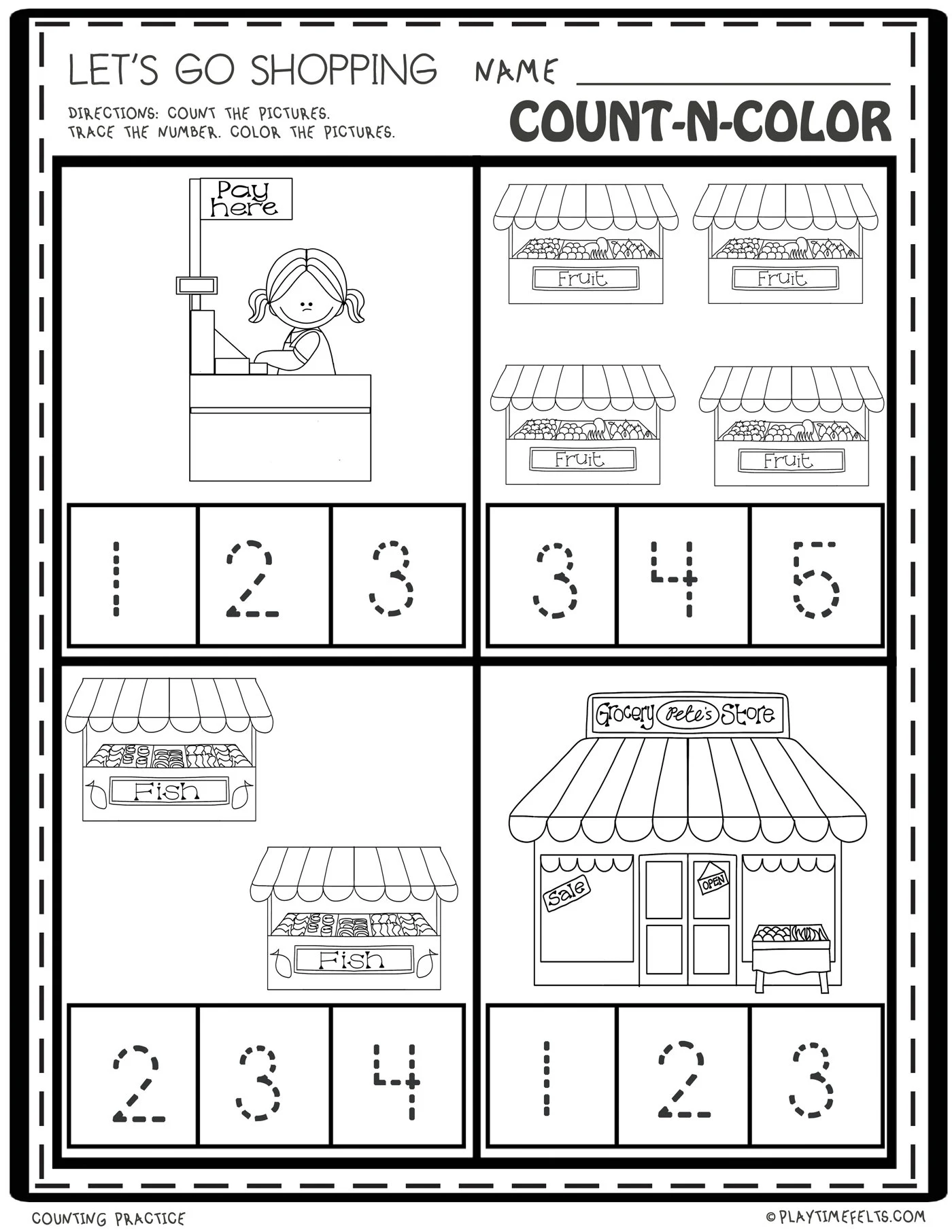
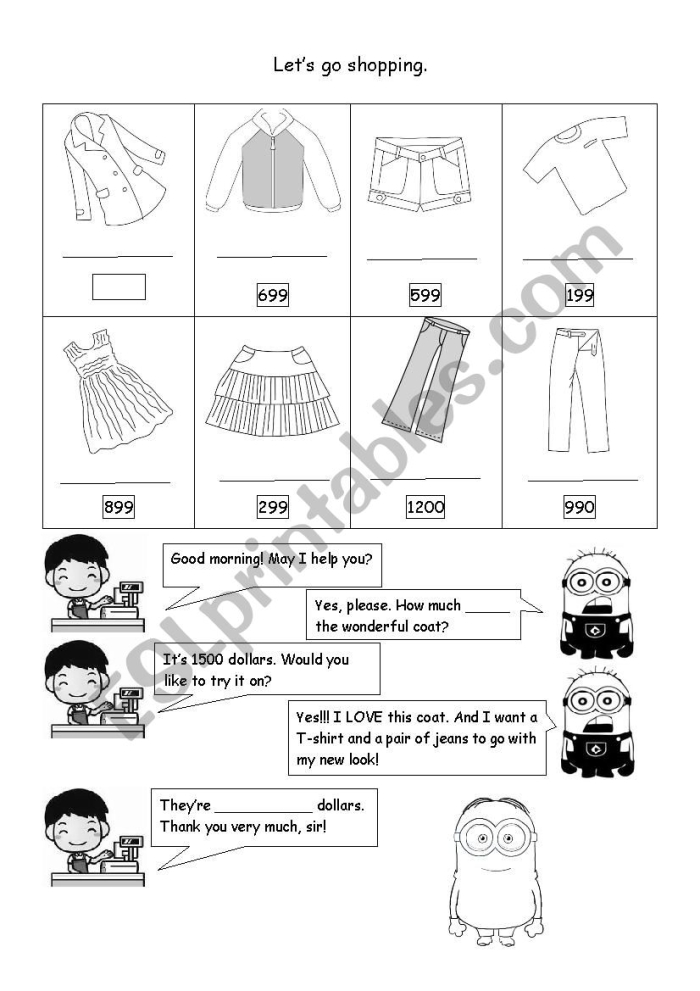
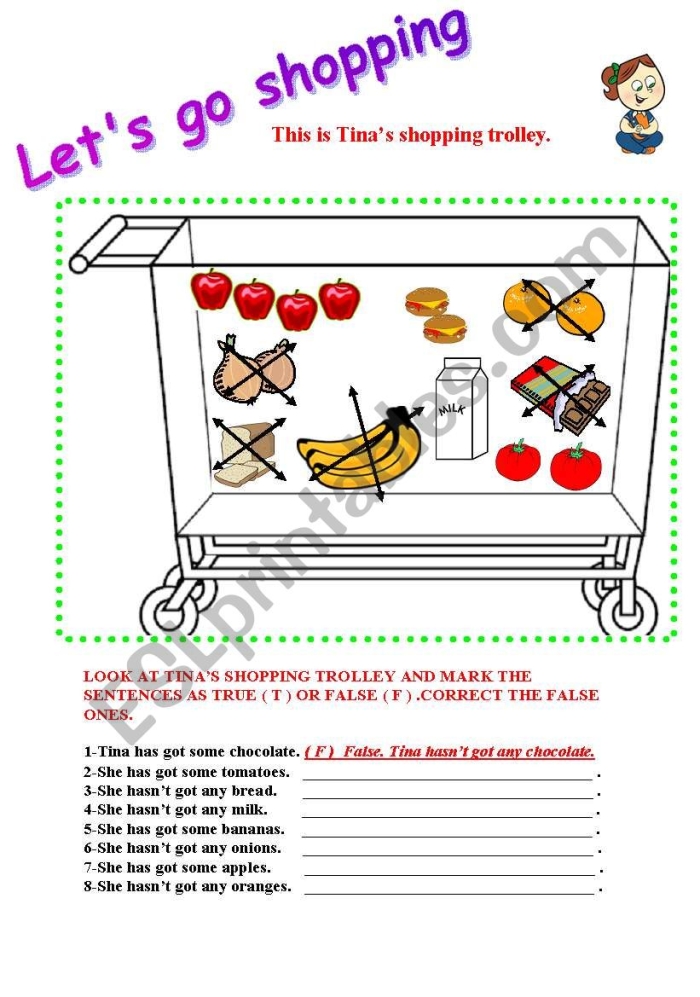
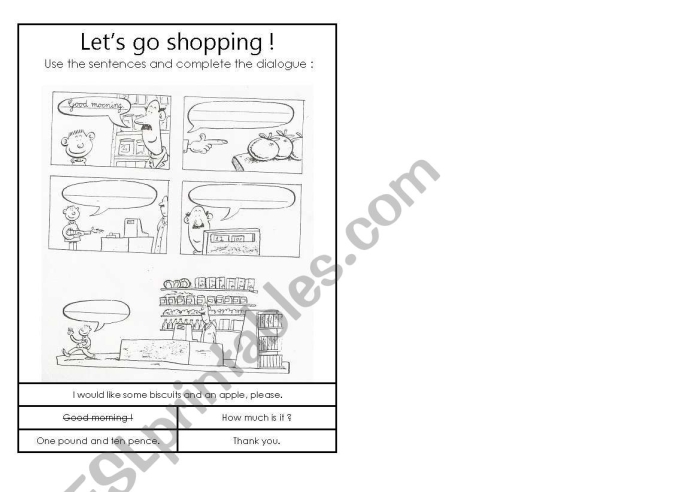
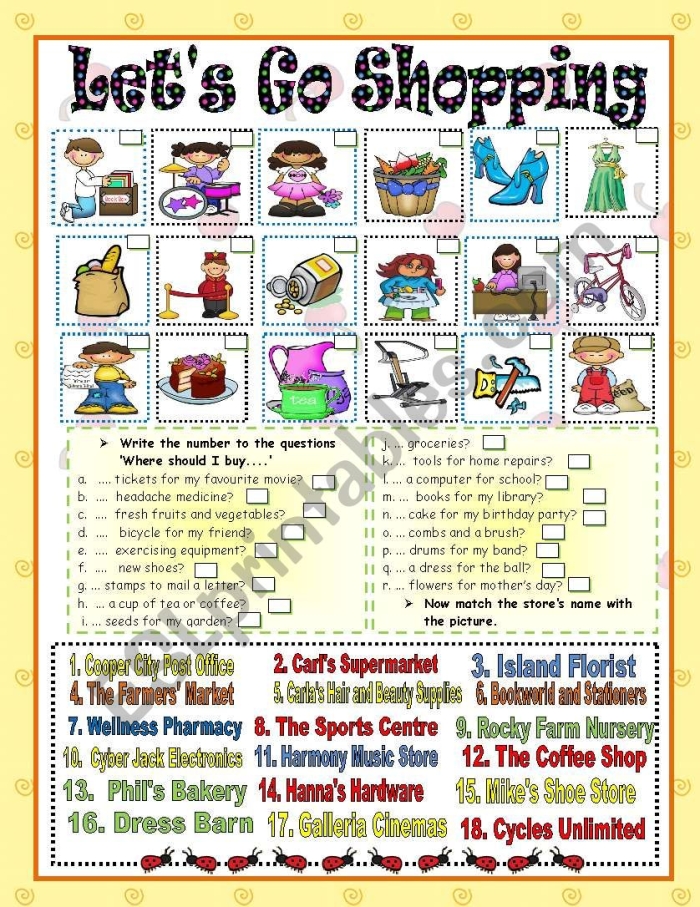
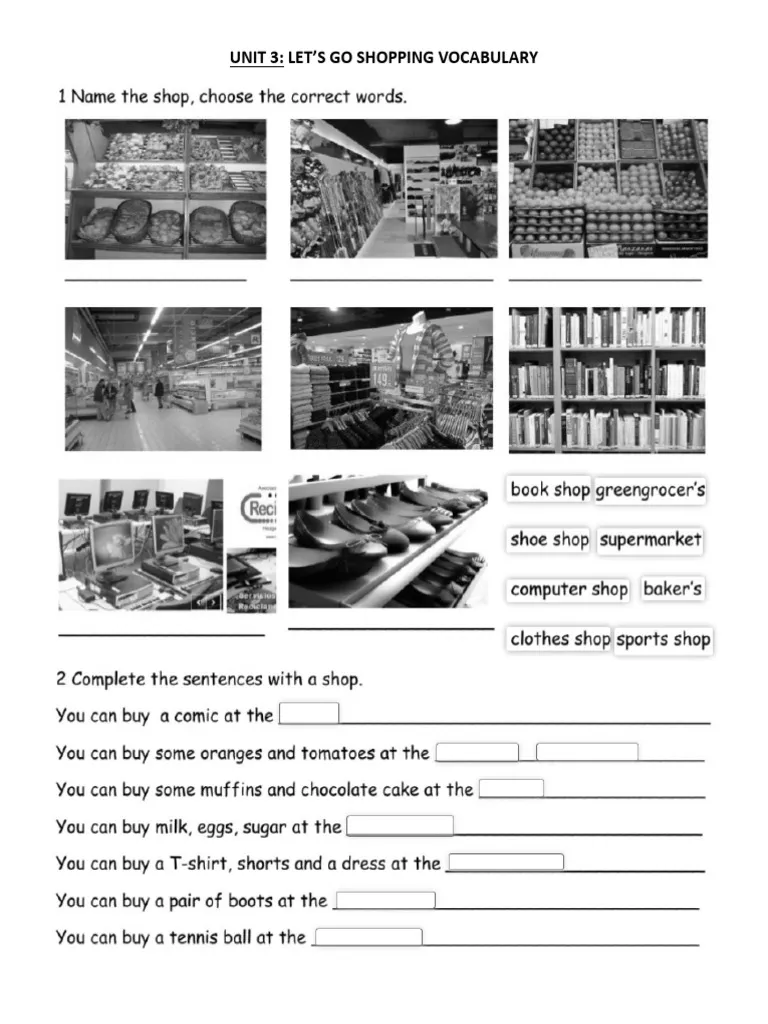
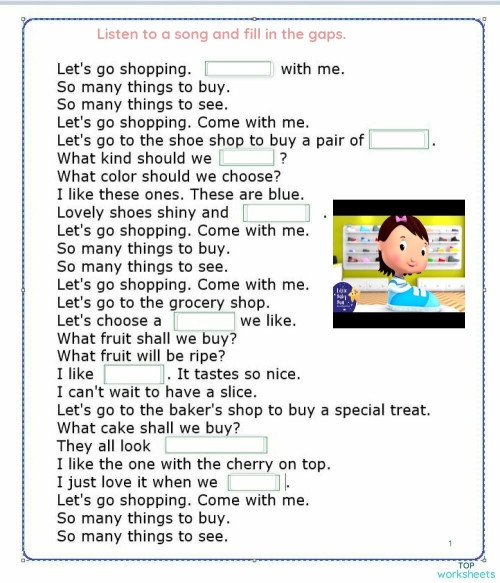
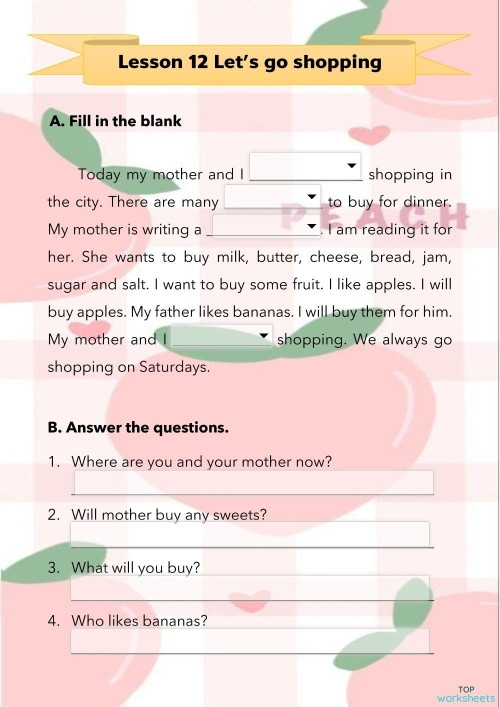
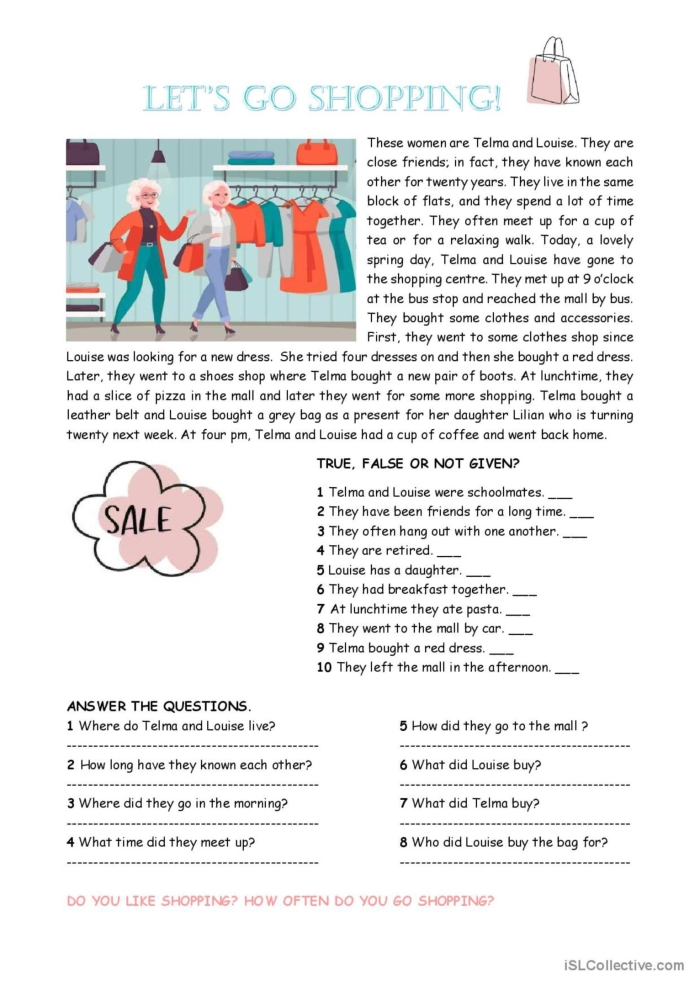
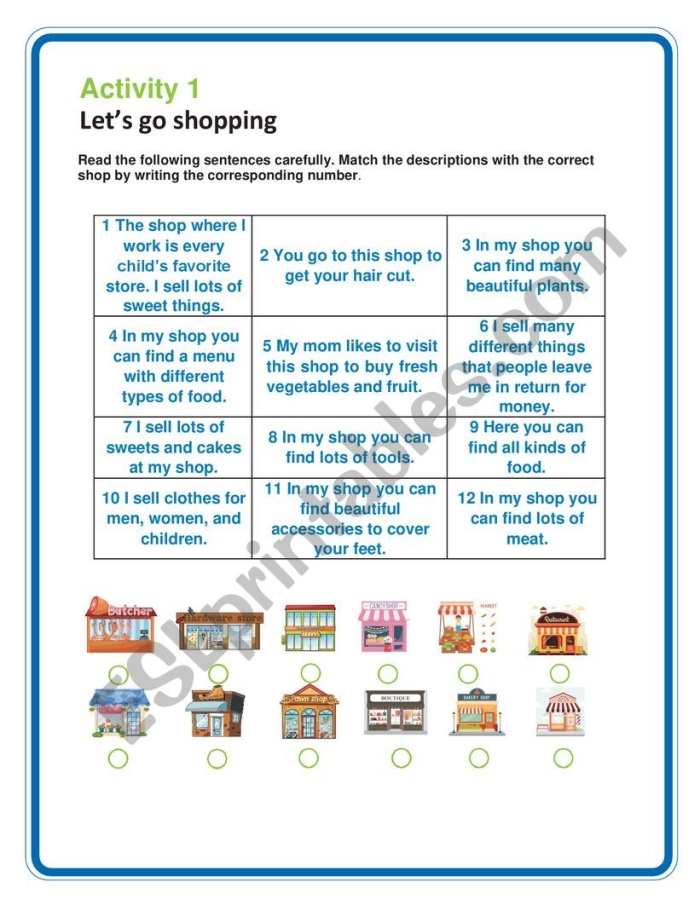
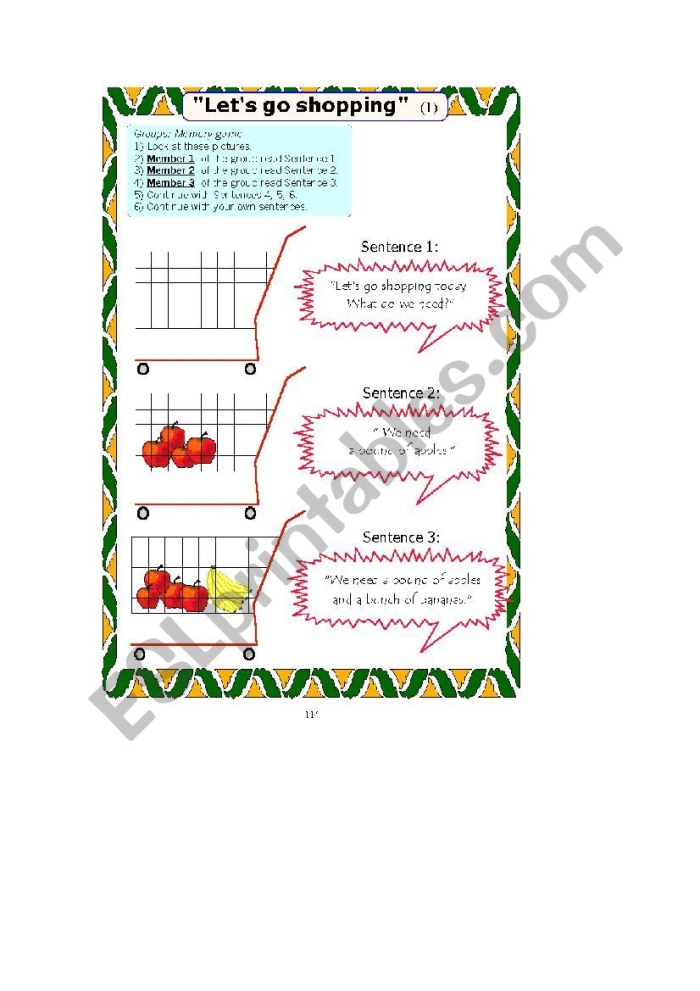
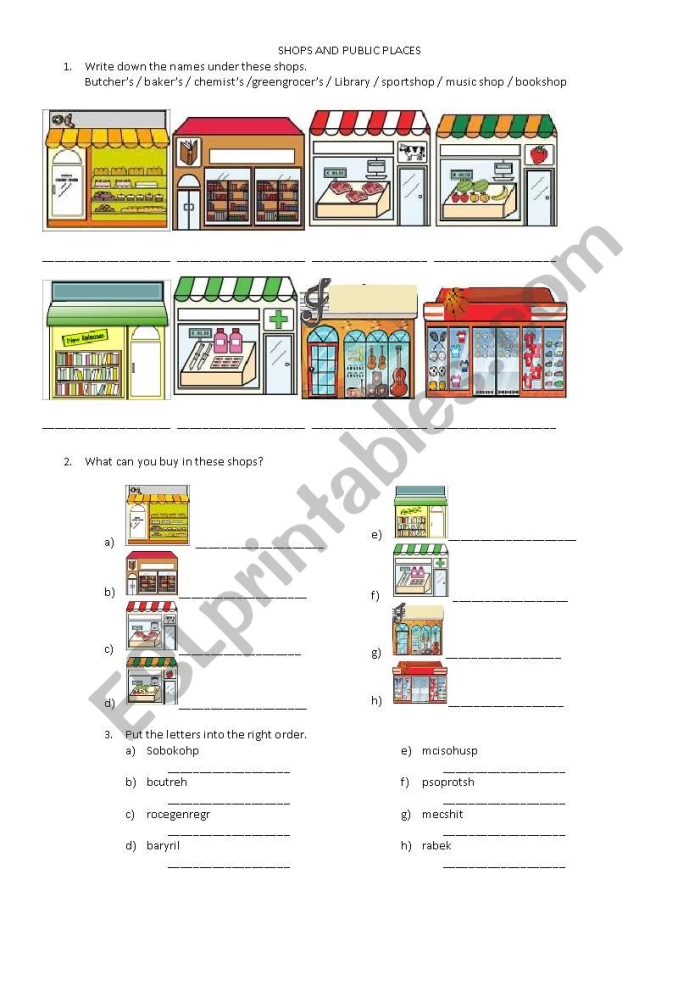
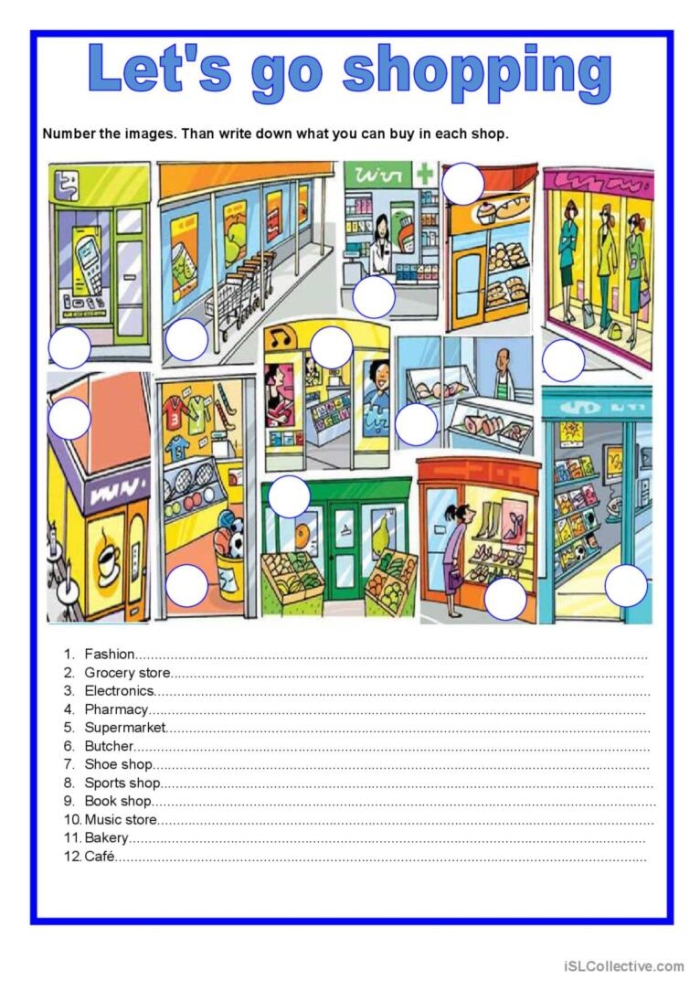
Understanding percentages is a crucial skill, especially when it comes to shopping. Imagine you’re at a store, and you see a jacket originally priced at $80, now offered at a 25% discount. Calculating the new price not only helps you save money but also enhances your mathematical abilities. This practical application of percentages makes learning engaging for sixth graders, particularly through hands-on activities like those found in the Printable Let’s Go Shopping! Worksheets.
To find the discounted price, start by determining what 25% of $80 is. You can do this by converting the percentage to a decimal: 25% becomes 0.25. Multiply this by the original price: 0.25 x 80 = $20. This means the discount is $20, and the final price of the jacket would be $80 – $20 = $60. Simple calculations like this can empower students to understand the value of their purchases while practicing their math skills.
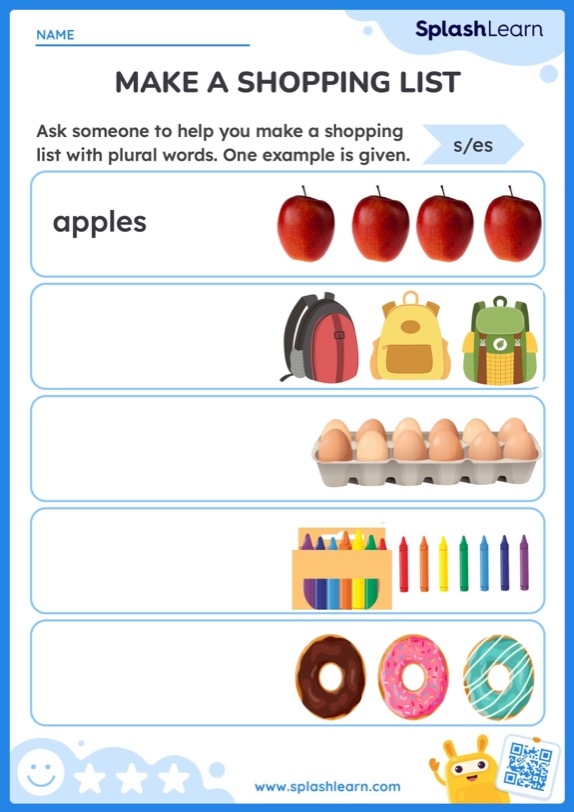
Engaging with real-world scenarios like shopping encourages students to apply their knowledge in meaningful ways. For example, when shopping for school supplies, students can calculate discounts on notebooks, pens, or backpacks. By comparing original prices and discounted prices, they not only practice percentages but also learn budgeting skills. This hands-on approach is especially effective in sixth-grade classrooms focused on Engineering and Science Inquiry, where practical applications of concepts are emphasized.
Encouraging students to explore discounts on quality merchandise makes learning fun and relevant. With worksheets designed for this purpose, students can practice these calculations repeatedly, reinforcing their understanding of percentages. This approach not only prepares them for future shopping experiences but also equips them with essential life skills.
Start Practicing with These Worksheets