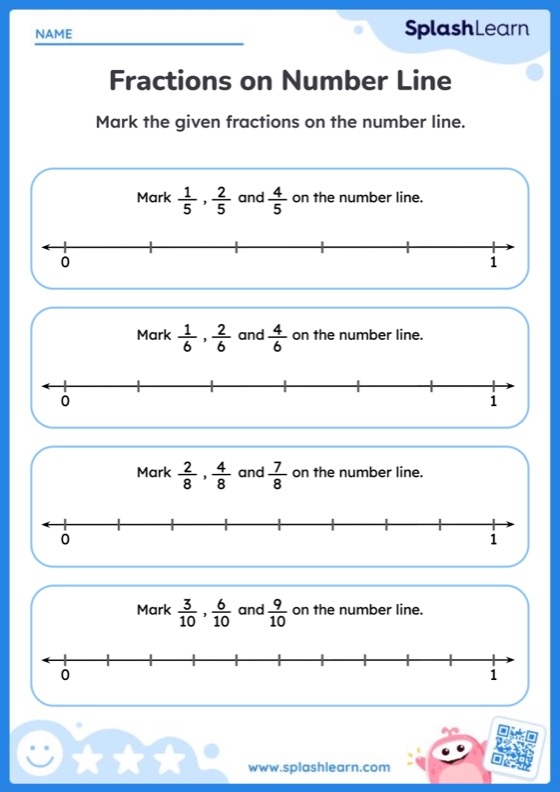
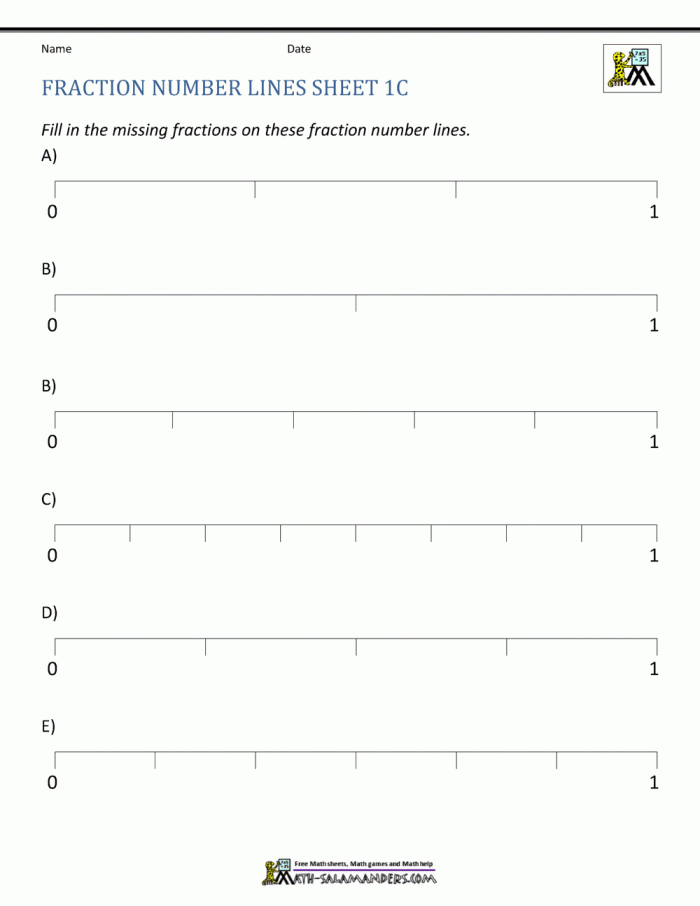
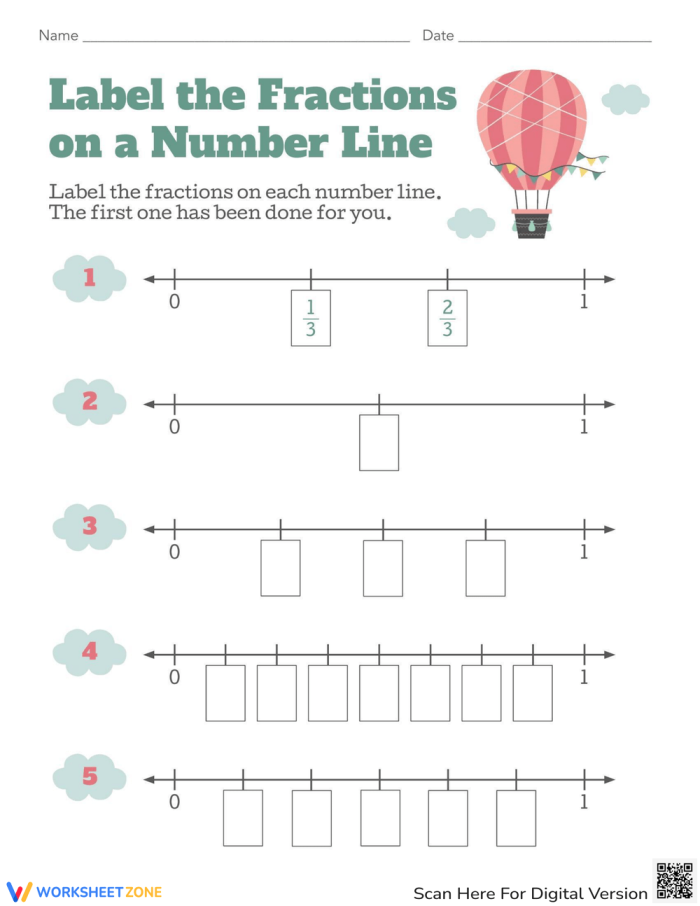
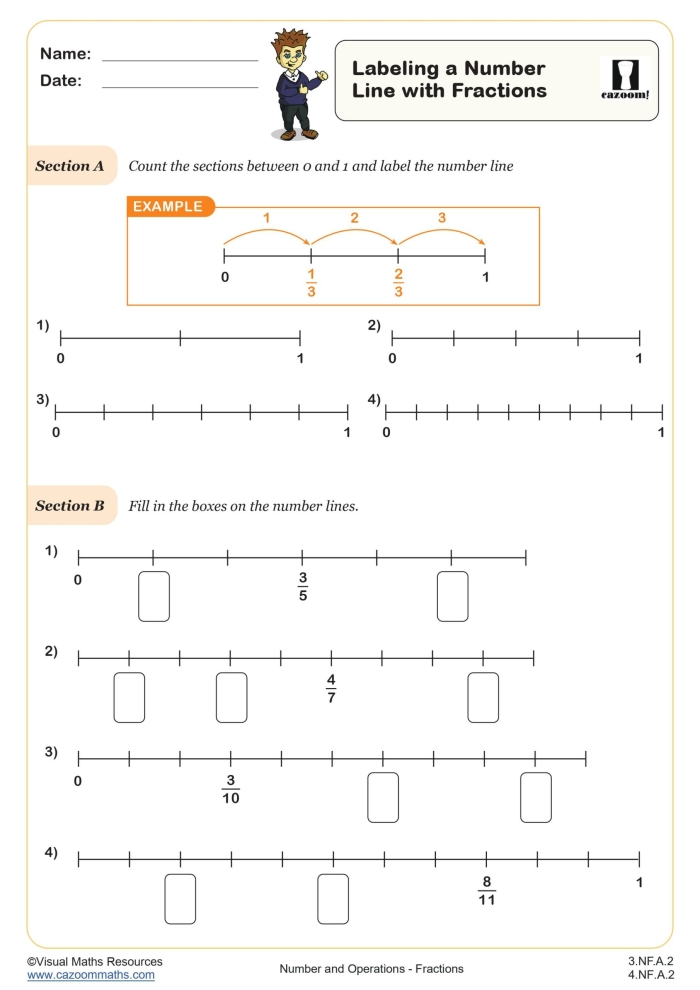
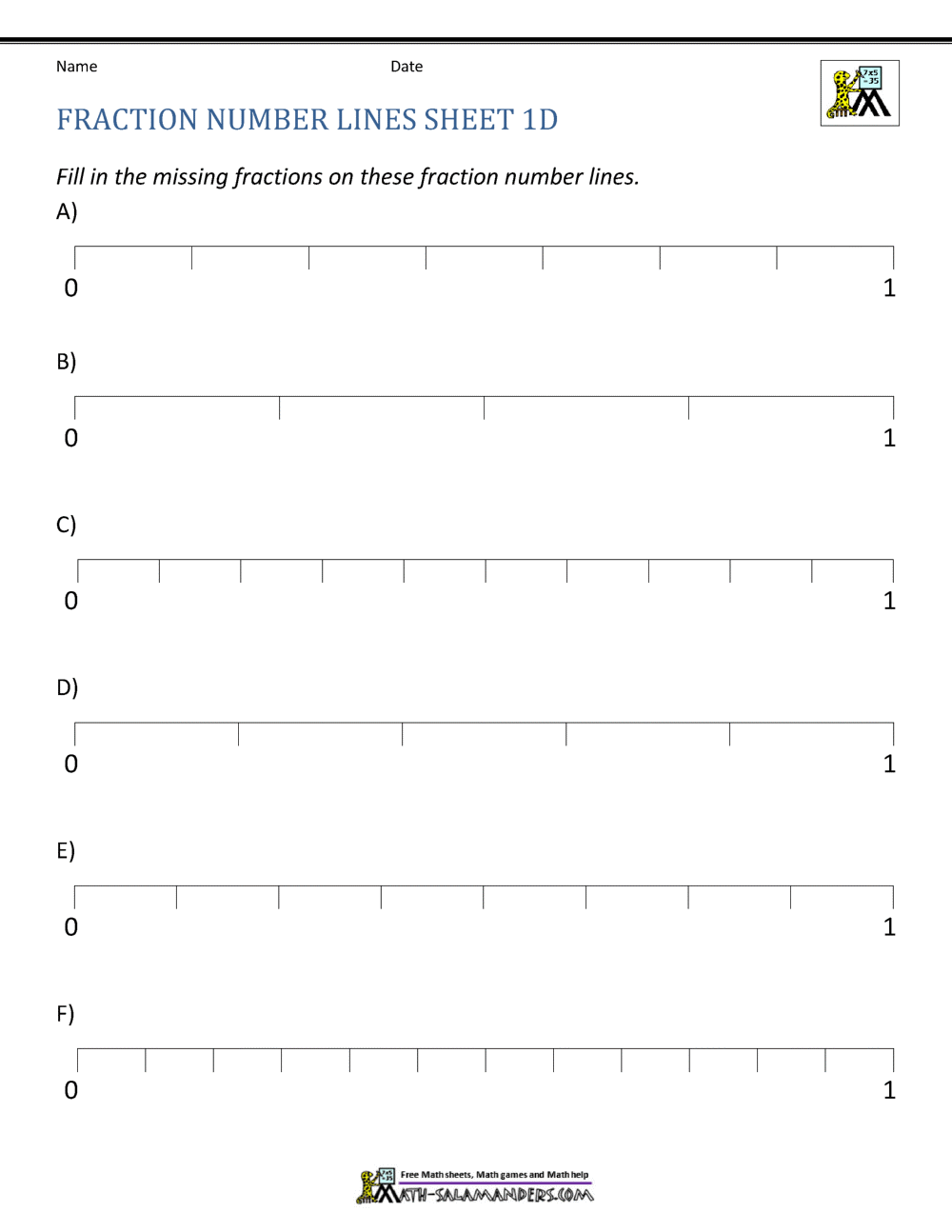
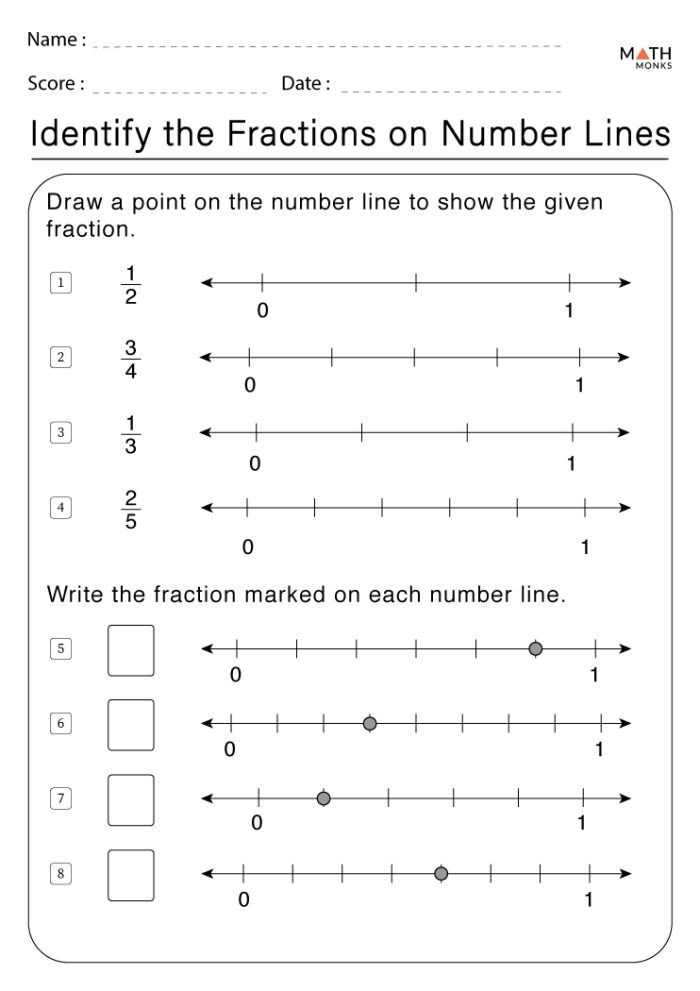
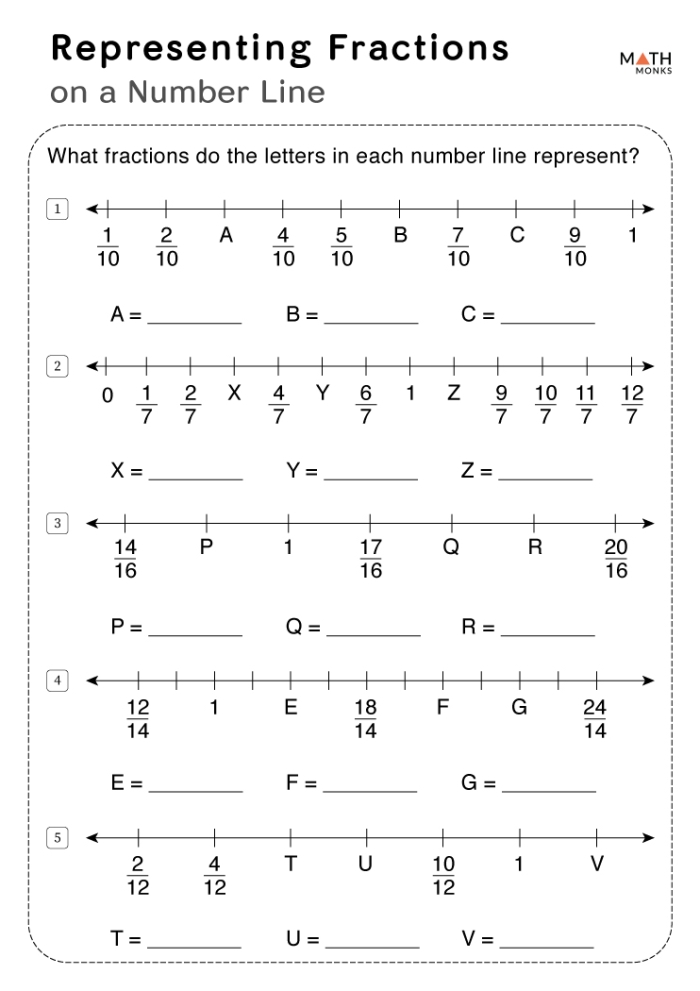
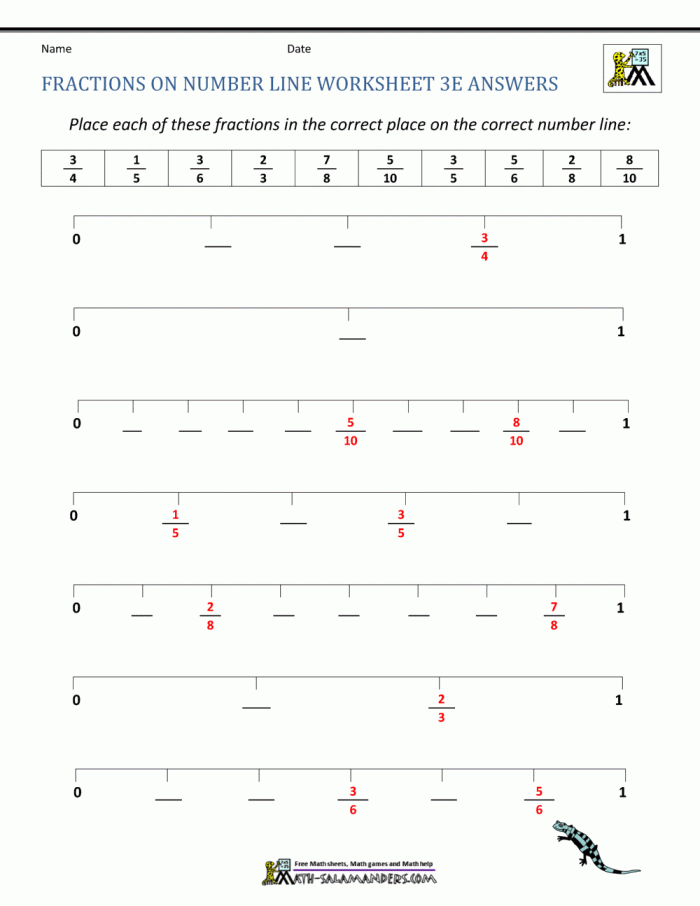
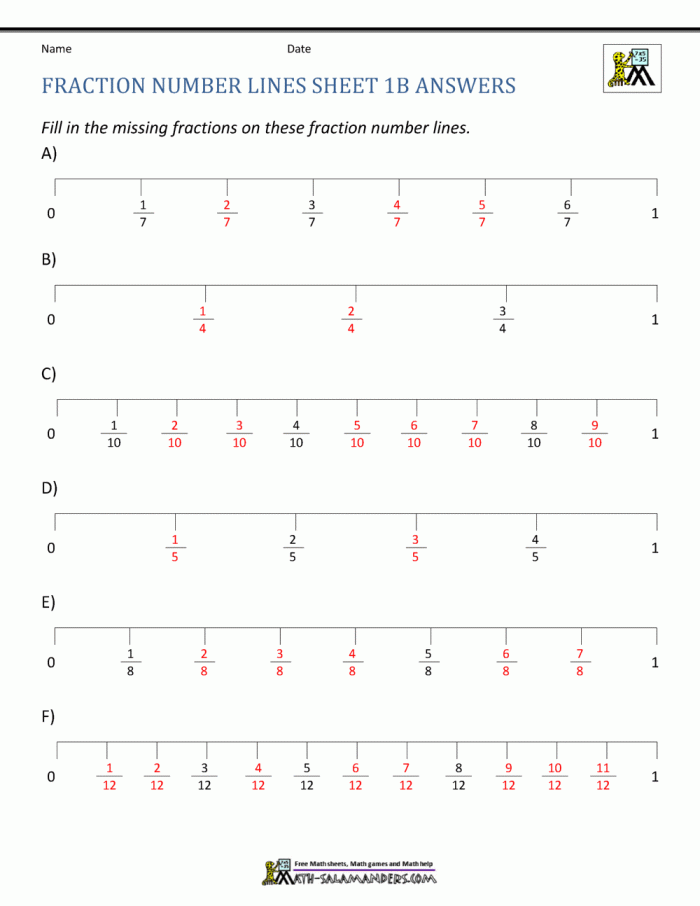
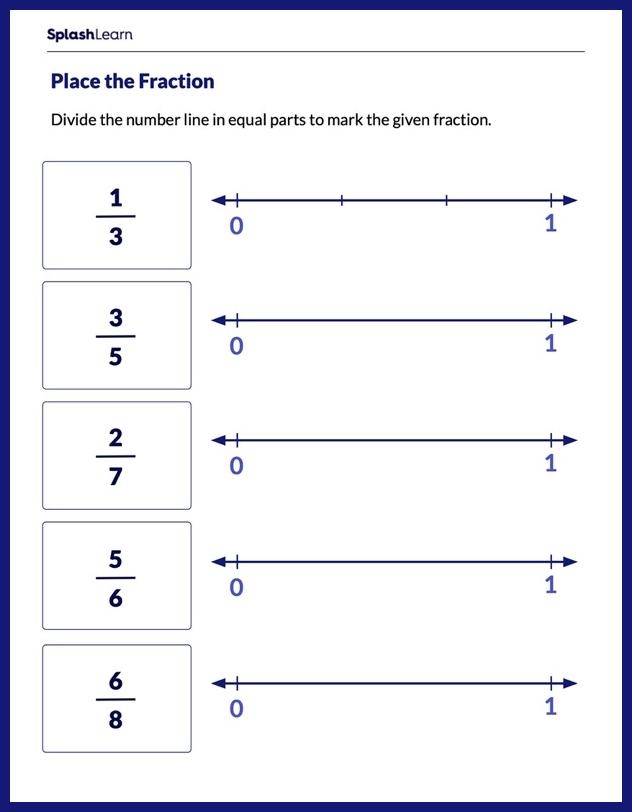
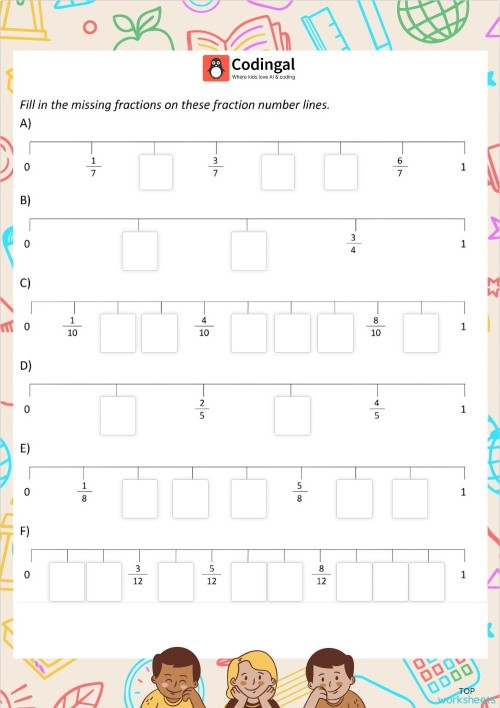
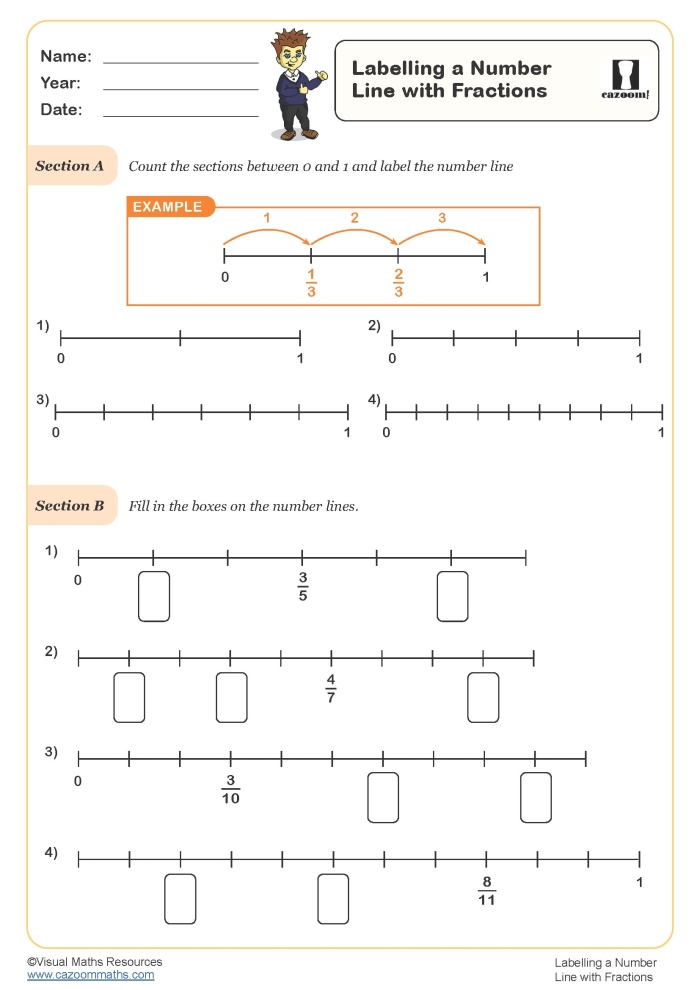
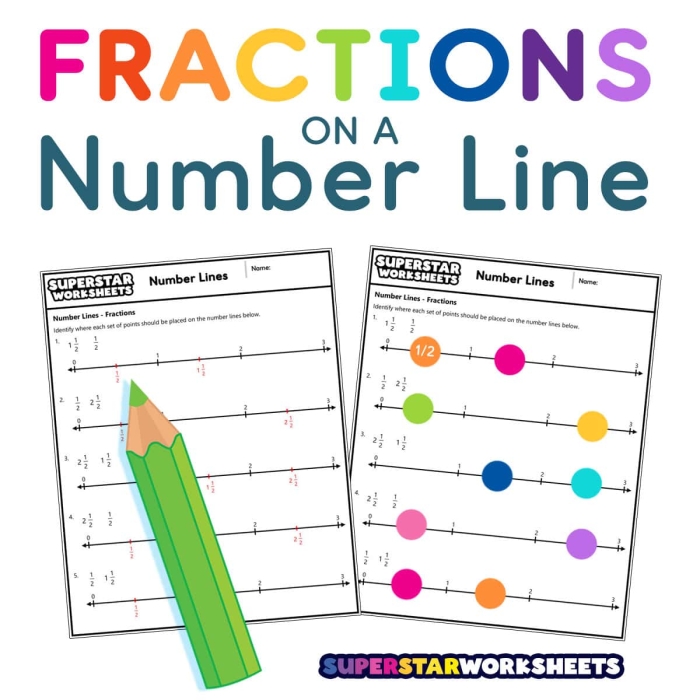
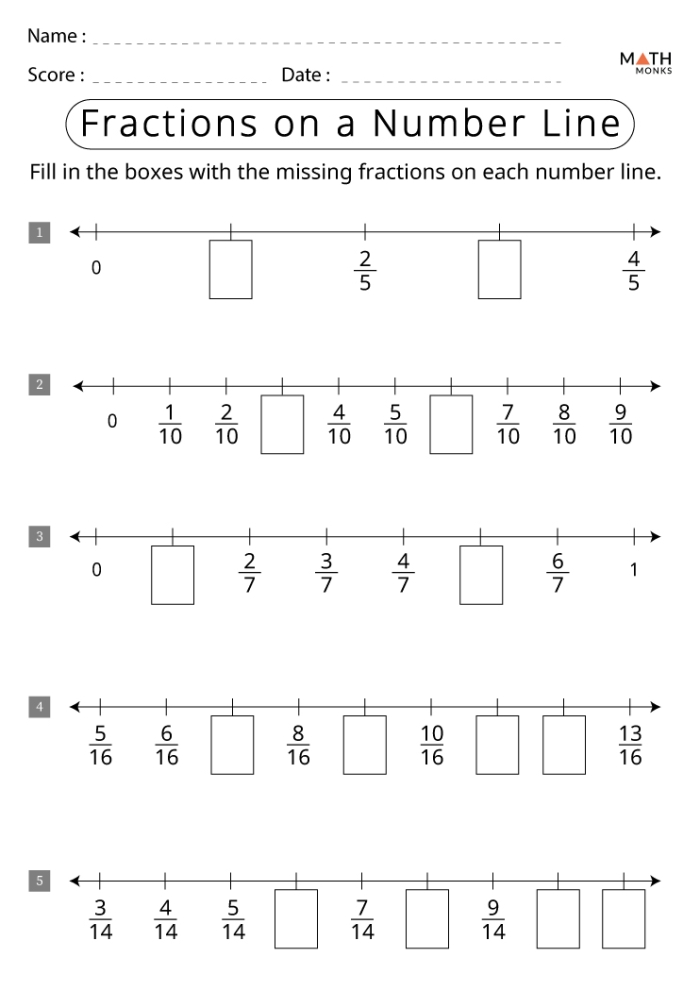
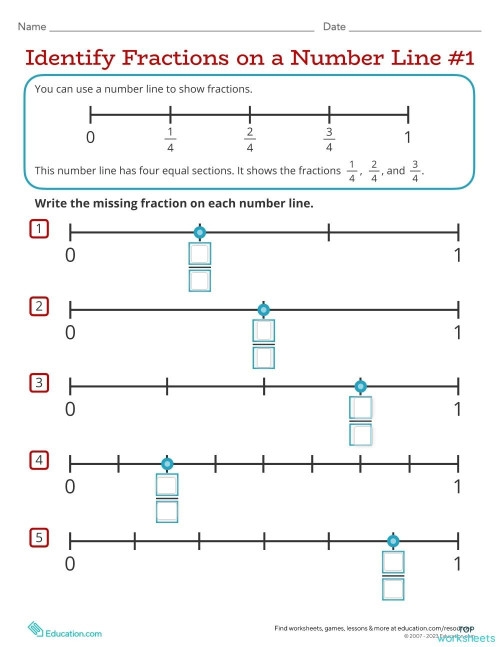
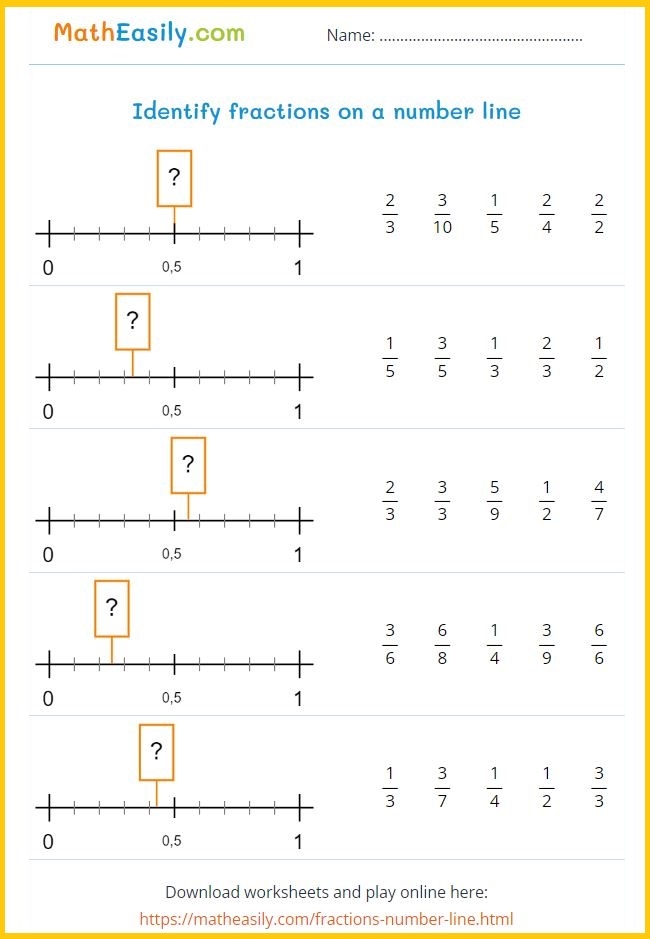
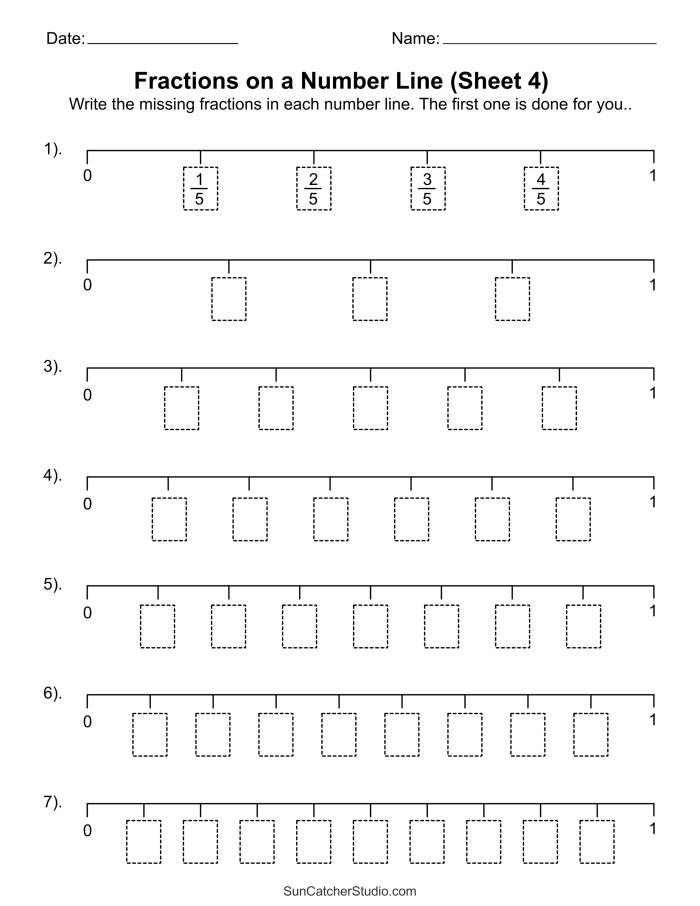
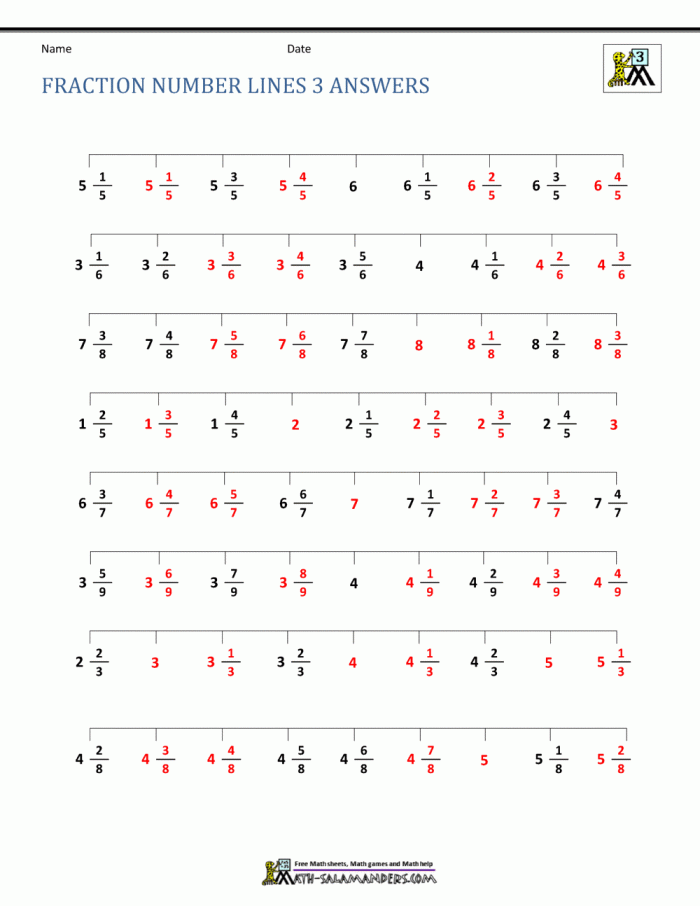
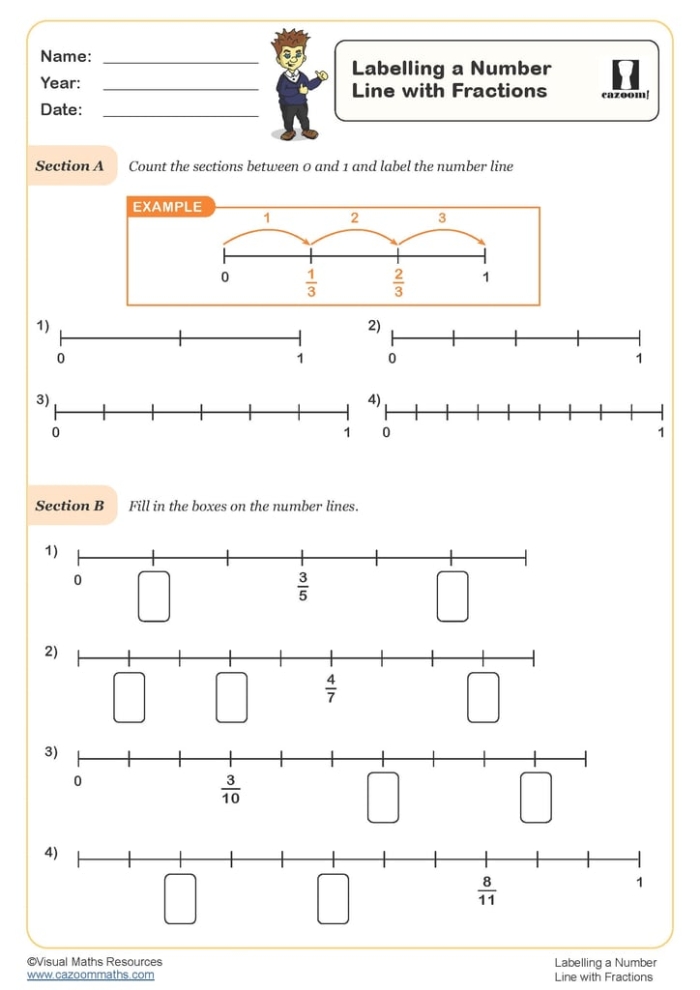
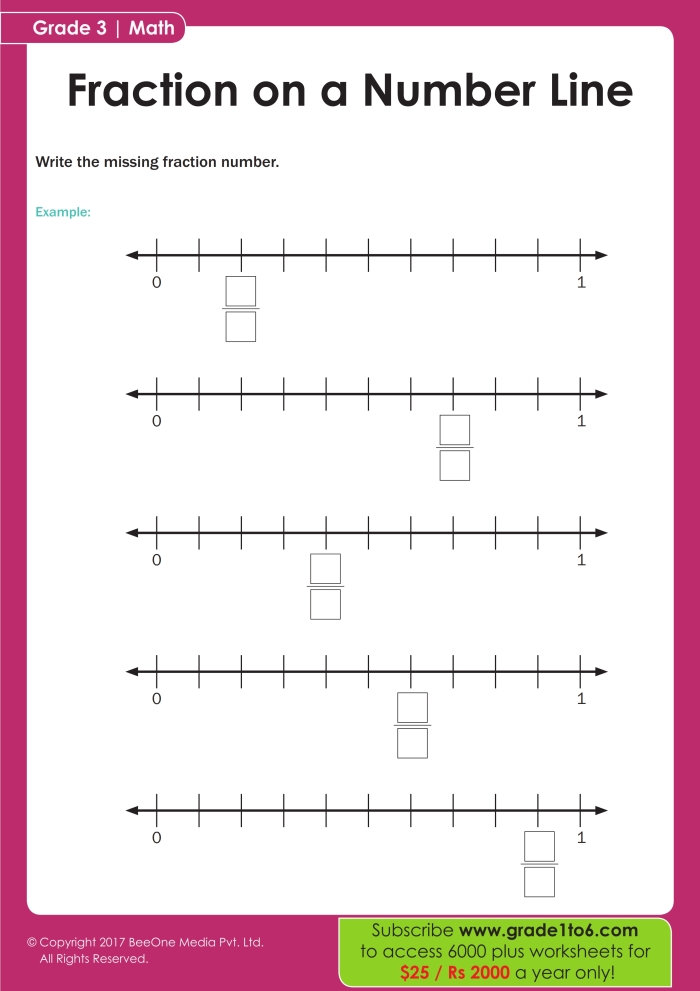
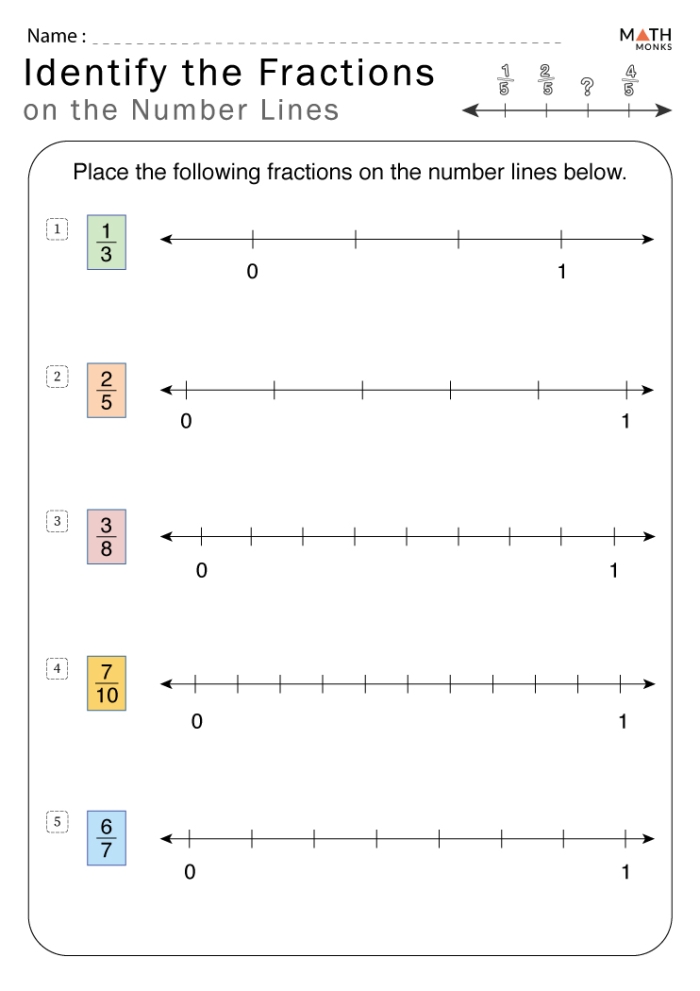
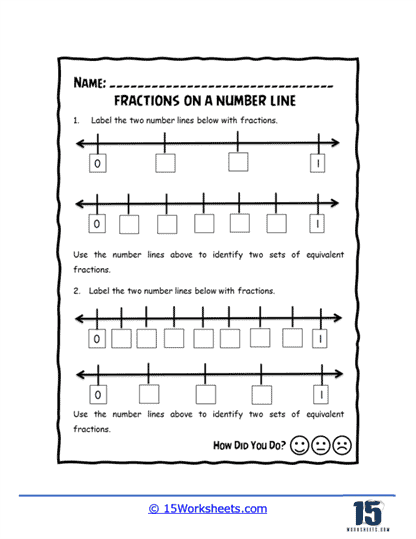
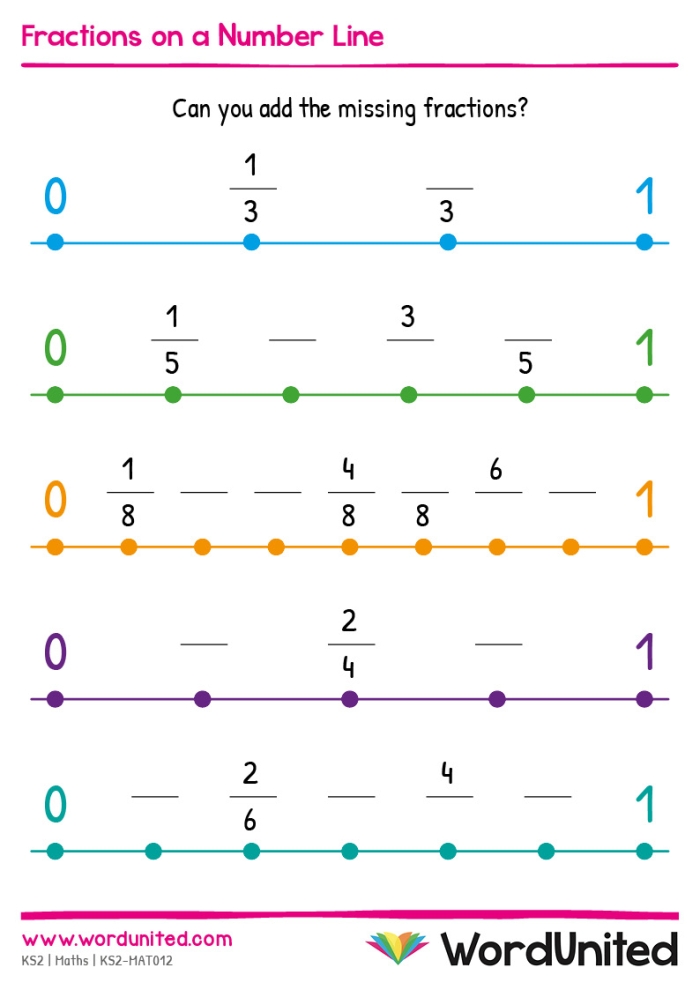
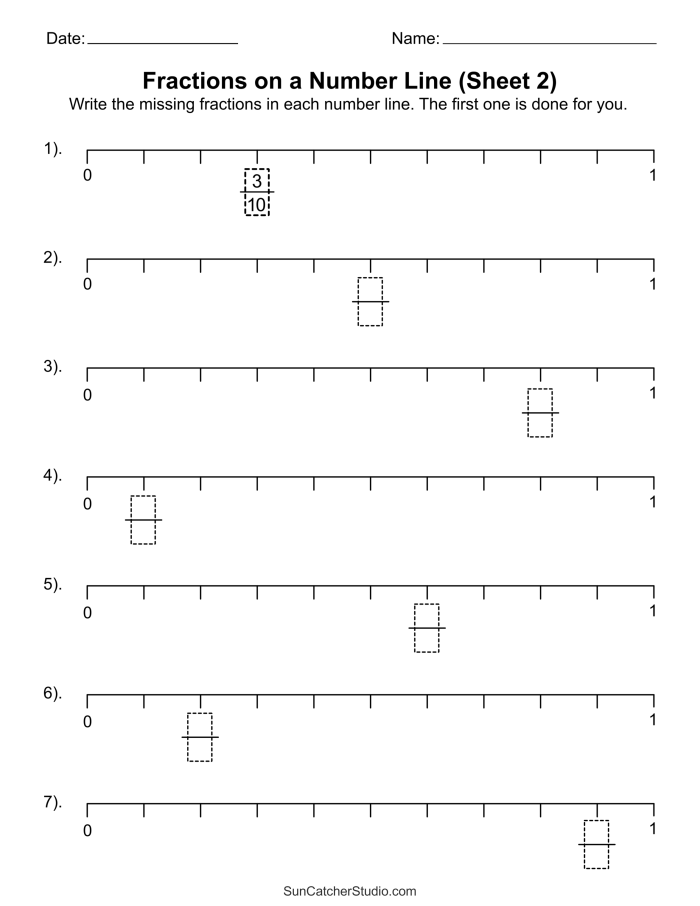
Understanding fractions becomes so much clearer when third graders can see them visually on a number line. This worksheet approach transforms an abstract concept into something concrete that students can actually touch and understand.
Number lines offer a unique way to represent fractions because they show the relationship between parts and wholes in a linear format. When a child marks 1/4, 1/2, and 3/4 on a line, they’re not just memorizing definitions. They’re building spatial reasoning and seeing how fractions exist in order, just like whole numbers do. Third grade is the perfect time to introduce this skill because students have already worked with whole numbers on number lines, so the transition feels natural.
The beauty of practicing with these worksheets is that students develop multiple representations of the same concept simultaneously. They learn to recognize that 2/4 and 1/2 occupy the same spot, which builds understanding of equivalent fractions without needing formal instruction yet. This groundwork makes later fraction work significantly easier.
When working through these exercises, students typically start with halves and fourths before moving to eighths. The incremental approach prevents overwhelm and builds confidence. Each time they place a fraction correctly, they’re strengthening their number sense in the integers and rational numbers category.
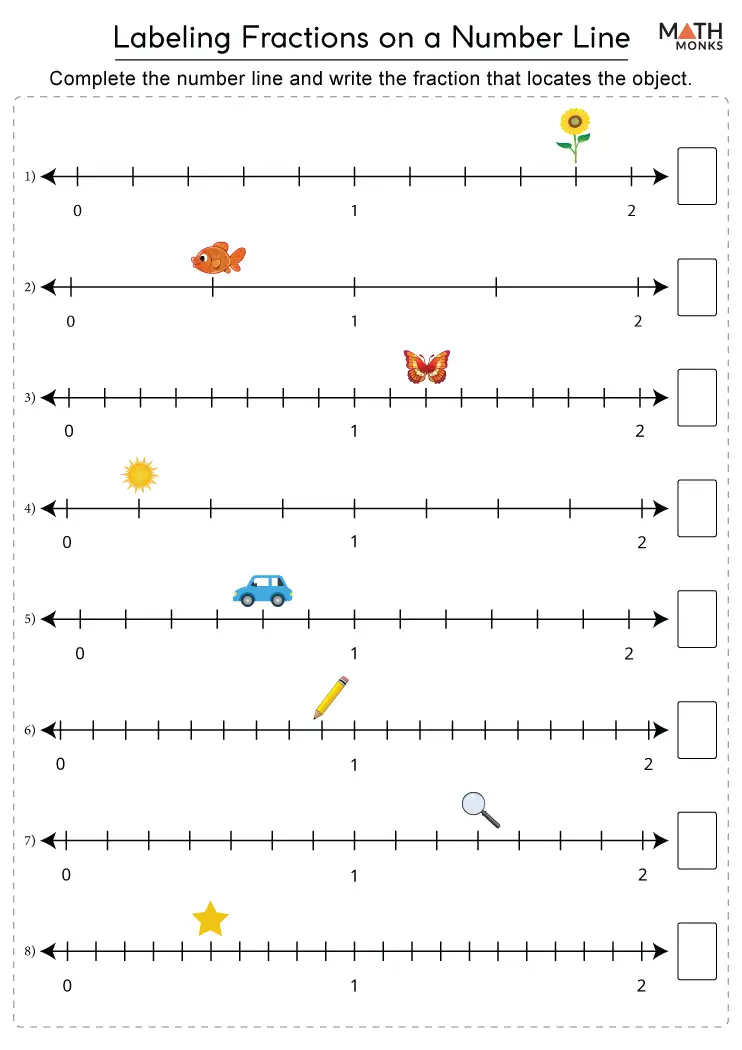
Beyond just the worksheet itself, you might pair this practice with other learning activities. For instance, exploring labeling fractions on a number line can connect to broader math concepts. Some teachers also incorporate complementary materials like physical education choice boards to break up math instruction with movement.
The key is consistency. Regular practice with number line fractions, even just 10 minutes several times a week, creates lasting understanding that students carry forward into more complex fraction operations.
Printable Worksheets for Practice