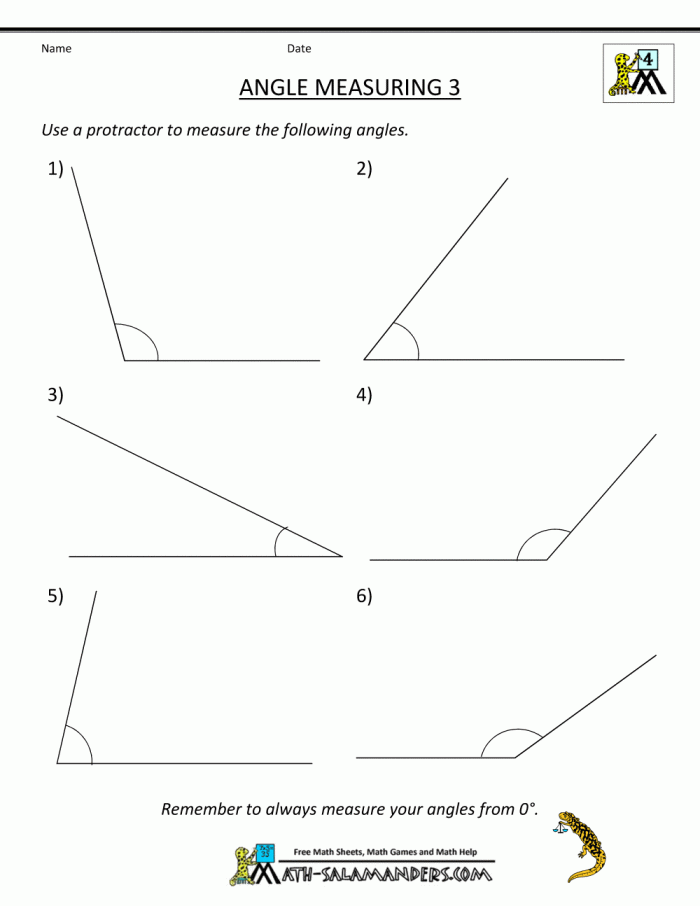
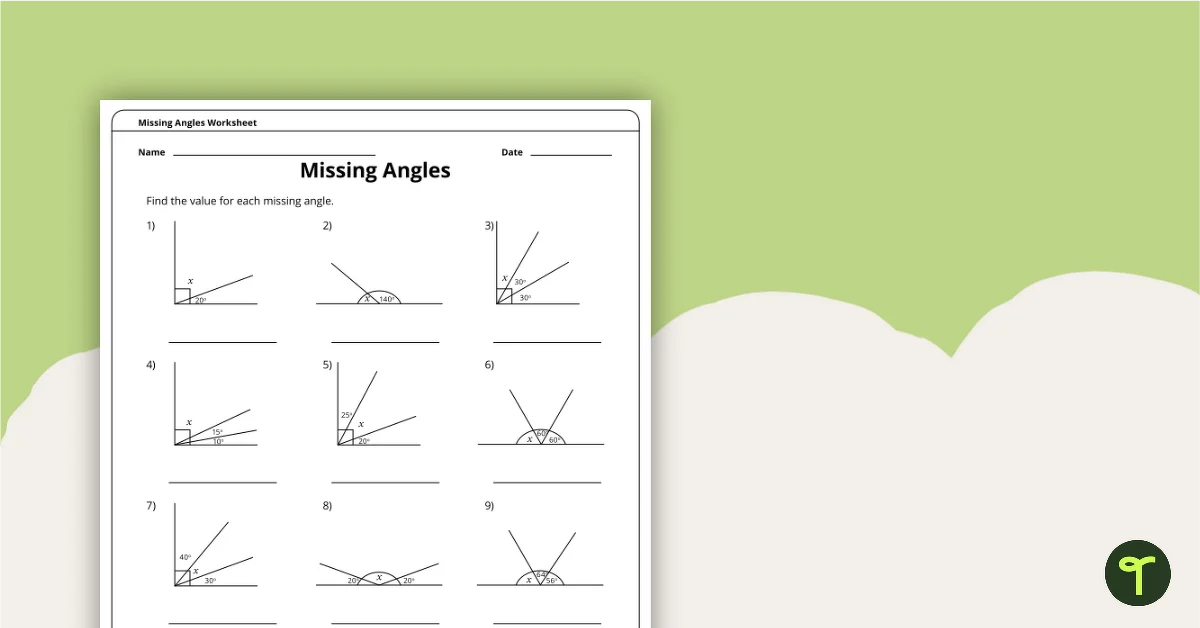
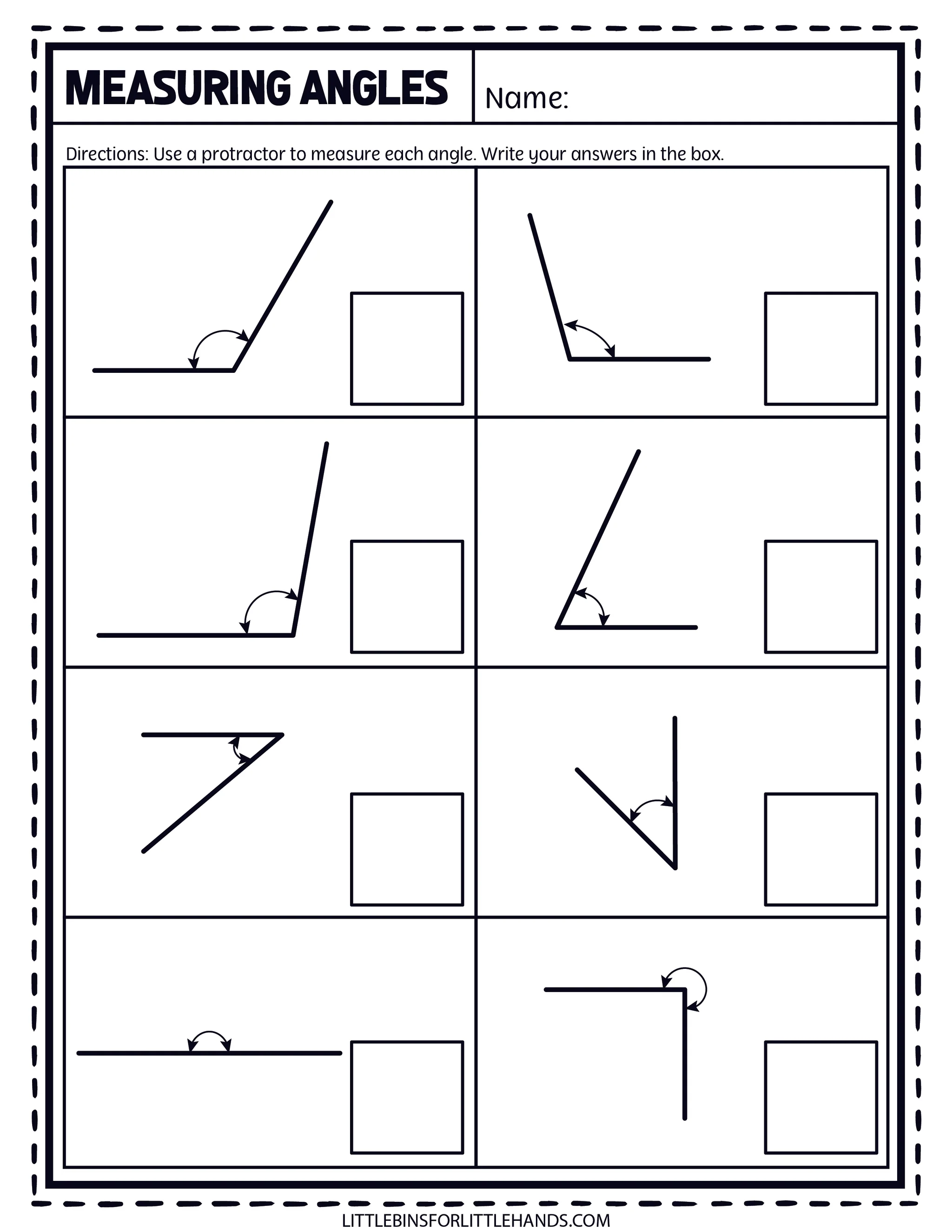
How well do you know your angles? Most fourth grade students haven’t spent much time thinking about angles beyond recognizing them in the world around them. But once you start looking, angles are everywhere: in the corners of classroom desks, the slant of a roof, the open pages of a book. Teaching students to identify and name different types of angles builds their spatial reasoning and prepares them for more advanced geometry concepts down the road.
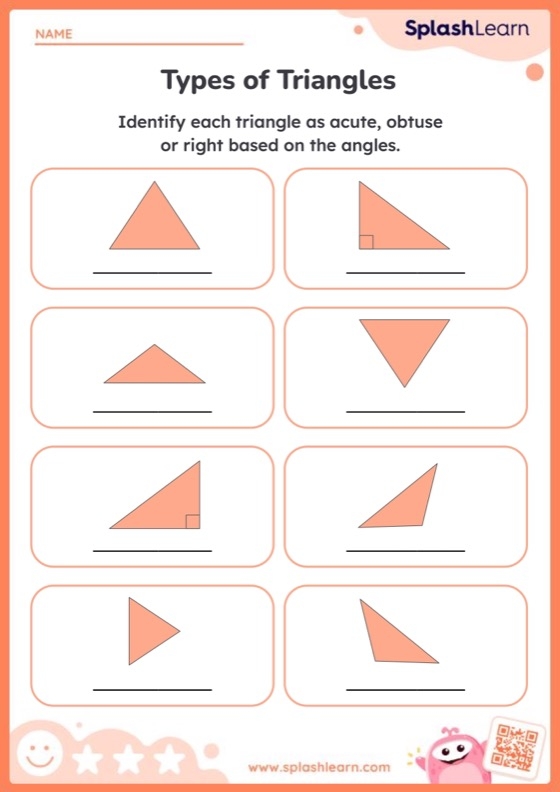
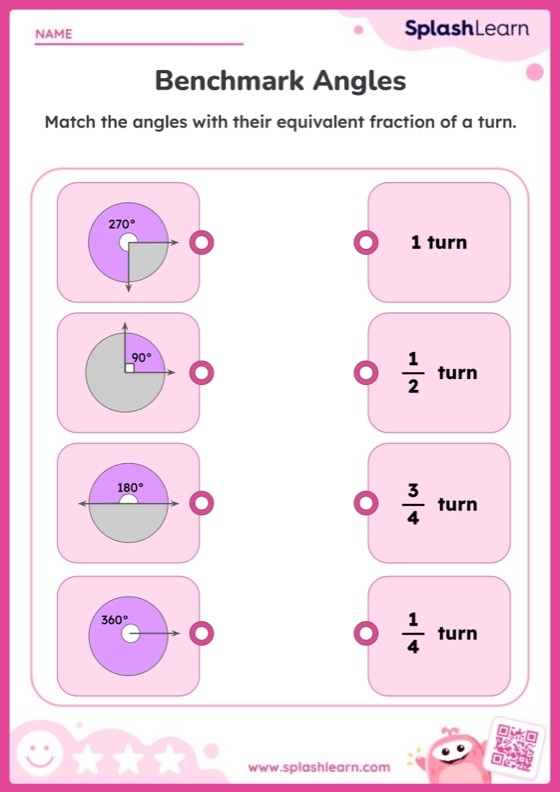
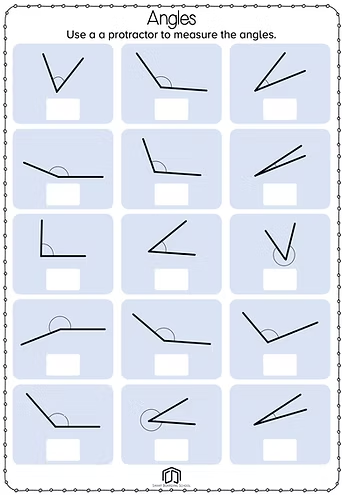
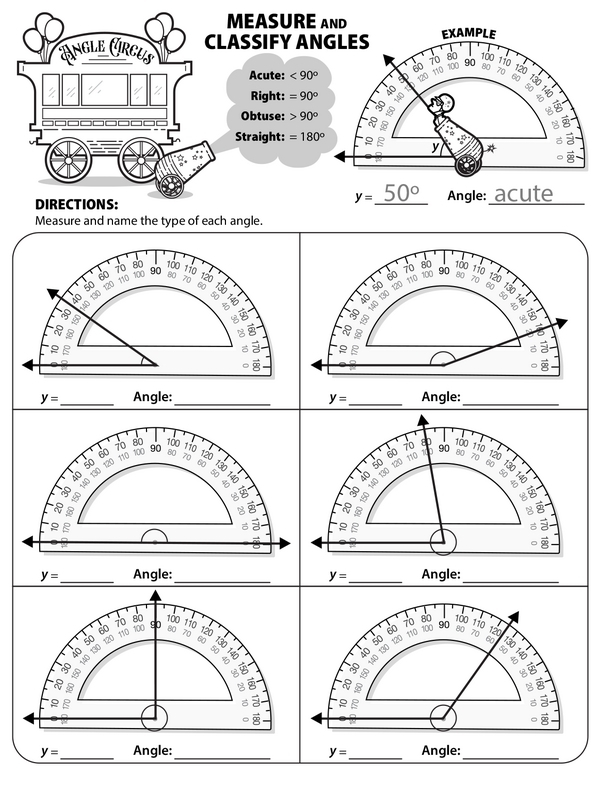
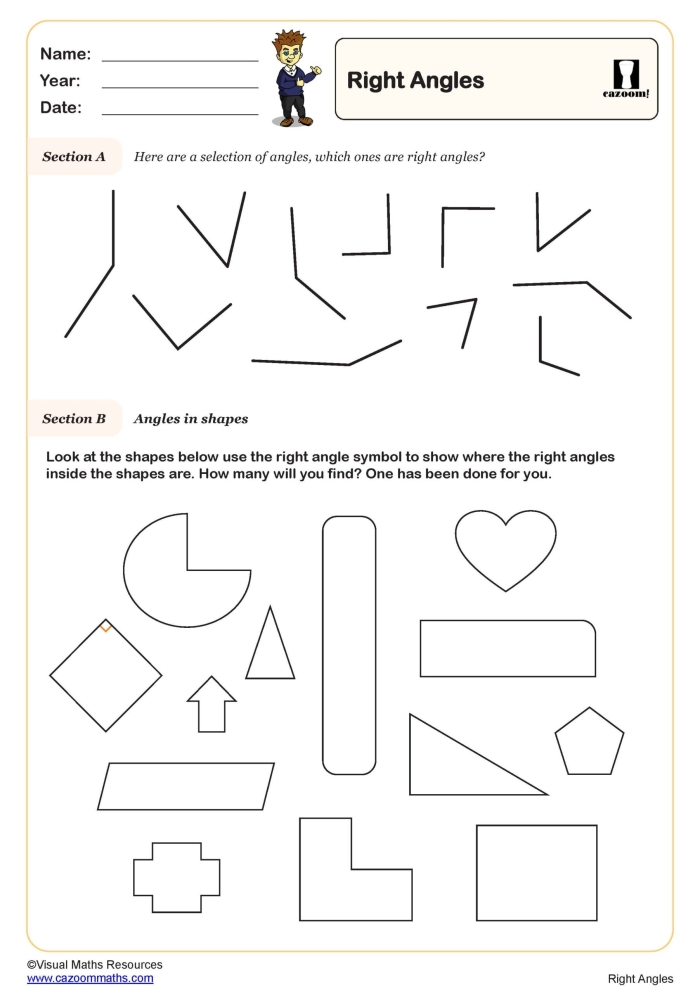
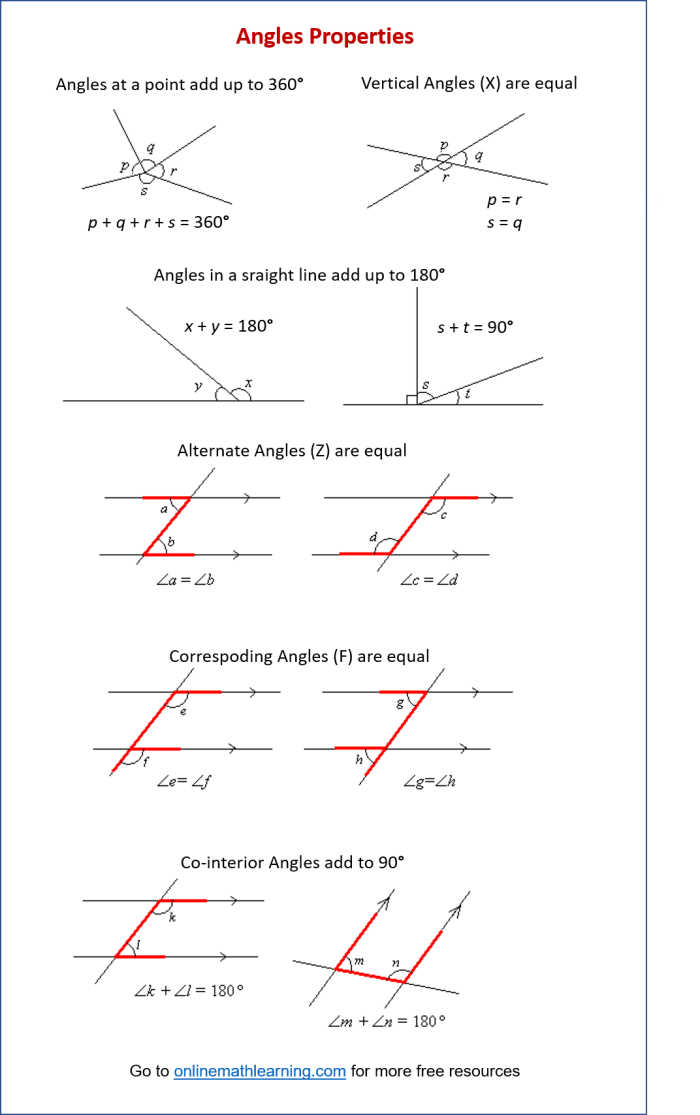
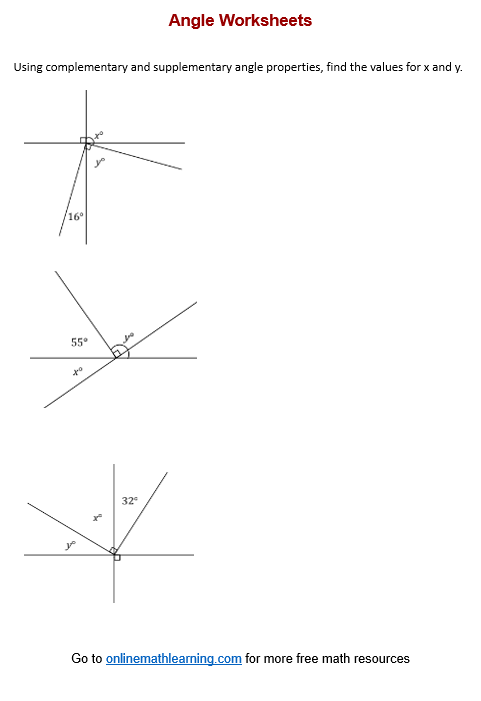
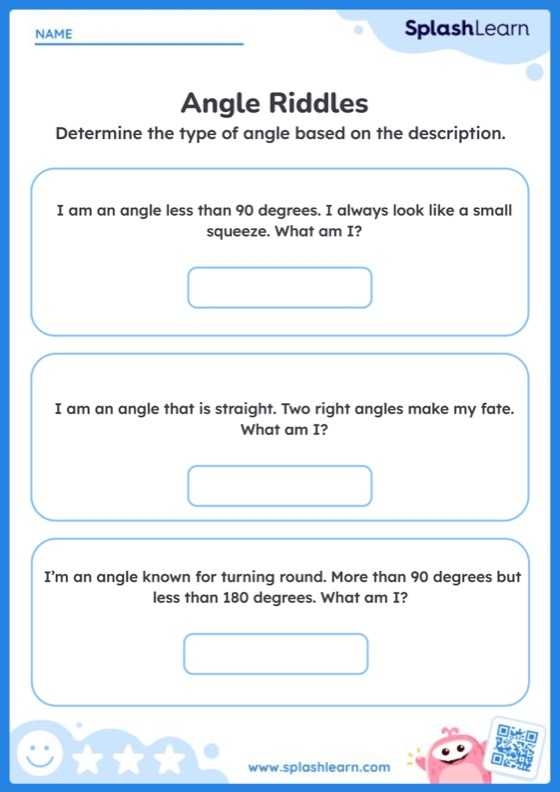
The challenge with angles is that students often confuse one type with another. A right angle, which measures exactly 90 degrees, looks different from an acute angle, which is smaller and sharper. An obtuse angle opens wider than a right angle but doesn’t stretch all the way to a straight line. A straight angle, measuring 180 degrees, appears as a flat line. Without clear practice, these distinctions blur together in a student’s mind.
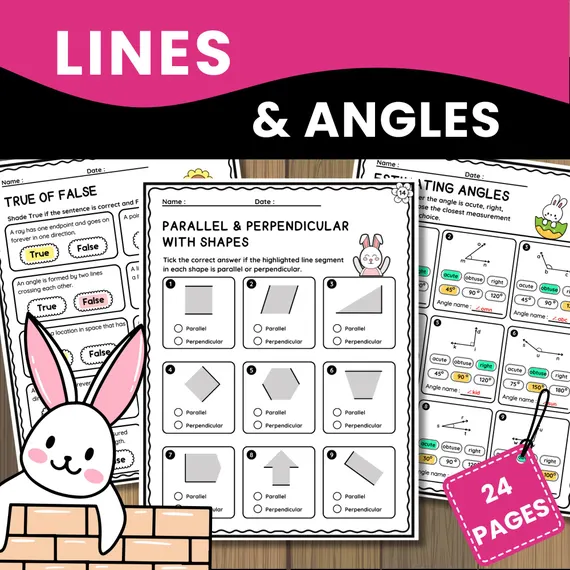
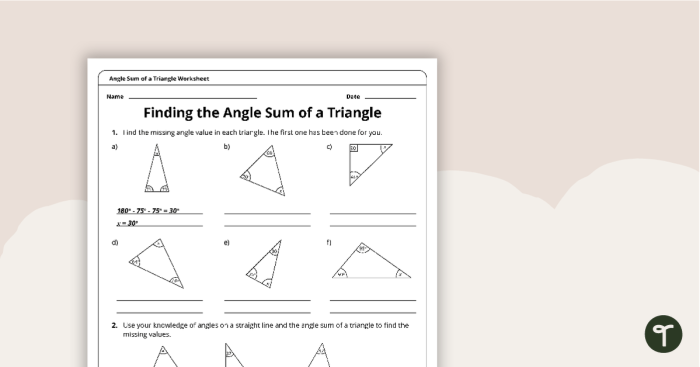
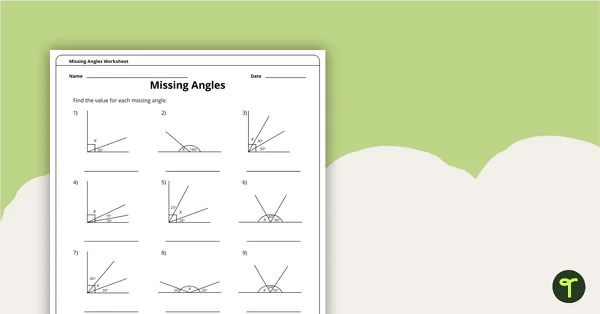
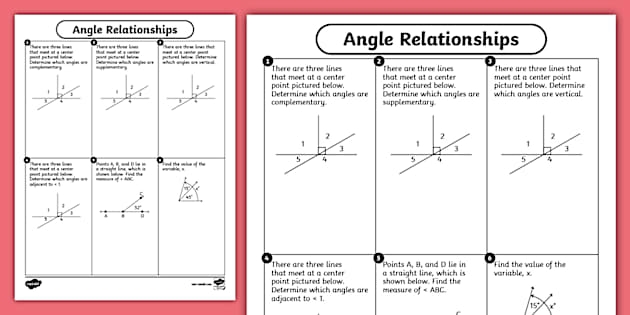
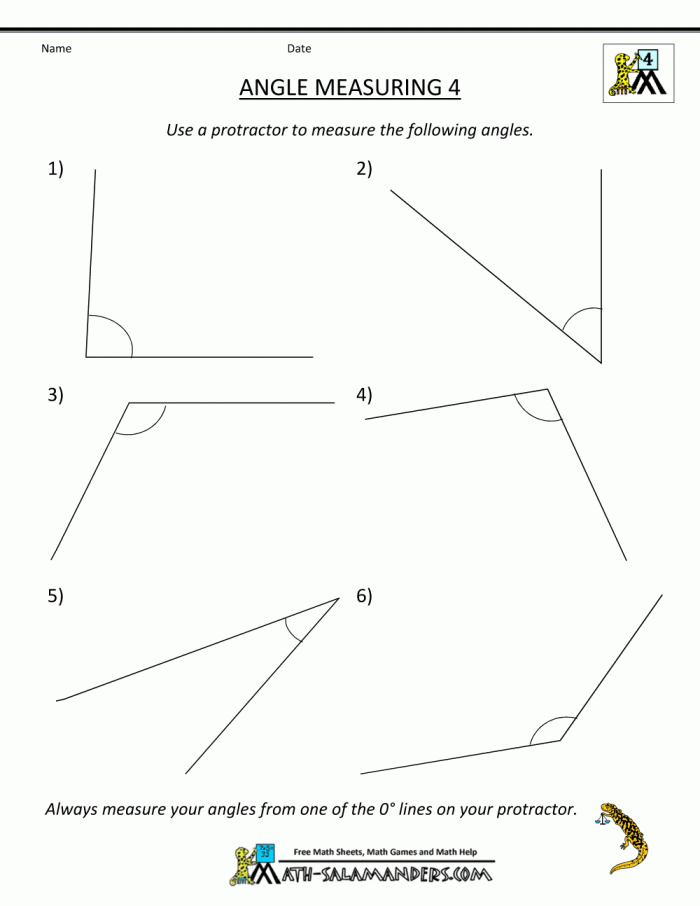
Geometry resources that focus specifically on angle identification help fourth grade students build confidence with these concepts. When students work through targeted practice, they begin to see the patterns and relationships between different angle types. They learn to estimate angle measures by comparing them to the right angles they see in their environment, like the corners of windows or picture frames.
Writing activities paired with geometry practice can deepen understanding even further. When students describe what they observe about angles in their own words, they process the information differently than when they simply label a diagram. Combining this with other fourth grade writing skills, such as learning how to write a paragraph, helps students articulate geometric thinking clearly.
Consistent practice with varied examples ensures that acute, obtuse, straight, and right angles become familiar concepts rather than abstract ideas. The more students encounter these angles in different orientations and contexts, the faster recognition becomes automatic.
Hands-On Worksheet Activities