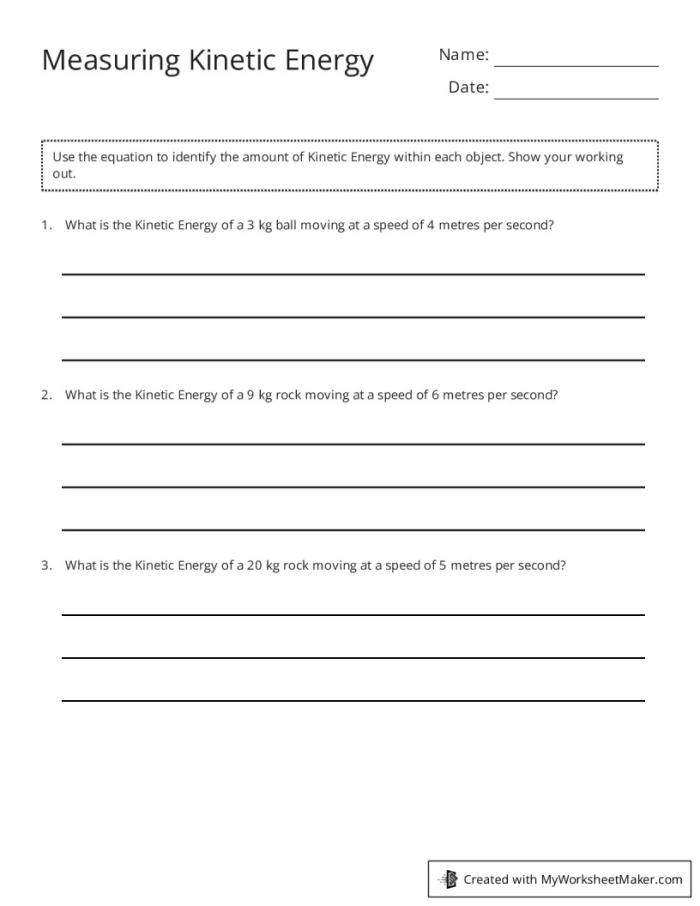
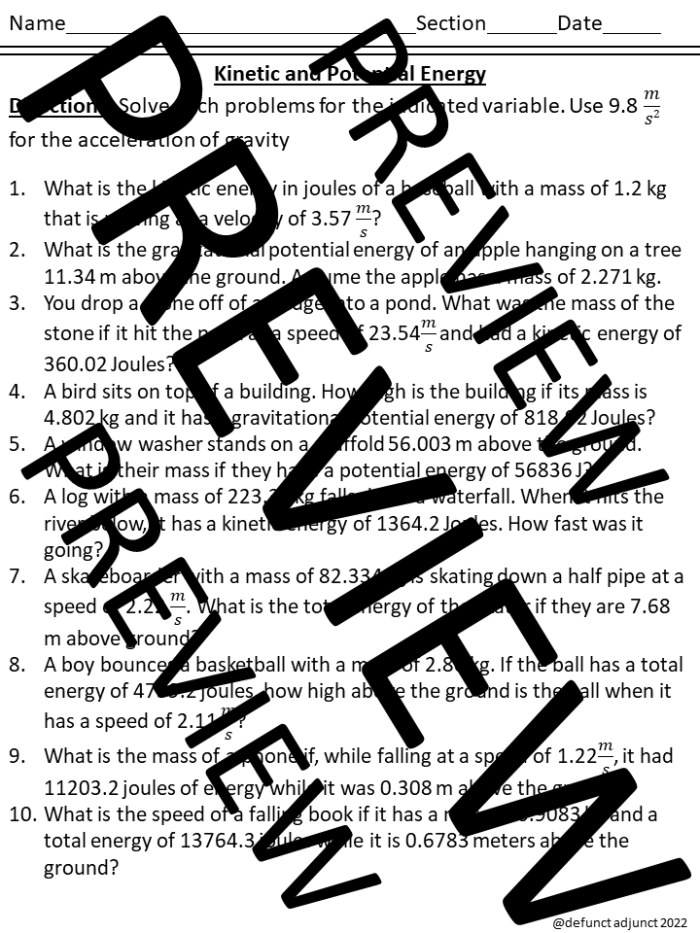
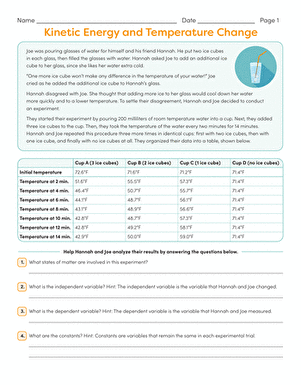
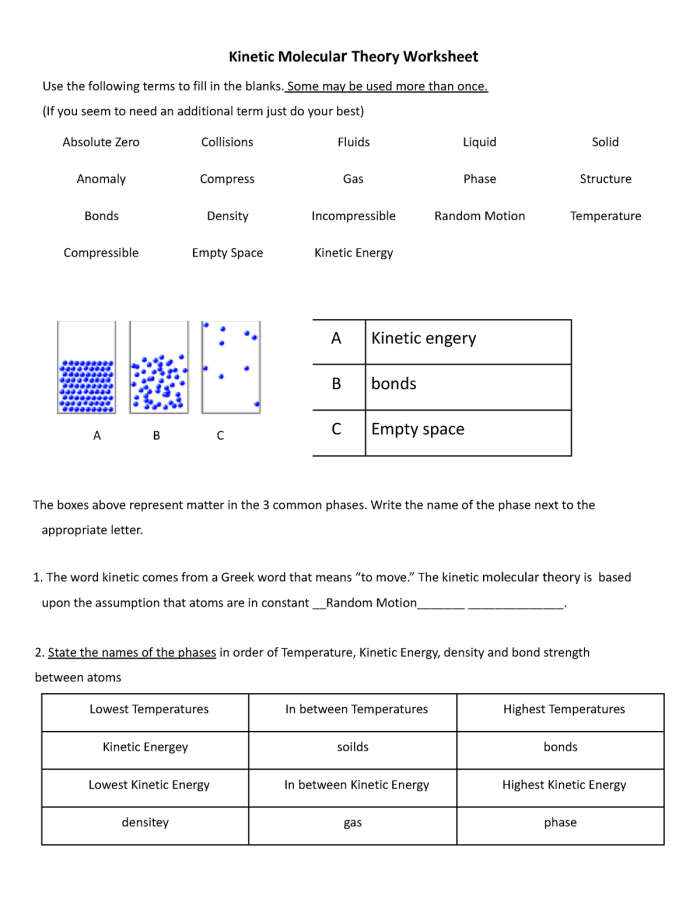
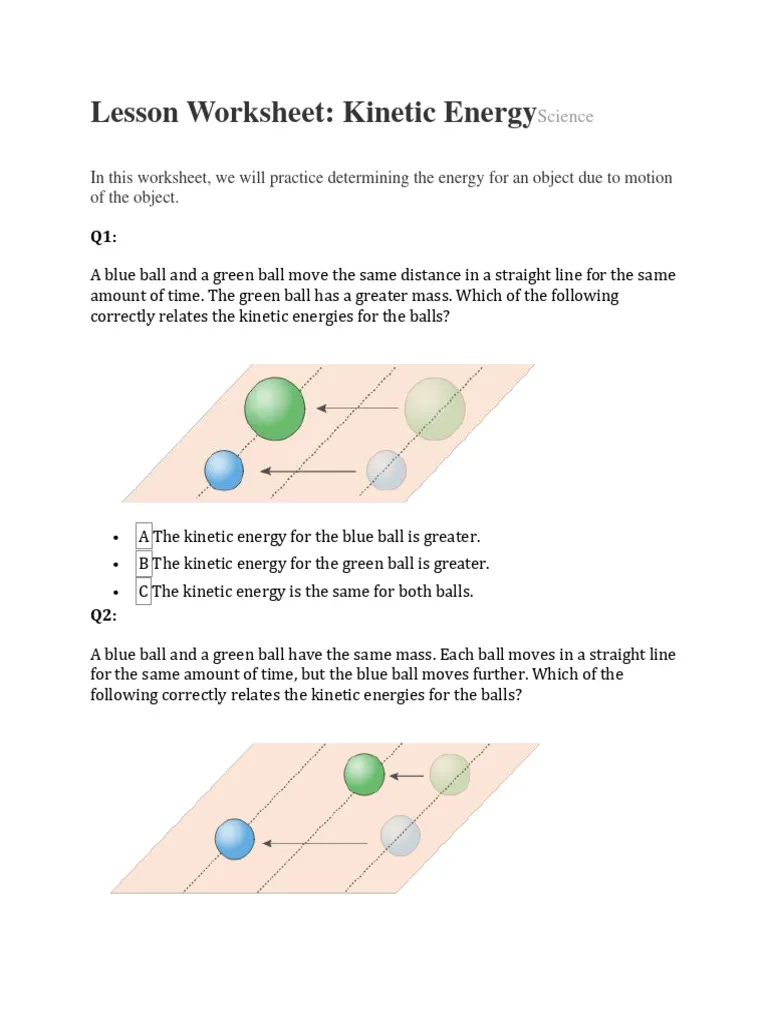
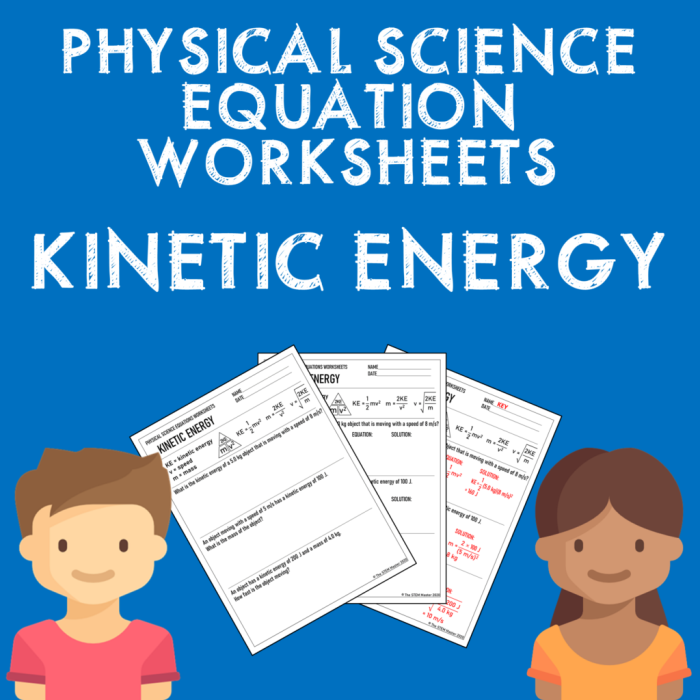
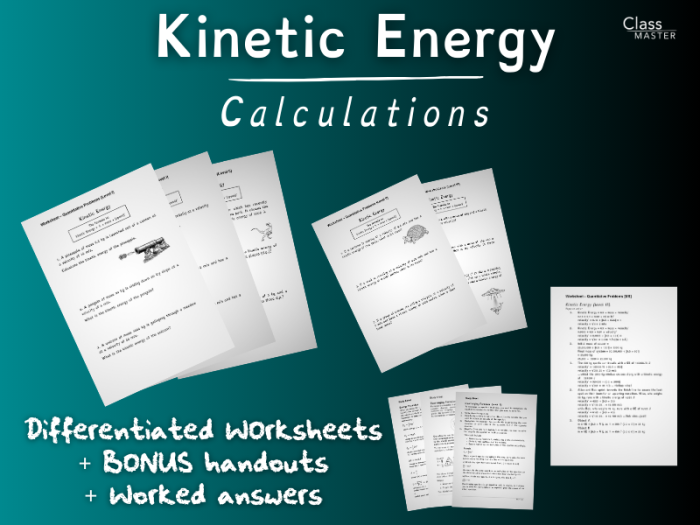
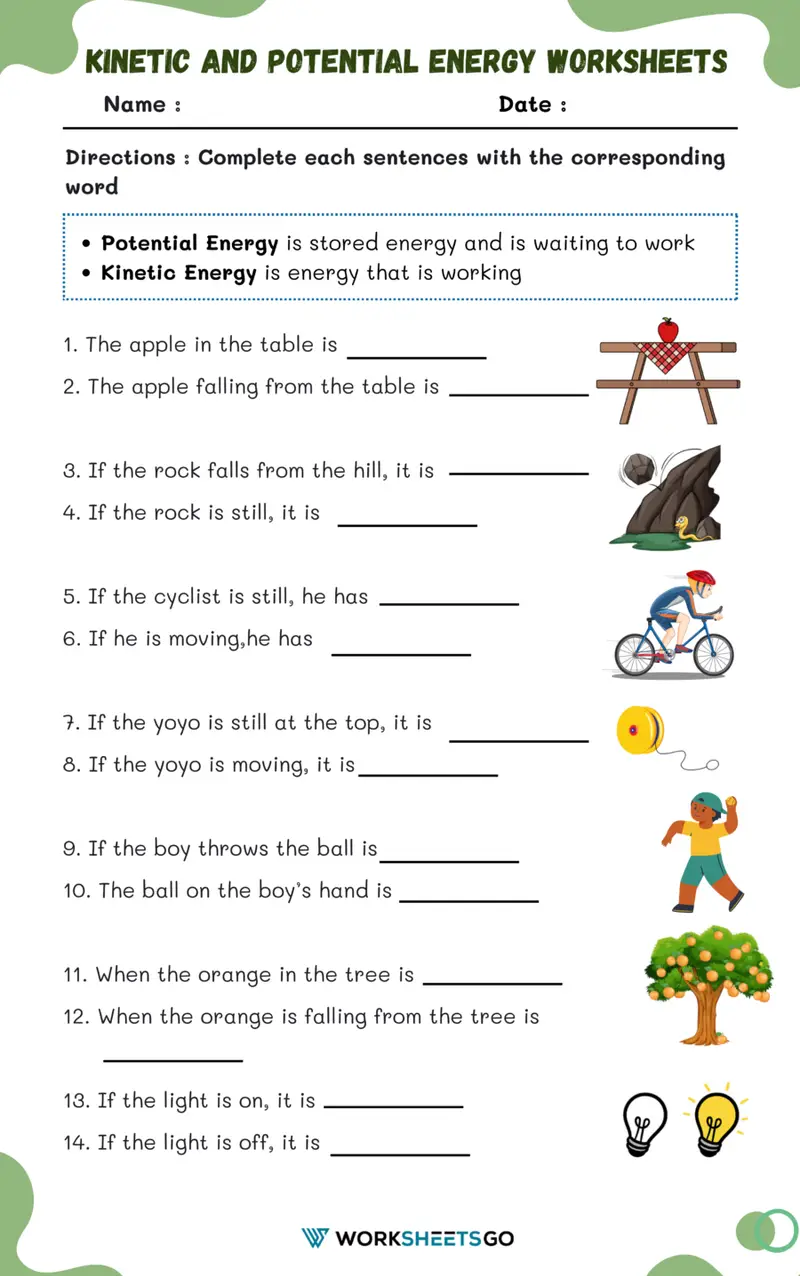
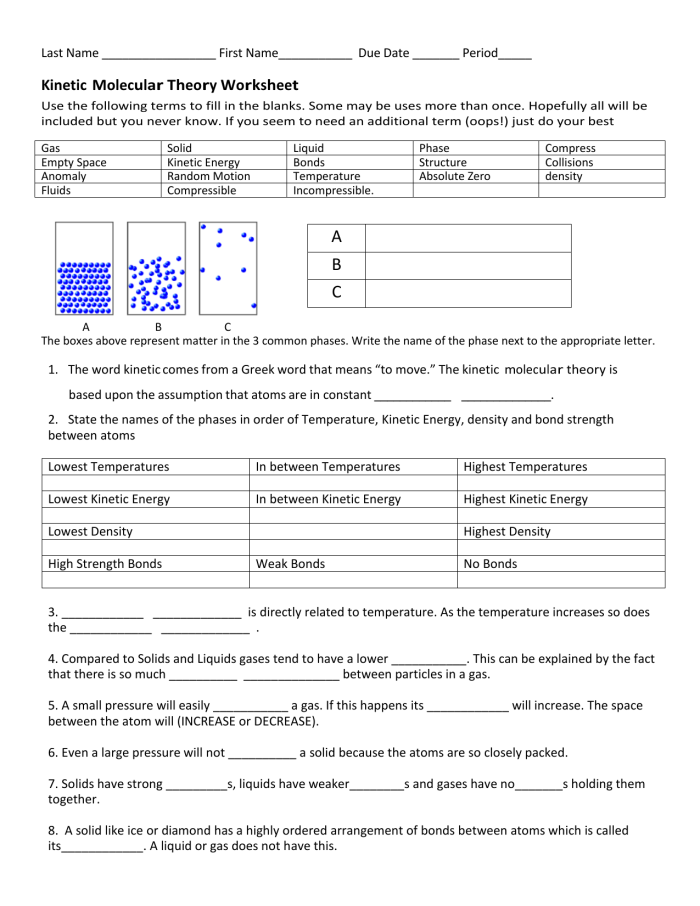
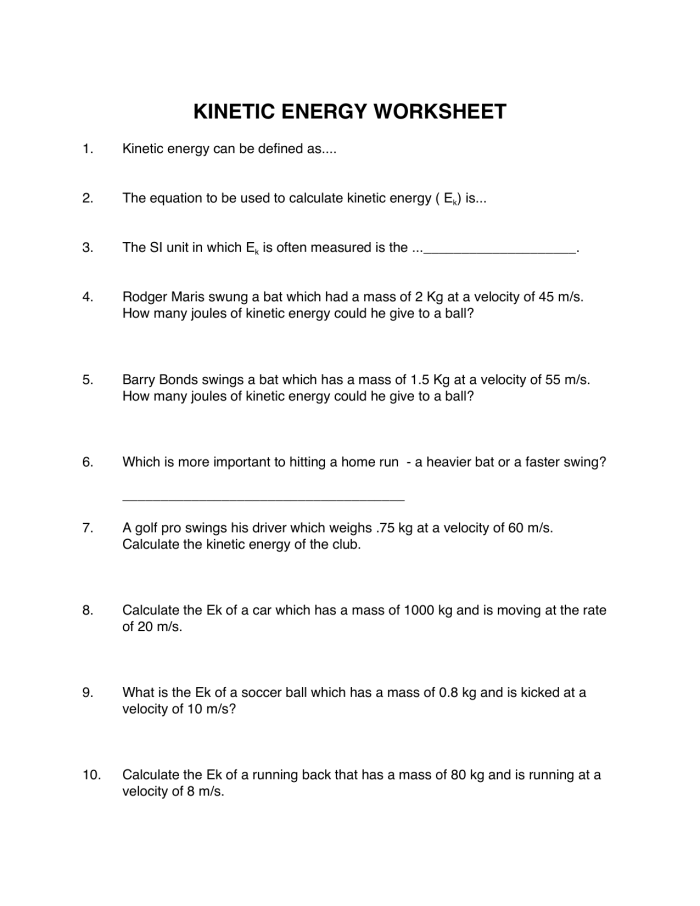
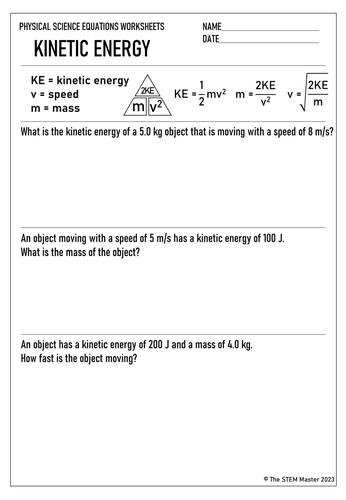
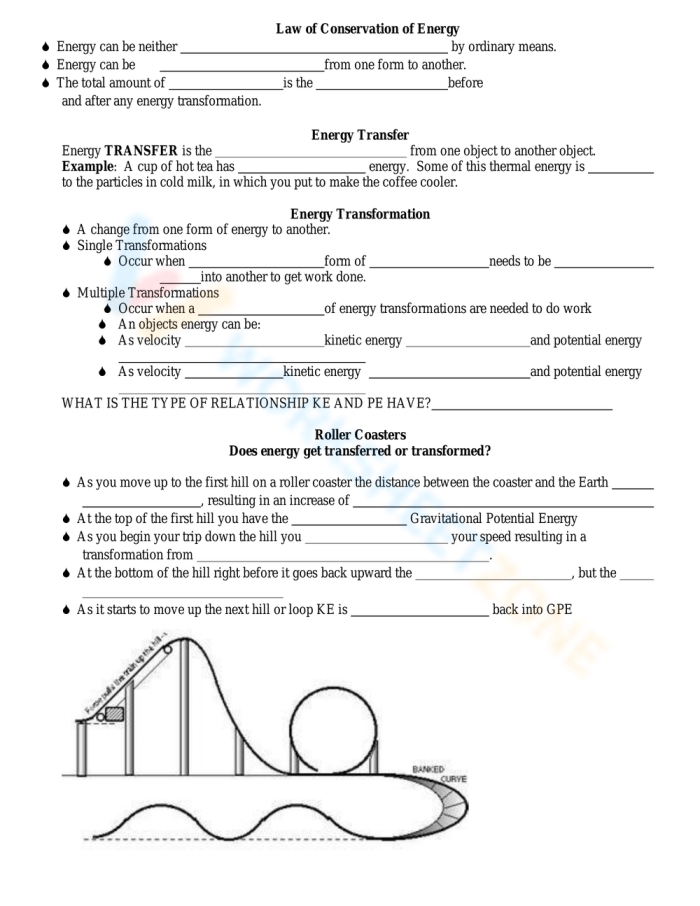
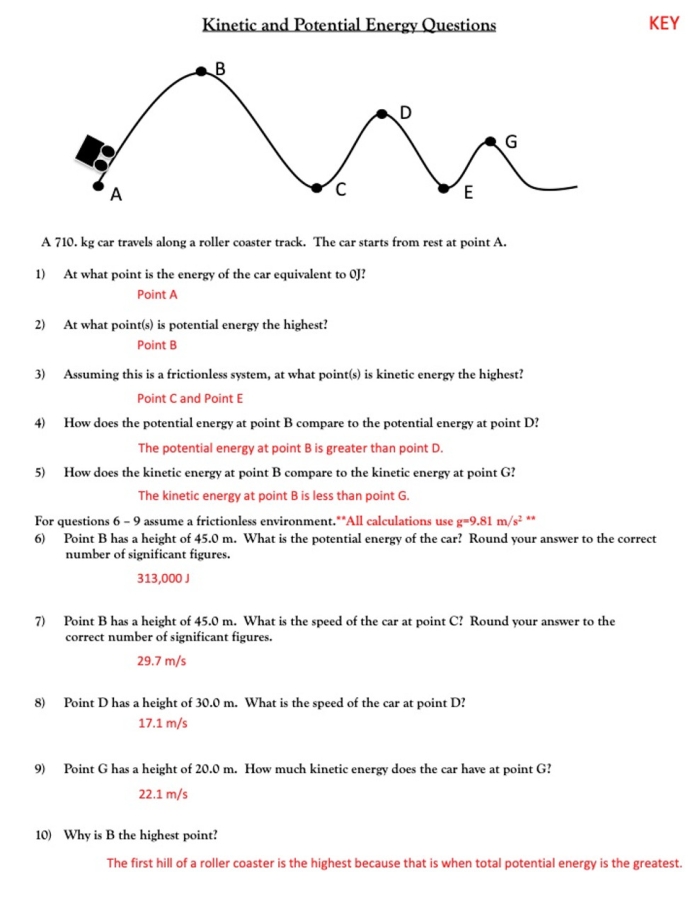
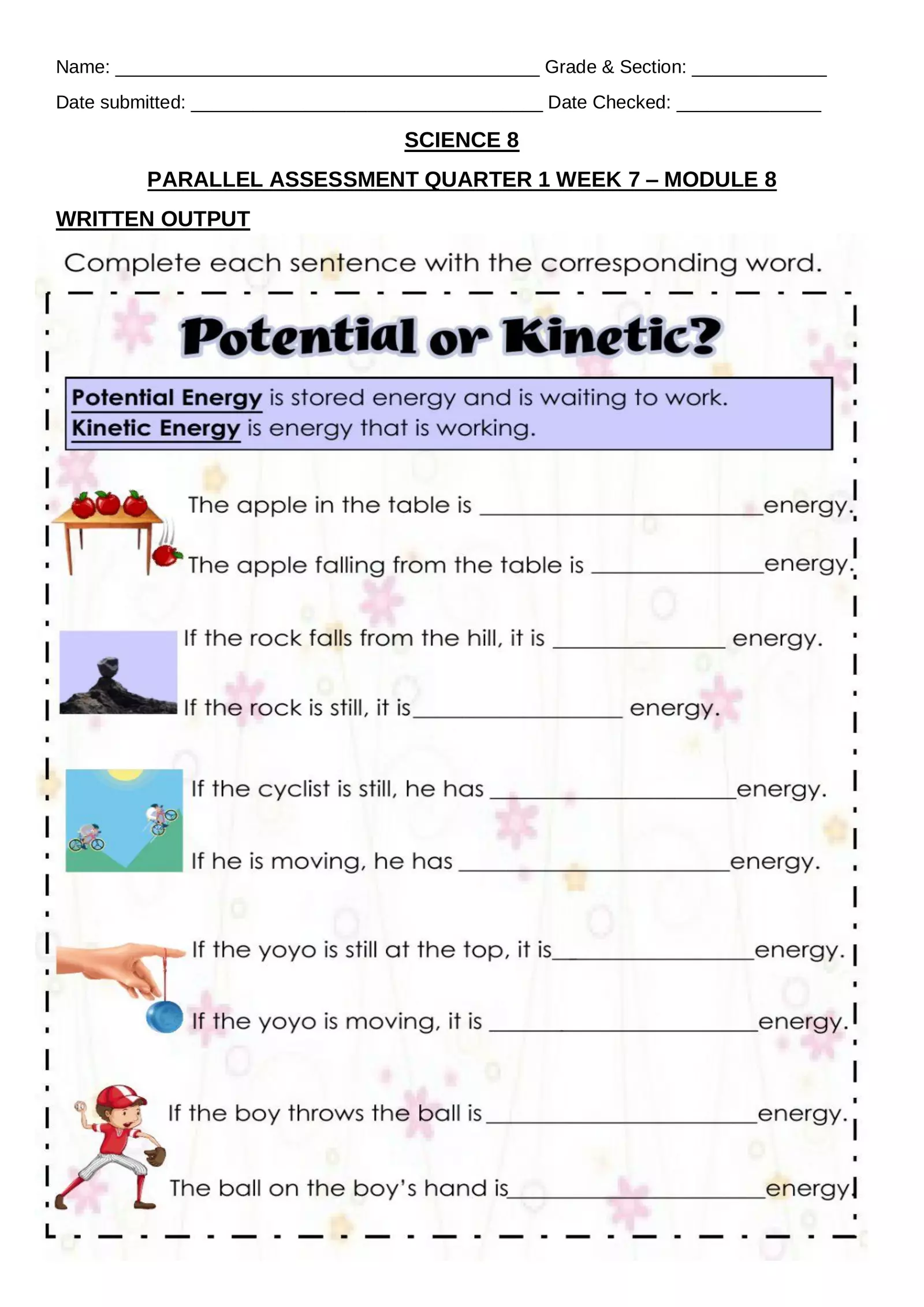
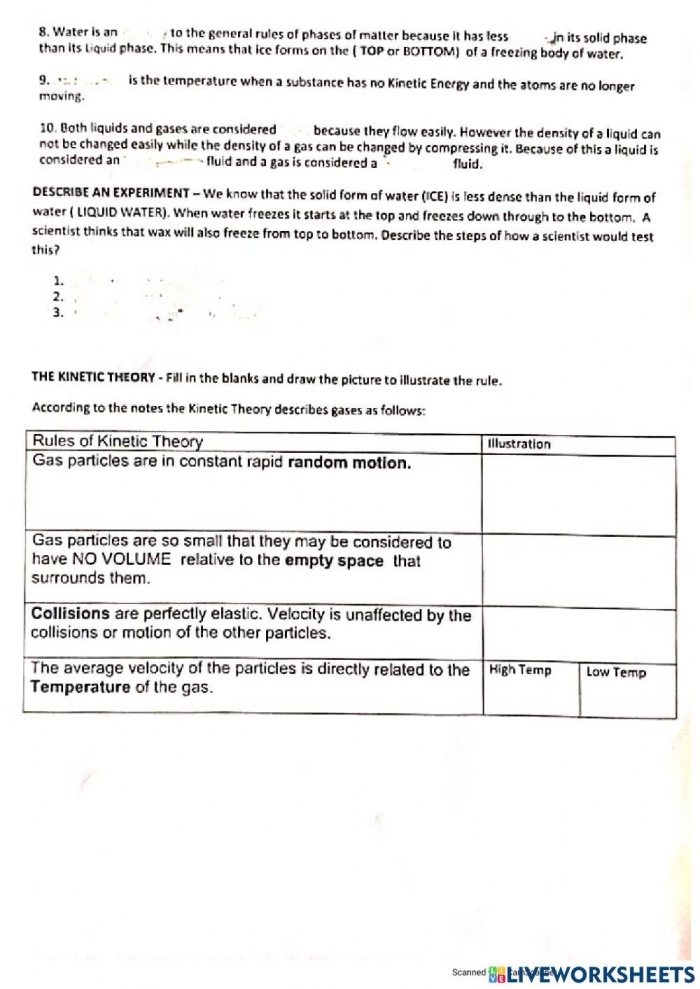
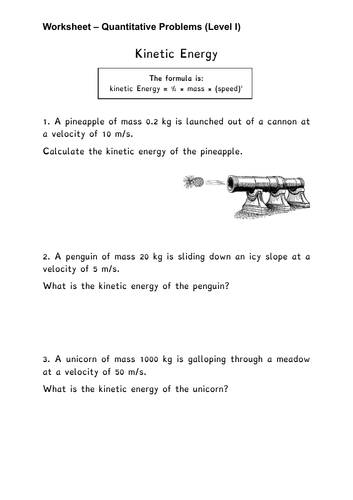
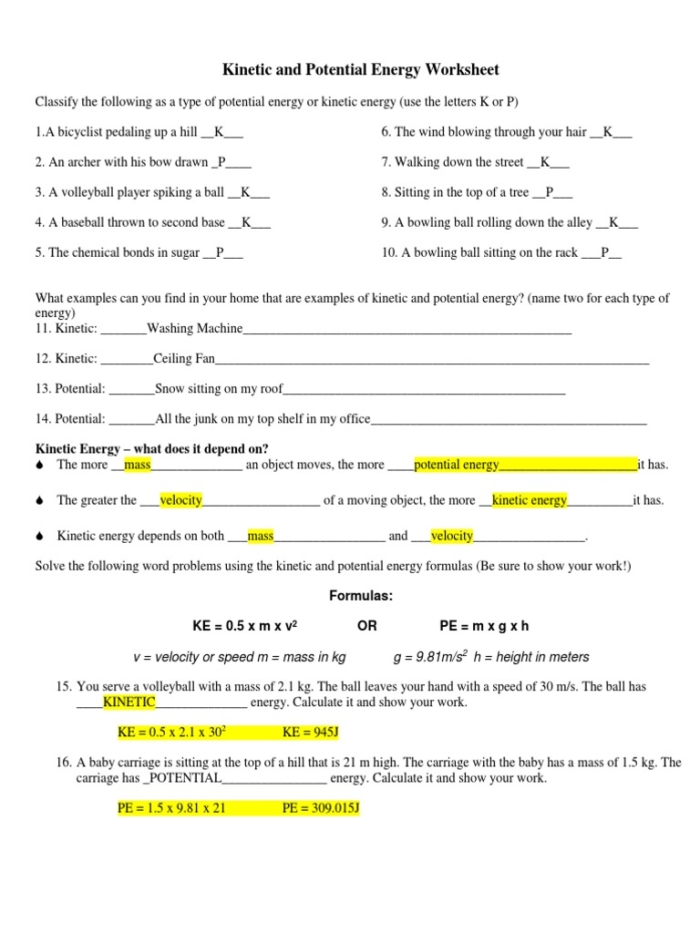
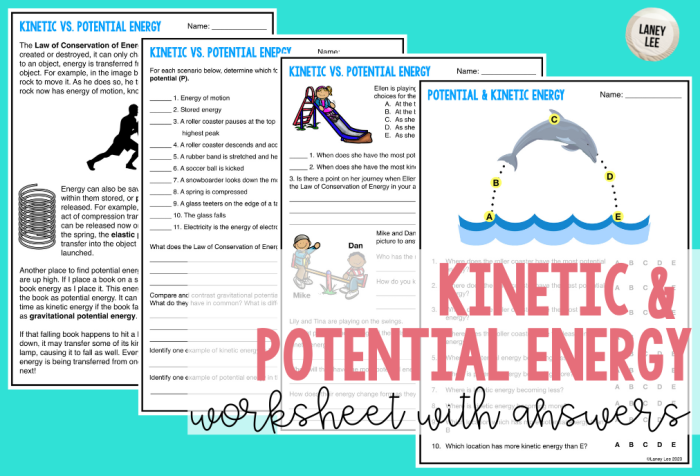
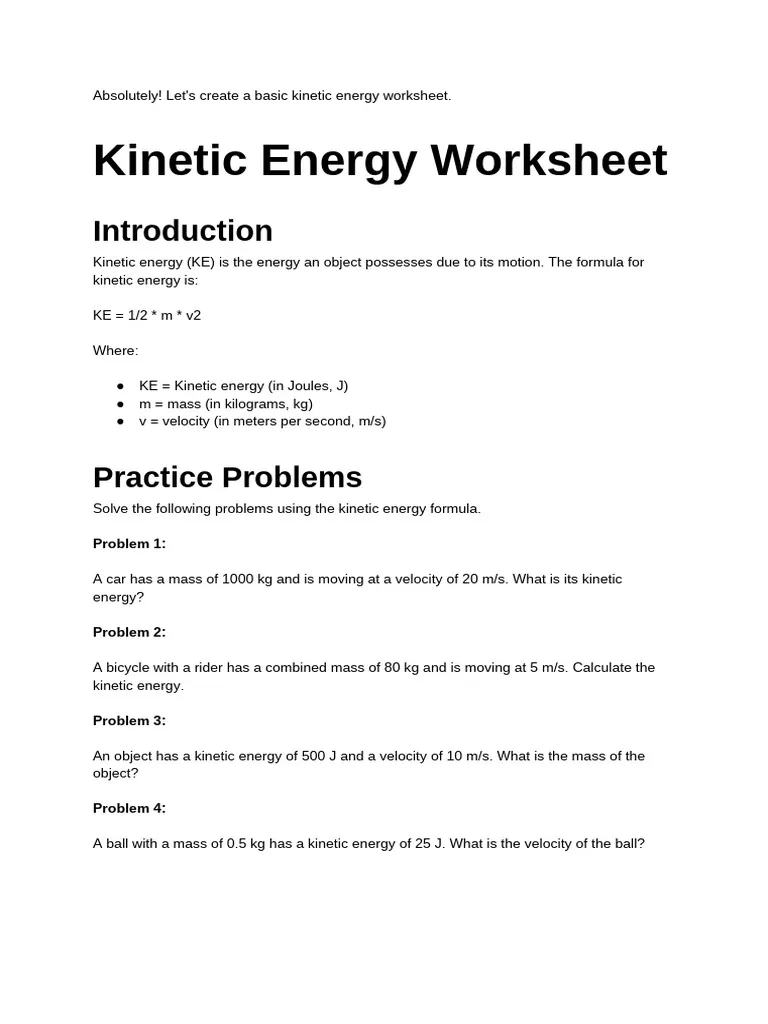
When sixth-grade students first encounter a worksheet about kinetic energy and temperature change, many expect abstract formulas and disconnected diagrams. This two-page physical science worksheet takes a different approach by grounding the concepts in a fictional experiment that feels real enough to engage students while remaining simple enough to understand.
The worksheet presents a scenario where students must predict what happens when objects move at different speeds and measure the resulting temperature changes. Rather than memorizing definitions, students work through the experiment step-by-step, collecting data and observing patterns. This hands-on method helps them grasp why faster-moving objects generate more heat and energy. The fictional framing removes the pressure of a “real” lab while keeping the physics authentic.
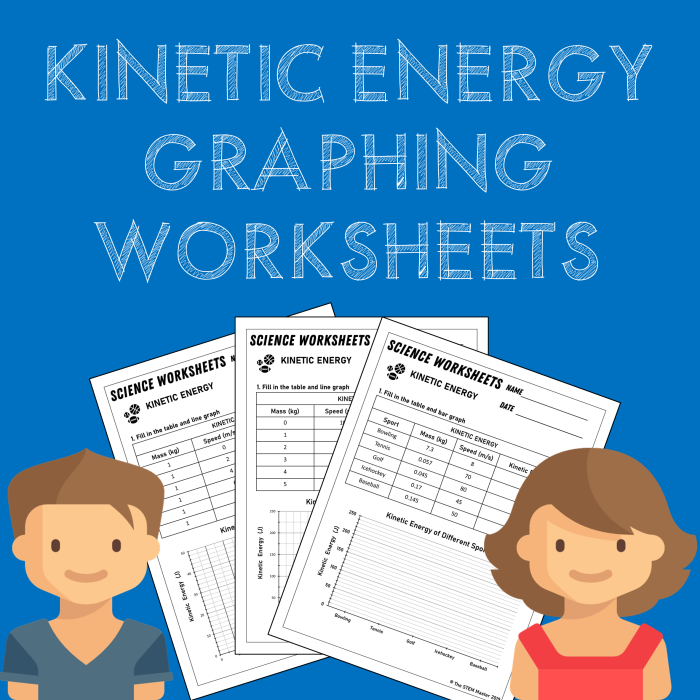
What makes this approach effective for data and graphing skills is how it naturally leads students toward organizing their findings. After completing the experiment section, students must plot their results on a graph, interpret the relationship between speed and temperature, and draw conclusions based on evidence. These graphing components strengthen their ability to visualize scientific relationships, a core skill in sixth-grade science.
The two-page format works well because it prevents cognitive overload. The first page handles the experiment itself, while the second focuses on data analysis and interpretation. Students can complete the experiment without worrying about graphing, then shift their attention fully to representing the data visually.
Teachers often pair this worksheet with other sixth-grade resources. Students who finish early might explore an all-about-me graphic organizer to reflect on their learning process, or they could work on sharing their data through a statistics performance task to practice explaining their findings to classmates. These complementary activities reinforce the connection between hands-on science and clear communication of results.
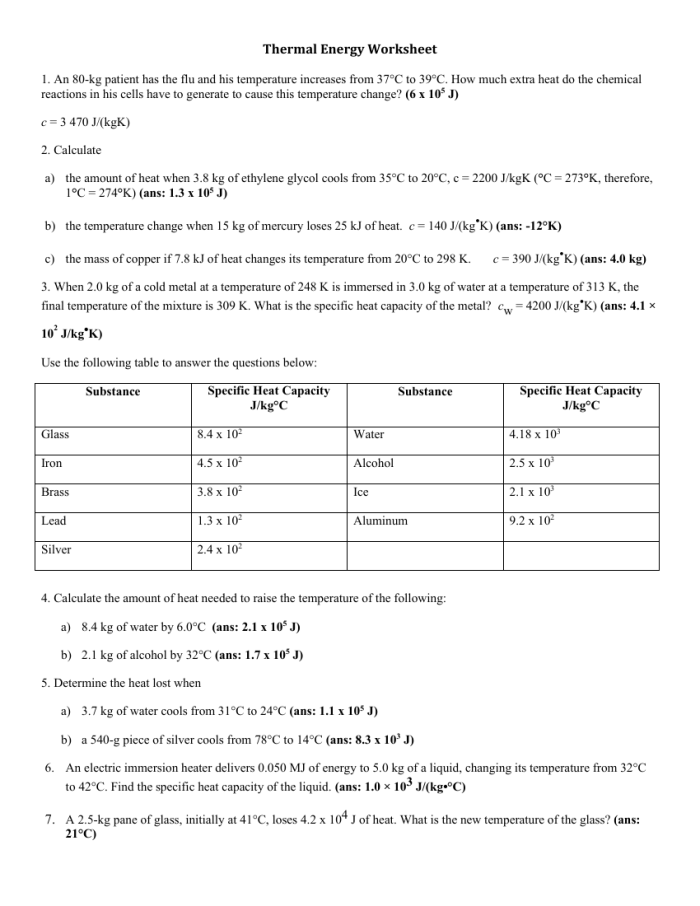
Worksheet Practice Section