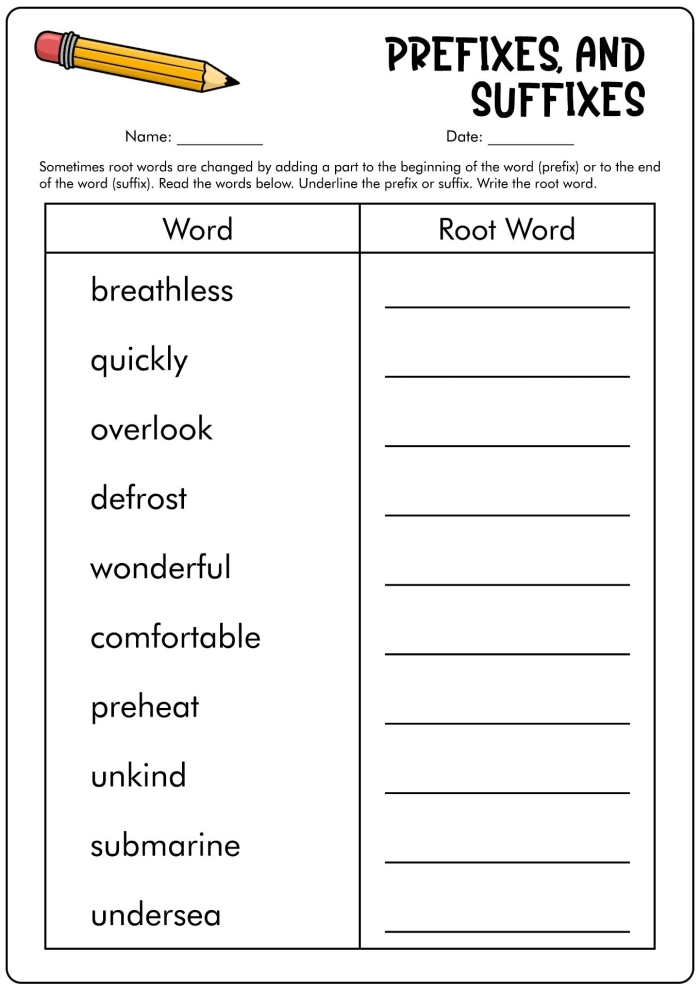
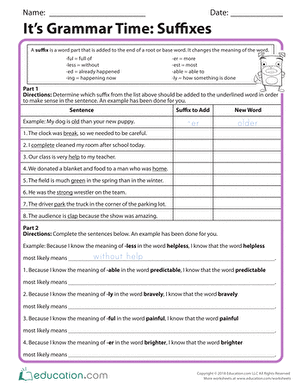
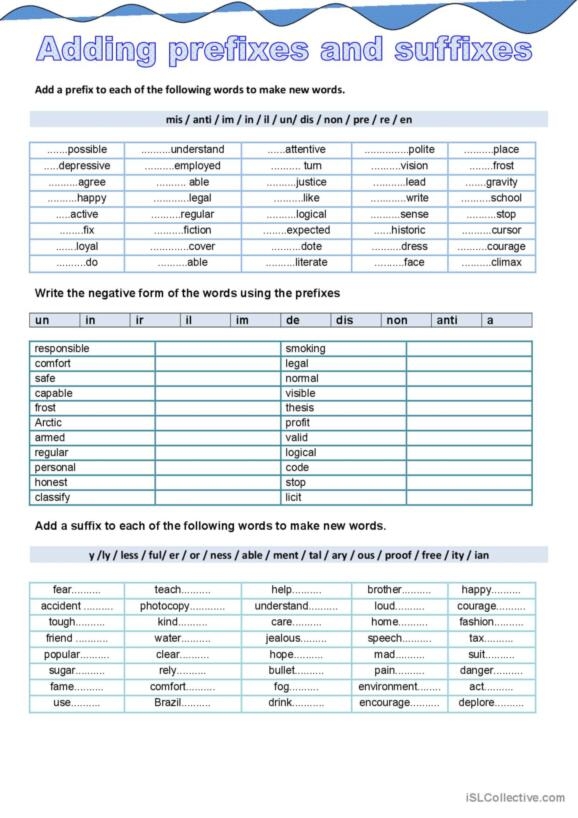
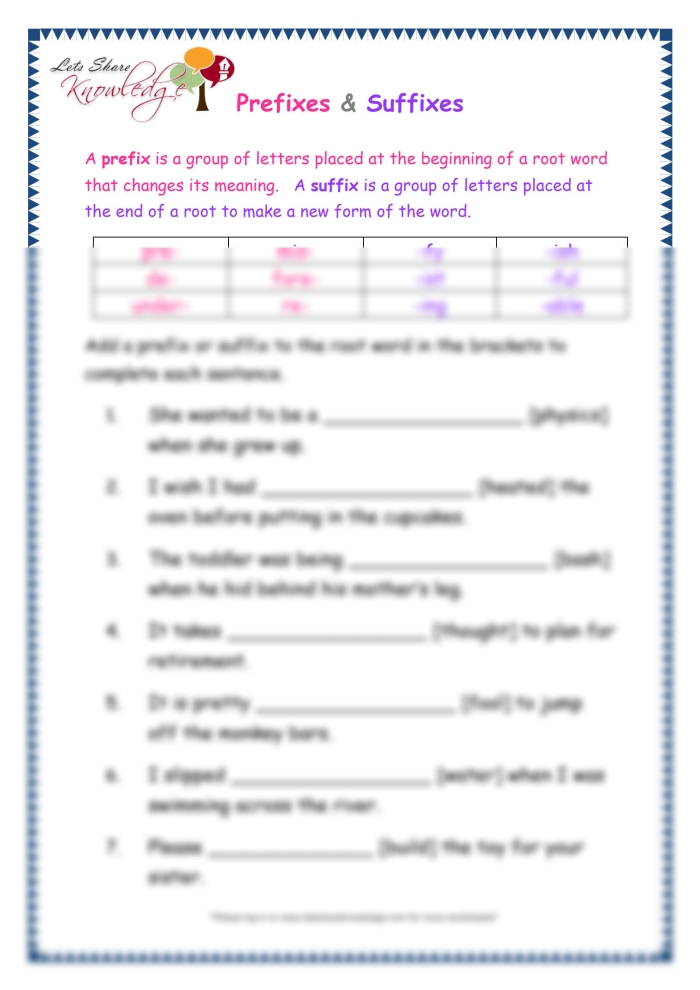
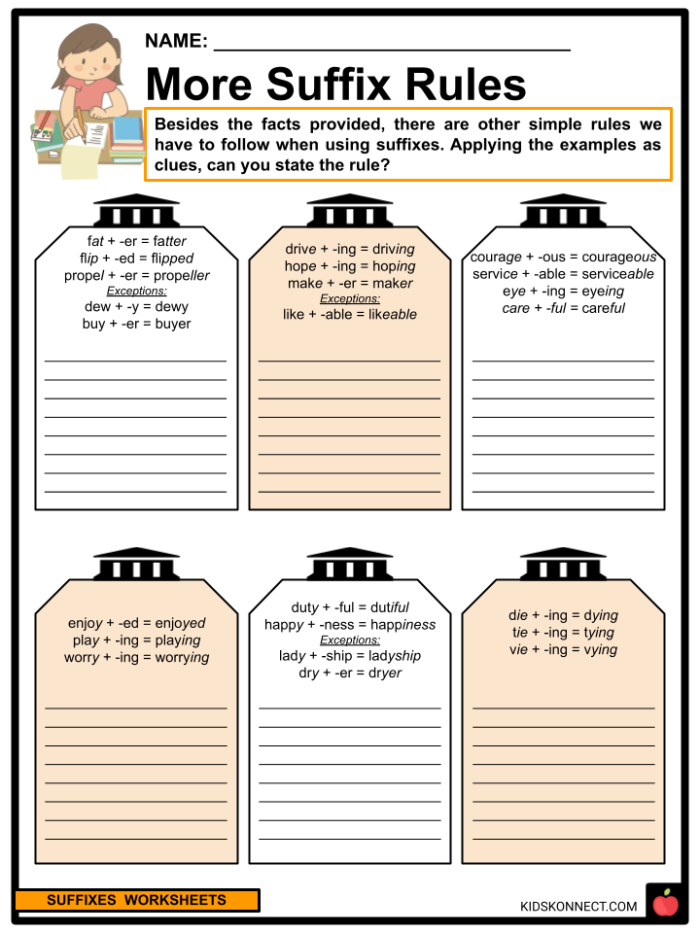
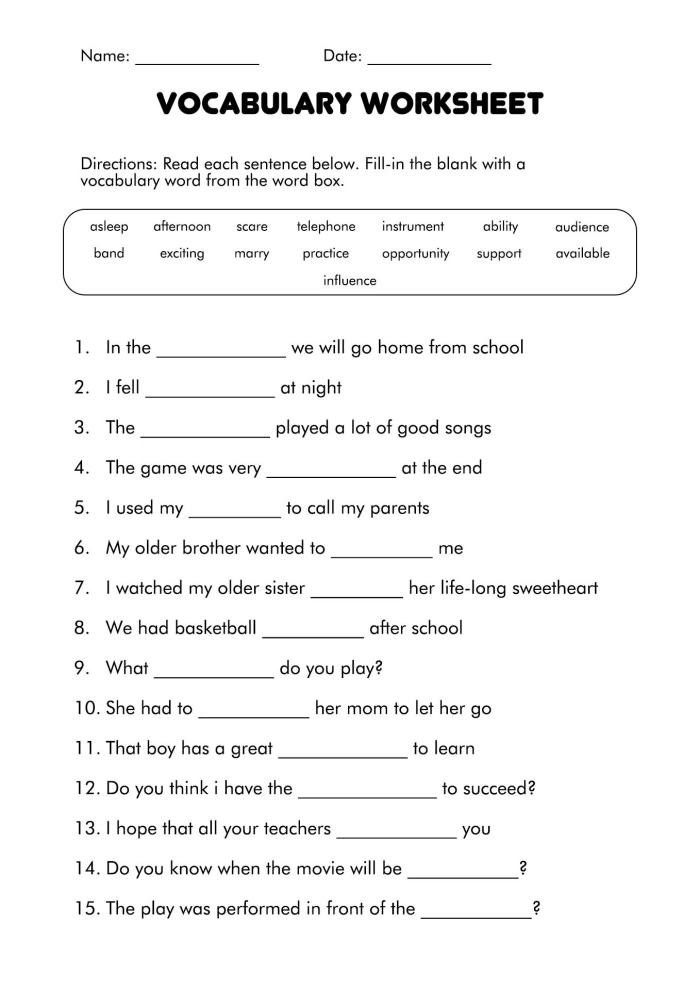
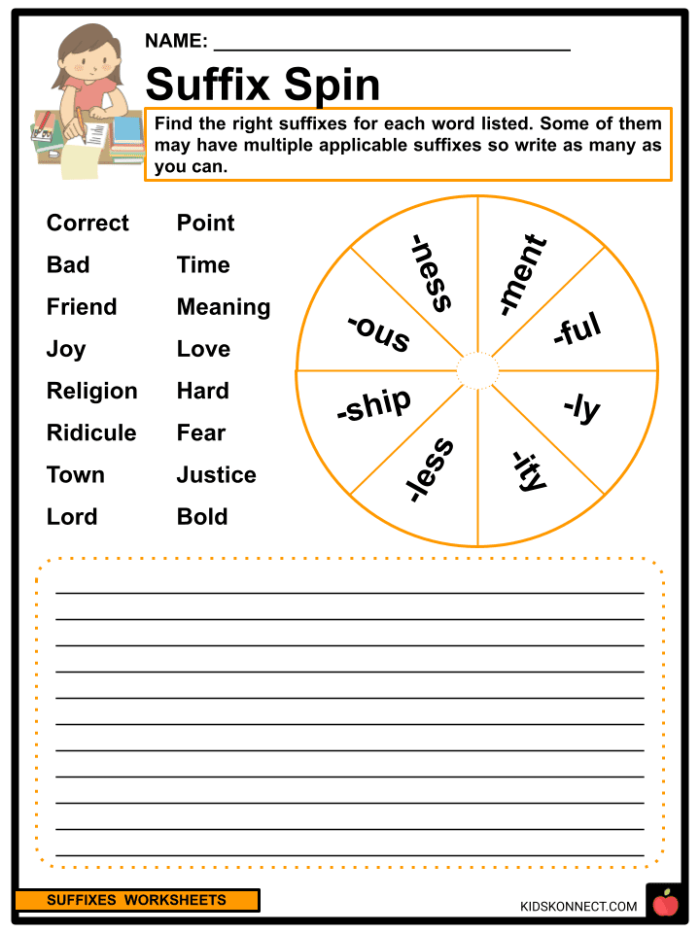
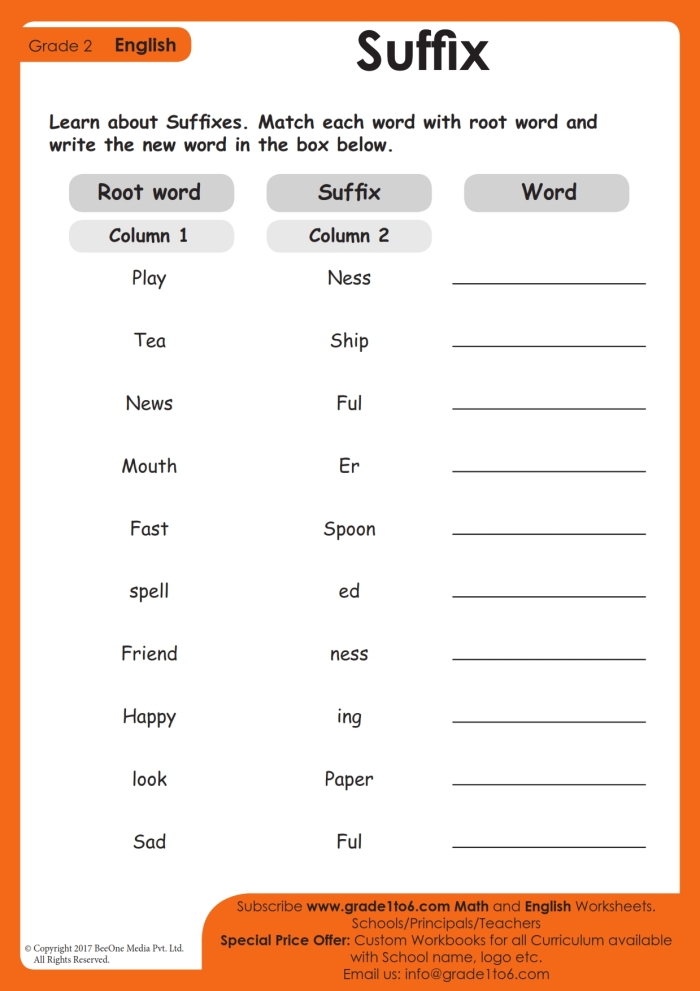
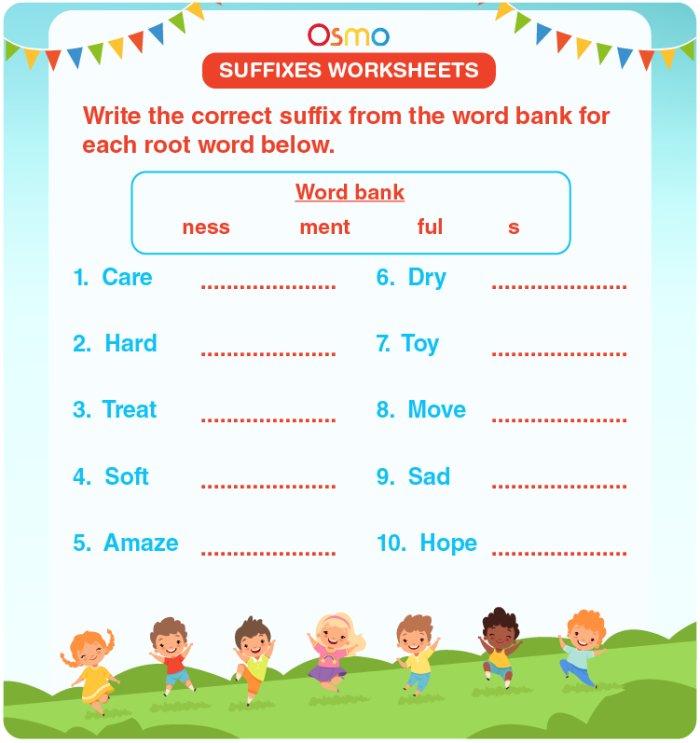
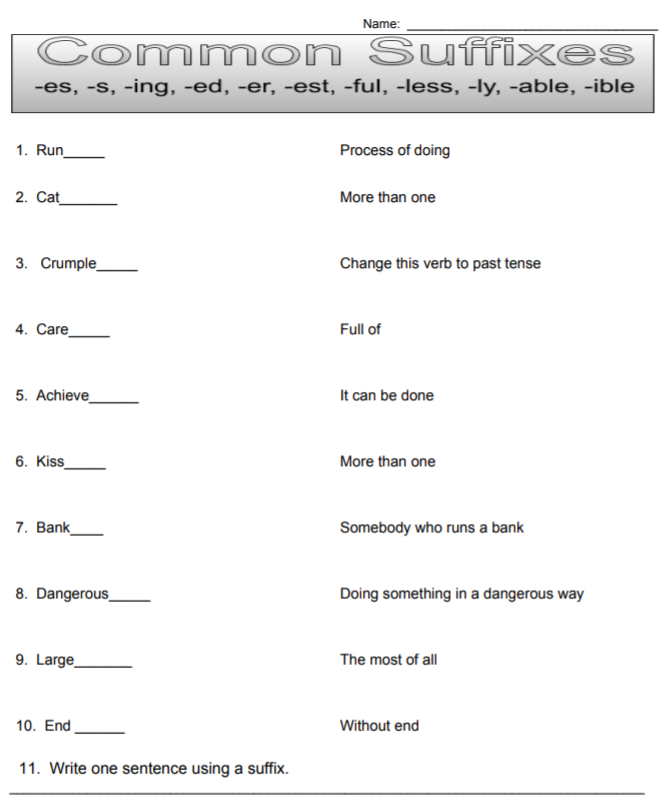
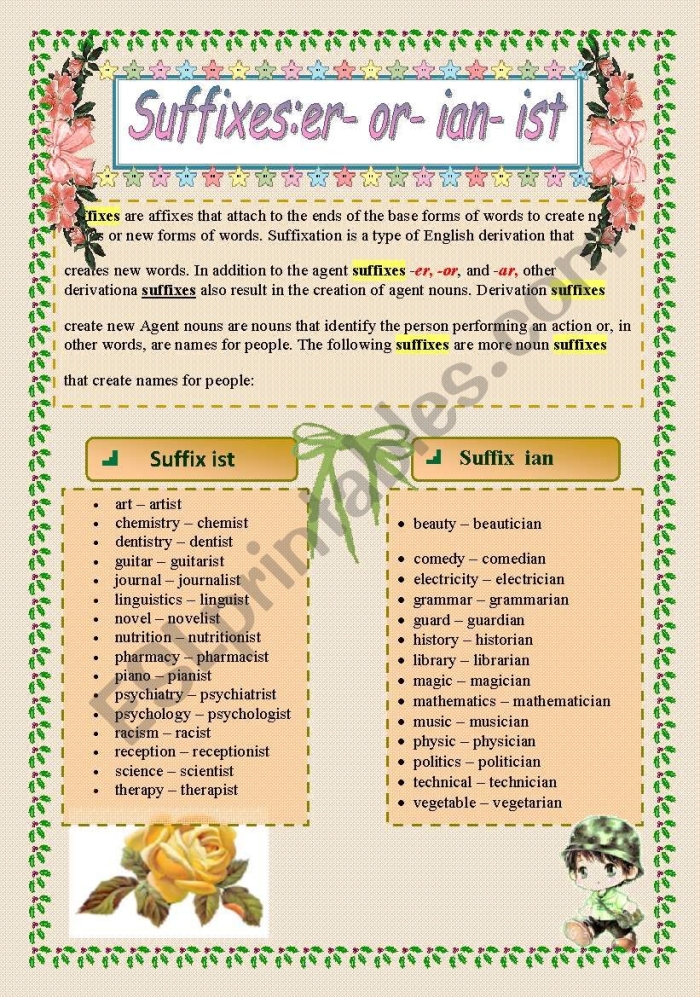
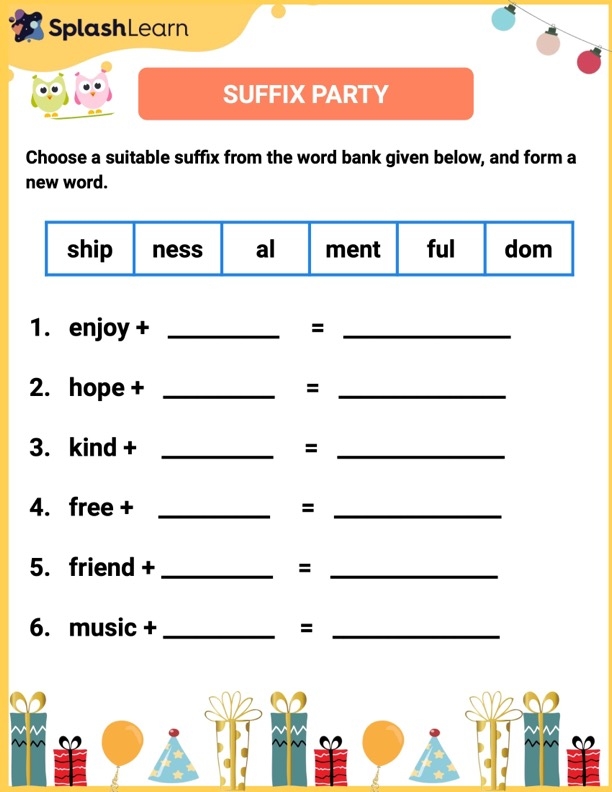
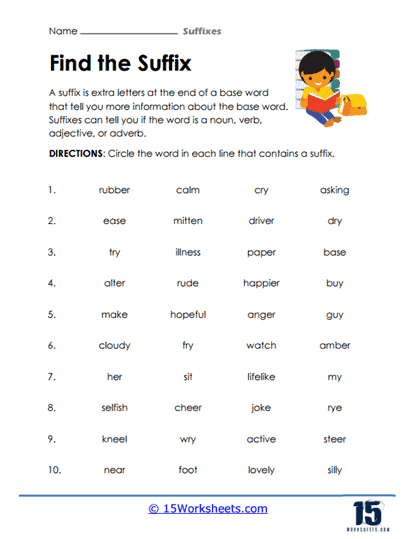
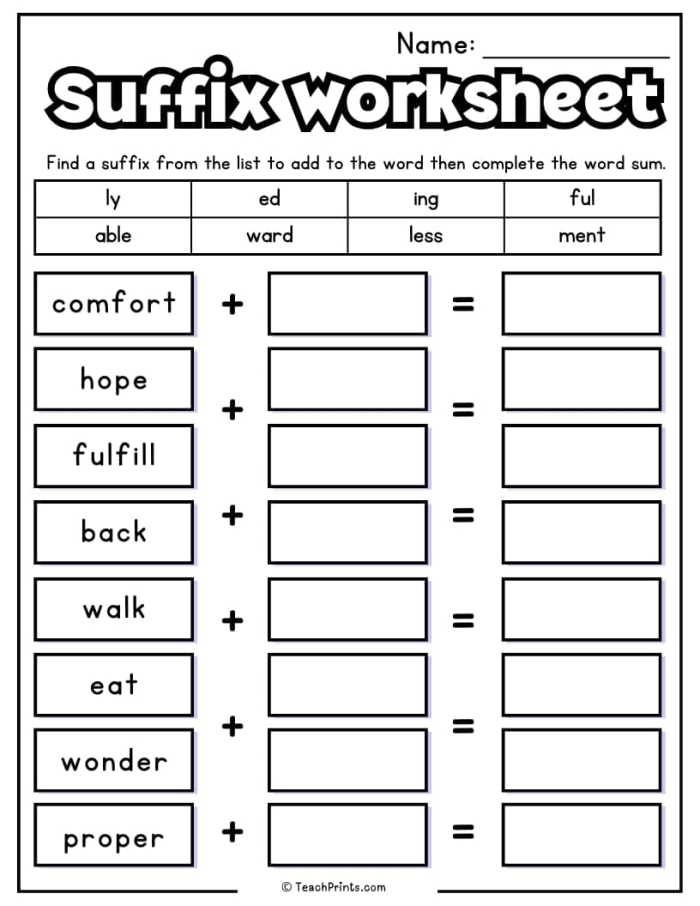
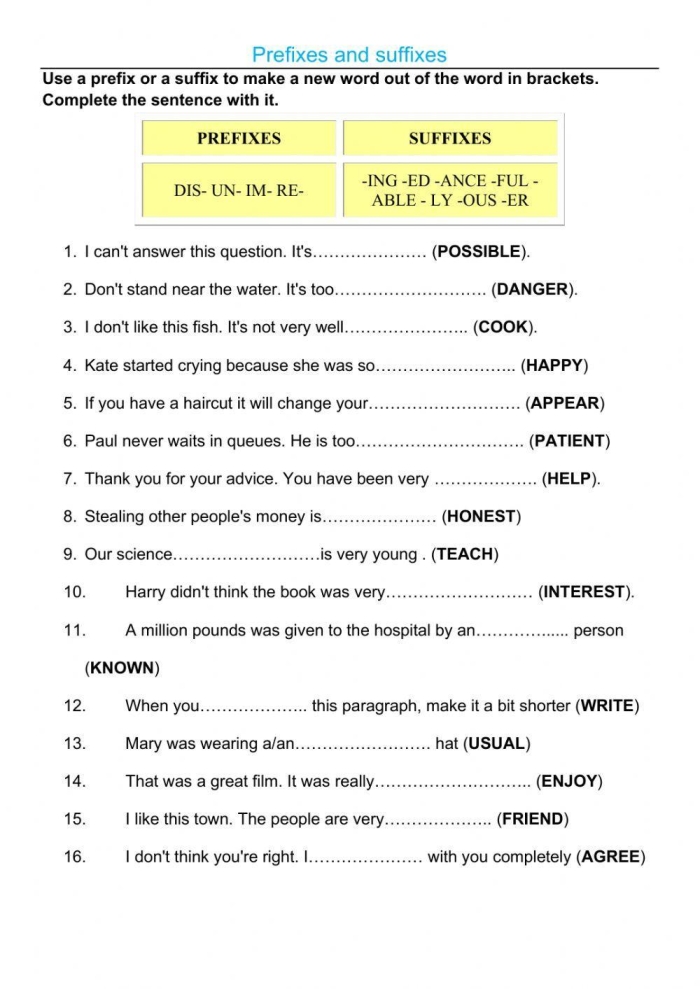
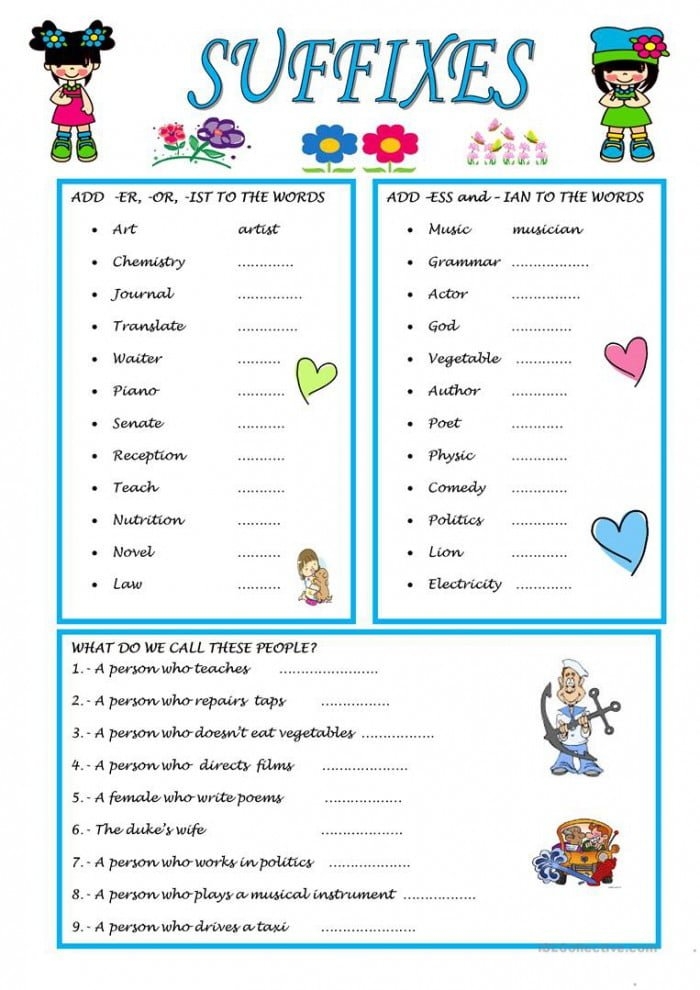
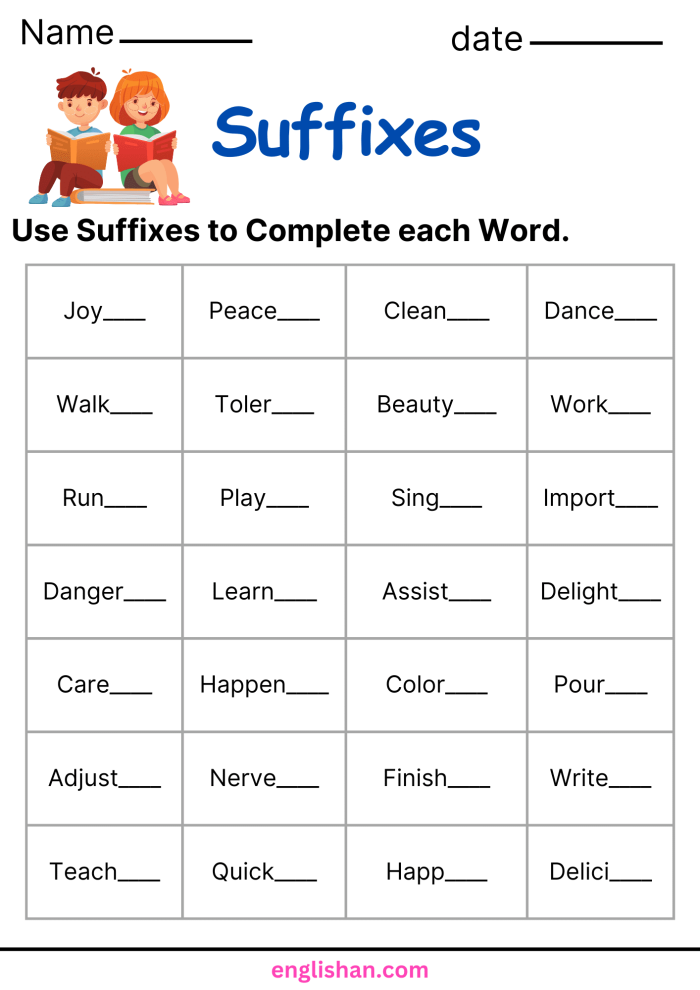
Understanding suffixes can be a powerful tool for third graders as they expand their vocabulary. With this resource, your students will use the meaning of suffixes to determine the meaning of new words. This approach not only enhances their comprehension but also equips them with strategies to tackle unfamiliar terms in their reading and writing.
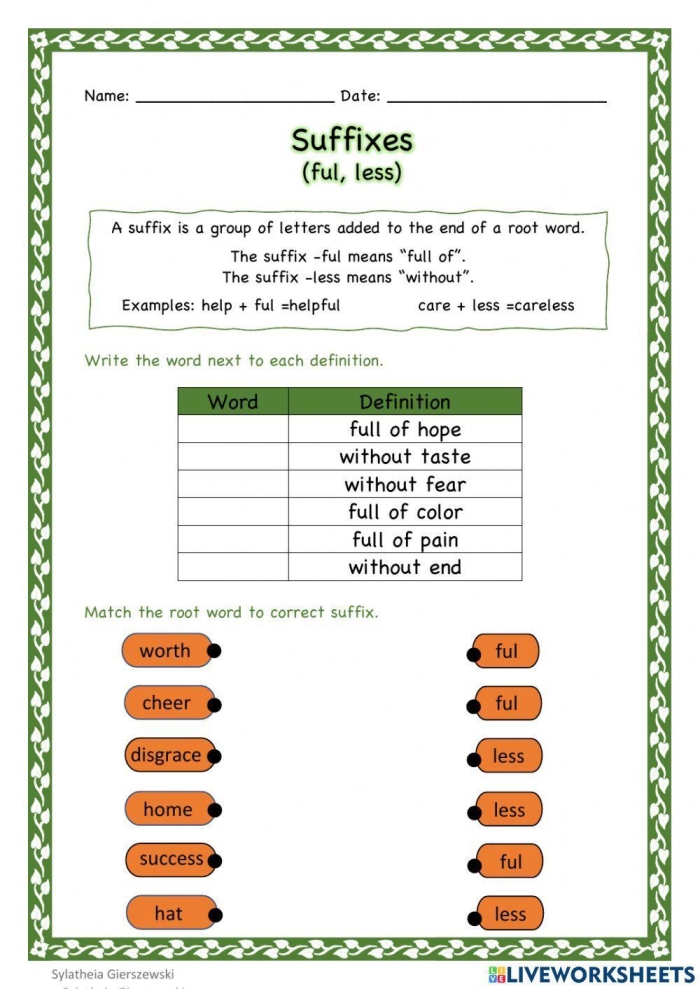
Suffixes are word endings that often change the meaning or part of speech of a word. For example, adding the suffix “-ful” to the word “joy” transforms it into “joyful,” indicating a state of being full of joy. This simple change provides insight into the word’s meaning, allowing students to make educated guesses about new vocabulary they encounter. By recognizing common suffixes, third graders can unlock a wealth of new words and improve their overall language skills.
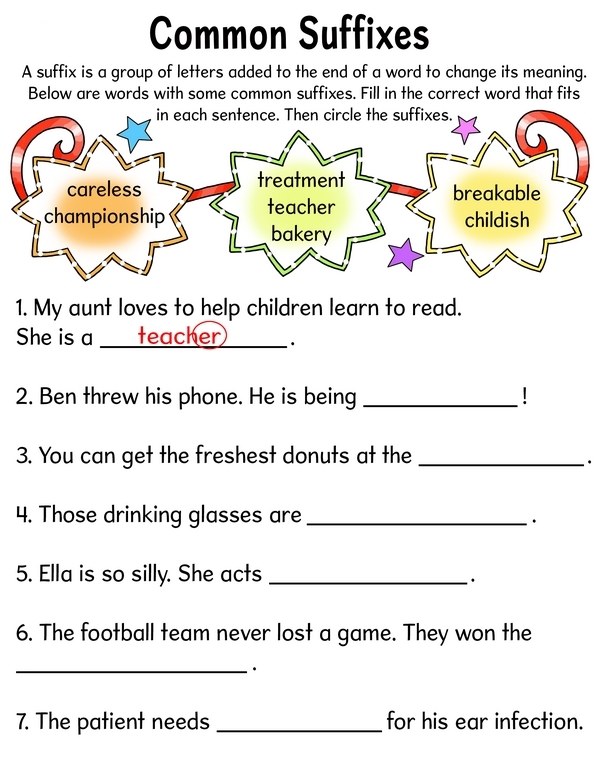
Implementing this resource in your classroom can be both engaging and educational. You might start with a lesson introducing several common suffixes, such as “-ness,” “-ly,” and “-ed.” From there, students can practice identifying these suffixes in various words and use context clues to determine their meanings. For instance, when they see the word “happiness,” they can break it down into “happy” (the root) and “-ness” (the suffix), concluding that it refers to the state of being happy.
To reinforce their learning, consider integrating activities that include the grammar and mechanics worksheets available on Lumina Worksheet. These activities can provide fun, hands-on practice that solidifies their understanding of suffixes while enhancing their reading and writing skills.
Incorporating suffixes into your lessons allows students to gain confidence in their language abilities. They become not just passive learners but active explorers of words, discovering how language works and how to navigate it effectively. This foundational skill will serve them well beyond the classroom, fueling their curiosity and love for learning.
Practice with These Worksheets