Understanding prime numbers and polygon types is essential for fourth graders as they build their mathematical foundation. In the classroom, students engage in hands-on activities that help them identify prime numbers, regular polygons, and irregular polygons. Each of these concepts plays a crucial role in developing their analytical skills.
Prime numbers are fascinating. A prime number is defined as a natural number greater than one that cannot be formed by multiplying two smaller natural numbers. For example, 2, 3, 5, and 7 are prime numbers. Students often enjoy exploring patterns among these numbers, which can lead to interesting discussions about factors and multiples. Engaging with prime numbers not only enhances numerical proficiency but also encourages critical thinking.
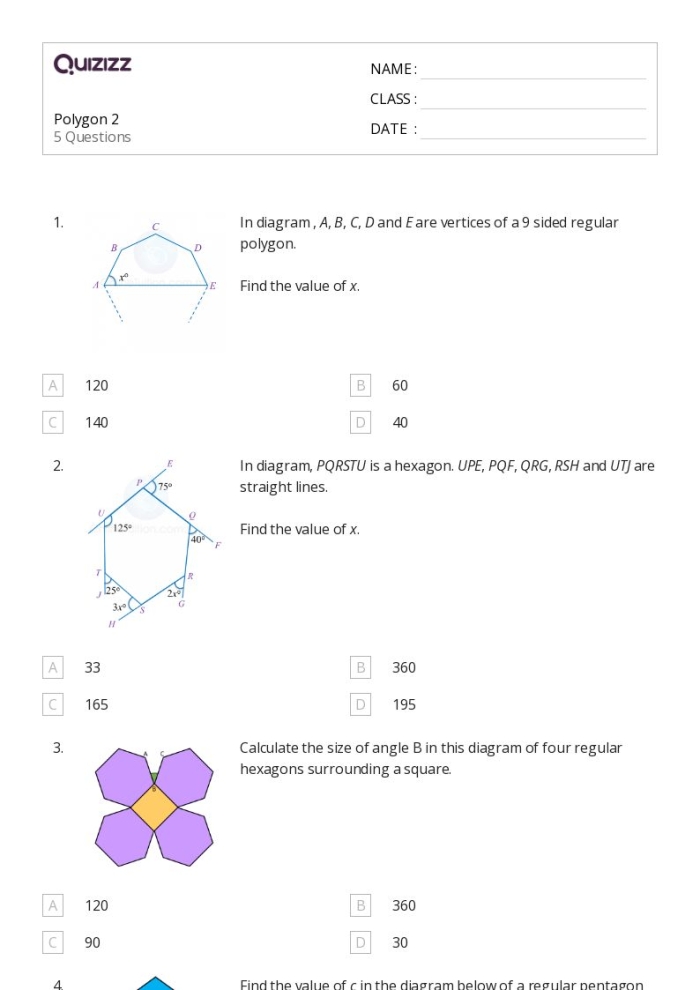
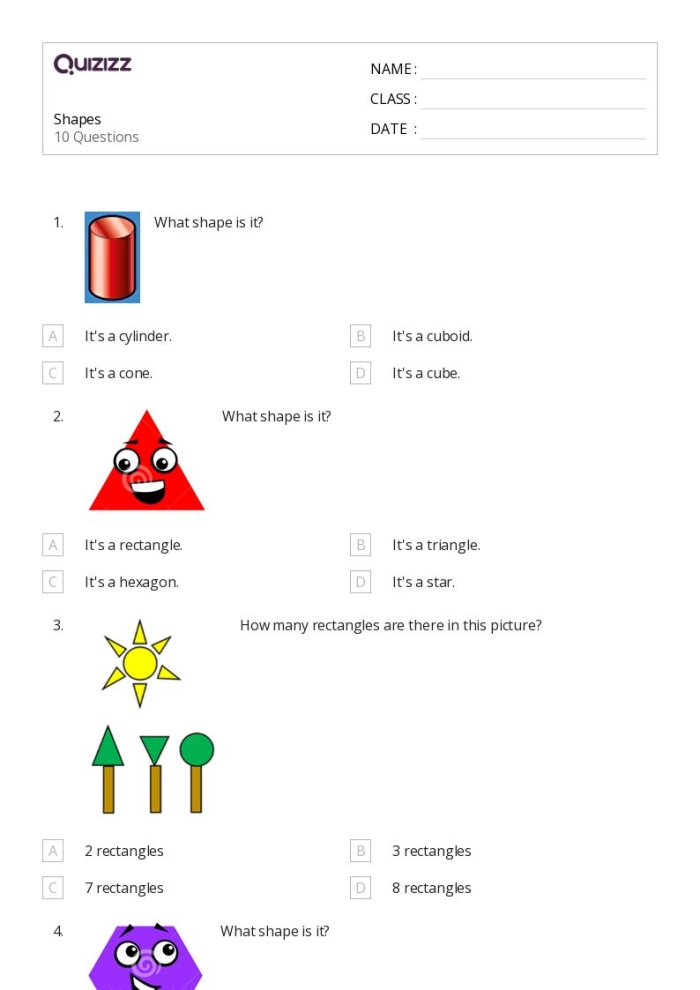
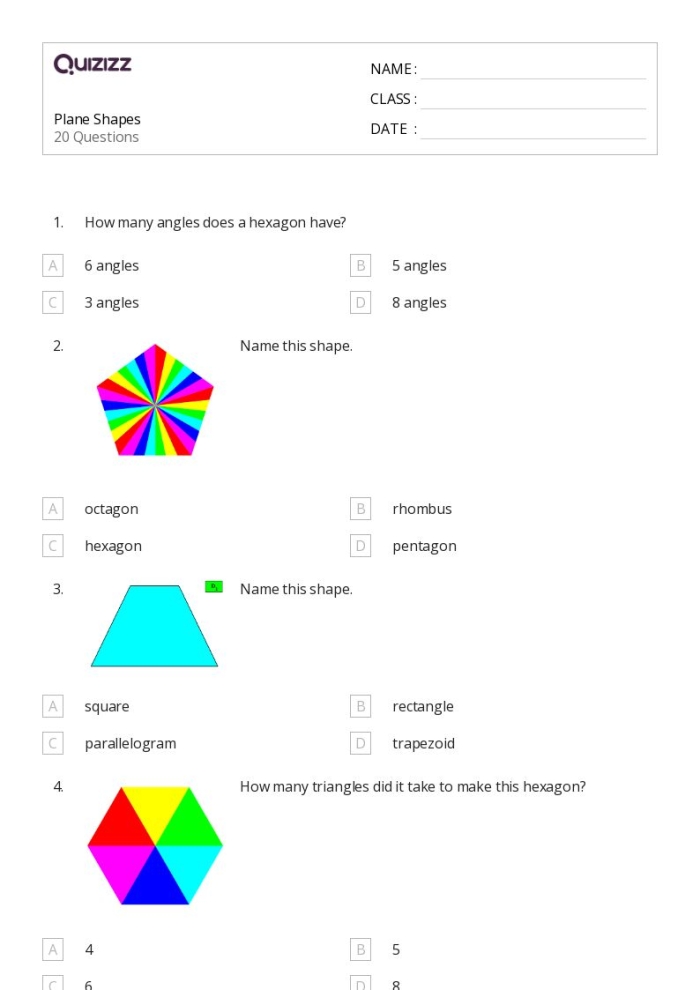
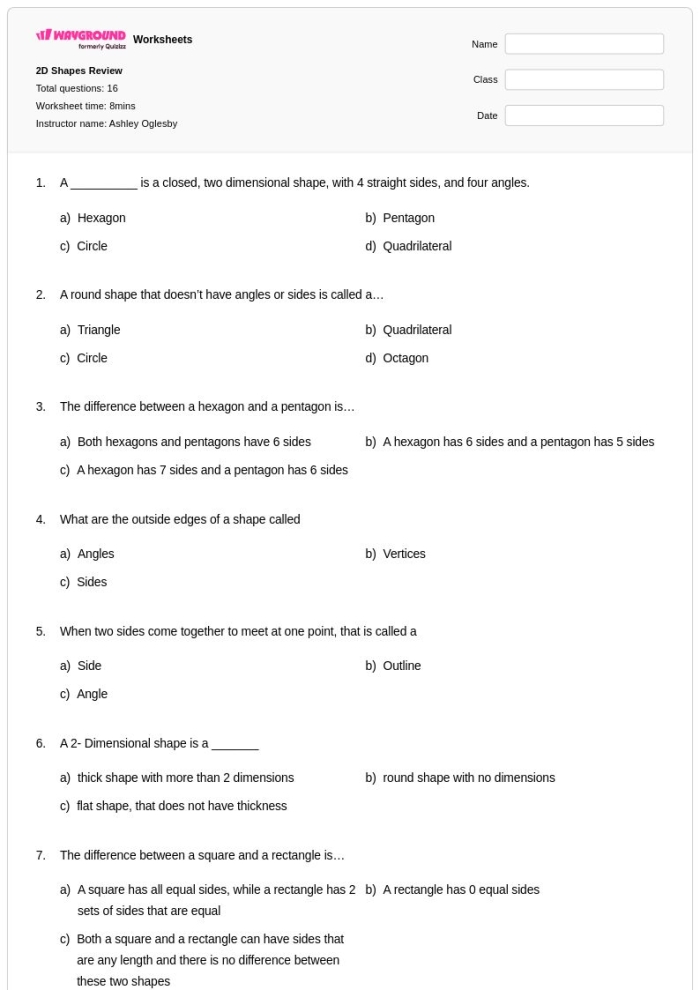
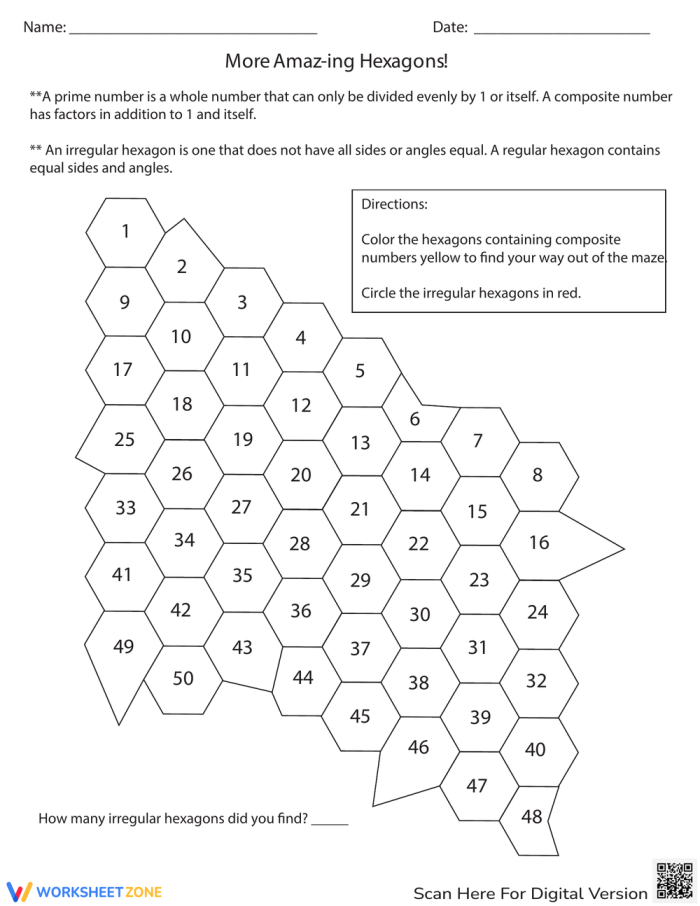
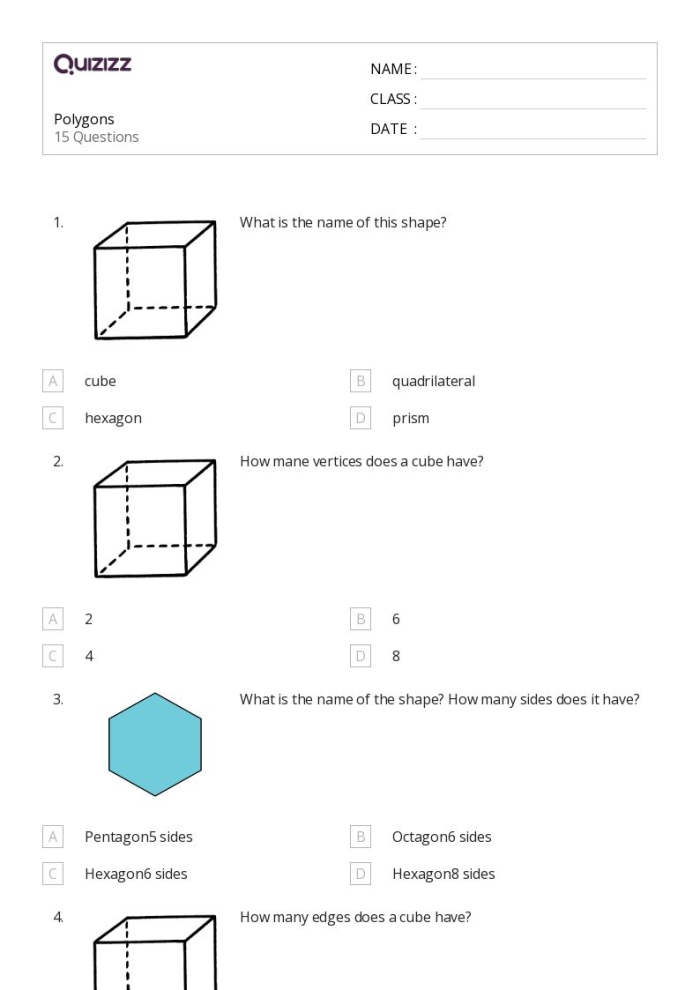
When it comes to shapes, understanding regular and irregular polygons is equally important. Regular polygons, such as squares and equilateral triangles, have equal sides and angles, while irregular polygons do not. Activities that involve sorting or classifying these shapes can be both fun and informative. Students can create their own regular polygons using craft materials, helping them visualize the differences. For instance, taking a closer look at a hexagon, which has six sides, allows students to appreciate the symmetry and its properties.
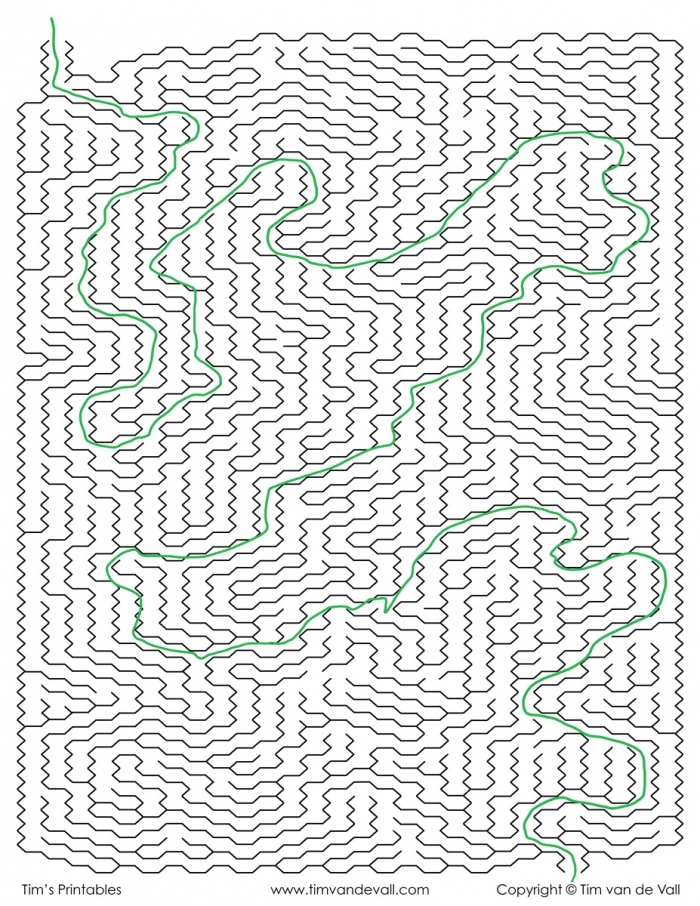
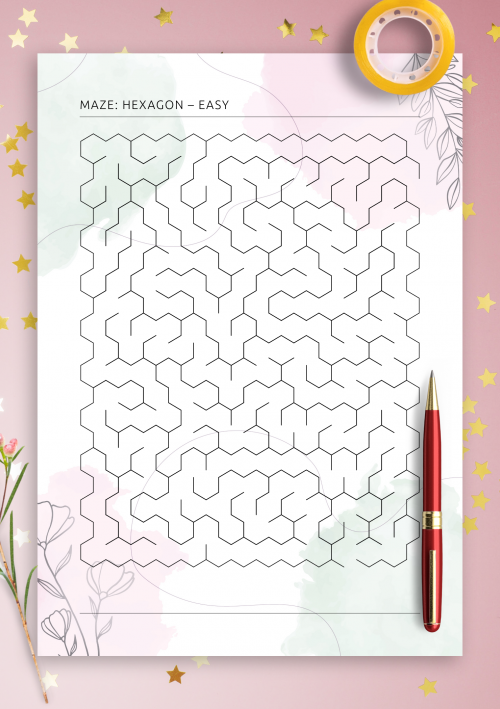
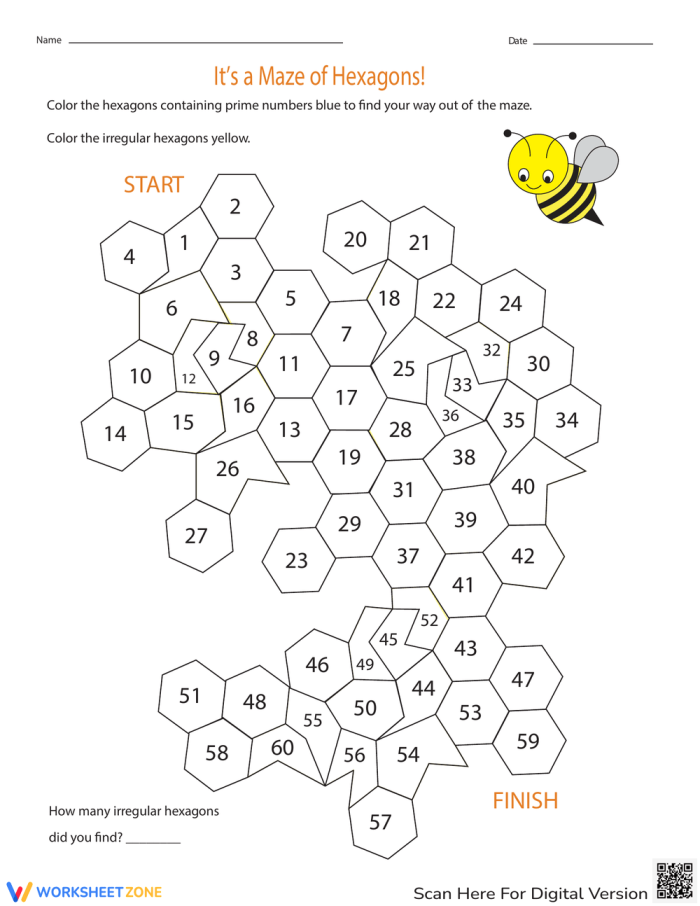
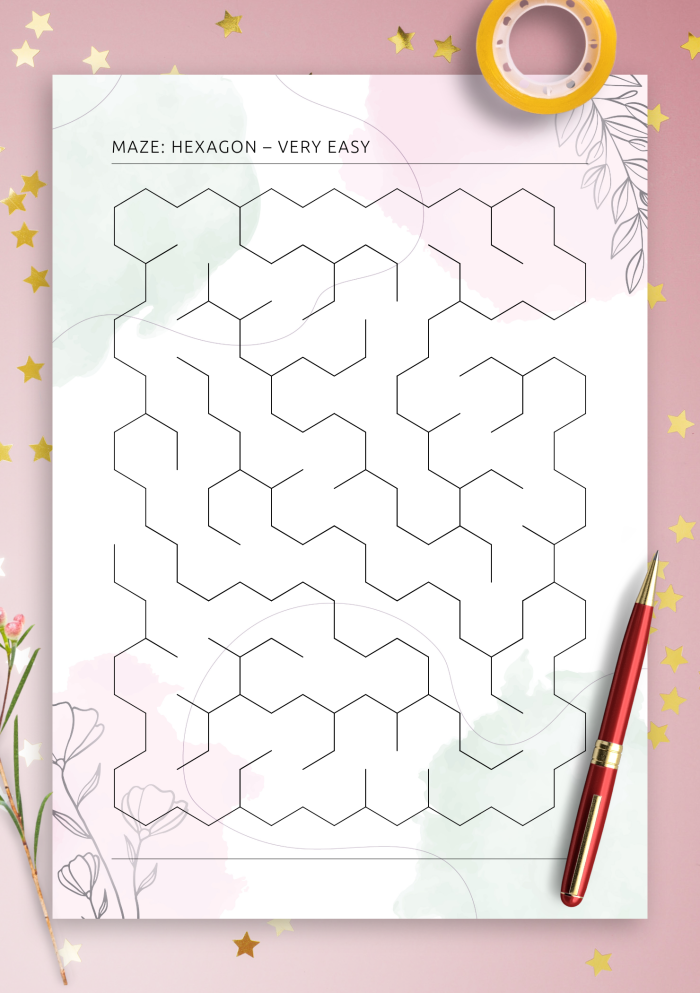
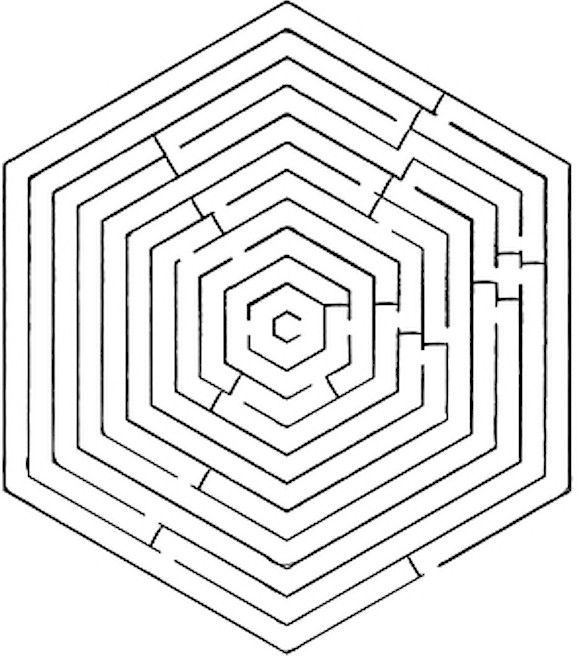
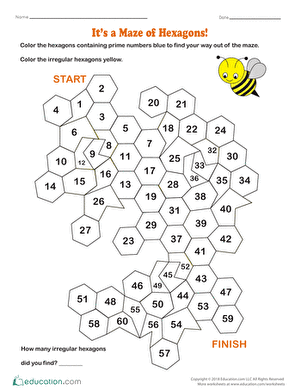
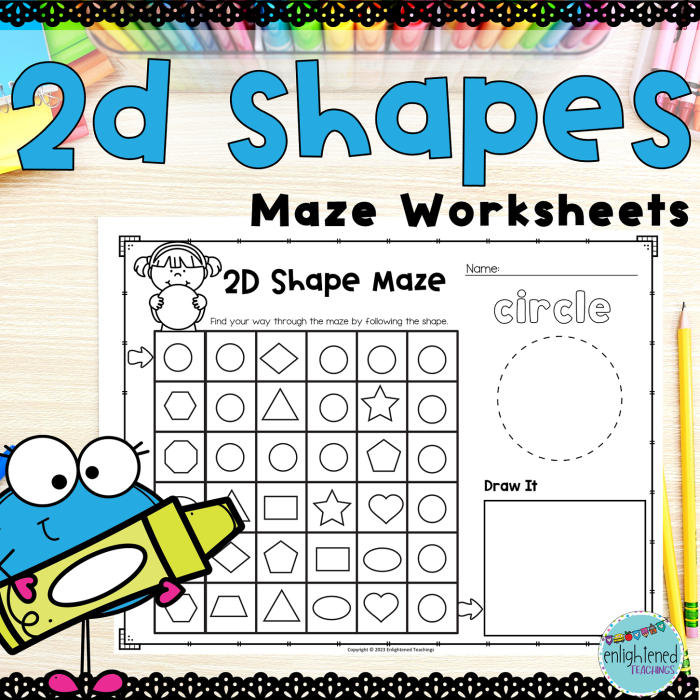
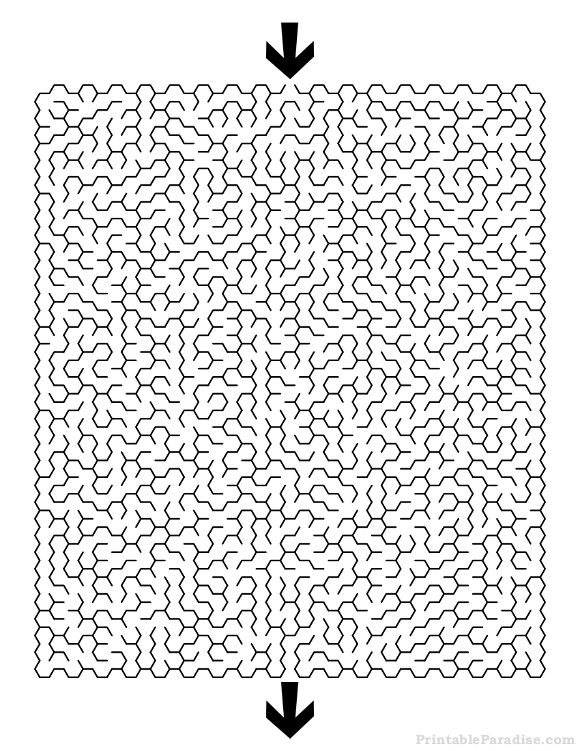
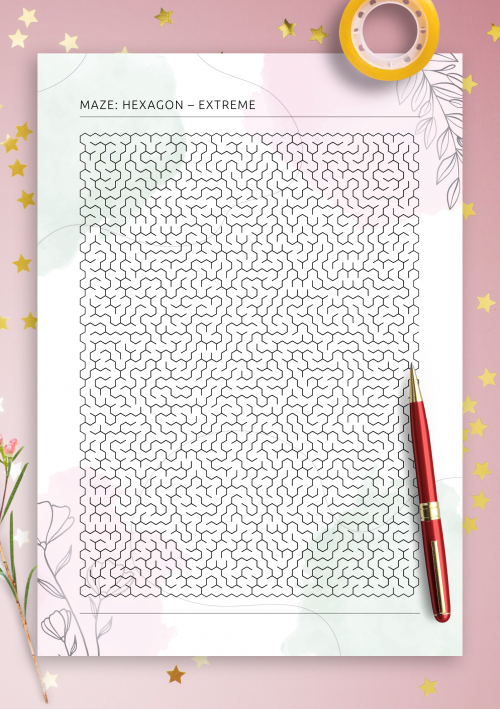
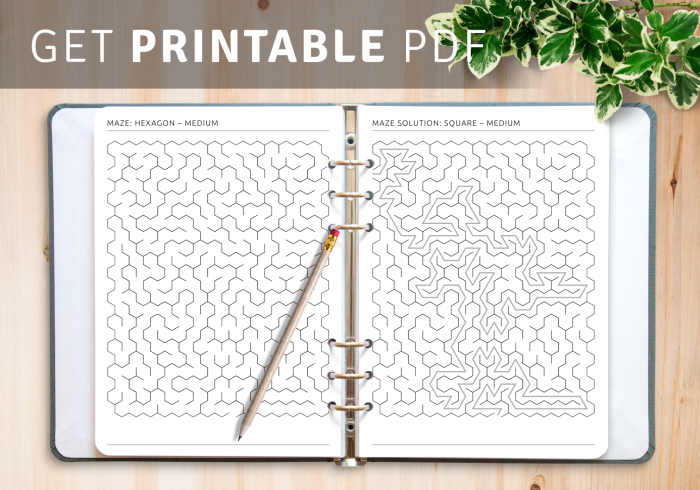
Practicing these concepts through worksheets can also reinforce learning. For example, the Printable It’s a Maze of Hexagons! worksheets provide engaging ways for students to identify shapes while applying their knowledge of numbers. Furthermore, integrating writing activities, like creating stories about their favorite shapes or prime numbers, can deepen their understanding and retention.
By actively participating in identifying prime numbers and polygons, fourth graders not only master essential math skills but also develop a love for learning that will benefit them in the years to come.
Boost Skills with These Worksheets