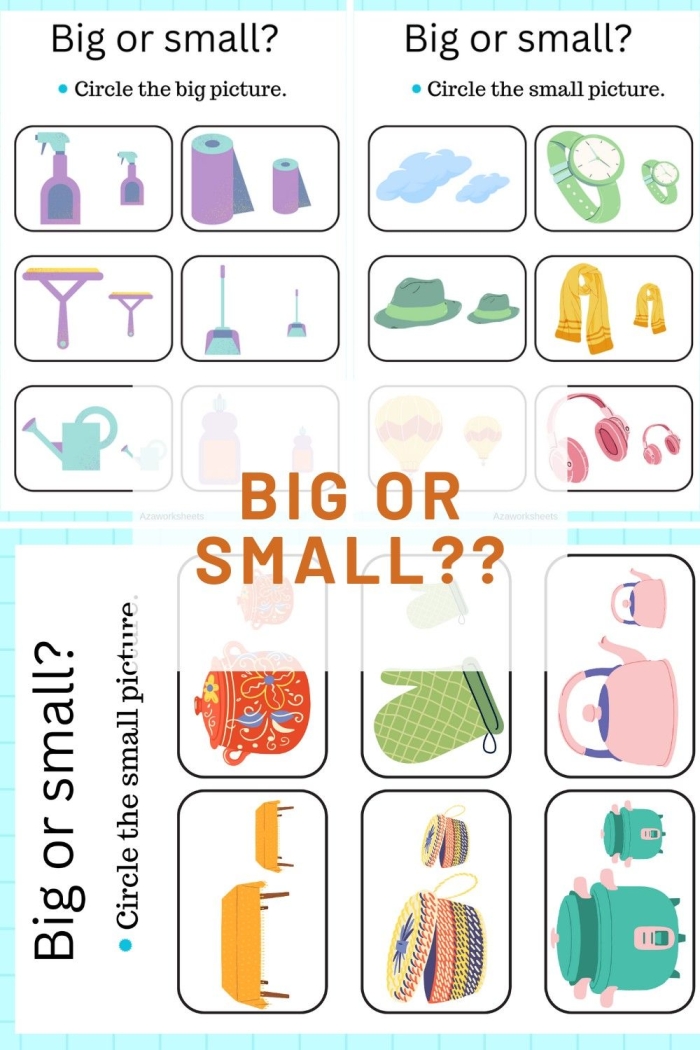
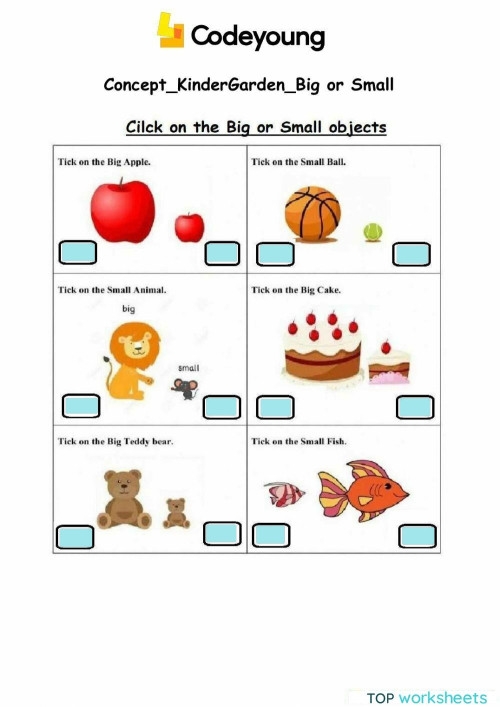
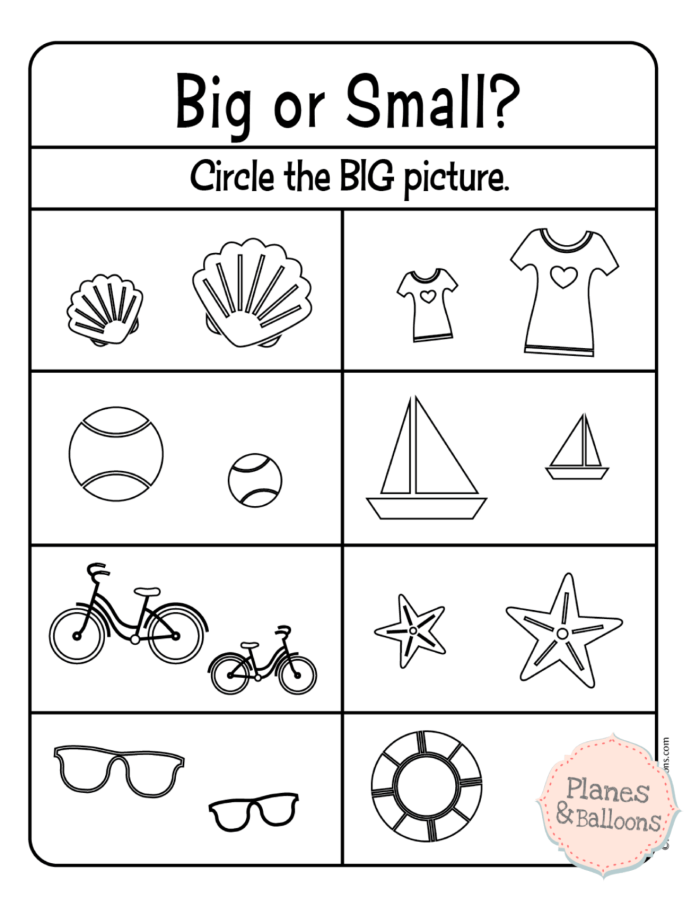
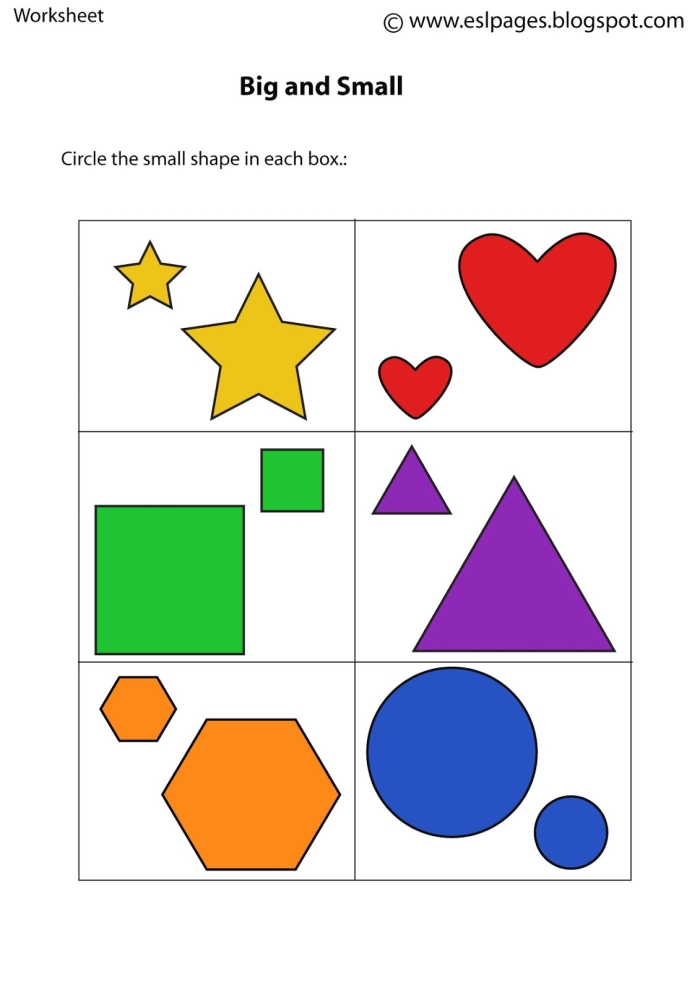
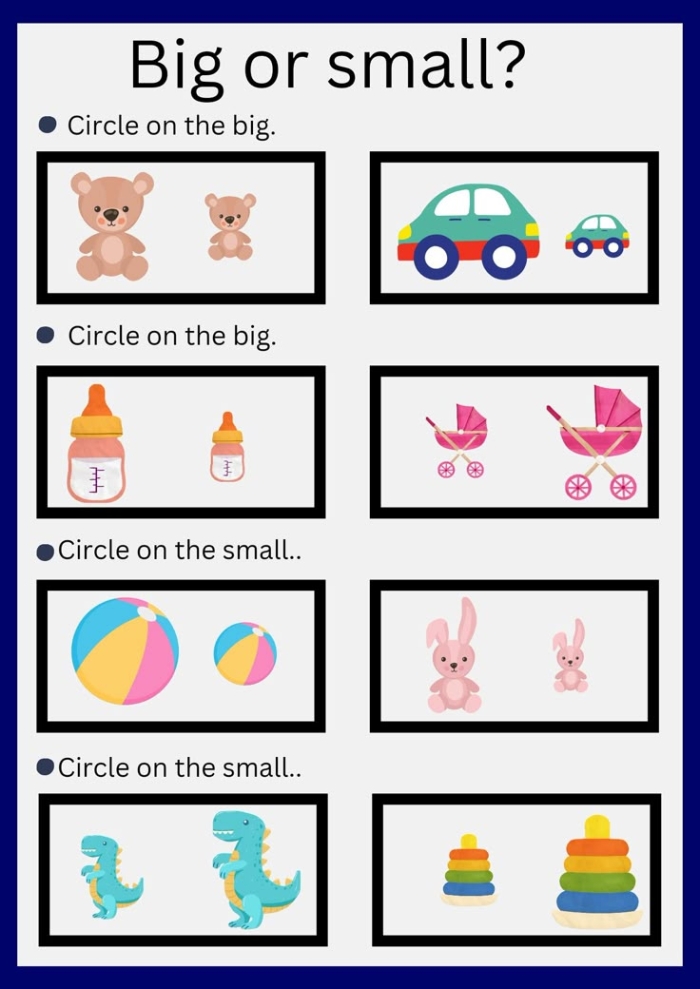
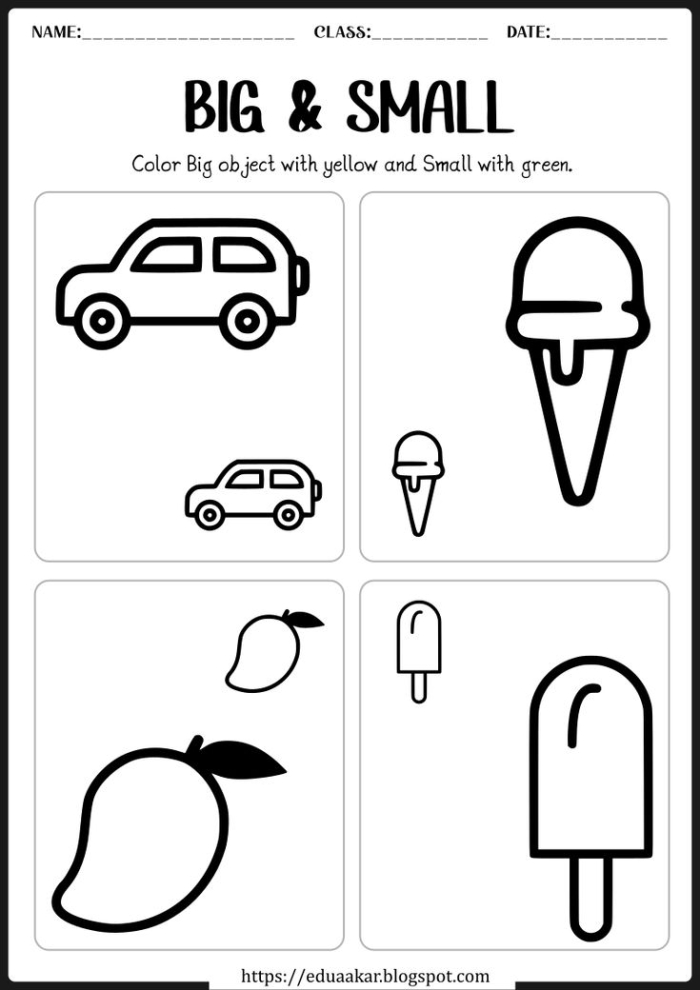
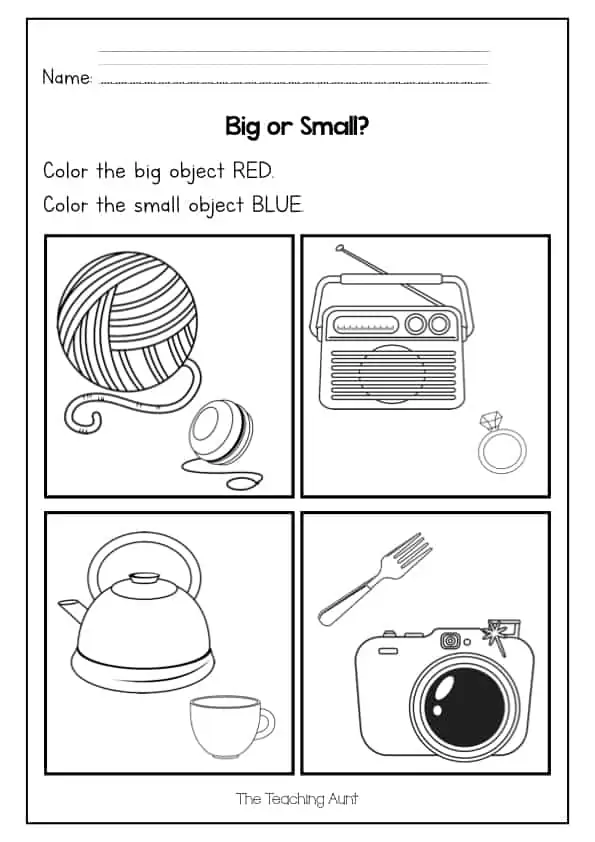
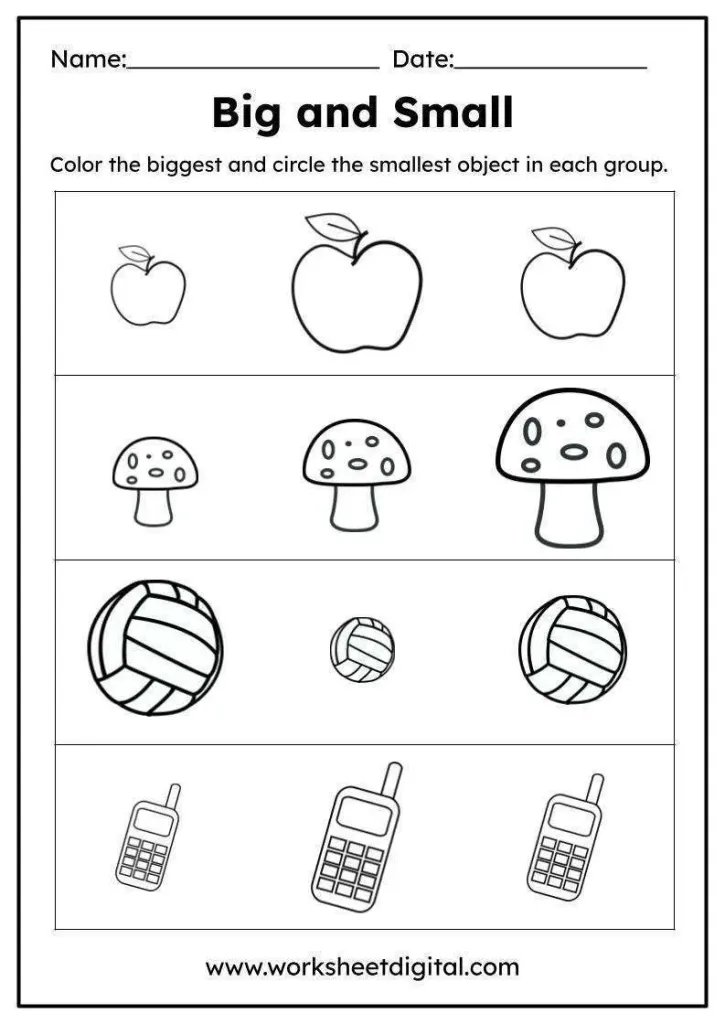
Living things are fascinating not just for their diversity but also for their varying sizes. From the tiniest ant to the tallest giraffe, everything around us comes in different shapes and sizes. This variety is an excellent way to engage your little one and help them learn about the world. One fun activity is to help them determine which items are big and which are small, a concept that can be introduced through engaging activities and worksheets.
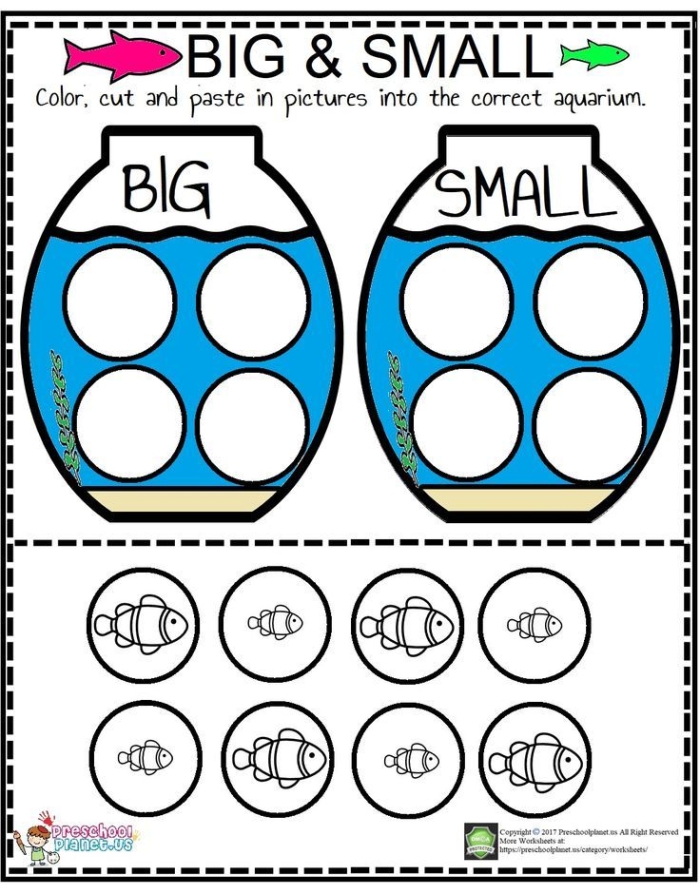
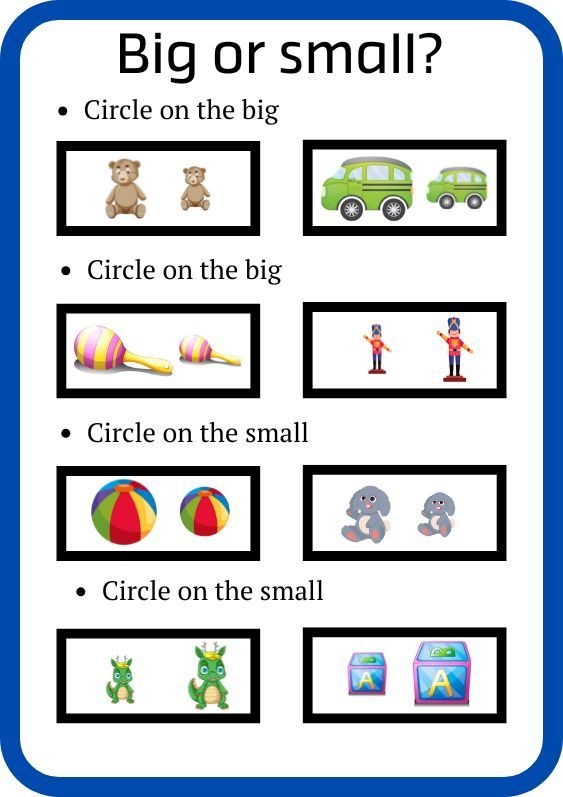
For instance, you can create a simple game where you gather a mix of objects from your home or classroom. This could include a large book, a small toy, a big ball, and a tiny marble. Ask your child to sort these items into two groups: big and small. This hands-on experience not only helps them grasp the concept of size but also enhances their categorization skills. When they successfully identify which items belong in each group, they gain a sense of accomplishment.
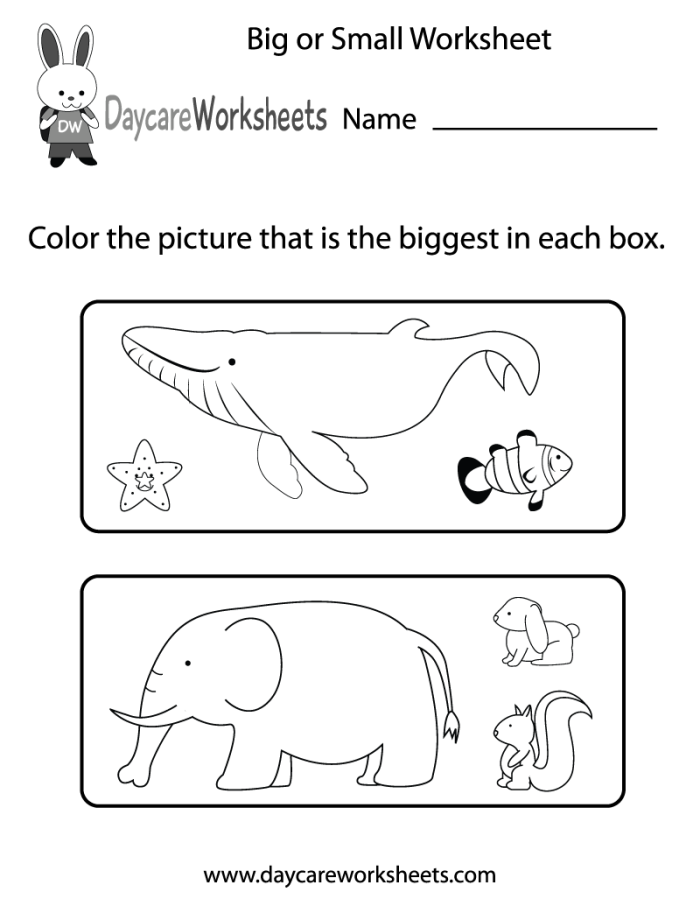
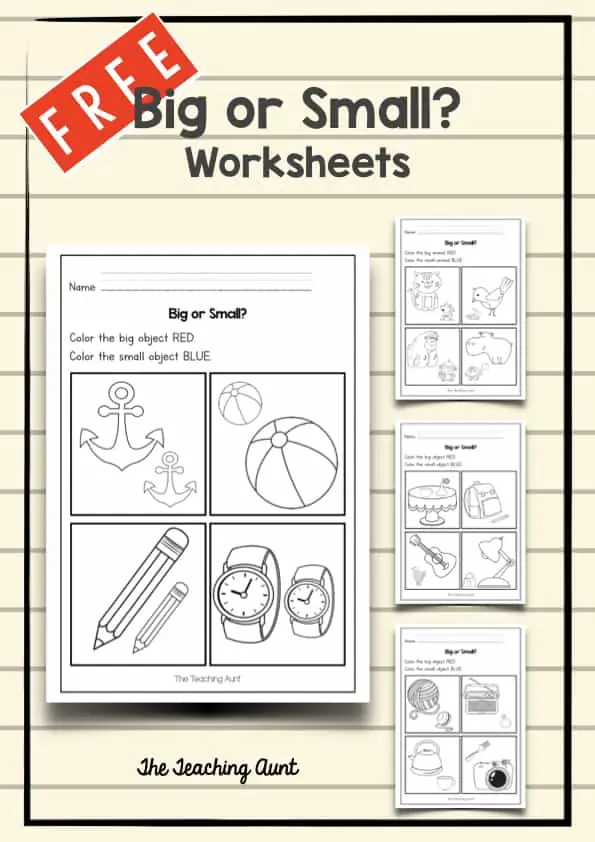
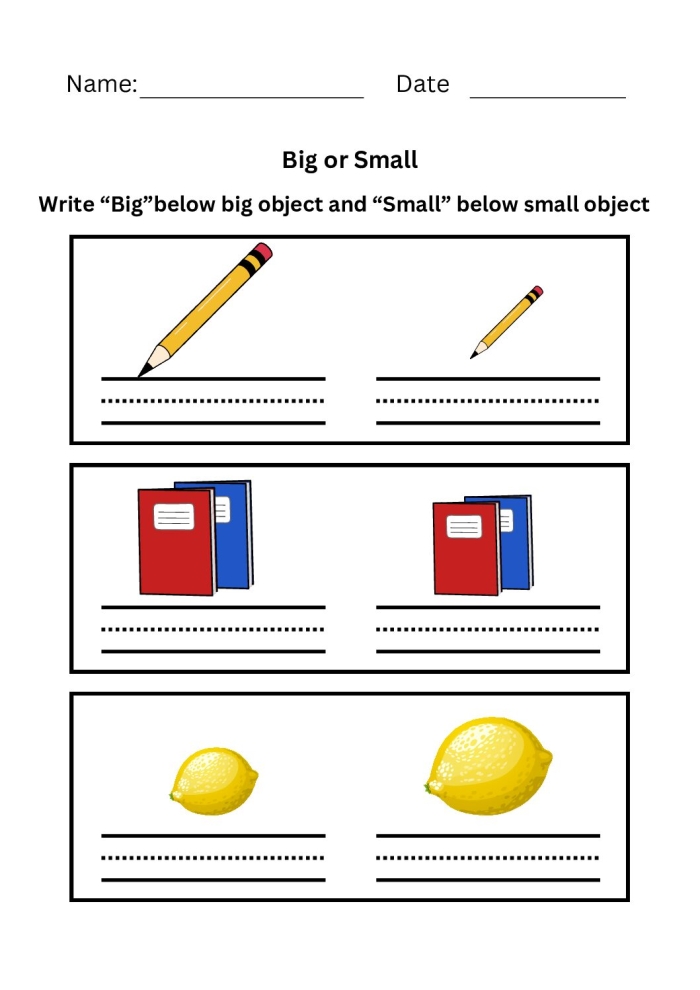
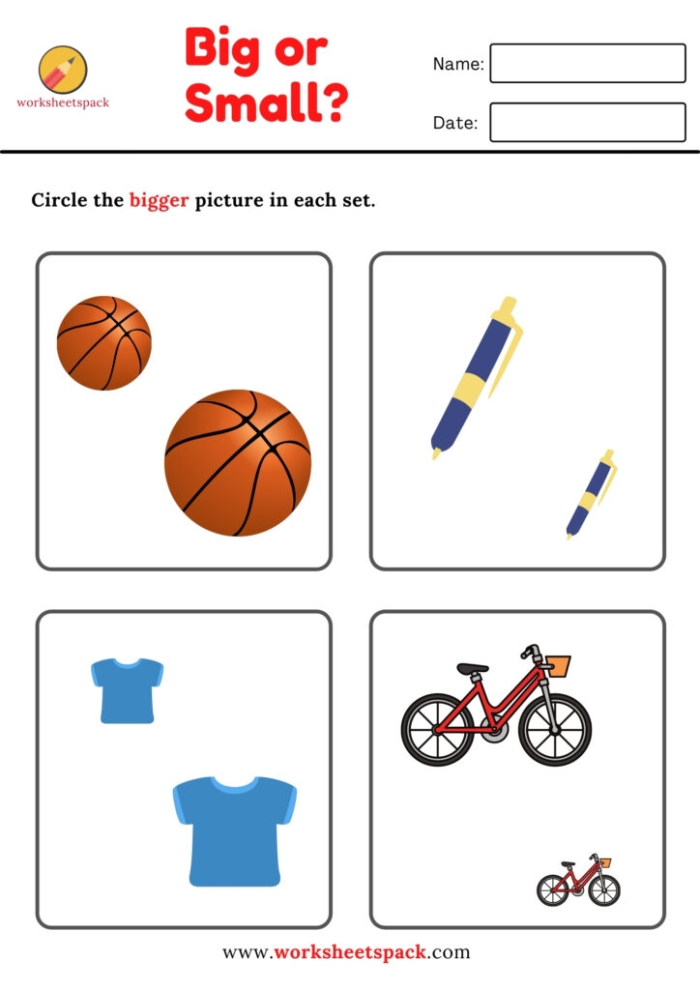
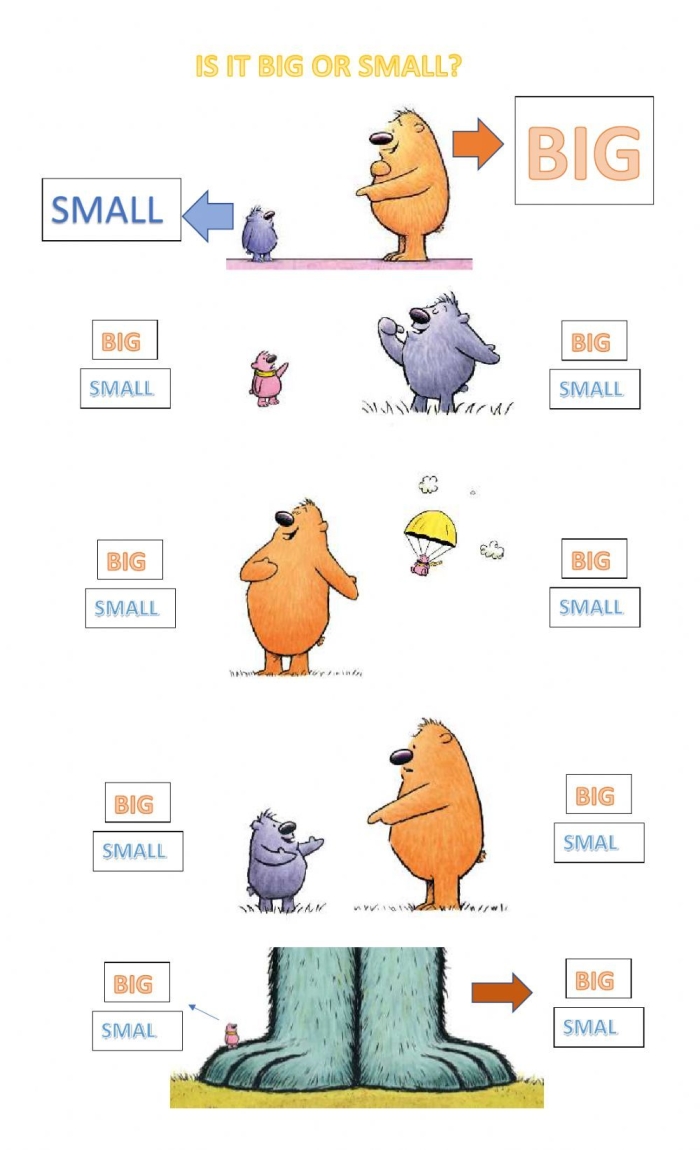
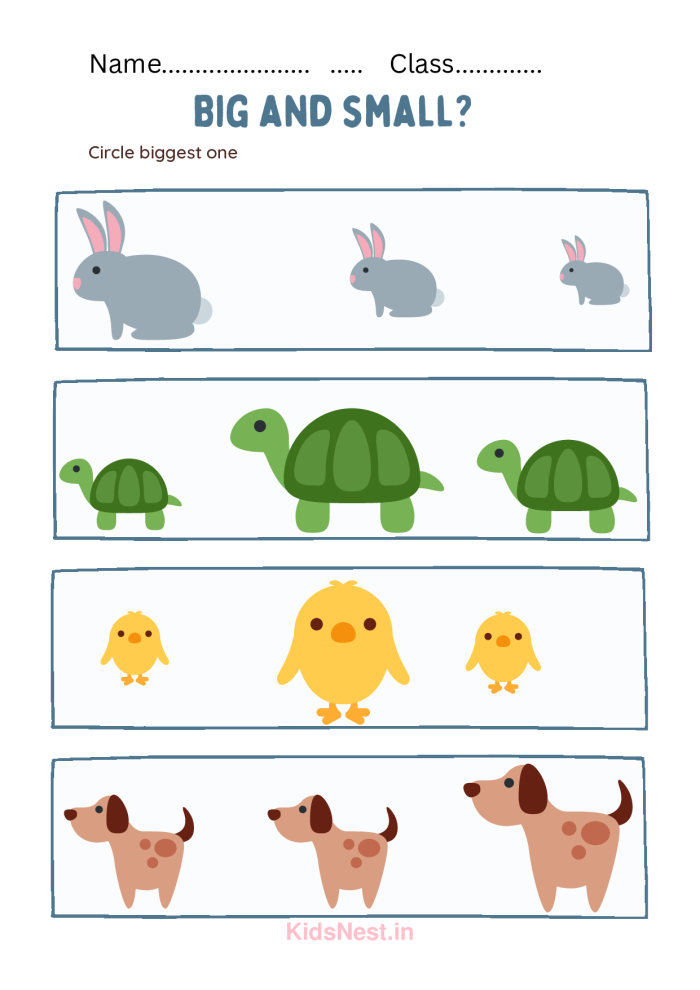
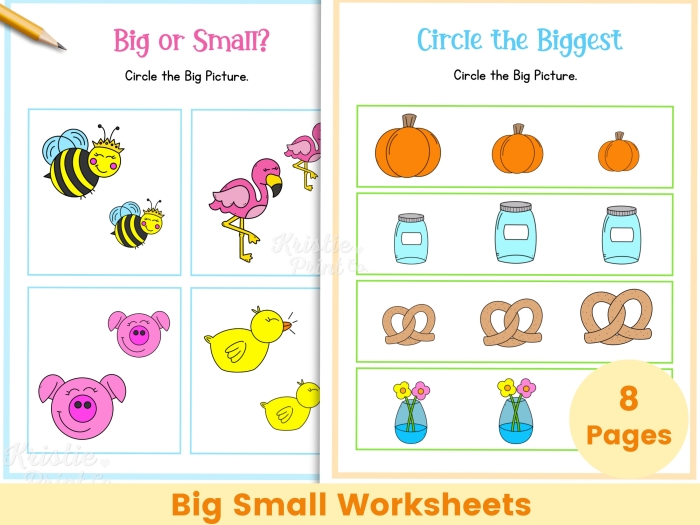
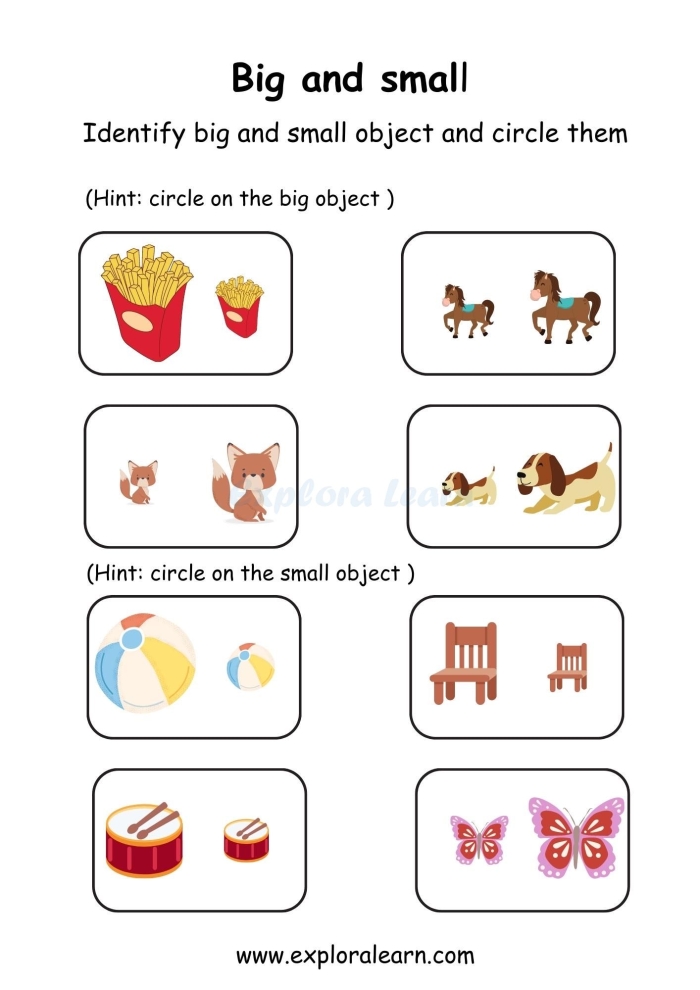
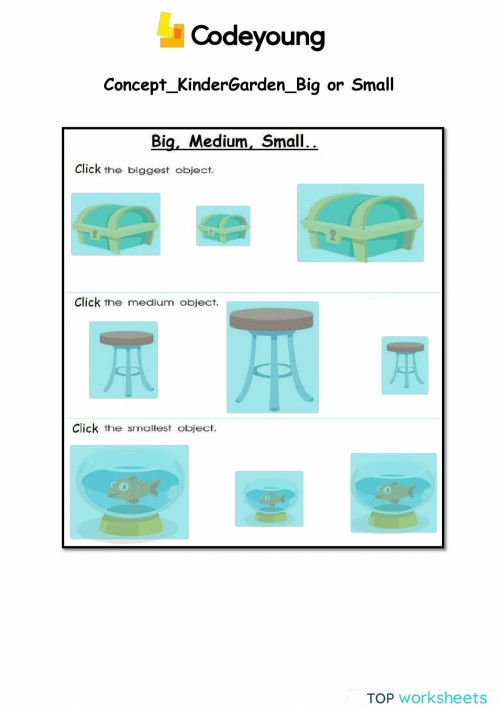
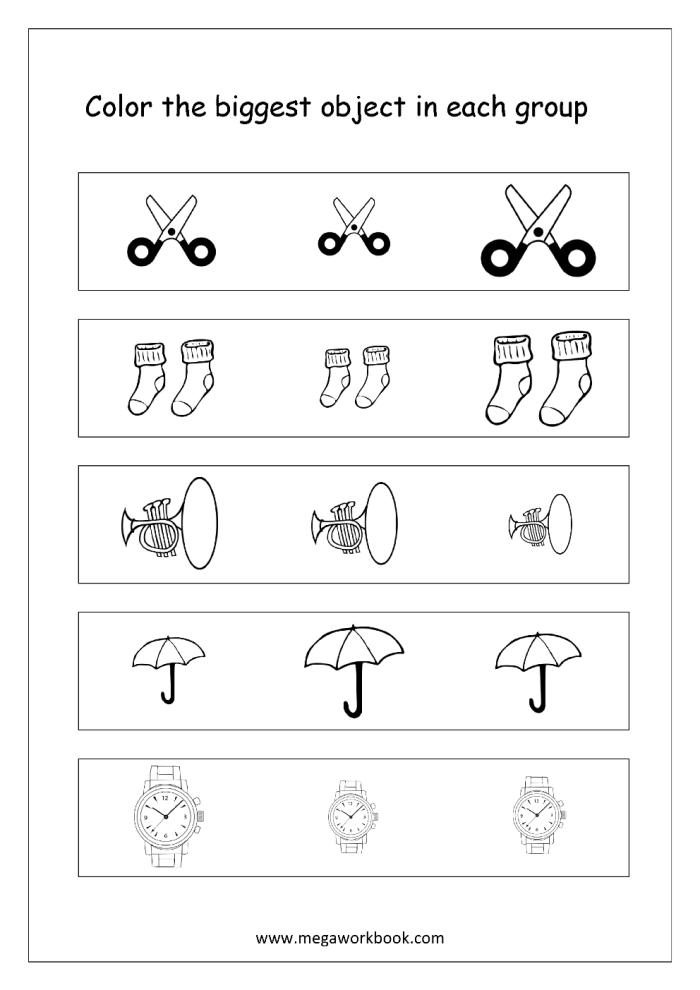
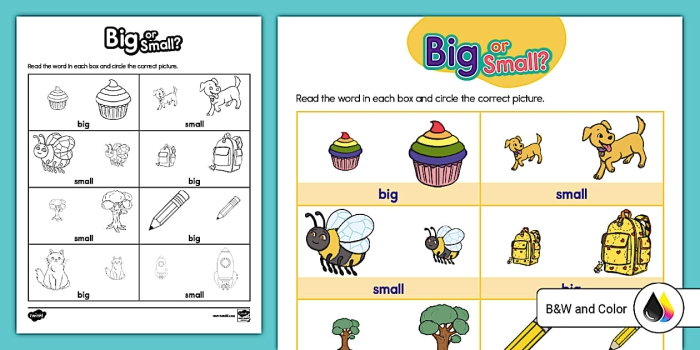
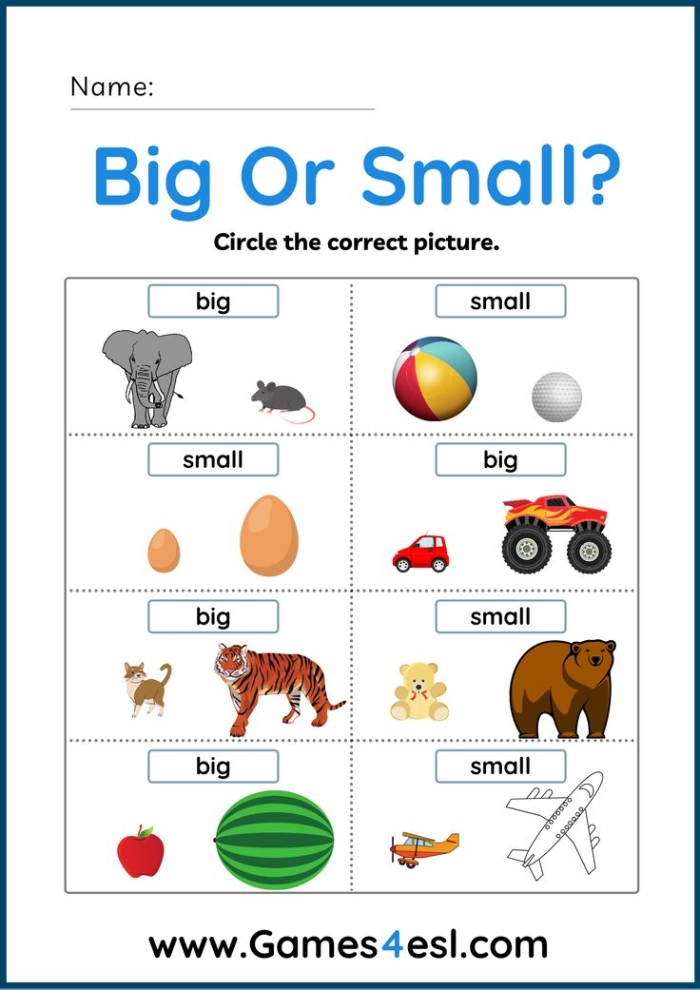
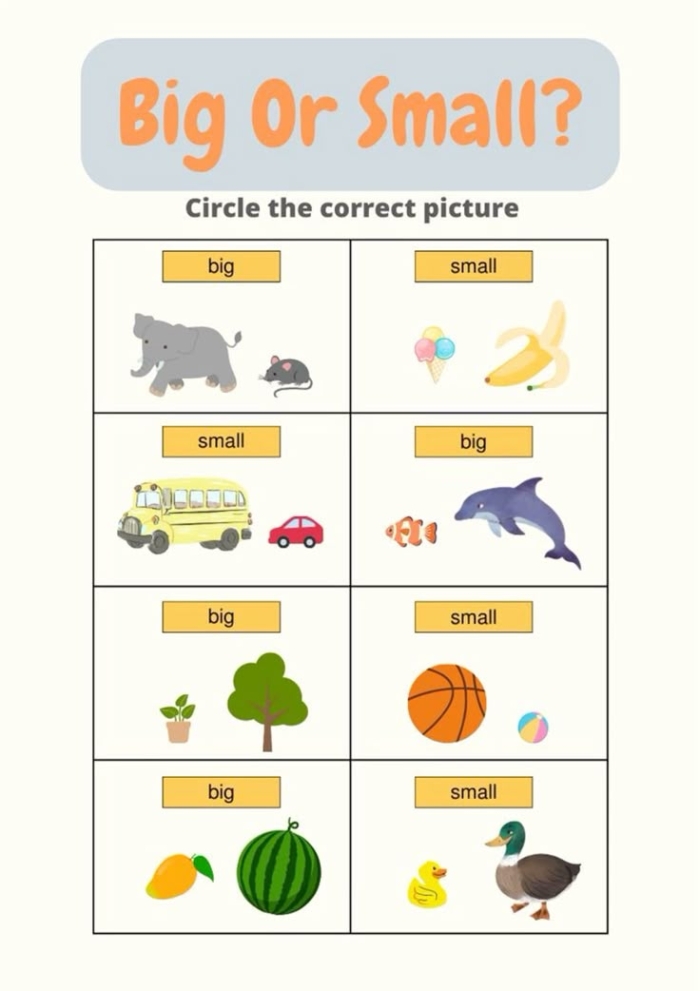
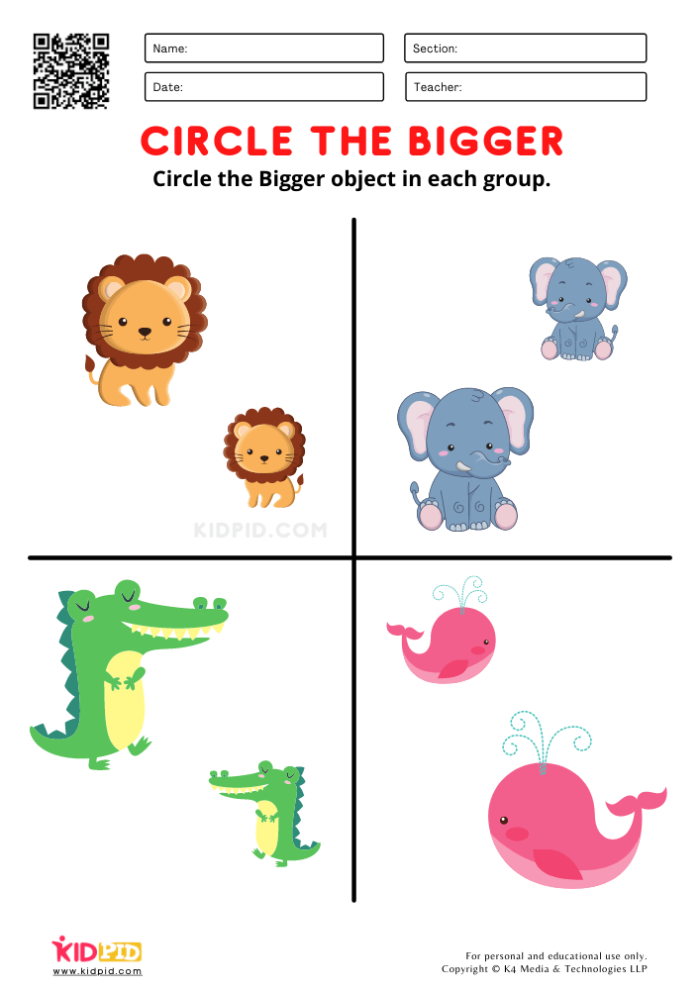
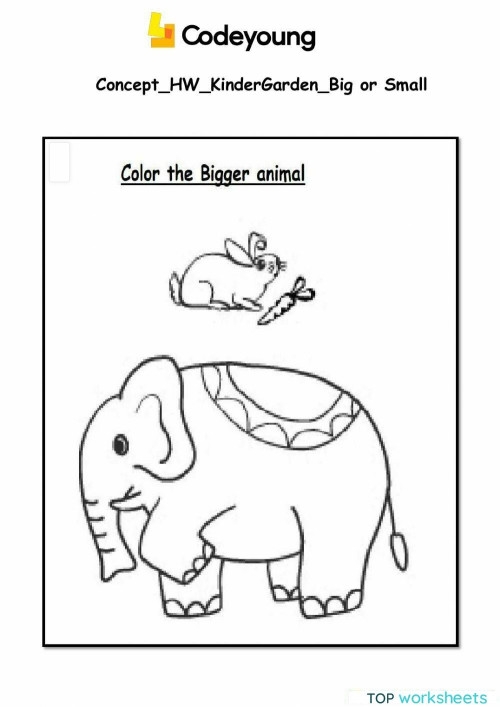
To further enrich this learning experience, incorporating worksheets that focus on identifying big and small living things can be beneficial. These printable “Is It Big or Small?” worksheets can guide children through various examples of animals and plants, reinforcing what they have learned through interactive play. Engaging with these visuals can spark their curiosity about nature and the different sizes of living organisms.
As your child navigates through these activities, discuss the characteristics of the objects they are sorting. For example, you might point out how a big dog differs from a small cat, emphasizing the specific traits that make each one unique. This not only teaches them about size but also about the diversity of life around them.
Encouraging your child to recognize and compare sizes in their environment promotes cognitive development and critical thinking. Through these fun exercises, kids become more aware of their surroundings, laying the foundation for a lifelong interest in the natural world.
Grab These Worksheets Now