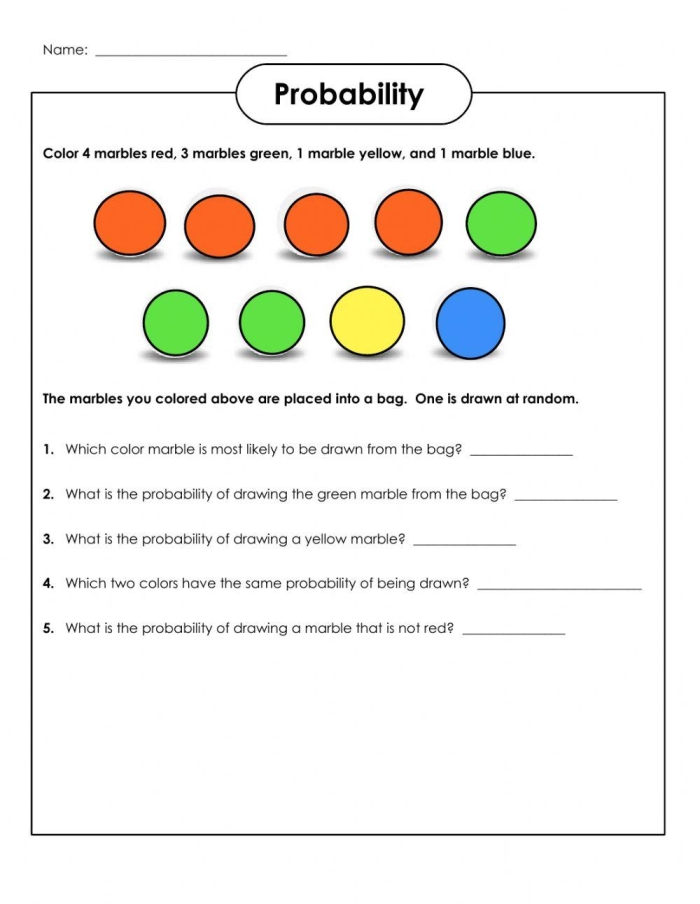
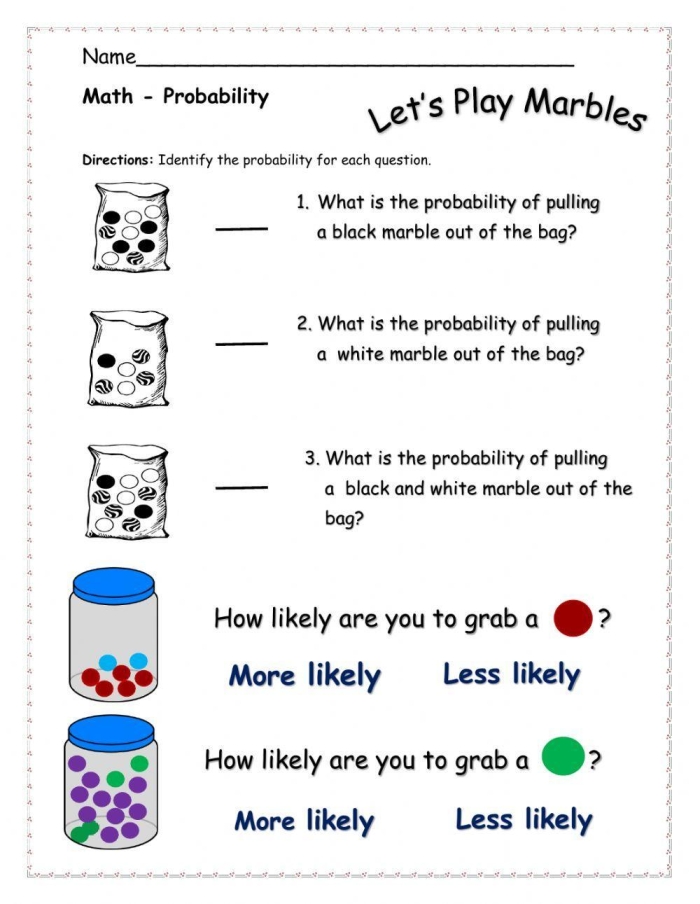
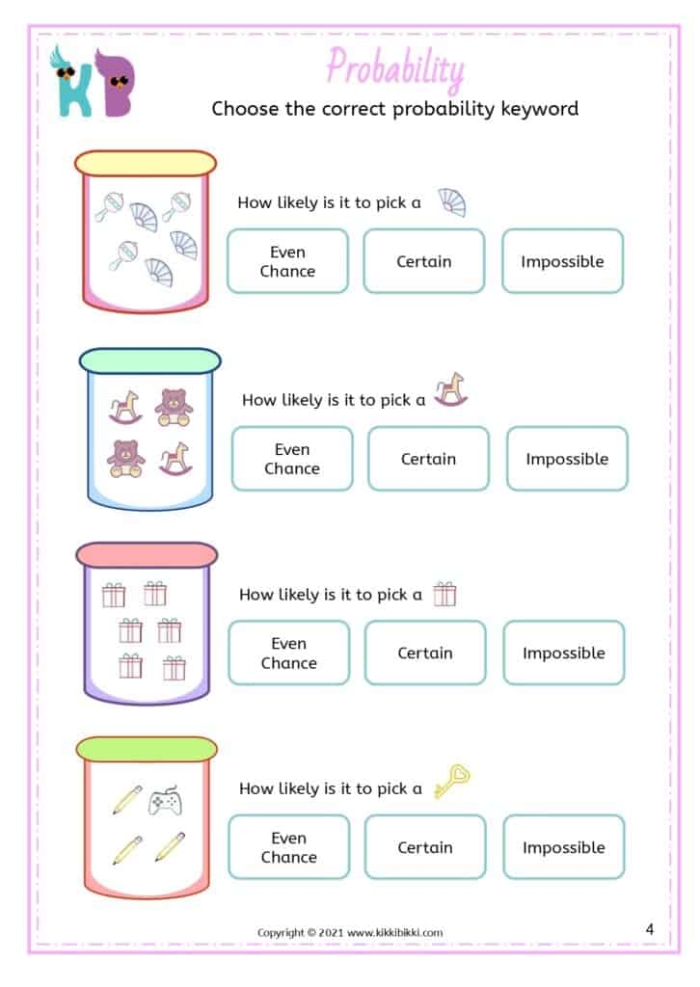
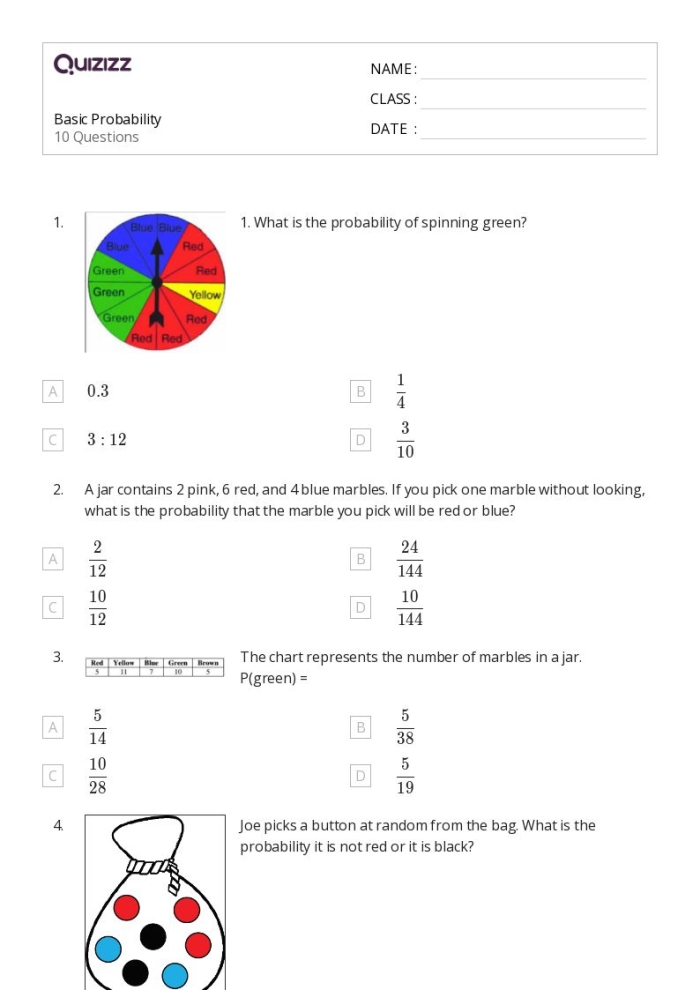
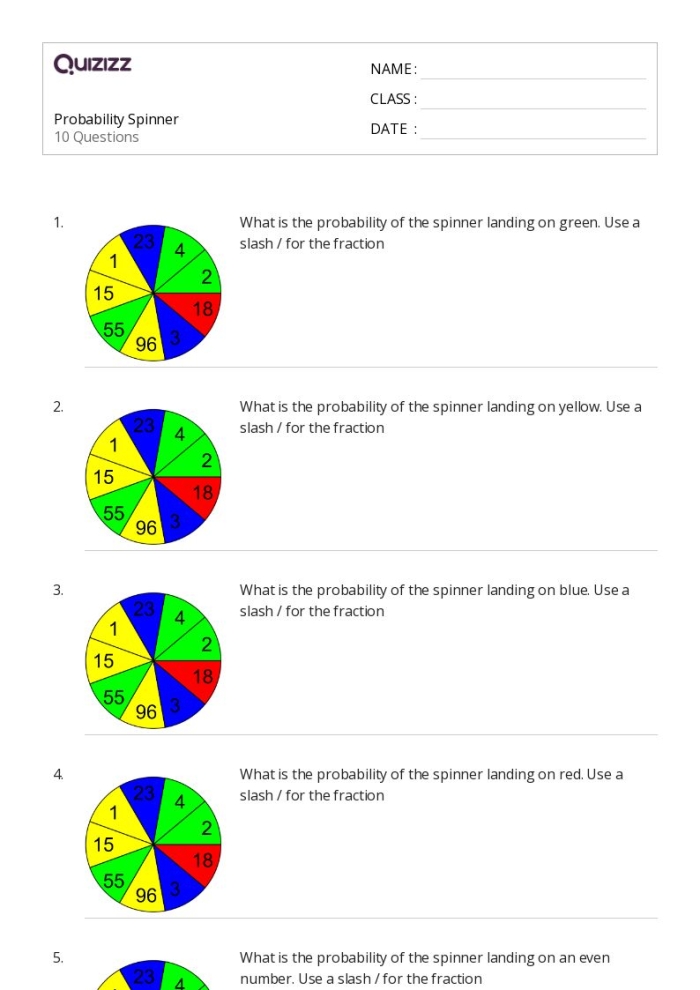
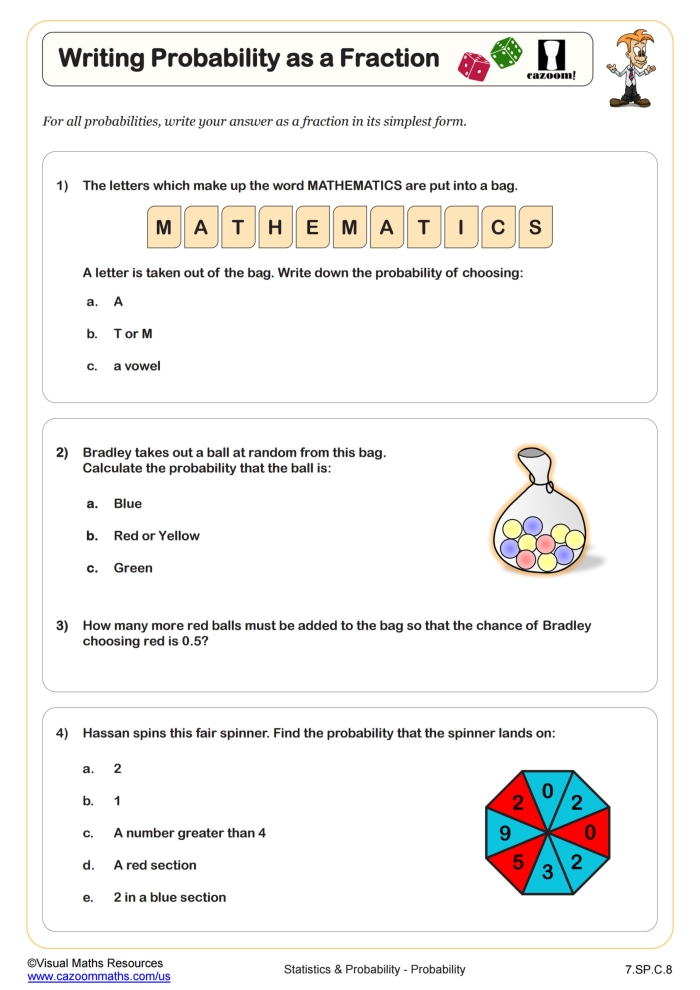
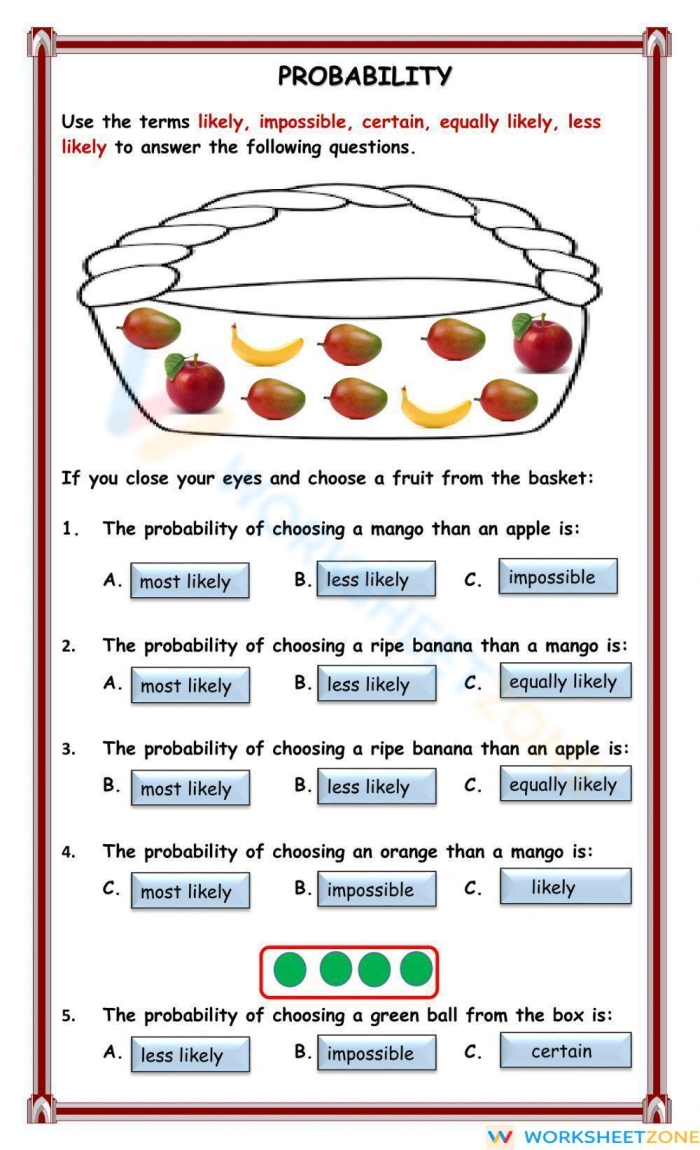
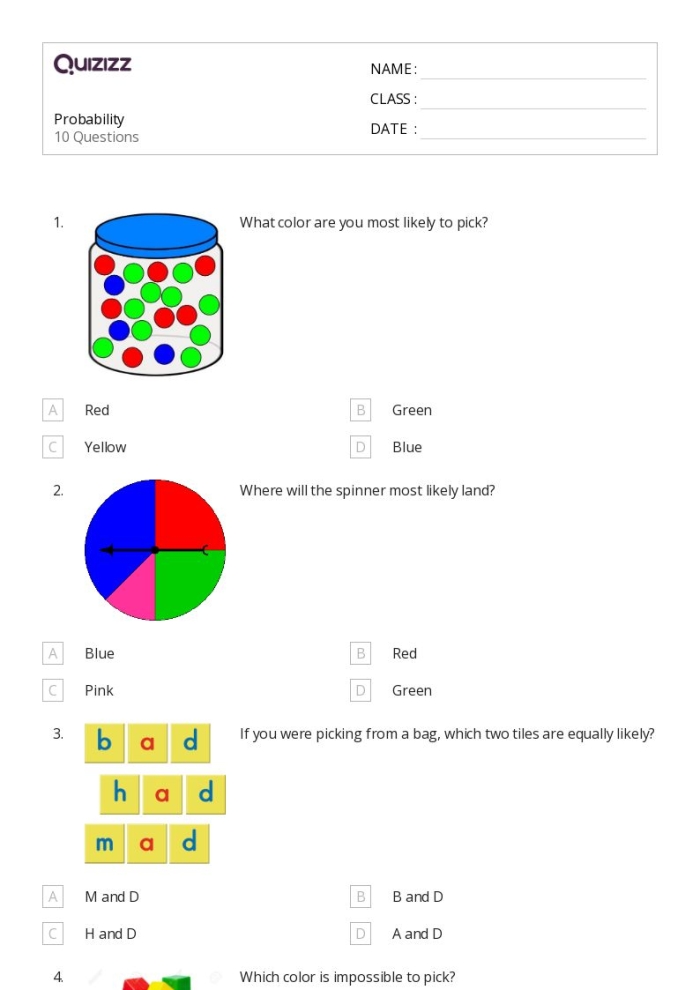
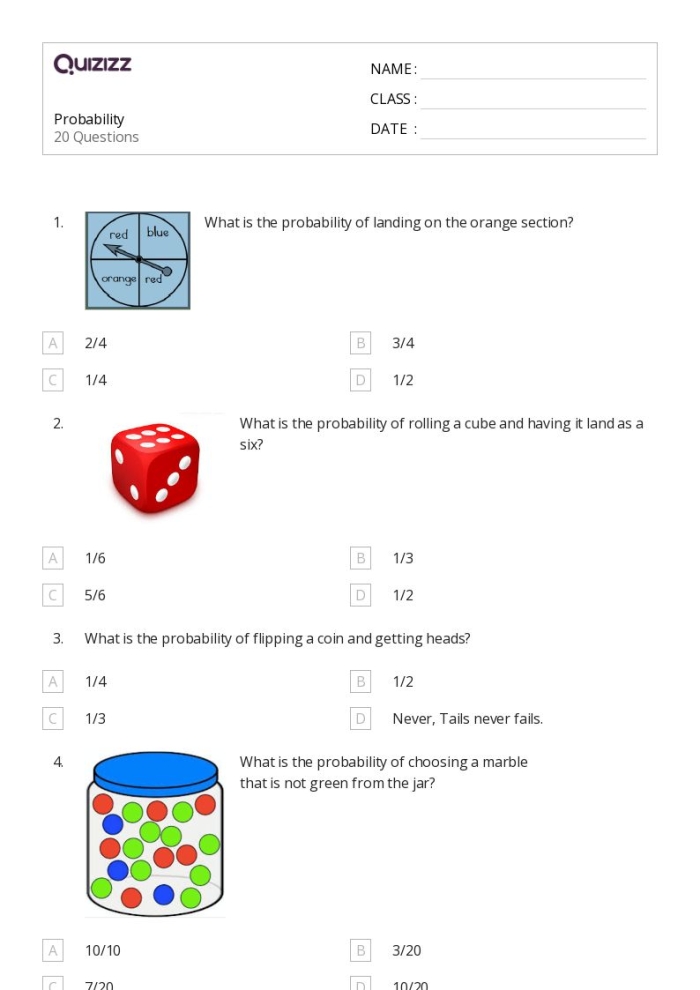
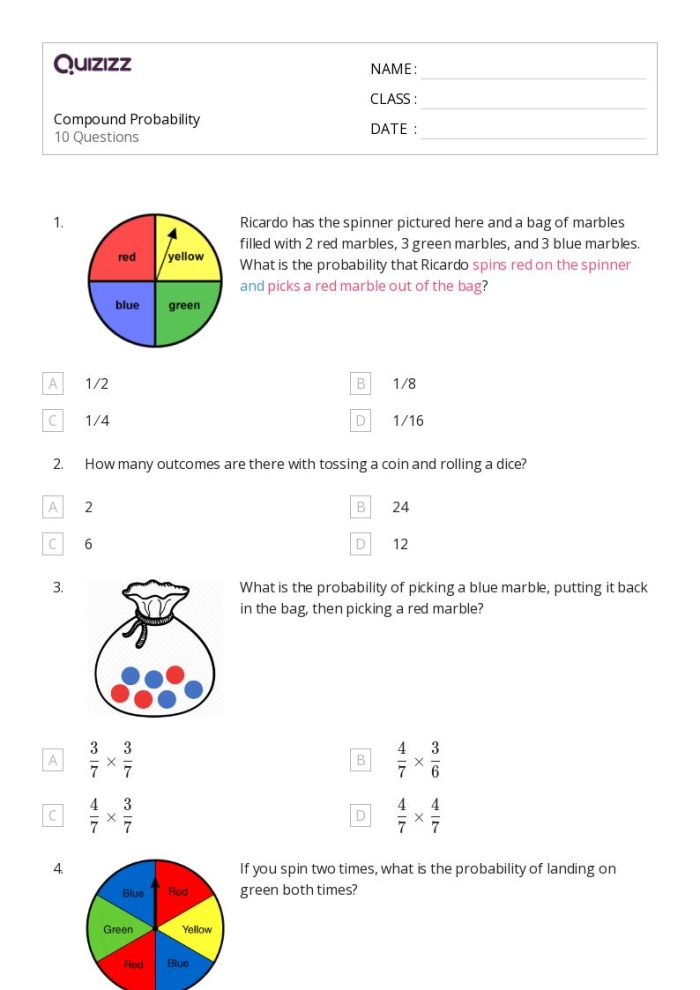
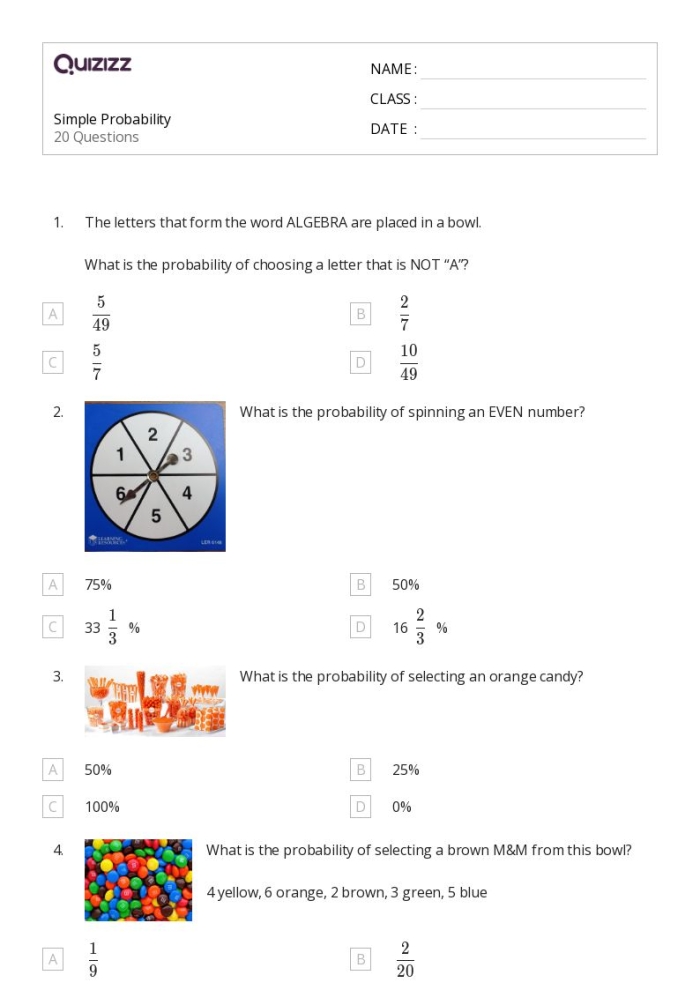
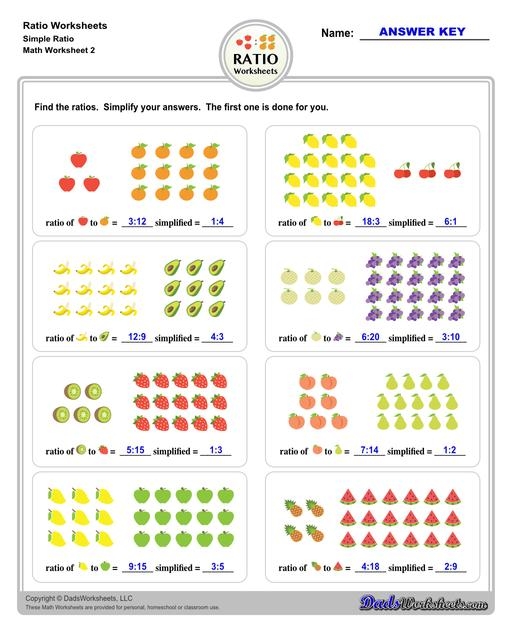
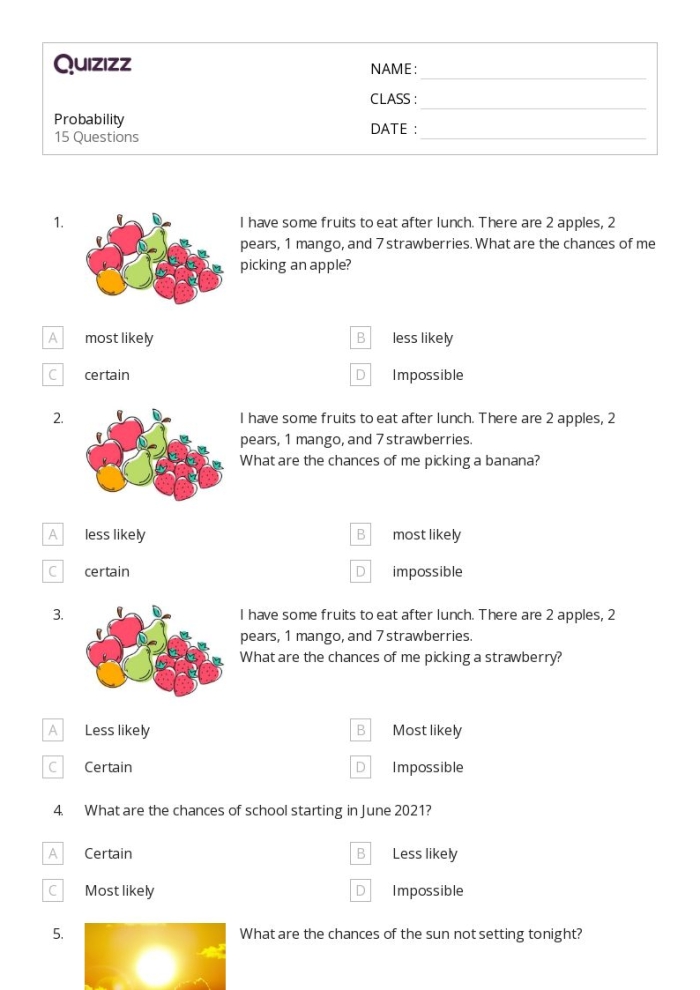
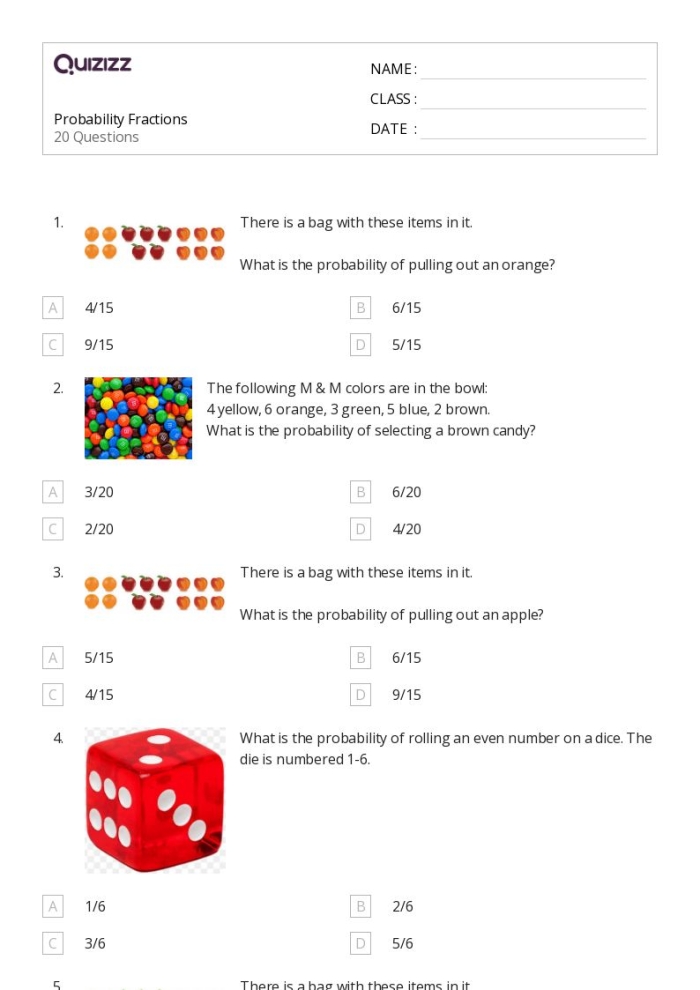
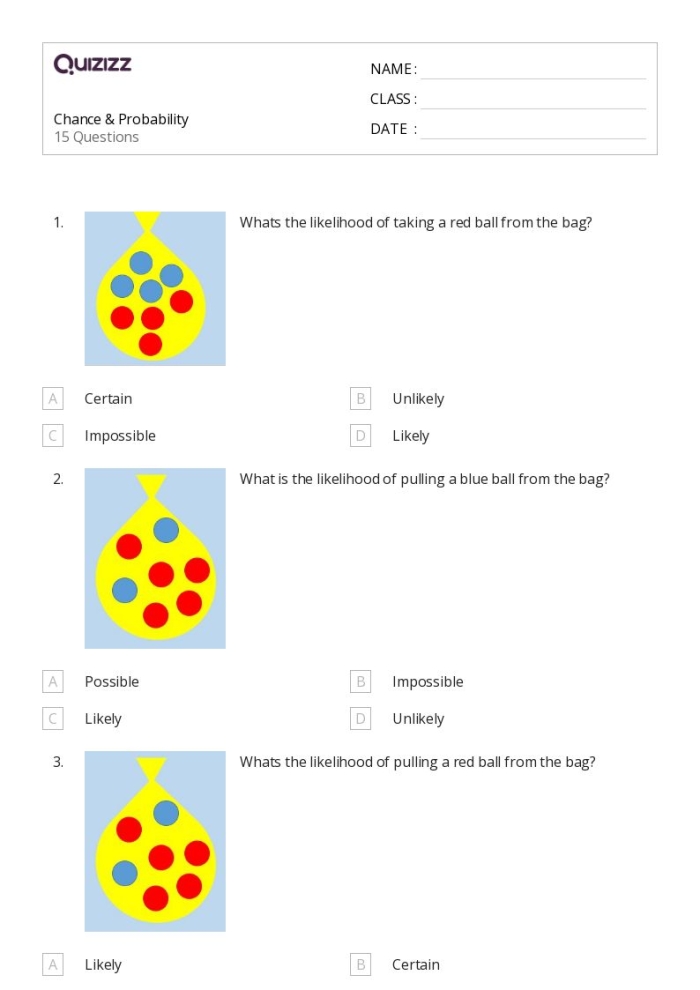
What can you learn from this bag o’ fruit? This simple question opens the door to a world of probability concepts that can spark your child’s curiosity. Teaching probability through everyday objects, like a bag of assorted fruit, makes learning engaging and relatable. When children visualize and interact with real items, they grasp abstract concepts more effectively.
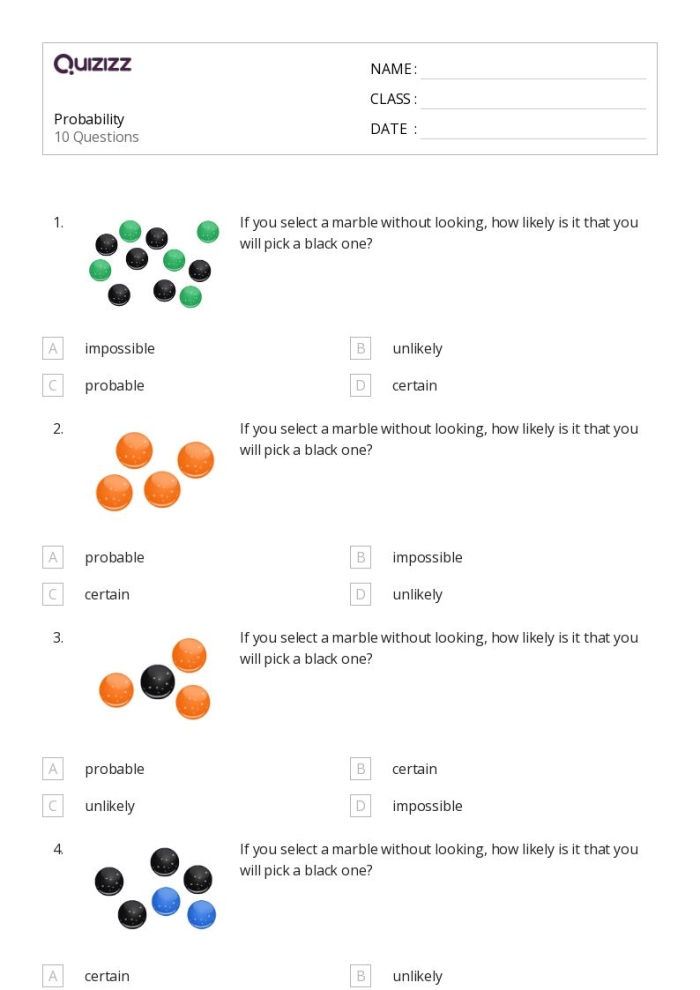
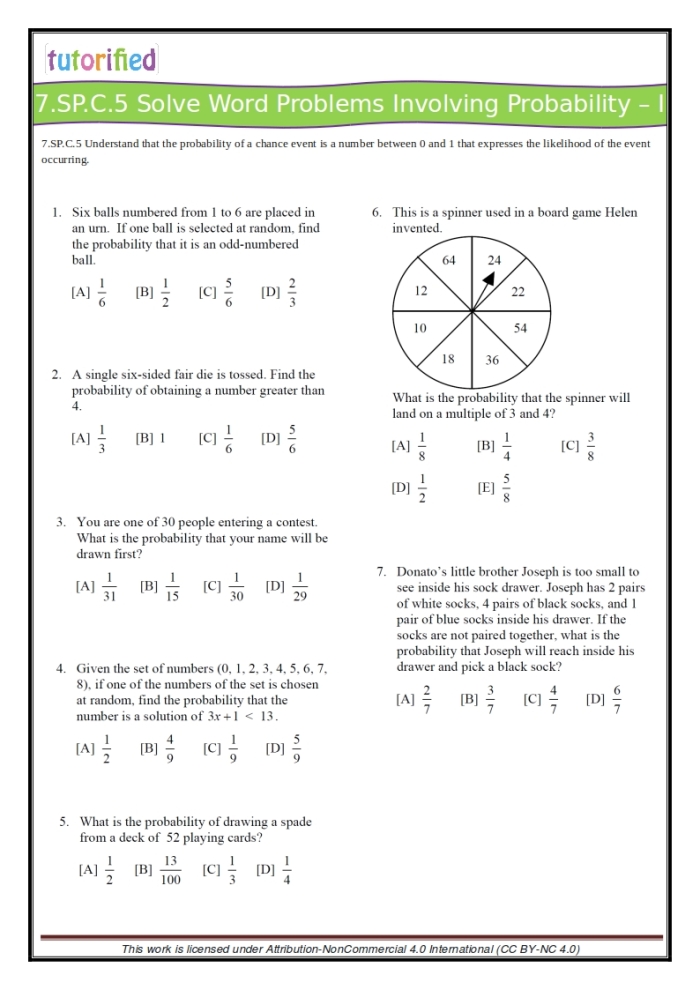
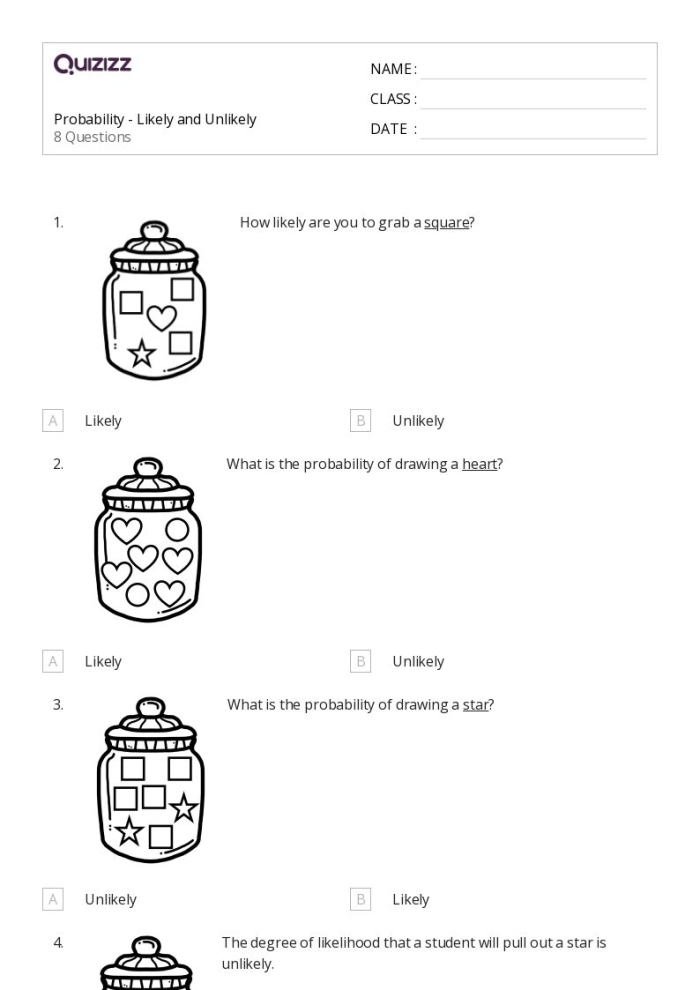
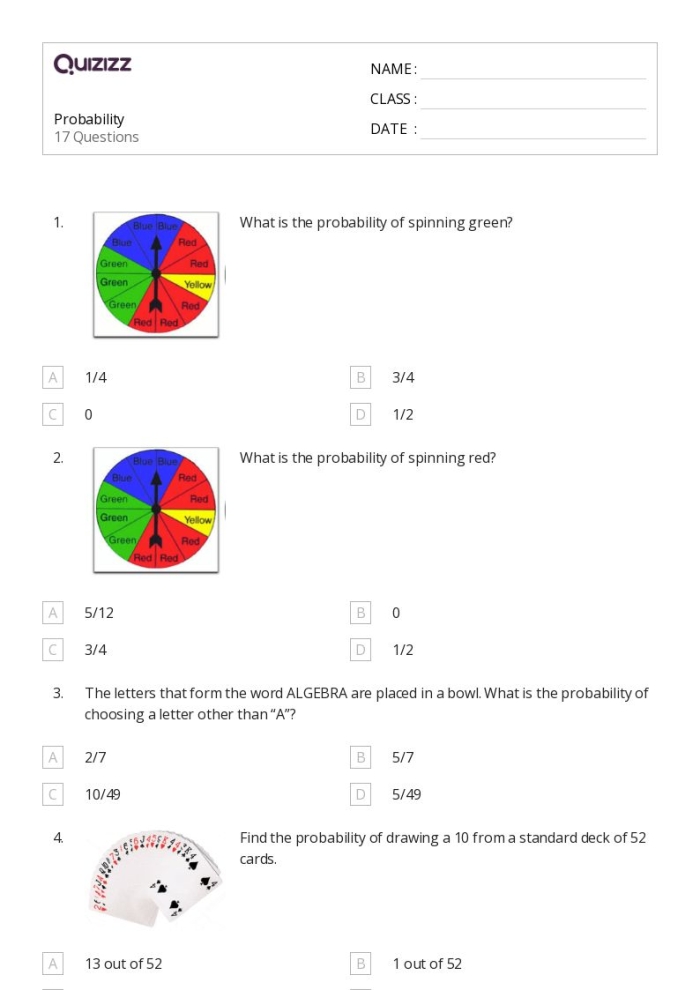
Using a worksheet that focuses on a bag of fruit, your seventh grader can explore various probability scenarios. For instance, if the bag contains apples, oranges, and bananas, they can calculate the likelihood of selecting each type of fruit. This hands-on approach allows them to understand the fundamental principles of probability, such as outcomes and events. By counting the different fruits and determining the total number, they can learn how to express probabilities as fractions or percentages.
Let’s consider a practical example. If there are 4 apples, 3 oranges, and 5 bananas in the bag, your child can first find the total number of fruits, which is 12. Then, they can determine the probability of picking an apple: 4 out of 12, or one-third. Activities like this not only solidify their understanding of basic math but also enhance their analytical thinking and problem-solving skills.
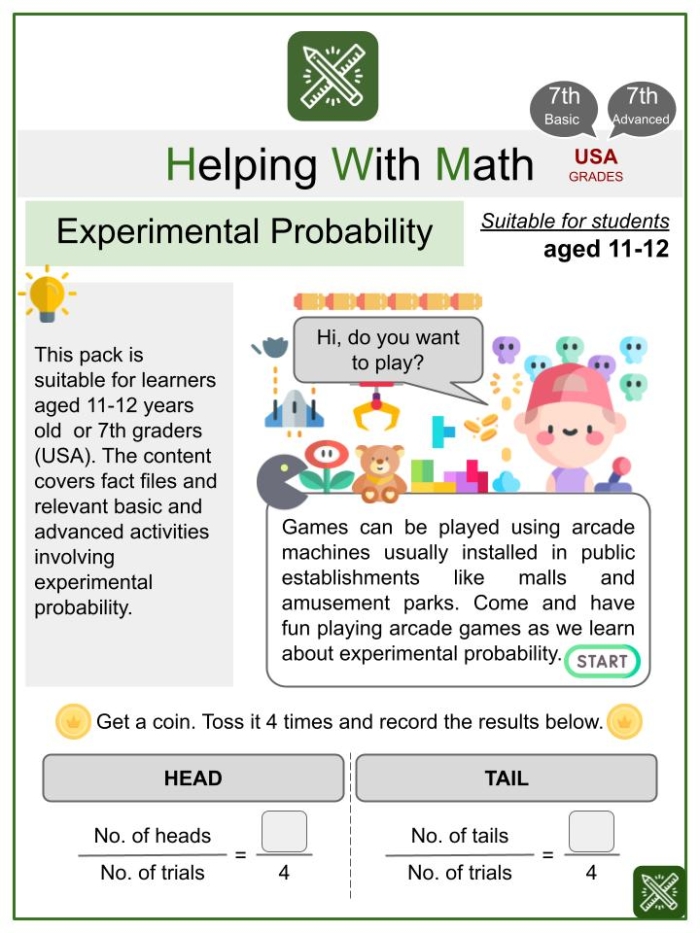
Additionally, introducing concepts like complementary events or independent events can broaden their understanding. For example, if they were to flip a coin after picking a fruit, they could analyze how the two events interact. This can be expanded with resources such as the Flip a Coin Learning Probability worksheet, which reinforces these ideas.
Incorporating probability into your child’s learning with fun and relatable worksheets not only makes the subject enjoyable but also prepares them for more complex mathematical concepts in the future. By engaging with practical examples, they can build a solid foundation in probability and statistics, essential skills for their academic journey.
Boost Skills with These Worksheets