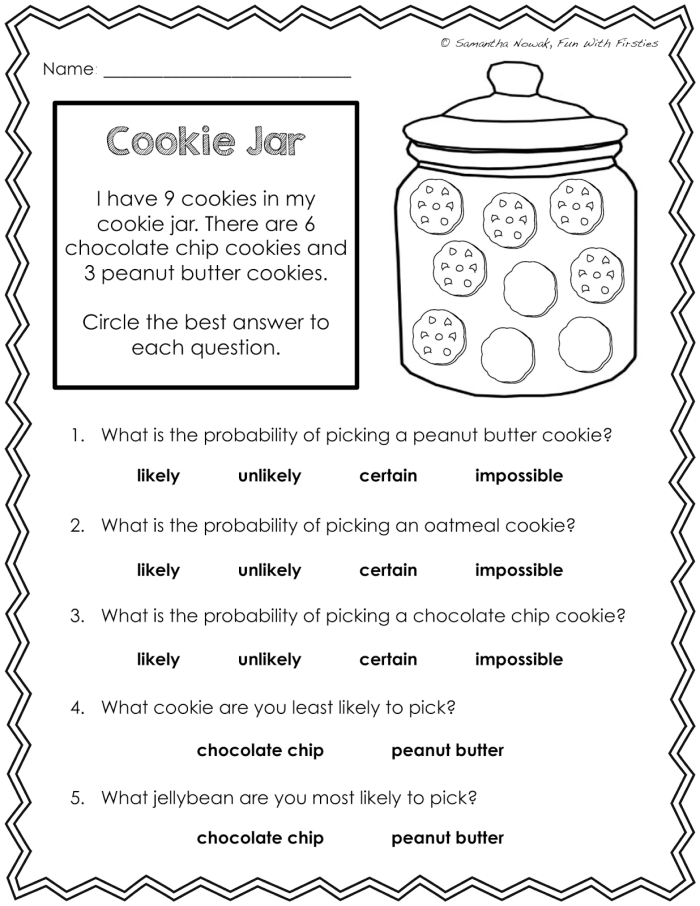
Is your seventh grader ready to learn probability? Understanding this concept can open up a world of critical thinking and decision-making skills. One effective way to introduce probability is through a simple activity that requires just a coin and a worksheet. This approach not only simplifies the concept but also makes it engaging for students.
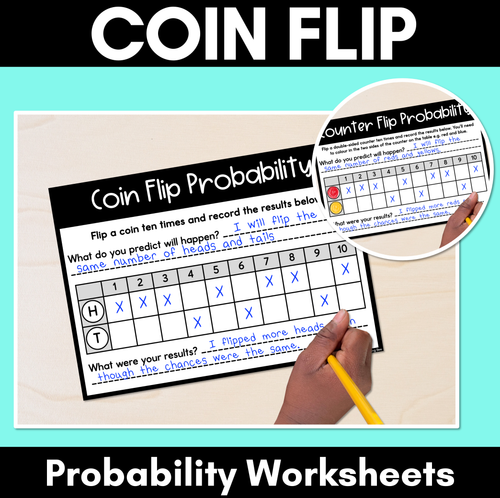
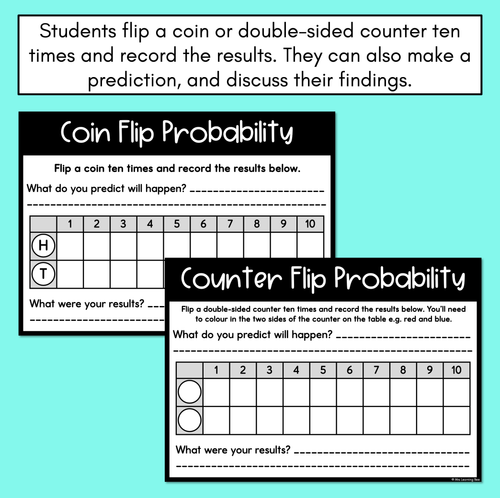
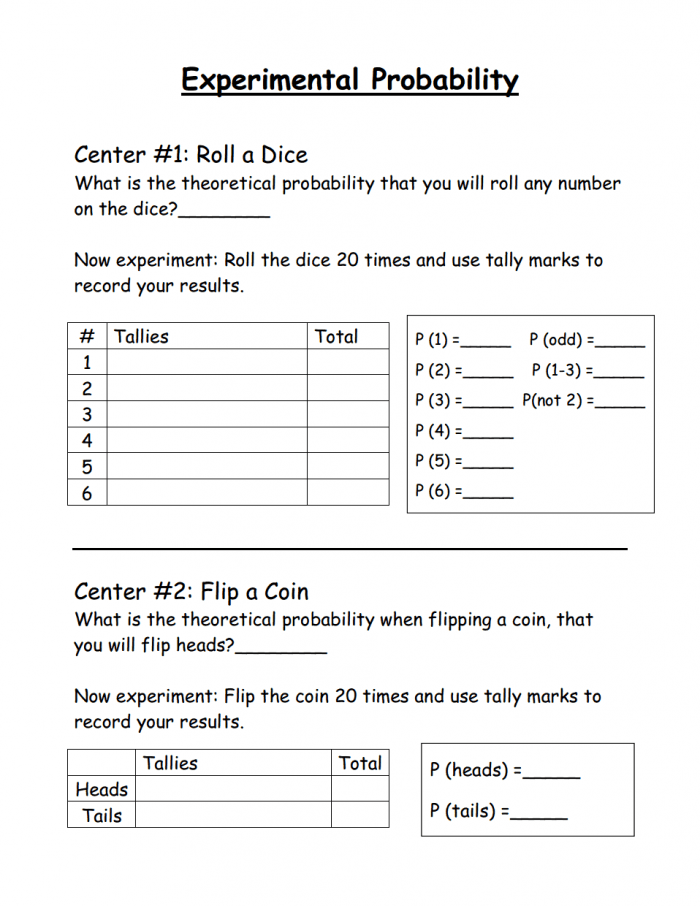
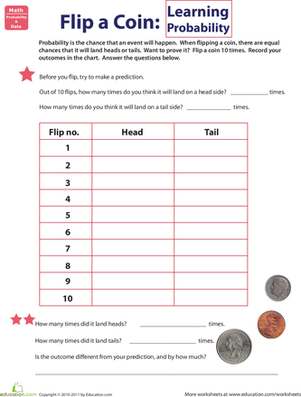
When flipping a coin, your child can explore the idea of chance. With each flip, there are two equally likely outcomes: heads or tails. This basic experiment lays the foundation for probability calculations. For example, if your child flips a coin ten times, they can record how many times it lands on heads versus tails. This data can help them understand the idea of experimental probability, which is calculated by dividing the number of favorable outcomes by the total number of trials.
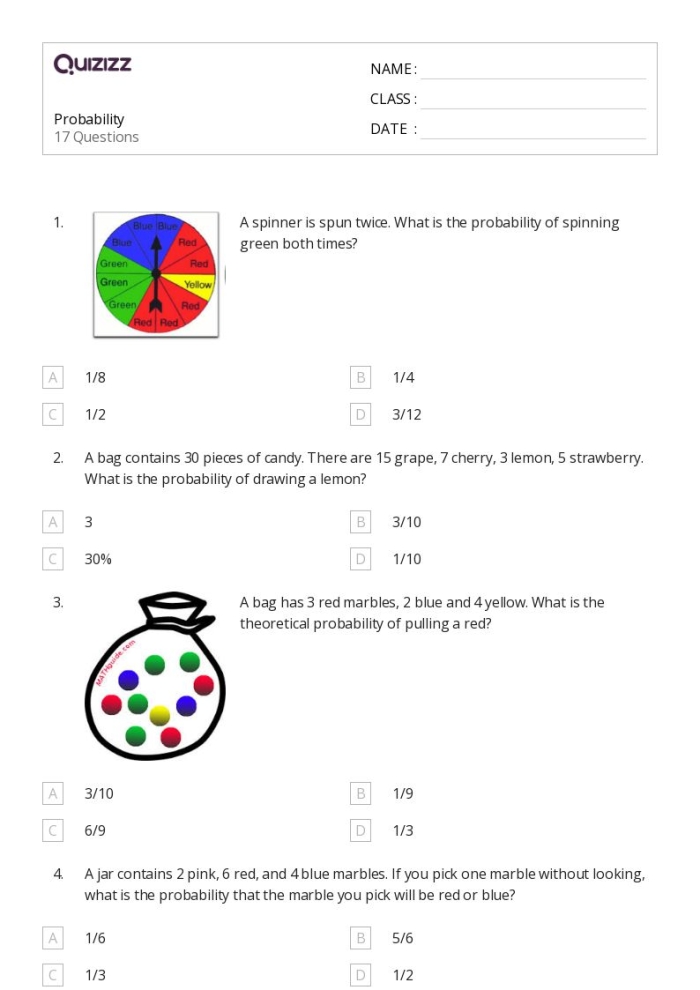
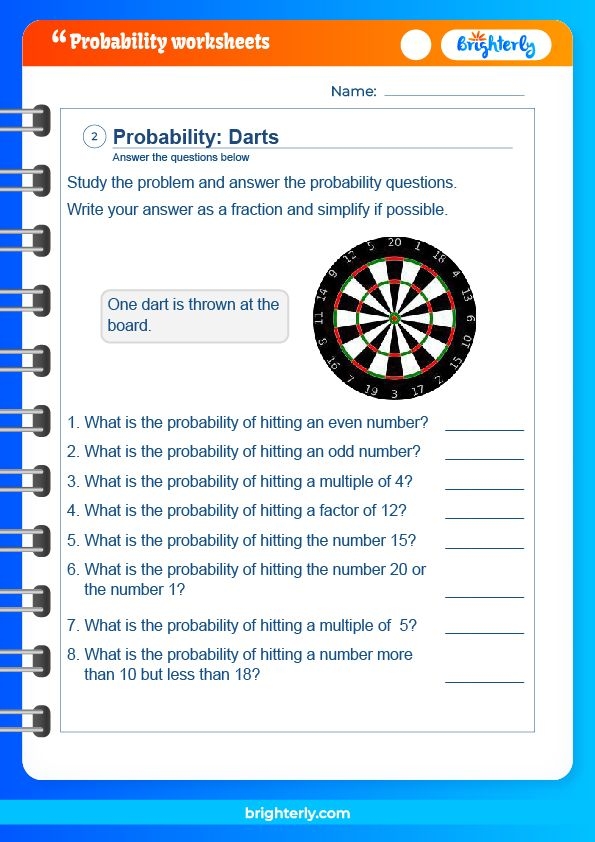
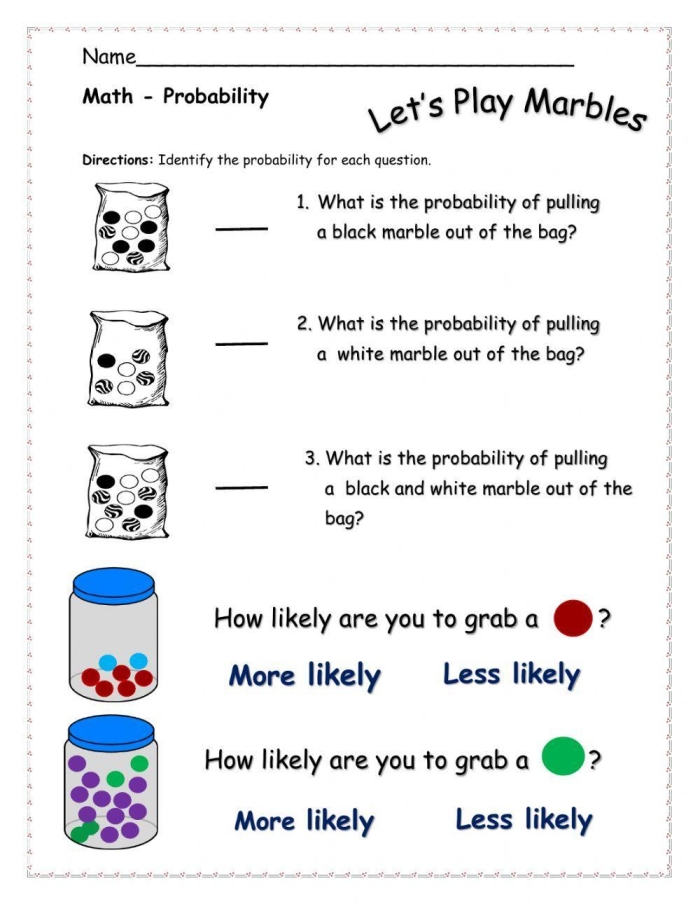
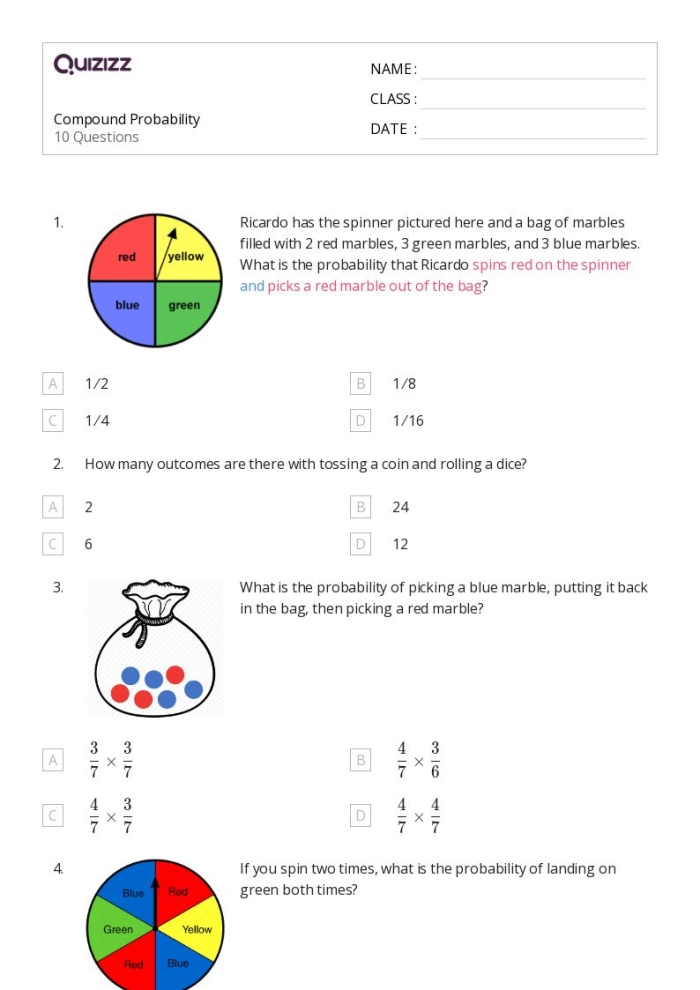
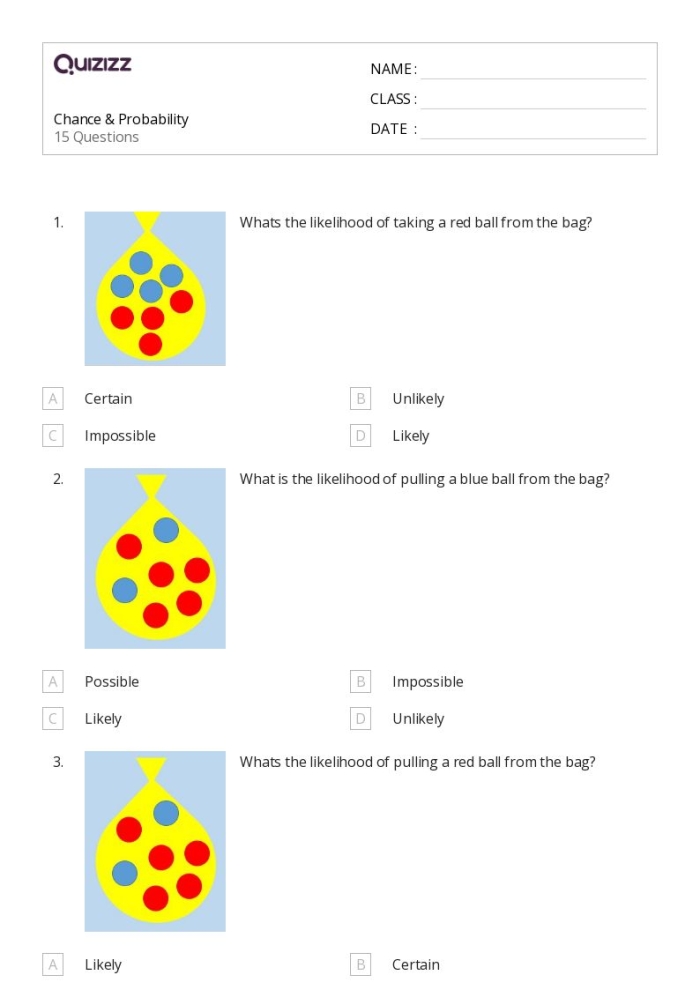
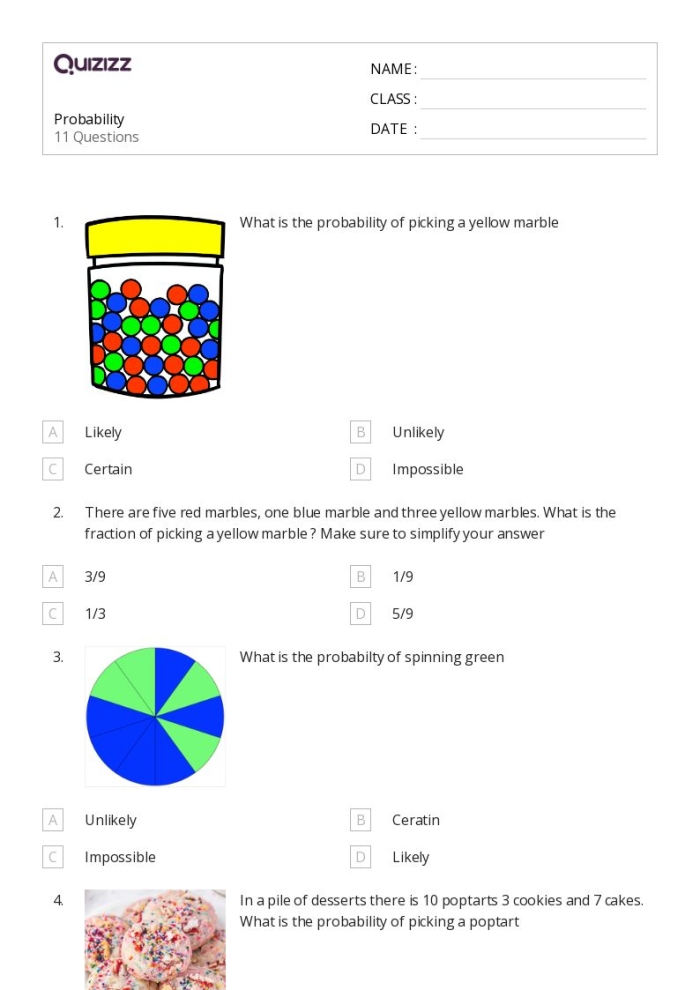
Using the Printable Flip a Coin: Learning Probability Worksheets, students can practice this concept further. The worksheet encourages them to predict outcomes, analyze results, and even visualize the probabilities using graphs. Such hands-on activities foster a deeper comprehension of the topic, making it easier for them to grasp more complex ideas later on.
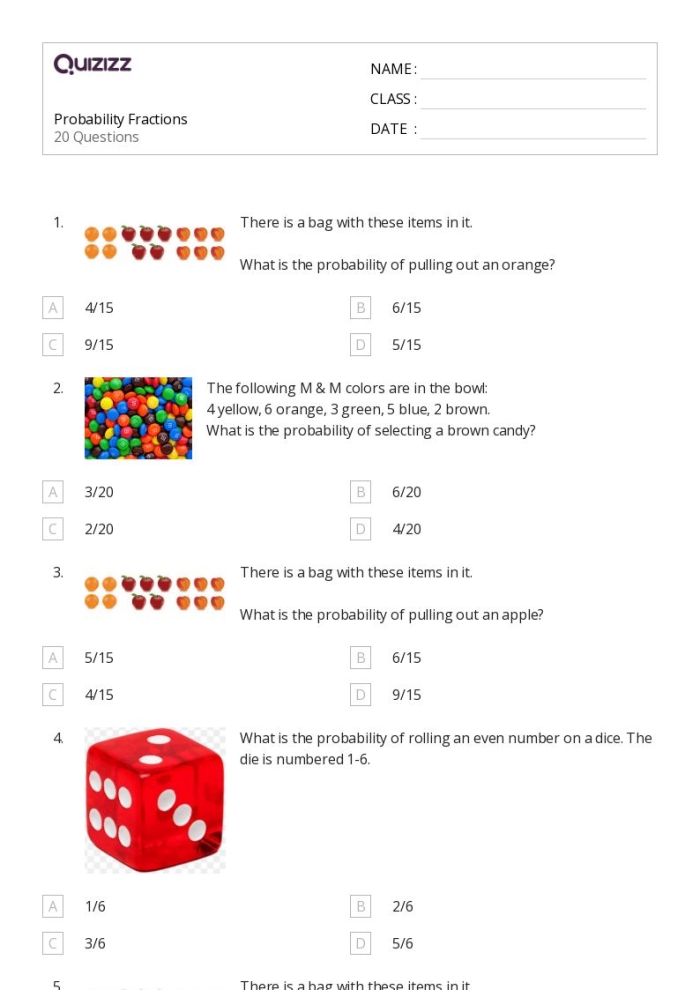
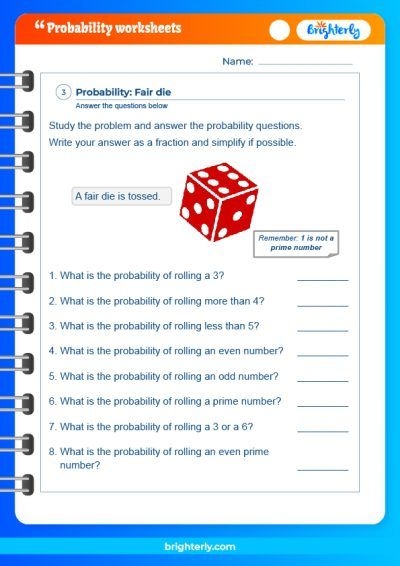
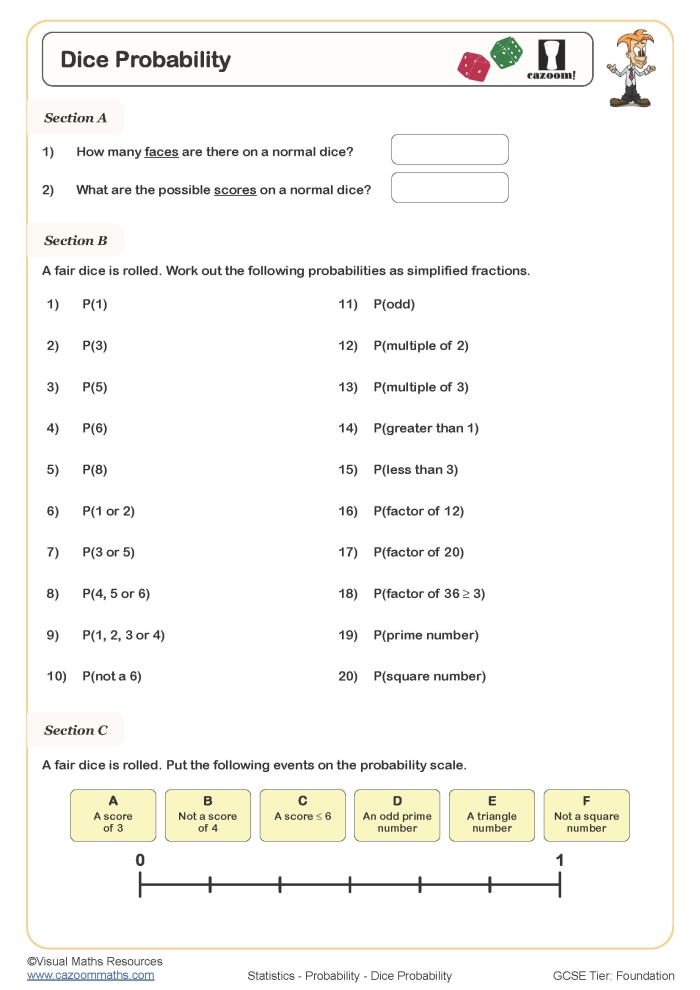
In addition to coin flips, consider integrating other probability exercises. For example, you could explore scenarios using dice or playing cards. This variety keeps the learning experience fresh and allows for broader application of probability concepts. Engaging with these activities not only reinforces their understanding but also makes math feel more relevant and enjoyable.
By providing your seventh grader with practical tools and worksheets, you set them up for success in mastering probability. The skills they develop now will serve them well in future mathematical challenges and in everyday decision-making. So grab a coin, print out a worksheet, and let the learning begin!
Use These Worksheets Today