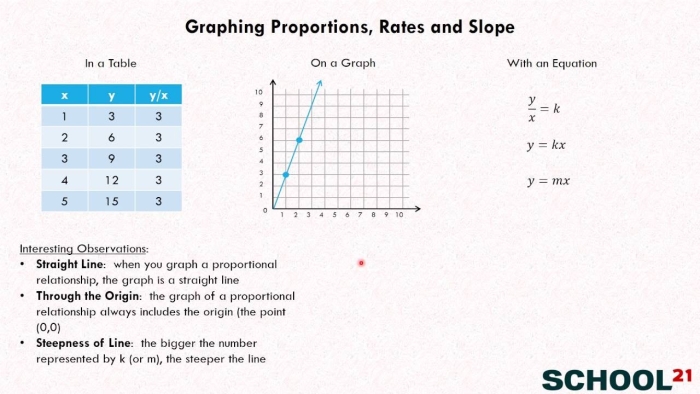
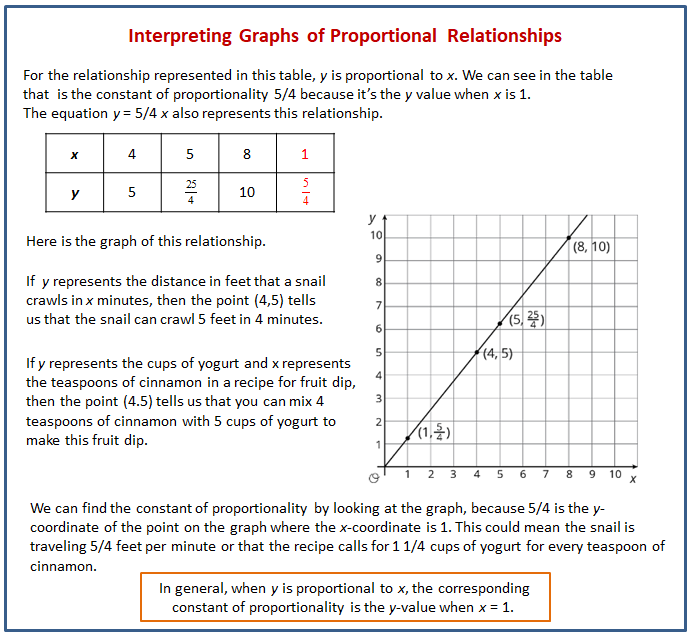
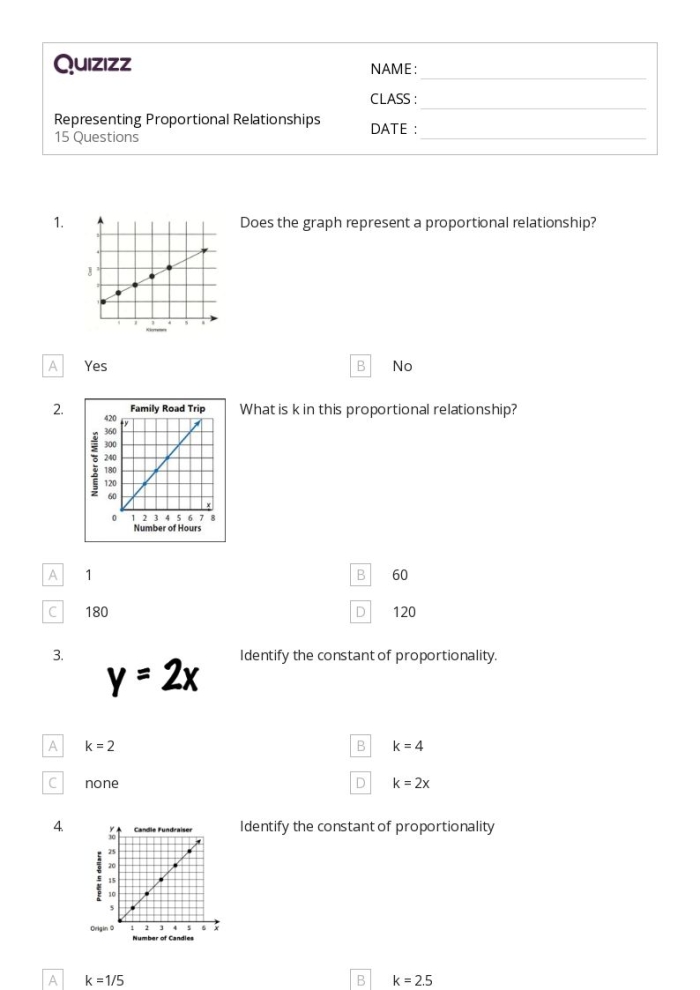
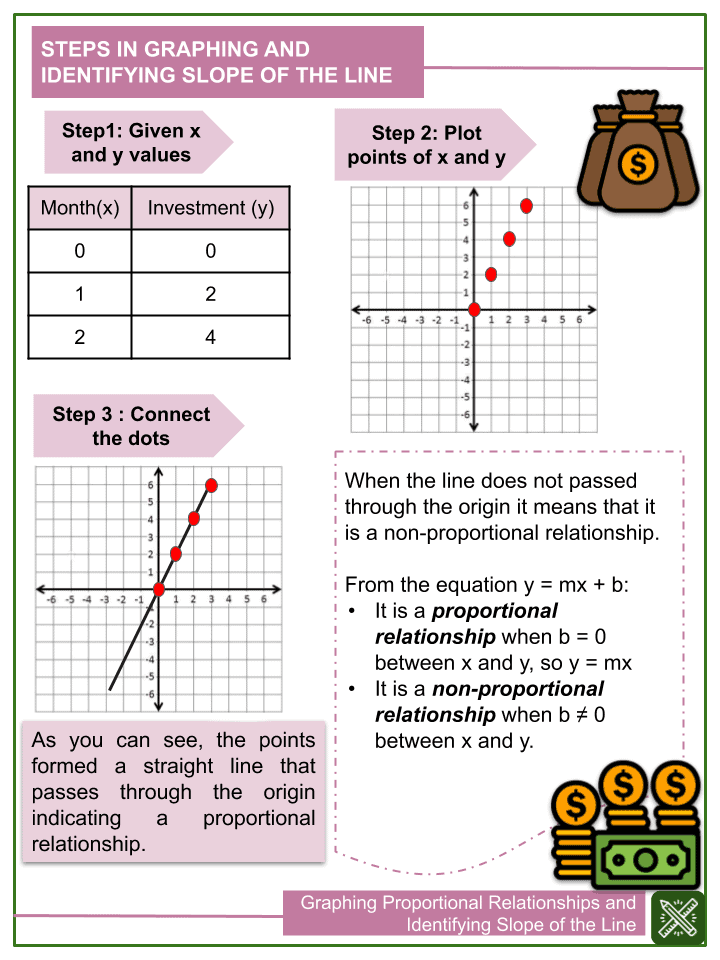
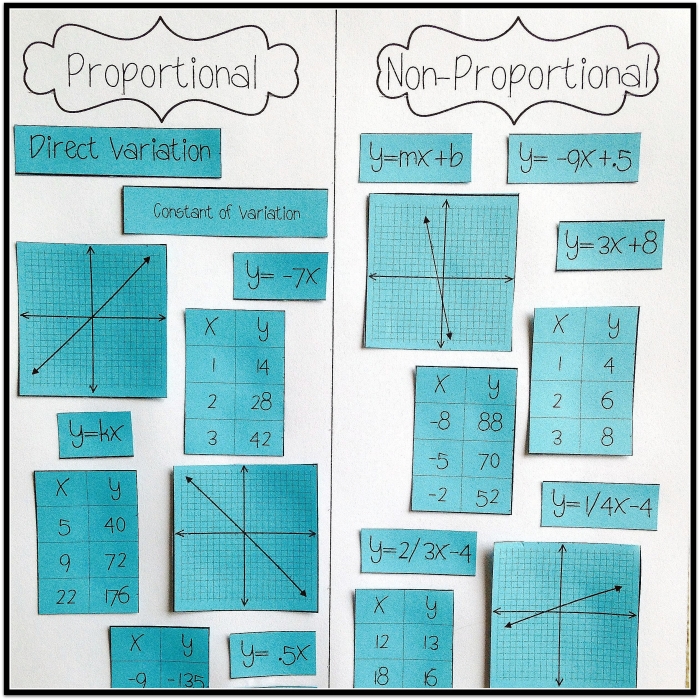
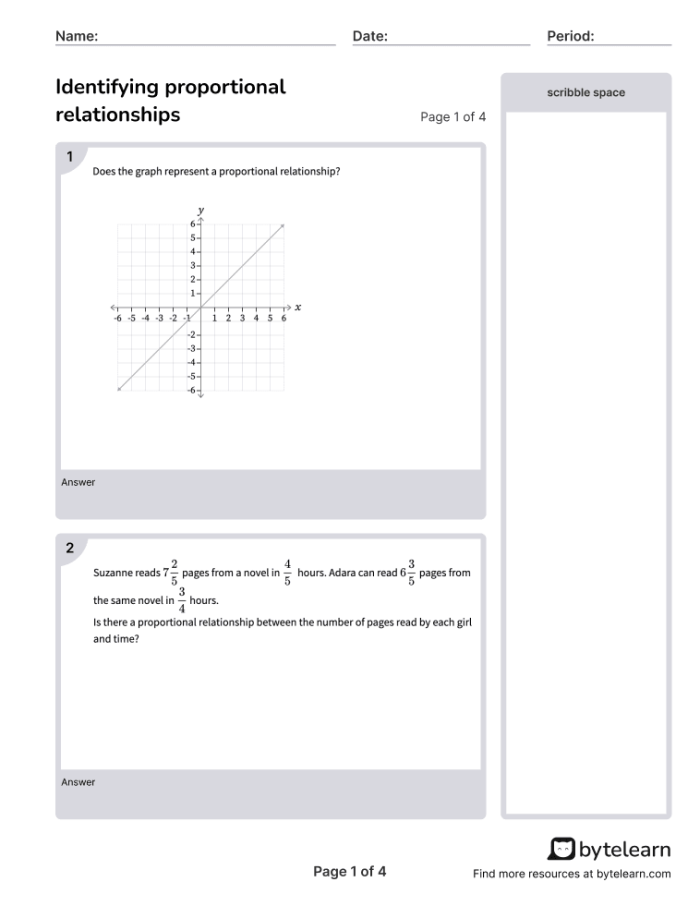
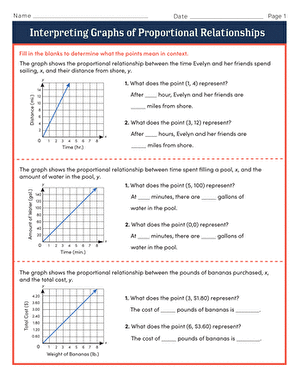
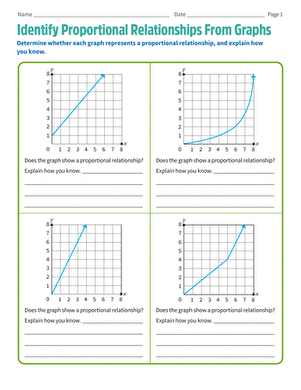
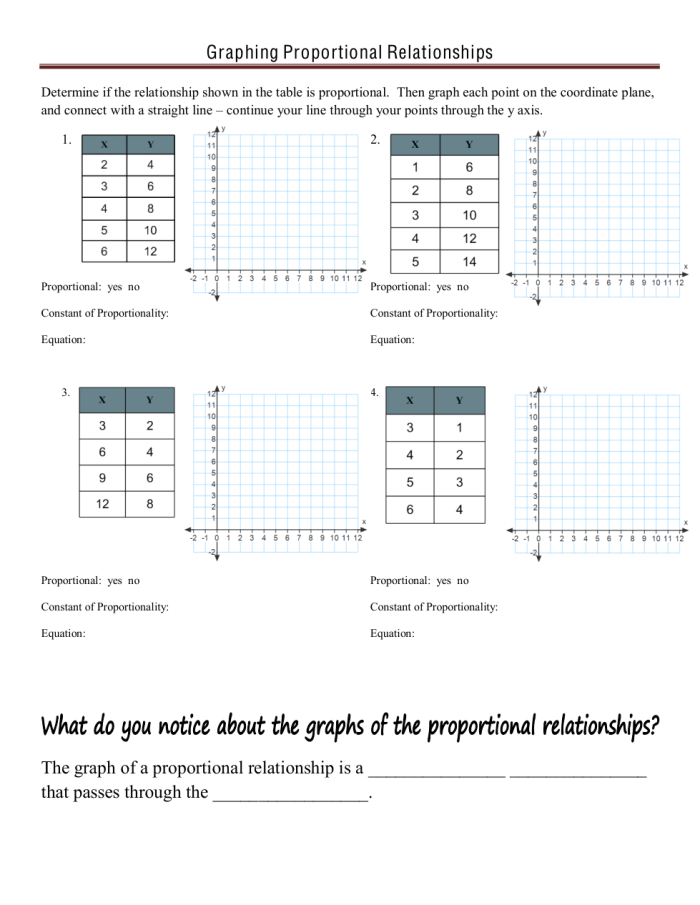
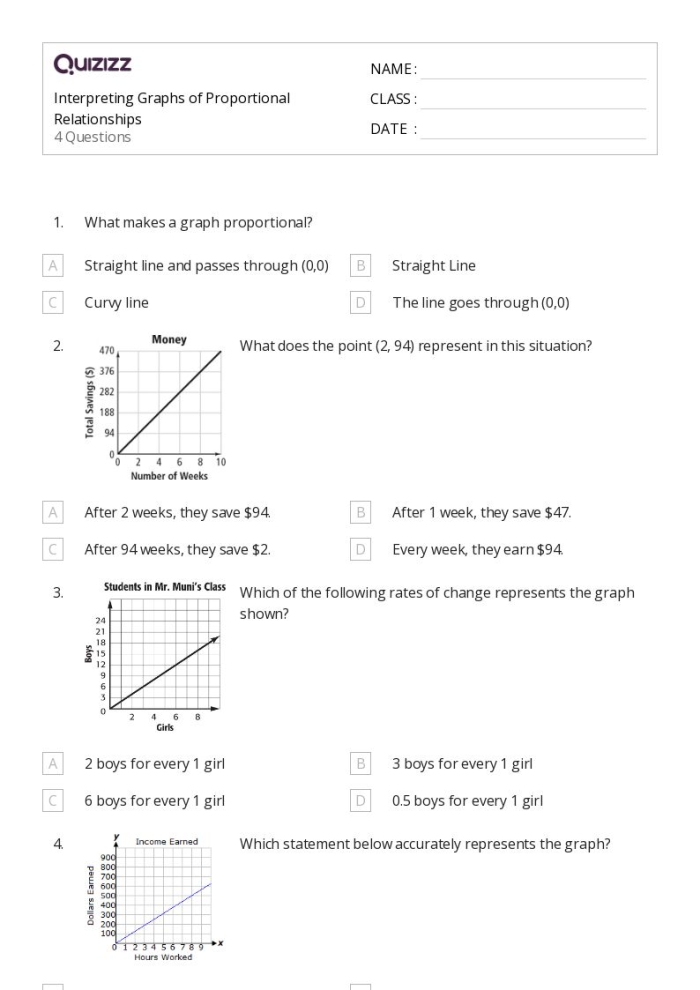
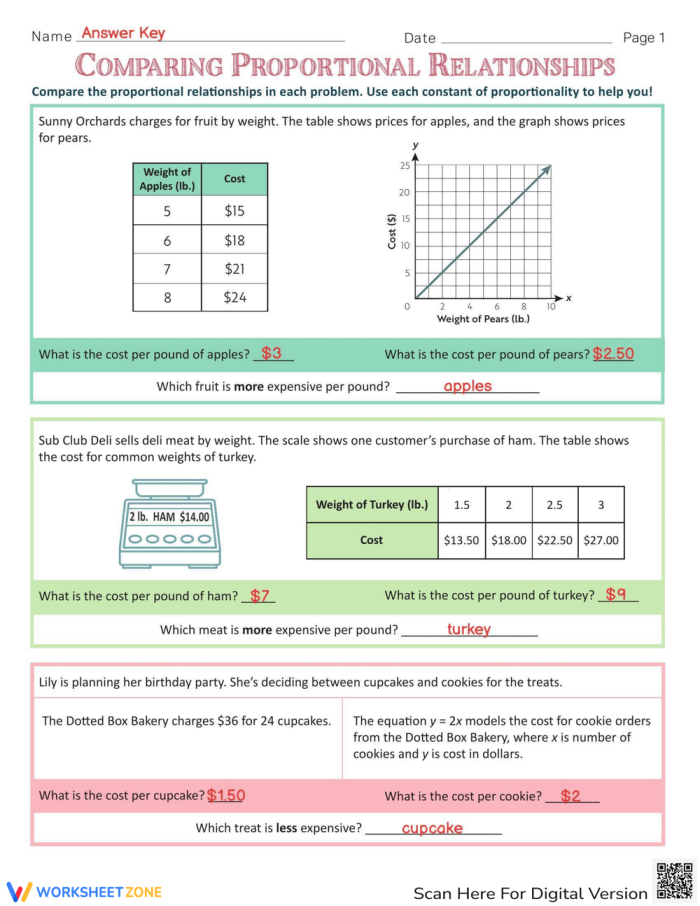
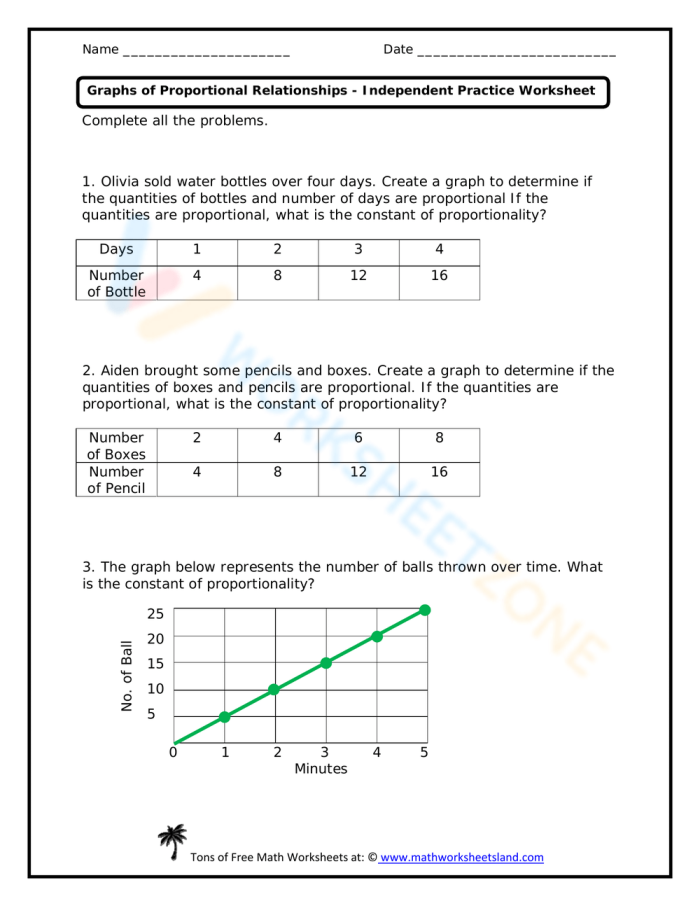
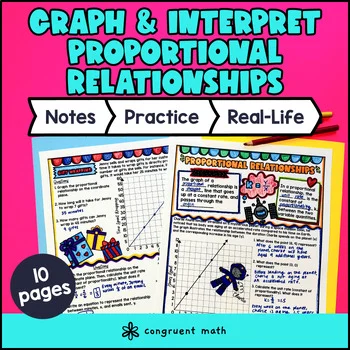
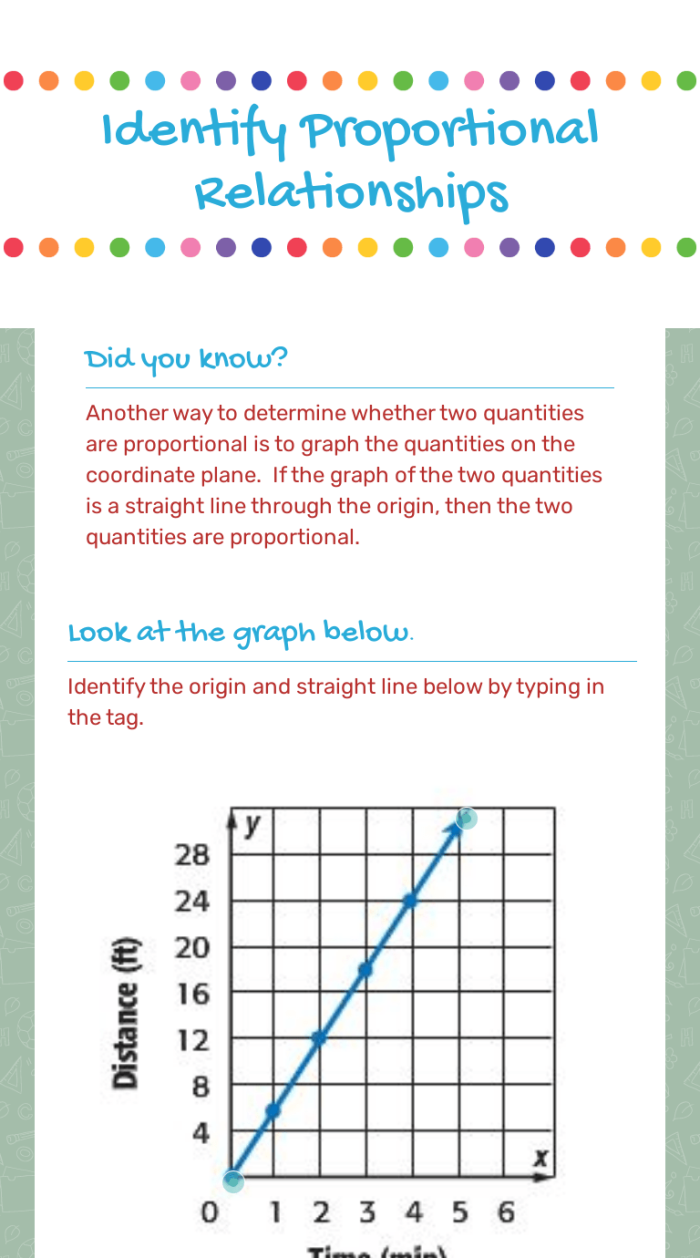
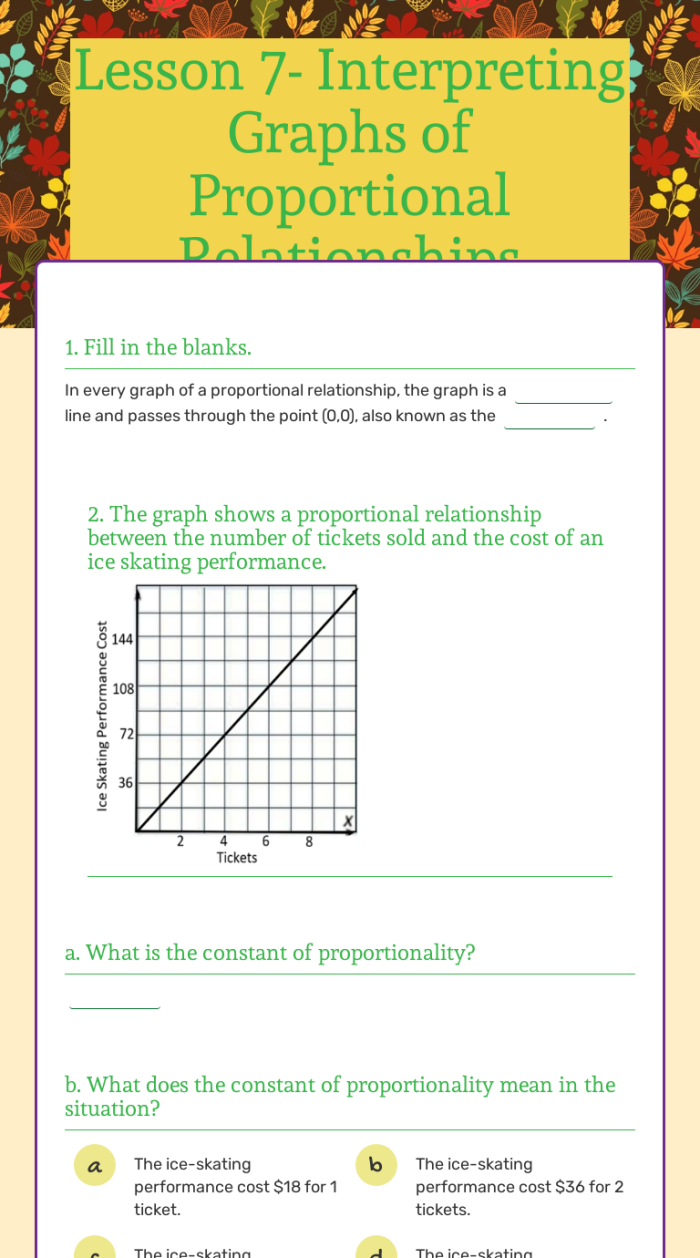
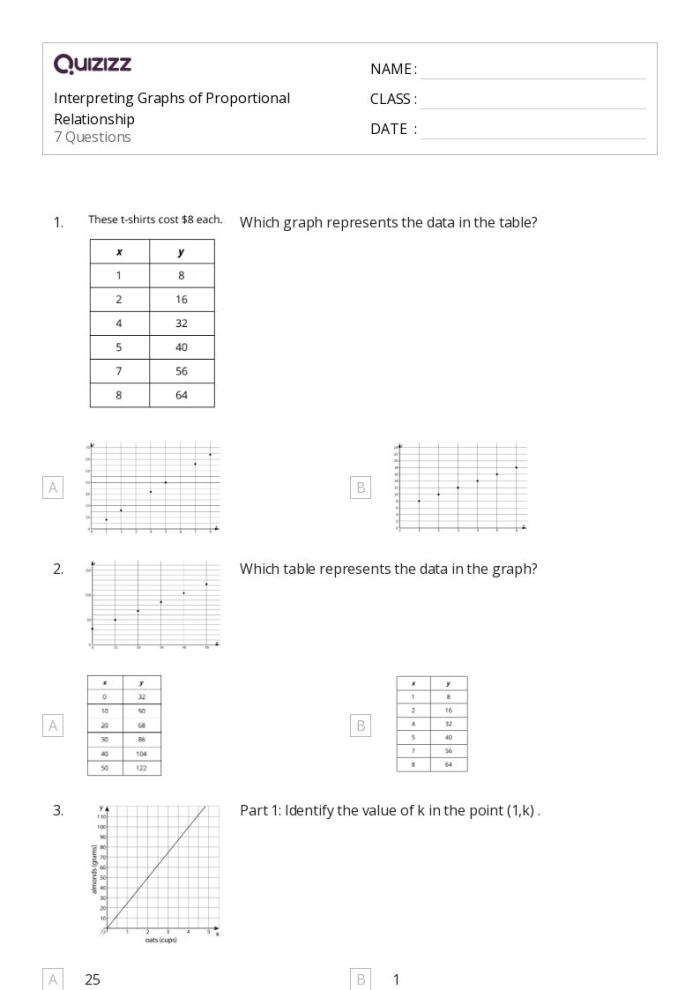
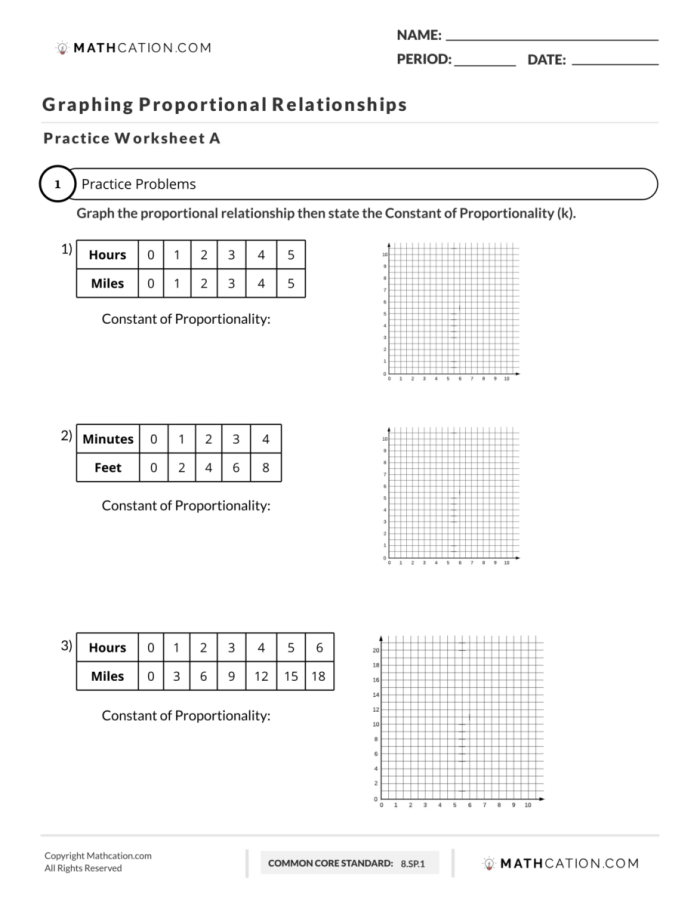
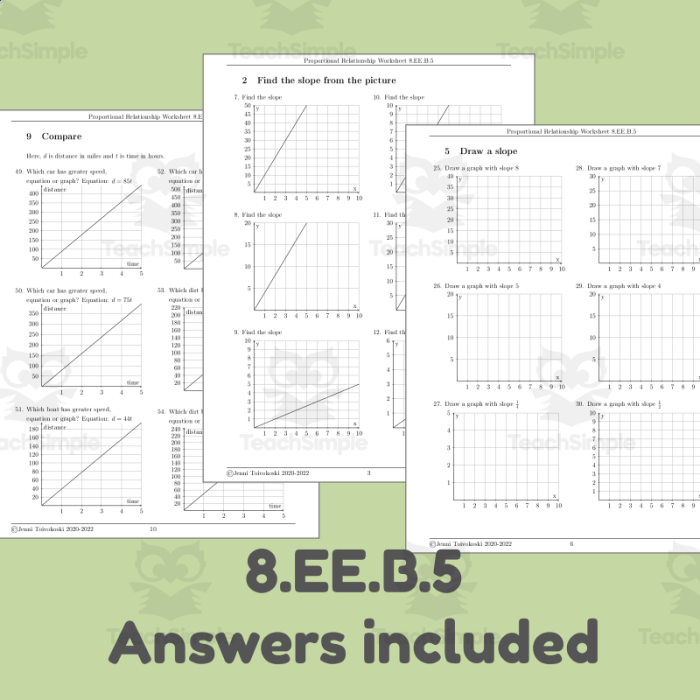
Understanding graphs that illustrate proportional relationships is a fundamental skill for seventh and eighth graders studying algebra. These graphs are not just abstract representations; they are tools that help students comprehend real-world situations. For example, if you’re looking at a graph that shows the relationship between the distance traveled by a car and the time taken, you can easily see how these two variables interact in a proportional way.
When students practice analyzing these graphs, they develop critical thinking skills that are essential in mathematics and beyond. They learn to identify the constant rate of change and understand what it means for two quantities to be proportional. This can be applied in various contexts, such as budgeting, cooking, or even in sports statistics. A worksheet designed for this purpose can guide students through the process of interpreting these graphs, allowing them to spot patterns and make predictions based on their observations.
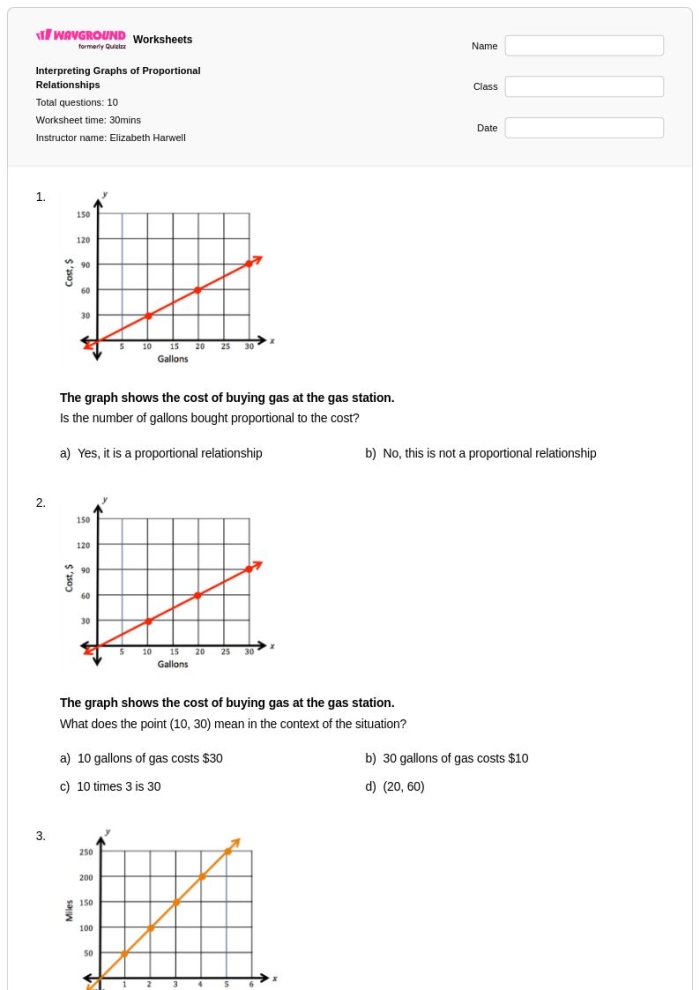
For instance, imagine you have a graph depicting how much gas a car uses over a certain distance. By examining the slope of the line, students can determine the efficiency of the car. Worksheets that focus on interpreting graphs of proportional relationships provide numerous scenarios similar to this, helping students relate math to everyday experiences.
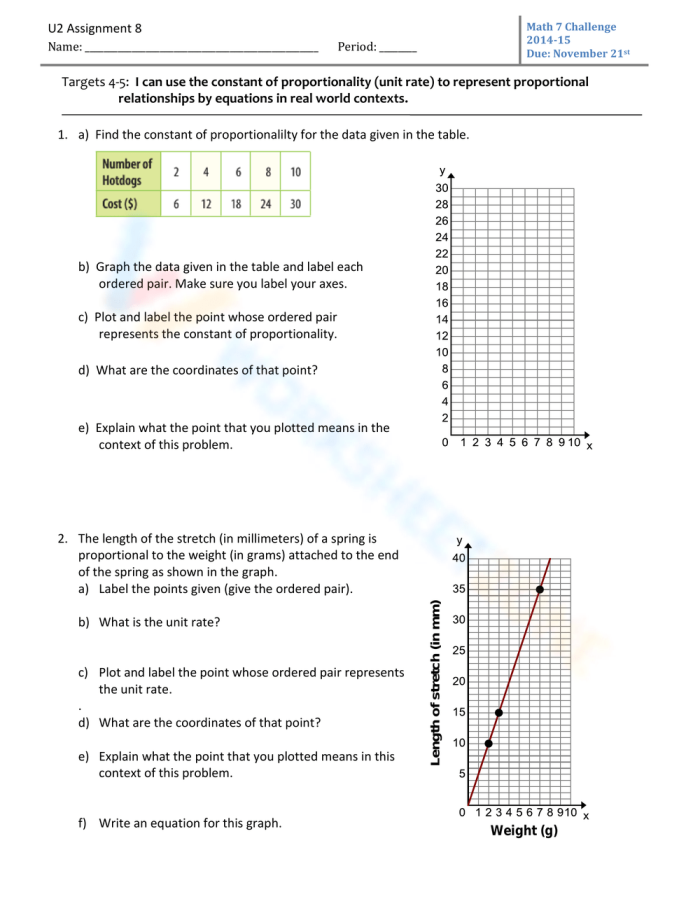
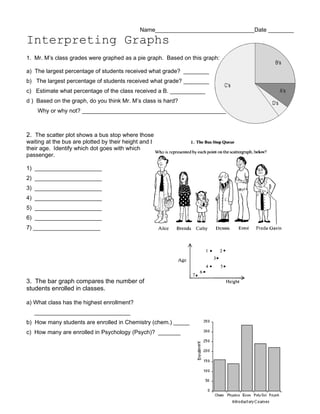
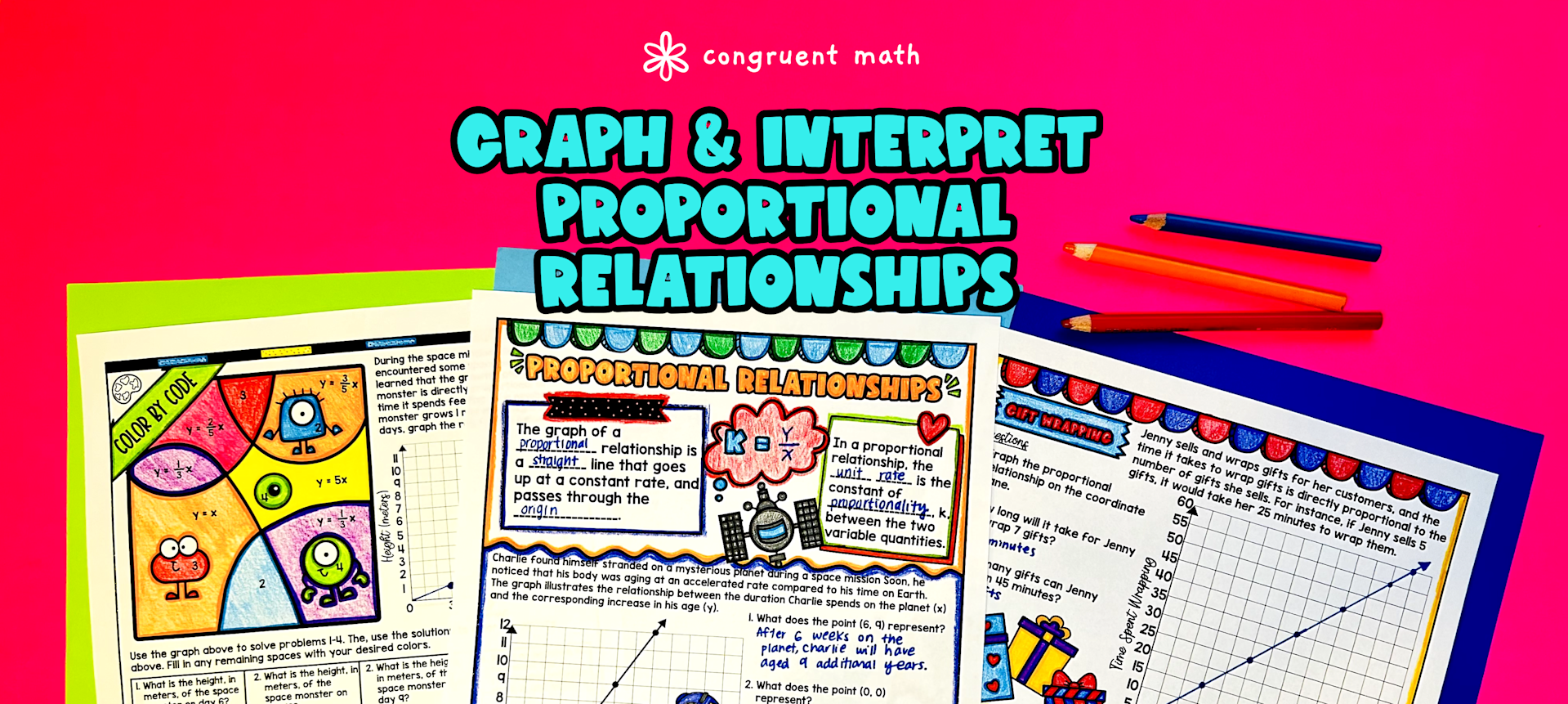
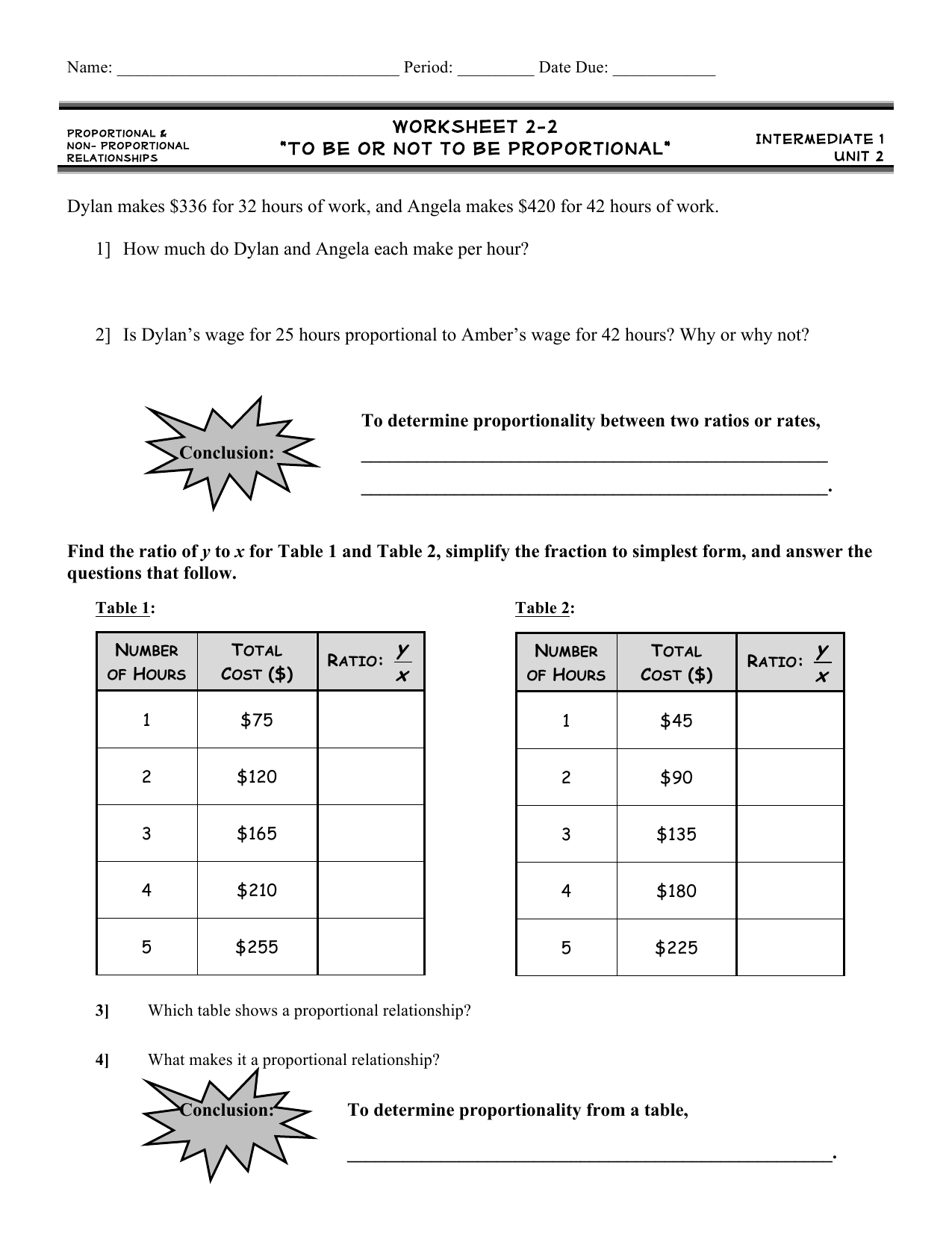
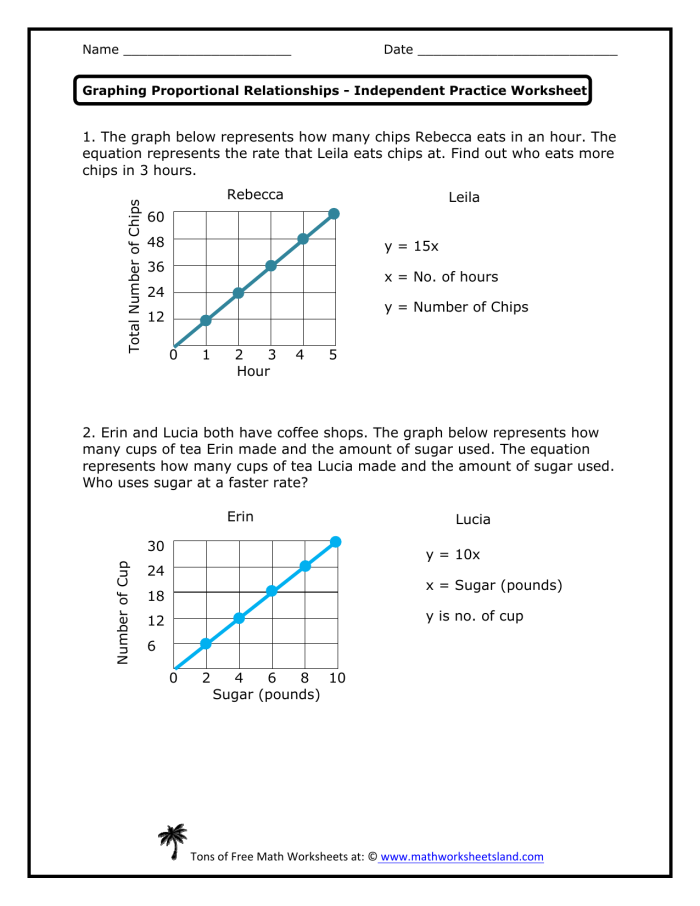
Resources such as Printable Interpreting Graphs of Proportional Relationships Worksheets offer structured practice for students. By working through these materials, learners can reinforce their understanding of proportionality in a variety of contexts. Moreover, engaging with these worksheets prepares students for more complex algebraic concepts they will encounter later.
Effective practice in this area not only enhances mathematical comprehension but also builds confidence. As students become more adept at interpreting graphs, they will find themselves better equipped to tackle problems in other subjects and real-life situations.
Practice with These Worksheets