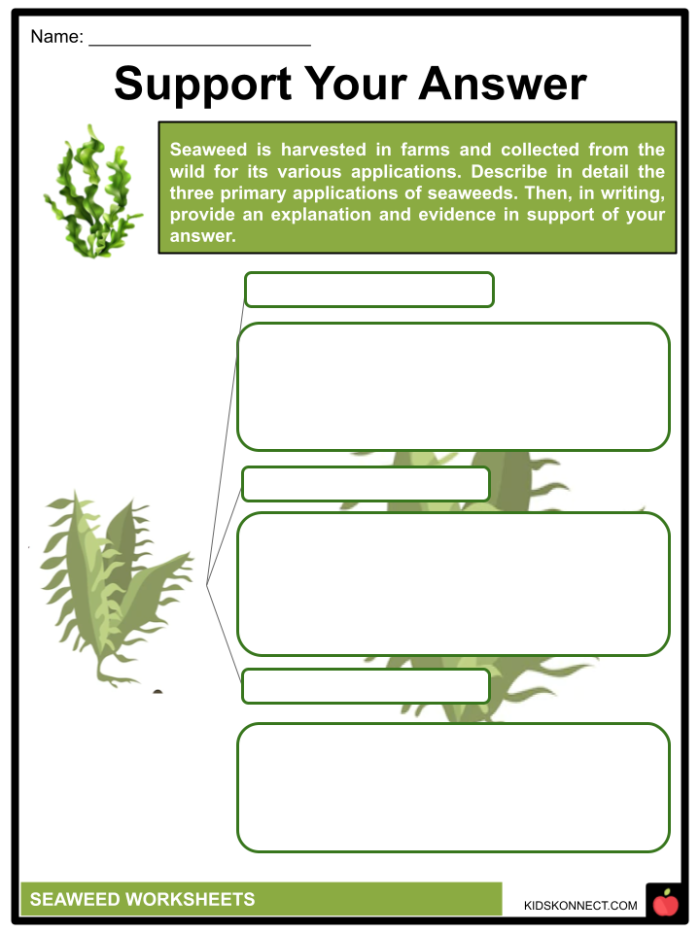
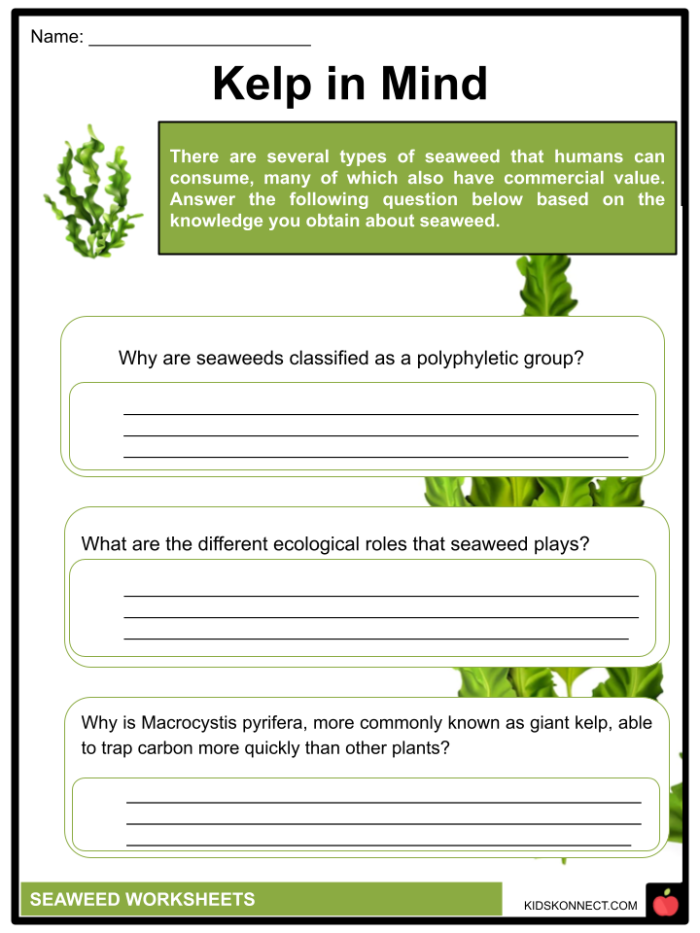
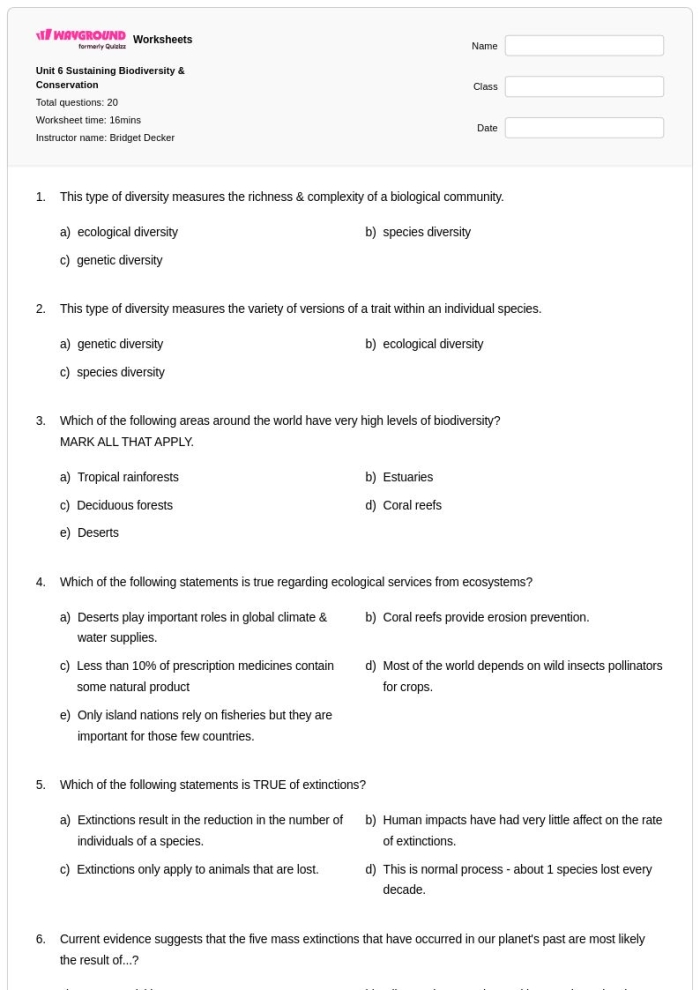
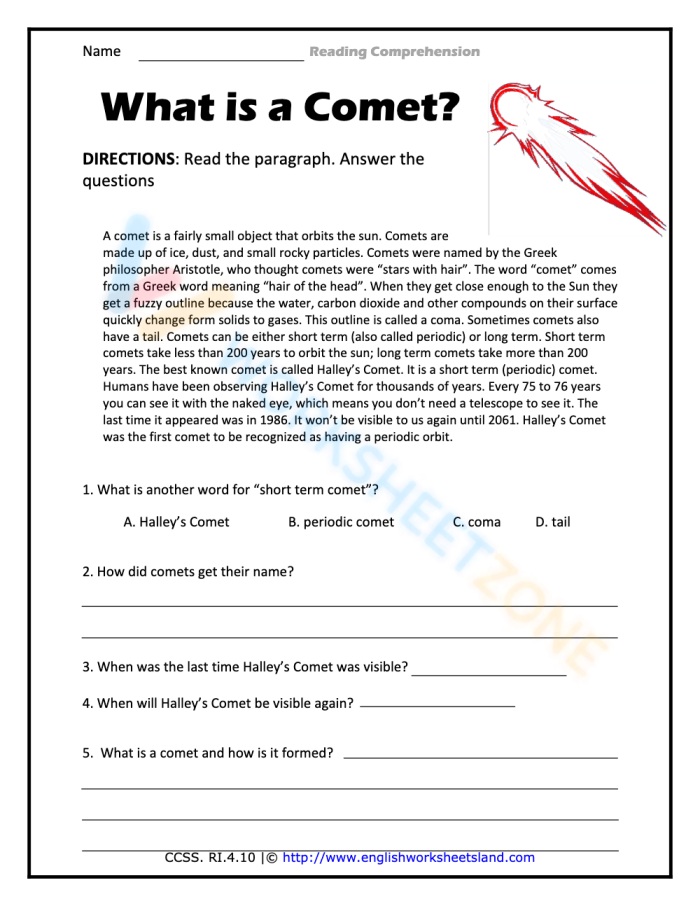
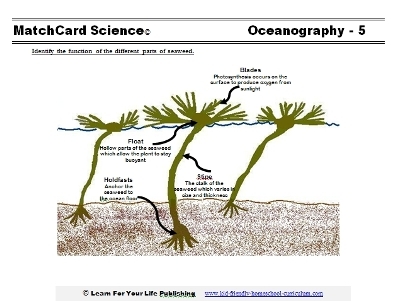
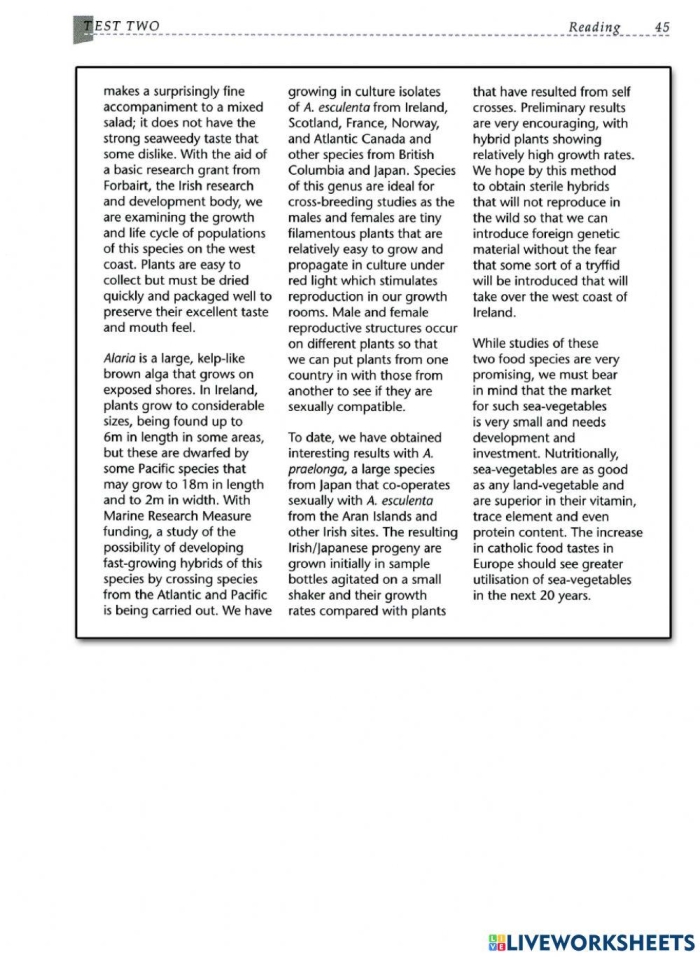
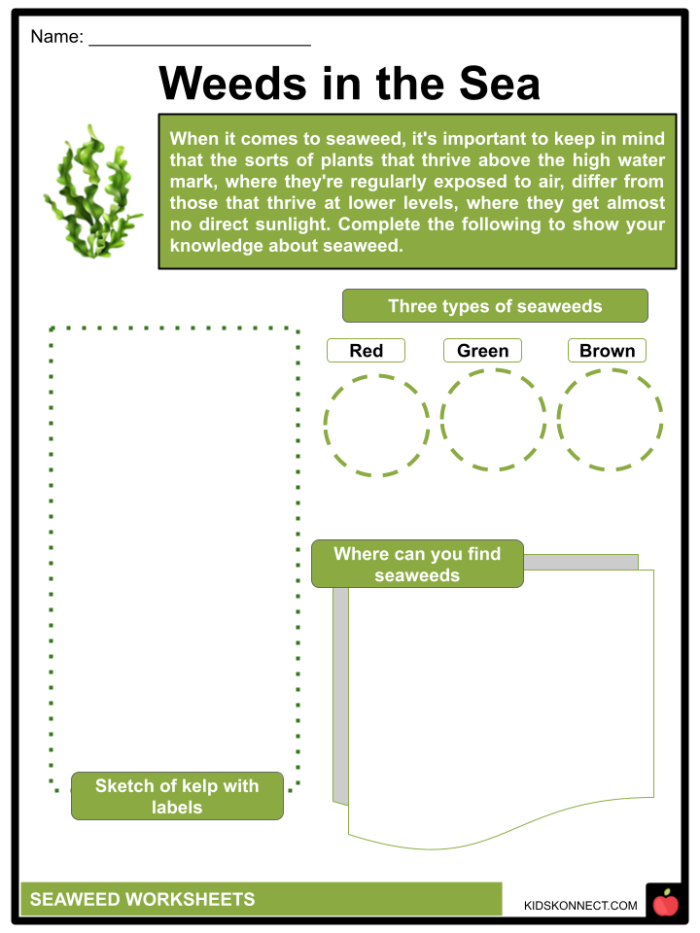
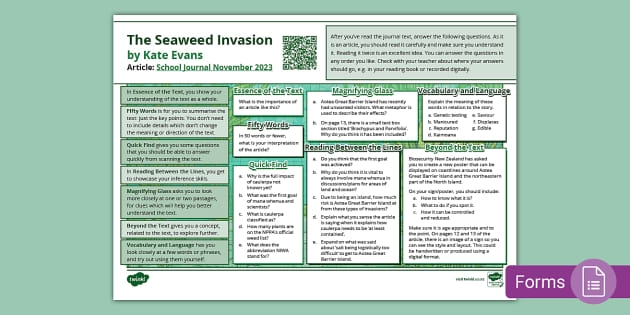
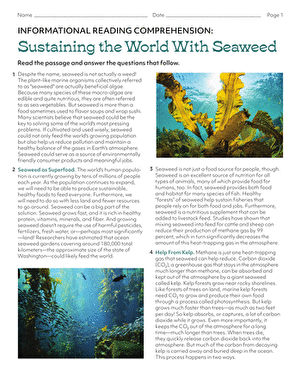
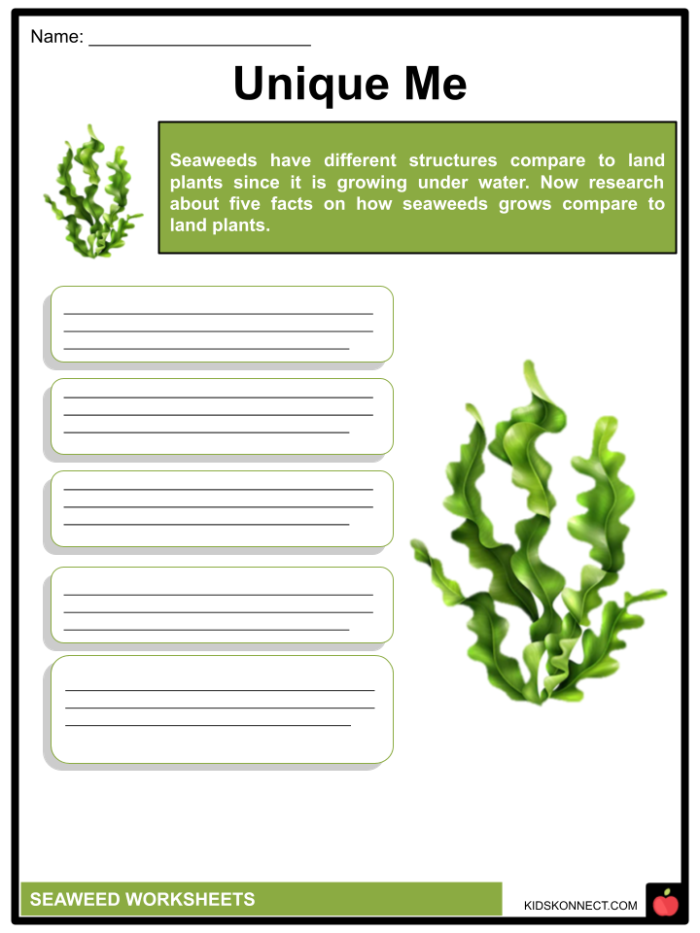
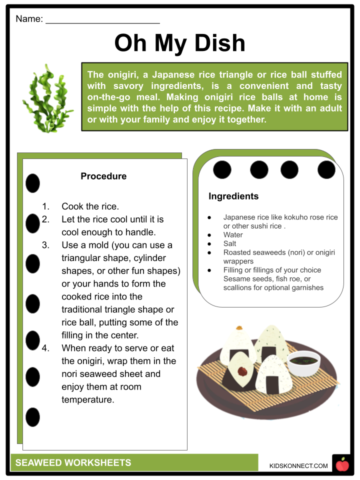
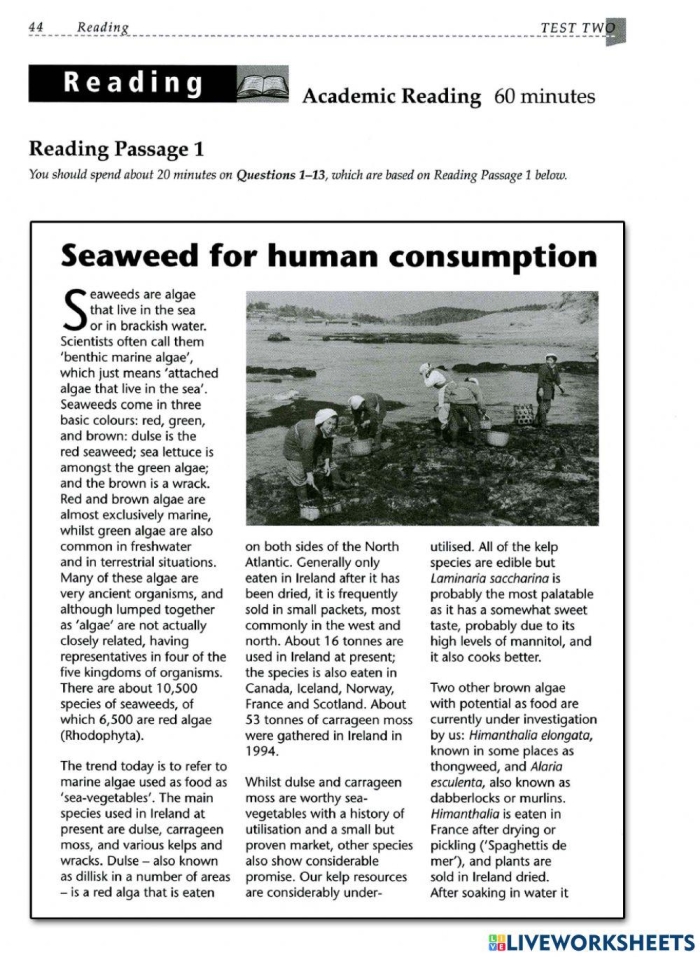
Seventh grade students tackling marine biology need exposure to real-world ecosystems, and seaweed offers a surprisingly rich subject for reading comprehension practice. This four-page worksheet guides students through the ecological and economic importance of seaweed while building their ability to extract information from informational text.
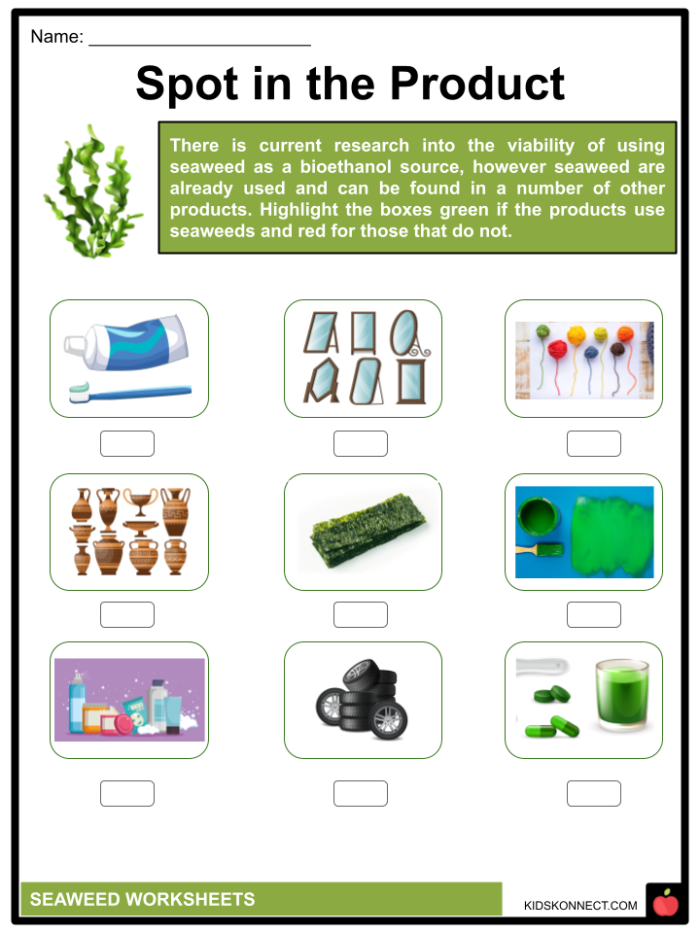
The worksheet structure works because it combines engaging content with rigorous questioning. Rather than abstract passages, students encounter facts about how seaweed sustains ocean ecosystems and supports human communities across the globe. They learn that kelp forests provide habitat for countless marine species, while certain seaweed varieties serve as food sources in Asian cuisines and ingredients in everyday products like ice cream and cosmetics.
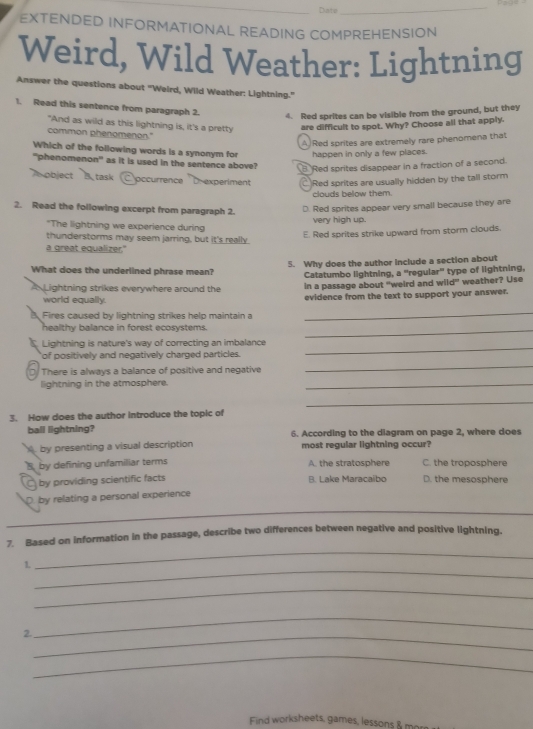
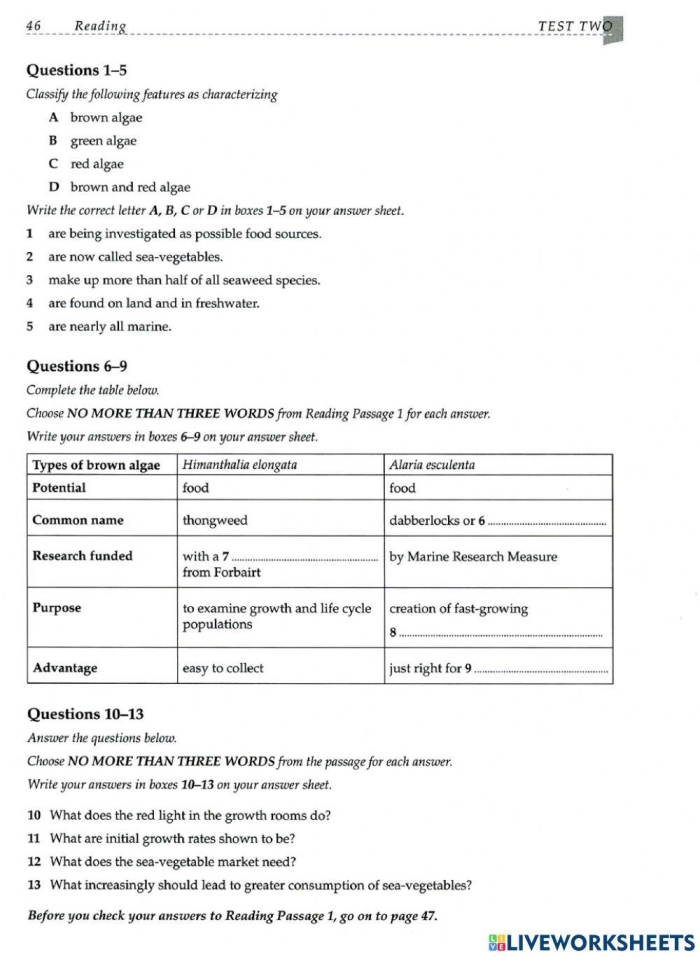
Each page builds comprehension skills progressively. Early questions ask students to identify main ideas and supporting details, a foundational skill for seventh grade reading standards. Later questions require inference and analysis, pushing students to understand cause-and-effect relationships within the text. This scaffolded approach mirrors how teachers structure reading instruction across grade levels, where complexity increases as students demonstrate mastery.
The standards-based design means every question aligns with grade-level literacy expectations. Students practice distinguishing between fact and opinion, understanding vocabulary in context, and synthesizing information across multiple paragraphs. These skills transfer directly to other subjects, whether students encounter technical writing in science or measurement concepts.
What makes this worksheet effective is its focus on a topic that genuinely matters. Seaweed sustains ecosystems and economies, making it worthy of serious study rather than mere filler content. Students finish the assignment understanding both the reading material and why marine conservation matters.
Boost Skills with These Worksheets