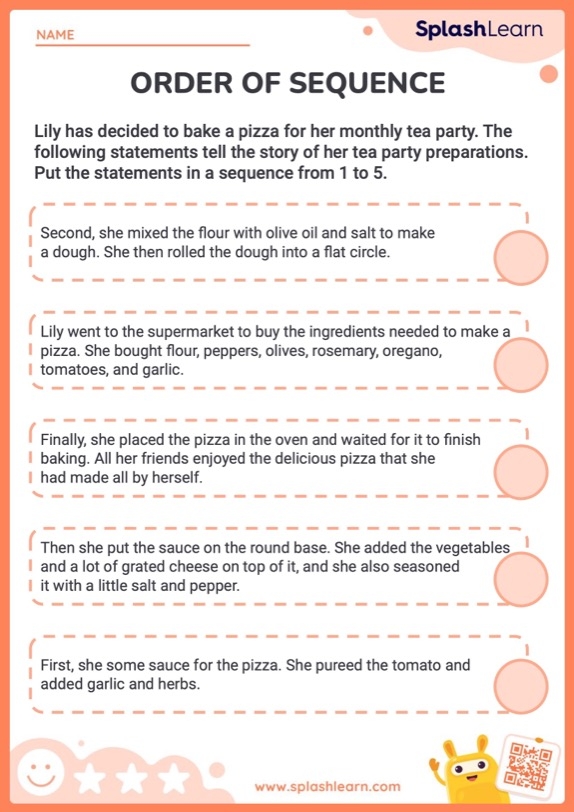
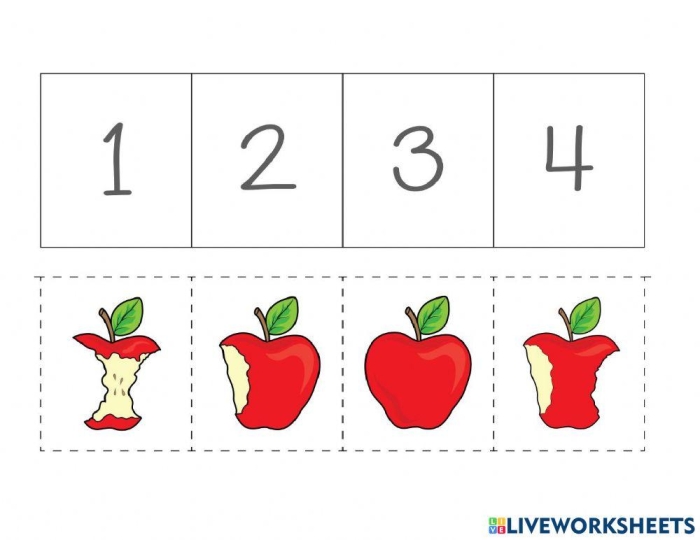
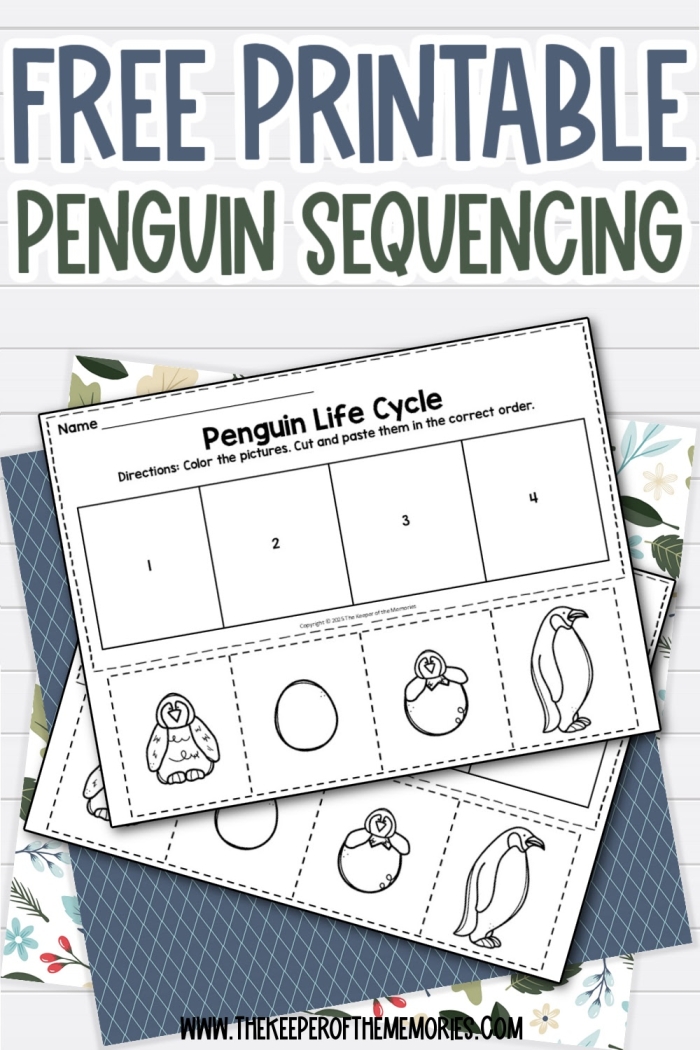
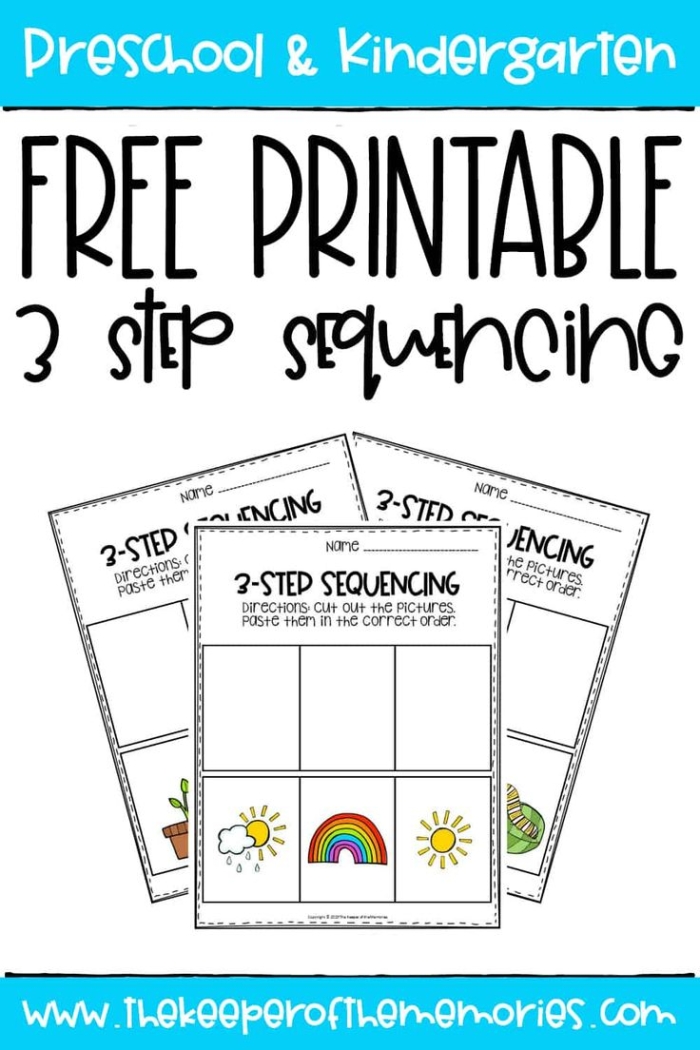
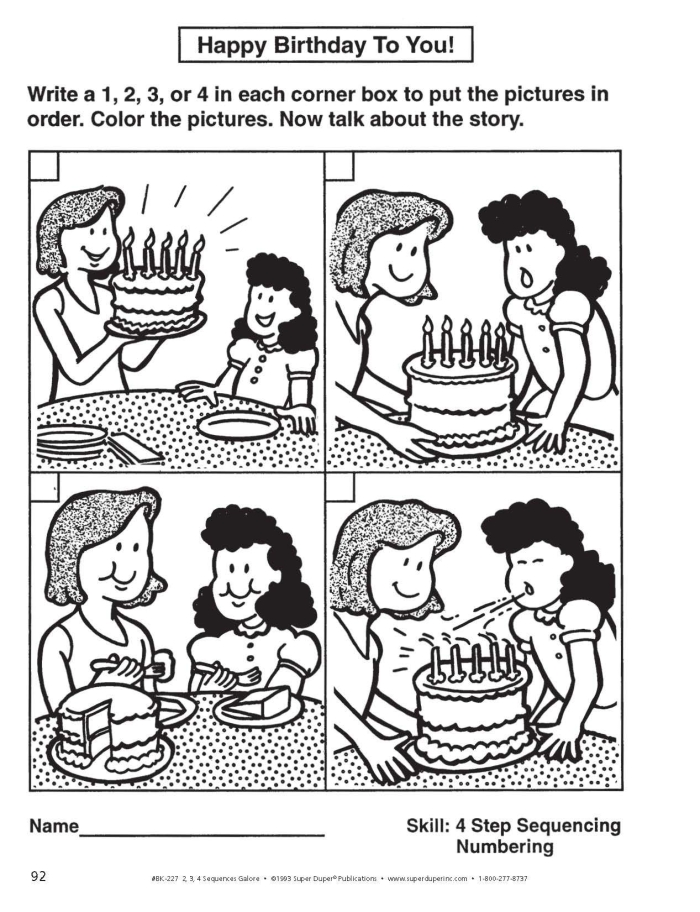
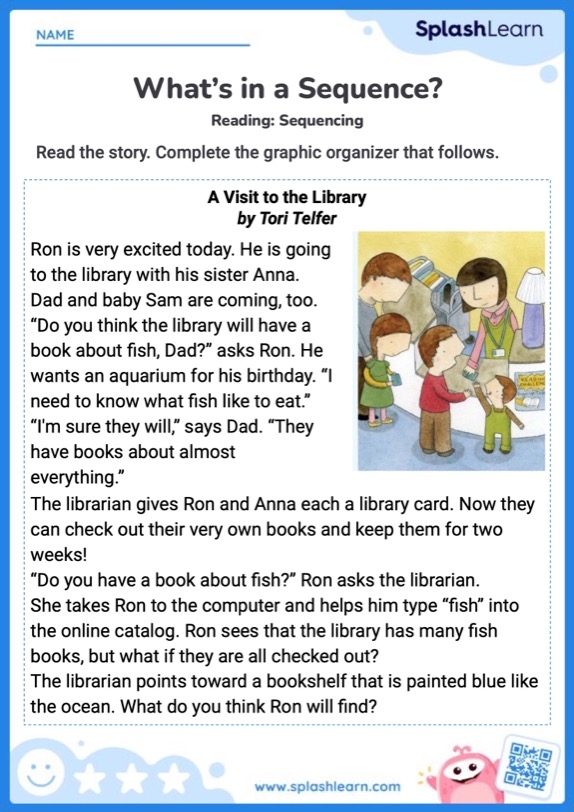
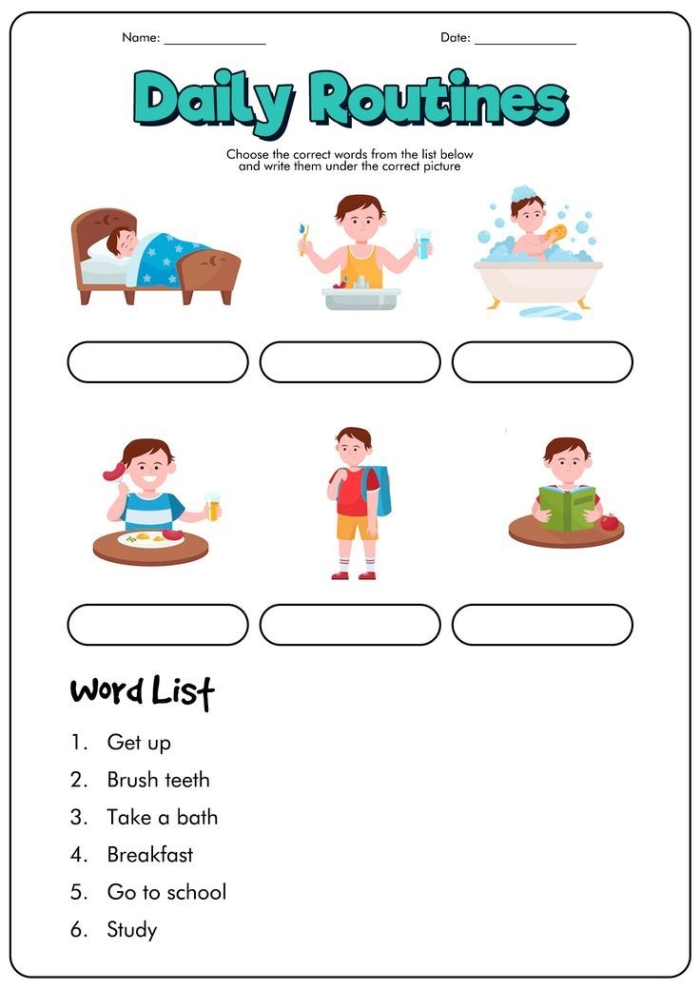
Understanding the order of events is a critical skill for young learners. In this assessment worksheet, students demonstrate their knowledge of sequencing events, which is essential not only for grasping stories but also for everyday activities. When children can identify the correct sequence of images or events, they develop their logical thinking and comprehension skills.
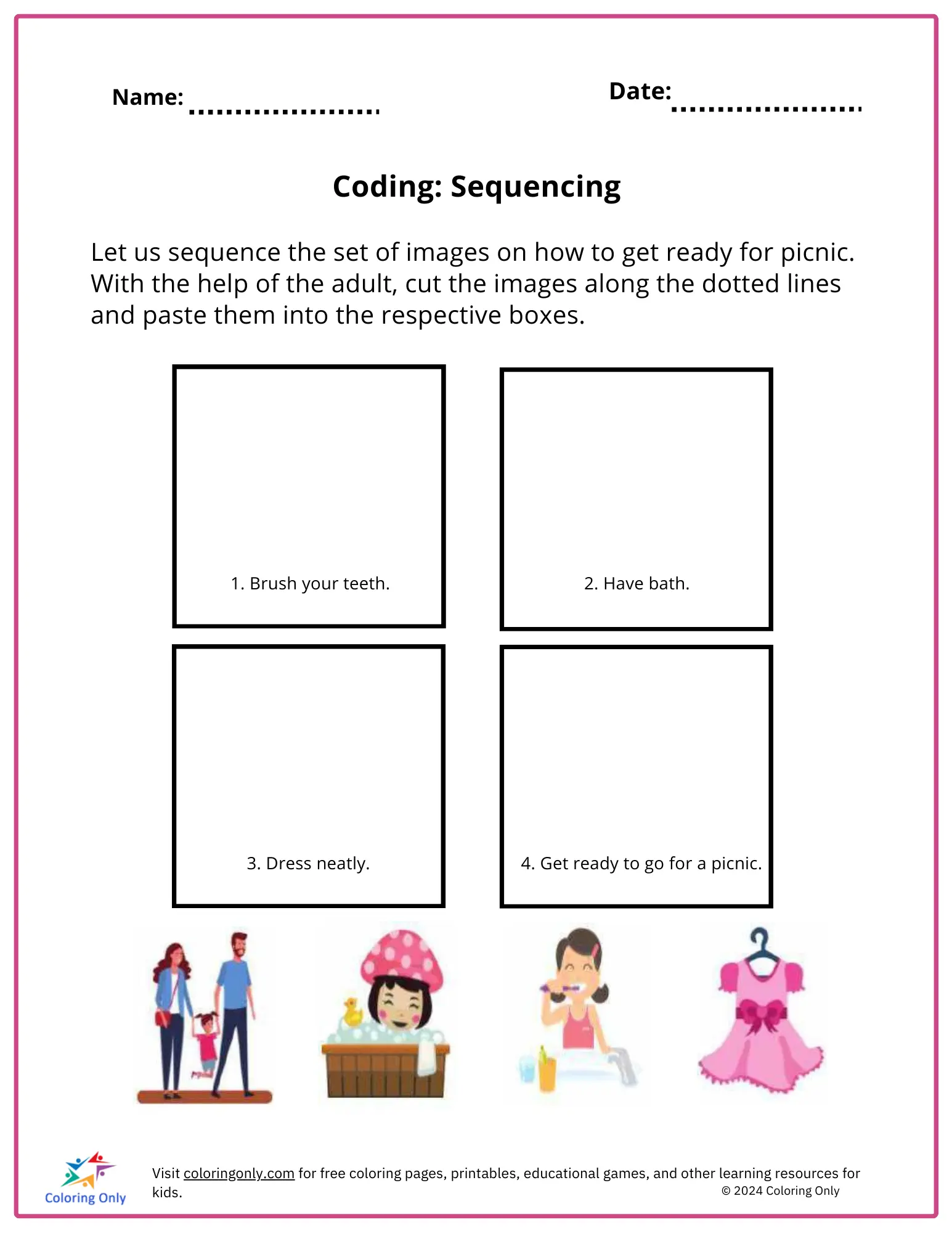
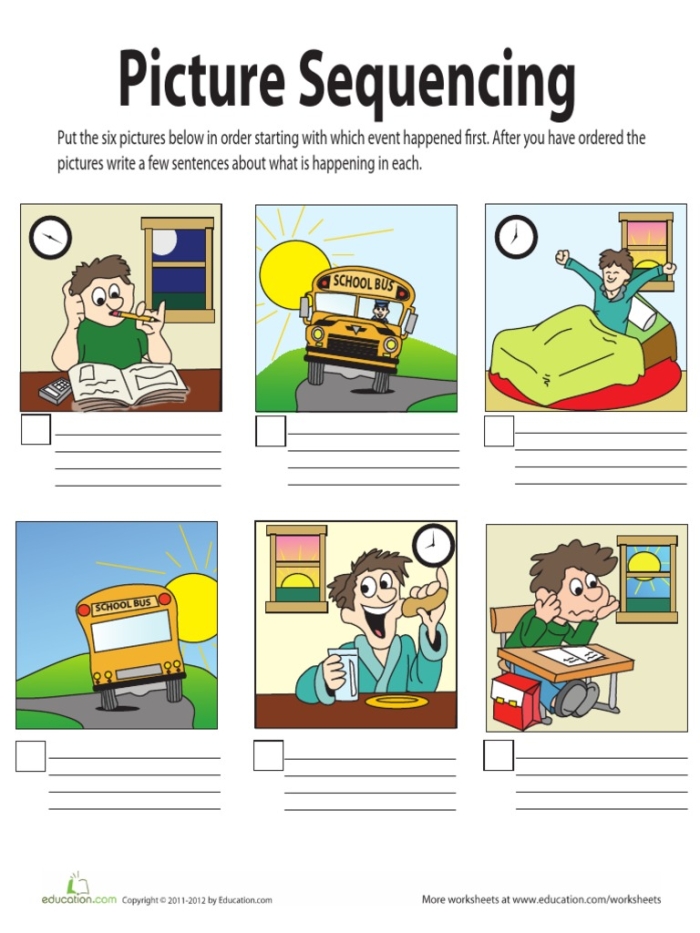
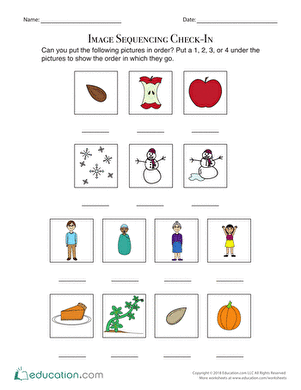
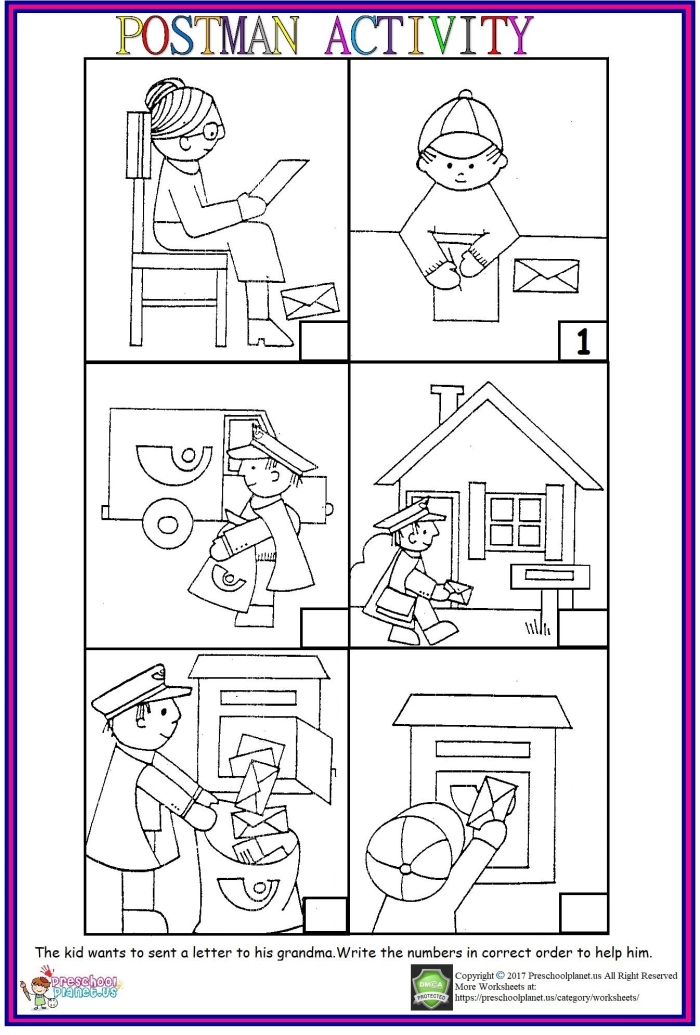
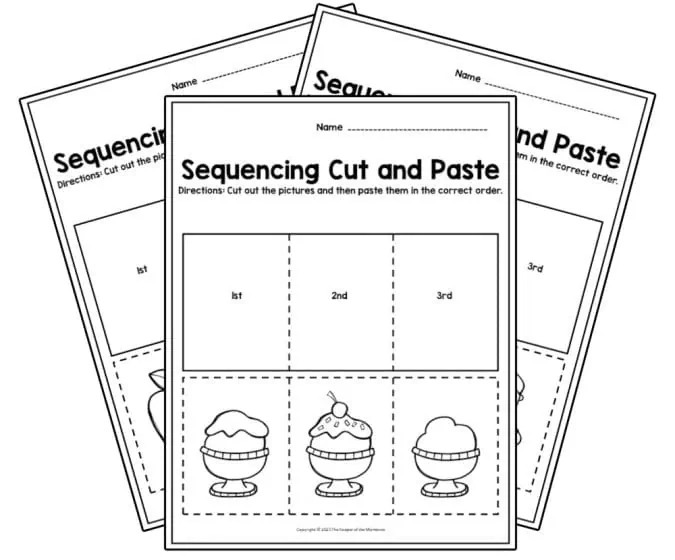
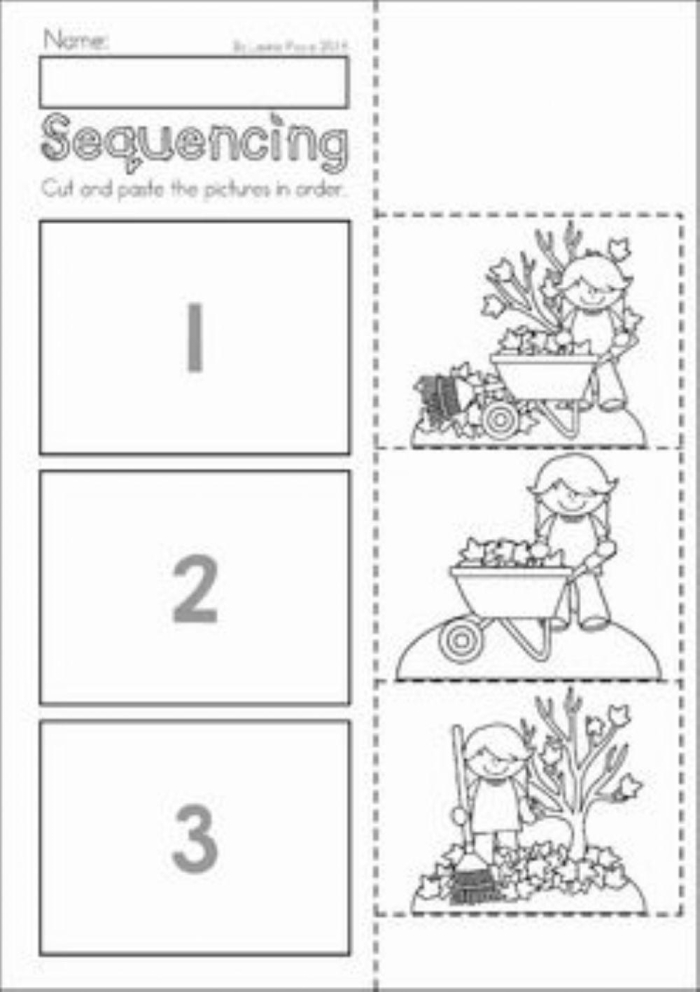
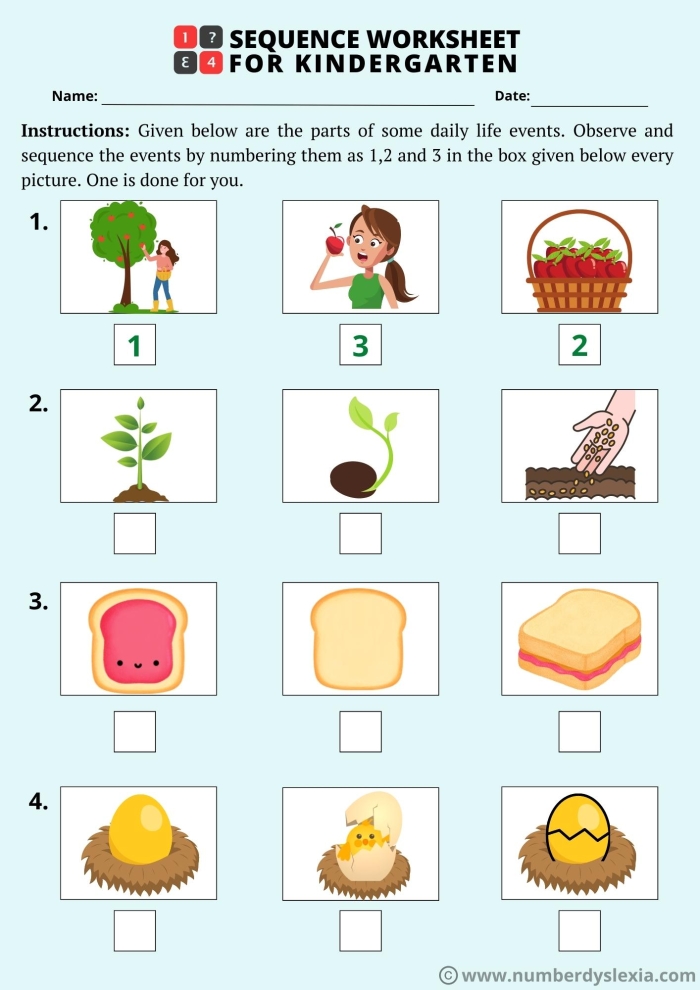
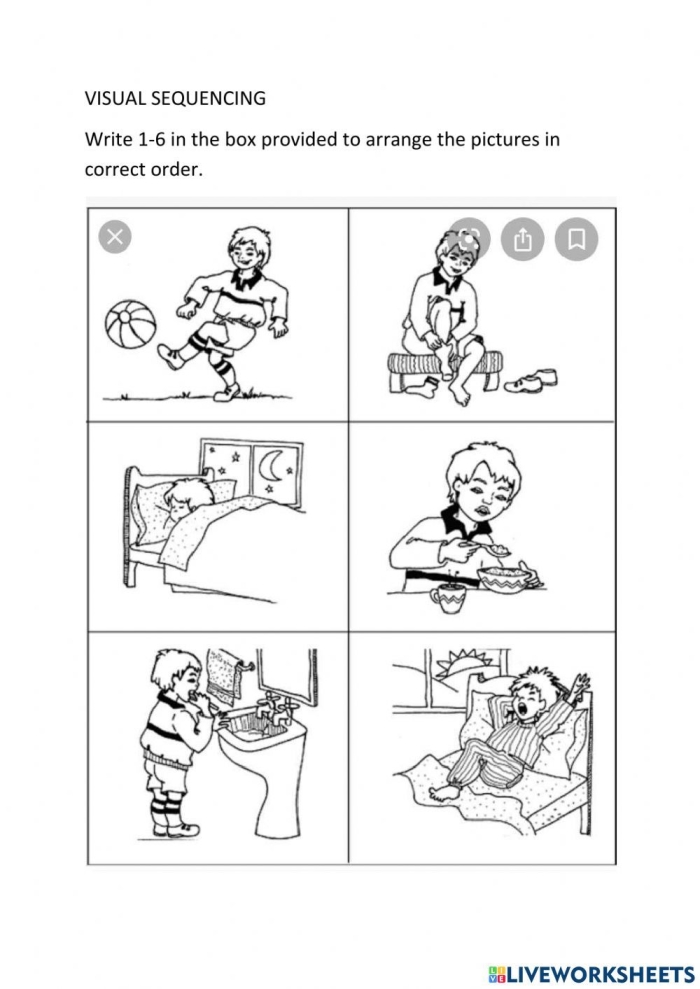
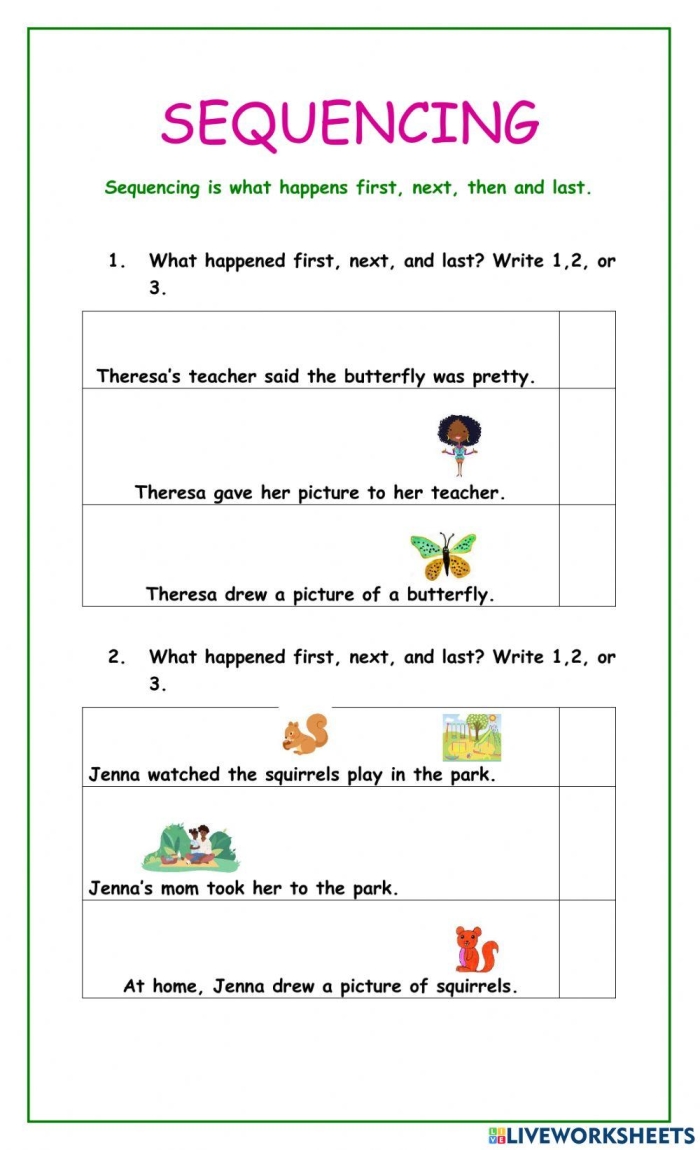
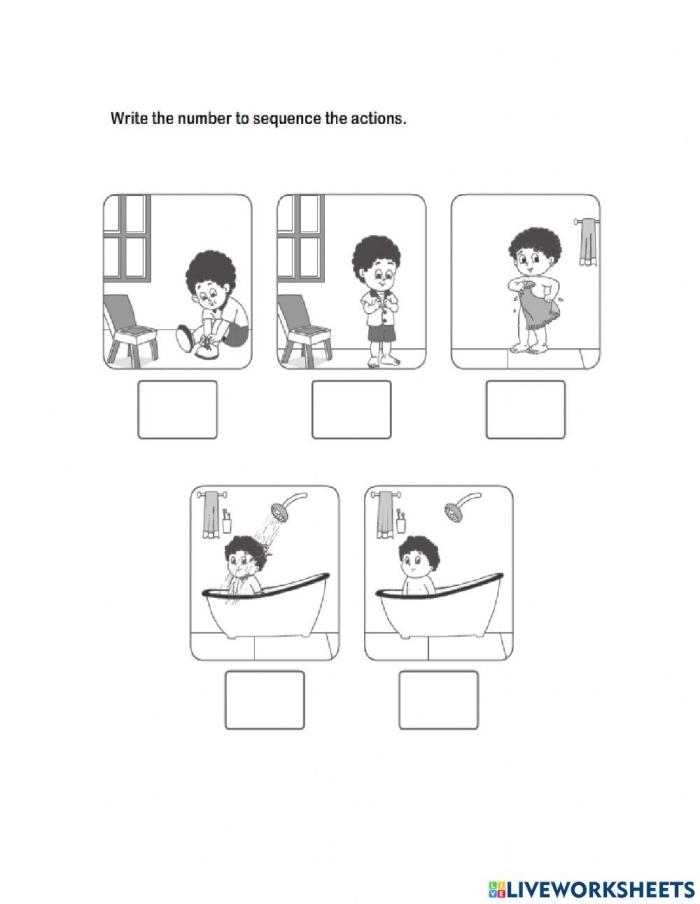
Sequencing activities are particularly beneficial in a Pre-K classroom. They help children recognize patterns, which is foundational for later math skills. For instance, using printable image sequencing check-in worksheets allows students to arrange images from a story or daily routine in the correct order. This visual approach caters to different learning styles, making it easier for all students to engage with the content.
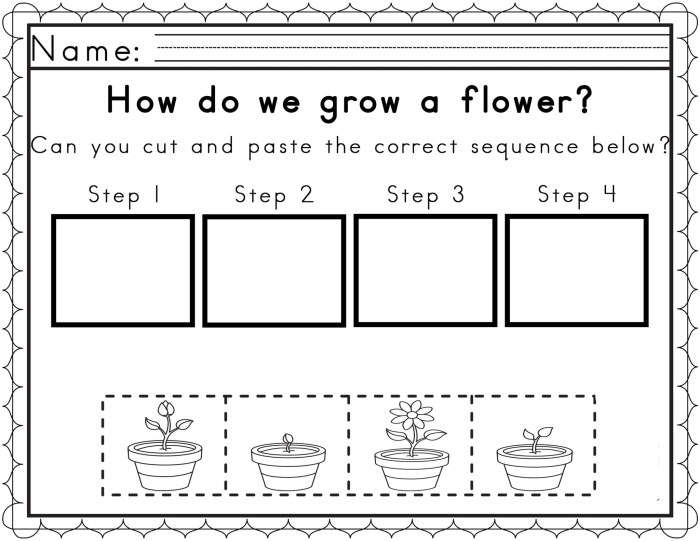
For example, a worksheet might present images of a plant growing. Students would need to arrange these images from seed to full bloom. This not only reinforces their understanding of the life cycle but also encourages discussion about living things, a theme that can be further explored in resources like the Living Things Mixed Operations Pre-K Worksheets.
Moreover, sequencing helps with language development. As children explain their reasoning for the order they chose, they practice using complete sentences and specific vocabulary. This kind of activity can seamlessly integrate into lessons on storytelling or daily routines, enhancing both literacy and numeracy skills. Teachers can find related resources, such as the Know Your Numbers 1 worksheets, to complement their lessons on sequencing.
Ultimately, embedding sequencing activities in the Pre-K curriculum cultivates essential skills that students will carry with them throughout their education. Through engaging and interactive worksheets, children not only learn to sequence events but also enjoy the process, making learning a fun experience.
Practice with These Worksheets