English Learners frequently face challenges when distinguishing between complete sentences and fragments. This can seem daunting, especially since a complete sentence requires both a subject and a predicate. Understanding these components is crucial for developing strong writing skills. As educators, we can help students grasp this concept through clear explanations and engaging practice.
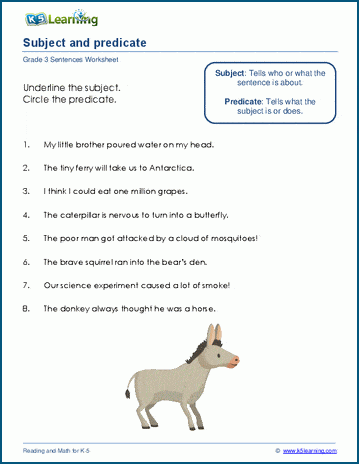
A complete sentence expresses a complete thought and consists of two main parts: a subject, which tells us who or what the sentence is about, and a predicate, which tells us what the subject does or is. For example, in the sentence The dog barks, The dog is the subject, and barks is the predicate. In contrast, a fragment lacks either a subject or a predicate, such as Running quickly or The dog. These fragments leave the reader wanting more information.
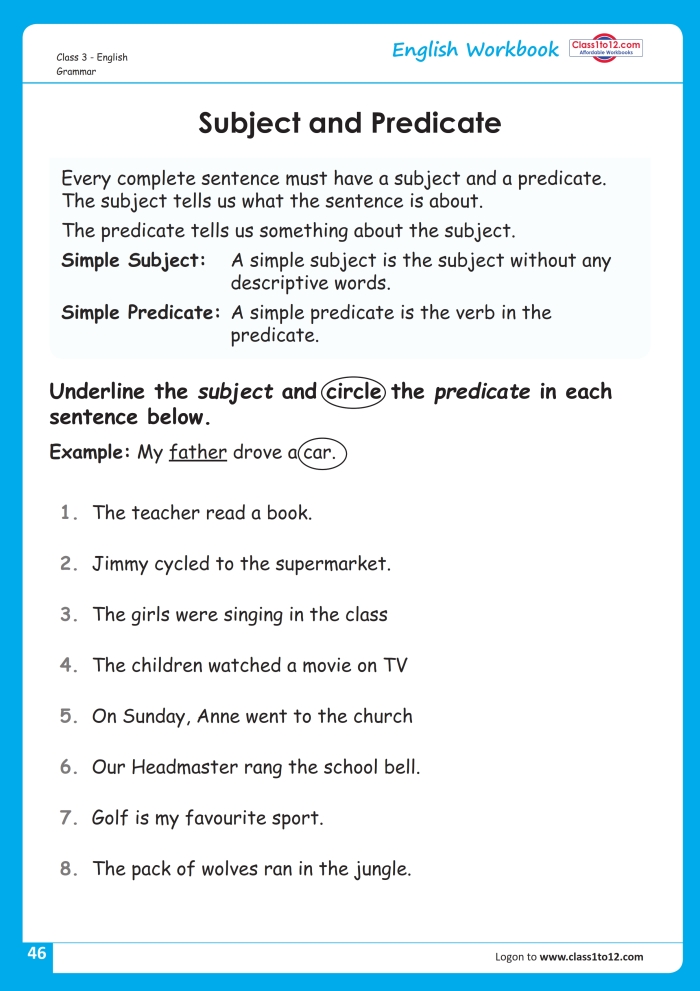
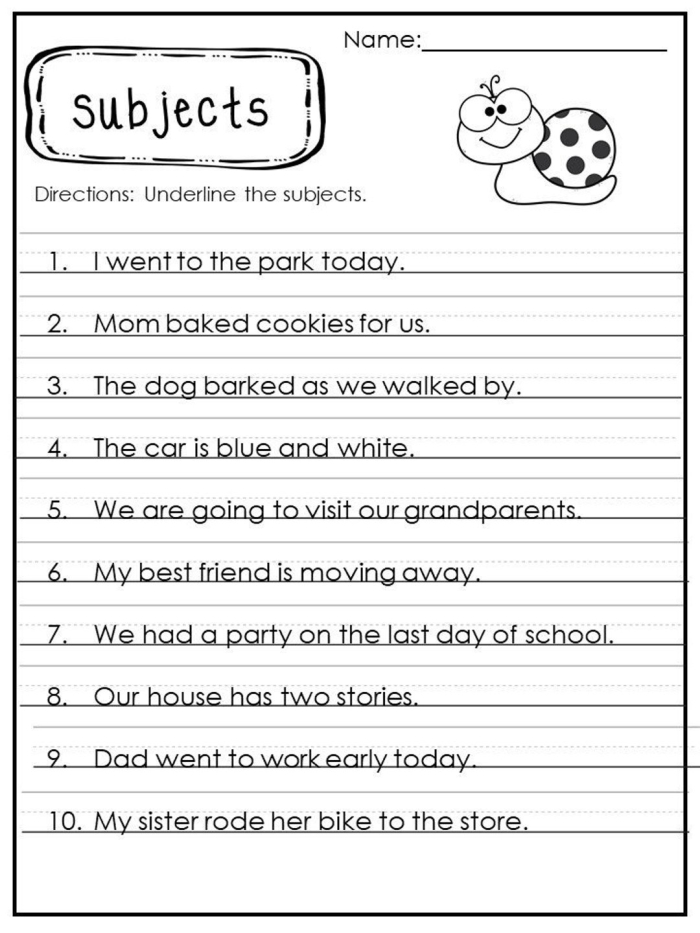
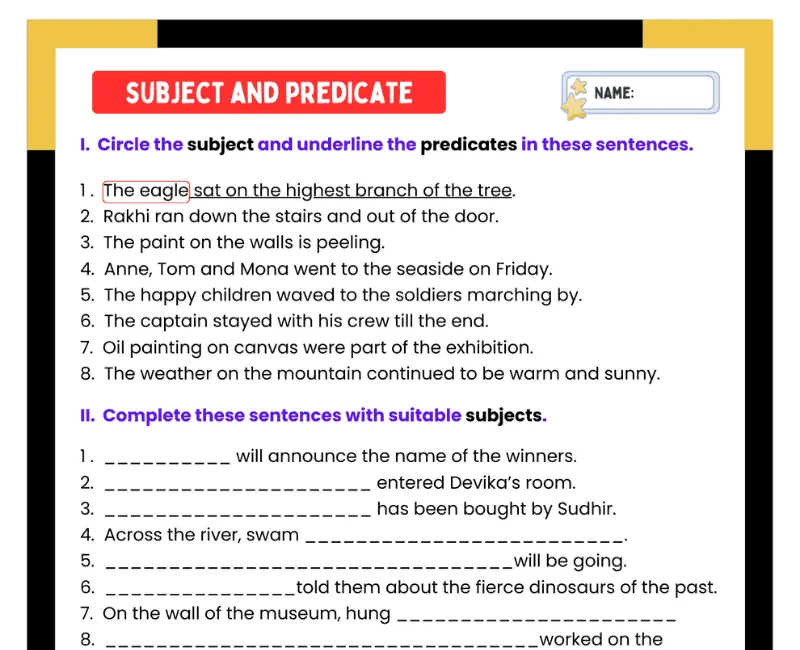
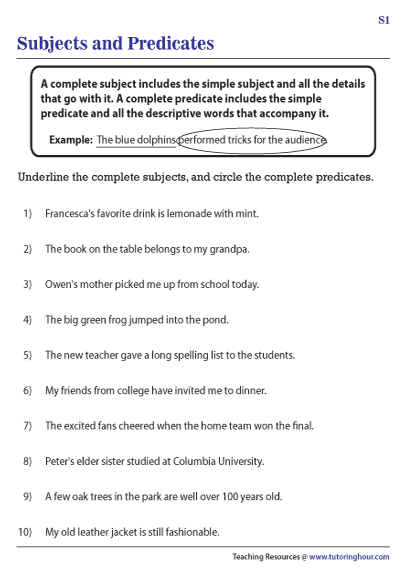
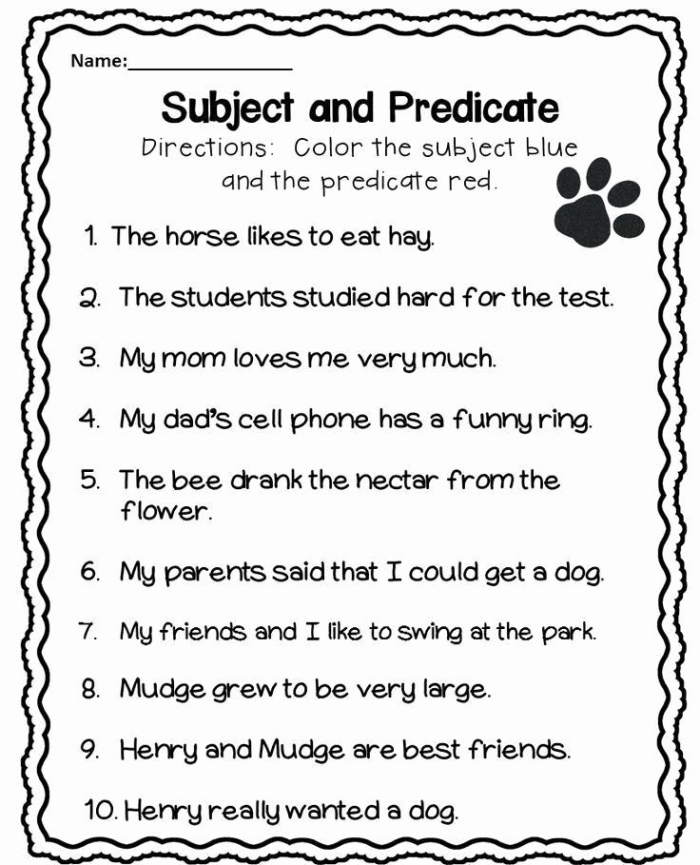
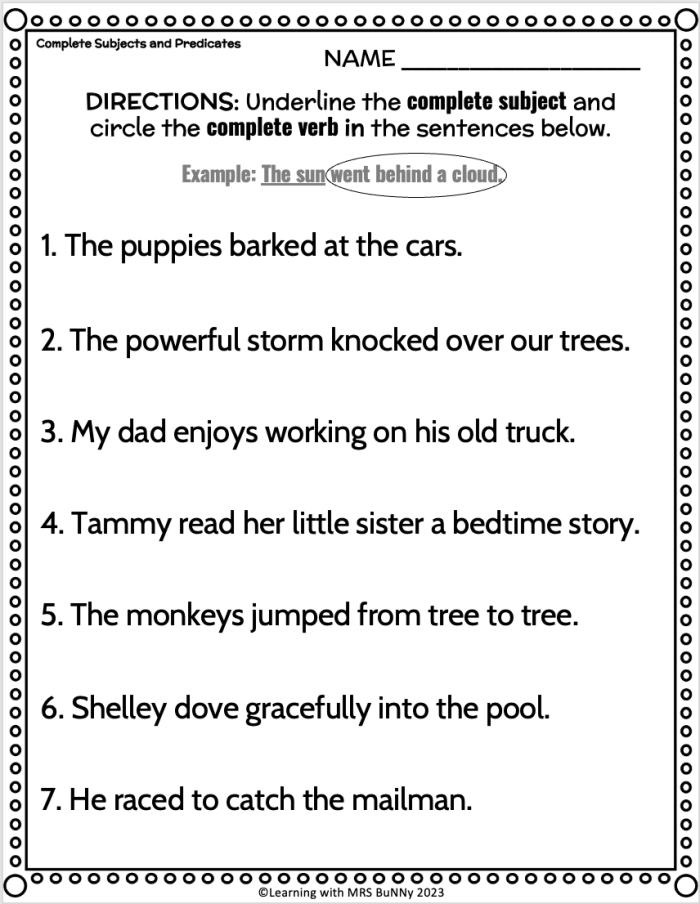
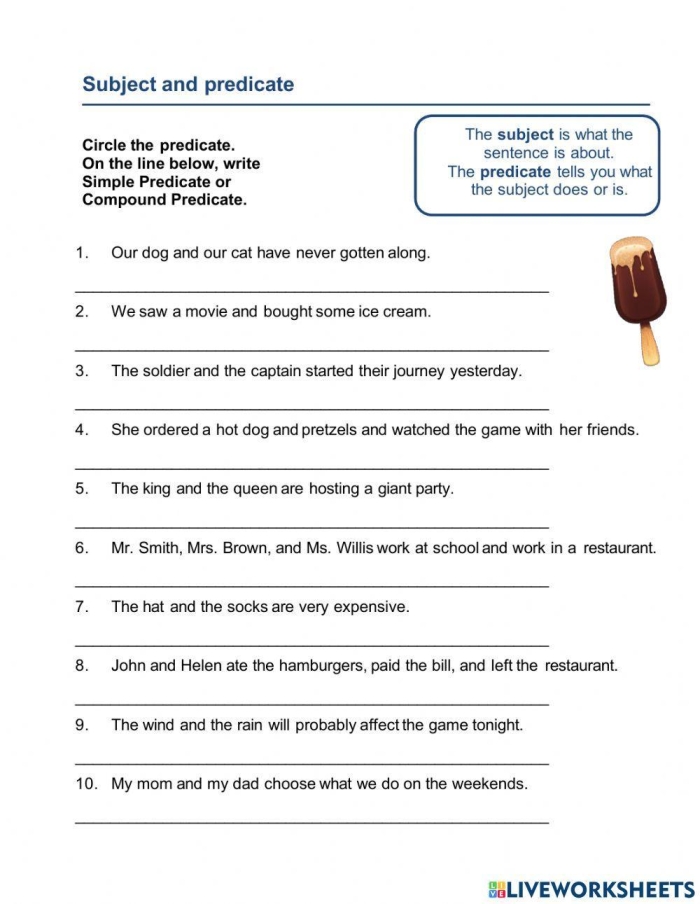
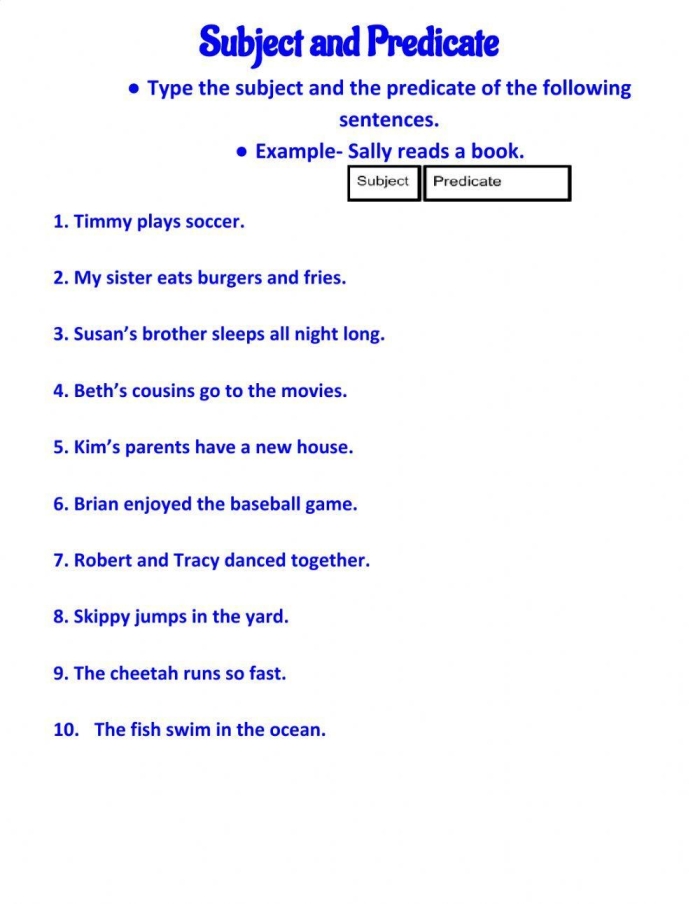
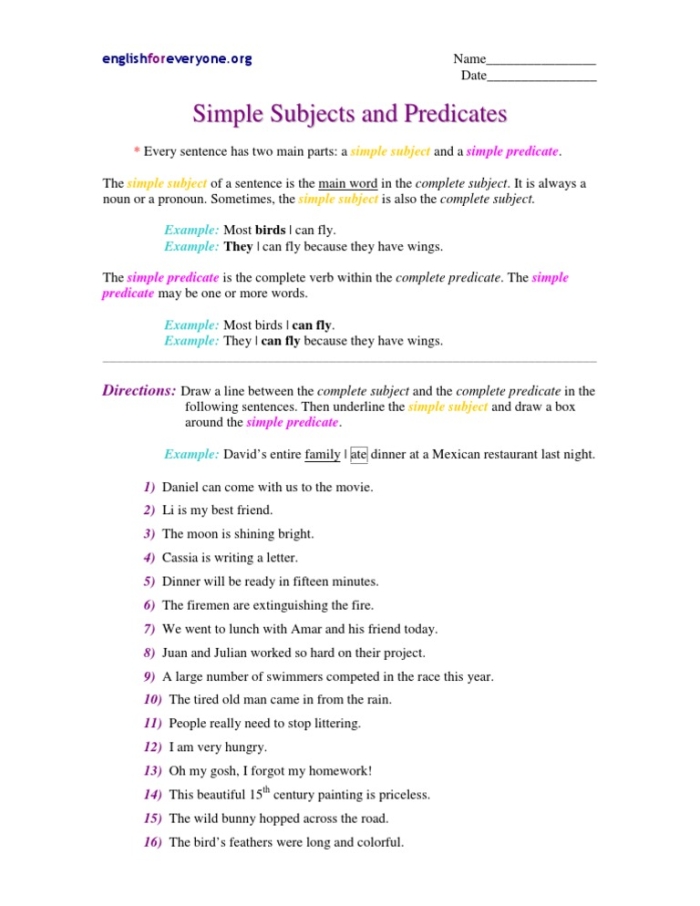
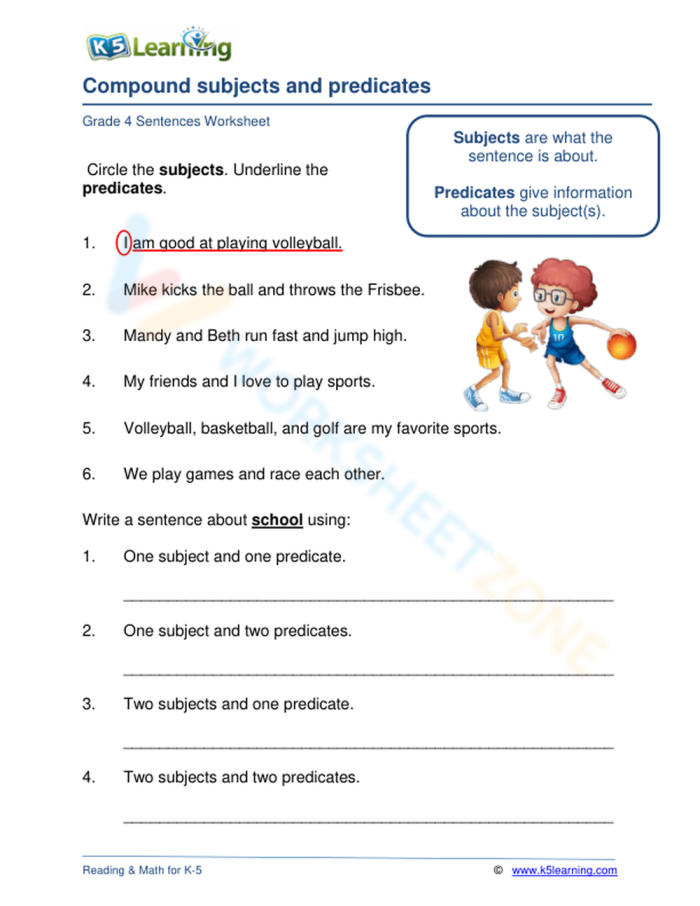
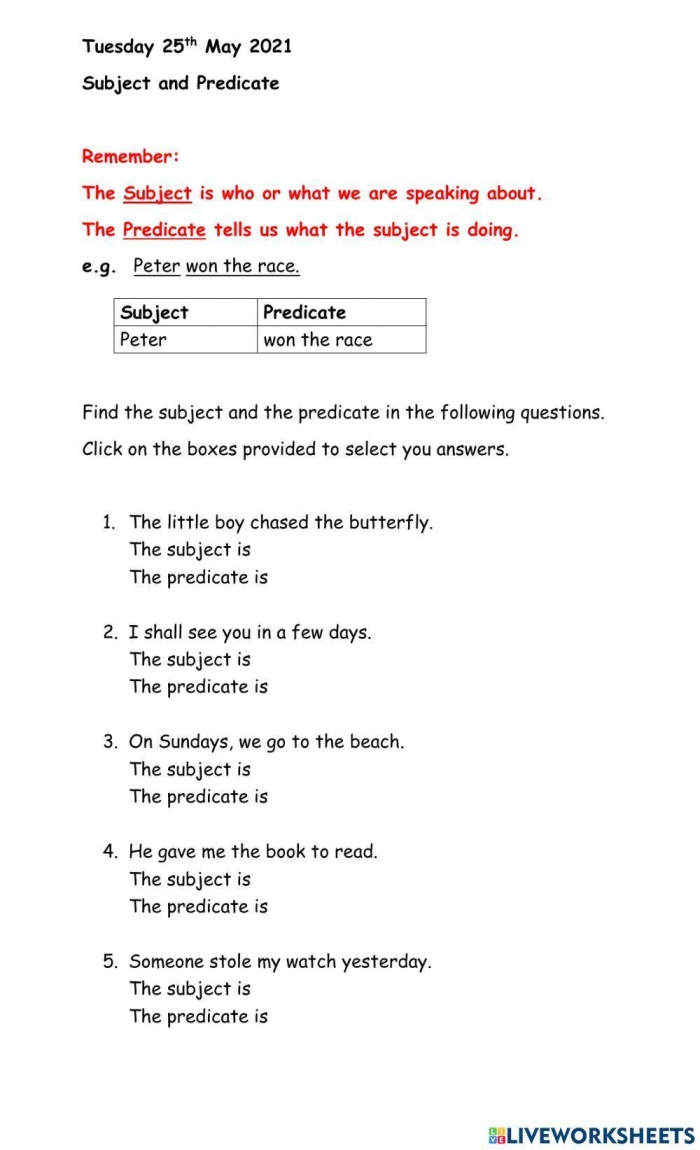
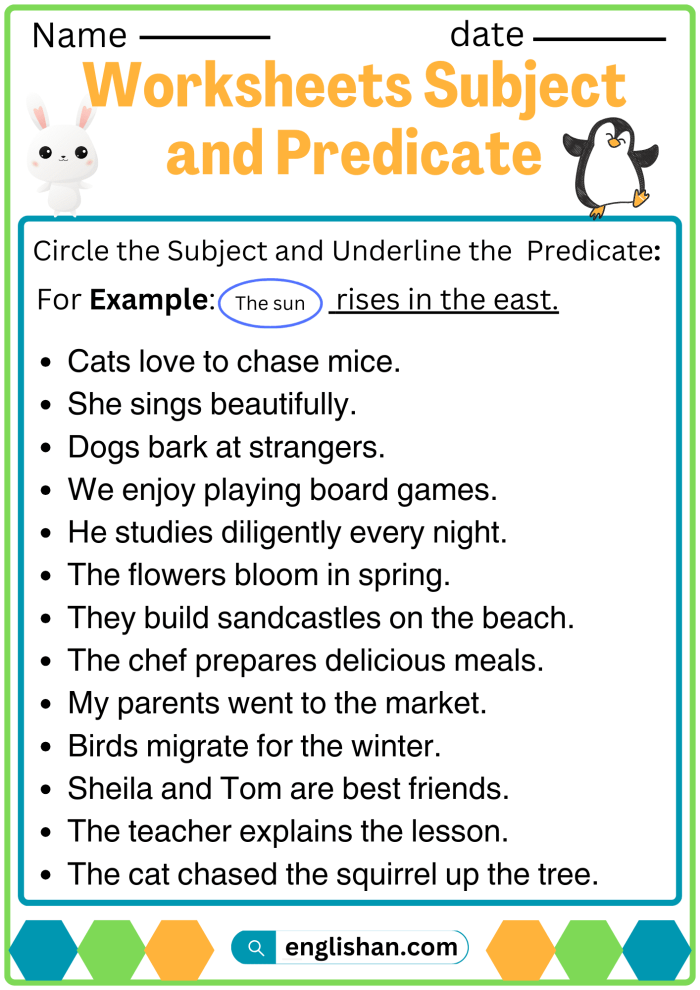
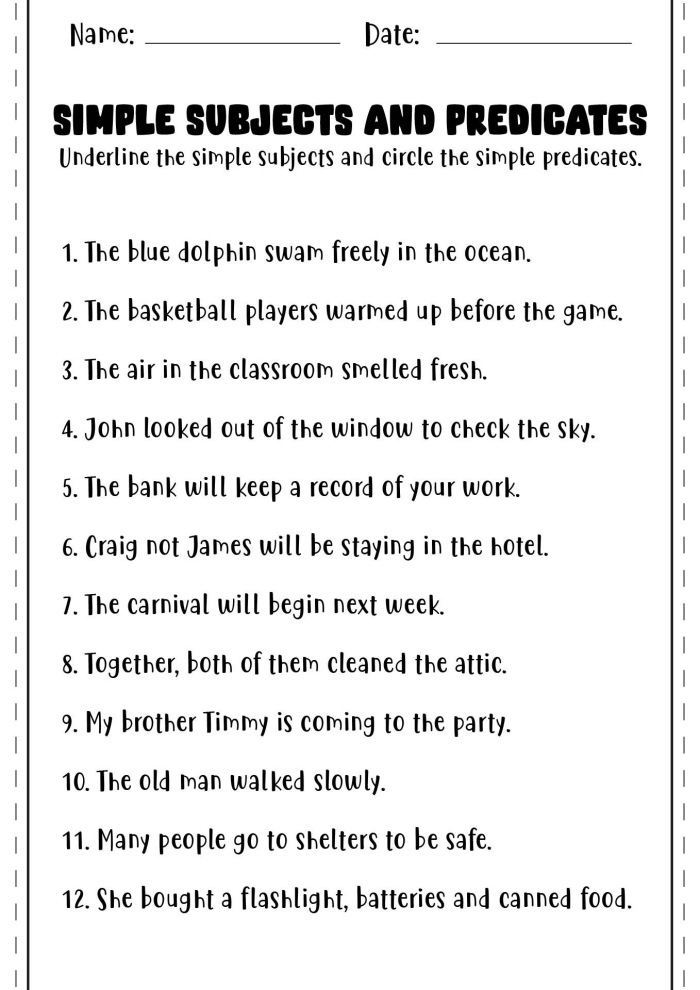
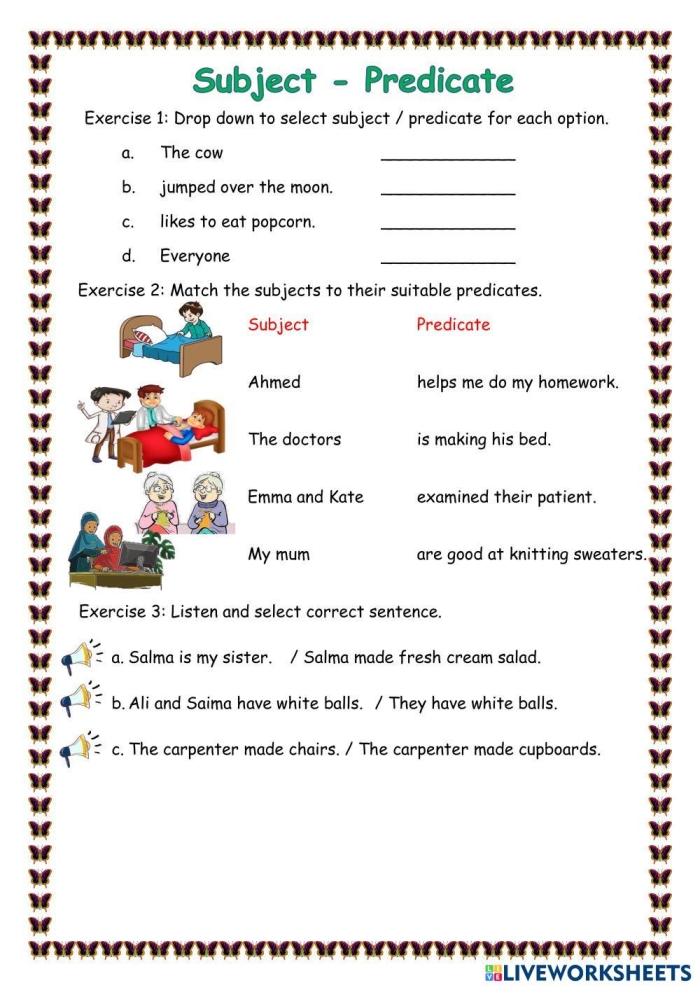
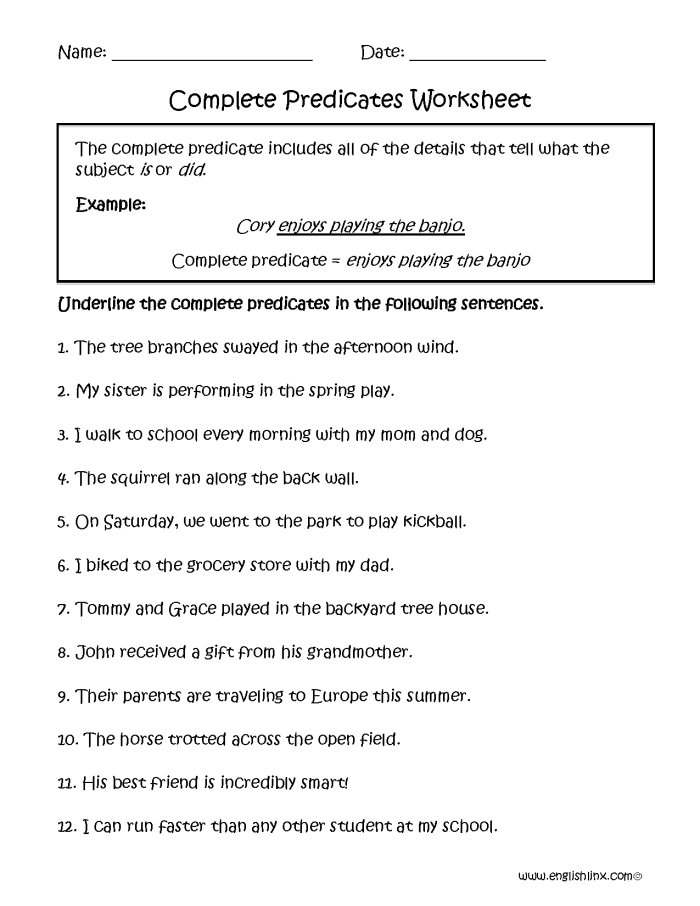
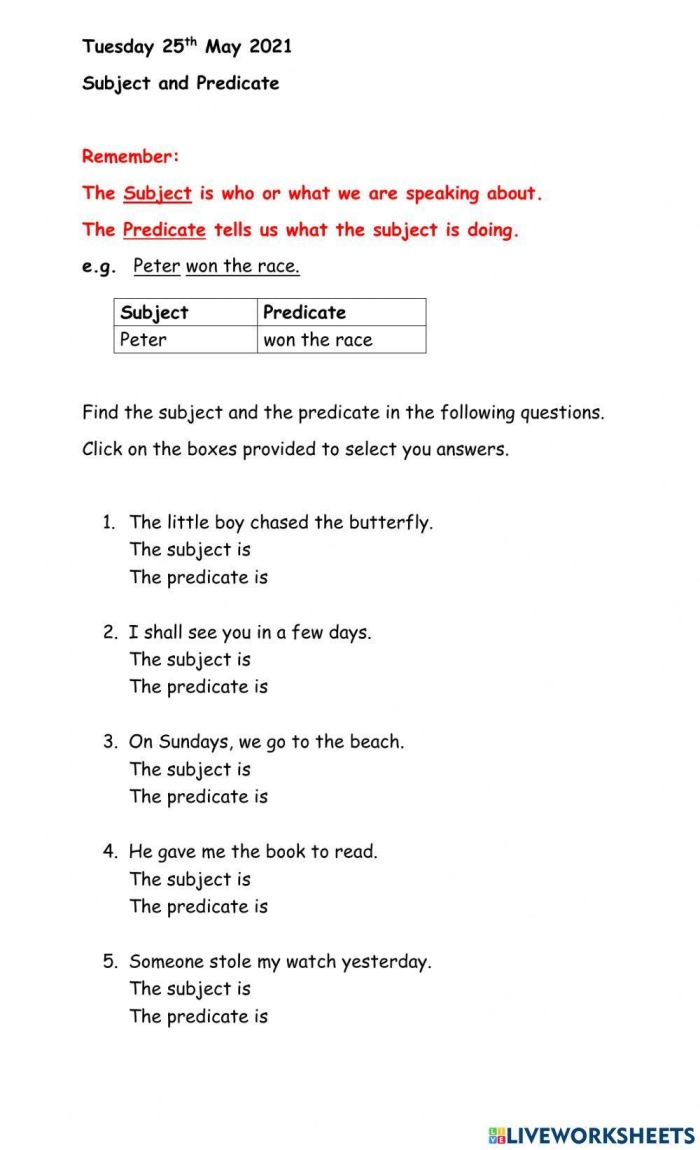
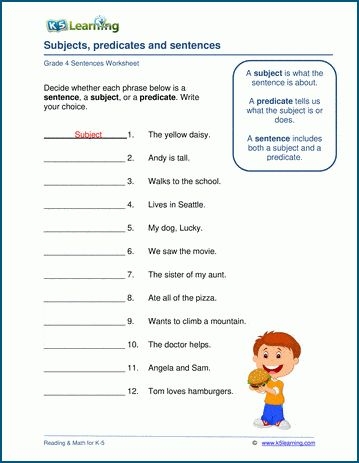
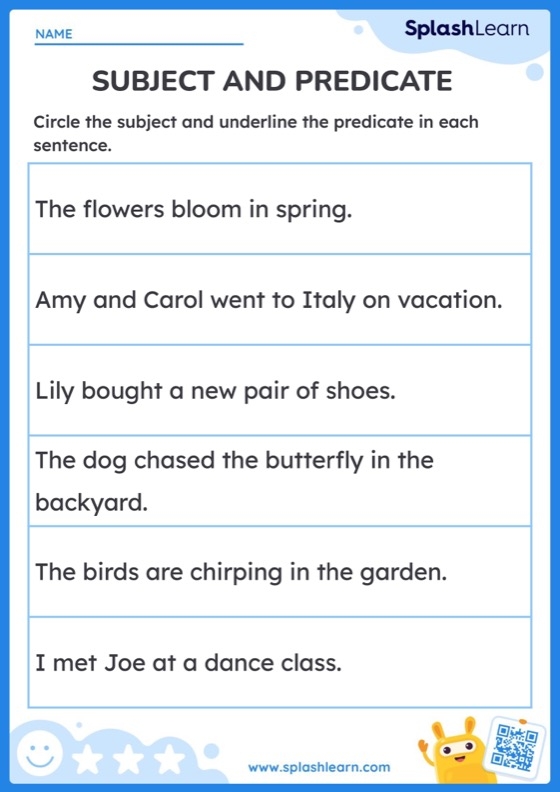
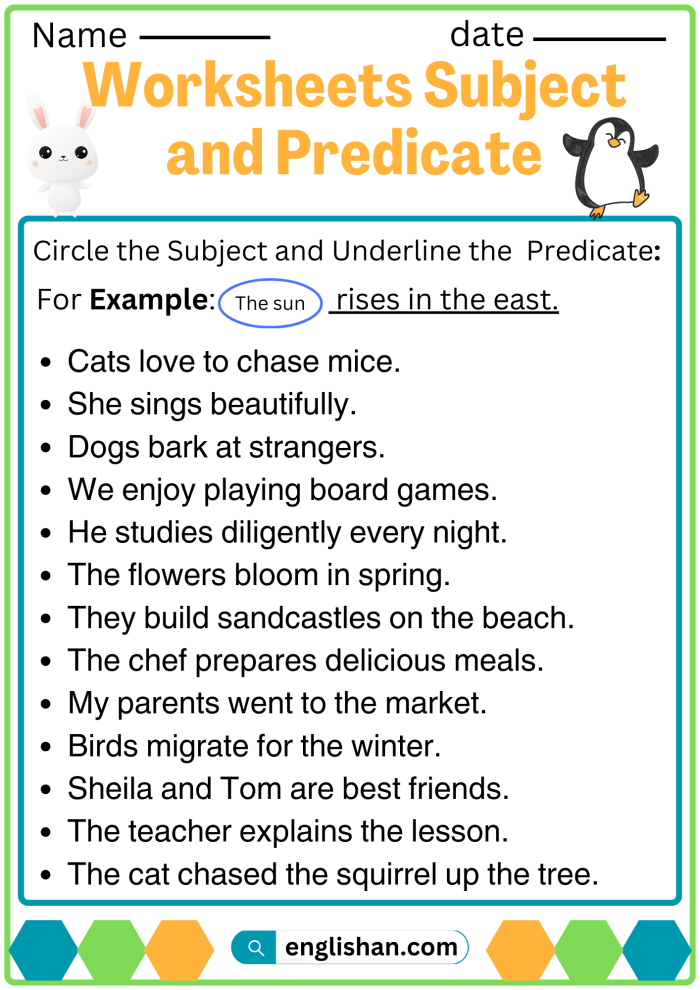
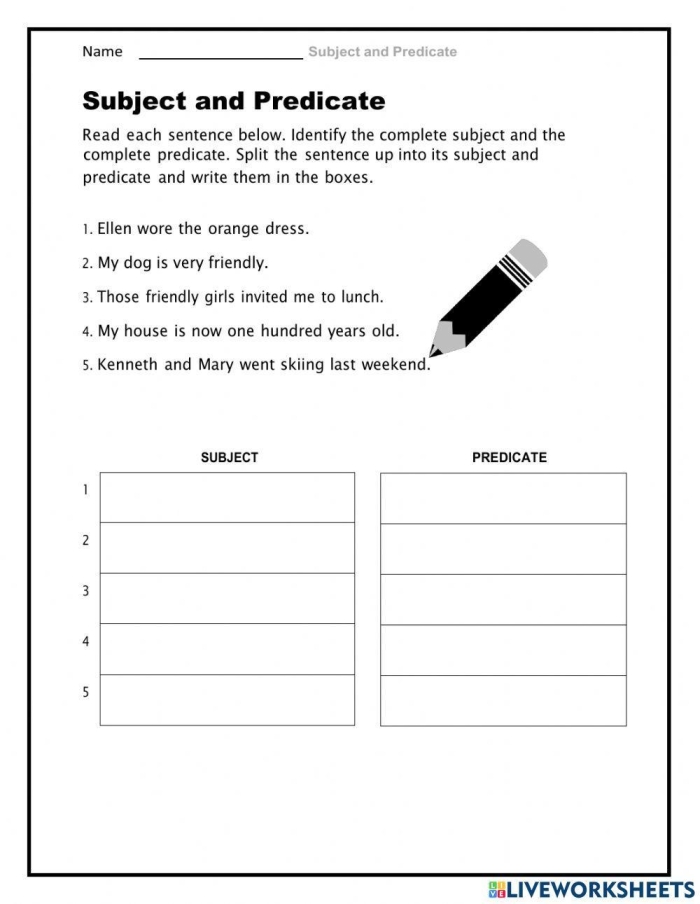
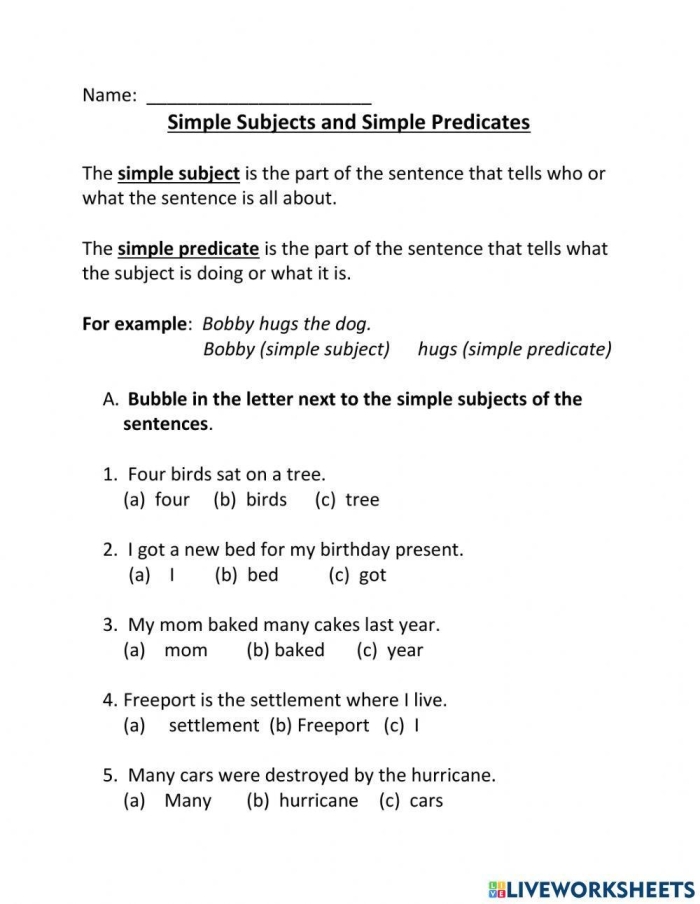
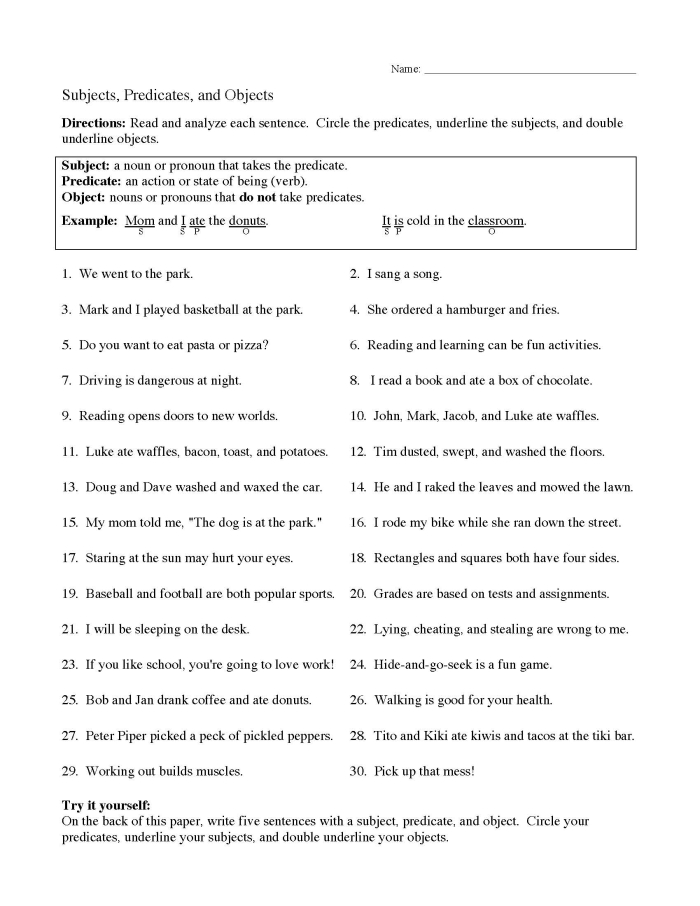
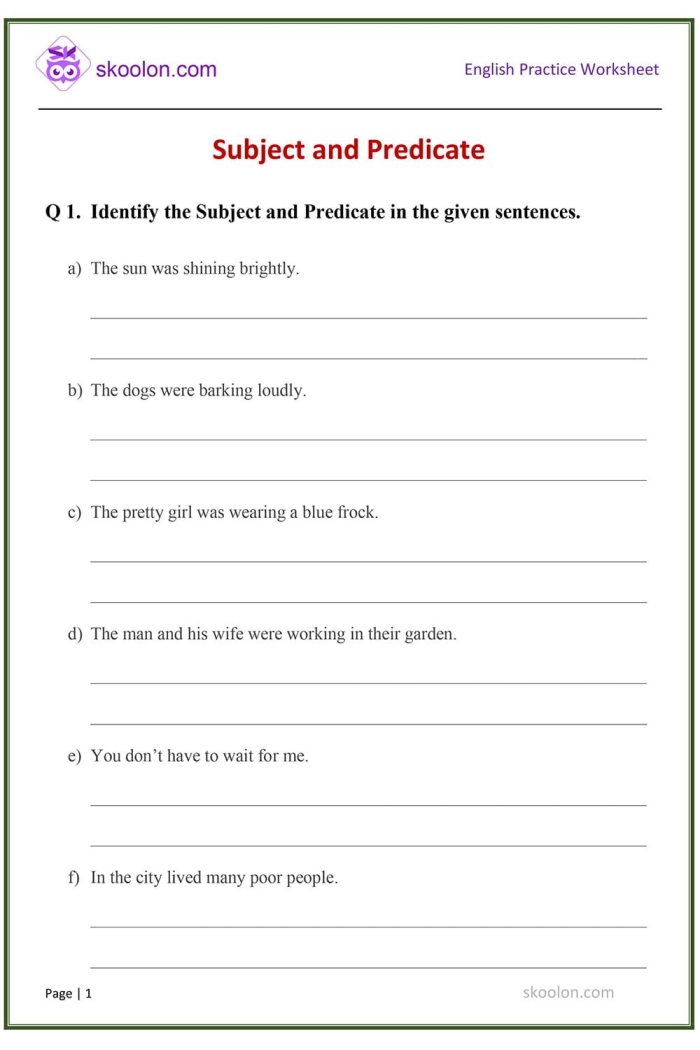
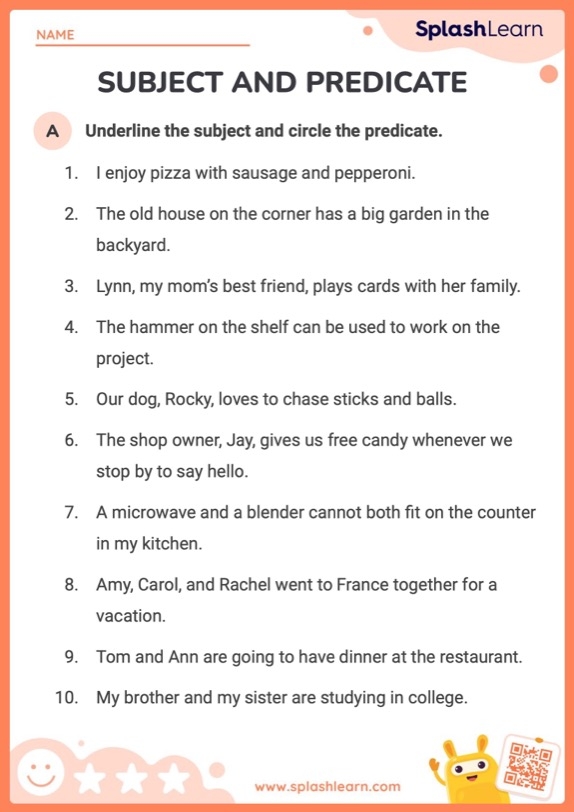
To support English Learners in identifying subjects and predicates, using resources like Printable Identifying Subjects and Predicates Worksheets can be incredibly useful. These worksheets are designed specifically for fourth graders and provide a structured approach to mastering sentence construction. By engaging with these materials, students can practice identifying the essential components of sentences, thus reinforcing their understanding.
Additionally, incorporating exercises that require students to transform fragments into complete sentences can enhance their learning experience. For instance, present them with a fragment and ask them to add a predicate or subject to create a complete thought. This interactive method can be both fun and educational, solidifying their grasp of sentence structure.
By focusing on the elements that create complete sentences, we empower our students to express themselves clearly and effectively. This foundational skill not only benefits their writing but also enhances their overall communication skills, paving the way for future academic success.
Hands-On Worksheet Activities