Understanding the effects of overfishing is crucial for preserving our oceans and the diverse life they support. Engaging with a well-designed science worksheet can significantly enhance research and analysis skills, especially for sixth graders. These worksheets not only provide valuable information but also encourage critical thinking about environmental issues.
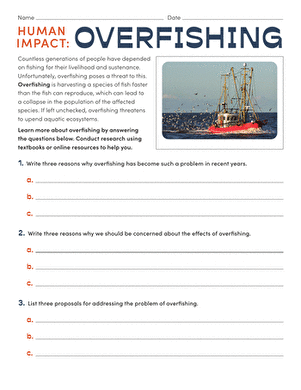
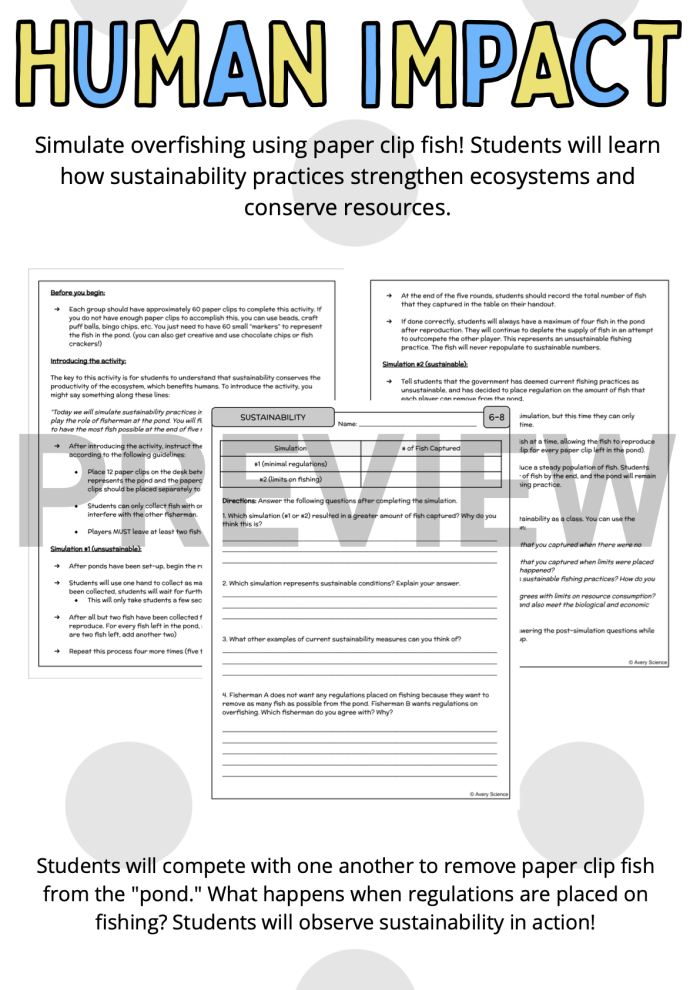
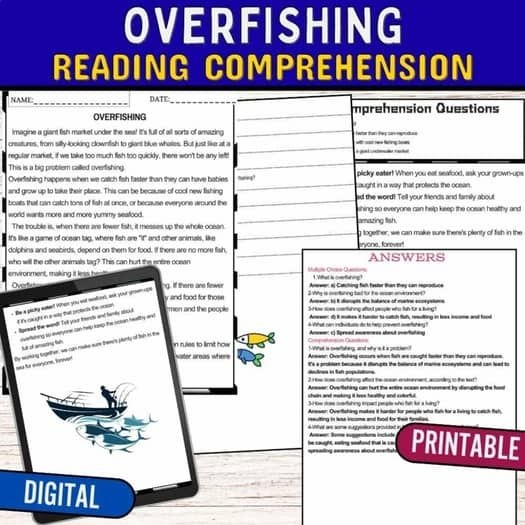
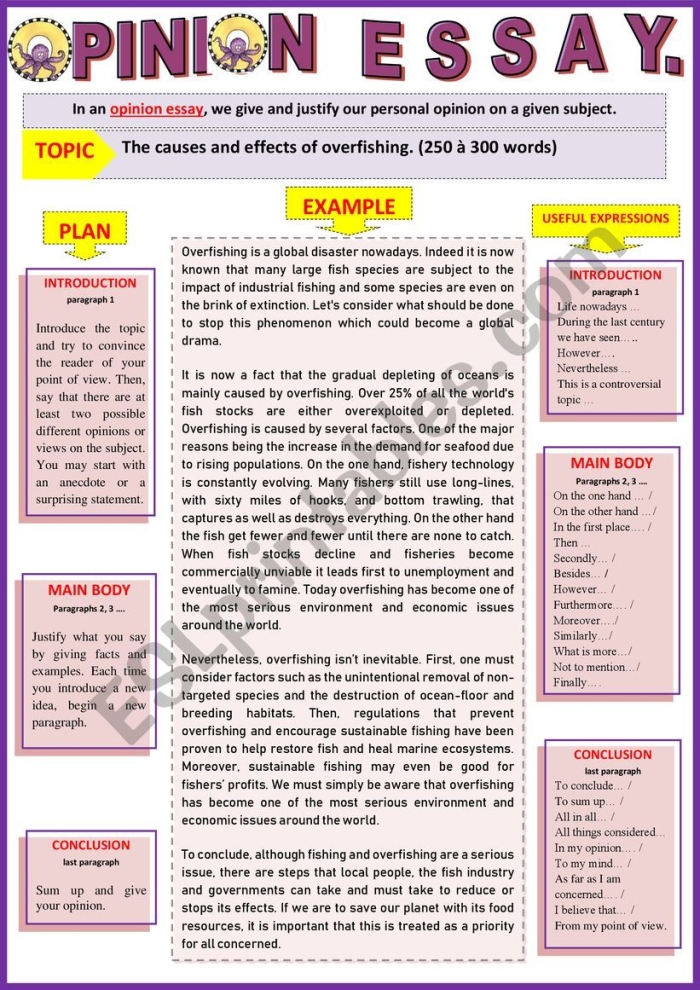
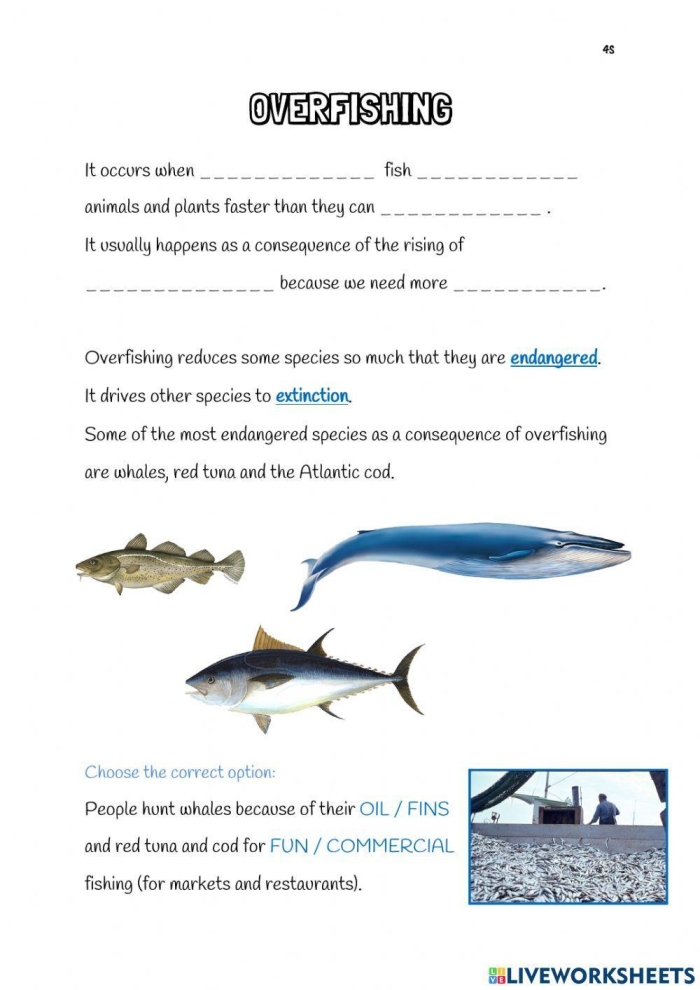
Overfishing occurs when fish are captured at a rate faster than they can reproduce. This practice has devastating effects on marine ecosystems. For instance, certain fish populations, like bluefin tuna, have plummeted by more than 90% due to excessive fishing. Such statistics highlight the urgent need for awareness and action. By using printable worksheets focused on Human Impact: Overfishing, students can explore these important themes while developing their analytical skills.
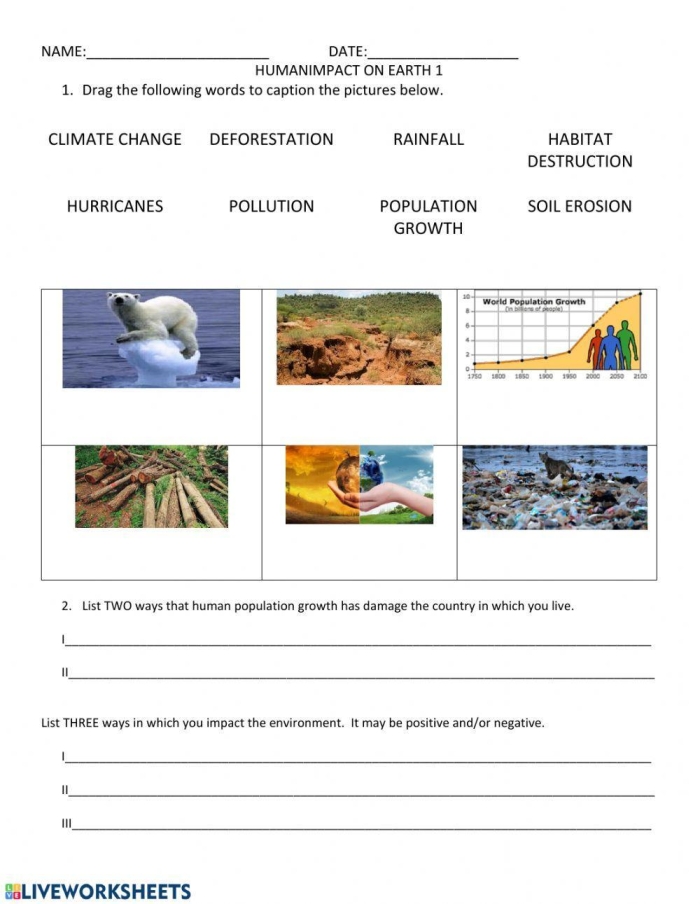
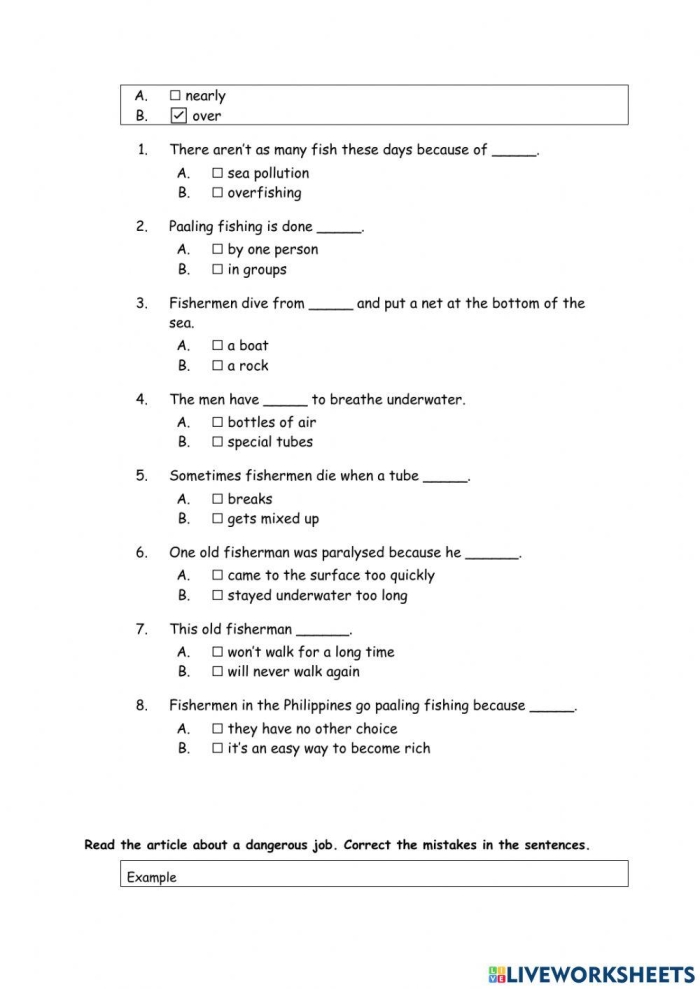
These worksheets typically feature activities that require students to research the consequences of overfishing, analyze data on fish populations, and understand the broader environmental implications. Engaging with real-world data helps students connect classroom learning to global challenges. For example, they might examine how overfishing disrupts food chains, leading to the decline of marine species and affecting coastal communities reliant on fishing for their livelihoods.
Moreover, worksheets can encourage discussions about sustainable practices. Students can learn about alternative fishing methods that reduce environmental impact or explore policies designed to protect vulnerable species. This type of learning not only cultivates research skills but also fosters a sense of responsibility towards the planet.
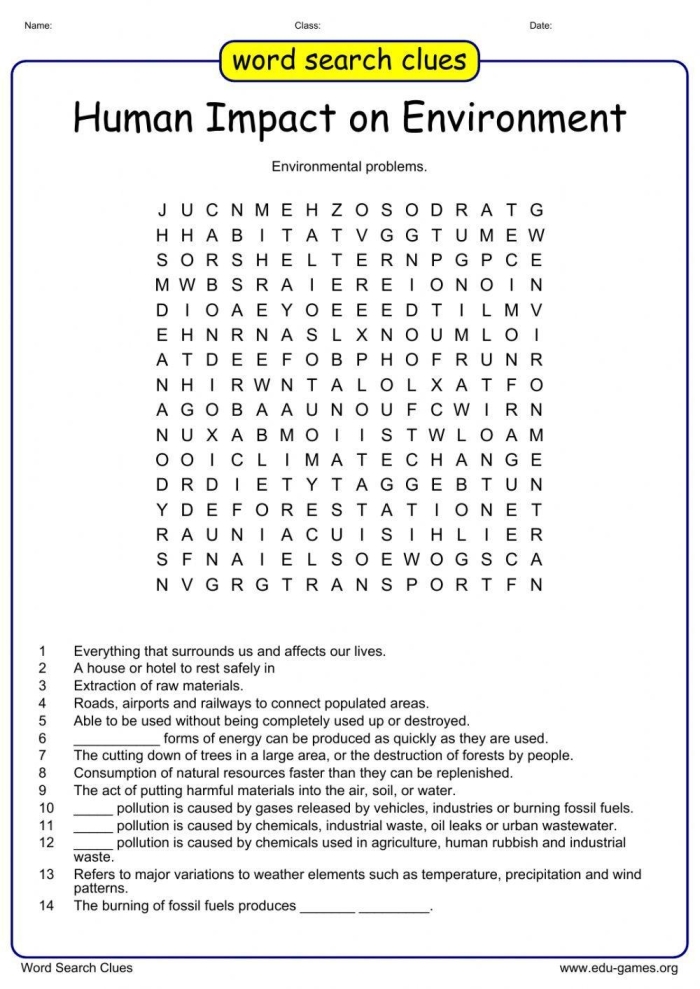
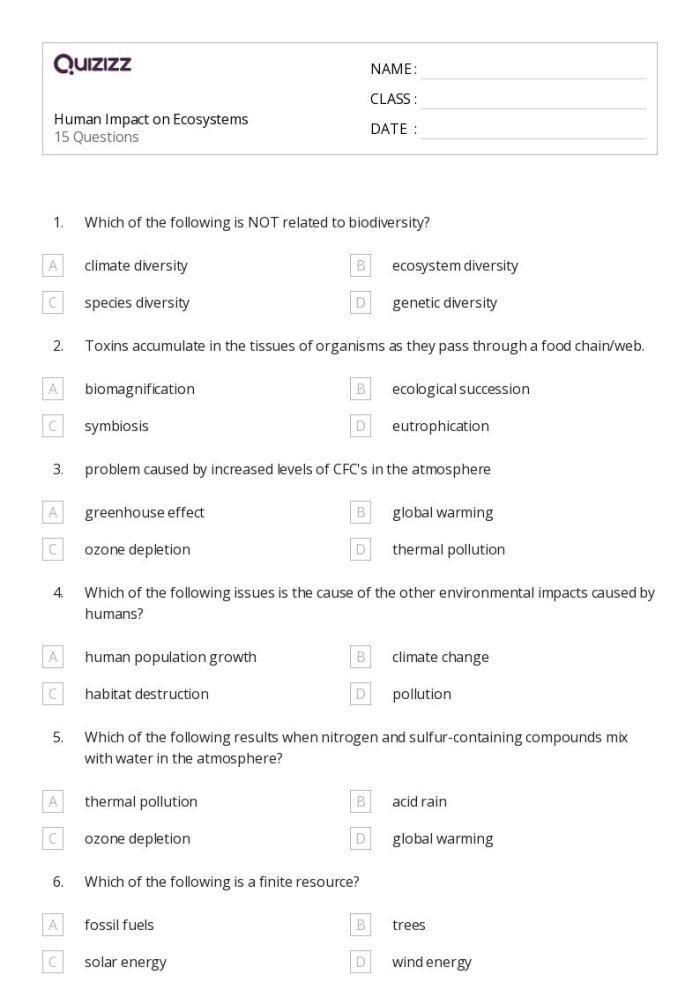
By integrating these science worksheets into the curriculum, educators can provide sixth graders with tools to understand complex environmental issues. This hands-on approach not only enhances literacy in science but also empowers young learners to think critically about their role in protecting marine ecosystems. For those interested in expanding their skills further, resources like comparing and contrasting nonfiction can complement their understanding of human impacts on the environment.
Try These Printable Worksheets