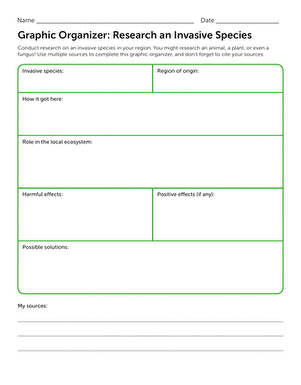
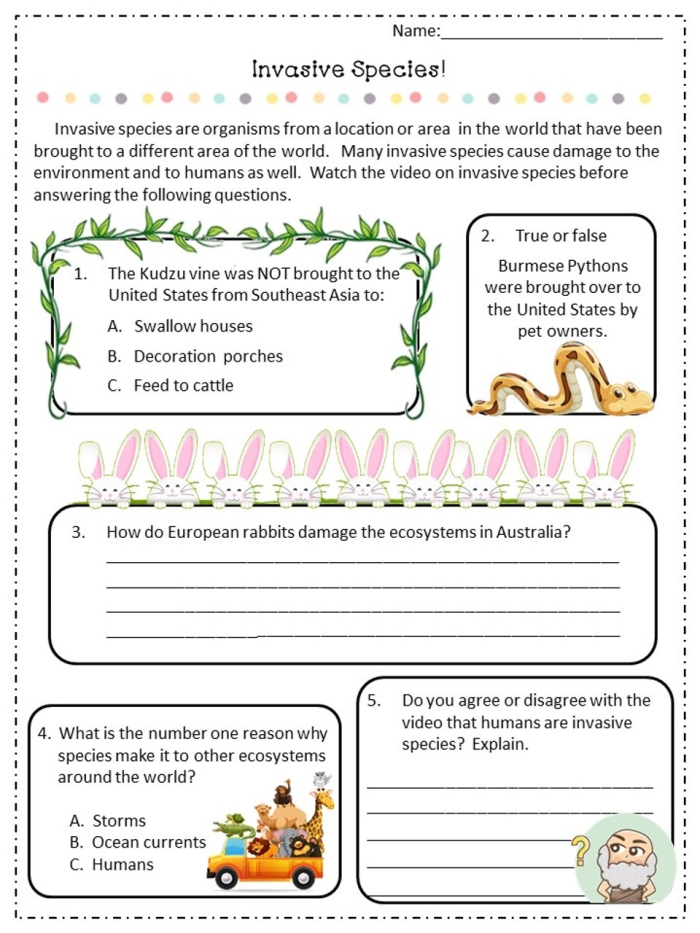
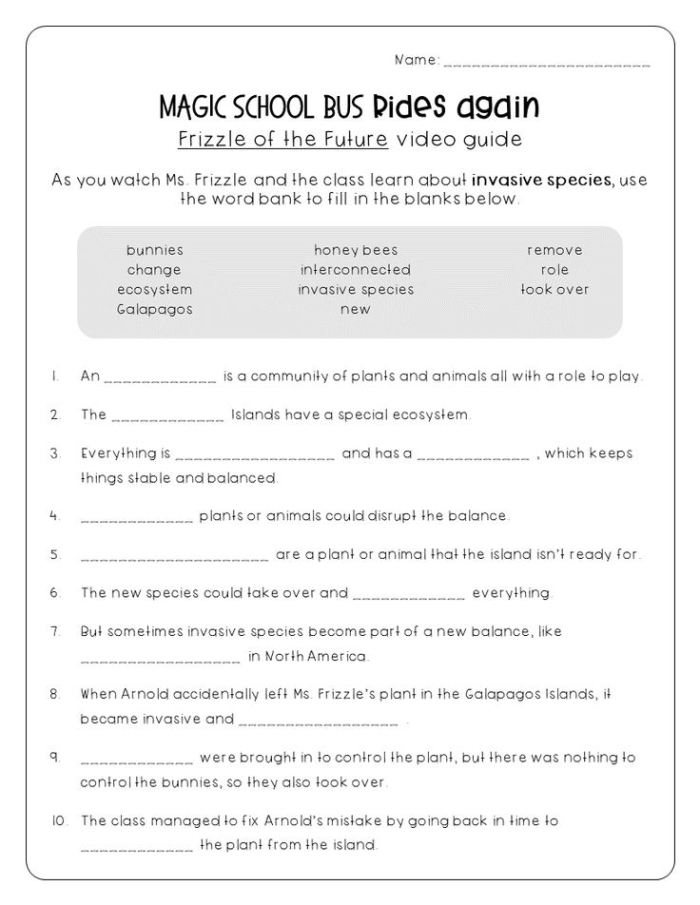
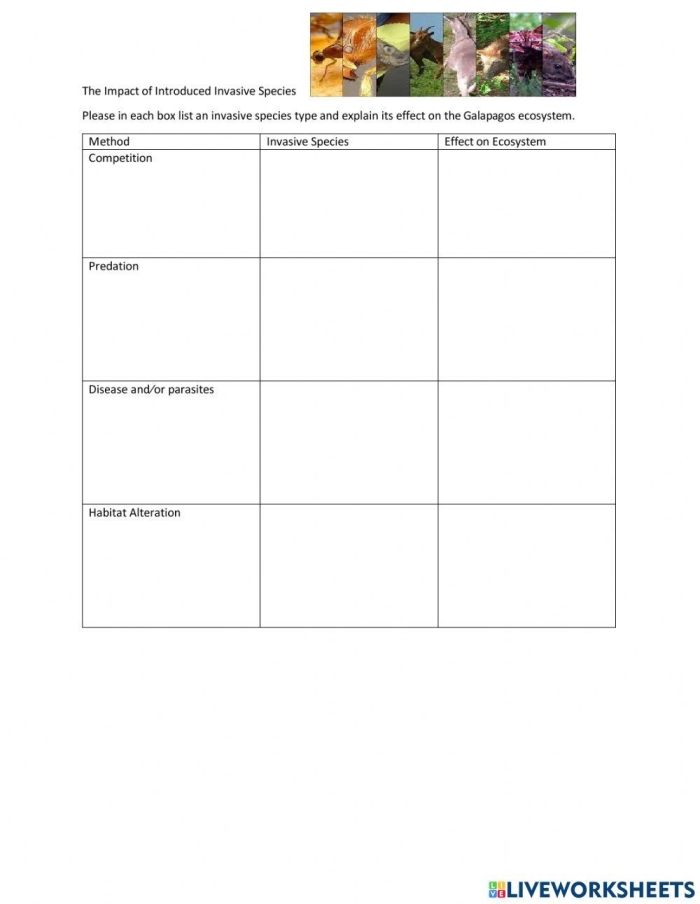
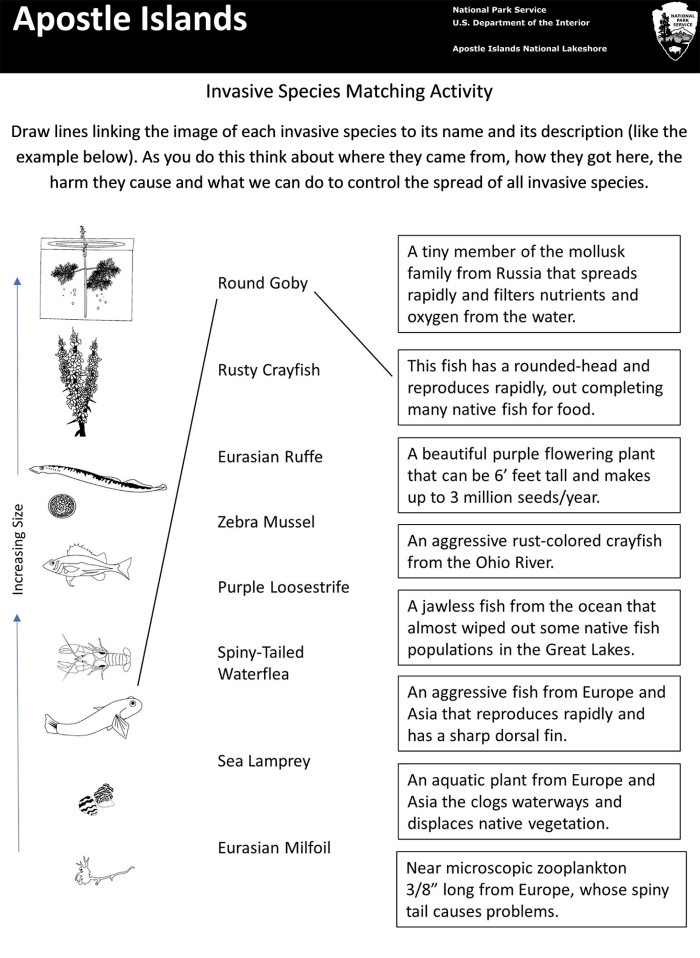
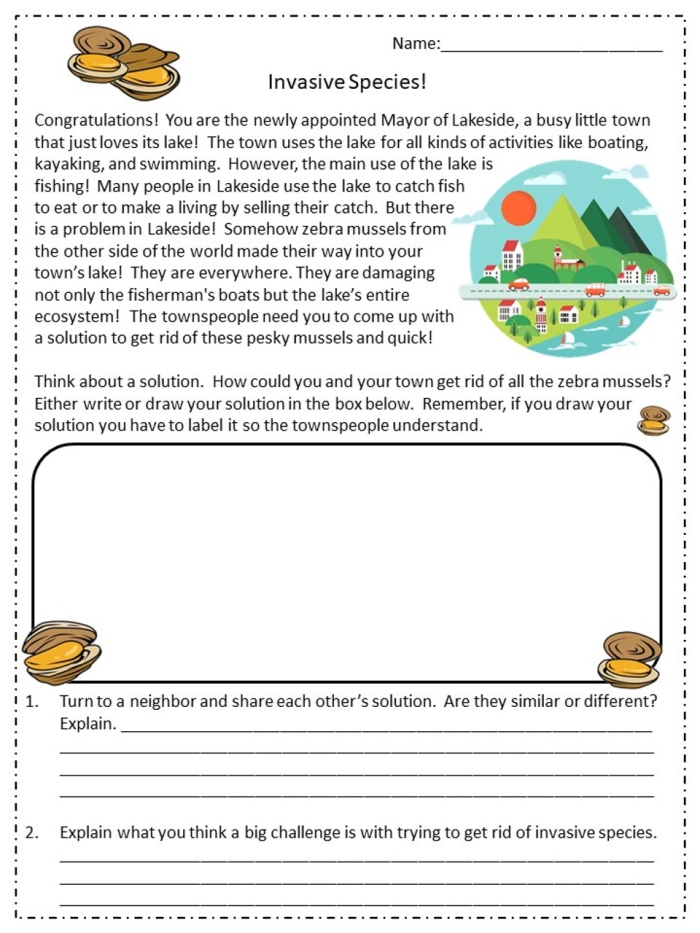
Invasive species pose a significant challenge to ecosystems worldwide, disrupting the delicate balance of native flora and fauna. Understanding their impact is crucial, especially for students learning about environmental science in the sixth grade. These species often outcompete native organisms for resources, leading to declines in biodiversity. By using a research-based graphic organizer, students can visualize the ways invasive species affect their environments and the intricate web of life within it.
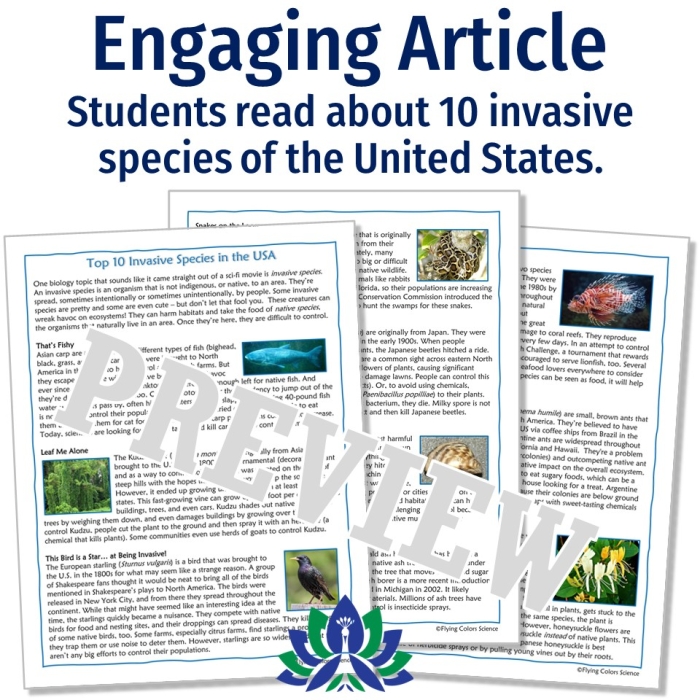
One powerful example is the common carp, which has invaded numerous lakes and rivers in North America. Not only do they consume vast amounts of aquatic plants, but they also stir up sediment, which can smother native fish eggs and disrupt the habitat of other species. This change can lead to a decline in native fish populations, which impacts local fishing industries and recreational activities. By exploring such specific cases, students gain insight into the broader implications of human activity on ecosystems, reinforcing critical thinking skills about environmental management.
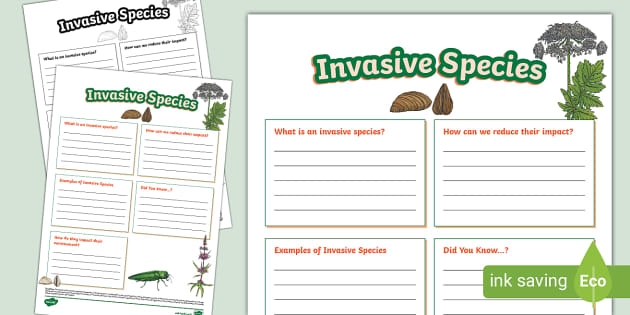
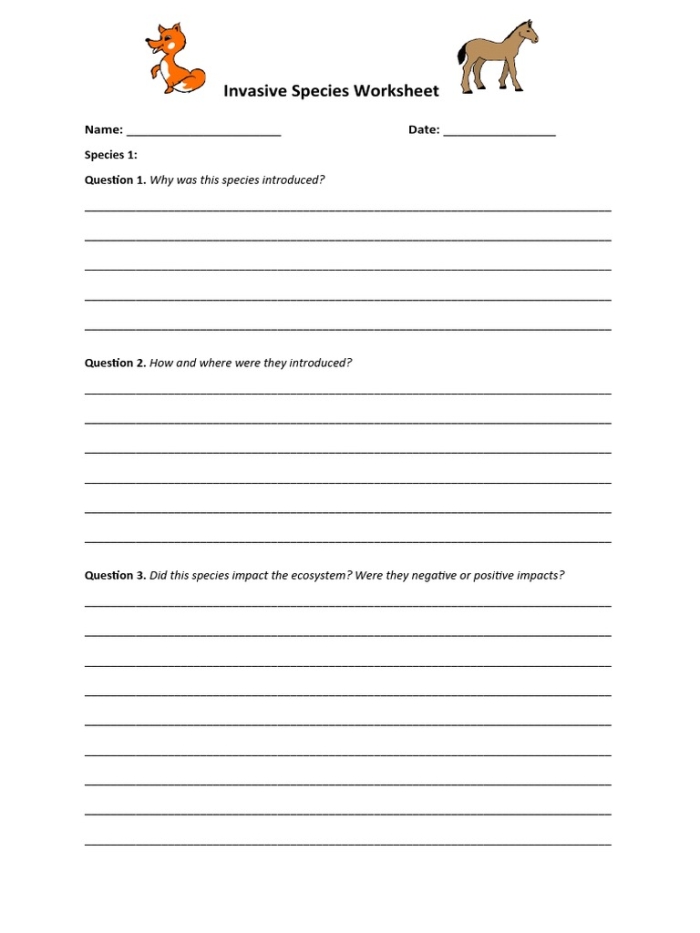
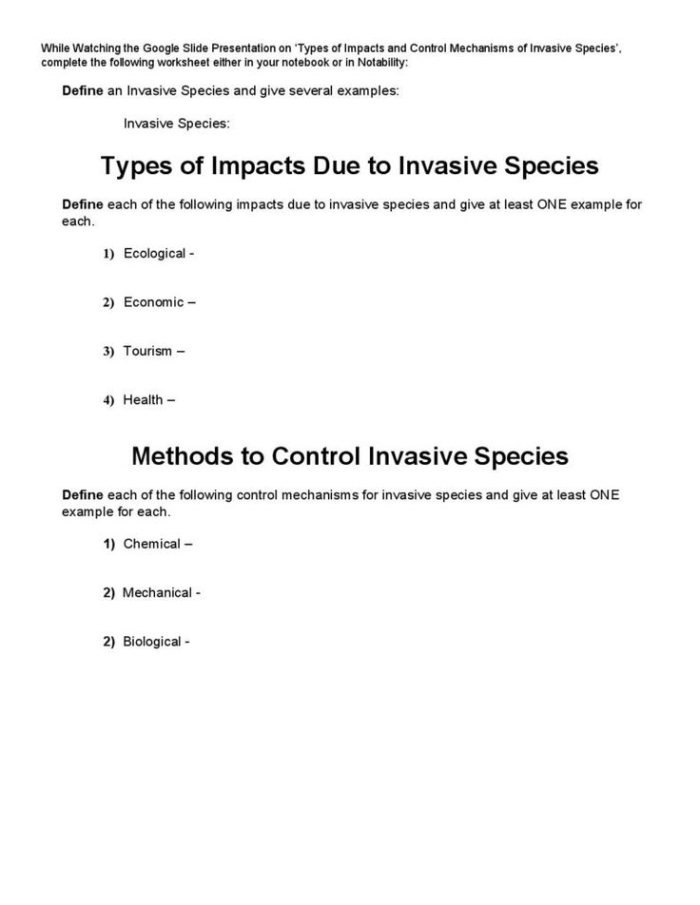
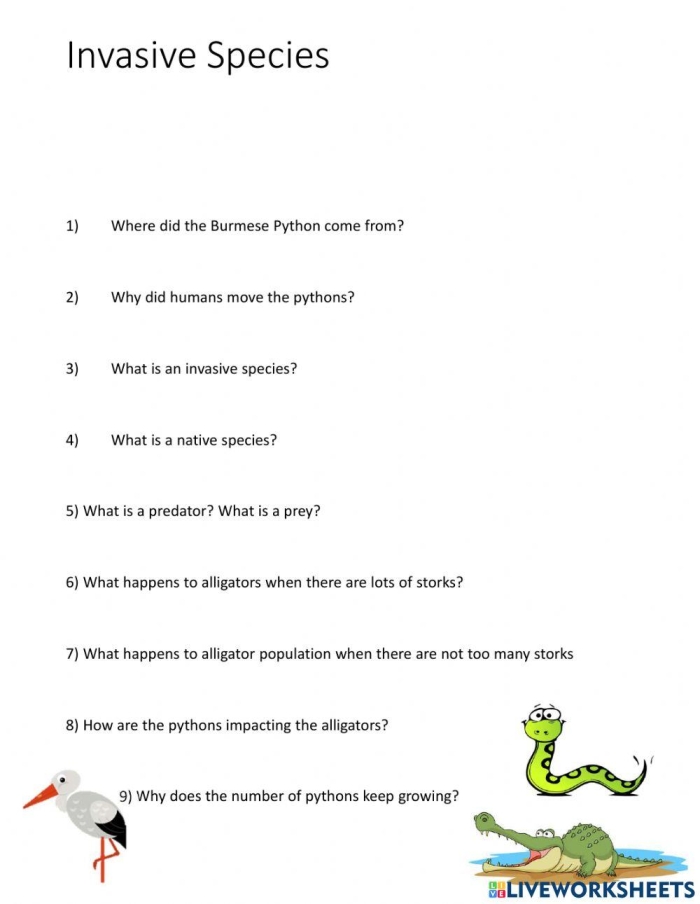
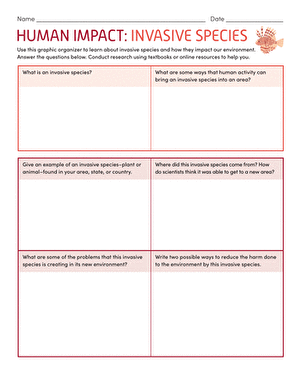
Using printable worksheets that focus on the human impact of invasive species can enhance students’ understanding. For instance, they can categorize different invasive species based on their characteristics and effects on the environment. This hands-on approach fosters engagement and allows learners to better grasp probability concepts associated with the survival and spread of these species. Resources like those found at human impact worksheets provide structured activities that align with their curriculum.
Incorporating these tools into classroom discussions not only supports students’ learning but also encourages them to think critically about how they can contribute to conserving biodiversity. Armed with knowledge about invasive species, they are better prepared to engage in conversations about environmental stewardship and the importance of protecting native ecosystems.
Download These Worksheets for Practice