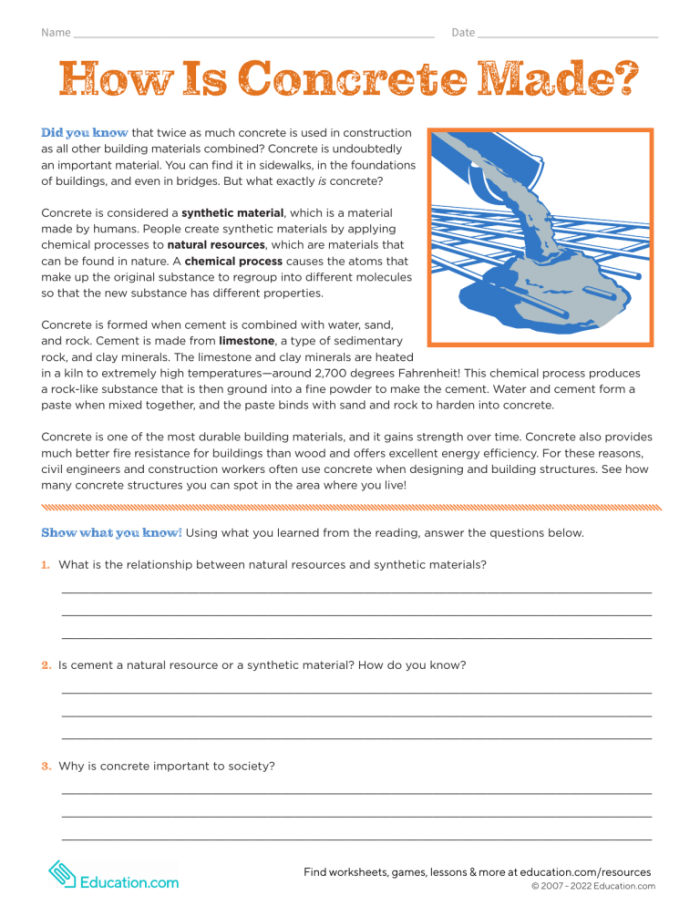
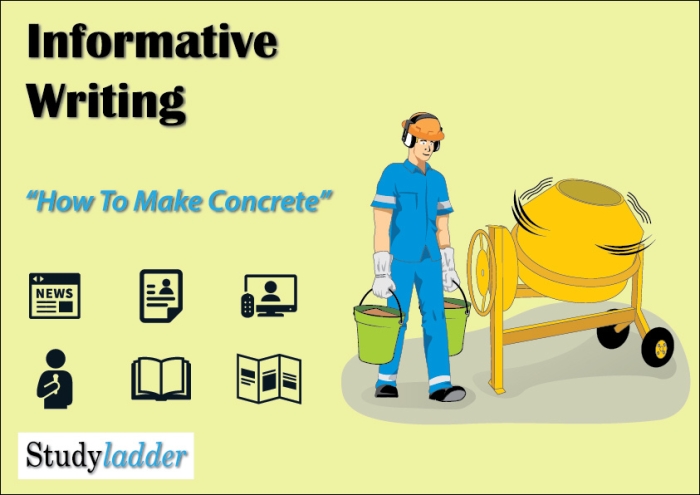
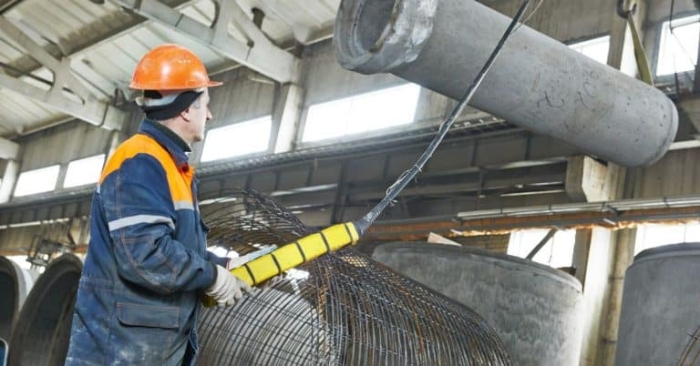
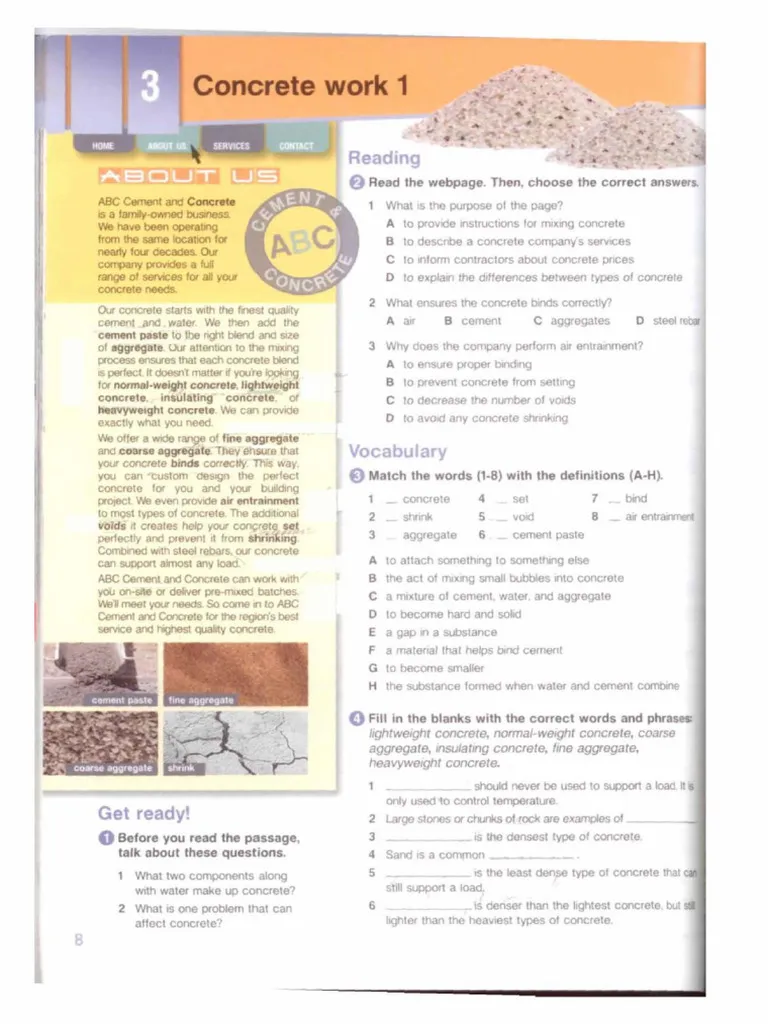
Concrete is a material that shapes our world in countless ways, from the sidewalks we walk on to the buildings we live and work in. In an engaging chemistry worksheet designed for sixth-grade students, learners explore how concrete is made and its vital role in modern society.
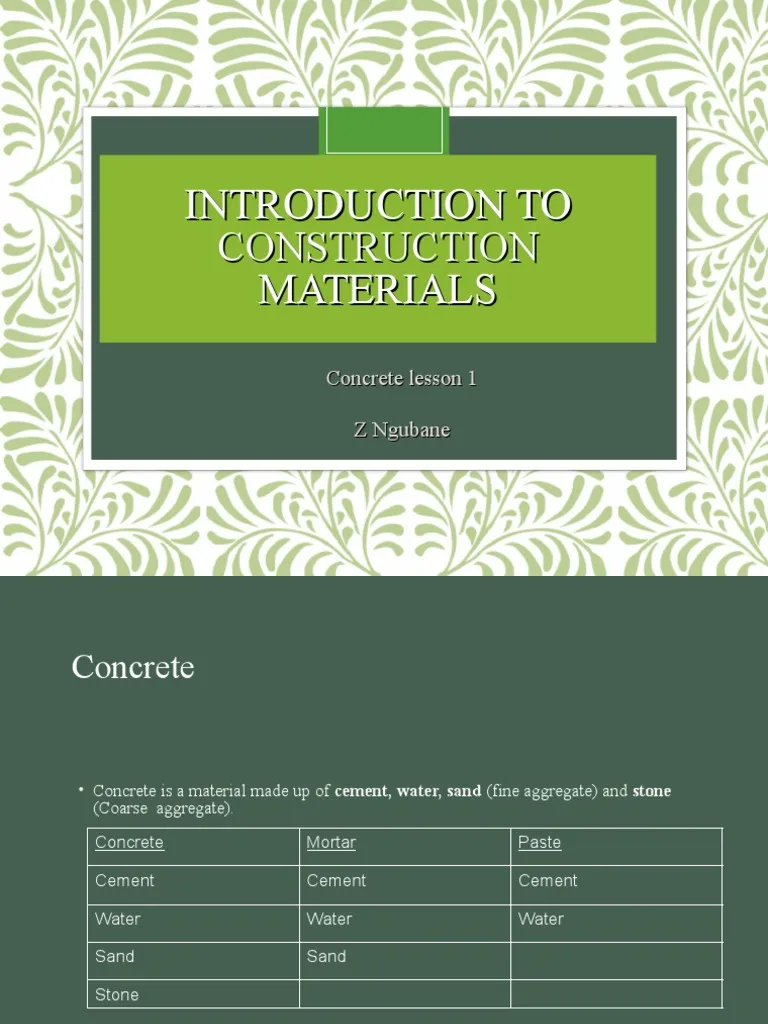
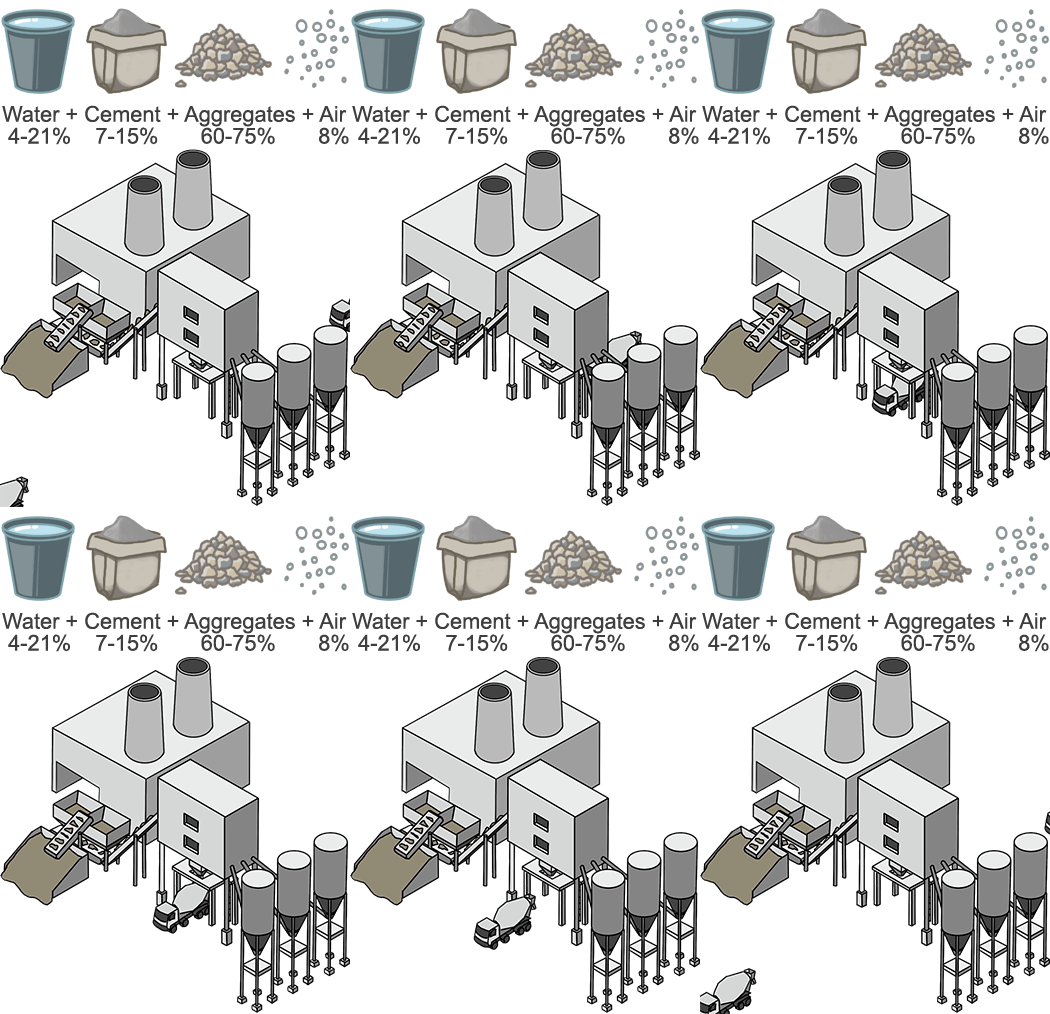
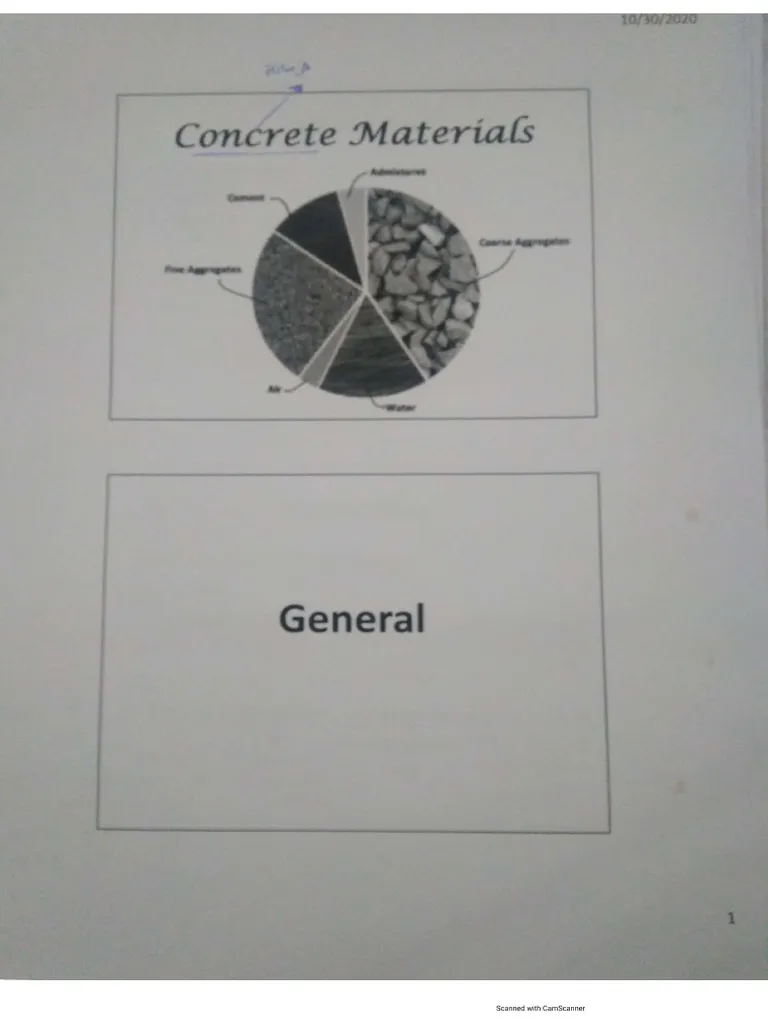
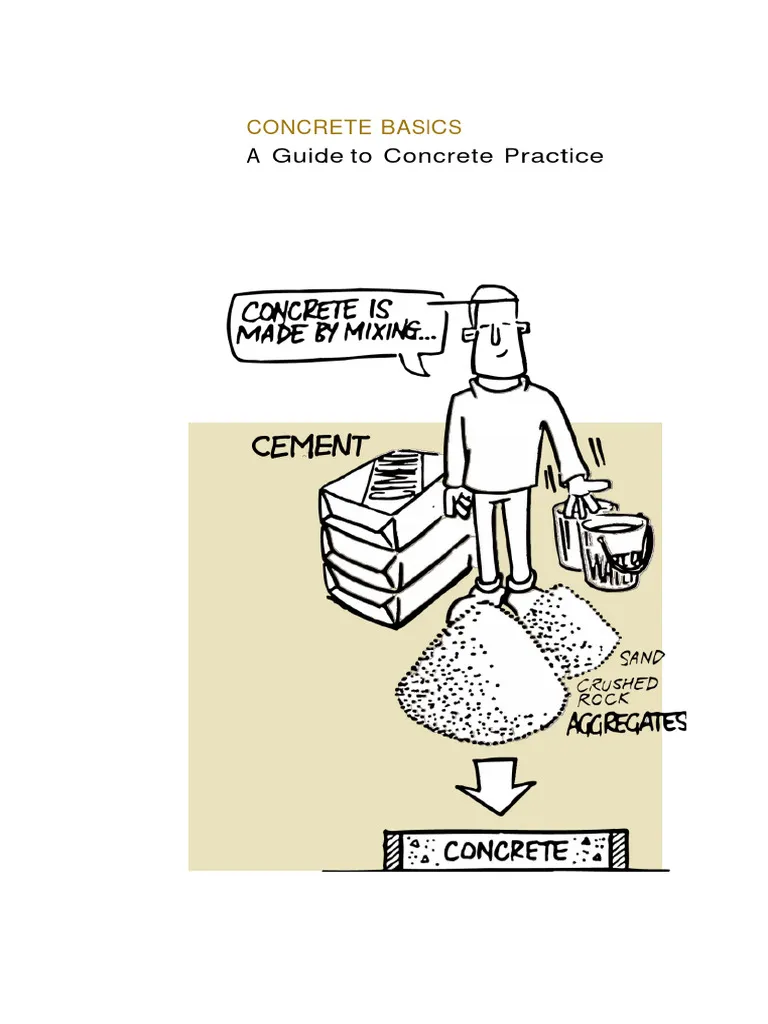
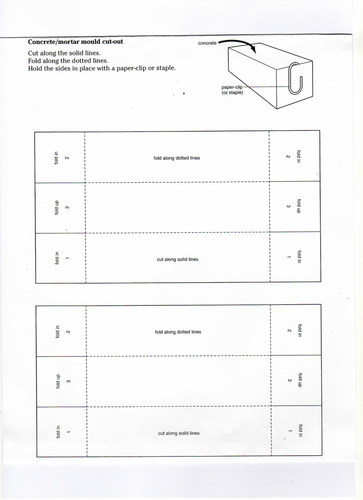
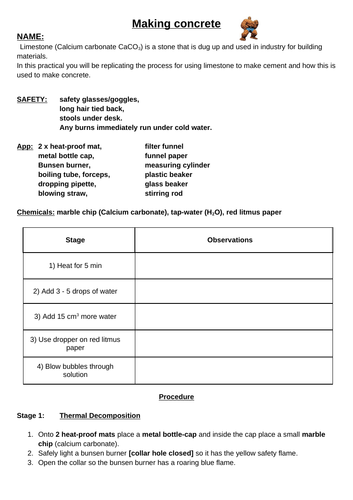
To understand concrete, students first encounter its fundamental components: cement, water, and aggregates such as sand and gravel. This worksheet provides a hands-on approach to learning, encouraging students to mix these ingredients in small-scale experiments. By observing the chemical reactions that occur when water interacts with cement, they gain insight into the properties that make concrete a durable and versatile material.
One of the most interesting aspects of concrete is its wide-ranging applications. Students will learn that concrete is not just about strength; it also has unique properties like thermal mass, which helps buildings stay cool in summer and warm in winter. This is particularly relevant in discussions about sustainability and energy efficiency in urban planning. Understanding these concepts can spark discussions about how materials can affect our environment and society.
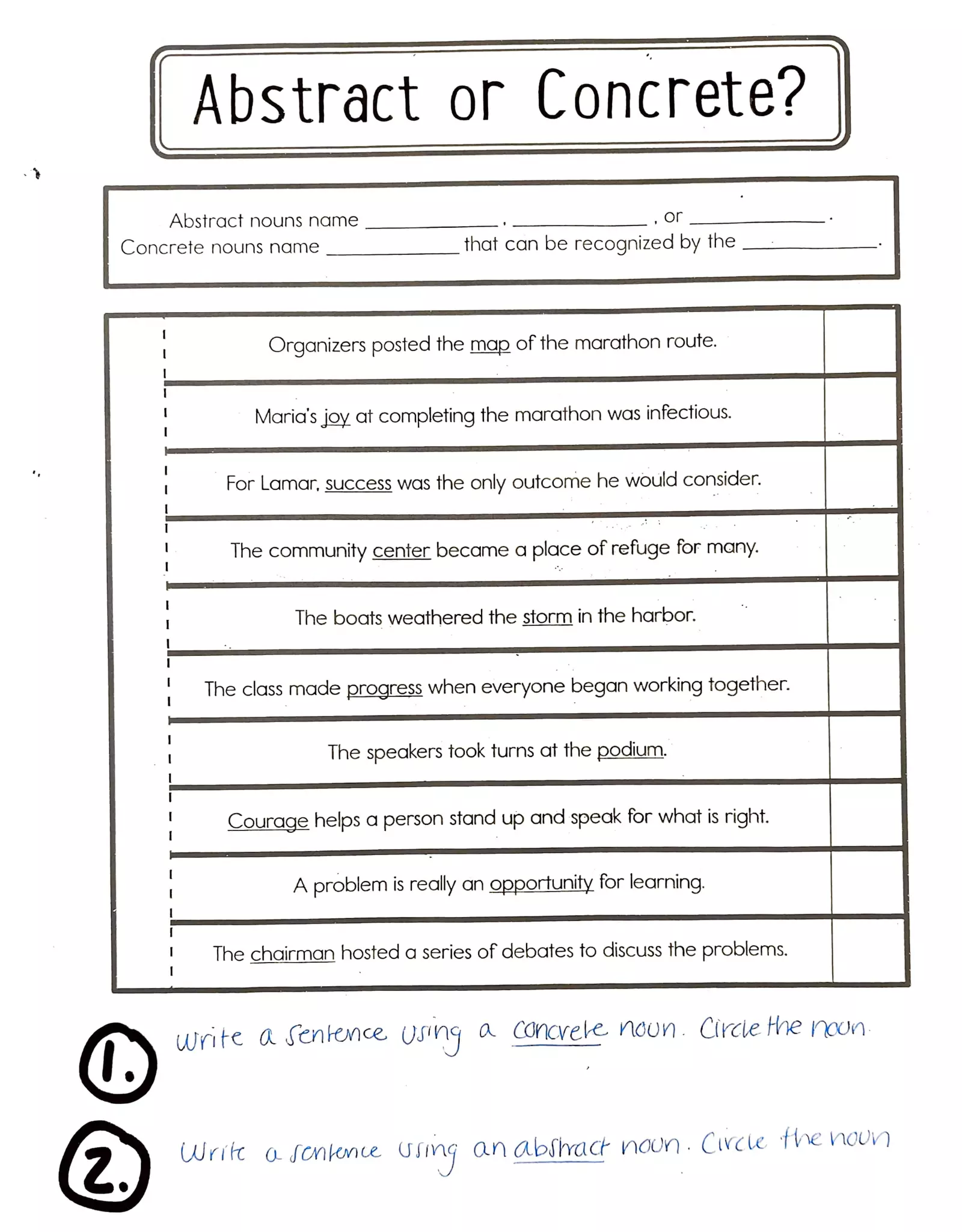
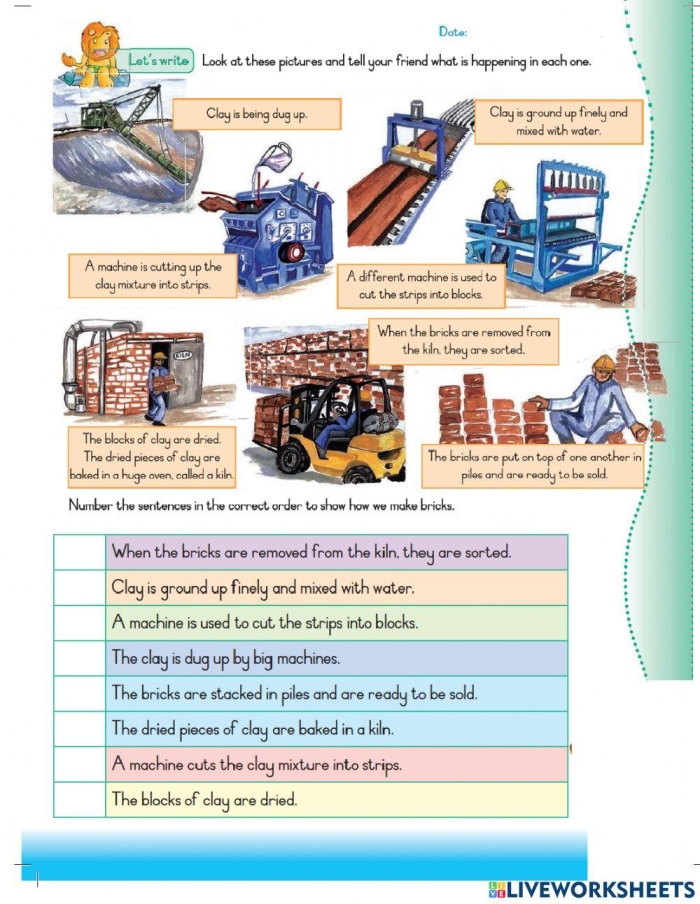
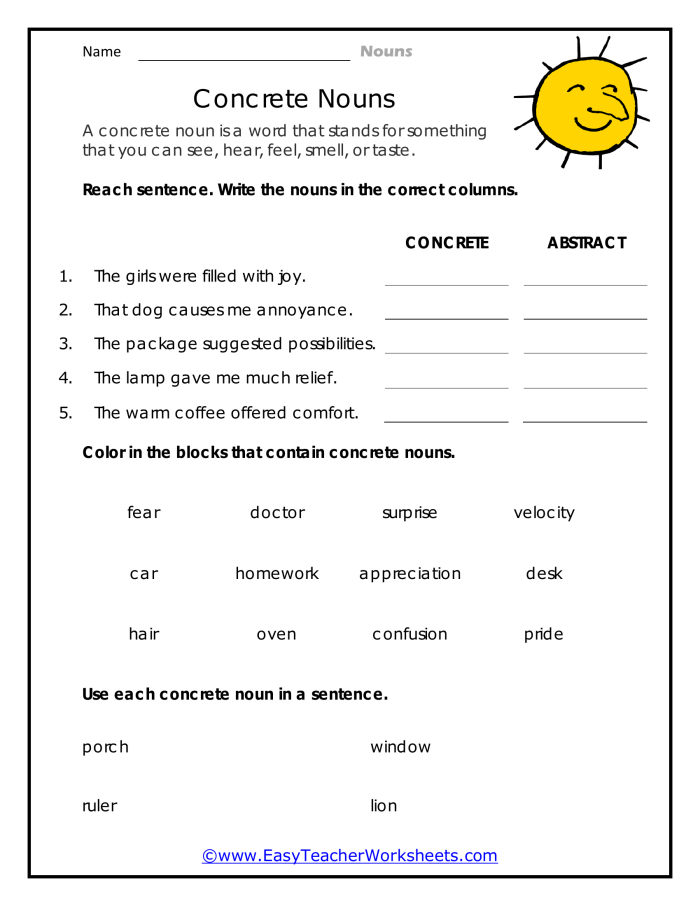
As students engage with this printable worksheet, they also hone their skills in grammar and mechanics. The activity encourages them to articulate their findings clearly, reinforcing their learning in both science and language arts. For instance, they might write about the steps in concrete production, using proper sentence structure and vocabulary. This dual focus on chemistry and effective communication supports a holistic educational experience.
By the end of the worksheet, students will not only grasp how concrete is made but also appreciate its significance in everyday life. This understanding fosters critical thinking and a deeper appreciation for the materials that build our world.
Practice with These Worksheets