Encouraging your first grader to predict how a story ends not only makes reading fun, but it also enhances their comprehension skills. When children engage with a narrative by guessing the outcome, they become active participants in the learning process. This practice helps them think critically about the story’s structure and the characters’ motivations, which are crucial elements in both reading and geometry.
One effective way to implement this activity is by selecting age-appropriate books with clear plots and relatable characters. As you read together, pause at key moments and ask your child what they think will happen next. For instance, if a character is faced with a dilemma, encourage your child to consider the possible choices and their consequences. This kind of analytical thinking is similar to problem-solving in geometry, where students assess various angles and shapes to reach a conclusion.
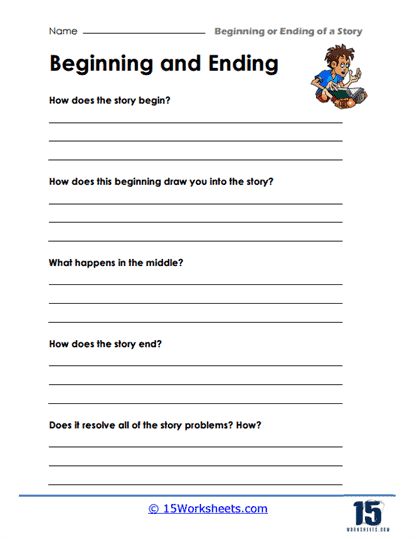
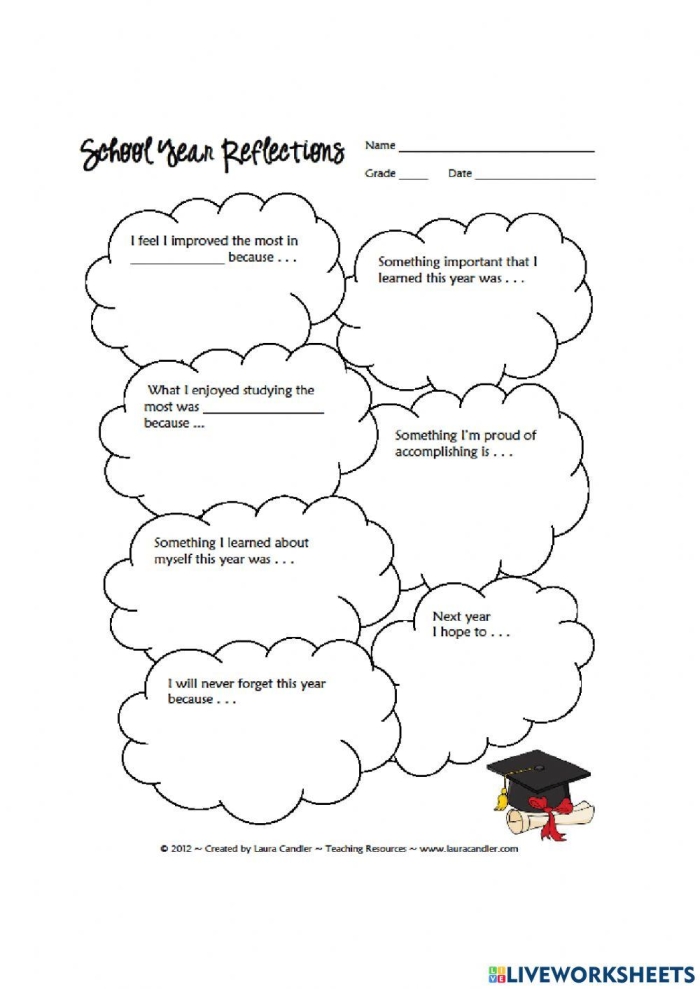
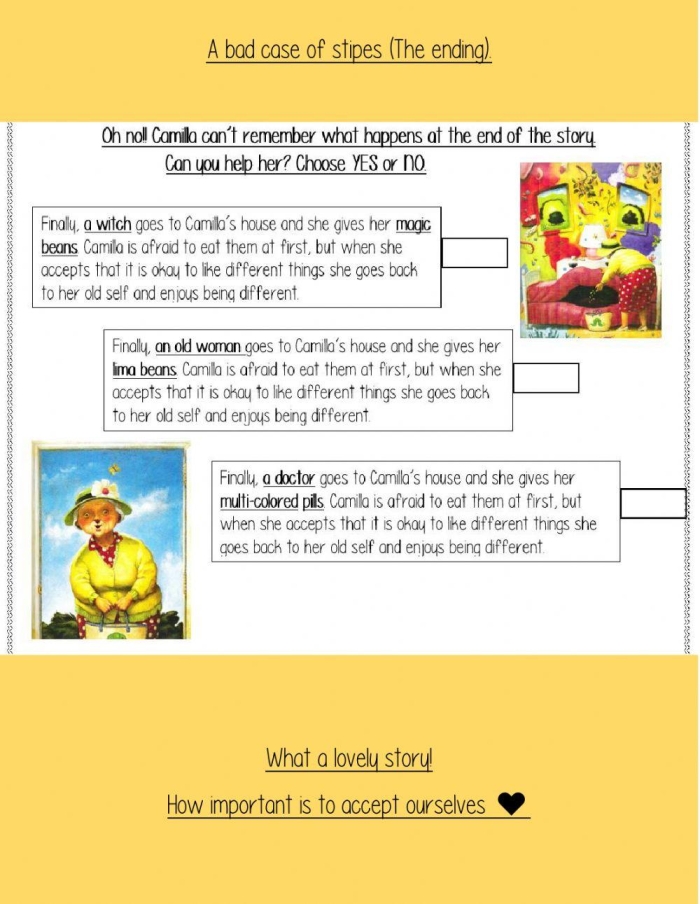
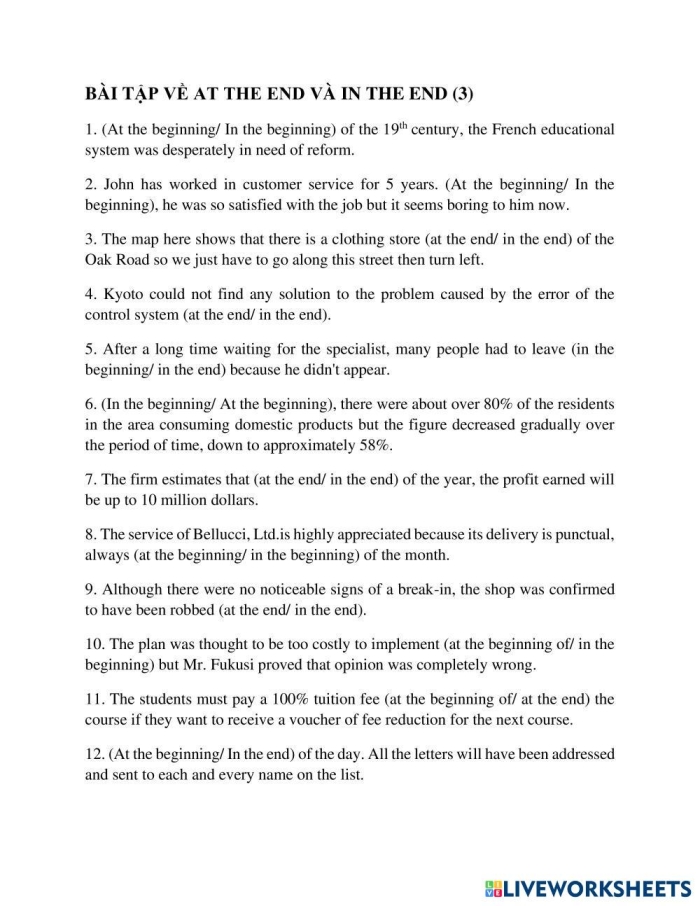
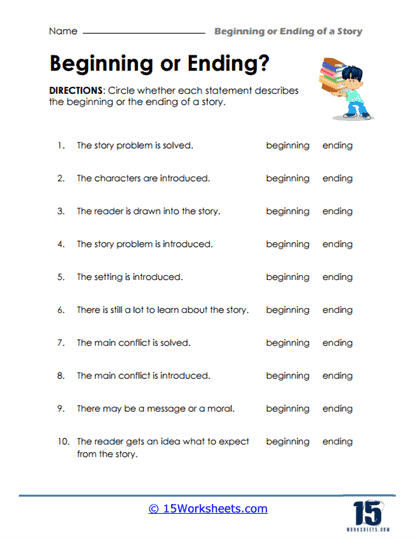
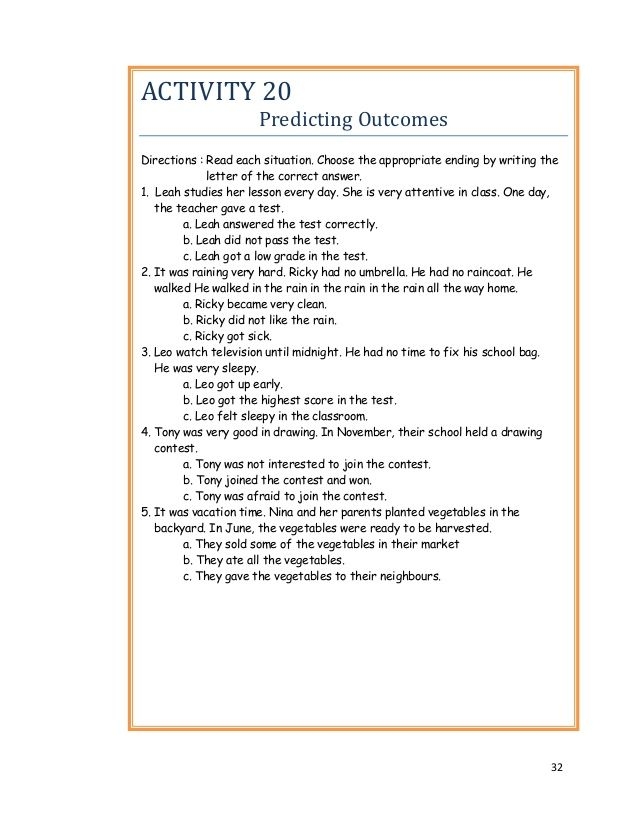
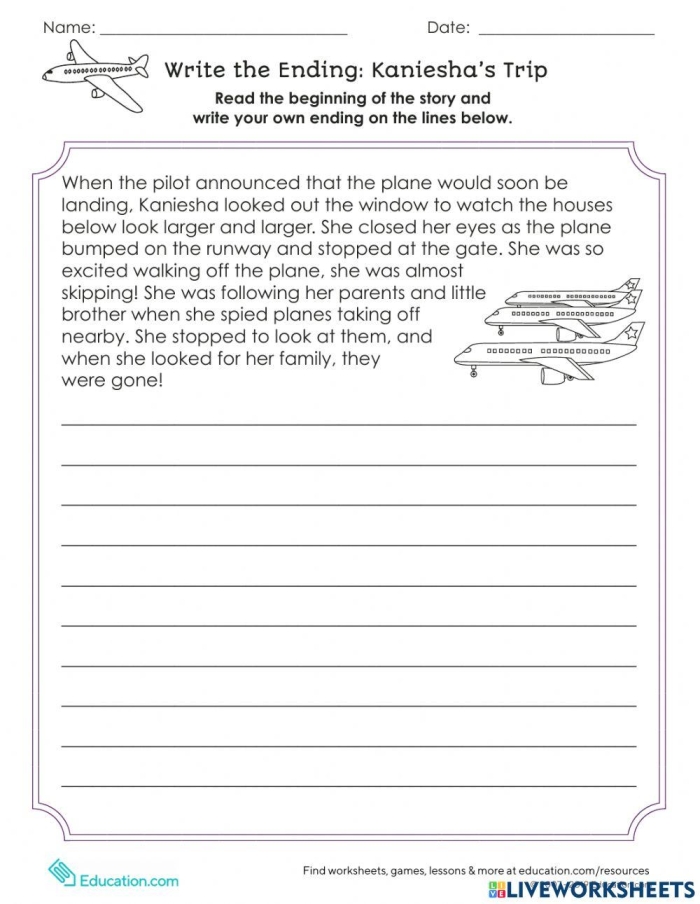
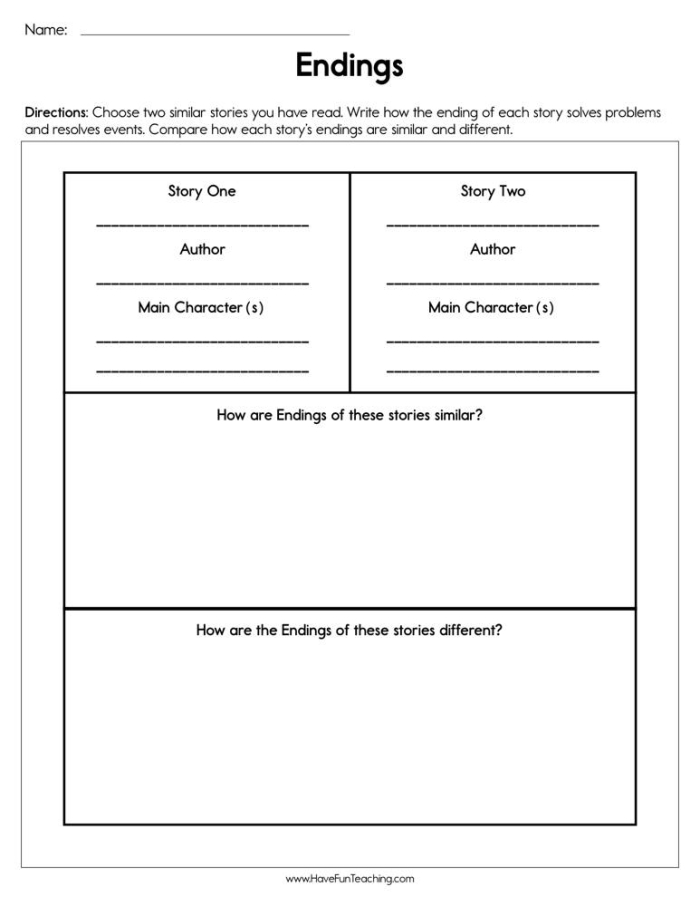
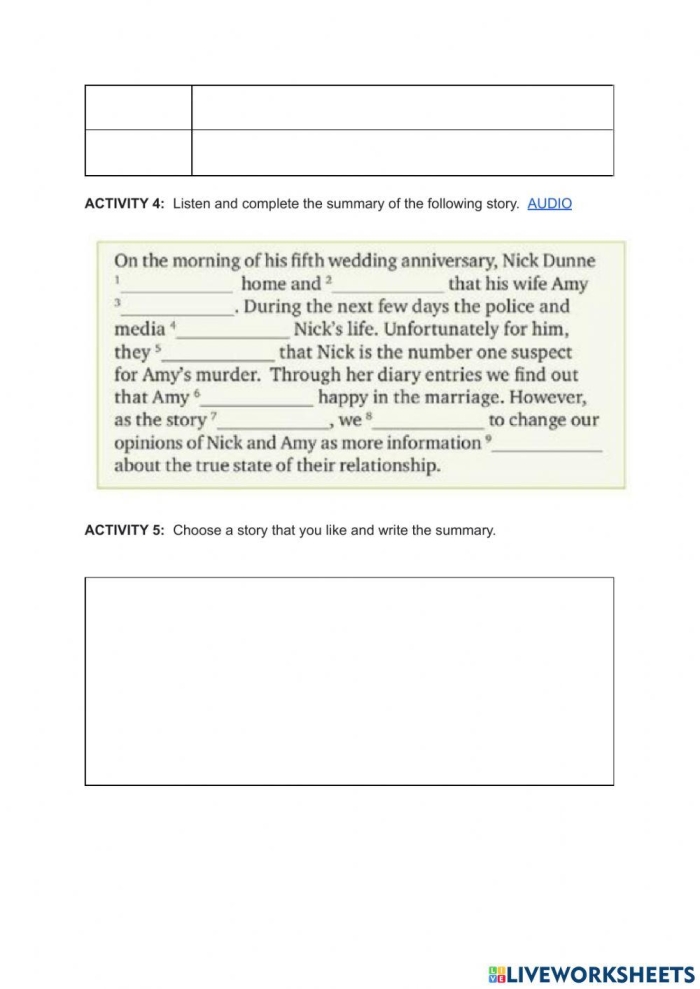
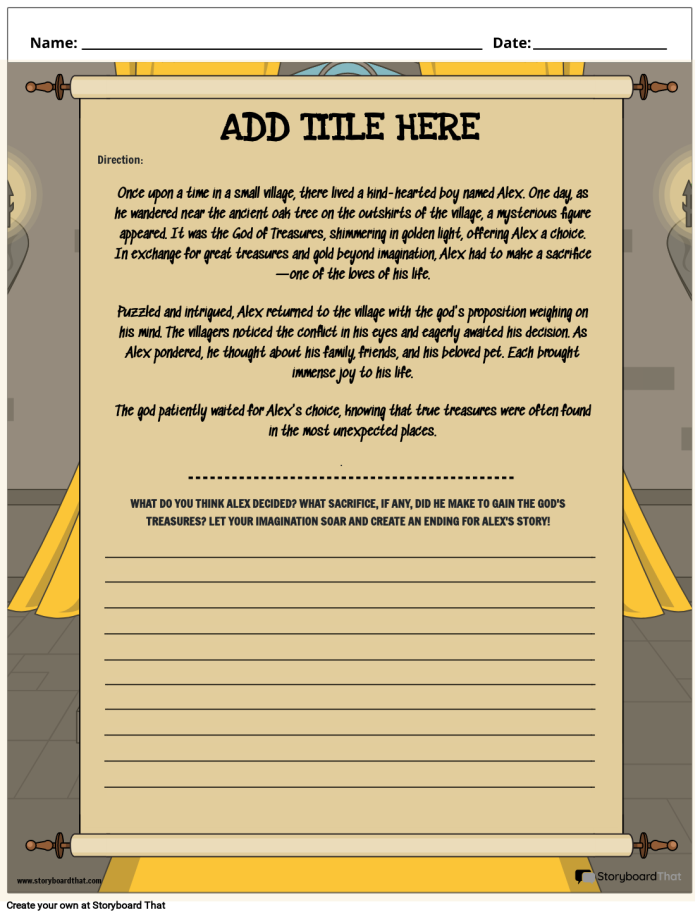
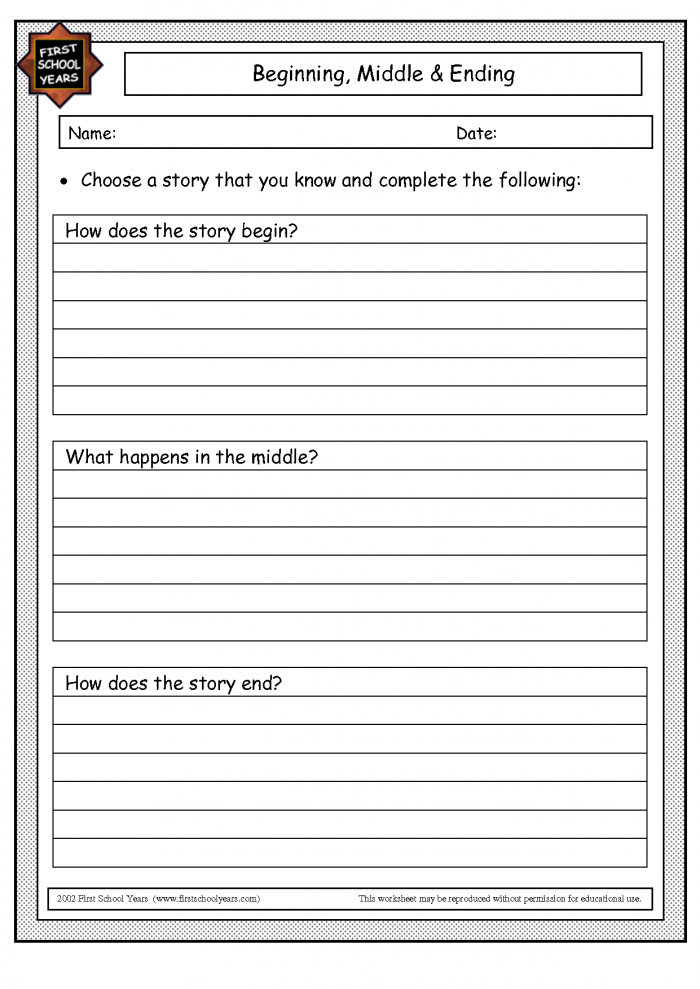
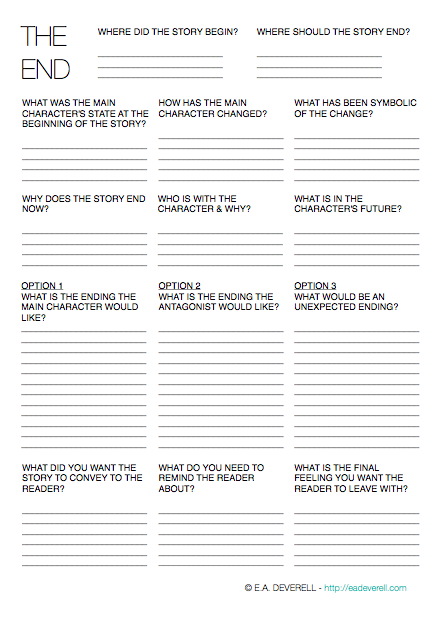
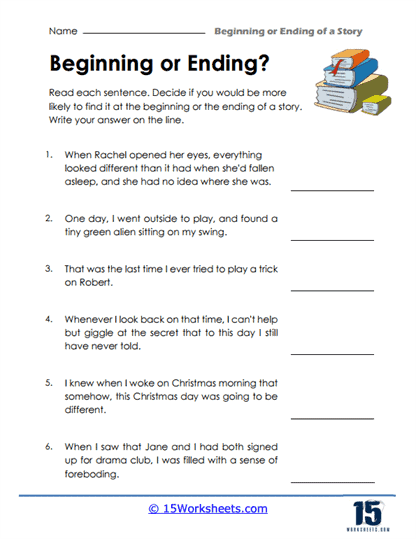
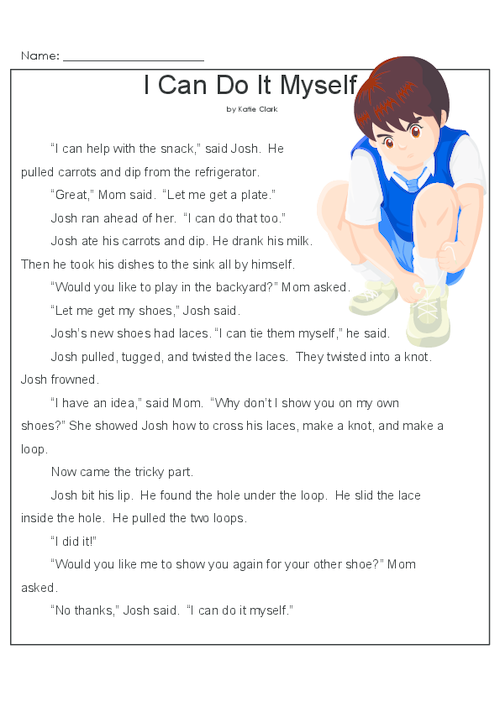
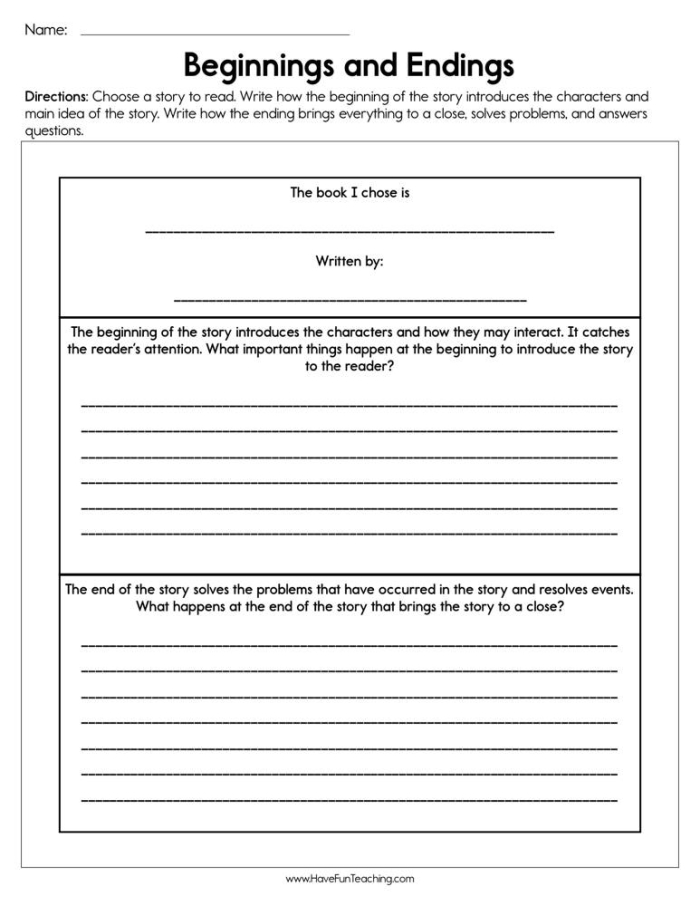
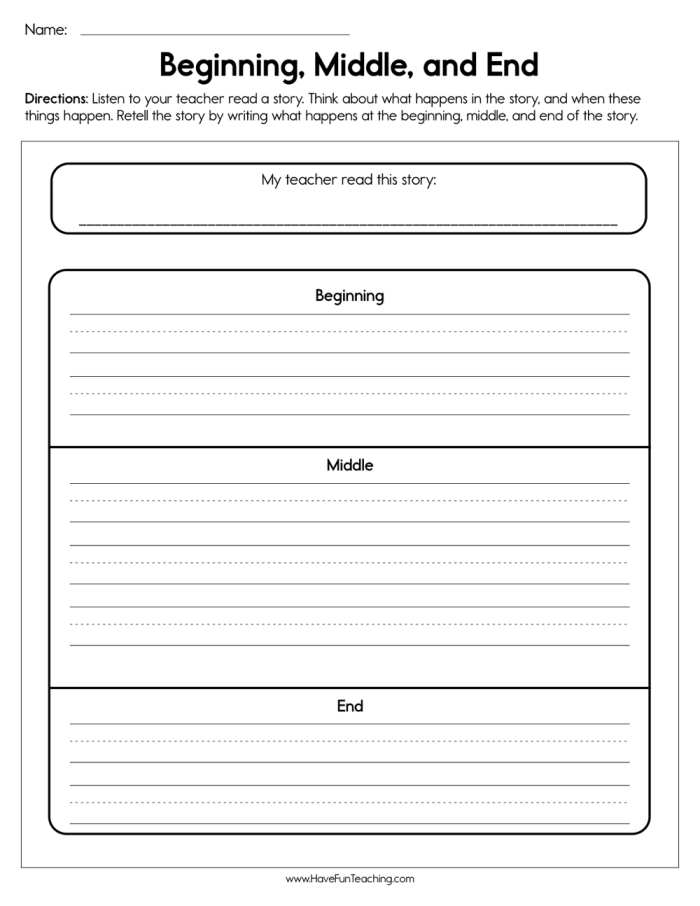
To further support this skill, consider using resources like printable worksheets that focus on predicting story endings. These How Does it End? worksheets can provide structured practice, combining reading comprehension with fun exercises that involve geometry concepts. By integrating these subjects, you can help your child see connections between different areas of learning.
Additionally, incorporating discussions about the characters and events can deepen your child’s understanding. Ask them questions like, “Why do you think the character made that choice?” or “What might happen if they choose differently?” This approach not only builds their comprehension but also fosters creativity and critical thinking.
By nurturing your first grader’s ability to predict story outcomes, you are equipping them with essential skills that extend beyond literacy. This practice prepares them for future academic challenges, particularly in subjects like geometry where understanding relationships and outcomes is key. The more you engage in these activities, the more confident and capable your child will become in both reading and problem-solving.
Start Practicing with These Worksheets