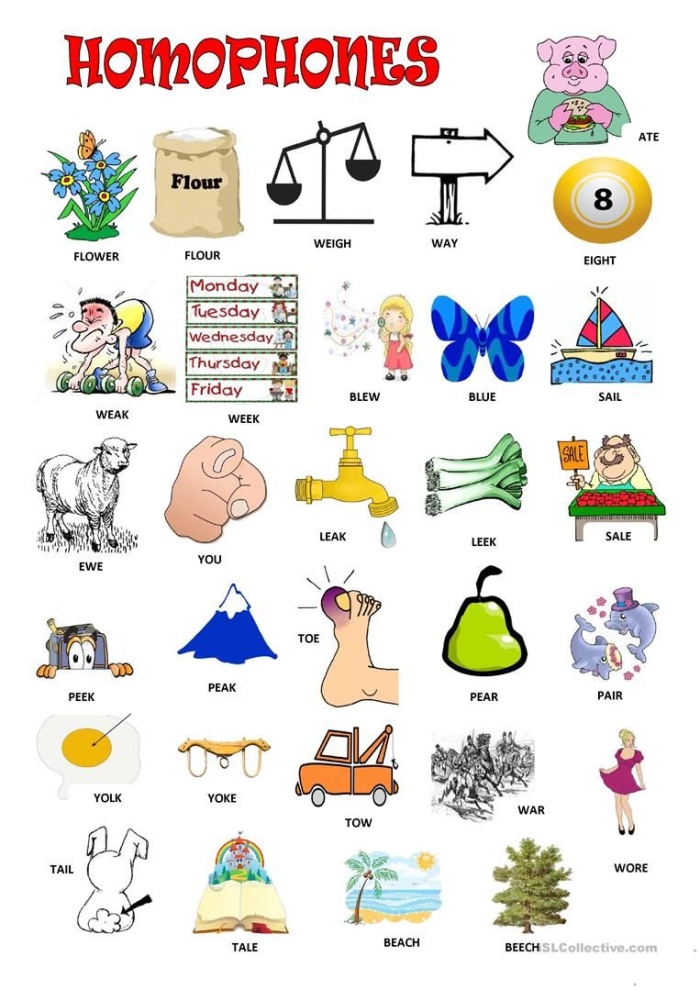
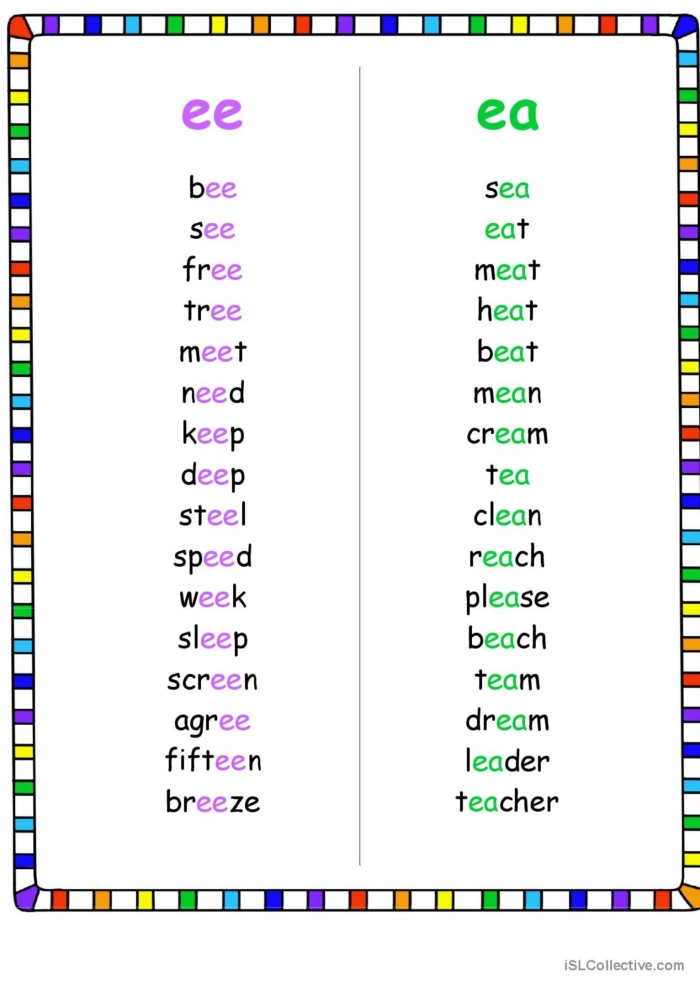
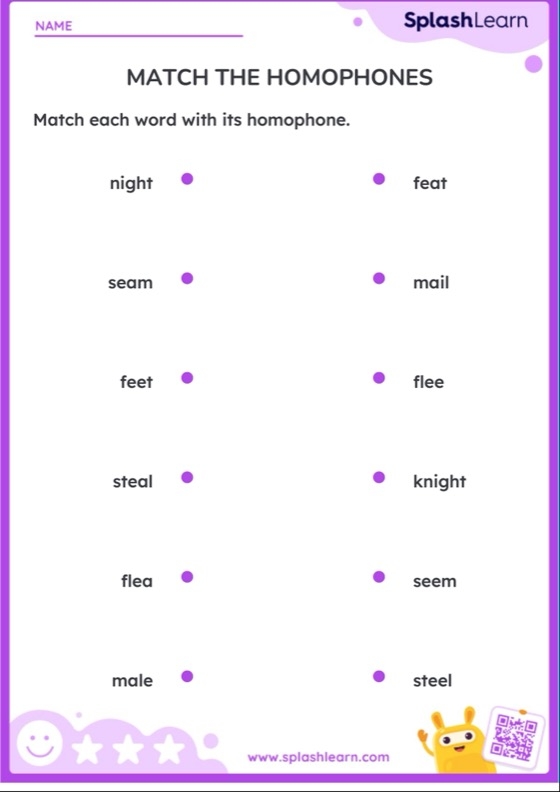
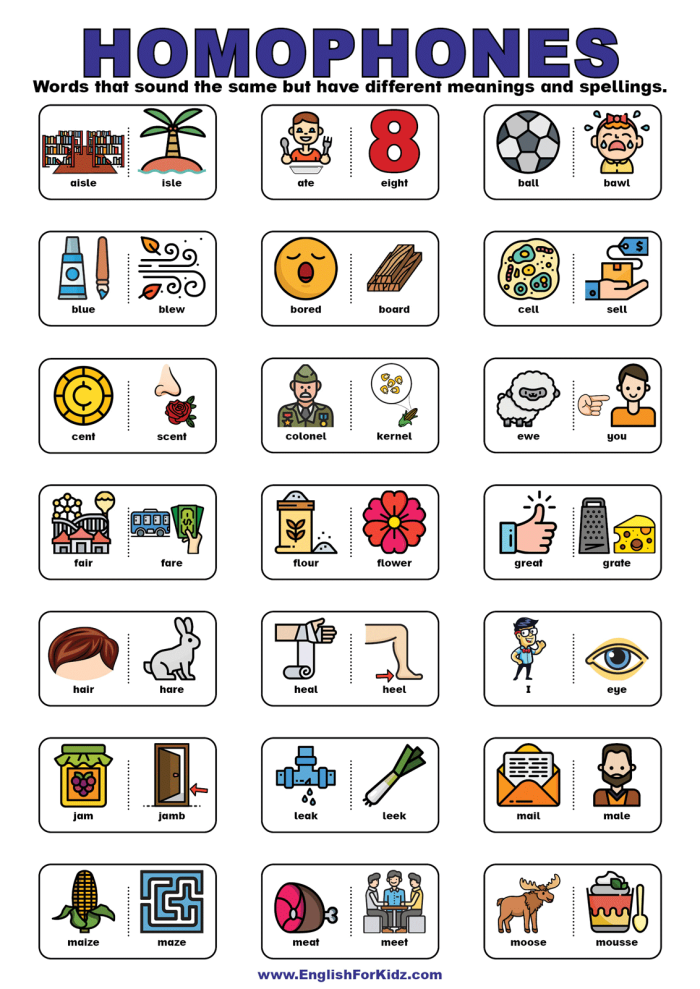
Homophones can be a fun and challenging part of language learning for kids. These are words that sound identical but have different meanings and spellings. For example, consider the pair “sea” and “see.” While they are pronounced the same, one refers to a large body of water, and the other means to perceive with the eyes. Teaching your child to identify and use homophones can enhance their vocabulary and understanding of language nuances.
Engaging your second grader with homophones can be a rewarding experience. Start by introducing them to simple examples such as “to,” “too,” and “two.” You can create a playful atmosphere by asking your child to explain the differences between these words. For instance, ask them, “If I say, ‘I want to go to the park,’ which ‘to’ am I using?” This kind of questioning can help them think critically about word usage.
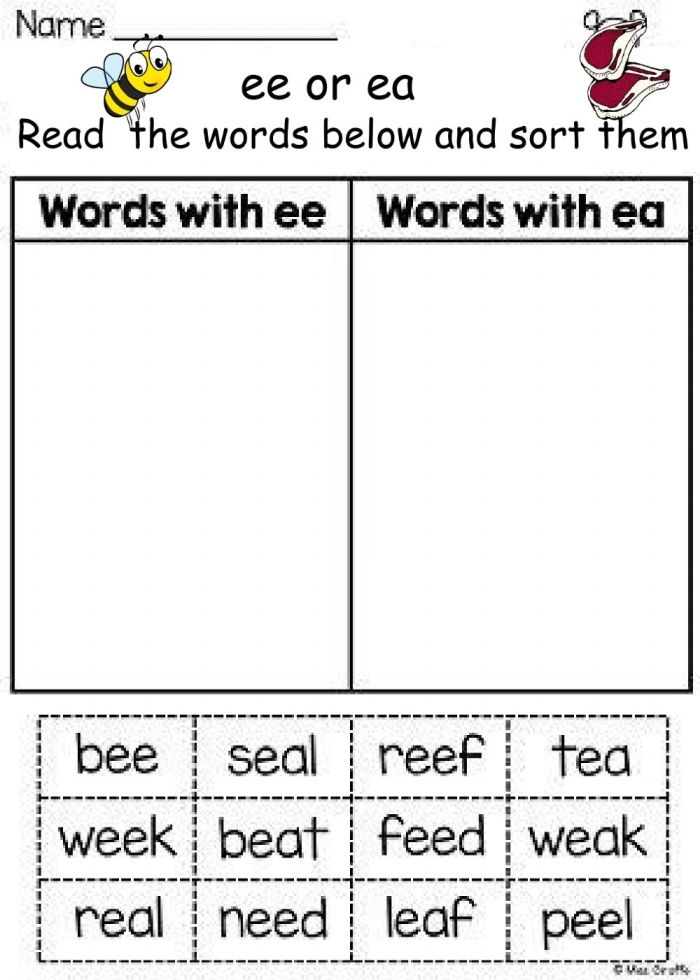
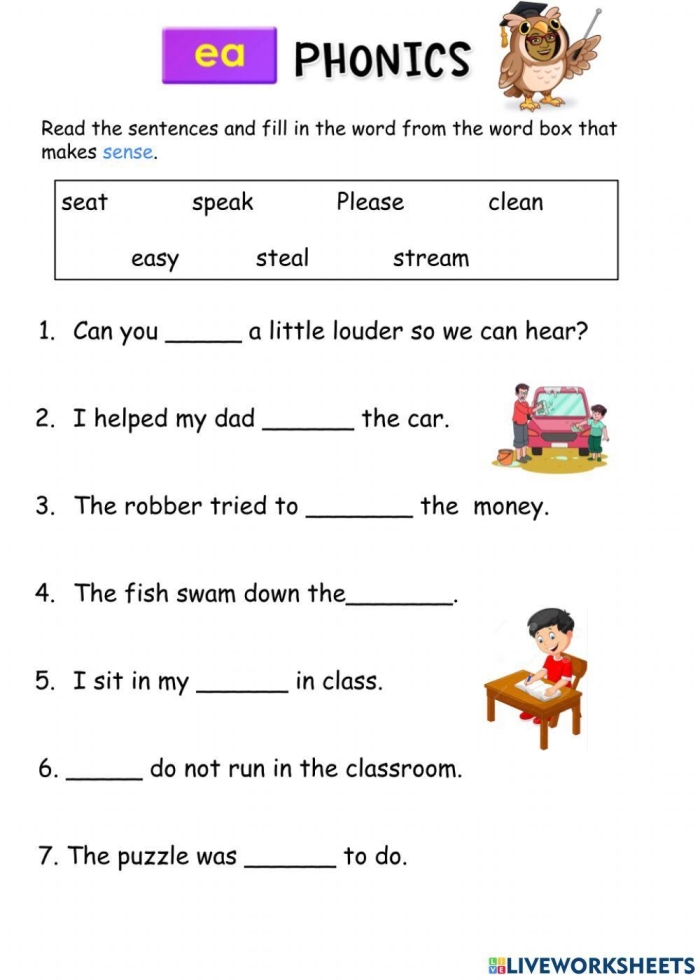
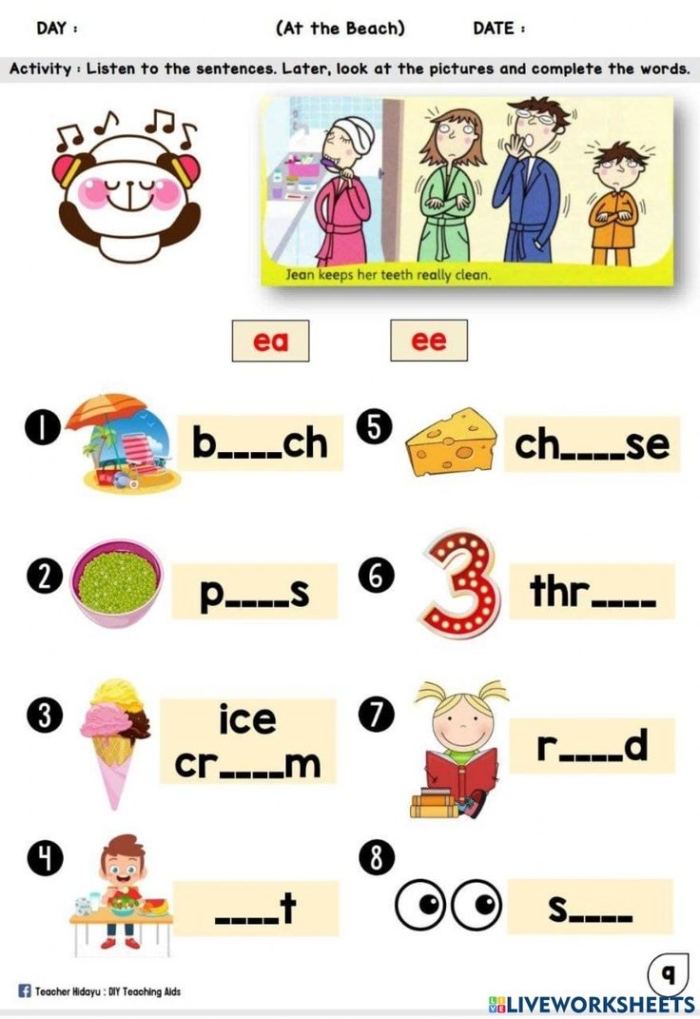
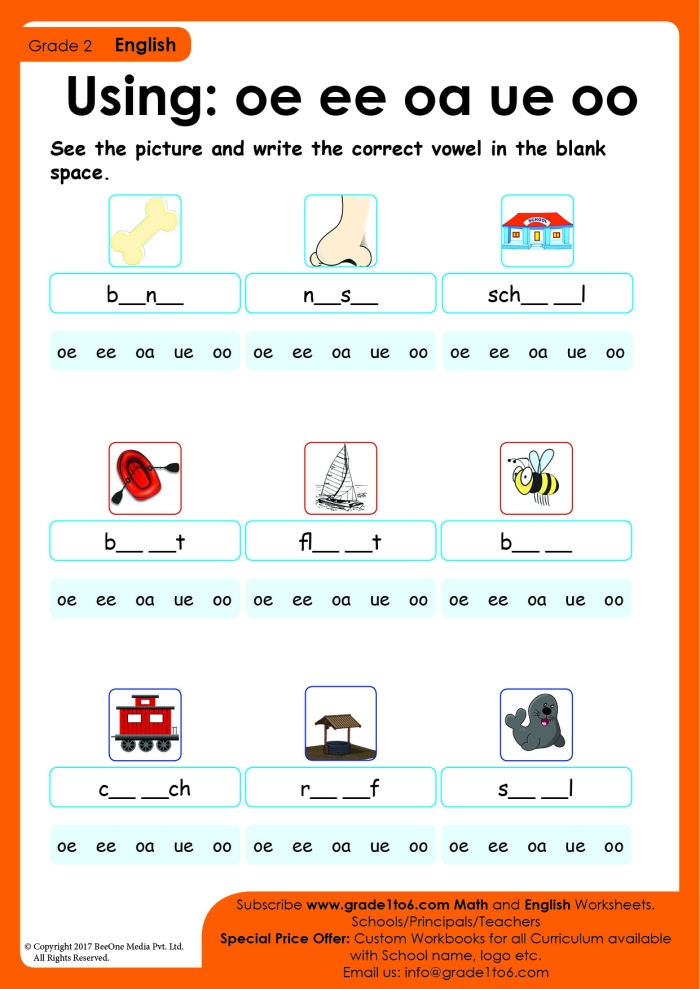
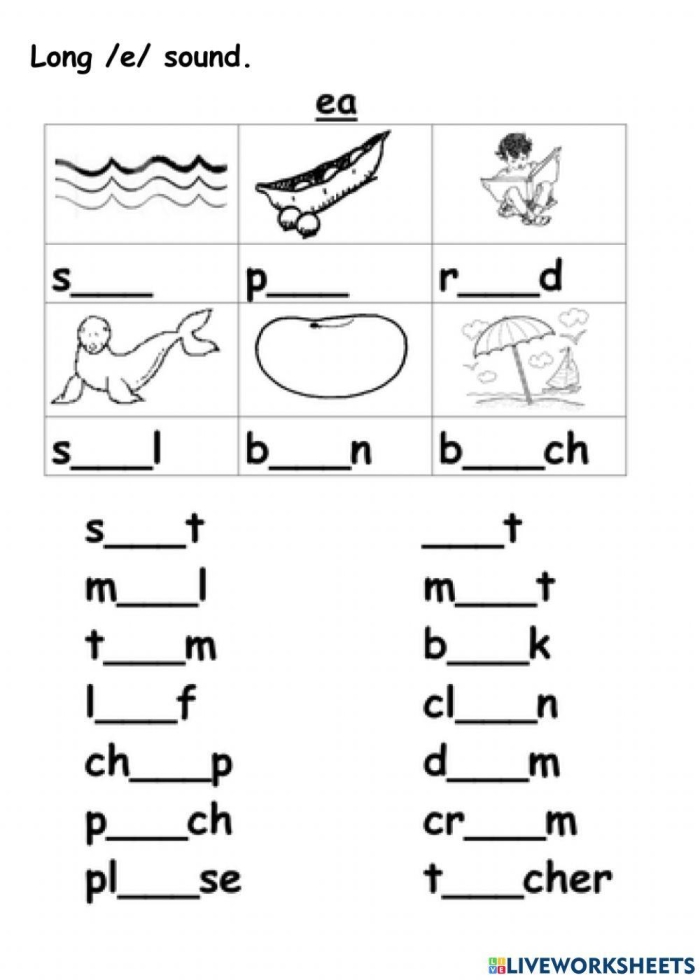
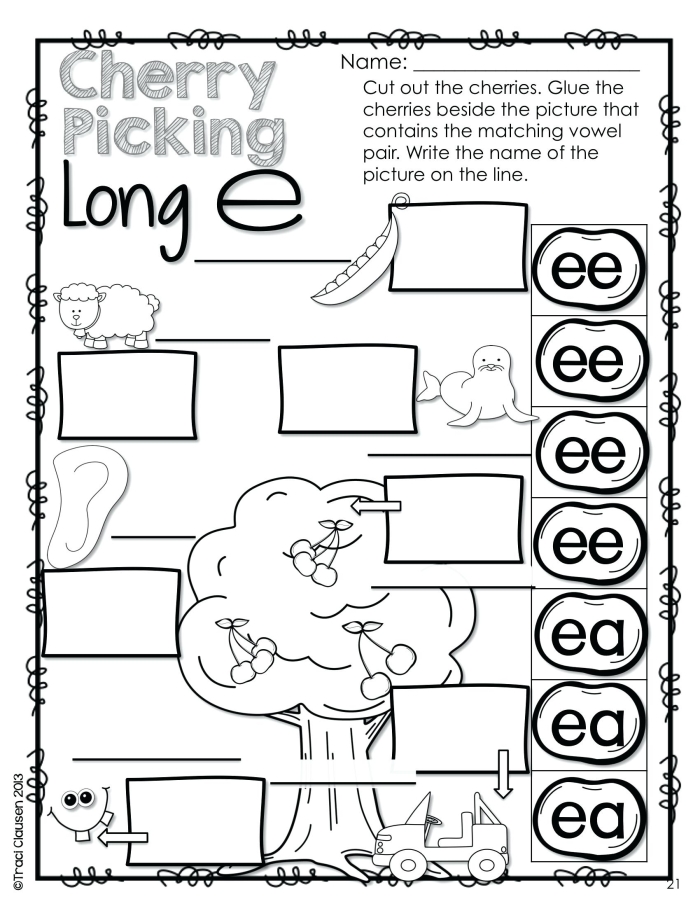
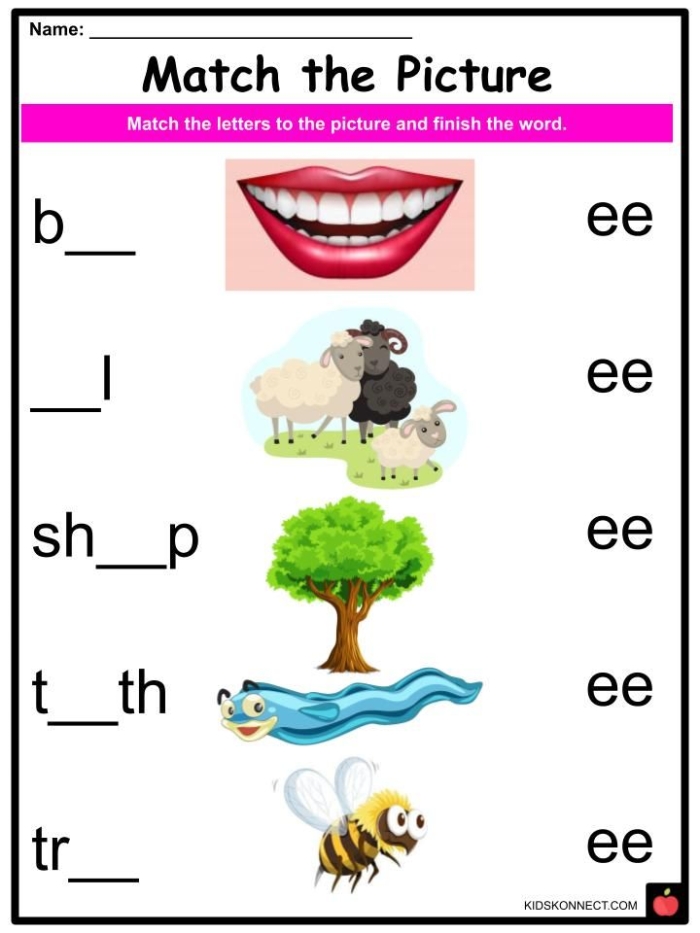
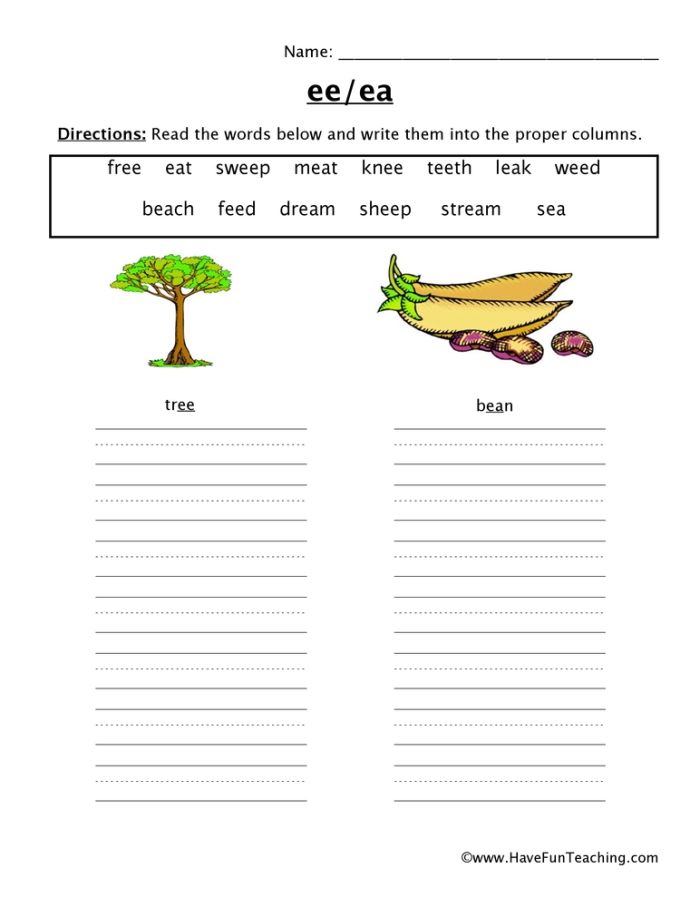
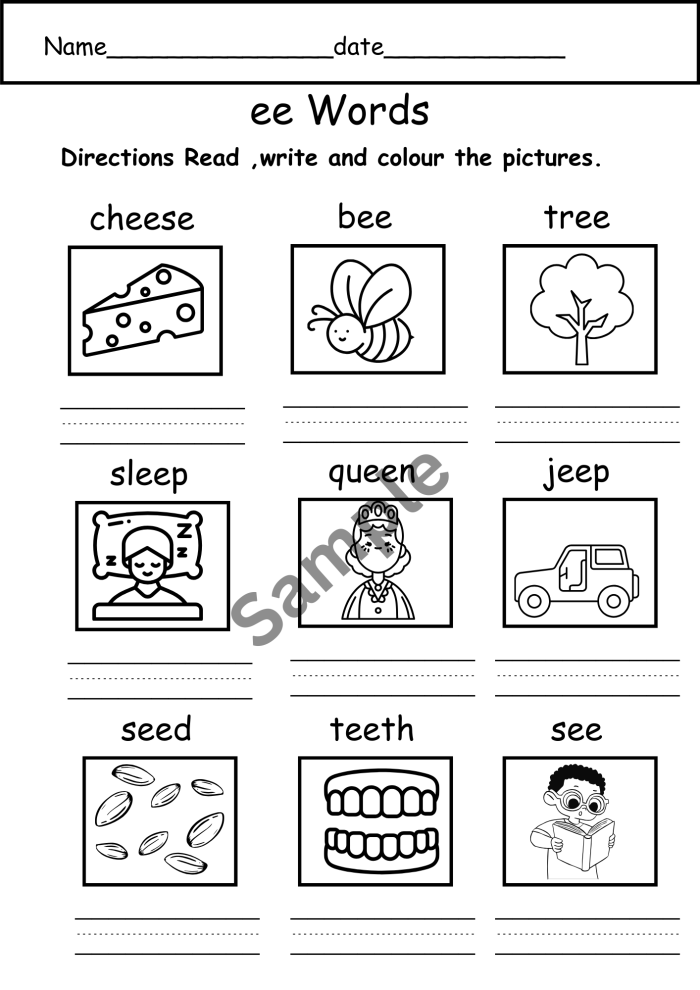
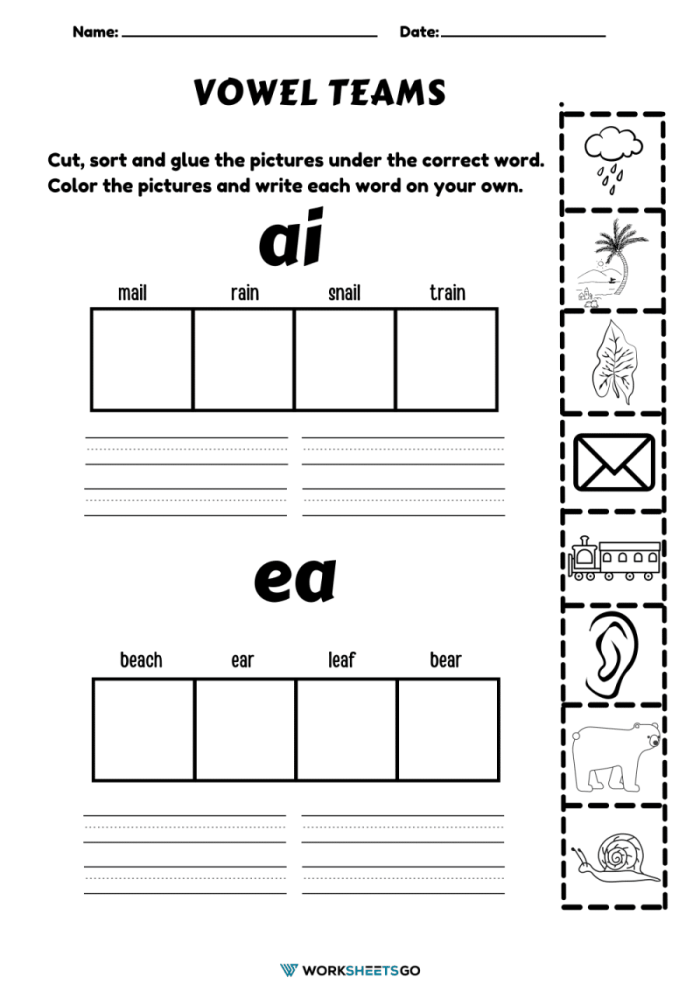
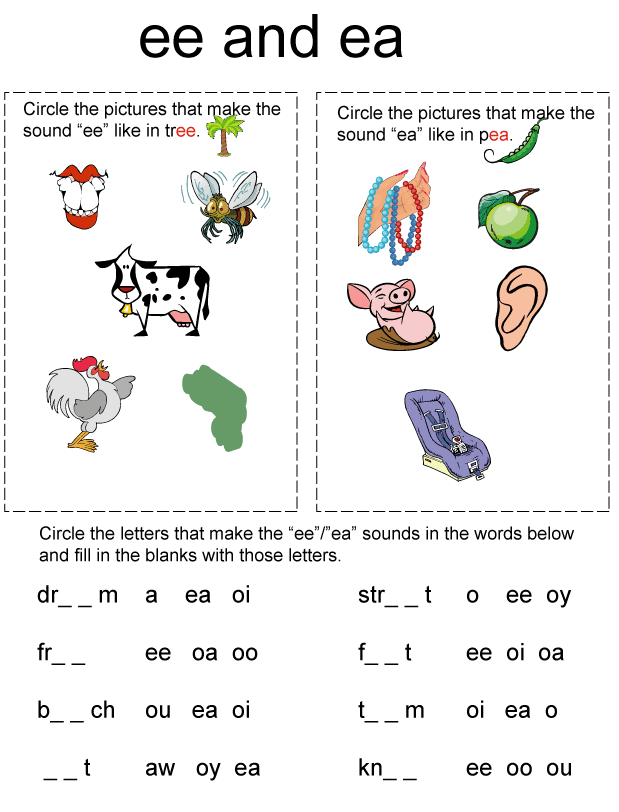
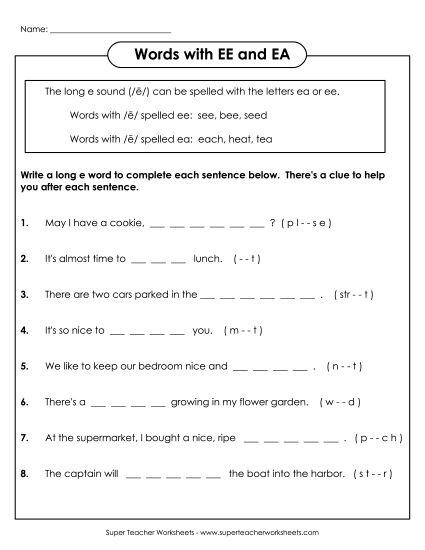
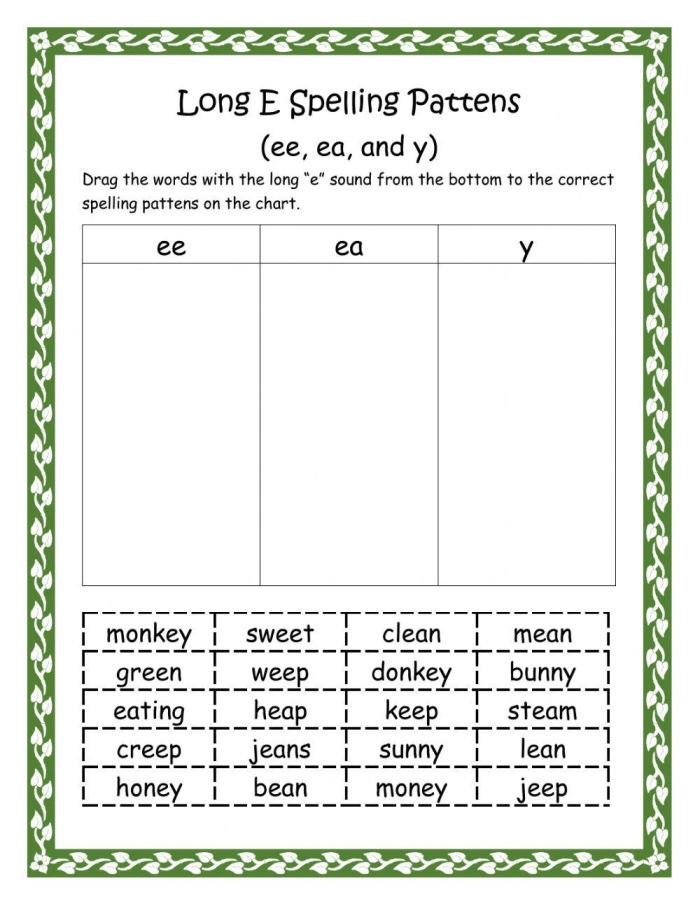
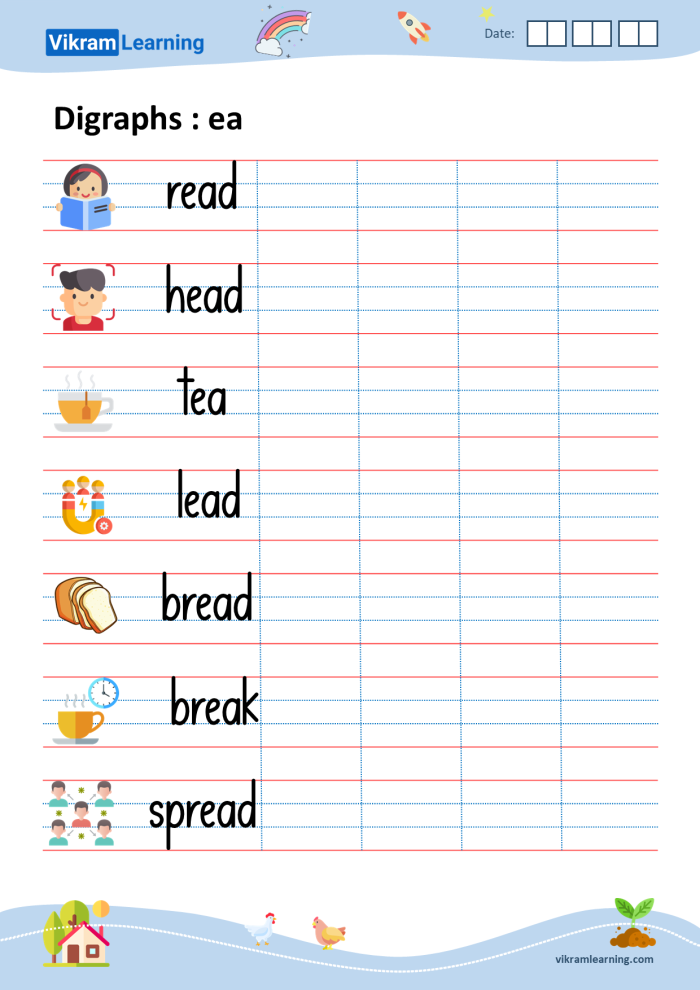
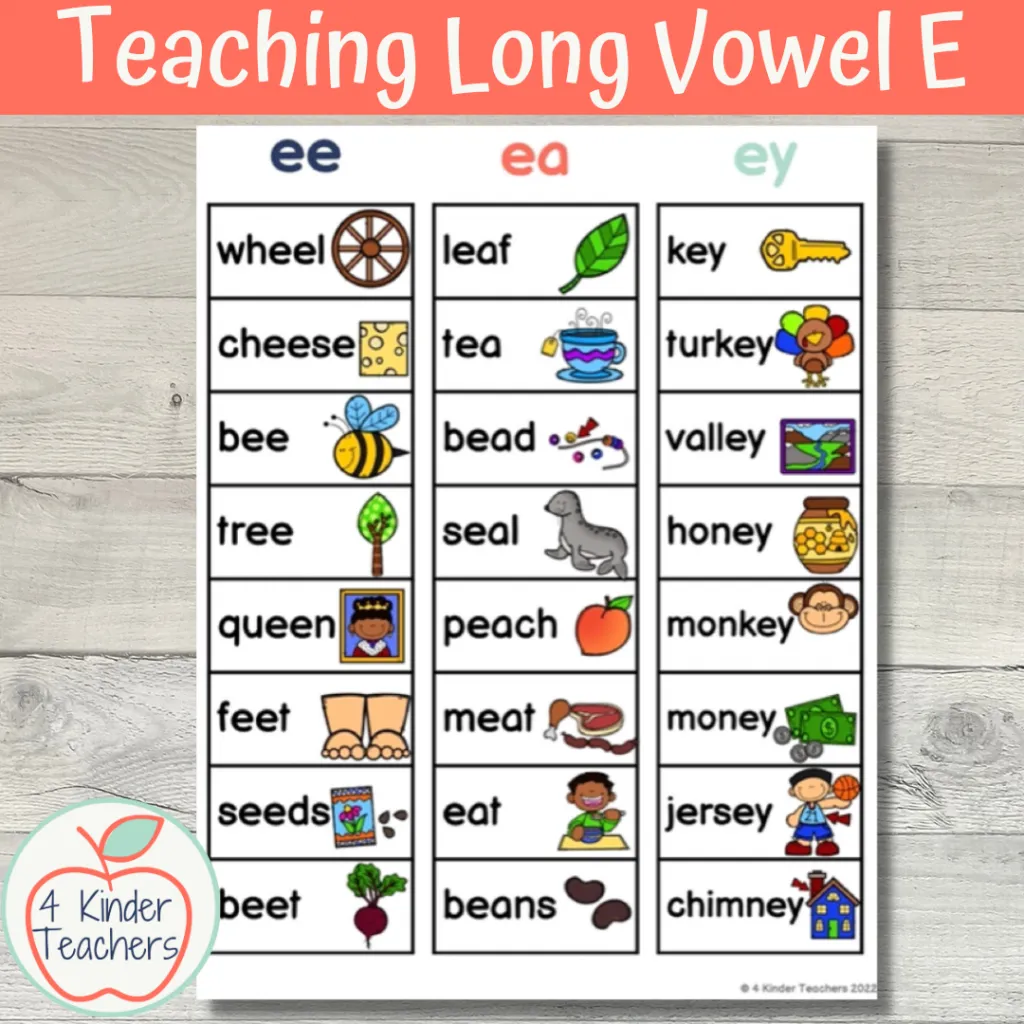
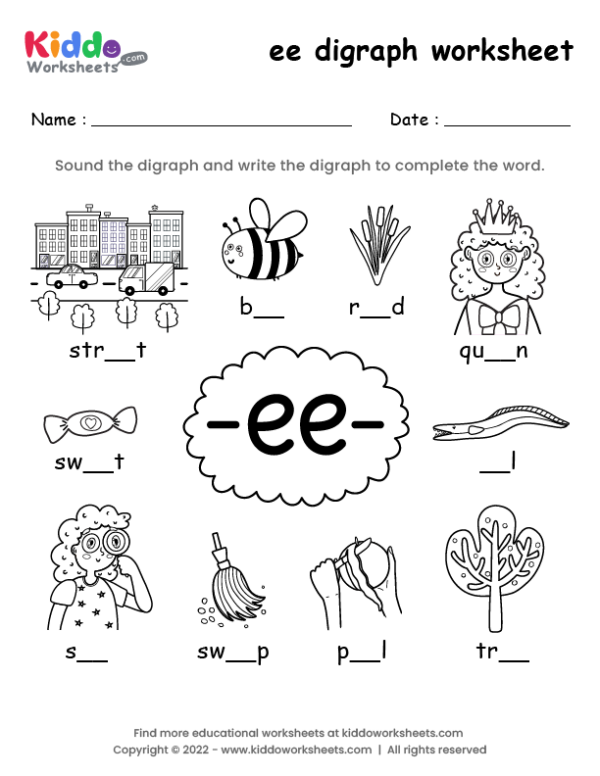
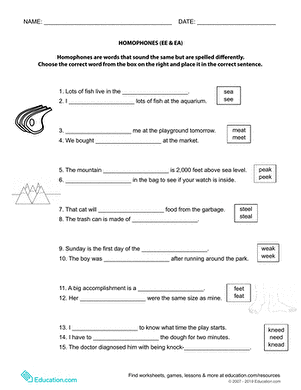
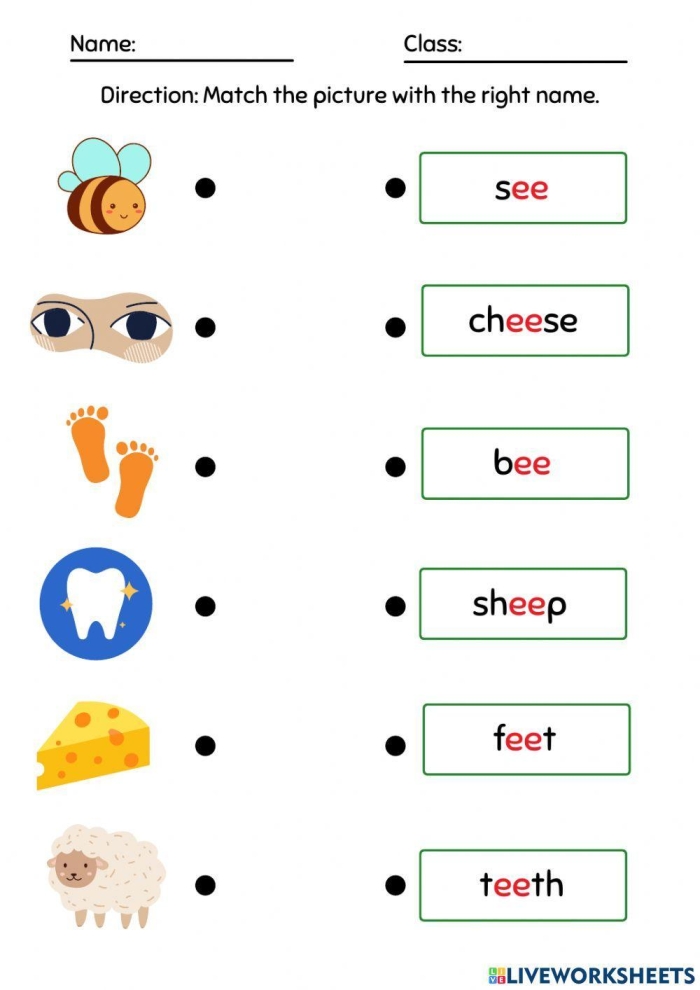
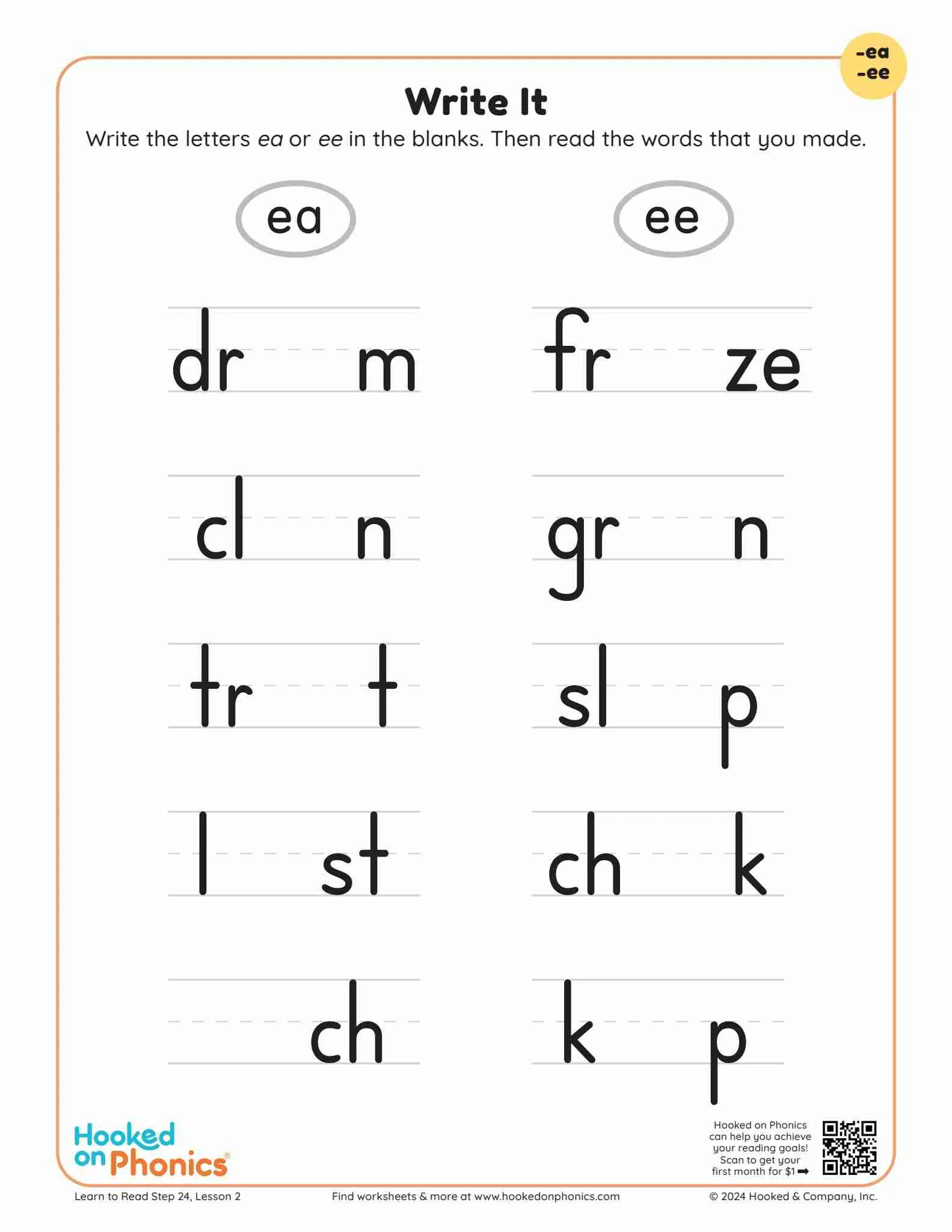
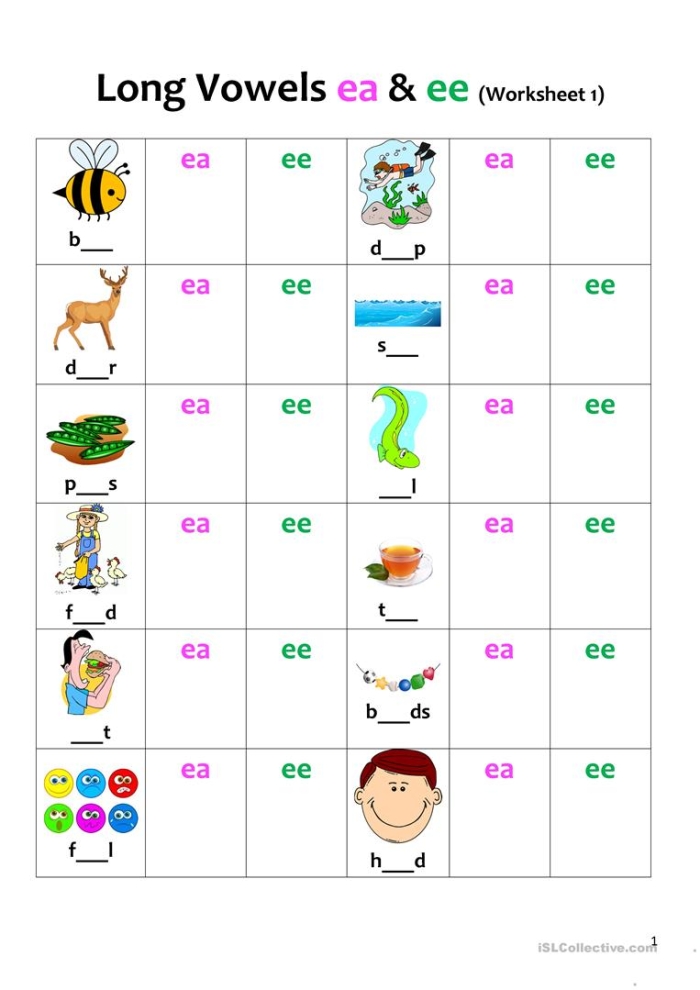
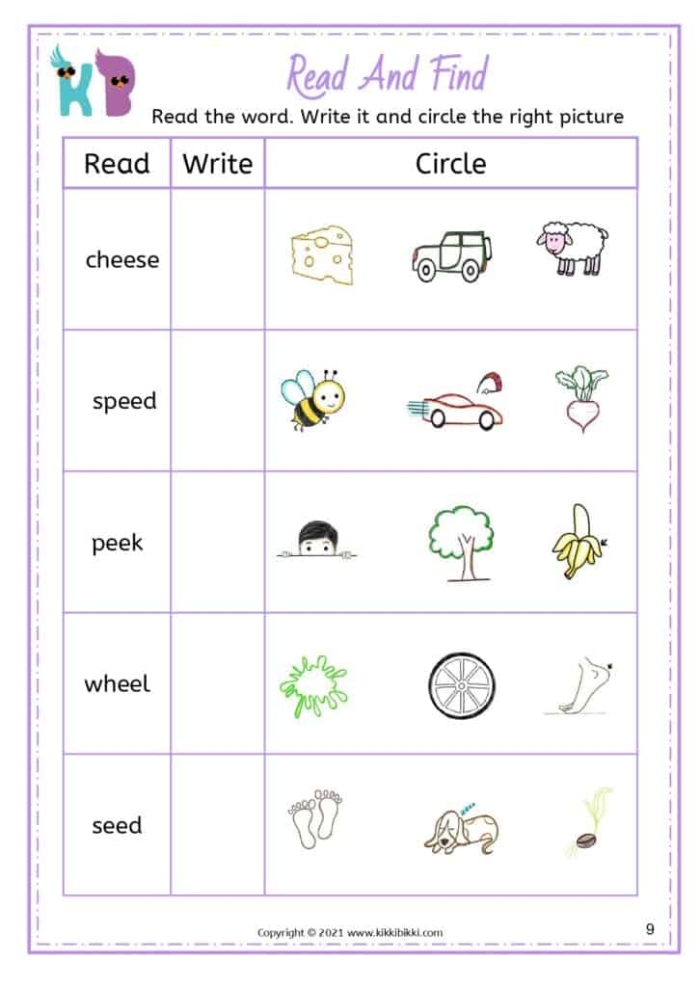
Using printable worksheets can also reinforce their learning. You might find worksheets that focus on recognizing and using homophones in sentences, which can be perfect for second graders. These resources often include rhyming exercises, making the learning process more enjoyable. For example, you could find activities that help them distinguish between words like “knead” (to mix dough) and “need” (to require something).
Incorporating homophones into everyday conversations can strengthen your child’s understanding. Play games where you challenge each other to come up with words that sound alike. This approach not only makes learning fun but also encourages them to think creatively. Plus, it’s a great way to bond while helping them improve their language skills.
With a little practice, your child will be able to master homophones. This foundational skill not only aids in reading and writing but also enriches their overall communication abilities. If you’re looking for more resources, check out activities like reading stamina charts or sight word practice, which can complement their learning journey.
Printable Worksheets for Practice