Masterful musicians often find that understanding the roots of their instrument deepens their connection to the music they create. This is especially true with the piano, an instrument that has evolved over centuries and influenced countless musical styles. For fourth graders learning about the history of the piano, a well-crafted worksheet can bring this story to life, blending music history with mixed operations math problems that challenge young minds.
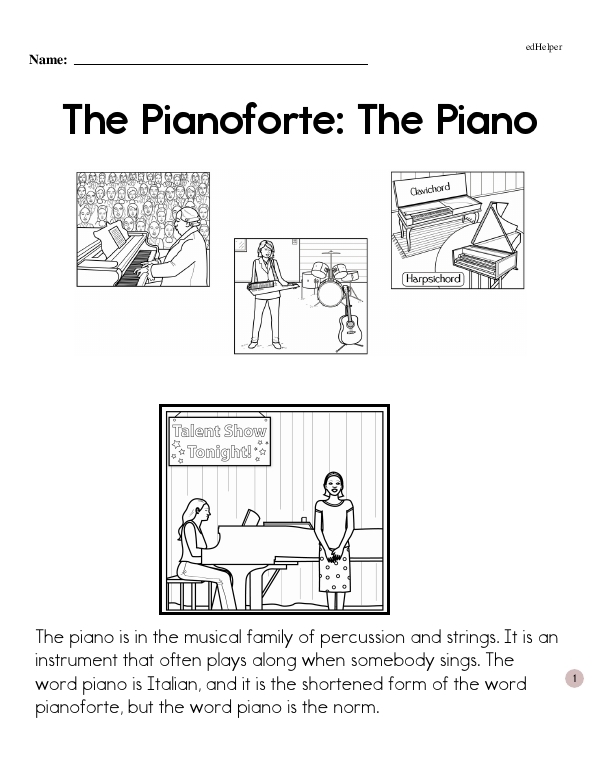
The origins of the piano trace back to the early 1700s when Bartolomeo Cristofori, an Italian instrument maker, invented the first hammer mechanism that allowed players to control dynamics by varying the force of their keystrokes. Unlike the harpsichord, which plucked strings, the piano uses hammers to strike them, enabling both soft and loud sounds. This innovation changed how music was composed and performed, expanding the piano’s role across genres and eras.
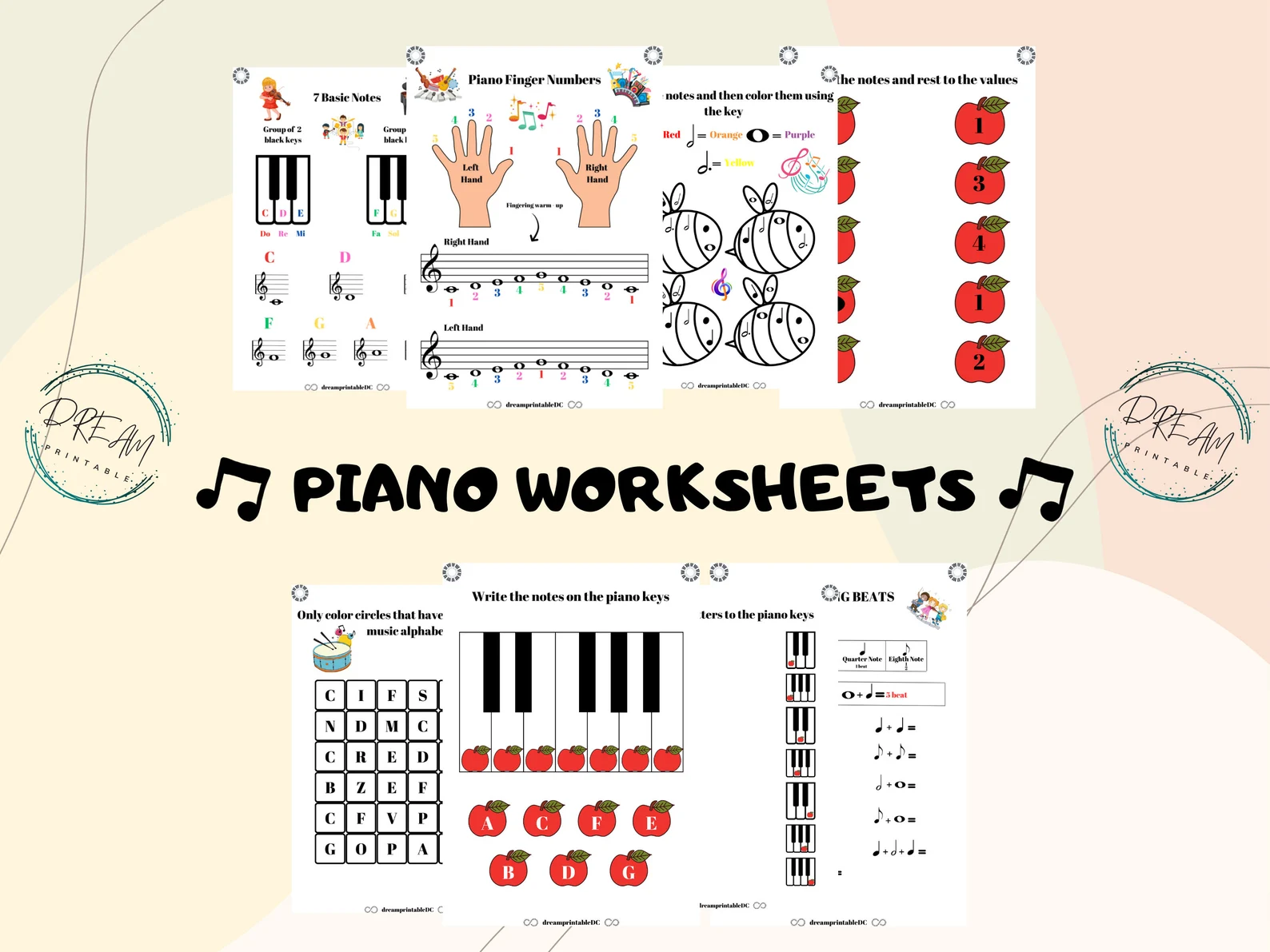
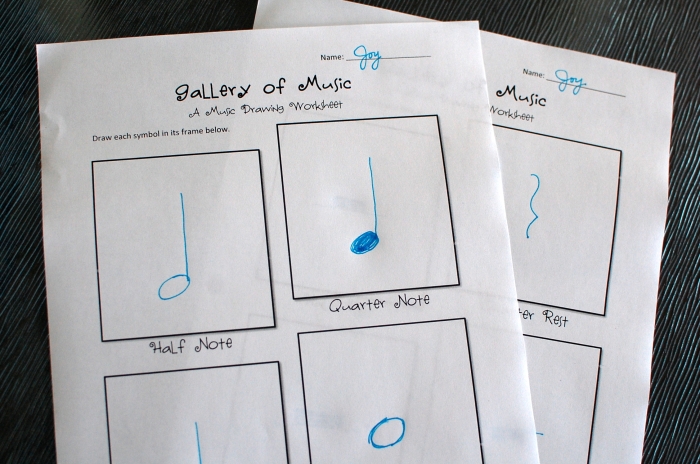
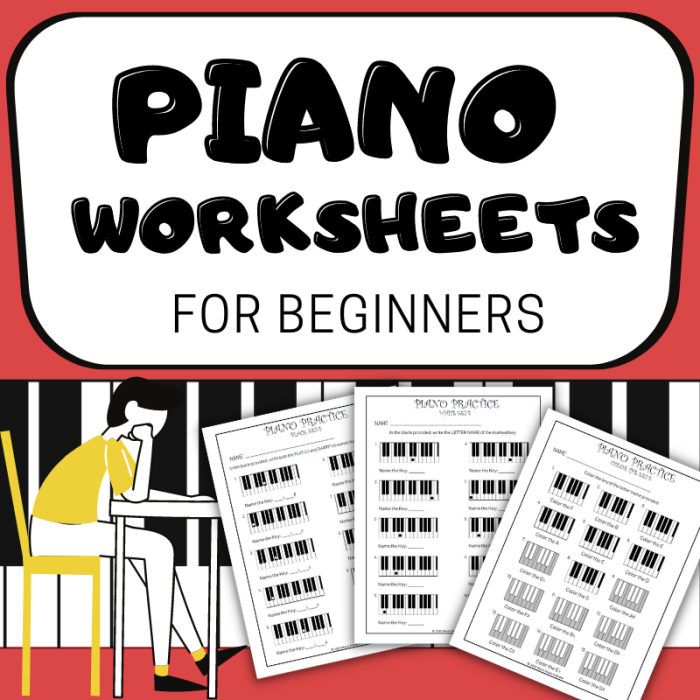
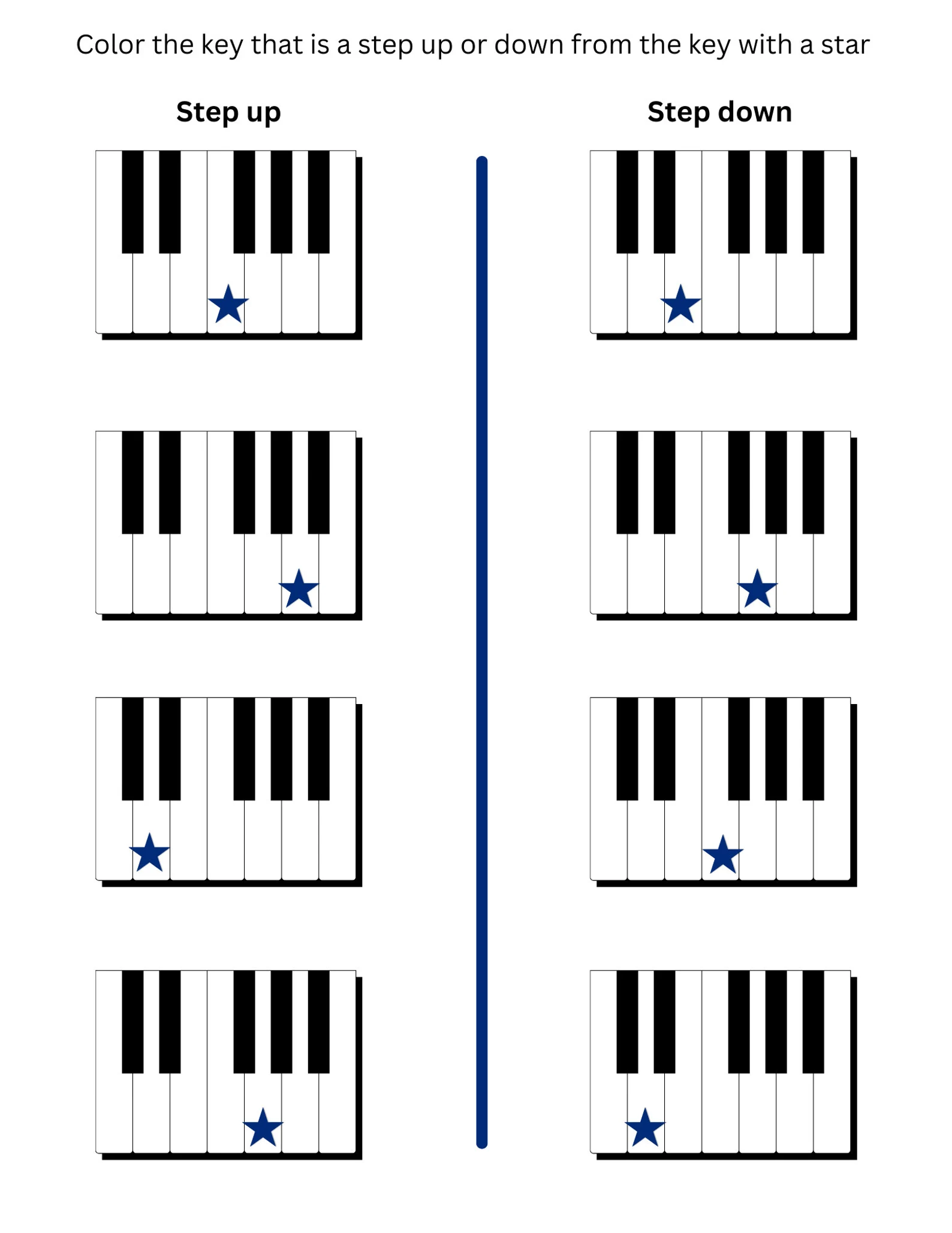
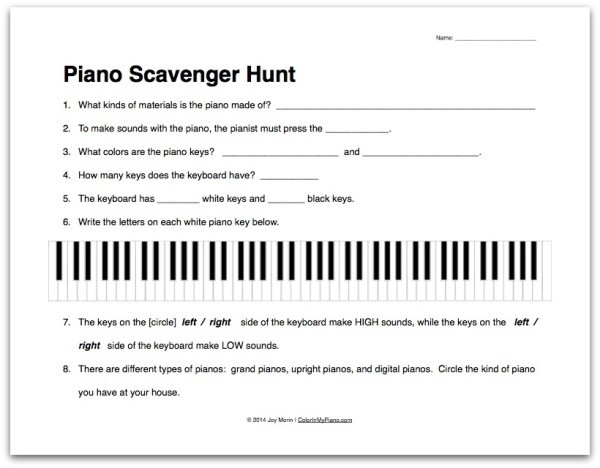
Using printable history of the piano worksheets designed for fourth grade students helps them grasp these historical details while practicing mixed operations like addition, subtraction, and multiplication. For instance, a worksheet might combine facts about Cristofori’s invention with math problems involving the dates or numbers related to piano construction. This approach not only reinforces their arithmetic skills but also enriches their appreciation for the instrument’s background.
Such worksheets can make learning interactive and memorable. For example, a student might solve a problem calculating the number of keys on a modern piano or work through exercises involving the timeline of piano development. These activities provide concrete examples that link musical history with math, making abstract concepts easier to understand.
Finding resources that integrate different subjects can be especially helpful at the fourth grade level, where students are expanding their ability to handle mixed operations and complex ideas. To complement music history lessons, parents and teachers might also explore other educational materials that combine reading comprehension or phonics with math challenges, such as those found in resources covering topics like consonant clusters or reading comprehension.
By connecting the history of the piano with practical math exercises, these worksheets offer an engaging way for young musicians to build both their knowledge and skills. They serve as a bridge between music appreciation and academic learning, encouraging curiosity about how instruments like the piano came to be part of our cultural heritage.
Printable Worksheets for Practice