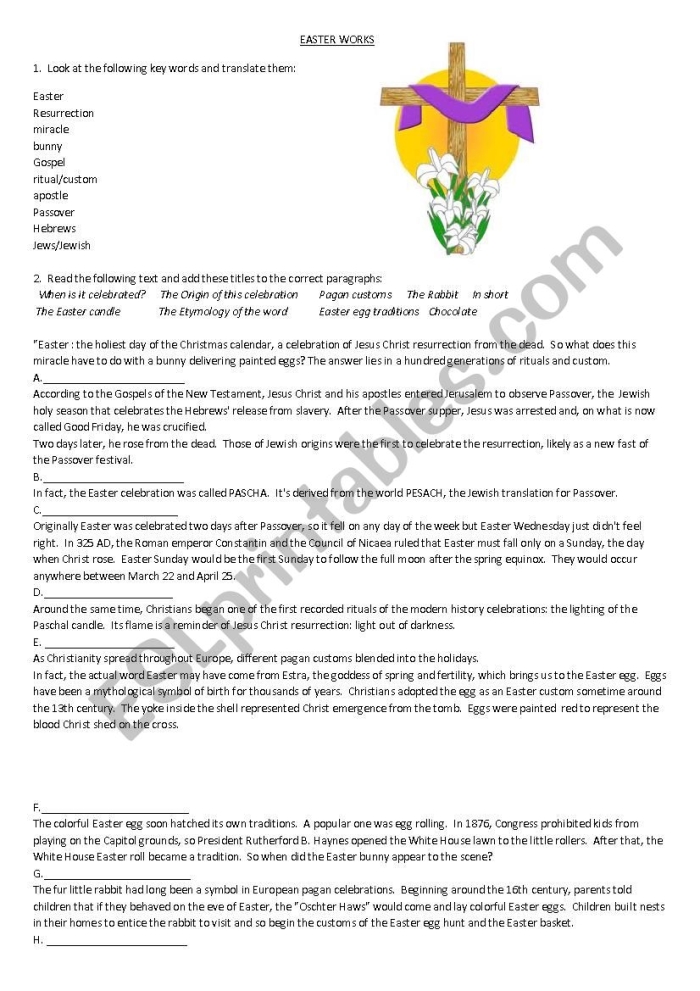
Kids scramble across lawns every spring hunting for colorful eggs, but few stop to ask why this tradition even exists. The Easter egg hunt we know today is actually a blend of ancient pagan customs, Christian theology, and Victorian-era creativity that somehow merged into one of the most recognizable holiday traditions in America.
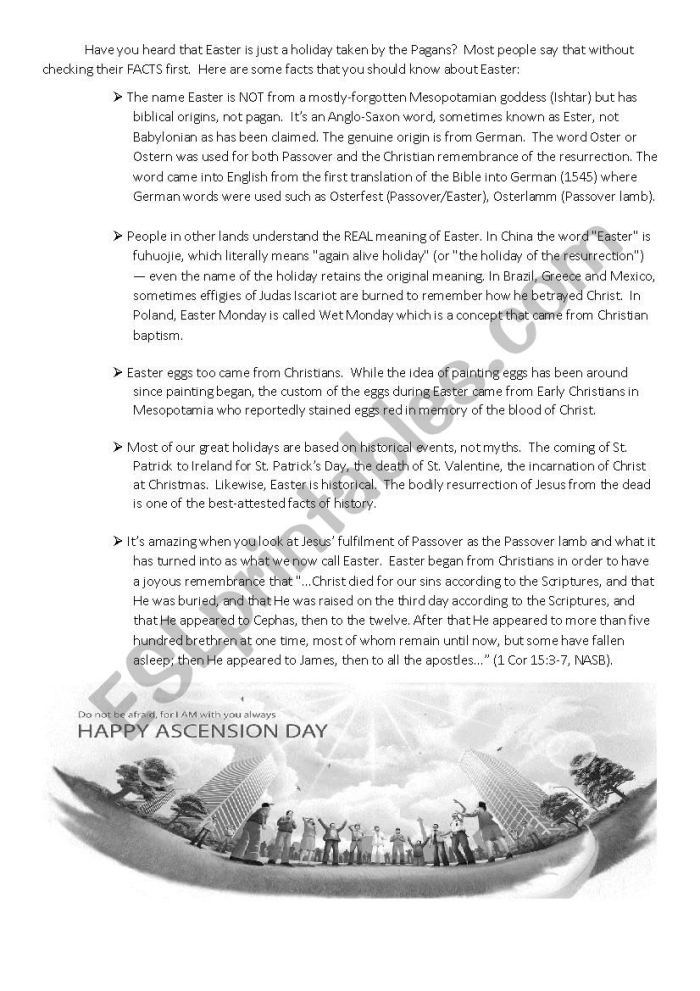
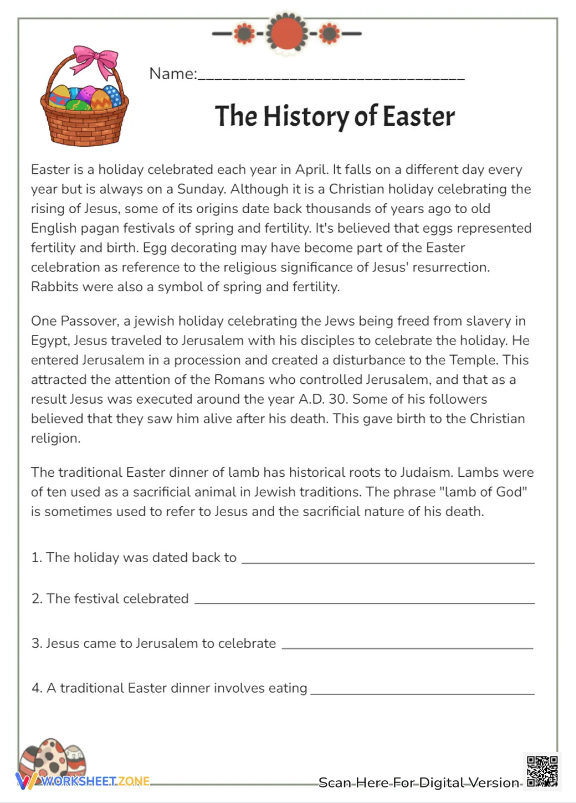
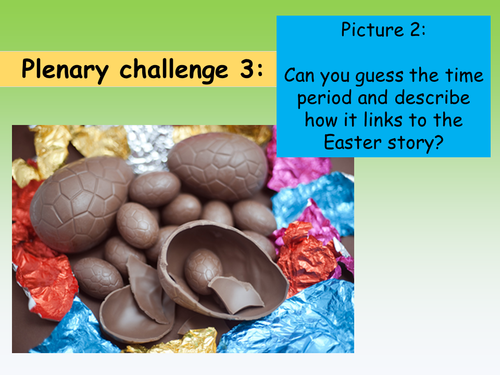
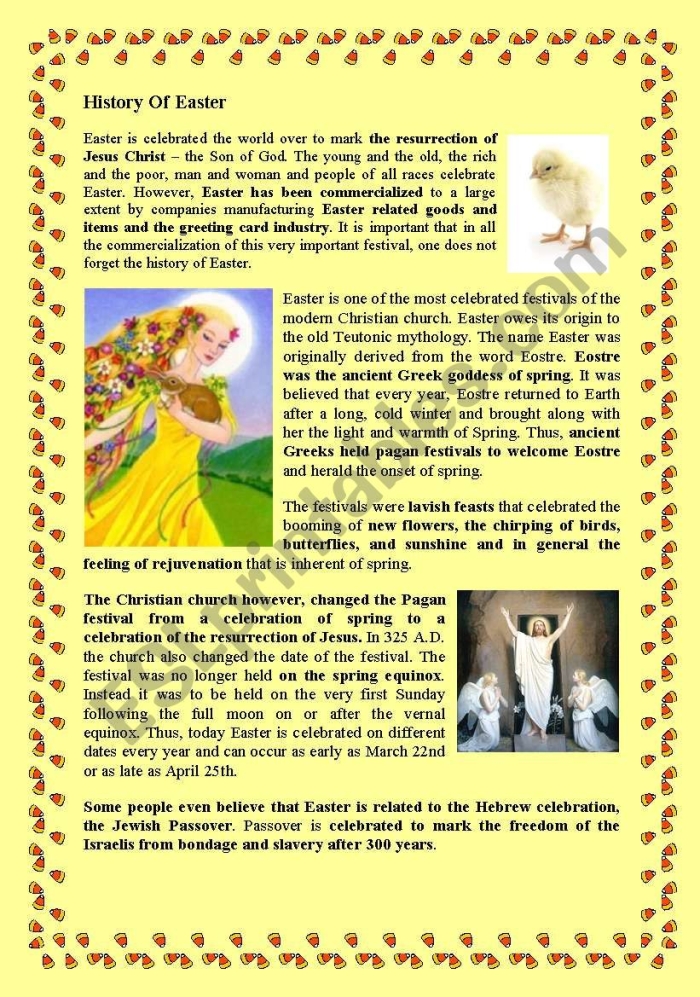
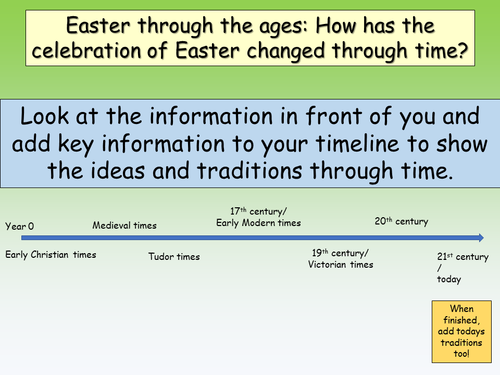
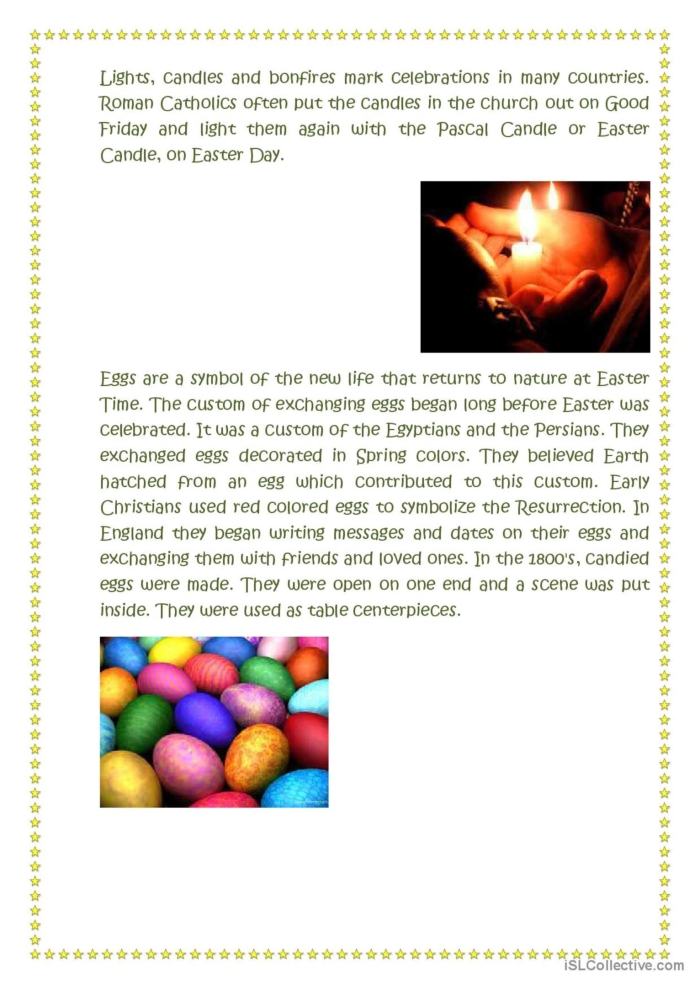
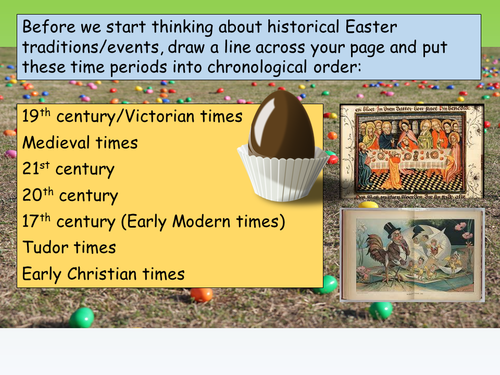
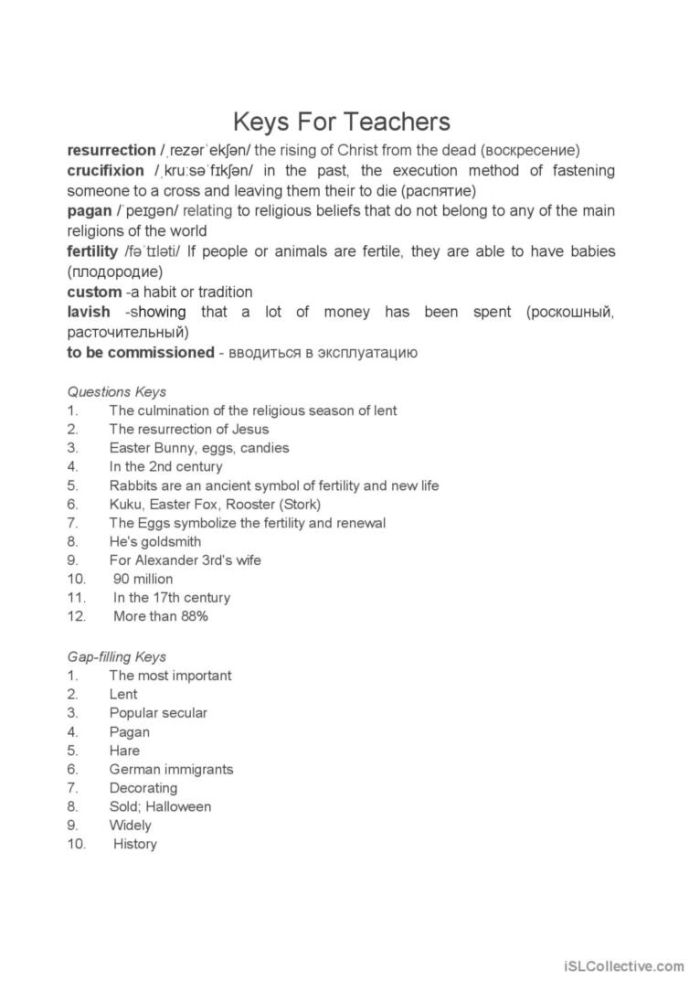
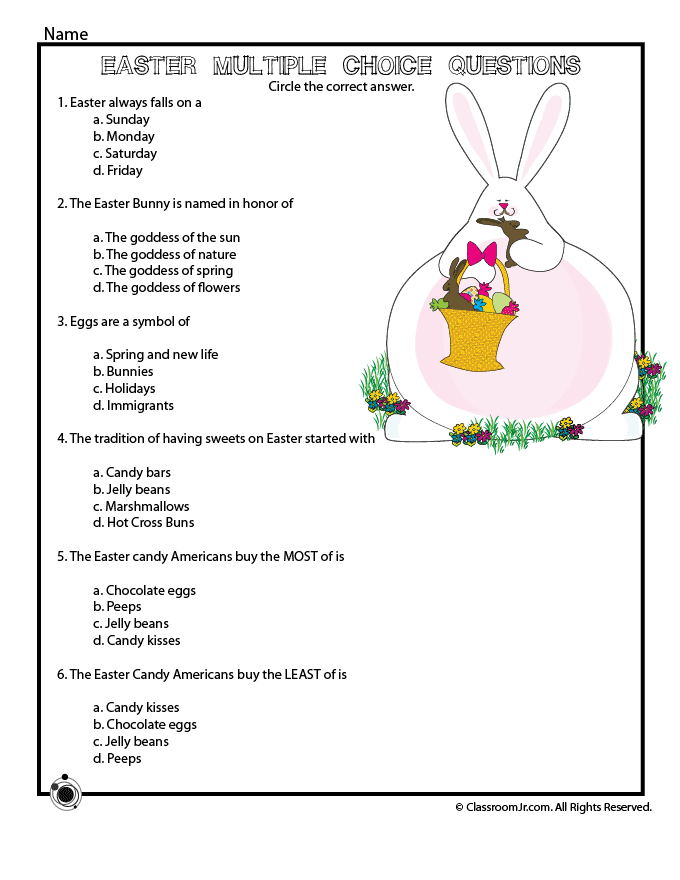
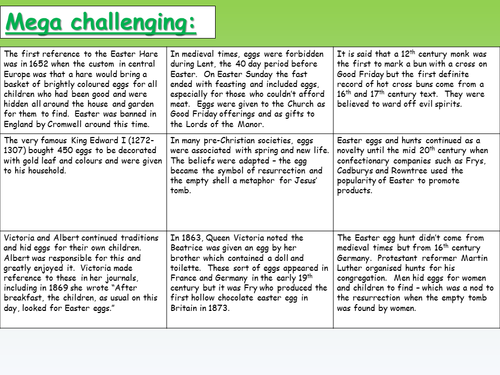
The egg itself holds the real key to understanding Easter’s origins. Long before Christianity existed, spring cultures viewed eggs as symbols of rebirth and renewal because they literally contain new life. When Christianity spread across Europe, church leaders found a clever way to incorporate existing spring celebrations into their new faith. They connected the egg’s symbolism of new life to the resurrection of Jesus, transforming a secular symbol into a religious one. By the medieval period, eggs had become so tied to Easter that the church actually forbade eating them during Lent, making them precious treats to enjoy once the season ended.
The decorated egg tradition took off in earnest during the Victorian era, when wealthy families began creating elaborate jeweled eggs as gifts. This luxury eventually trickled down to everyday celebrations. German immigrants brought their tradition of making nests from boxes and hats to America in the 1800s, which families then filled with colored eggs. The Easter bunny connection came from the same German tradition, where children made nests to leave out for the “Osterhase” to fill with eggs and candy.
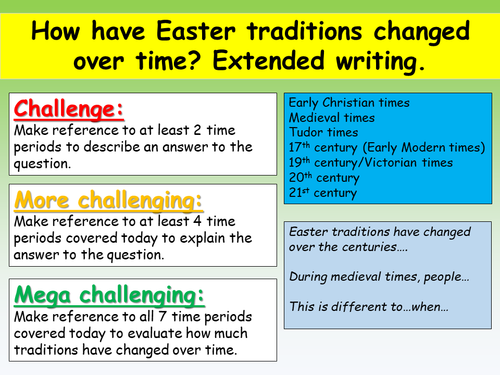
By the early 1900s, the modern Easter egg hunt emerged as families hid eggs around their homes and yards for children to find. Today’s plastic eggs are a 20th-century invention, but the core tradition remains unchanged. Understanding this history helps explain why we continue hiding eggs each spring, connecting us to centuries of celebration and renewal.
If you’re teaching fifth-grade students about holiday traditions, resources like American history cards for fifth graders can help contextualize how traditions develop over time and spread across cultures.
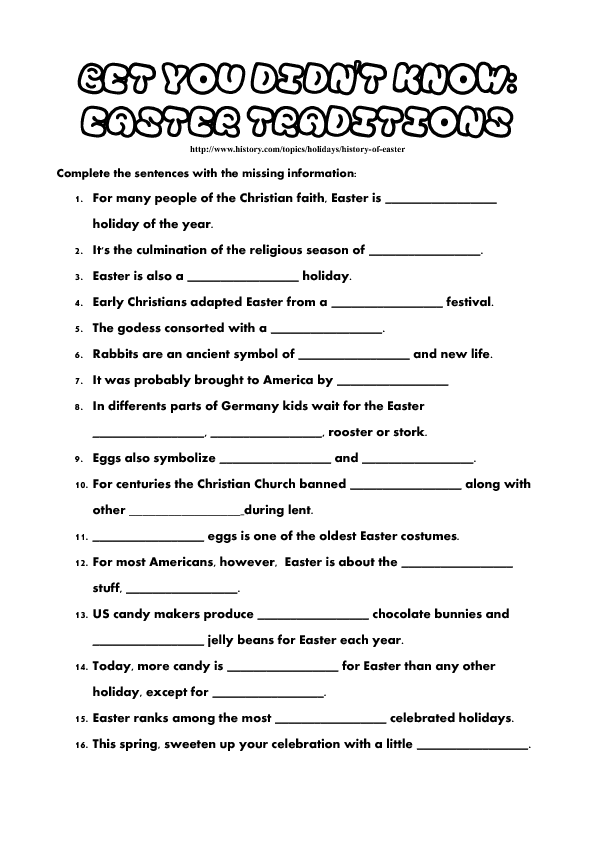
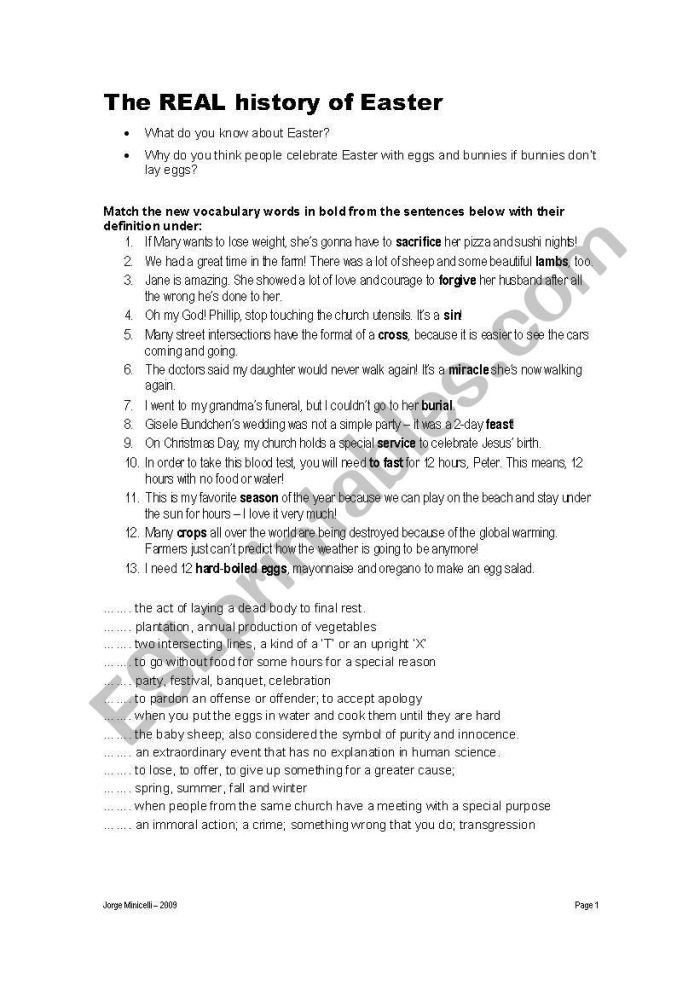
Practice with These Worksheets