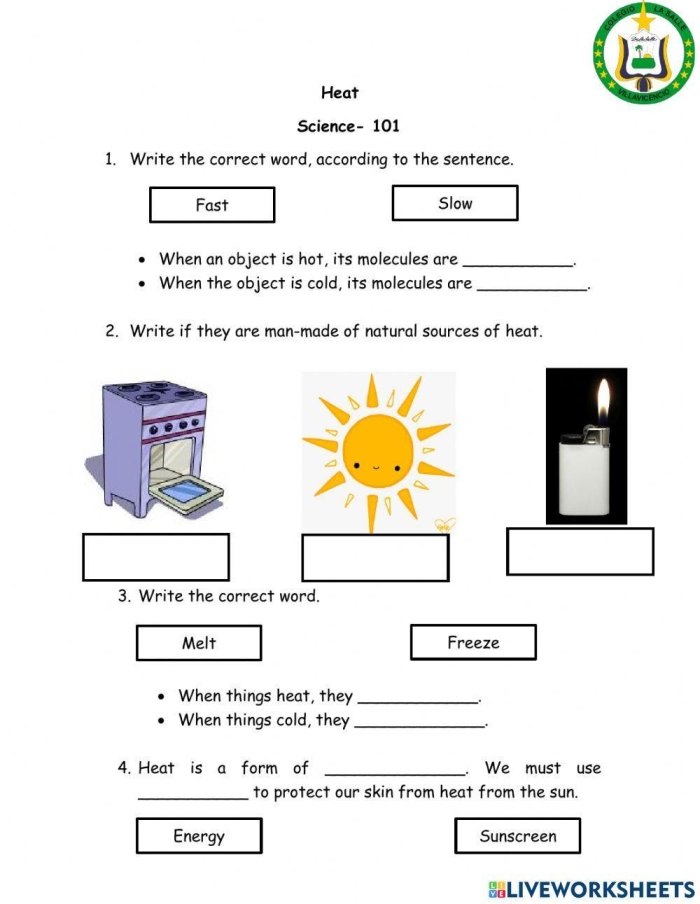
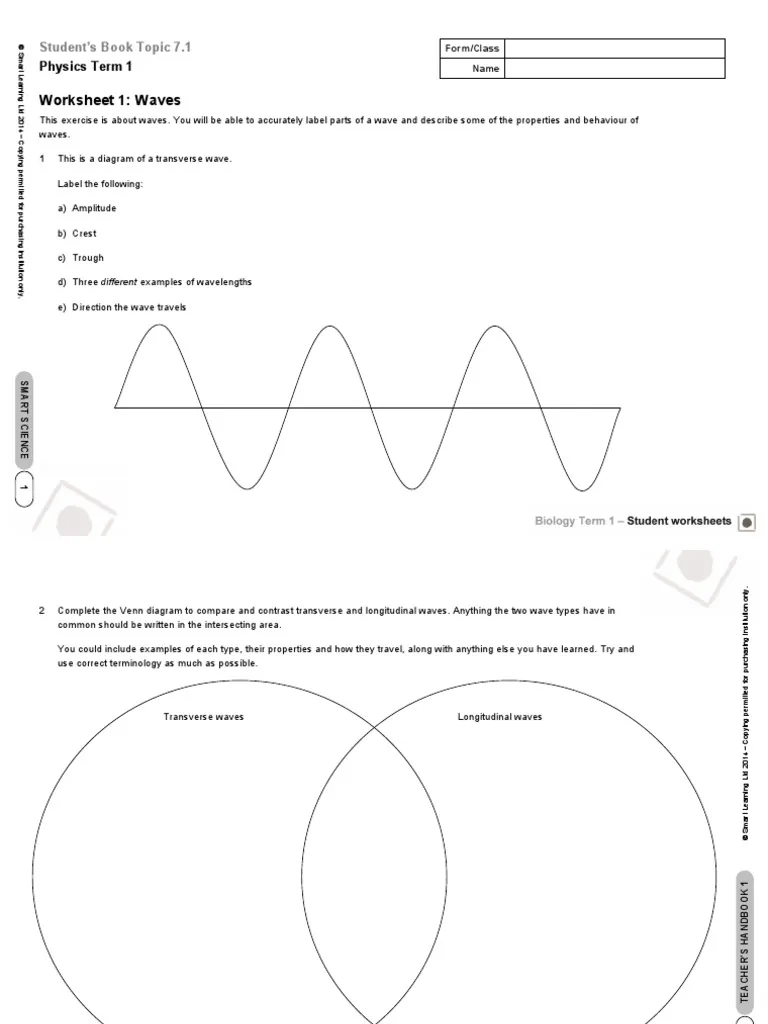
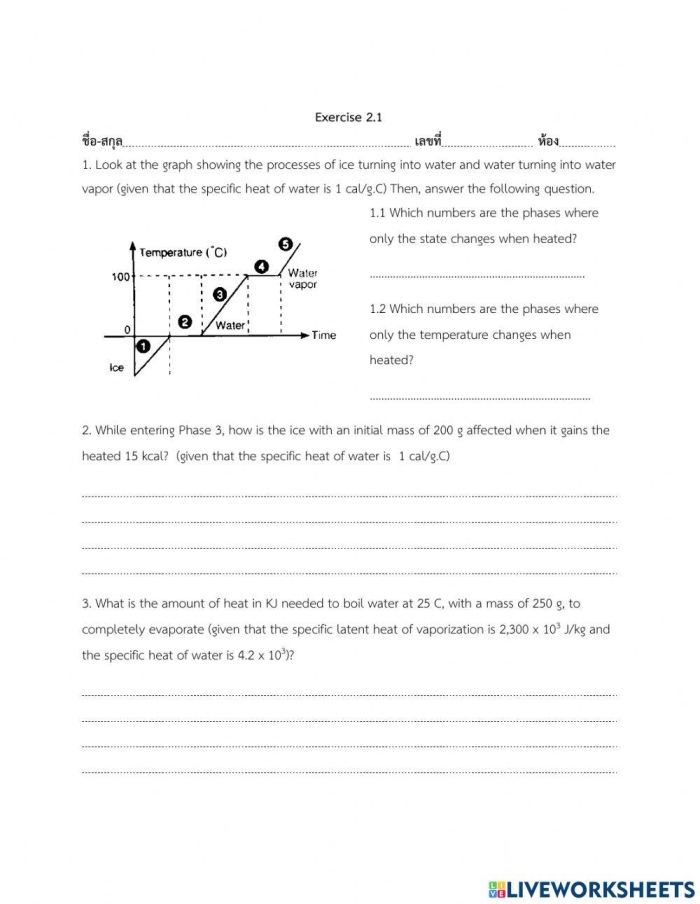
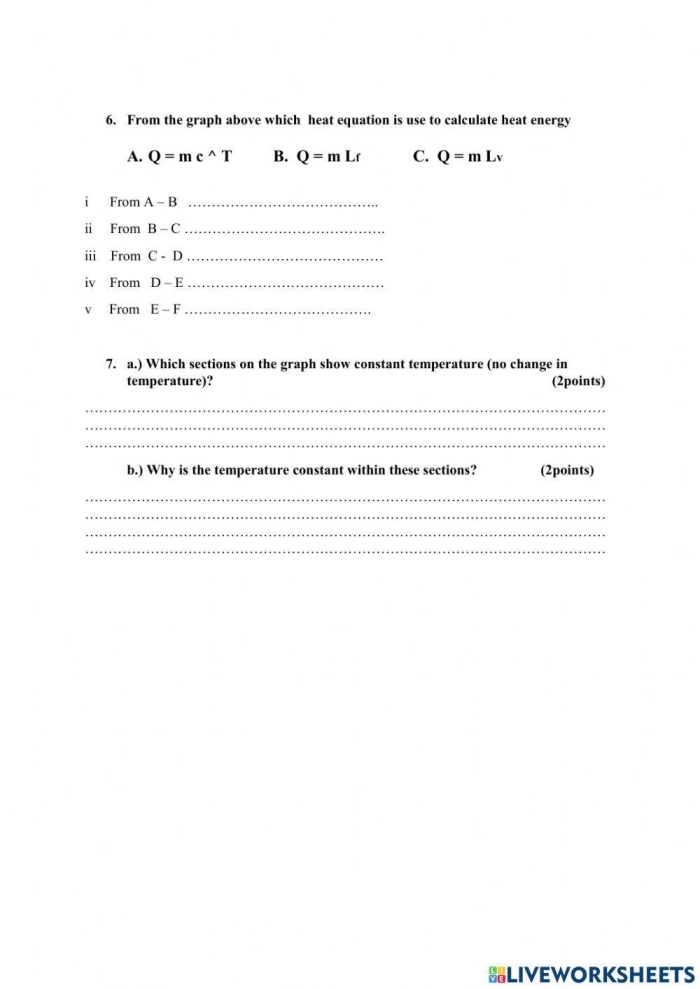
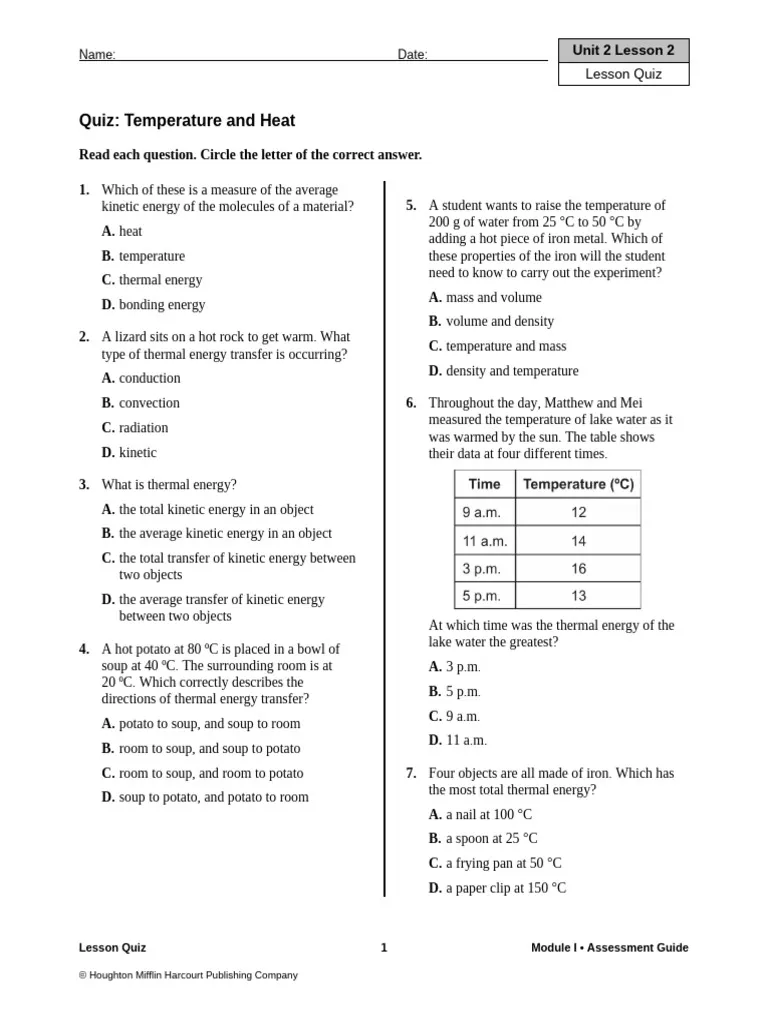
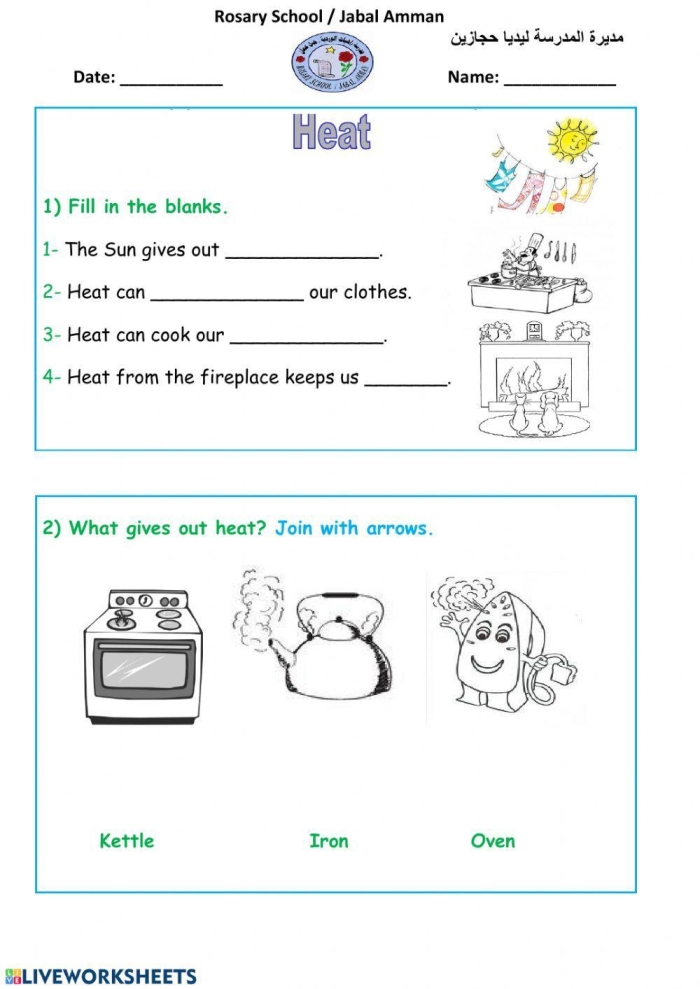
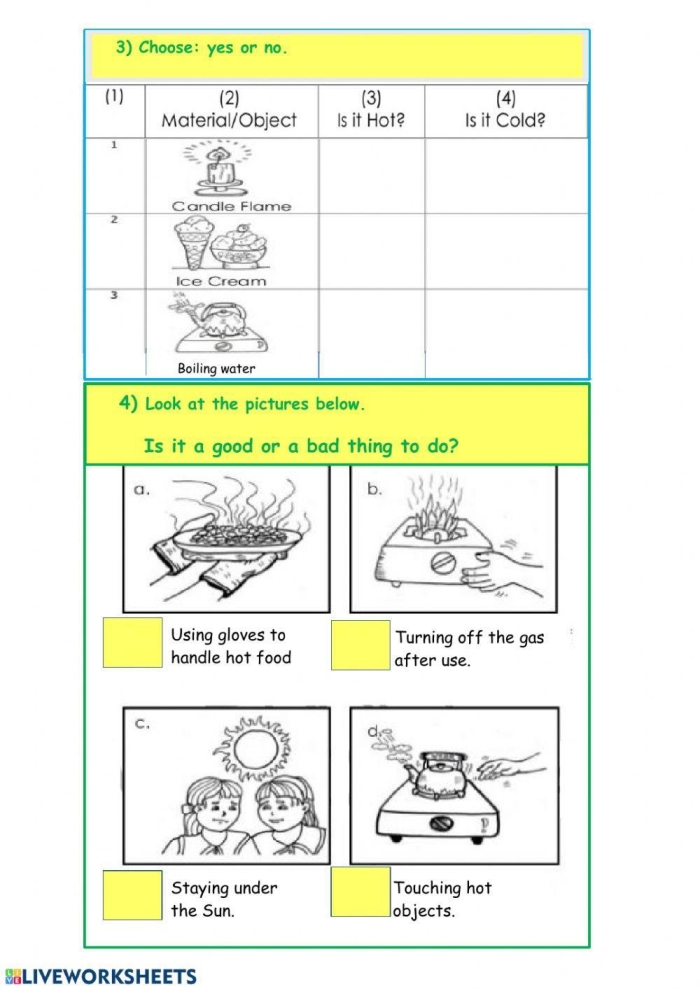
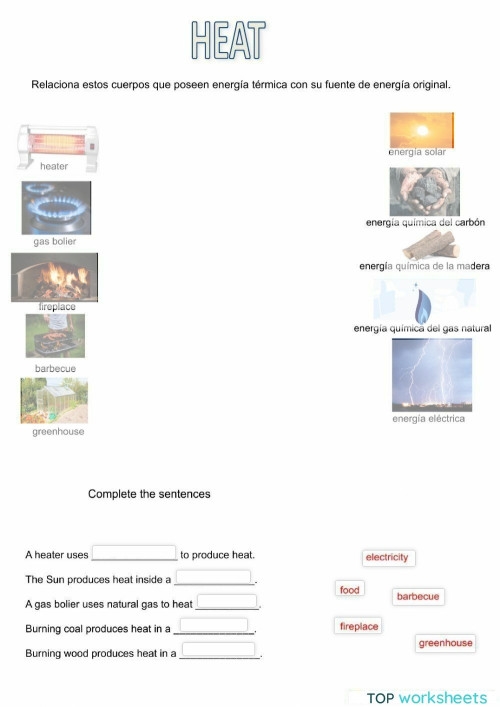
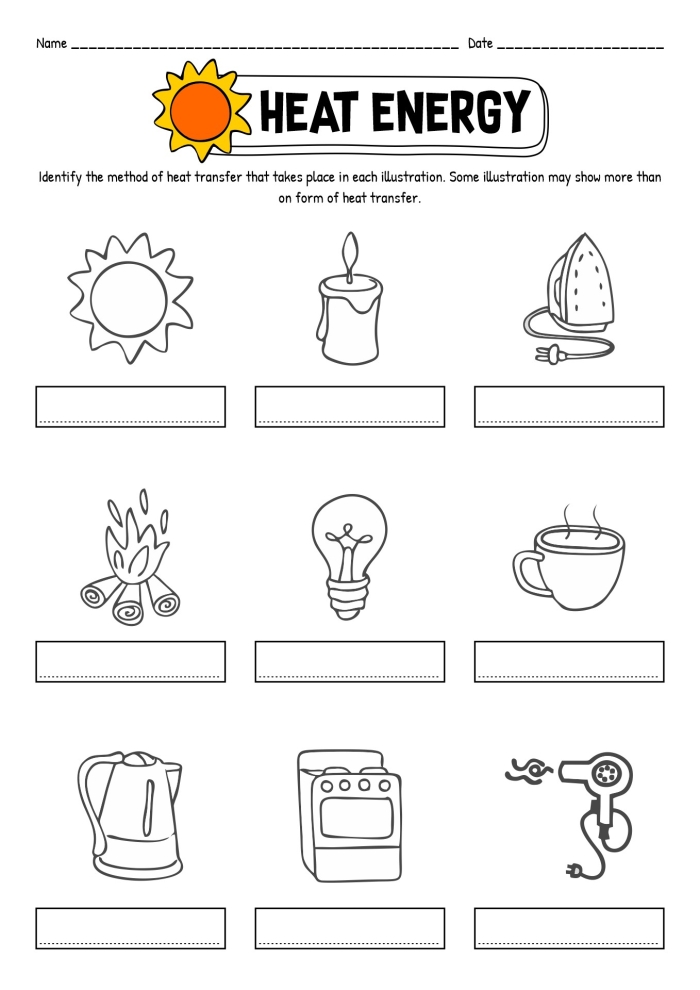
Heat waves are more than just a few hot days; they represent a serious climatic phenomenon that can affect both the environment and human health. Through a two-page earth sciences worksheet designed for fourth graders, learners will explore what heat waves are and how they connect to the larger issue of global warming. This educational resource helps students understand the science behind extreme heat and its implications.
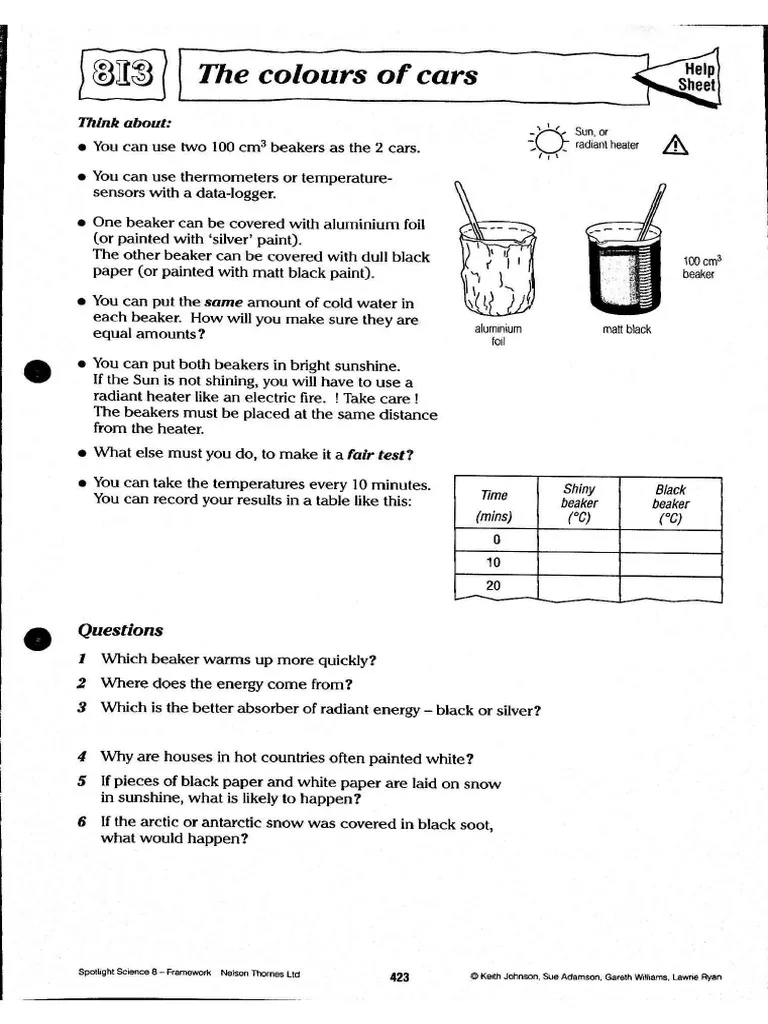
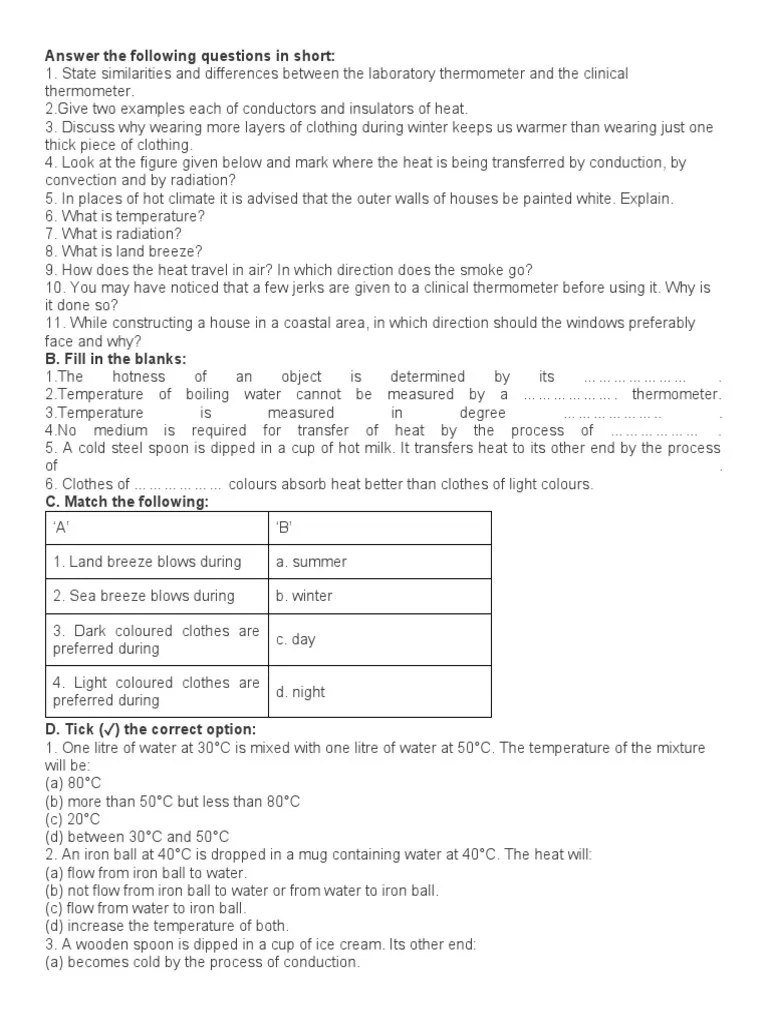
In simple terms, a heat wave is a prolonged period of excessively hot weather, which may be accompanied by high humidity. For instance, the National Weather Service defines a heat wave as a period of at least three consecutive days with temperatures exceeding 90°F. As learners work through the worksheet, they will gain insight into how these extreme temperatures are not just random occurrences but are influenced by global climate patterns.
The connection between heat waves and global warming is crucial for students to grasp. Rising global temperatures, primarily due to the increase in greenhouse gases, are making heat waves longer and more intense. According to the National Aeronautics and Space Administration (NASA), the frequency of heat waves has increased significantly since the 1950s. This factual information helps underscore the importance of understanding climate science at an early age. By linking heat waves to global warming, students can better appreciate the urgency of addressing climate change.
As part of their learning journey, students can engage with interactive exercises that reinforce multiplication skills while applying their knowledge of heat waves. For example, they might calculate how many degrees a temperature rises over a certain number of days during a heat wave. This integration of math and science creates a comprehensive learning experience.
Printable heat waves worksheets serve as an effective tool for educators. With clear explanations and engaging activities, they provide a platform for students to explore significant environmental issues while developing essential academic skills. By understanding heat waves in the context of global warming, learners will be better equipped to discuss climate challenges in the future.
Start Practicing with These Worksheets