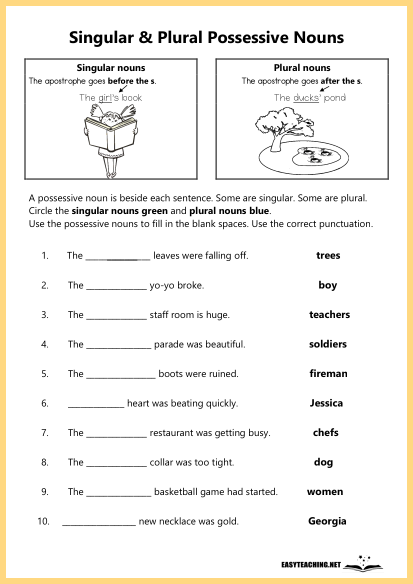
Understanding how to write possessive nouns can be tricky, especially when dealing with plural nouns. Many learners find themselves confused about whether to add an apostrophe before or after the “s.” This article will clarify that confusion, particularly for third graders who are just starting to master grammar and mechanics.
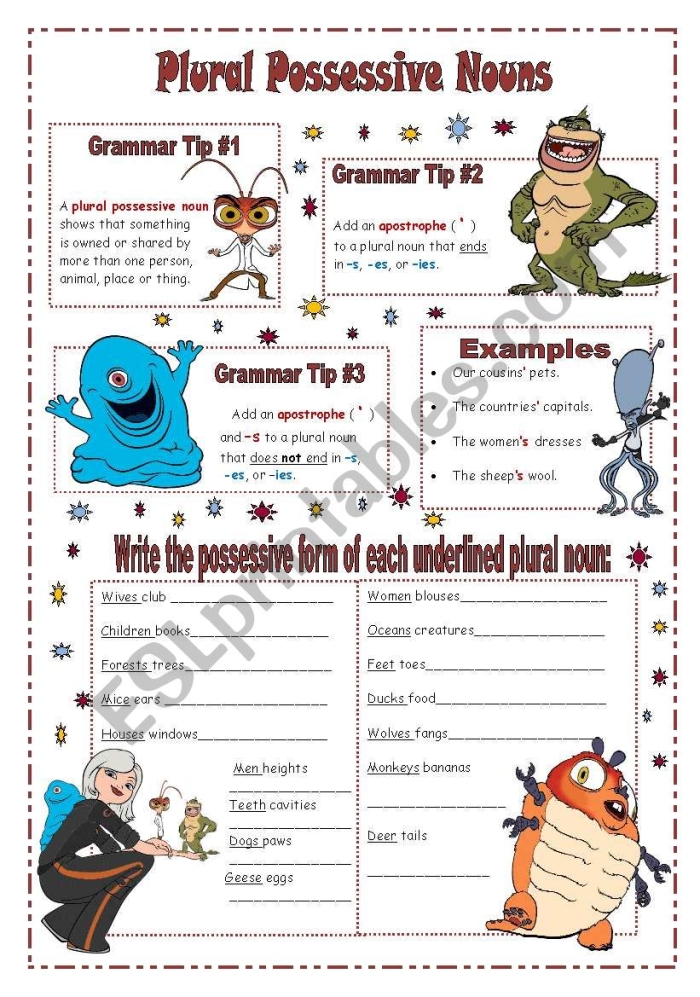
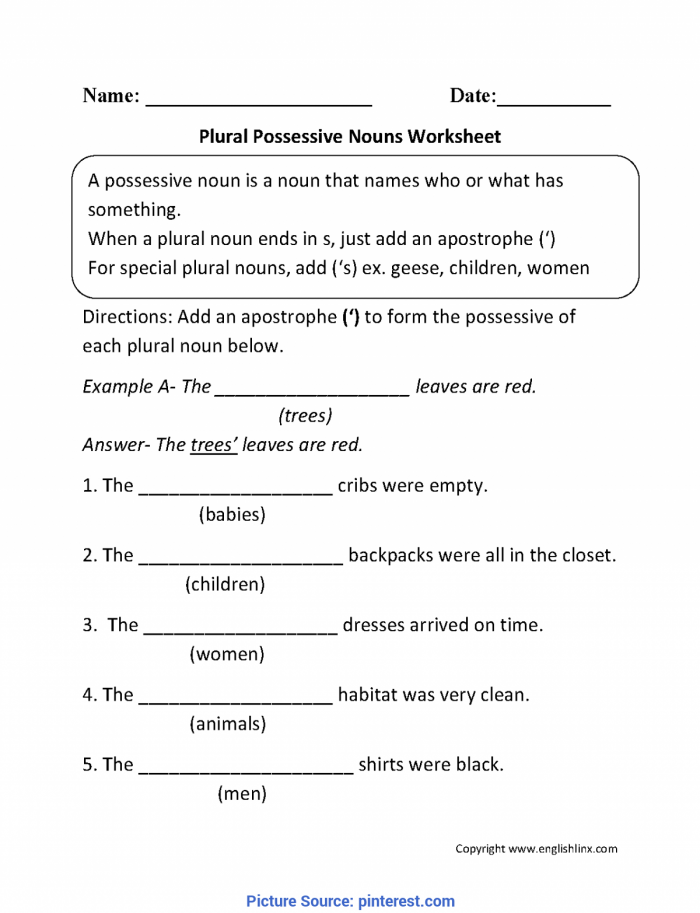
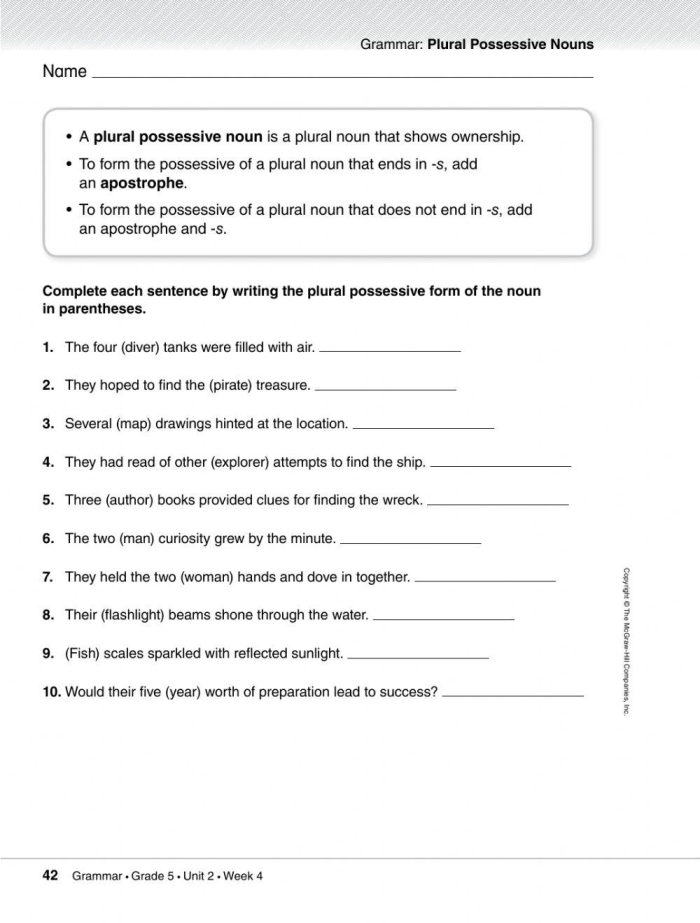
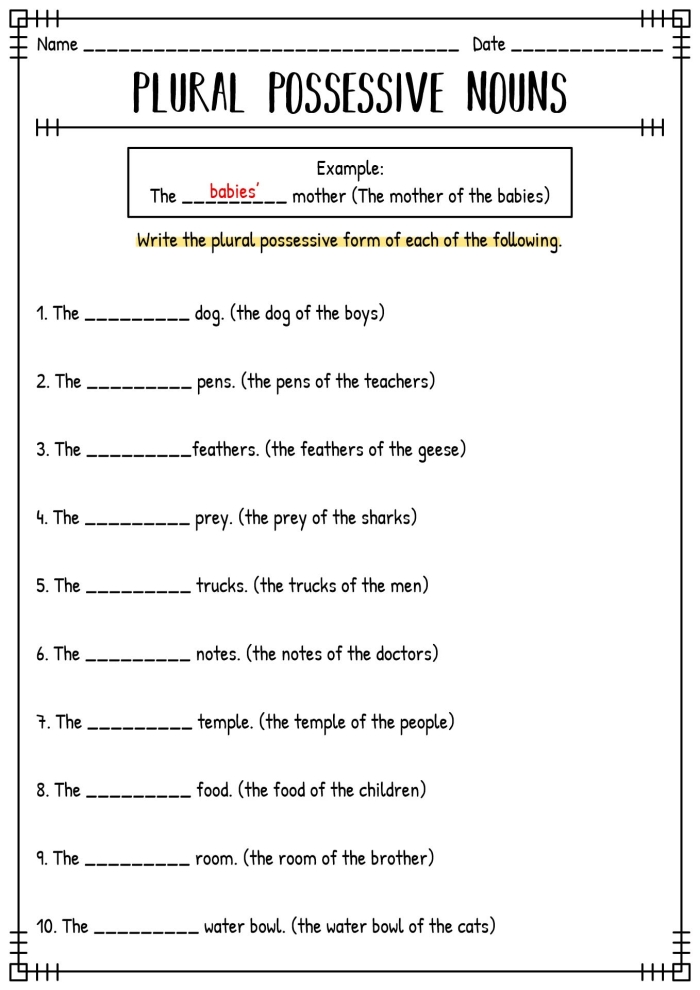
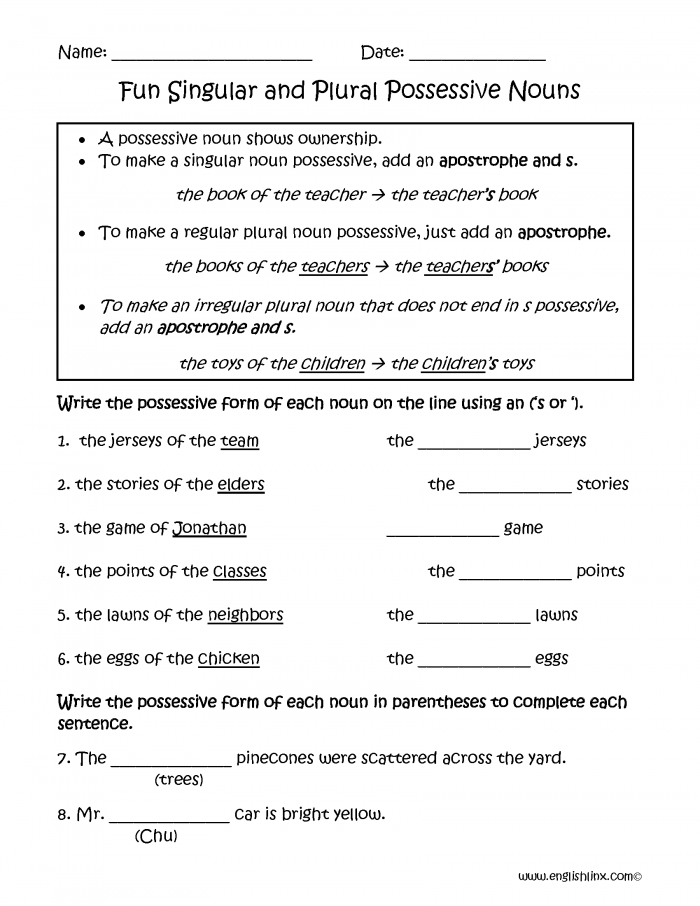
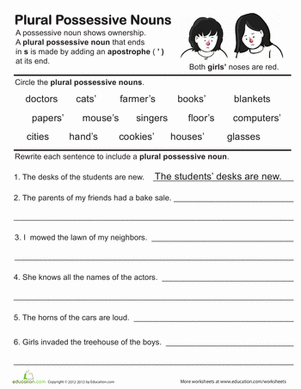
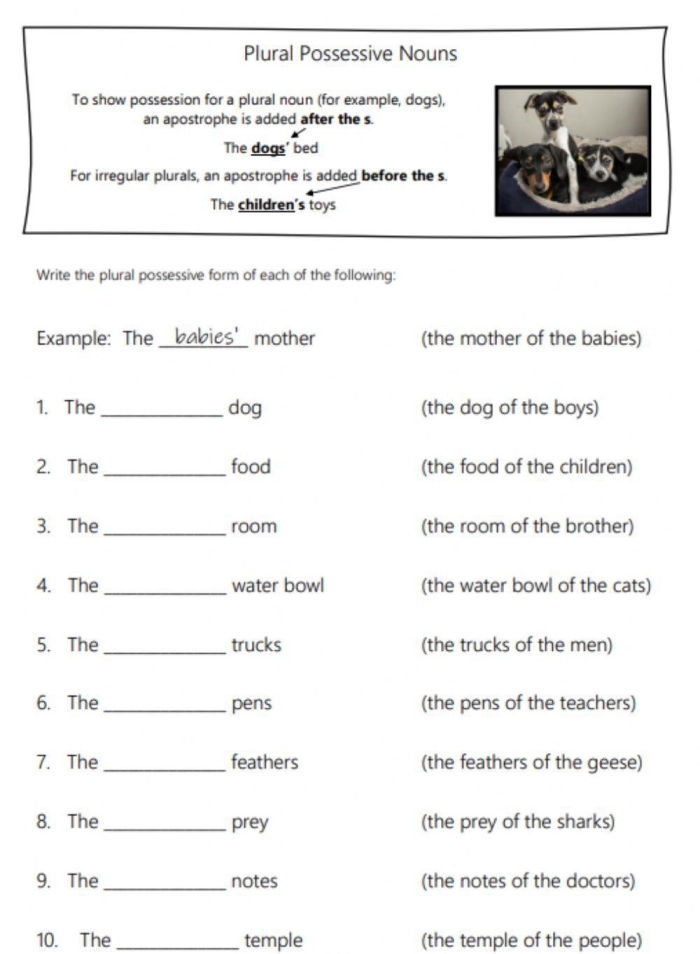
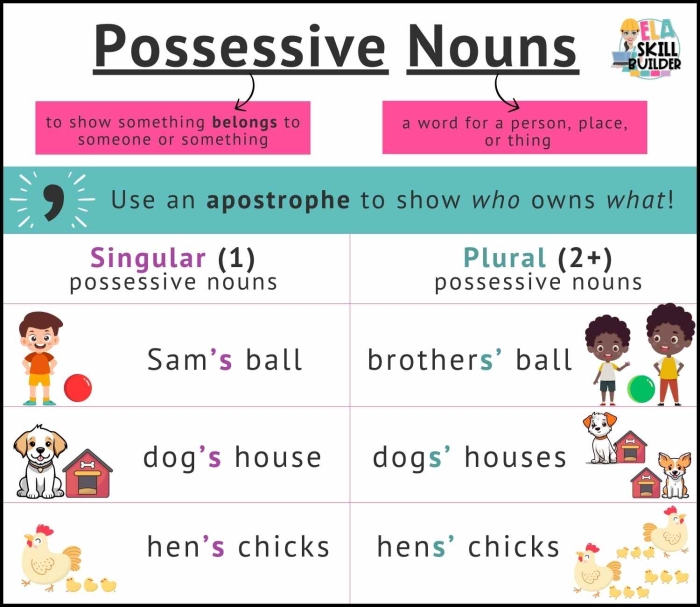
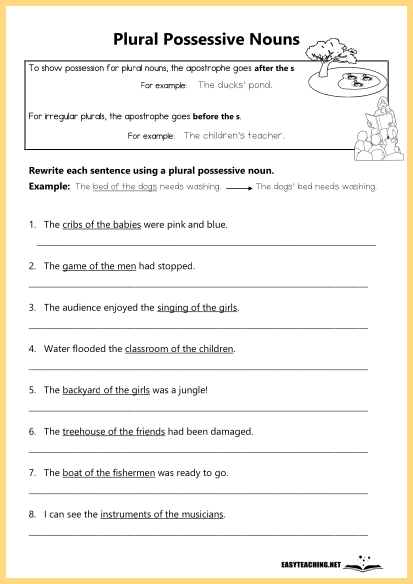
When you have a plural noun that already ends with “s,” creating a possessive form is straightforward. You simply add an apostrophe after the “s.” For example, if you’re talking about the toys belonging to multiple children, you would write “the children’s toys.” Here, “children” is a plural noun, and the possessive form is indicated by the apostrophe before the “s.” This shows that the toys belong to more than one child.
On the other hand, if the plural noun does not end in “s,” you form the possessive by adding an apostrophe followed by an “s.” For instance, if you were referring to the geese, you would write “the geese’s migration.” This indicates that the migration belongs to the geese, even though “geese” is already plural.
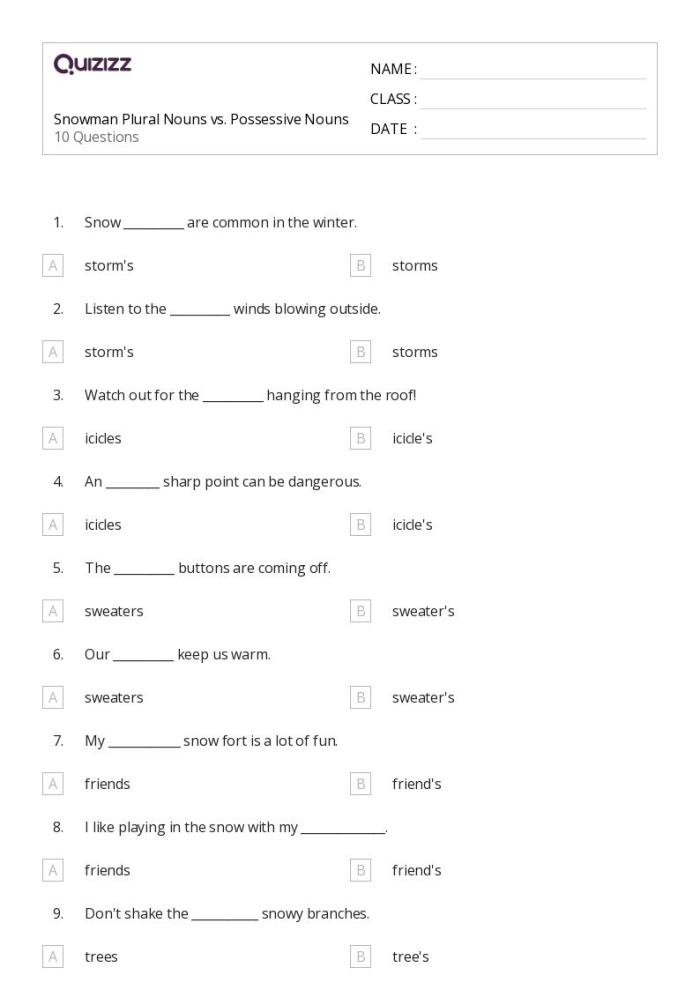
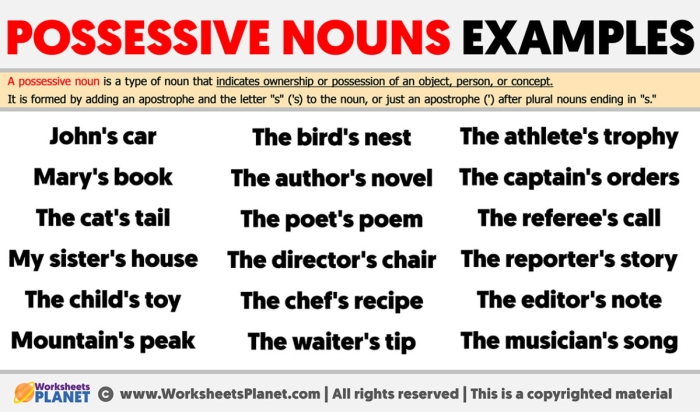
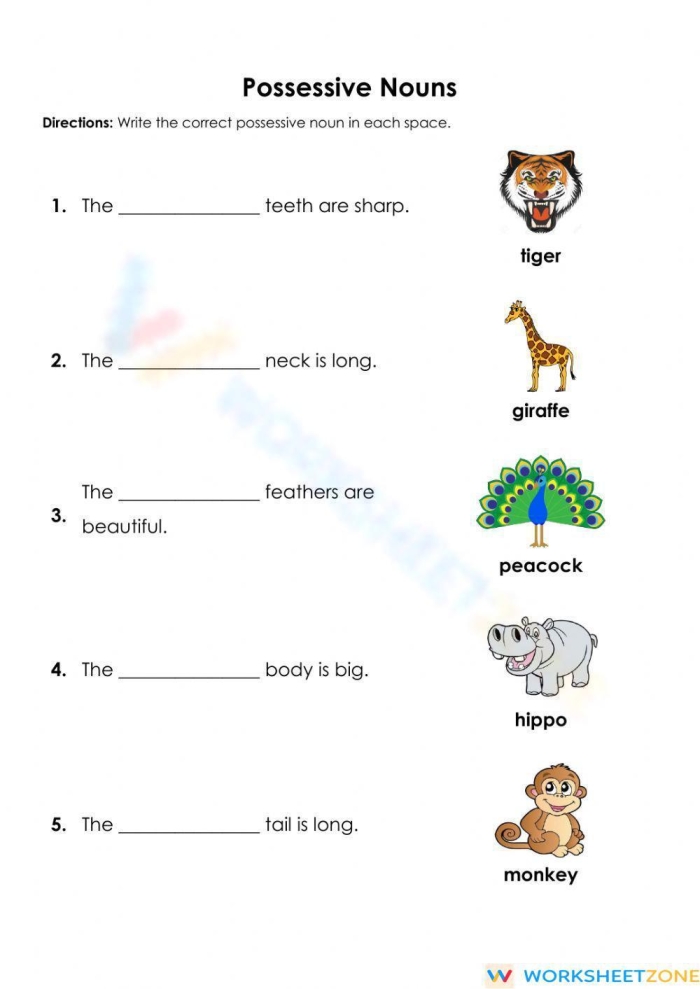
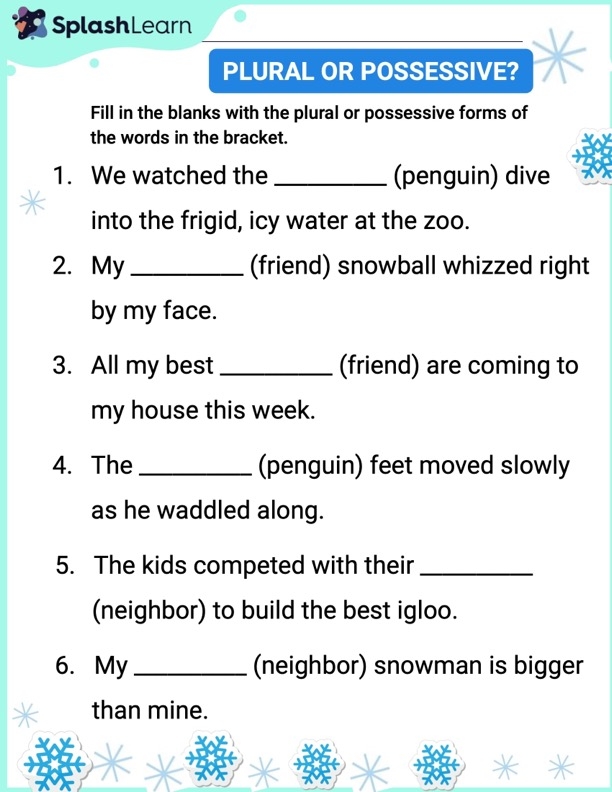
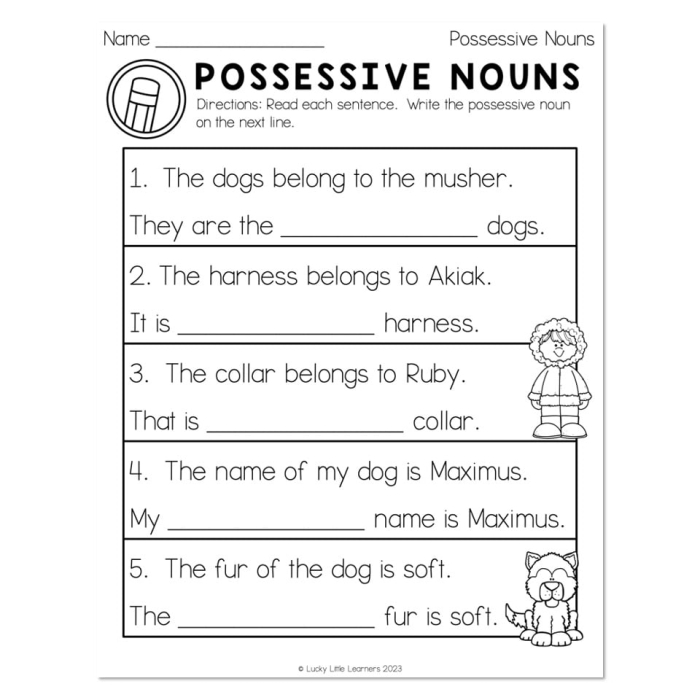
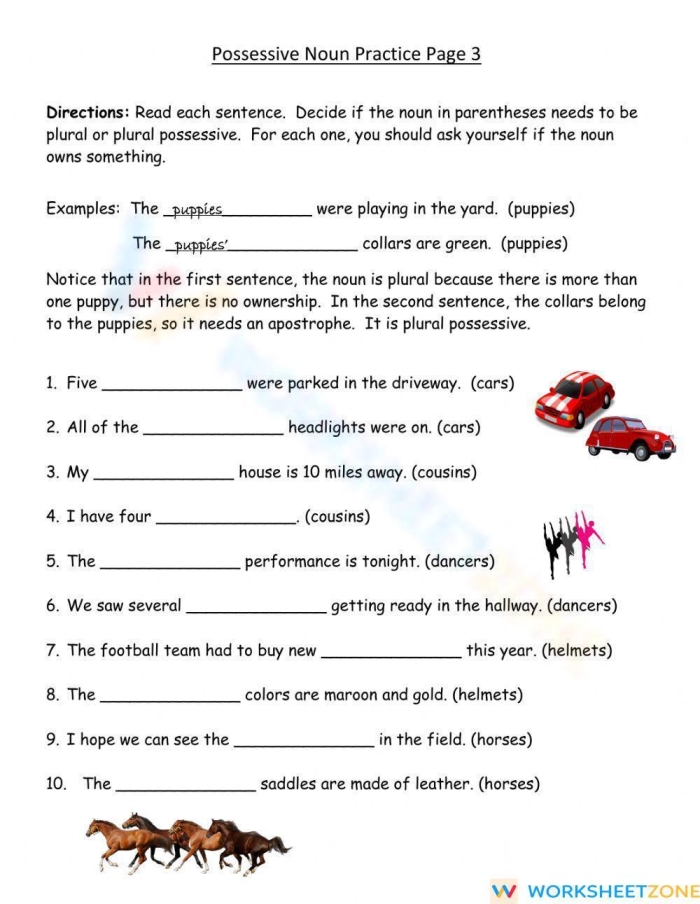
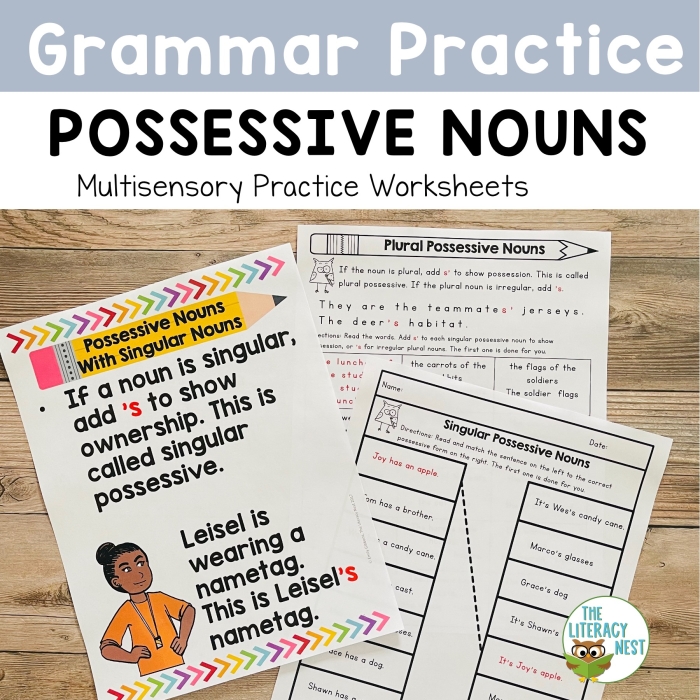
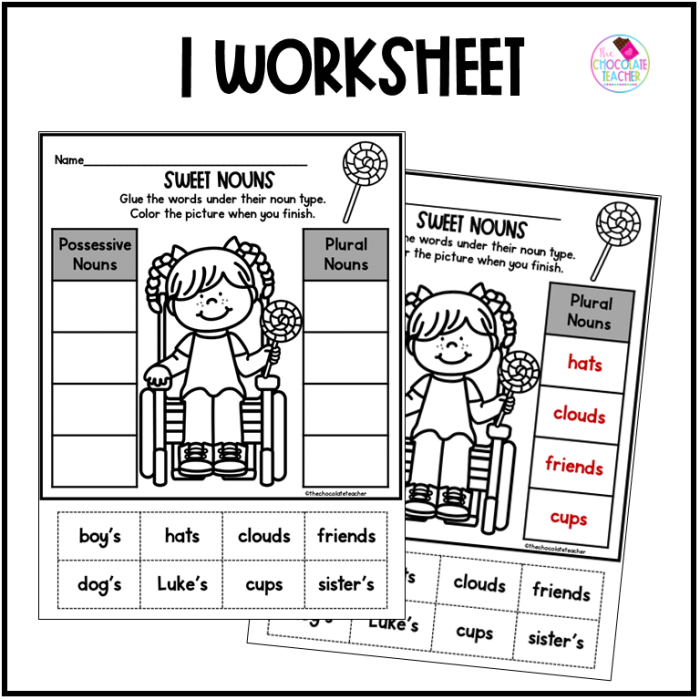
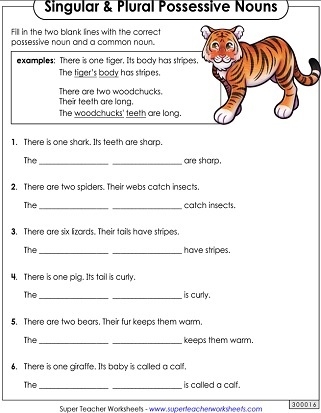
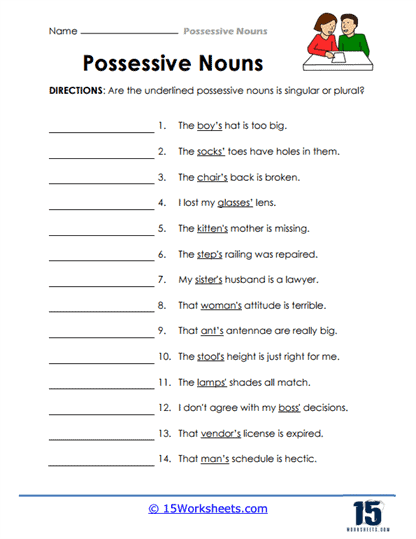
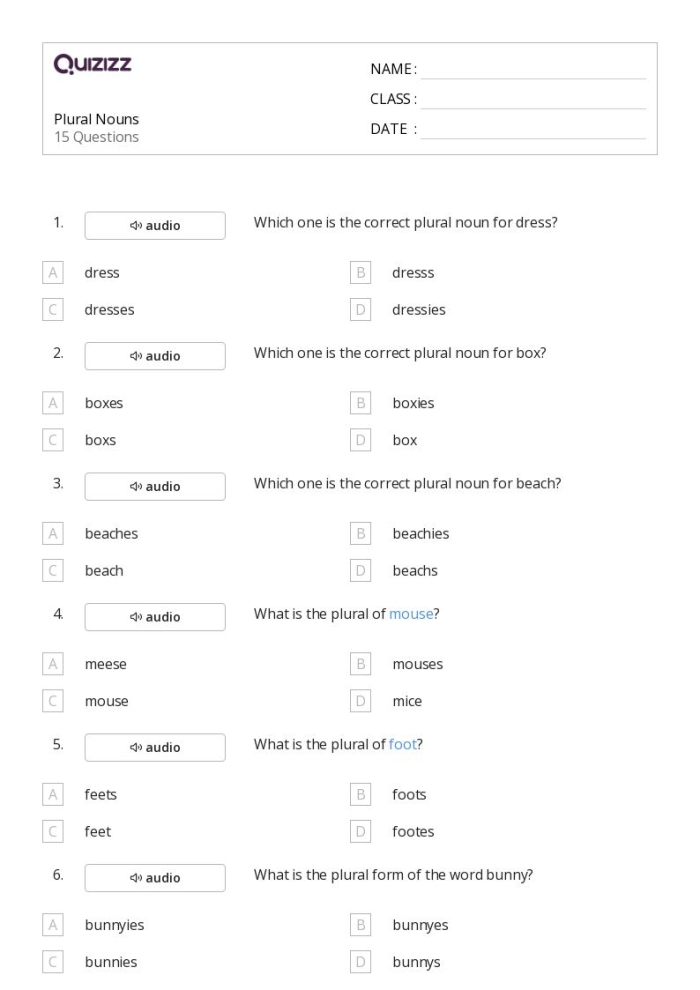
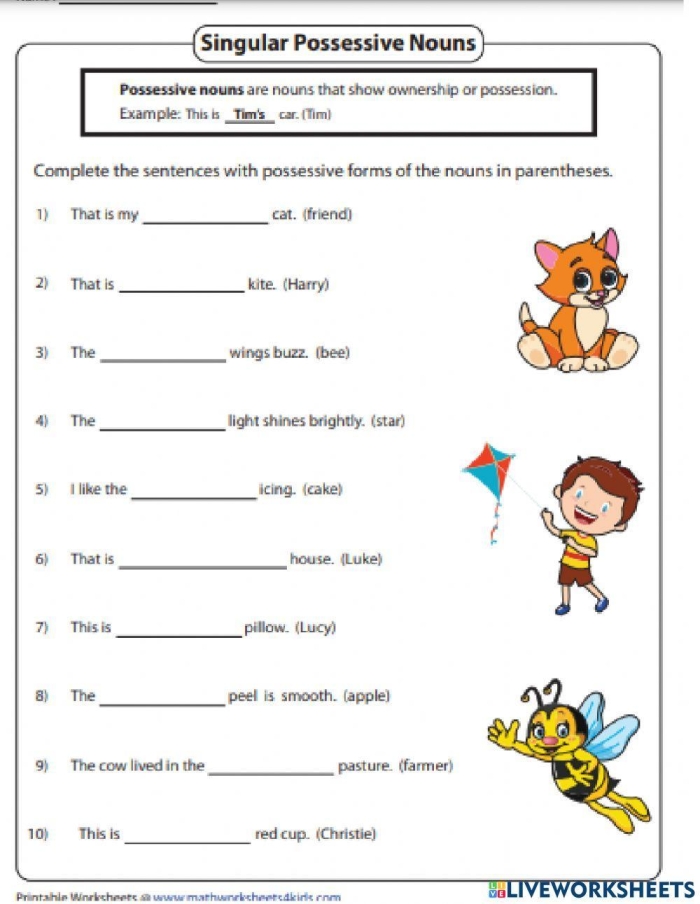
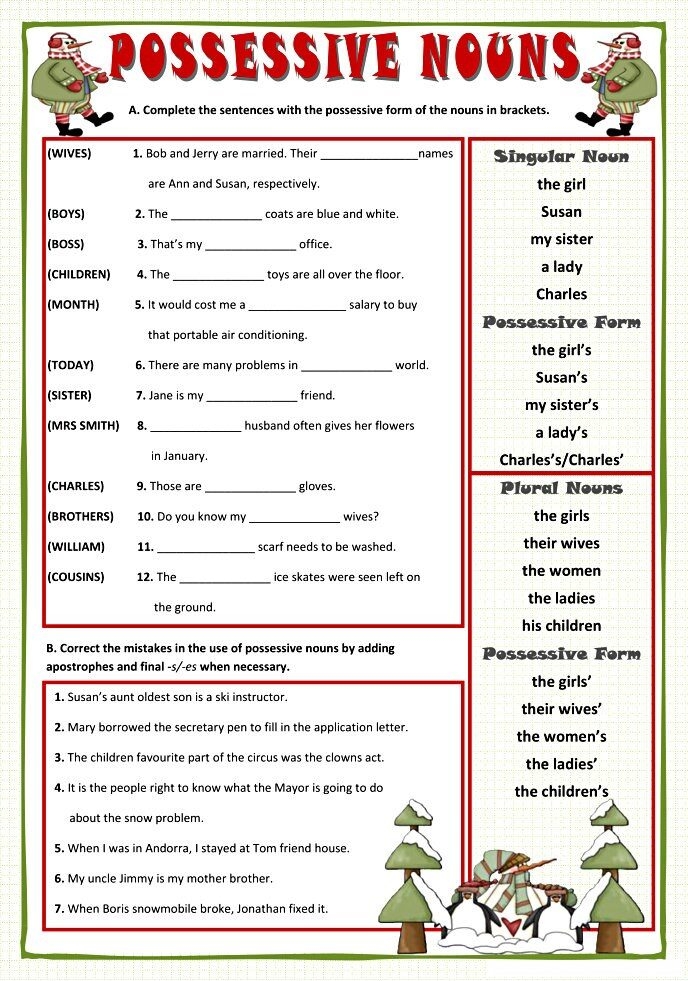
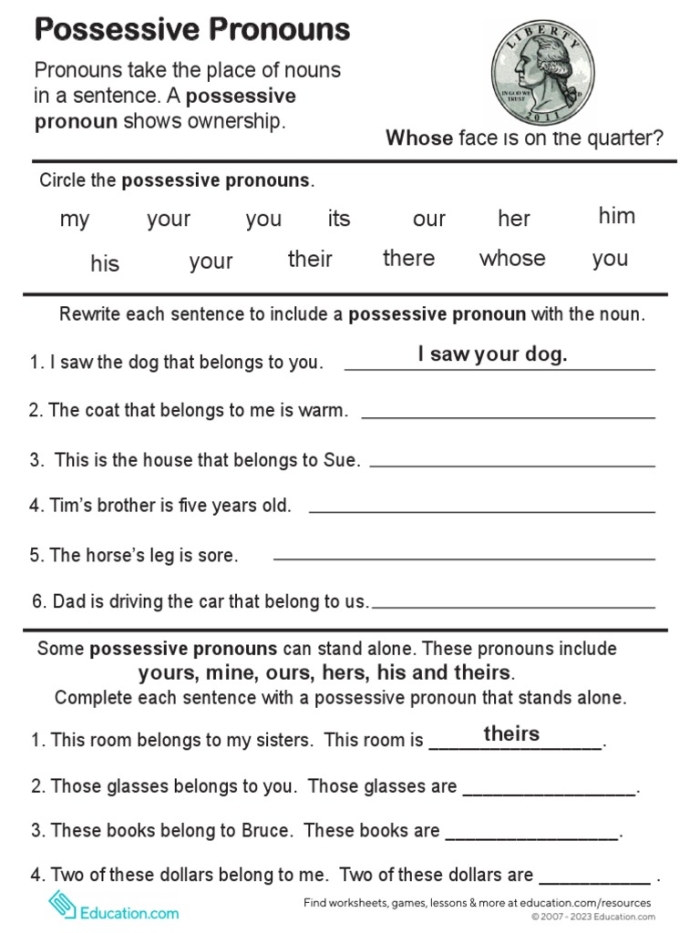
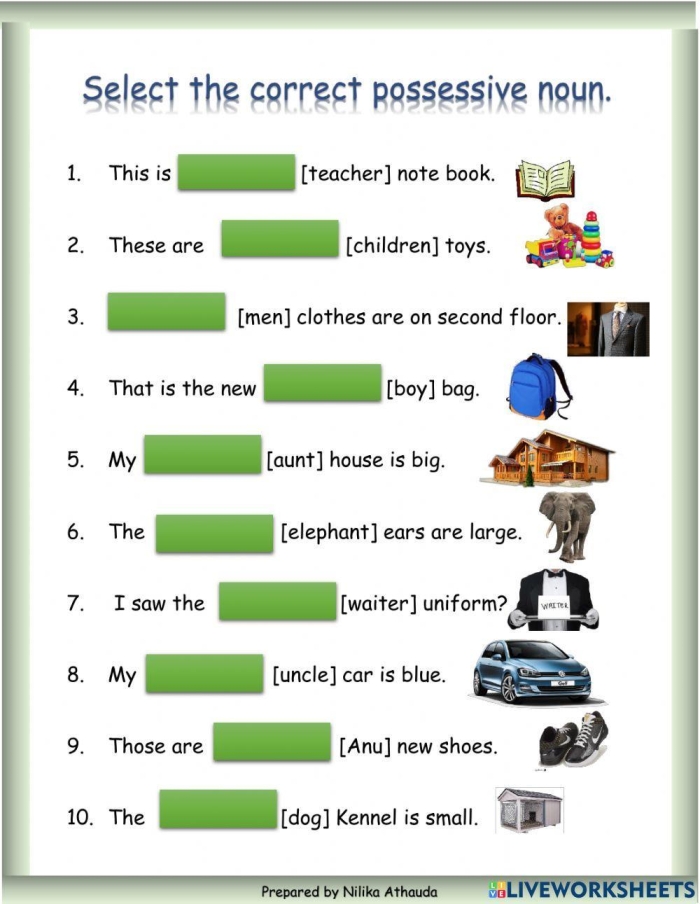
Many third graders can benefit from practical worksheets to practice these concepts. Worksheets like the Sugar and Spice offer exercises that reinforce these rules. They are designed to help students apply what they’ve learned in a fun and engaging way. Additionally, resources like the Expanding Sentences worksheet provide further opportunities to explore various aspects of grammar.
By practicing these rules, third graders will gain confidence in their writing skills. Mastering plural possessive nouns is just one step in their journey through the world of grammar. With continued practice using printable worksheets, students will find themselves more comfortable with possessive forms in no time.
Printable Worksheets for Practice