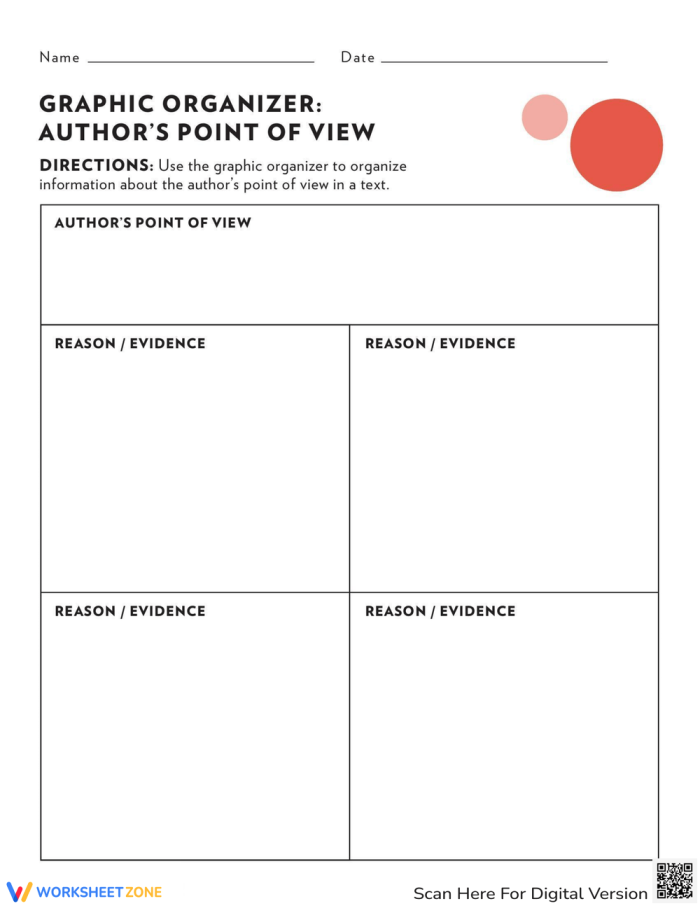
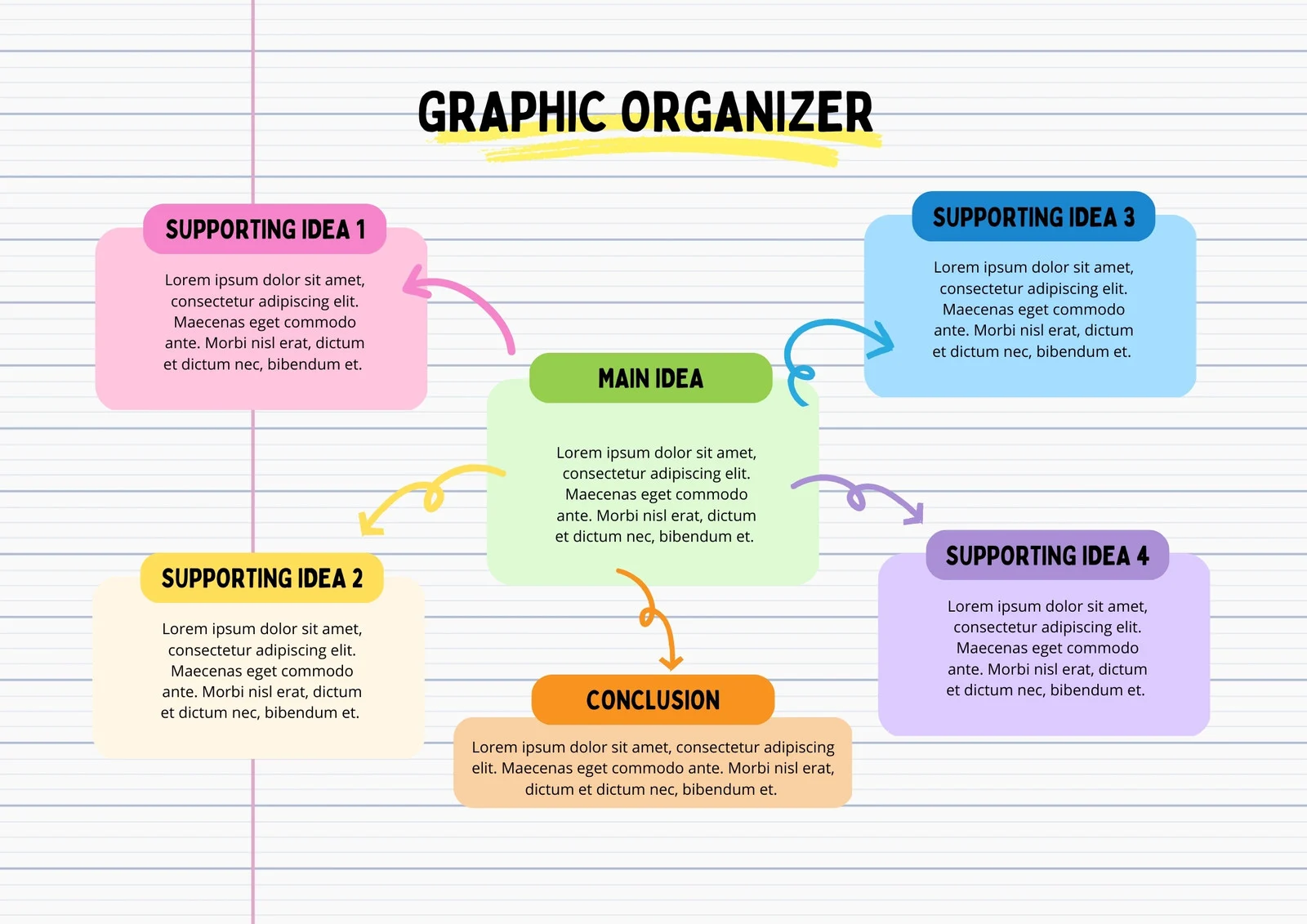
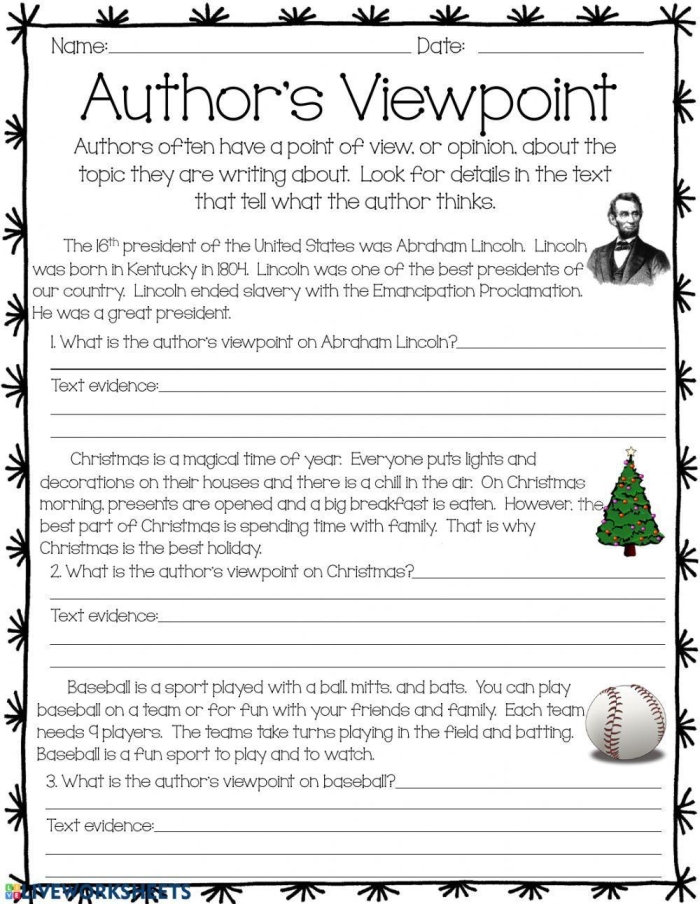
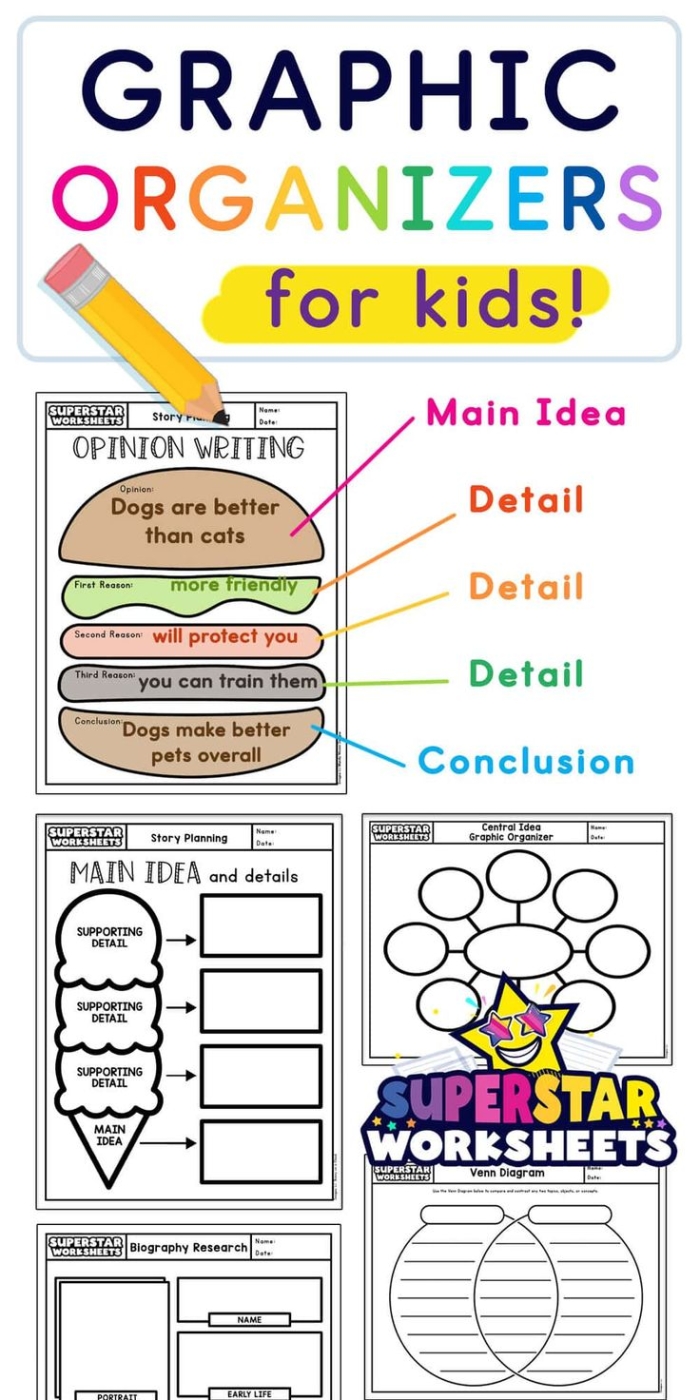
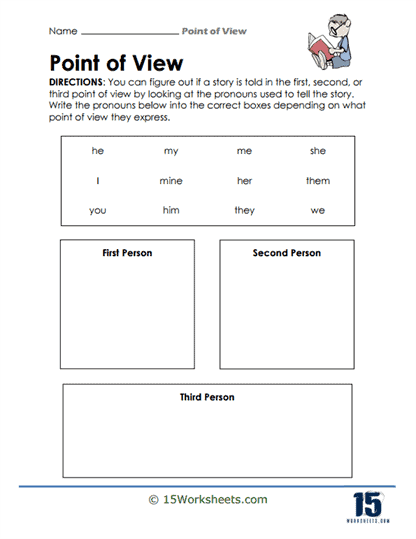
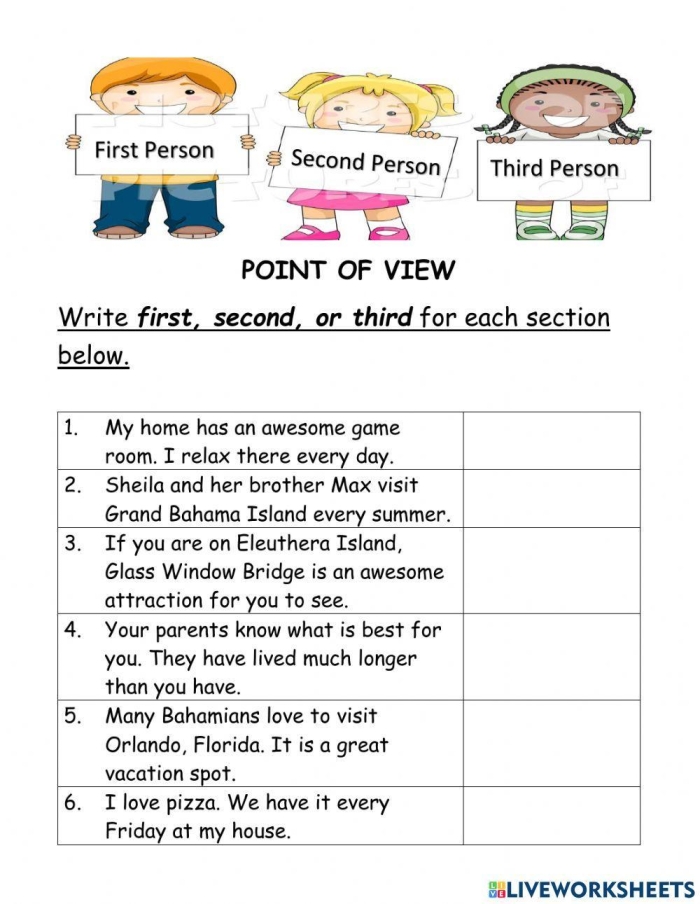
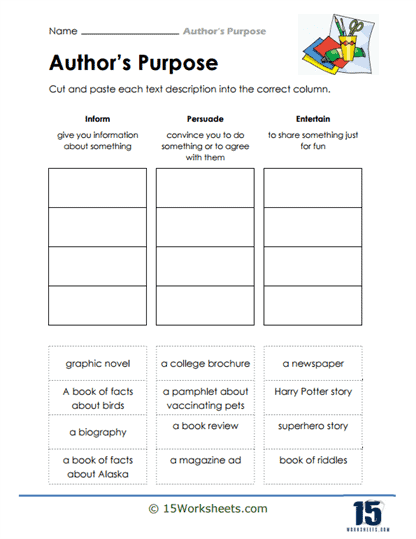
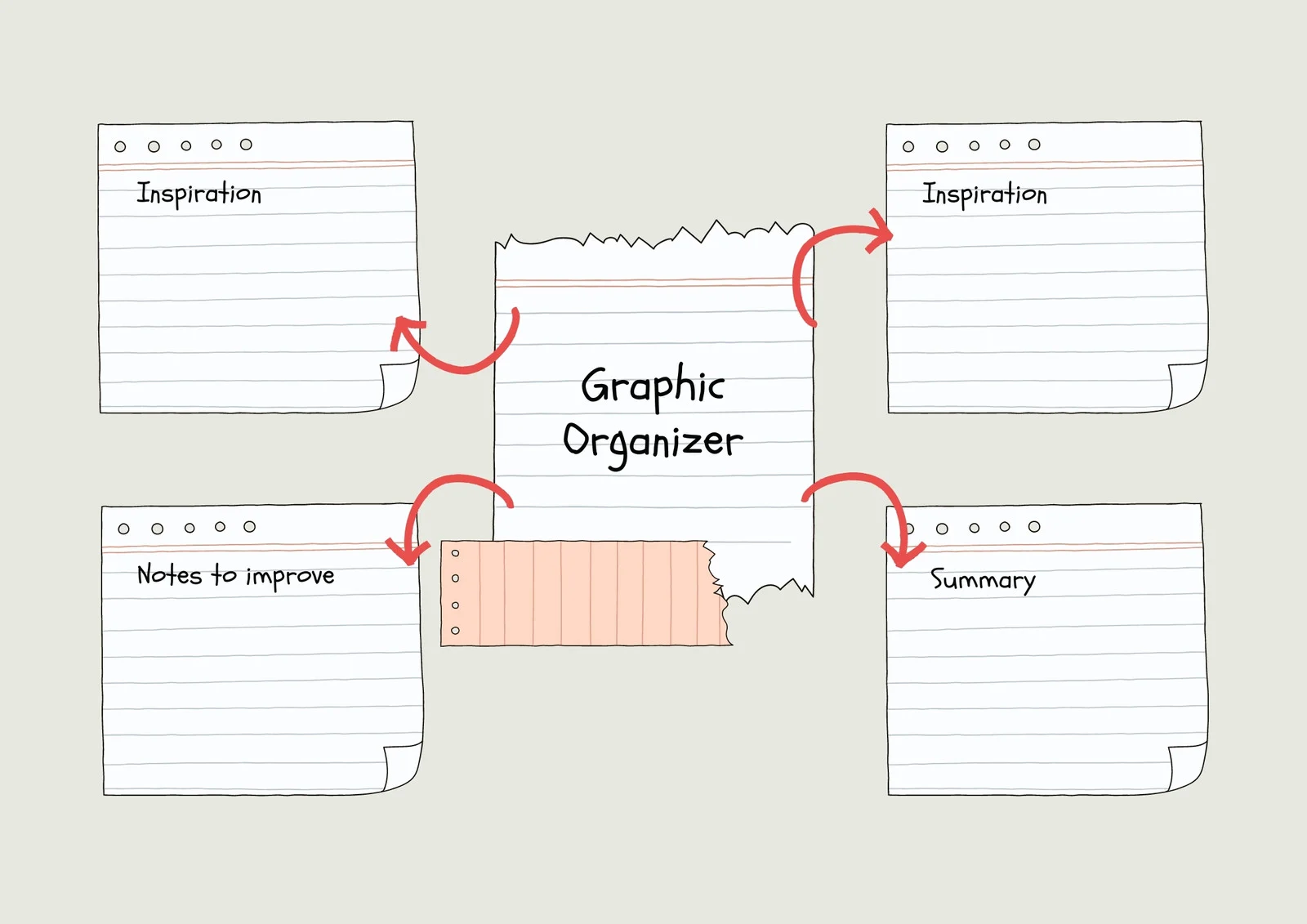
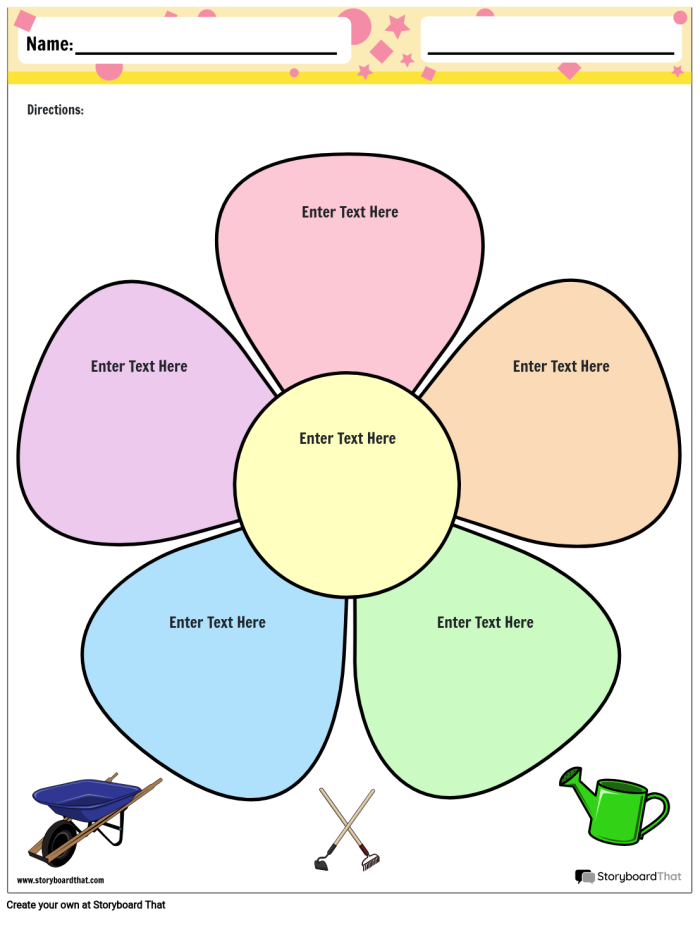
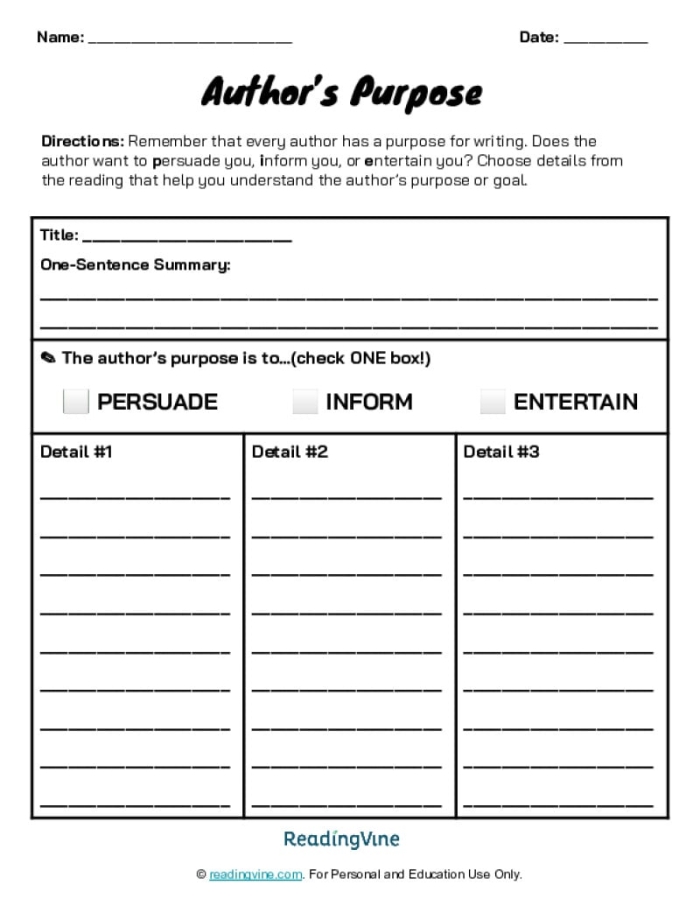
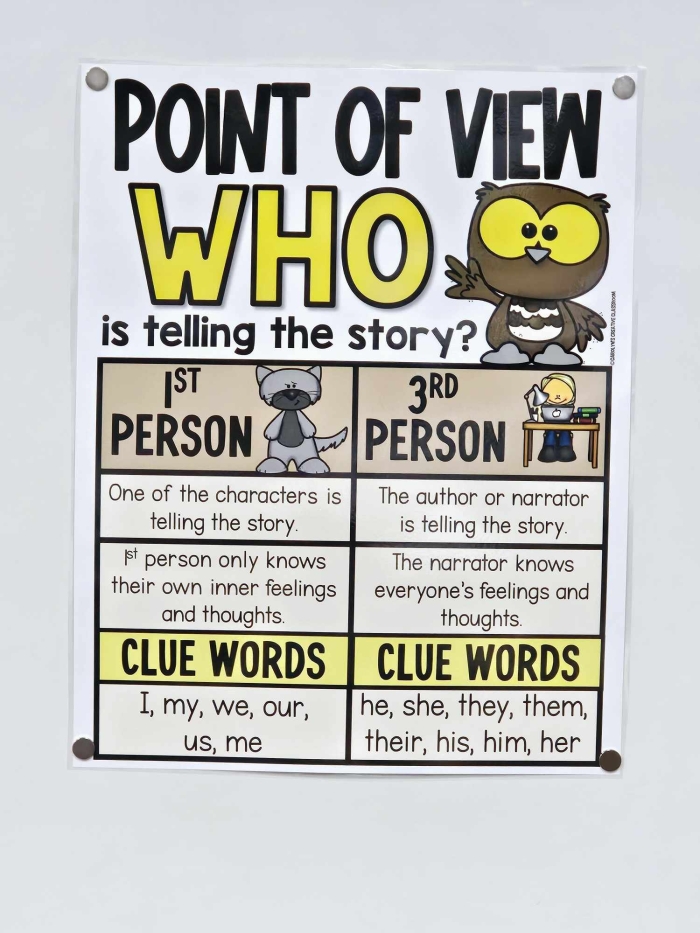
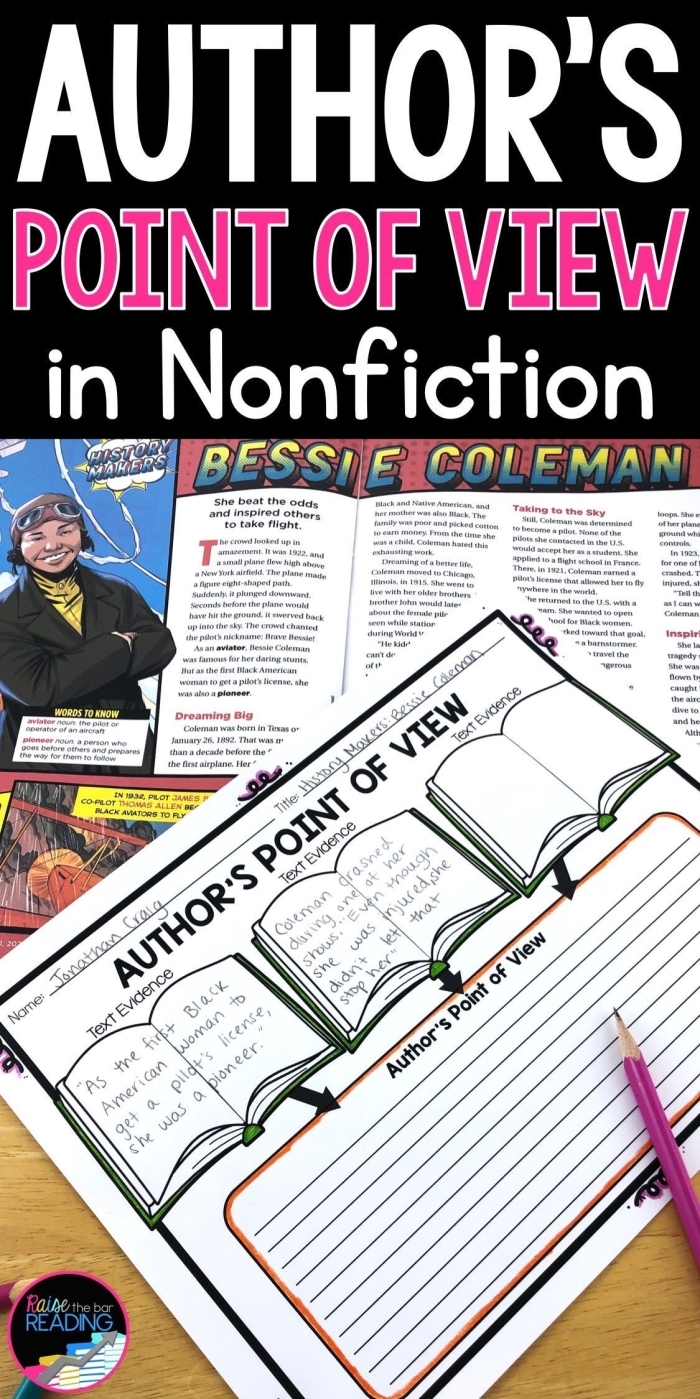
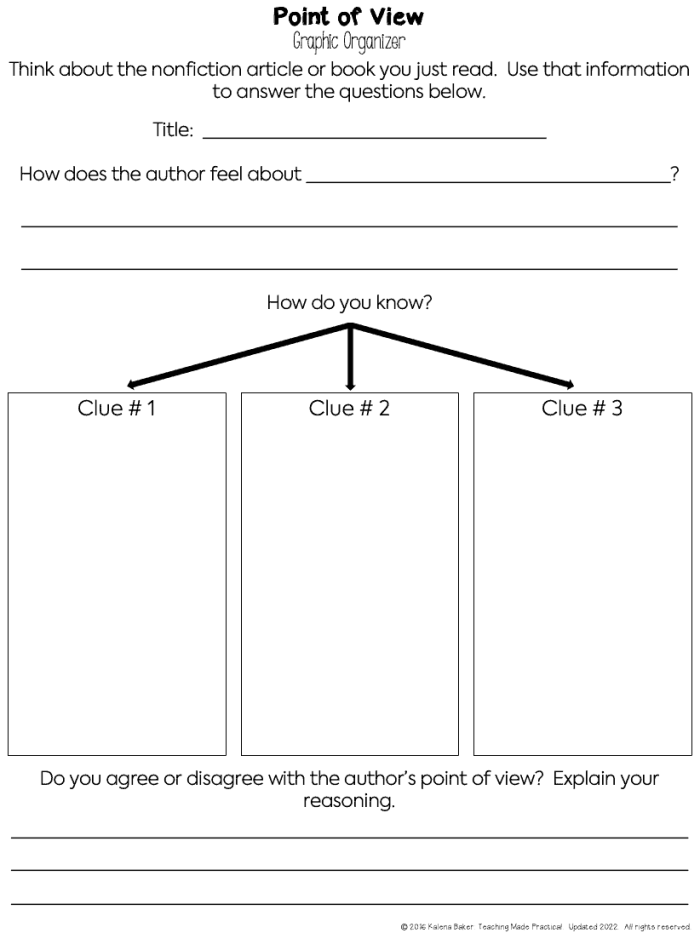
When fourth grade students encounter nonfiction texts, they often struggle to separate the author’s main point from the supporting details. A graphic organizer designed around an author’s point of view solves this problem by giving students a clear structure to work through the material systematically.
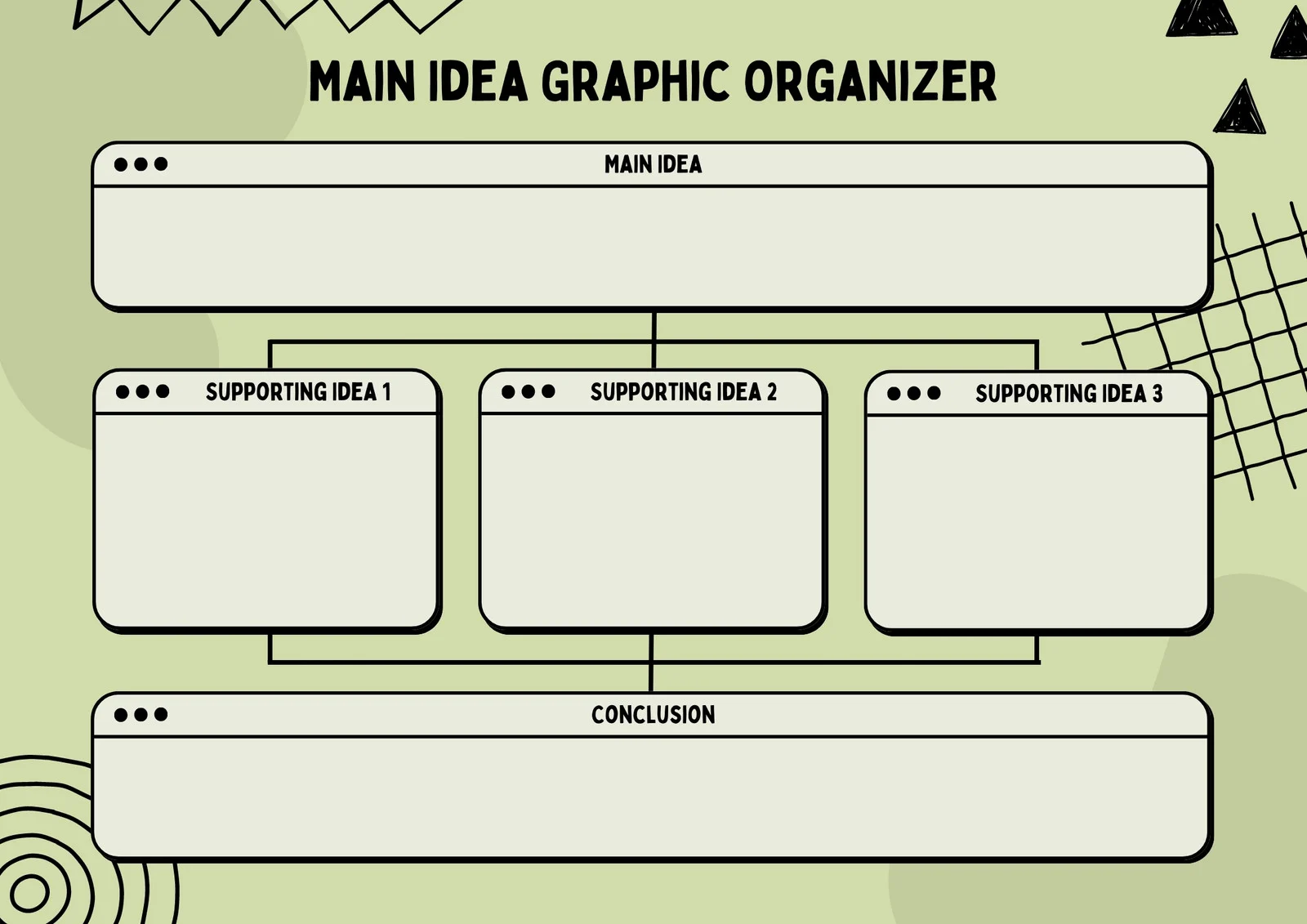
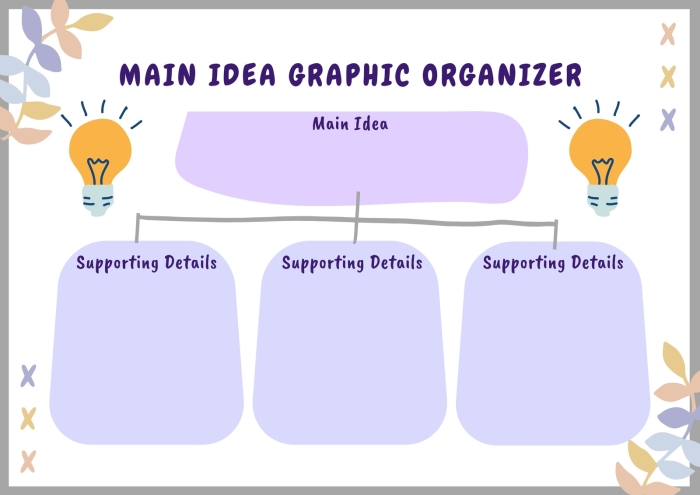
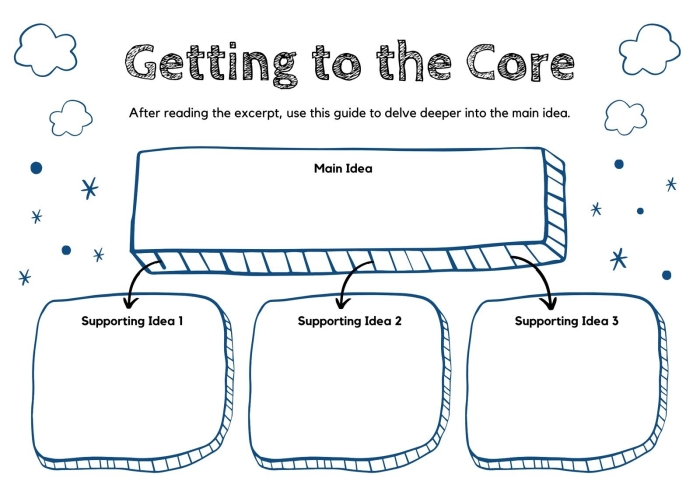
This type of organizer breaks down nonfiction reading into three essential components. First, students identify the author’s central point or argument. Second, they list the reasons the author provides to support that point. Third, they gather the specific evidence, facts, or examples that back up each reason. By organizing information this way, students develop stronger comprehension and learn how persuasive writing actually works.
The process mirrors how writers themselves construct arguments. Authors don’t randomly throw facts at readers. They build a logical structure: here’s what I believe, here’s why I believe it, and here’s proof. When students map this structure onto a graphic organizer, they begin recognizing these patterns in any text they read. This skill transfers across subjects, from science articles about ecosystems to history passages about historical figures.
For fourth graders working with data and graphing materials, this approach becomes especially valuable. When reading texts that explain survey results or statistical findings, students can use the organizer to distinguish between the data itself (evidence) and what the author concludes from that data (point). A graphic organizer for author’s point of view helps students see that numbers alone don’t tell a story, the author’s interpretation does.
Teachers report that students who use these organizers write stronger summaries and ask better questions about texts. They move beyond passive reading to active analysis. The visual layout keeps information organized, making it easier to reference specific details during class discussions or writing assignments. This foundational skill in understanding argumentative structure prepares students for more complex reading tasks in later grades.
Worksheet Practice Section